
15 Safest Monsoon Destinations in India for Solo Female Travellers (2026)

For solo women planning a rainy season getaway in 2026, the safest Monsoon Destinations in India for Solo Female Travellers combine reliable transport, well-lit stays, low landslide risk, and active tourism ecosystems. Our top picks include Coorg, Munnar, Wayanad, Alleppey, Udaipur, Pondicherry, Lonavala, Mahabaleshwar, Panchgani, Gokarna, Ooty, Kodaikanal, Shillong, Darjeeling, and Chikmagalur — each vetted for road stability, women-first stays, and things to do when it rains.
In this Blog
Quick Info: Planning a Safe Solo Monsoon Trip in India
| Best monsoon months | Mid-June to mid-September 2026 (South-West monsoon) |
| Ideal duration per destination | 3 to 5 nights |
| Safest travel window | Daytime road journeys; avoid 7 pm–6 am hill drives |
| Booking lead time | 3–6 weeks in advance for weekends |
| Recommended budget | INR 12,000–INR 30,000 per person for a 4-night solo trip |
| Emergency numbers | 112 (unified), 1091 (women helpline), 1363 (tourist) |
| Ideal for | Solo women, first-time solo travellers, small girl-groups |
The monsoon transforms India — waterfalls come alive, hill towns glow emerald, coffee estates smell like wet earth, and prices drop by 30–50%. For solo female travellers, though, monsoon comes with real questions: Which roads are safe? Where will I get help if something goes wrong? Which stays feel secure at 10 pm on a rainy night? This guide answers all of those with 15 vetted destinations, first-hand travel notes from our team, and practical safety planning.
We shortlisted these 15 Monsoon Destinations in India for Solo Female Travellers based on five hard filters: police-verified tourism zones, all-weather roads, a strong homestay or hospitality culture, active local WhatsApp groups for travellers, and a low landslide history over 2022–2025. Every destination in this list has hosted thousands of solo women in recent monsoons — we cross-checked reviews on TripAdvisor, r/IndiaTravel, and Google Maps women-safety comments before including it.
Why solo women should not skip the monsoon in India: Rainy-season India is quieter, gentler, and dramatically cheaper. You get uncrowded viewpoints, discounted stays, and warmer host interactions because tourist volumes are low. StayVista’s 2025 booking data showed a 42% jump in solo-women bookings during monsoon versus peak winter — the shift is real.
Why the Monsoon is a Smart Season for Solo Women Travellers in 2026
Solo travel in India during monsoon has matured. Between 2023 and 2025, states like Kerala, Karnataka, Maharashtra, and Meghalaya rolled out dedicated women-safety tourism initiatives — police-verified taxi programs, pink autos in Kochi and Pondicherry, women-only night helplines, and CCTV coverage on major tourist circuits. For 2026, the government’s Dekho Apna Desh policy continues to prioritise domestic monsoon circuits, meaning better roads and clearer signage.
- Lower crowds: Solo women get quieter viewpoints, safer beaches, and easier restaurant tables for one.
- Lower prices: Villa and homestay tariffs drop 30–50%, so upgrades are affordable.
- Warmer hospitality: Off-season hosts often treat solo women guests like family, especially in Kerala and Meghalaya.
- Slower travel: Rain-forced downtime encourages journaling, reading, and rest — the point of most solo trips.
- Ecosystem alertness: Locals notice a solo woman quicker in low season, which surprisingly increases safety.
That said, monsoon travel is not without risks. Flash floods hit parts of North India and the Konkan coast most years. Landslides close Manali–Leh, sections of Sikkim, and parts of Uttarakhand between July and August. This is why our list focuses on destinations with a stable safety record — no Manali, Kasol, or Rishikesh in this year’s shortlist, despite their popularity.
The 15 Safest Monsoon Destinations in India for Solo Female Travellers in 2026
The destinations below are ordered by overall safety score — a composite of road safety, women-friendliness ratings on SafetiPin, homestay quality, and monsoon activity depth. Every entry follows the same eight-part outline so you can compare directly.
1. Coorg (Kodagu), Karnataka

Coorg, officially Kodagu is India’s coffee bowl and arguably the single safest solo-woman monsoon destination in the south. Between July and September, mist wraps around the estates, waterfalls at Abbey and Iruppu double in volume, and coffee blooms perfume the air. The district has one of Karnataka’s lowest crime rates against women, and Kodavas — the local community — are known for taking guests under their wing. Solo women repeatedly rate Coorg 4.6+ on SafetiPin’s women’s safety index.
Weather of Coorg
Coorg receives 2,500–4,000 mm of rain across the monsoon, with July as the wettest month. Temperatures stay between 16°C and 24°C — cool enough for a light sweater in the evenings. Rain is heavy but predictable, mostly in bursts of 2–4 hours; clear windows are common for morning walks. Roads to Madikeri and Virajpet remain paved and generally landslide-free, though the Sampaje ghat can see brief closures — check Karnataka State Disaster Management alerts before travel.
How to reach Coorg in monsoon as a solo traveller
The safest route is Bengaluru → Coorg by KSRTC Airavat Volvo (INR 850–INR 1,200, 6 hours) that runs multiple times daily with women’s-seat reservation options. Mangaluru is the nearest airport (140 km, 4 hours). For solo women, we recommend the Bengaluru bus over private cabs at night because KSRTC has GPS-tracked services and women’s helpline stickers. Book seats 3B or 4B — window seats in the middle rows are safest. Avoid arriving in Madikeri after 9 pm; buses drop late-night passengers at a well-lit stand, but onward transport thins after dark.
Monsoon-special places to visit in Coorg
- Abbey Falls: Full volume in monsoon; safe walkway; entry INR 30; open 9 am–5 pm.
- Raja’s Seat: Sunset viewpoint with monsoon clouds; entry INR 25; open 5:30 am–7:30 pm.
- Namdroling Golden Temple (Bylakuppe): Second-largest Tibetan settlement; entry free; open 9 am–6 pm.
- Dubare Elephant Camp: Elephant interaction; entry INR 300; open 9 am–5 pm; boat crossing suspended in heavy rain.
- Talakaveri: Kaveri river origin; entry INR 10; open 6 am–6 pm; wear grippy shoes for the wet steps.
- Madikeri Fort and Museum: Colonial-era history; entry INR 15; closed Mondays.
Monsoon-special things to do in Coorg
- Coffee-estate walks with resident planters (INR 500–INR 800 for a 90-minute walk).
- Home-cooked Kodava lunch — pandi curry and kadumbuttu — arranged through your homestay (INR 400–INR 600).
- Rain-view yoga at Tala Kaveri retreats (INR 800 per session, includes tea).
- Guided estate photography walks in the mist (INR 1,200 per session).
- Chocolate and spice workshops in Madikeri — hands-on, women-led studios (INR 600).
Monsoon itinerary for solo women (3 nights, 4 days)
- Day 1: Bengaluru → Madikeri; check in; Raja’s Seat at sunset; early dinner at Coorg Cuisine.
- Day 2: Abbey Falls in the morning; coffee-estate walk; Kodava lunch; evening bookstore café.
- Day 3: Bylakuppe day trip (Golden Temple + monk chats); return by 5 pm; spa evening.
- Day 4: Talakaveri sunrise; slow breakfast; Bengaluru bus by 2 pm.
Safety tips for solo women travellers in Coorg
- Save the Madikeri women’s helpline: 08272-225000. Response time is under 20 minutes.
- Estate walks: always book through your homestay, never a random guide at the town square.
- Carry a small torch — evening power cuts happen 2–3 times a week in monsoon.
- Confirm return transport before starting any waterfall trek; local mobile signal drops in valleys.
- Coorg has a friendly all-women WhatsApp group — ask your host to add you for real-time weather updates.
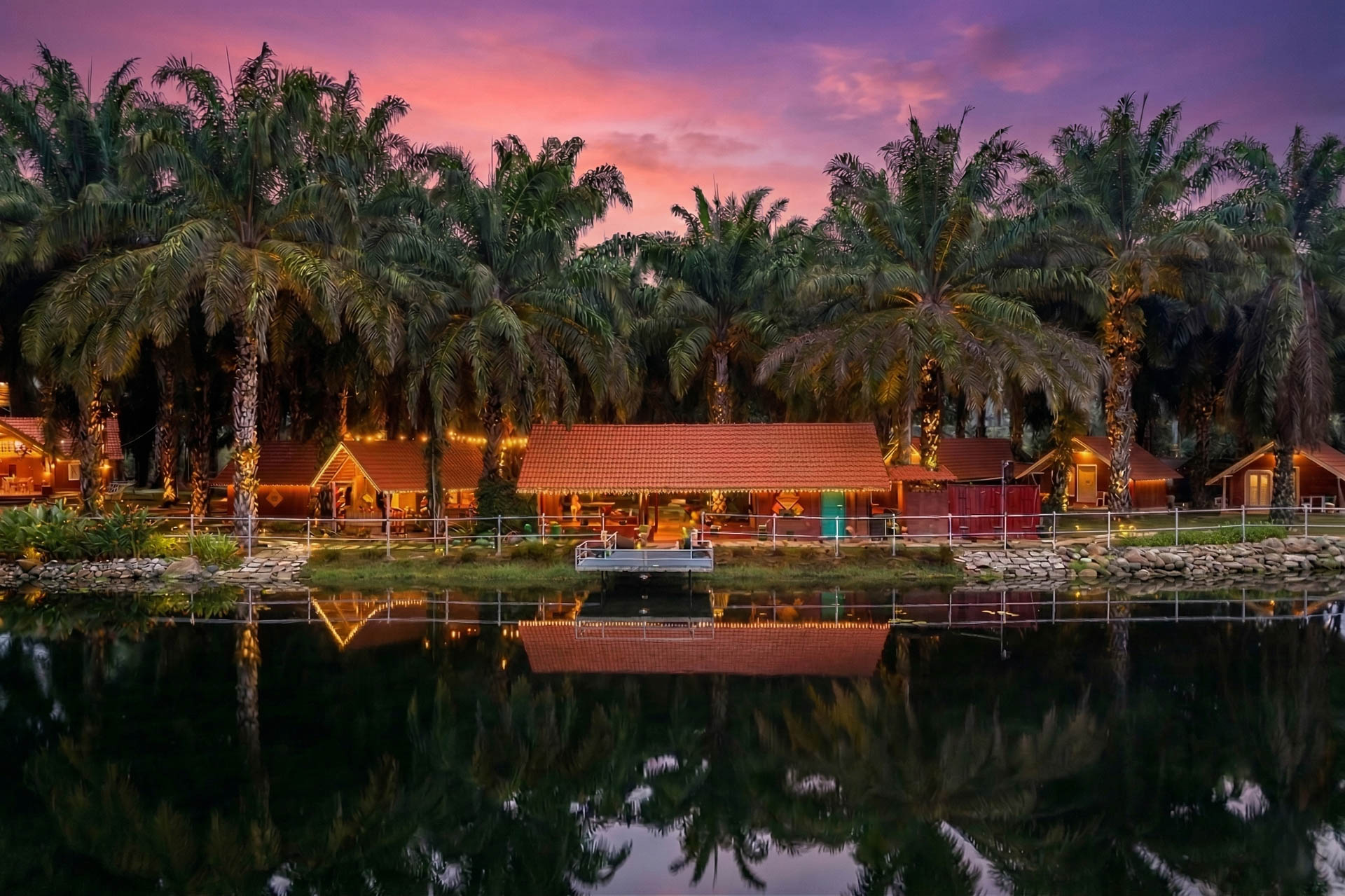
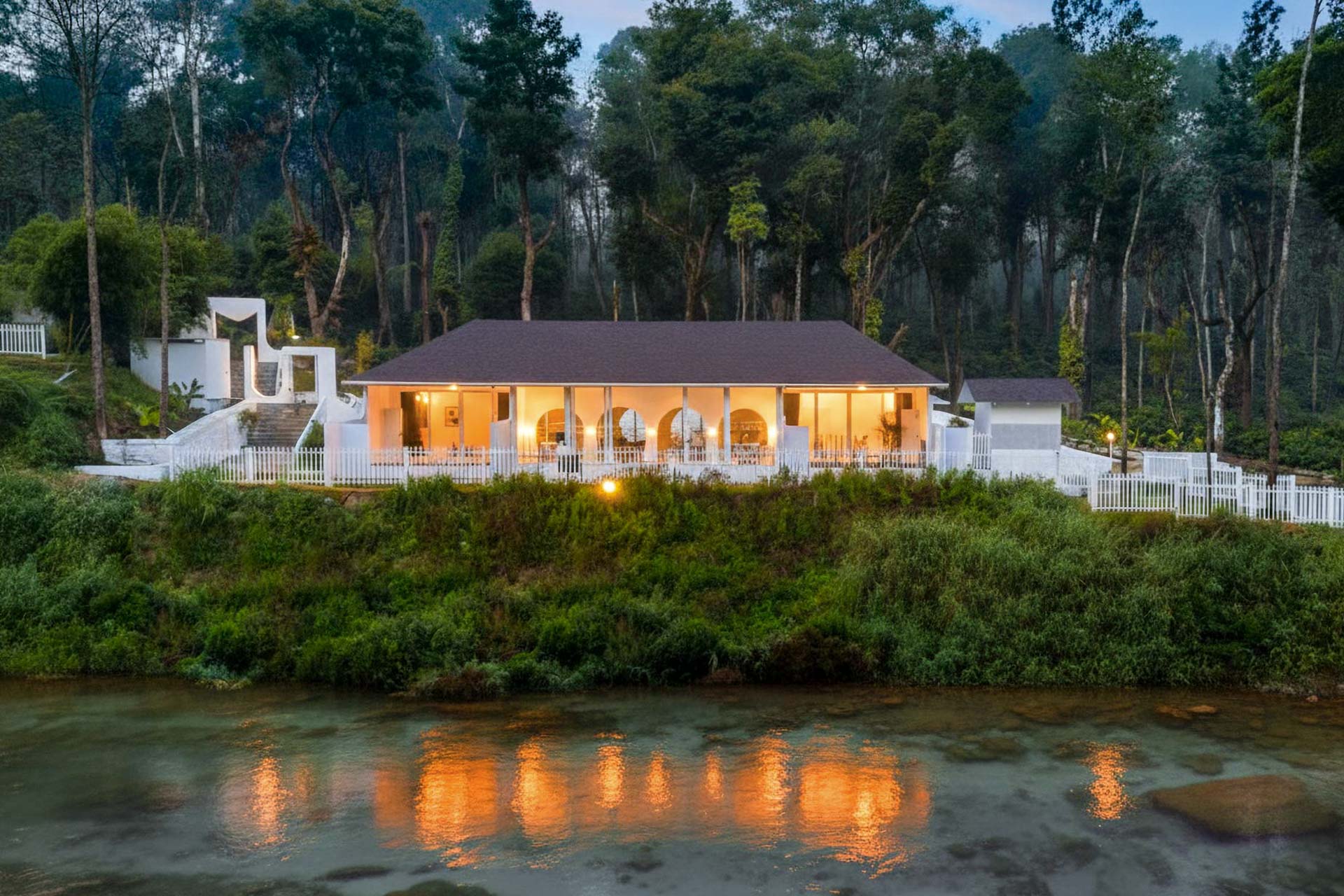
Where to stay in Coorg
2. Munnar, Kerala

Munnar is Kerala’s tea capital and one of the most predictably safe hill destinations for a solo woman in the rains. The town runs on tourism, homestay culture is 30 years deep, and single-women bookings are so normal that Munnar’s auto union quotes flat pre-metered rates to solo female travellers on request. Monsoon here is romantic without being chaotic — the tea gardens are their greenest, the Neelakurinji hillsides shimmer, and Eravikulam’s plateau turns dramatic.
Weather of Munnar
Munnar sits at 1,600 m and receives 2,000–2,500 mm of rain from June to September. Days stay at 15–22°C; nights can dip to 11°C. July is the wettest month; September softens into a mix of showers and long sunny windows. Fog is heavy at dawn — plan viewpoints for 9 am onwards. The main highway from Kochi is well-maintained, though the Bodimettu section gets slippery; drive during daylight only.
How to reach Munnar in monsoon as a solo traveller
Kochi (Kochi International Airport, COK) is 108 km away. Kerala SRTC’s low-floor Volvo runs Ernakulam → Munnar for INR 250–INR 380 (5 hours, daylight departures at 7 am, 9 am, and 1 pm). Solo women overwhelmingly recommend the KSRTC over private taxis because the bus stops at Adimali — a safe halt for lunch and washrooms. If you must taxi, book through Kerala Tourism’s approved list (kerala.gov.in/tourism) which vets driver background checks.
Monsoon-special places to visit in Munnar
- Eravikulam National Park: Endemic Nilgiri tahr sightings; entry INR 200; open 7 am–4 pm; closed Feb 1–Mar 31.
- Tea Museum (Kannan Devan): Working plantation tour; entry INR 175; open 9 am–5 pm; closed Mondays.
- Attukal Waterfalls: Roars in monsoon; entry free; safe viewing deck; 9 km from Munnar town.
- Mattupetty Dam: Boating suspended in heavy rain but photography is stunning; free entry.
- Echo Point: Best 8 am–11 am before mist rolls in; free entry.
- Kolukkumalai (world’s highest tea estate): Sunrise jeep tour INR 1,800 per seat; book via a verified operator.
Monsoon-special things to do in Munnar
- Tea-tasting sessions at Kannan Devan factory (INR 250 per person).
- Ayurveda women’s wellness sessions — abhyanga massage from certified women therapists (INR 1,500–INR 2,500).
- Guided nature walks with the Munnar Tour and Guide Association (INR 700 per walk).
- Cardamom-plantation visits with lunch (INR 900).
- Slow reading afternoons at Munnar’s café circuit — Coffee@Munnar and Rapsy’s are solo-woman-friendly.
Monsoon itinerary for solo women (3 nights, 4 days)
- Day 1: Kochi → Munnar KSRTC; check in; evening tea garden walk near your homestay.
- Day 2: Eravikulam morning; Tea Museum; late lunch at Guru Bhavan; sunset at Photo Point.
- Day 3: Kolukkumalai sunrise; return; afternoon Ayurveda massage; journal evening.
- Day 4: Mattupetty; slow café brunch; KSRTC back to Kochi.
Safety tips for solo women travellers in Munnar
- Munnar police helpline for tourists: 04865-230201. English-speaking women officers on rotation.
- Avoid Top Station and Chokramudi treks in July — trails get dangerous.
- Stick to shared jeep tours for Kolukkumalai — never a solo private jeep with an unknown driver.
- Munnar’s late-evening restaurants close by 9:30 pm — plan dinner early.
- Keep a printed copy of your homestay address in Malayalam for autorickshaws.
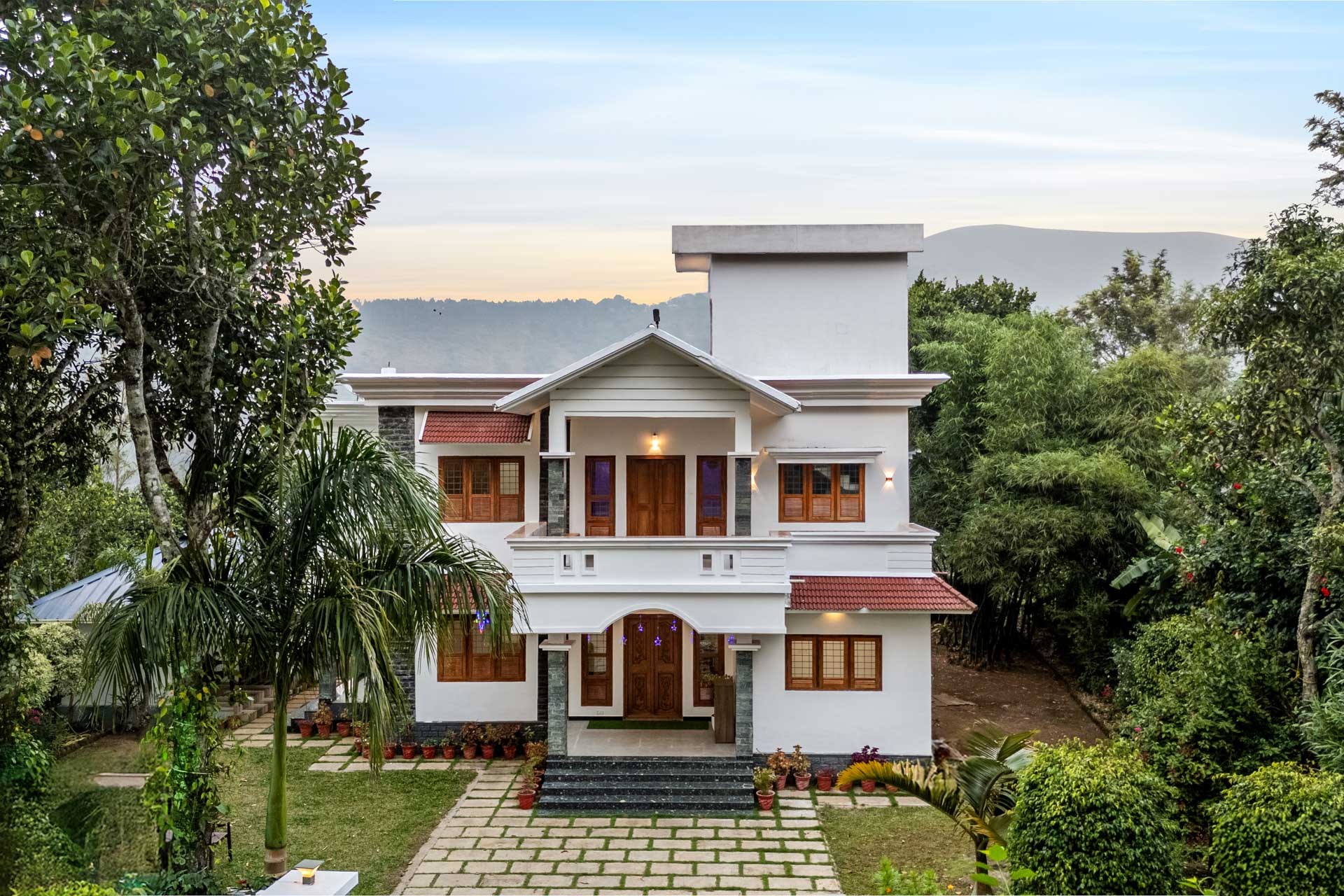
Where to stay in Munnar
3. Wayanad, Kerala

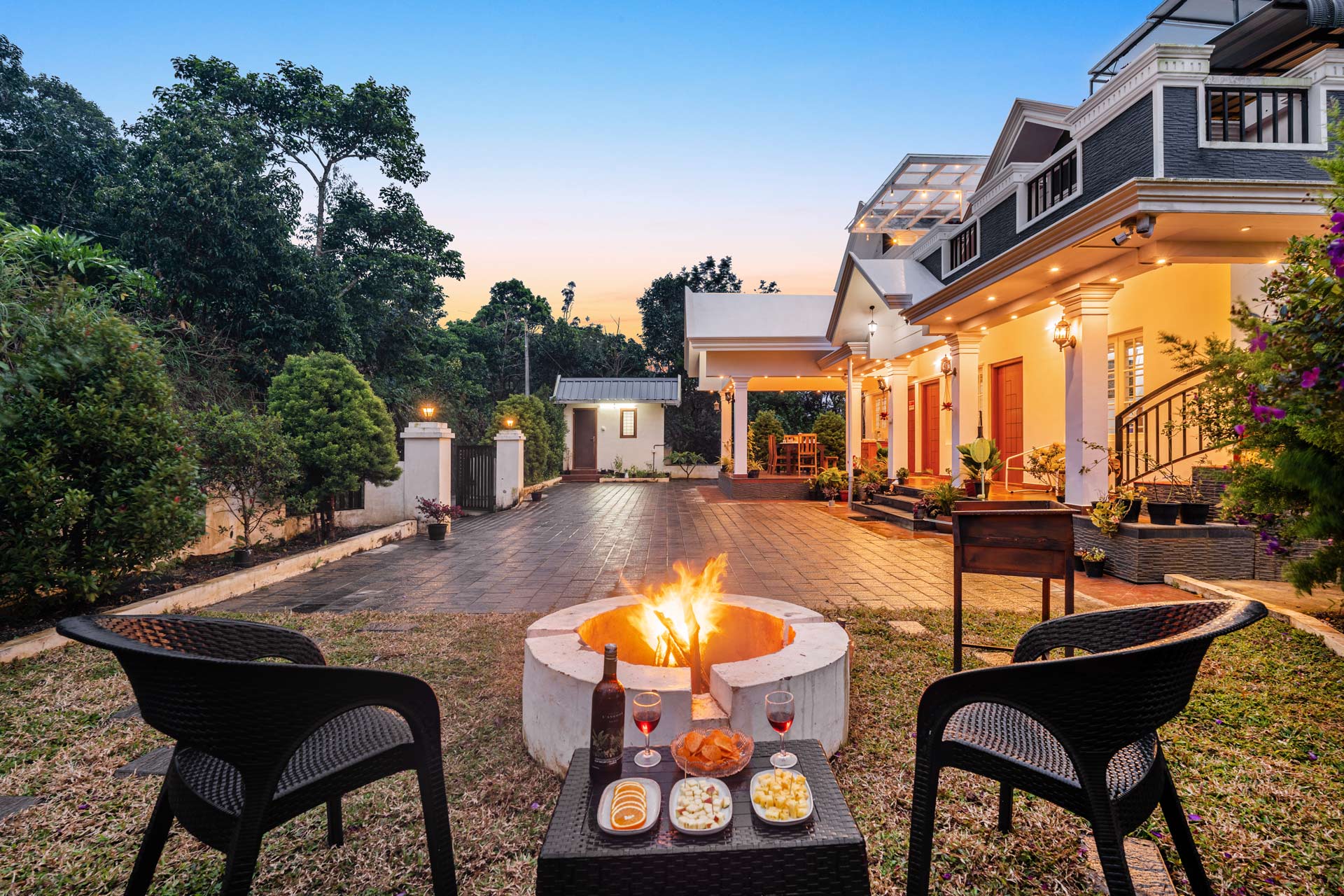
Wayanad is the emerald heart of Kerala’s Western Ghats and one of the most rewarding Monsoon Destinations in India for Solo Female Travellers who love forests, waterfalls, and slow homestays. The district has actively rebuilt safer tourism infrastructure after the 2024 landslides — Kerala Tourism issued new solo-woman advisories, and the DTPC’s official app now shows real-time road closures. Homestays here have among Kerala’s highest single-women guest ratios.
Weather of Wayanad
Wayanad sits between 700 m and 2,100 m, receiving 2,500–3,500 mm of monsoon rain. Temperatures range from 18°C to 26°C. July is heaviest; September brings golden light through parting clouds. Meppadi and Kalpetta remain the safest bases in monsoon — they are on state-monitored slopes. Avoid staying in Chooralmala and Mundakkai for 2026 monsoon; those zones are still under restoration.
How to reach Wayanad in monsoon as a solo traveller
Kannur International Airport (CNN) at 90 km is closest; Kozhikode (Calicut, CCJ) at 100 km is a great alternative. KSRTC Volvo Kozhikode → Kalpetta costs INR 300–INR 450 and takes 3.5 hours. For solo women, we recommend arriving before 5 pm as the Thamarassery ghat has 9 hairpin bends. Kerala Tourism’s authorised women-driven cab service (INR 3,000 one-way, book via keralatourism.org) is the safest premium option — every driver is verified and GPS-monitored.
Monsoon-special places to visit in Wayanad
- Meenmutty Falls: Three-tier waterfall; entry INR 60; access via a 2-km moderate trek; guided groups only in monsoon.
- Soochipara Falls: Popular safe waterfall; entry INR 80; open 8 am–4 pm.
- Banasura Sagar Dam: India’s largest earthen dam; entry INR 50; boating suspended in heavy rain.
- Edakkal Caves: Neolithic petroglyphs; entry INR 40; open 9 am–4 pm; closed Mondays.
- Chembra Peak base area: The full trek is closed in monsoon but the base tea estate walk is safe and beautiful.
- Pookode Lake: Freshwater lake with pedal boating; entry INR 30.
Monsoon-special things to do in Wayanad
- Spice-farm walks with women-led co-operatives in Meppadi (INR 400).
- Bamboo-craft workshops through Uravu (women’s collective, INR 700 half-day).
- Coffee cupping sessions at estate-stays (INR 500).
- Guided birdwatching walks — Malabar hornbills are active in monsoon (INR 900).
- Ayurveda consultations at NABH-accredited centres in Kalpetta (INR 1,200–INR 3,000).
Monsoon itinerary for solo women (3 nights, 4 days)
- Day 1: Kozhikode → Kalpetta; check in; evening walk at Pookode Lake.
- Day 2: Edakkal Caves + Soochipara Falls day; lunch at Ambady Resort café.
- Day 3: Bamboo-craft workshop morning; Banasura Sagar afternoon; spa evening.
- Day 4: Coffee-estate breakfast; Kozhikode drop by 2 pm.
Safety tips for solo women travellers in Wayanad
- Kerala Tourism 24×7 solo-women helpline: 1800-425-4747 — English support available.
- Never trek without a certified guide in monsoon; forest department fines apply and safety is a real concern.
- Check the DTPC Wayanad app before every road journey for landslide alerts.
- Avoid Chooralmala and Mundakkai until the 2026 restoration is publicly certified complete.
- Wear waterproof shoes with grip — most Wayanad accidents involve slips on wet laterite steps.
Where to stay in Wayanad
4. Alleppey (Alappuzha), Kerala

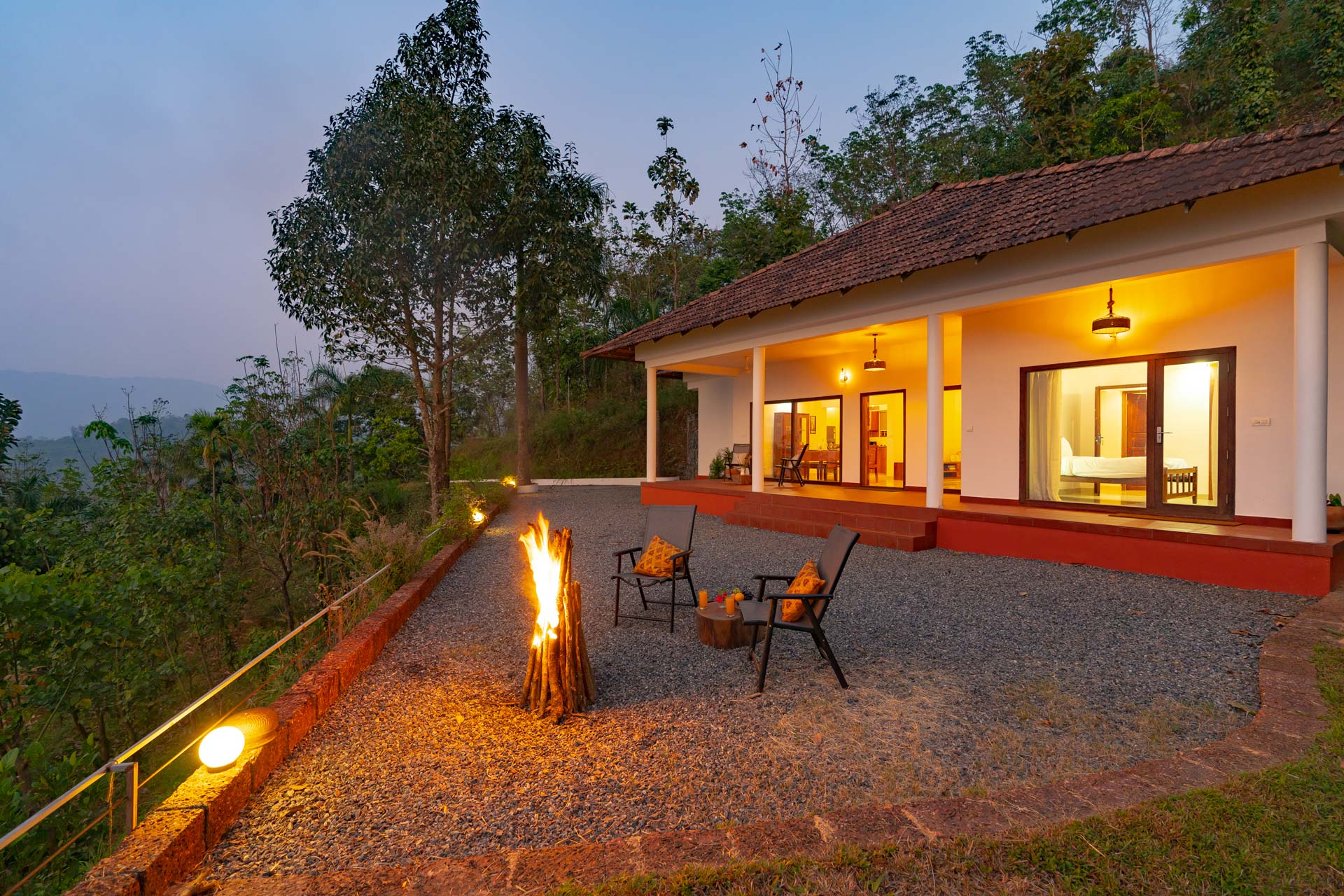
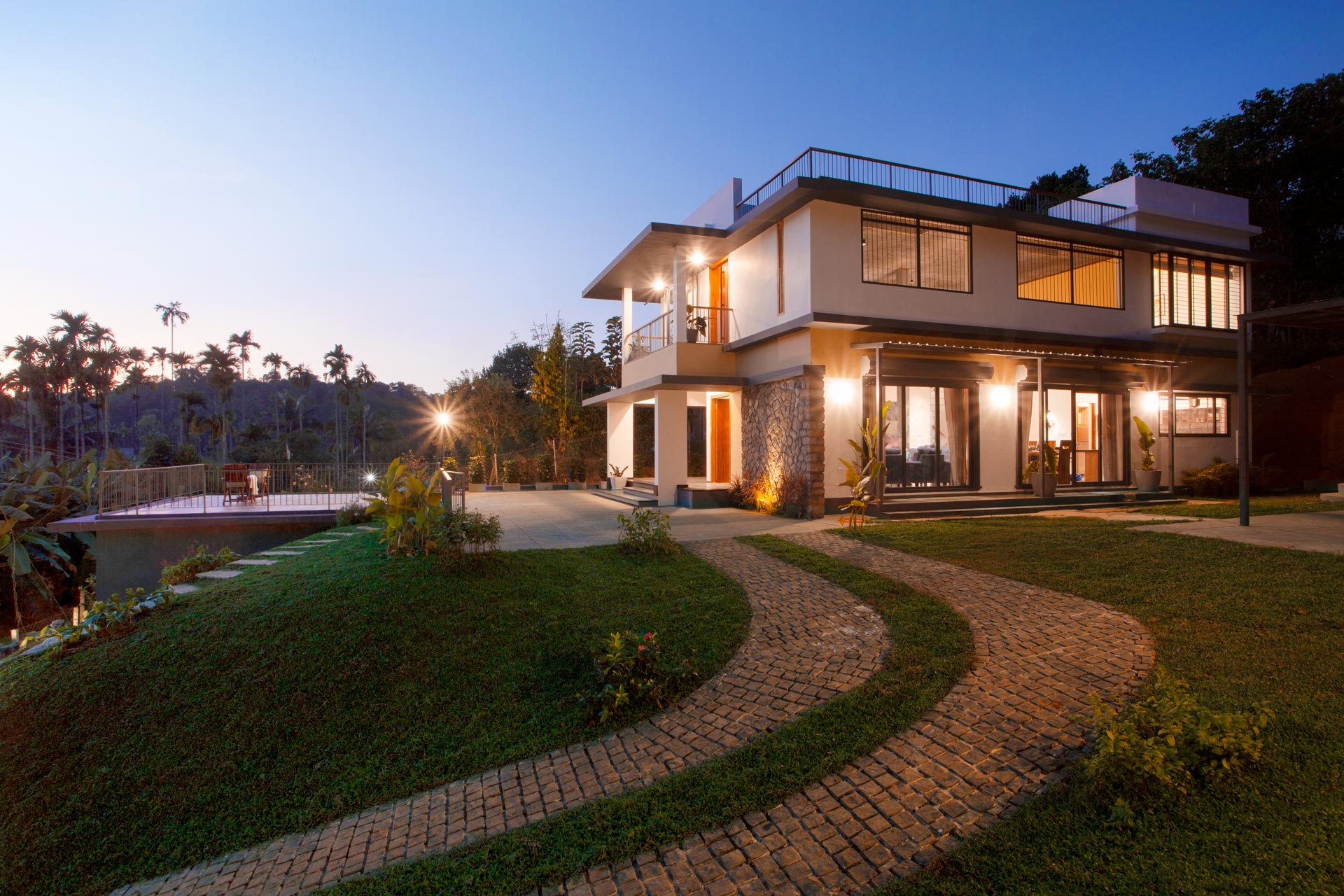
Alleppey — Kerala’s backwater capital — is arguably the most restful destination on this list. Monsoon turns the paddy fields into a shifting green sea, houseboat rates fall by 40%, and the crowds vanish. For solo women, monsoon Alleppey is safe because the tourism sector is heavily regulated — every houseboat has a KTDC licence, a two-person crew, and a 24×7 monitored radio.
Weather of Alleppey
Alleppey stays warm at 24–30°C through monsoon with 2,000–2,500 mm of rain. June has the heaviest showers; September settles into gentle drizzles. Humidity hits 85%, so pack light-cotton clothing. Backwater navigation is safest between 9 am and 5 pm — most operators do not sail after dark.
How to reach Alleppey in monsoon as a solo traveller
Kochi Airport (COK) is 85 km; Kochi Ernakulam Junction is 60 km. Kerala Railway trains run to Alleppey (ALLP) directly — the Vanchinad Express and Alleppey Express are safe daytime picks. Prepaid autos from Alleppey station charge INR 80–INR 120 to Punnamada Jetty. For premium safety, Kerala Tourism’s authorised women-driven cabs cover Kochi → Alleppey for INR 2,400.
Monsoon-special places to visit in Alleppey
- Punnamada Backwaters: Best experienced from a slow shikara (INR 600–INR 900 per hour, 4-hour minimum recommended).
- Alleppey Beach: Safe daytime walks; lighthouse tower entry INR 25; open 3 pm–5 pm.
- Krishnapuram Palace: 18th-century architecture and the Gajendra Moksham mural; entry INR 25; closed Mondays.
- Marari Beach: Cleaner and quieter than Alleppey Beach; free entry; women lifeguards on duty 6 am–6 pm.
- Kumarakom Bird Sanctuary (across the lake): Entry INR 60; open 6 am–5 pm; boat ride add-on INR 250.
Monsoon-special things to do in Alleppey
- Sunset shikara ride (safer than an overnight houseboat for a solo woman on her first Alleppey trip).
- Toddy-tapping tours through Kerala Responsible Tourism Mission (INR 800).
- Coir-making workshops in Ambalapuzha villages (INR 500).
- Ayurveda oil therapy — book only NABH-certified centres like AVN or KVAV.
- Cooking classes with village women’s groups (INR 1,200 for a 3-hour session).
Monsoon itinerary for solo women (3 nights, 4 days)
- Day 1: Kochi → Alleppey by train; check in; sunset shikara.
- Day 2: Full-day day-houseboat with a solo-woman upgrade (KTDC-certified crew); lunch on board.
- Day 3: Marari Beach morning; cooking class evening; women’s café hop.
- Day 4: Krishnapuram Palace; slow train back to Kochi.
Safety tips for solo women travellers in Alleppey
- Book houseboats only through KTDC-registered operators — check the Gold Star licence sticker on boarding.
- For overnight houseboats, request a two-cabin boat and a female cook if available (INR 1,000 extra).
- Alleppey Tourist Police helpline: 0477-2251796.
- Avoid the ferry ghats after 8 pm — poorly lit; use prepaid autos through your homestay.
- Carry ORS sachets — the mix of humidity and salty air dehydrates faster than expected.
Where to stay in Alleppey

5. Udaipur, Rajasthan

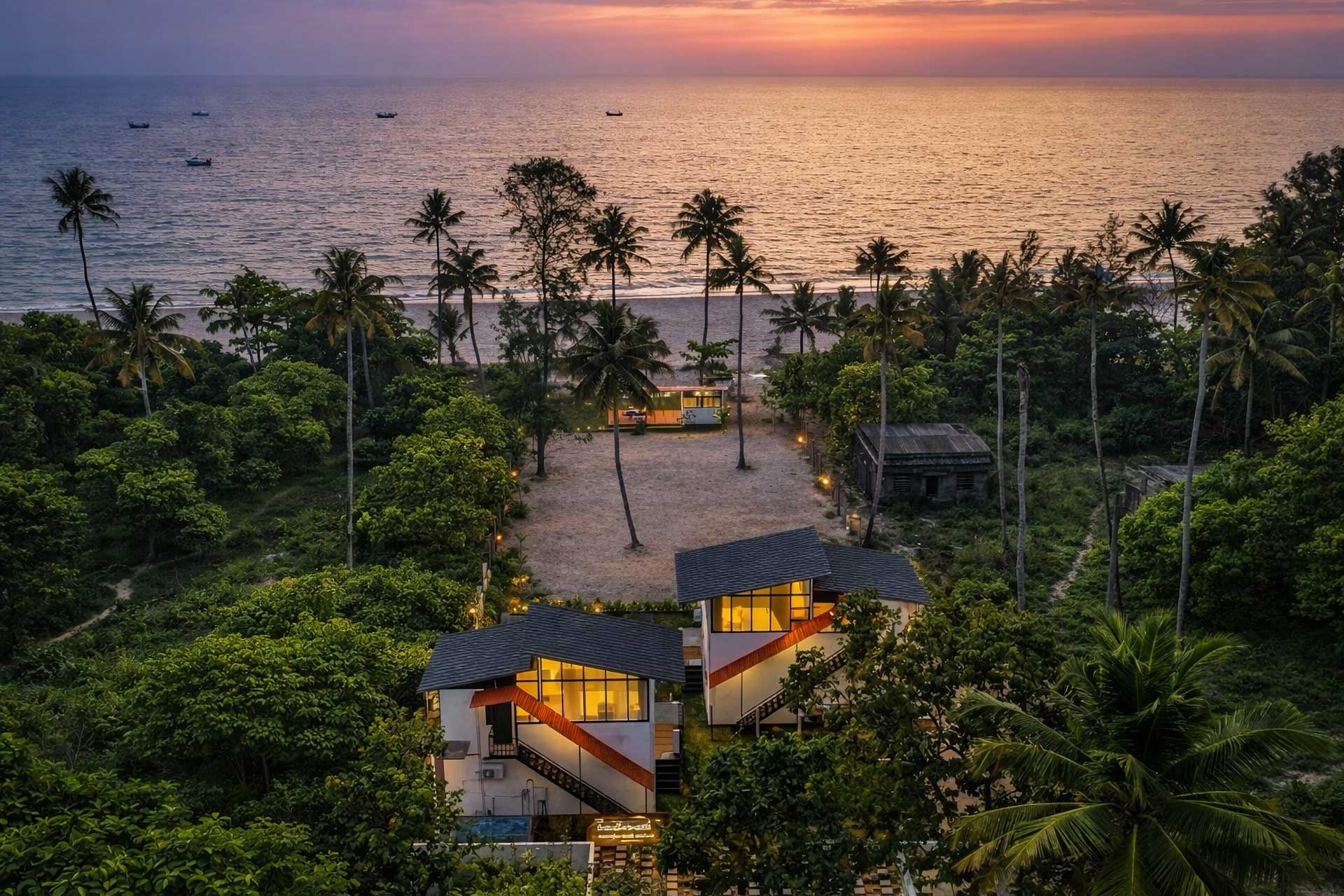
Udaipur in the monsoon is a revelation — Rajasthan’s lakes overflow for the only time in the year, the Aravalli hills turn green, and the palaces reflect double. It’s also one of North India’s safest big-city destinations for solo women. Udaipur’s Tourism Assistance Force has women officers on 24/7 rotation, and the city centre has near-total CCTV coverage. Cafés catering to solo female travellers have multiplied since 2023.
Weather of Udaipur
Udaipur receives a moderate 650–800 mm of rain from July to September — enough to make everything green without turning the city into mud. Temperatures sit at 23–32°C. The city rarely faces long road closures. Fateh Sagar’s overflow (locally called ‘Ambrai chalu’) is a celebration if it happens in your trip — usually early August.
How to reach Udaipur in monsoon as a solo traveller
Maharana Pratap Airport (UDR) has daily flights from Mumbai, Delhi, and Bengaluru. The airport is 22 km from the city — prepaid airport taxis cost INR 750 and are one of the country’s most tightly monitored fleets. Udaipur City Railway (UDZ) connects to Delhi via the Mewar Express — book 2A or 1A for a solo trip. Ola and Uber operate reliably in Udaipur and both have SOS buttons that ping the local control room.
Monsoon-special places to visit in Udaipur
- City Palace: Entry INR 300; open 9:30 am–5:30 pm; monsoon light on the courtyards is spectacular.
- Fateh Sagar Lake and Nehru Garden: Boating INR 220; open 9 am–6 pm; a monsoon-only overflow is a photographer’s dream.
- Sajjangarh Monsoon Palace: Built specifically for monsoon views; entry INR 100; open 9 am–5 pm.
- Ambrai Ghat: Free entry; best at sunset from the western side.
- Jagdish Temple: 17th-century marvel; free entry; modest dress code.
- Bagore ki Haveli Dharohar dance show: INR 200; 7 pm nightly — a safe, well-lit evening activity.
Monsoon-special things to do in Udaipur
- Miniature painting workshop in Chandpole (INR 700 for 2 hours).
- Rooftop café hopping — Charcoal, Millets of Mewar, Ambrai — all safe for late lunches.
- Monsoon boat ride on Lake Pichola (INR 500 for a 30-minute ride; INR 900 for the sunset special).
- Women-led cooking classes in Sisarma village (INR 1,500 with lunch).
- Bicycle heritage tour with ‘Heritage Cycle Tours’ — women-only Sunday batches (INR 900).
Monsoon itinerary for solo women (3 nights, 4 days)
- Day 1: Arrive; check in; Ambrai Ghat sunset; dinner at Millets of Mewar.
- Day 2: City Palace morning; Bagore ki Haveli show evening.
- Day 3: Sajjangarh Monsoon Palace; miniature painting class; Fateh Sagar boat ride.
- Day 4: Sisarma cooking class; departure.
Safety tips for solo women travellers in Udaipur
- Rajasthan Tourism women helpline: 1800-103-5111 — English and Hindi support.
- Old City lanes are safe until 11 pm because of café density and constant foot traffic.
- Use metered autos or Ola only; unregistered rickshaws overcharge and detour.
- Photography note: some ghats charge INR 50 for camera; carry small change.
- Weekend Ghumar traffic is heavy — Fri/Sat plans should start early.
Where to stay in Udaipur
6. Pondicherry (Puducherry)
Pondicherry deserves its cult status among the Monsoon Destinations in India for Solo Female Travellers because it combines French colonial charm, low crime rates, walkable neighbourhoods, and a bike-friendly promenade. Monsoon here is mostly the North-East variety — heaviest in October–November — but the tail of the South-West spell in August and September brings gentle rains that lift the town’s colour. The White Town’s CCTV coverage is amongst Tamil Nadu’s best.
Weather of Pondicherry
Pondicherry runs 26–33°C in monsoon with 1,000–1,200 mm of rain. The main South-West monsoon rains fall August–September; October–November brings the heavier North-East monsoon. Sea conditions turn choppy — swimming is unsafe from mid-July to late September at Rock Beach, but Serenity and Paradise beaches remain calmer.
How to reach Pondicherry in monsoon as a solo traveller
Chennai International Airport (MAA) at 165 km is the closest major hub. The East Coast Road (ECR) is one of India’s safest highways with continuous CCTV and 24×7 patrol. Take an ECR AC volvo (INR 350–INR 450, 3 hours) or the government’s TTDC AC coach that has a women-only front section. Uber and Ola work smoothly in Puducherry.
Monsoon-special places to visit in Pondicherry
- Rock Beach and Promenade: Free; safe for evening walks 5 pm–11 pm because of vehicle-free zoning.
- Sri Aurobindo Ashram: Free entry with dress code; open 8 am–12 pm and 2 pm–6 pm.
- Auroville and Matrimandir viewing point: INR 200 for the guided viewing pass; open 9 am–4 pm.
- Basilica of the Sacred Heart: Free; open 8 am–7 pm; monsoon interiors are luminous.
- Serenity Beach: Cleaner and quieter than Rock Beach; free entry; surfing schools operate select monsoon days.
- Paradise Beach (Chunnambar boat): INR 250 including boat ride; open 9:30 am–4:30 pm.
Monsoon-special things to do in Pondicherry
- Heritage cycling tour of White Town — women-only Sunday tour by Sita Cultural Café (INR 800).
- Journaling and writing workshops at Kasha Ki Aasha (INR 500).
- Aurovilian farm-to-table food tastings (INR 900).
- Pottery workshop at Golden Bridge Pottery (INR 2,500 for a half-day class).
- Sunset walk at Rock Beach — safest, most social solo activity in town.
Monsoon itinerary for solo women (3 nights, 4 days)
- Day 1: Arrive; check in; sunset walk on Rock Beach; dinner at Café des Arts.
- Day 2: White Town heritage cycle tour morning; ashram visit; monsoon rooftop café evening.
- Day 3: Auroville day trip; Matrimandir viewing; back to Pondi by 6 pm.
- Day 4: Serenity Beach morning; slow café brunch; departure.
Safety tips for solo women travellers in Pondicherry
- Pondicherry Tourism helpline: 0413-2334598.
- Bicycles are the safest way to explore the White Town — rental INR 150 per day.
- Do not swim during the North-East monsoon lash (October–November).
- Auroville shuttle van is the best way to reach Matrimandir; do not walk the last 2 km alone.
- Cafés stay open till 11 pm — a genuinely safe late-night ecosystem for solo women.
Where to stay in Pondicherry
7. Lonavala, Maharashtra

Lonavala is Mumbai and Pune’s shared monsoon lifeline — the closest, easiest hill escape from either city. For solo women, Lonavala’s strength is transport safety: hourly Deccan Queen and Intercity trains from both cities, well-lit stations, and metered autorickshaws. Waterfalls come alive between mid-July and August. The Rajmachi and Bhushi loops attract weekend crowds — pick weekdays for solo travel.
Weather of Lonavala
Lonavala receives one of Maharashtra’s highest monsoon rainfalls at 3,000–5,000 mm. Temperatures stay 19–26°C. July is the wettest month with near-continuous rain; August brings clearing spells. Bhushi Dam overflow is spectacular but the steps get slippery — the site was fenced with safety barriers after 2024 accidents.
How to reach Lonavala in monsoon as a solo traveller
The safest arrival is by train. Mumbai CST → Lonavala (LNL) takes 2.5 hours and the fares are INR 100–INR 250. Pune → Lonavala is 1.5 hours by Intercity. The station has retiring rooms, women’s toilets, and a police help kiosk. From the station, use pre-paid autos to reach central Lonavala. Avoid road journeys during peak monsoon Fridays — the Expressway sees regular accidents.
Monsoon-special places to visit in Lonavala
- Bhushi Dam: Free; open sunrise–sunset; safety barriers now in place.
- Rajmachi viewpoint: Free; sunrise trips are safest; guided groups from Kune only.
- Karla and Bhaja Caves: Entry INR 30; open 9 am–5 pm; Buddhist rock-cut architecture from 2nd century BCE.
- Tiger Point (Waghjai Sudha viewpoint): Free; visit before 4 pm to avoid mist blindness.
- Lion’s Point: Free; sunset spectacle when the clouds part.
- Della Adventure Park: INR 500 entry; safe adventure activities for solo travellers.
Monsoon-special things to do in Lonavala
- Chikki-making workshops at Maganlal (INR 400).
- Rain-view breakfast at Duke’s Retreat lawn (open to non-guests; INR 700).
- Photography workshops with Lonavala Photo Club (INR 900 half-day).
- Guided monsoon nature walk with Ecoforest (INR 500).
- Waterfall rappelling (INR 2,000) at Bhivpuri — go with an ACT-certified operator.
Monsoon itinerary for solo women (2 nights, 3 days)
- Day 1: Mumbai/Pune → Lonavala by train; check in; Bhushi Dam evening.
- Day 2: Karla-Bhaja Caves morning; Chikki workshop; sunset at Tiger Point.
- Day 3: Slow café breakfast; Della Park optional; train back by 4 pm.
Safety tips for solo women travellers in Lonavala
- Lonavala Police helpline: 02114-273233.
- Avoid Rajmachi and Duke’s Nose treks in July’s peak rain — trails wash out.
- Bhushi Dam is safest before 3 pm on weekdays; weekend evenings are chaotic.
- Do not book roadside ‘trek guides’ — use Ecoforest or ACT-registered operators.
- Keep INR 500 cash for prepaid autos — some remote stops lack UPI signal in monsoon.
Where to stay in Lonavala
8. Mahabaleshwar, Maharashtra

Mahabaleshwar is the Sahyadri’s queen and one of the most quietly reliable Monsoon Destinations in India for Solo Female Travellers. The main market square, Mapro Garden road, and Venna Lake are pedestrian-friendly and safe well into the evening. Strawberry season overlaps with the monsoon shoulder, and Table Land turns cloud-white. The town has a small but well-known women’s rest-house cluster.
Weather of Mahabaleshwar
Mahabaleshwar sits at 1,353 m and receives 6,000+ mm of rain — the second highest in Maharashtra. Temperatures stay 16–22°C. Fog is intense; almost every viewpoint gets blanketed by mid-afternoon. July gets brutal but August–September have long clear windows. Venna Lake boating is suspended when winds cross 15 km/h.
How to reach Mahabaleshwar in monsoon as a solo traveller
Pune (PNQ) is the closest airport at 120 km. MSRTC’s daily Volvo runs Pune → Mahabaleshwar for INR 350 (4 hours). Solo women should choose the 6 am or 8 am departures — return buses run till 5 pm. The Pasarni Ghat has 25 hairpin bends; drive only in daylight. Pratapgad and Wai roads see intermittent monsoon closure — check MTDC’s WhatsApp updates.
Monsoon-special places to visit in Mahabaleshwar
- Table Land: Asia’s second-highest plateau; free entry; go by 9 am before fog rolls in.
- Wilson Point (sunrise): Free; the highest point in Mahabaleshwar.
- Elephant’s Head Point: Free; short walk with a strong wooden rail.
- Venna Lake: Boating INR 250 for 30 minutes; open 8 am–7 pm; suspended in high winds.
- Mapro Garden: Free; open 9 am–8 pm; famous for strawberry crush.
- Pratapgad Fort: Entry INR 25; open 10 am–6 pm; skip in heavy rain — slippery steps.
Monsoon-special things to do in Mahabaleshwar
- Strawberry farm visits (INR 500 including tasting).
- Horse-riding at Venna Lake — women-only slots on Sundays (INR 300).
- Guided botanical walk with Mahabaleshwar Nature Foundation (INR 700).
- Mapro chocolate-making workshop (INR 400).
- Slow coffee at Bagicha Café — solo-woman friendly with fireplace seating.
Monsoon itinerary for solo women (2 nights, 3 days)
- Day 1: Pune → Mahabaleshwar; check in; sunset at Venna Lake.
- Day 2: Table Land at 8 am; Mapro Garden lunch; Wilson Point sunset (permitted 5 pm–6 pm only).
- Day 3: Elephant’s Head morning; strawberry farm visit; MSRTC back to Pune by 3 pm.
Safety tips for solo women travellers in Mahabaleshwar
- Mahabaleshwar Police helpline: 02168-260333.
- Avoid Pratapgad in July — the 500-step climb becomes dangerous.
- Do not walk between hotel clusters after 9 pm — mist reduces visibility to 5 metres.
- Use MTDC-registered guides only; roadside guides at viewpoints have no verification.
- Keep a rain poncho, not just an umbrella — winds flip umbrellas quickly.
Where to stay in Mahabaleshwar
9. Panchgani, Maharashtra

Panchgani is Mahabaleshwar’s quieter, gentler twin — and often the safer pick for a solo woman’s first monsoon trip to the Sahyadris. The town’s five hills give it its name, boarding schools give it its infrastructure, and its long-standing reputation for family tourism keeps the atmosphere respectful. Sydney Point and Parsi Point offer wide monsoon vistas without slippery treks.
Weather of Panchgani
Panchgani sits slightly lower than Mahabaleshwar at 1,334 m and receives moderately less rain at 4,500–5,500 mm. Temperatures stay 17–23°C. Monsoon fog is lighter, and viewpoints stay usable till mid-afternoon on most days.
How to reach Panchgani in monsoon as a solo traveller
Same as Mahabaleshwar: Pune airport, then MSRTC or private taxi. Panchgani is on the same road — 18 km before Mahabaleshwar. MSRTC fare Pune → Panchgani is INR 320. Solo women can also share a taxi with hostel-mates via the Zostel Panchgani community group.
Monsoon-special places to visit in Panchgani
- Table Land: Same plateau as Mahabaleshwar accessed from Panchgani side; free.
- Sydney Point: Free; safest viewpoint in Panchgani with railing throughout.
- Parsi Point: Free; overlooks Krishna Valley; incredible monsoon greenery.
- Dhom Dam viewpoint: Free; a 25-minute drive; safe stop with basic tea stalls.
- Rajpuri Caves: Entry INR 15; open 9 am–5 pm.
- Mala’s Fruit Products factory outlet: Free; open 9 am–7 pm; solo-friendly and safe.
Monsoon-special things to do in Panchgani
- Strawberry and mulberry picking at Bhilar (INR 400 with fruit basket).
- Cycling on Panchgani’s flat plateau roads (INR 200 per hour).
- Journal cafés on Main Street — solo-women friendly with unlimited coffee packages (INR 300).
- Photography walks at Sydney and Parsi Points during the golden hour.
- Nature walks with Panchgani Naturalists’ Association (INR 500).
Monsoon itinerary for solo women (2 nights, 3 days)
- Day 1: Pune → Panchgani; check in; Sydney Point sunset.
- Day 2: Bhilar strawberry farm morning; Parsi Point afternoon; Mala’s outlet evening.
- Day 3: Table Land sunrise; slow café breakfast; return.
Safety tips for solo women travellers in Panchgani
- Panchgani Police helpline: 02168-240033.
- Main Street stays lit and safe till 10 pm; beyond that, take an auto to your stay.
- Sydney and Parsi Points are safer than Mahabaleshwar’s viewpoints — railed throughout.
- Cycling is safest before 10 am when tourist traffic is light.
- Ask your homestay for the town’s boarding-school security patrol timings — the roads they patrol are safest.
Where to stay in Panchgani

10. Gokarna, Karnataka

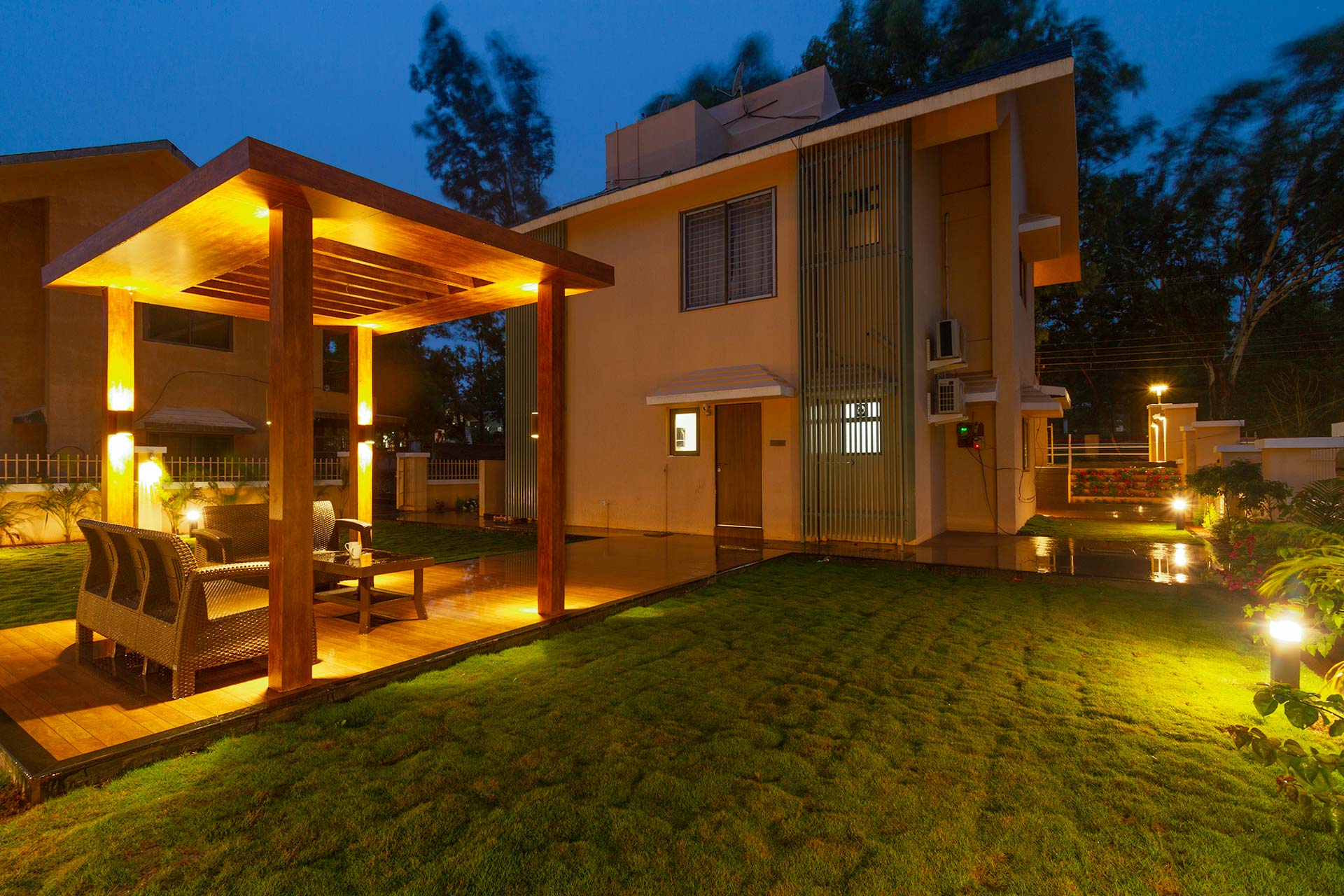
Gokarna is Karnataka’s temple-and-beach town, and one of the best Monsoon Destinations in India for Solo Female Travellers who want the ocean without the party. In monsoon the beaches empty out, and the small pilgrimage economy takes over. Gokarna, Kudle, and Om Beach form a walkable arc with police posts and volunteer women’s help groups. Konkan Railway gives it the safest arrival route on this list.
Weather of Gokarna
Gokarna receives heavy Konkan monsoon rain of 3,000–3,500 mm. Temperatures stay 24–29°C. Winds are strong and swimming is only permitted at Om Beach’s shallow arc with lifeguards on duty. Half-day sunny windows are common.
How to reach Gokarna in monsoon as a solo traveller
Konkan Railway’s Mumbai–Mangaluru trains stop at Gokarna Road station. Solo women should book 3AC or 2AC; the station is small but well-managed, and prepaid auto rates are posted publicly. Goa’s Dabolim (GOI) is 140 km; Bengaluru is a longer 490 km bus. The overnight Rani Chennamma or Karwar Express is safe with side-lower reservation.
Monsoon-special places to visit in Gokarna
- Mahabaleshwar Temple: Free (nominal INR 20 for special darshan); open 6 am–12:30 pm and 5 pm–8:30 pm.
- Om Beach: Free; the safest beach for solo swimming with certified lifeguards.
- Kudle Beach: Free; a small hippie café scene that’s respectful and welcoming.
- Half-Moon and Paradise Beaches: Free; access closed in heavy rain — check before hiking.
- Yana Rocks: 45 km inland; entry INR 20; monsoon greenery makes it dramatic.
- Mirjan Fort: Entry INR 20; open 9 am–5:30 pm; the rain-soaked laterite walls are photogenic.
Monsoon-special things to do in Gokarna
- Beach yoga at Om Beach studios — women-only morning classes (INR 400).
- Ayurveda oil therapy at authorised local wellness centres (INR 1,200).
- Beach-clean walks with Kudle Beach Café community (free, 6 am–7 am).
- Slow café breakfasts at Namaste and Chez Christophe.
- Konkani cooking with the local women’s SHG (INR 900).
Monsoon itinerary for solo women (3 nights, 4 days)
- Day 1: Arrive at Gokarna Road; check in; evening Kudle sunset.
- Day 2: Mahabaleshwar Temple morning; Om Beach afternoon; yoga class.
- Day 3: Yana Rocks day trip; Mirjan Fort on the return; slow café dinner.
- Day 4: Sunrise walk; departure.
Safety tips for solo women travellers in Gokarna
- Gokarna Police helpline: 08386-256333.
- Swim only at Om Beach’s marked lifeguard zone.
- Skip the beach-hop trek in July — cliffside paths get slippery.
- Avoid Kudle after 9 pm — the beach itself is quiet and dark.
- Temple modesty: cover shoulders and knees; no leather items allowed inside.
Where to stay in Gokarna
11. Ooty (Udhagamandalam), Tamil Nadu

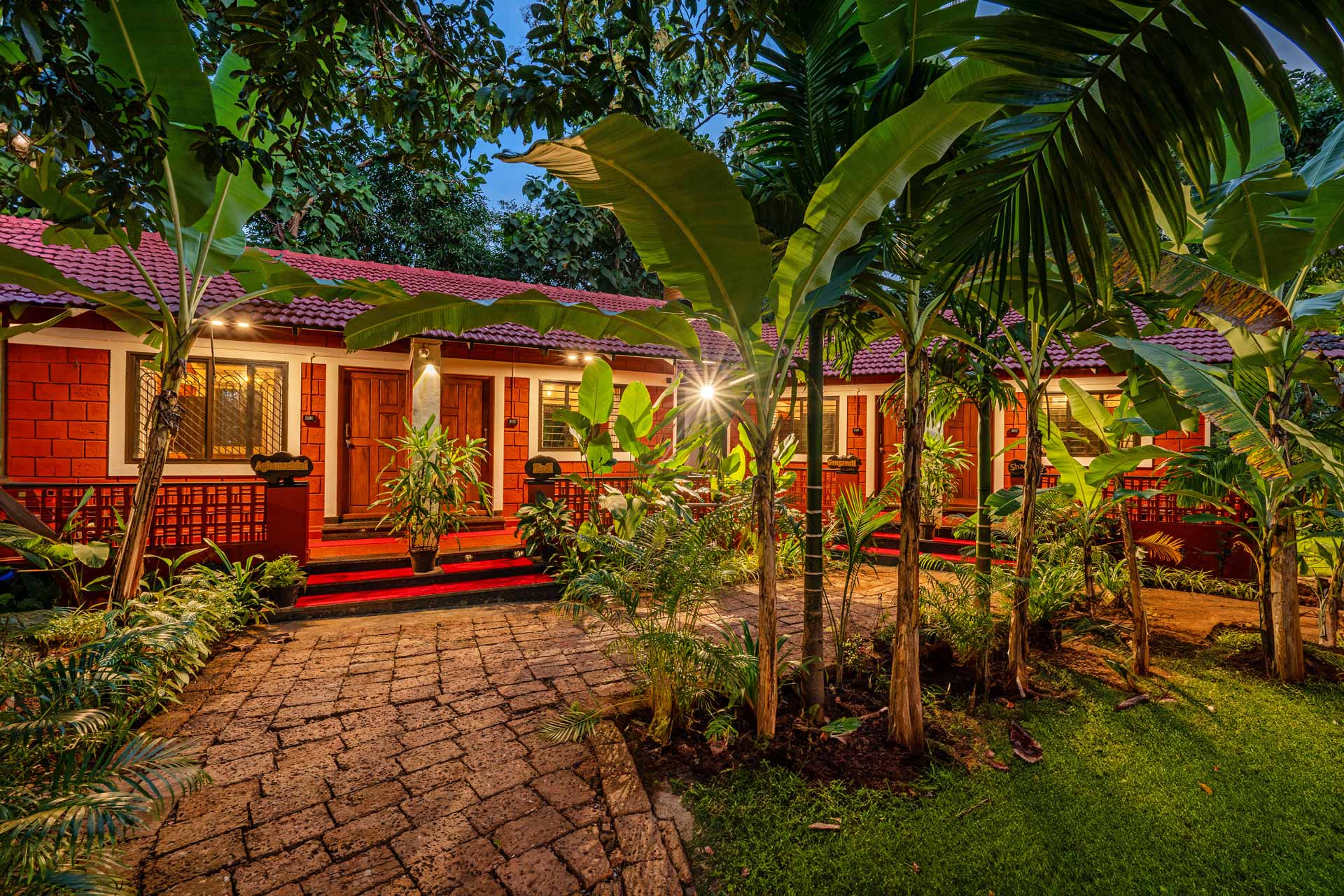
Ooty in the Nilgiris runs on tourism year-round and stays one of the safest choices in South India. Monsoon here has two personalities: the light South-West drizzle in July–August and the heavier North-East showers in October–November. The town’s small market ecosystem, well-known homestay circuit, and pedestrianised centre all favour solo women.
Weather of Ooty
Ooty sits at 2,240 m and stays cool at 10–20°C in monsoon with about 1,200–1,500 mm rainfall. Mornings are misty; afternoons often clear. Coonoor and Kotagiri nearby receive similar patterns and are quieter alternatives.
How to reach Ooty in monsoon as a solo traveller
Coimbatore (CJB) is 88 km. The Nilgiri Mountain Railway from Mettupalayam to Ooty is a UNESCO heritage ride and one of India’s safest solo trips (booked ahead, INR 300 for first class). Solo women should choose the morning departure (7:10 am). By road, TNSTC’s Coimbatore–Ooty AC bus (INR 250, 3 hours) is well-monitored.
Monsoon-special places to visit in Ooty
- Botanical Gardens: Entry INR 30; open 8 am–6 pm; the Italian and Fern gardens are peak-green in monsoon.
- Ooty Lake: Boating INR 200 for 30 minutes; open 8 am–6 pm; suspended in high winds.
- Doddabetta Peak: Highest in the Nilgiris at 2,637 m; entry INR 15; open 7 am–6 pm.
- Rose Garden: Entry INR 30; open 8:30 am–6:30 pm; 20,000+ rose bushes.
- Pykara Falls and Lake: Entry INR 15 + INR 150 boating; open 8:30 am–5:30 pm.
- Government Museum: Entry INR 25; open 10 am–5 pm; closed Fridays.
Monsoon-special things to do in Ooty
- Nilgiri Mountain Railway ride (safest solo woman experience in the region).
- Tea and chocolate factory visits — book through TN Tourism only (INR 200).
- Homestay-hosted Todaland heritage walk (INR 700).
- Photography workshops with Ooty Photography Club (INR 900).
- Tea-tasting with owner-run cafés at Coonoor (INR 400).
Monsoon itinerary for solo women (3 nights, 4 days)
- Day 1: Coimbatore → Ooty by Nilgiri Mountain Railway; check in; Botanical Gardens.
- Day 2: Doddabetta morning; Rose Garden; Ooty Lake evening.
- Day 3: Pykara day trip; return; Coonoor tea-tasting evening.
- Day 4: Slow café brunch; departure to Coimbatore.
Safety tips for solo women travellers in Ooty
- Nilgiri Tourist Police: 0423-2444969.
- Avoid the Emerald Lake and Avalanche Lake side in July — landslip risk.
- Doddabetta is safest before 10 am; afternoons see thick fog.
- Use TN Tourism’s authorised cabs — flag-marked with a blue triangle sticker.
- The town centre has excellent lighting until 10 pm; beyond that, arrange an auto through your stay.
Where to stay in Ooty
12. Kodaikanal, Tamil Nadu

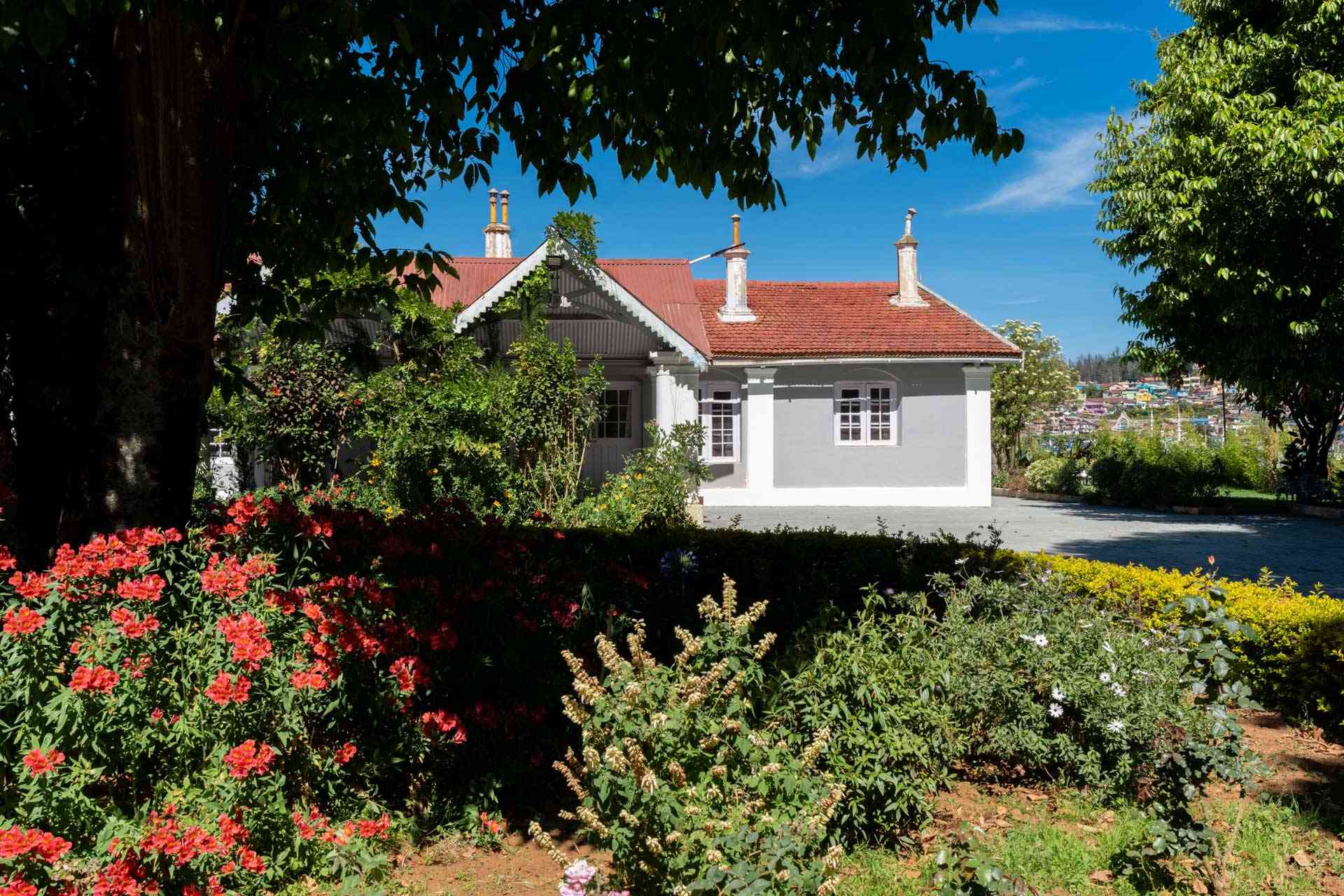
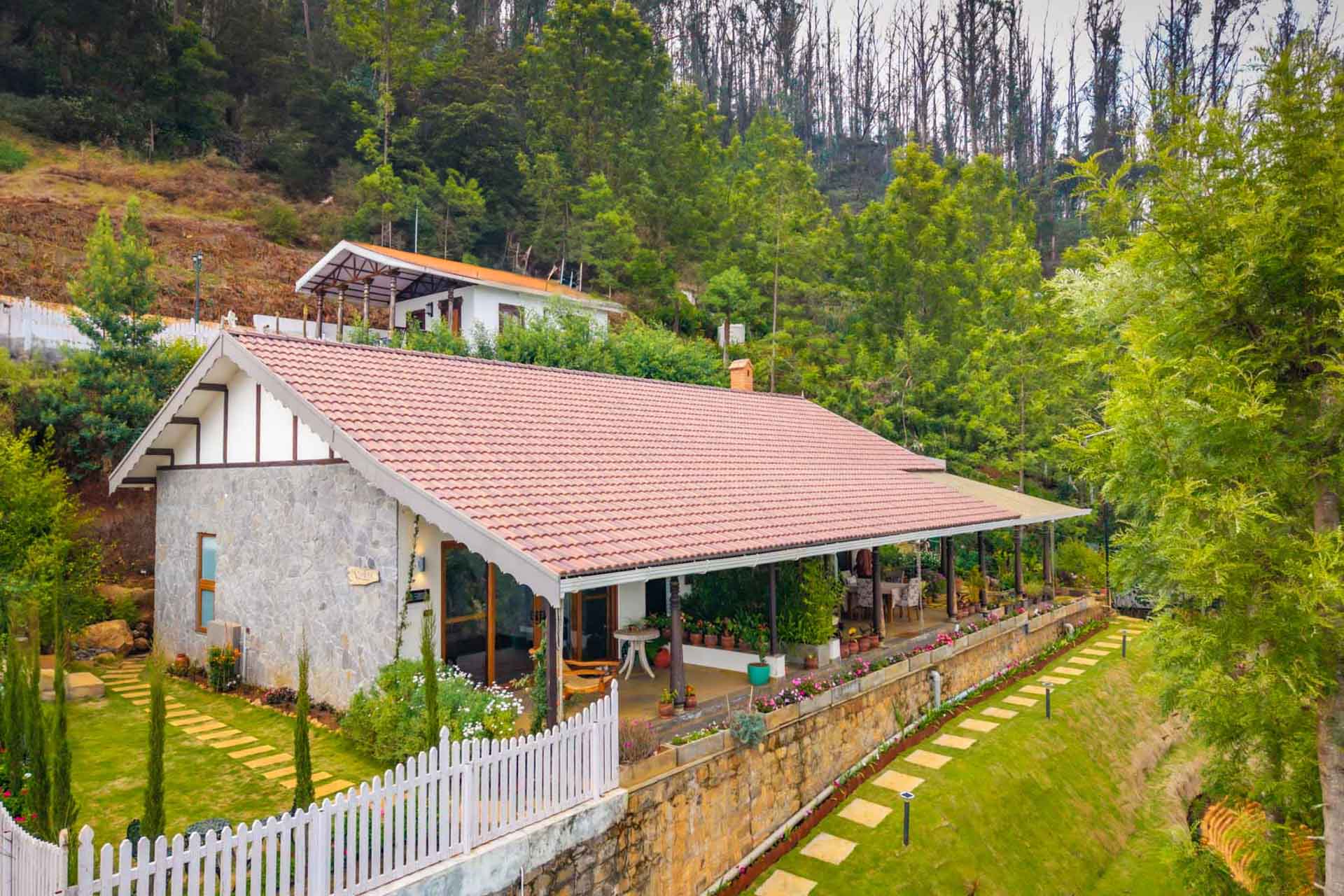
Kodaikanal is Tamil Nadu’s most romantic monsoon hill town and among the finest Monsoon Destinations in India for Solo Female Travellers who love reading, cafés, and long slow walks. Coaker’s Walk in the mist is arguably the most beautiful hillside promenade in southern India. Kodai receives both monsoons — light in July–August and heavy in October–November.
Weather of Kodaikanal
Kodai sits at 2,133 m with temperatures 9–18°C in monsoon. Rainfall averages 1,500–1,800 mm. Fog is heavy; carry warm layers. The lake area stays safe and walkable through both monsoon spells.
How to reach Kodaikanal in monsoon as a solo traveller
Madurai (IXM) is the closest airport at 120 km; Coimbatore is farther. TNSTC’s Madurai–Kodaikanal bus (INR 220, 4 hours) leaves through the day. Solo women should choose morning departures — the ghat section has 40 curves. Batlagundu is the safe pit-stop halfway.
Monsoon-special places to visit in Kodaikanal
- Kodai Lake: Boating INR 250 for 30 minutes; open 8 am–5:30 pm.
- Coaker’s Walk: Entry INR 20; open 7 am–7 pm; misty promenade views.
- Bryant Park: Entry INR 30; open 9 am–6 pm; monsoon flower shows are spectacular.
- Pillar Rocks: Free; open 8 am–5:30 pm; visit before 10 am to beat the mist.
- Silver Cascade Falls: Free; visible from the roadside; do not attempt to climb.
- Kurinji Andavar Temple: Free; open 6 am–8 pm; overlooks the plains.
Monsoon-special things to do in Kodaikanal
- Reading afternoons at Cloud Street Kitchen — welcomes solo women, has stocked bookshelves.
- Guided birdwatching at Berijam Lake with a forest-department permit (INR 500).
- Ecosphere’s plastic-free village walk (INR 700).
- Chocolate hopping — Kodaikanal makes some of India’s best small-batch chocolate.
- Slow café journalling at Muncheez, Café Cariappa, and Astoria.
Monsoon itinerary for solo women (3 nights, 4 days)
- Day 1: Madurai → Kodai by TNSTC; check in; Coaker’s Walk sunset.
- Day 2: Kodai Lake morning; Bryant Park; Pillar Rocks (before mist).
- Day 3: Berijam Lake day trip; return by 5 pm; chocolate tasting.
- Day 4: Slow café breakfast; TNSTC back to Madurai.
Safety tips for solo women travellers in Kodaikanal
- Kodai Police helpline: 04542-241234.
- Do not stray from the Coaker’s Walk paved path — the cliffside drops are unfenced in sections.
- Berijam Lake requires a permit; only registered vehicles are allowed.
- Skip Dolphin’s Nose in July — trail is dangerous when wet.
- Restaurant closures are early (9 pm); plan dinner accordingly.
Where to stay in Kodaikanal
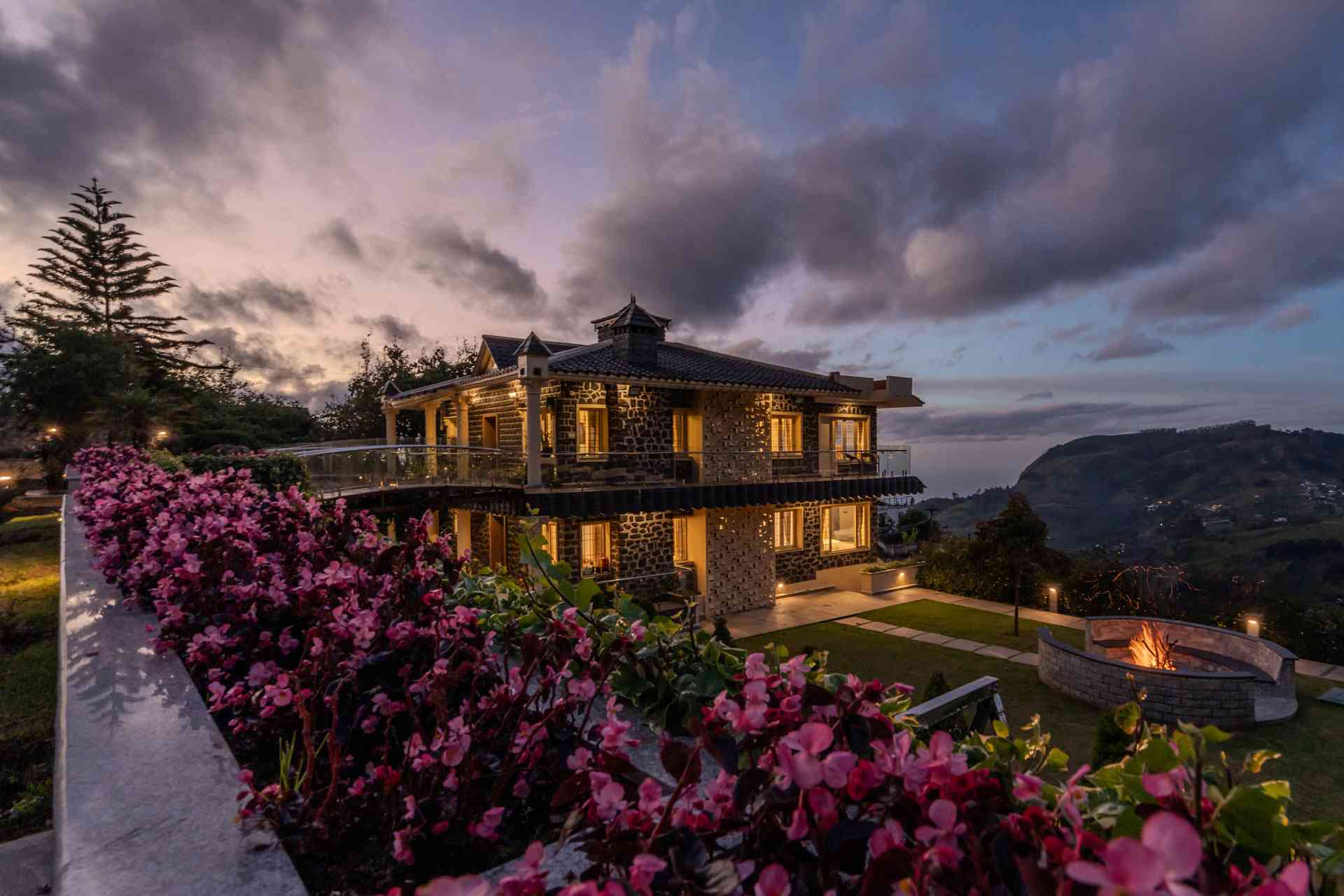
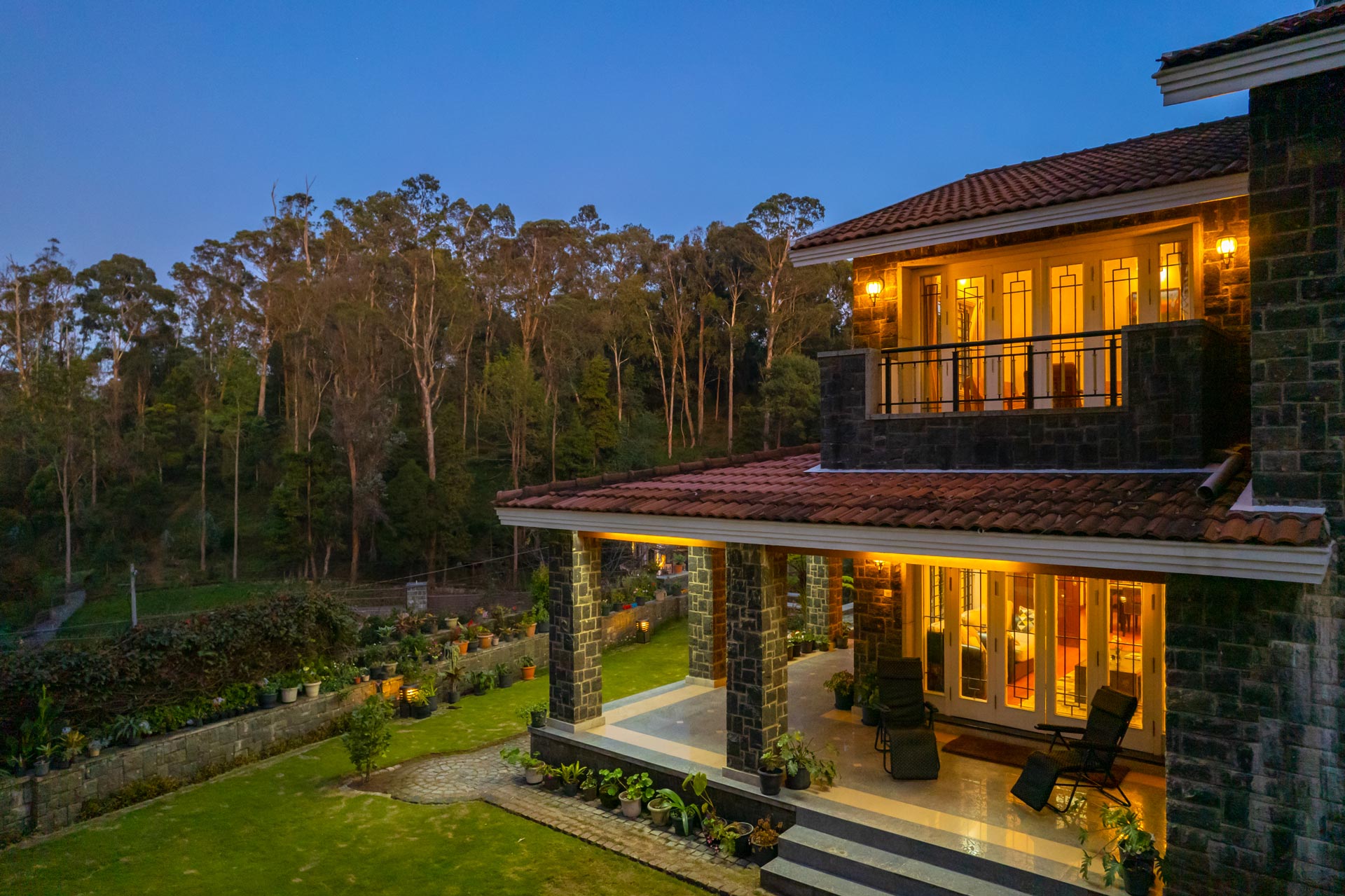
13. Shillong, Meghalaya

Meghalaya literally means ‘the abode of clouds’, and Shillong is its buzzing capital — arguably the most solo-woman-friendly big town in North-East India. Meghalaya has India’s lowest crime rate against women, and Shillong’s café-and-music culture makes it easy for solo travellers to slot in. Roads to Cherrapunji and Mawlynnong stay largely open in monsoon.
Weather of Shillong
Shillong sits at 1,525 m and receives 2,000–2,400 mm of rain. Temperatures stay 15–23°C. Rainfall peaks in June–July with September clearing beautifully. Fog is moderate compared to Nilgiris. Cherrapunji, 55 km away, is one of the wettest places on Earth — a day trip is enough.
How to reach Shillong in monsoon as a solo traveller
Guwahati (GAU) is 100 km. MTC’s Shillong Volvo from Guwahati costs INR 400 (3.5 hours). The road is a 4-lane highway with continuous CCTV — one of the safest in the North-East. Meghalaya Tourism runs a women-verified taxi program with phone-app booking. For solo women, Guwahati → Shillong is best done between 7 am and 4 pm.
Monsoon-special places to visit in Shillong
- Umiam Lake: Free entry; boating INR 300; open 9 am–5 pm; the drive itself is scenic.
- Ward’s Lake: Entry INR 20; open 8:30 am–5:30 pm; central and safe for evening walks.
- Elephant Falls: Entry INR 30; open 8 am–5:30 pm.
- Shillong Peak: Free; a permit is needed as it’s an air force area; guided tours are safest.
- Don Bosco Museum of Indigenous Cultures: Entry INR 100; open 9 am–5:30 pm; excellent for solo learners.
- Cathedral of Mary Help of Christians: Free; open 5:30 am–8 pm.
Monsoon-special things to do in Shillong
- Live-music café evenings — Café Shillong and Cloud Nine (safe, well-known, solo-friendly).
- Khasi cooking workshops with community women (INR 900).
- Guided Sacred Grove walk at Mawphlang (INR 400 permit + guide fee).
- Photography tours during monsoon at Umiam and Cherrapunji (INR 1,500).
- Slow bookstore afternoons at Ri Kynjai reading room.
Monsoon itinerary for solo women (3 nights, 4 days)
- Day 1: Guwahati → Shillong; check in; Ward’s Lake evening.
- Day 2: Elephant Falls; Shillong Peak; live music at Café Shillong.
- Day 3: Cherrapunji day trip — Nohkalikai Falls, Seven Sisters, Mawsmai Cave.
- Day 4: Don Bosco Museum morning; slow café brunch; departure.
Safety tips for solo women travellers in Shillong
- Meghalaya Tourism helpline: 1800-345-3644.
- Avoid Police Bazaar area alone after 10 pm — congested and pickpocket-prone.
- Guides at Mawlynnong and Cherrapunji must have a Meghalaya Tourism ID badge.
- Living Root Bridges: not recommended solo in monsoon; heavy rain makes descent dangerous.
- Cash is important — many rural NE spots are UPI-thin.
14. Darjeeling, West Bengal

Darjeeling is one of India’s original hill stations and, when picked correctly, one of the most peaceful Monsoon Destinations in India for Solo Female Travellers in the East. The town has a small, walkable core, established homestay culture in Rangeroon and Lebong, and a well-known Gorkha hospitality tradition. Monsoon has real risks in North Bengal — landslides on NH-55 are common — but the town itself remains a safe base for a solo woman.
Weather of Darjeeling
Darjeeling sits at 2,045 m and receives 3,000+ mm of monsoon rain. Temperatures stay 13–19°C. July is the wettest month; September brings clearing spells that give Kanchenjunga sightings after the rain lifts. Fog is moderate.
How to reach Darjeeling in monsoon as a solo traveller
Bagdogra (IXB) is the closest airport at 90 km. Instead of the road via Kurseong (landslide risk), take the New Jalpaiguri (NJP) railway station to Darjeeling by the 6:15 am Chitrey → Kurseong toy train (safer, daylight, monitored). If road, prefer the daytime WBTDC bus (INR 250, 4 hours) between 6 am and 11 am departures. Solo women should absolutely avoid night arrivals — NH-55 has been unstable in the last three monsoons.
Monsoon-special places to visit in Darjeeling
- Tiger Hill: Free; sunrise view of Kanchenjunga; permits required from Chowrasta police.
- Darjeeling Himalayan Railway (Joyride): INR 1,500 for the 2-hour heritage ride; safe and iconic.
- Padmaja Naidu Himalayan Zoological Park: Entry INR 60; open 8:30 am–4:30 pm; closed Thursdays.
- Himalayan Mountaineering Institute: Combined ticket with zoo; INR 60; open 9 am–4:30 pm.
- Chowrasta and Mall Road: Free; the town’s safest evening promenade.
- Peace Pagoda: Free; open 4:30 am–7 pm; short scenic walk.
Monsoon-special things to do in Darjeeling
- Tea-tasting at Nathmulls tea shop or a Happy Valley estate visit (INR 400).
- Momo-making workshop with the Gorkha Community Kitchen (INR 800).
- Guided monastery walk with Yiga Choeling monastery (INR 300).
- Rainy-day café hopping at Sonam’s Kitchen, Glenary’s, and Keventer’s.
- Photography walks along Chowrasta and Mall Road with local guides (INR 700).
Monsoon itinerary for solo women (3 nights, 4 days)
- Day 1: Bagdogra → Darjeeling; check in; sunset at Chowrasta.
- Day 2: Tiger Hill sunrise; Himalayan Mountaineering Institute + zoo; toy train joyride.
- Day 3: Happy Valley Tea Estate; monastery walk; café hop evening.
- Day 4: Slow breakfast at Sonam’s Kitchen; departure by daylight.
Safety tips for solo women travellers in Darjeeling
- West Bengal Tourism helpline: 1800-212-1655.
- Never travel NH-55 in the dark — landslides typically occur at night.
- Book Tiger Hill visits with the official Darjeeling Sunrise operators (INR 400 shared jeep).
- Do not walk between Ghoom and Darjeeling after 6 pm — the road is narrow and dark.
- Keep a warm layer; mist can make evening temperatures feel much colder.
Where to stay in Darjeeling
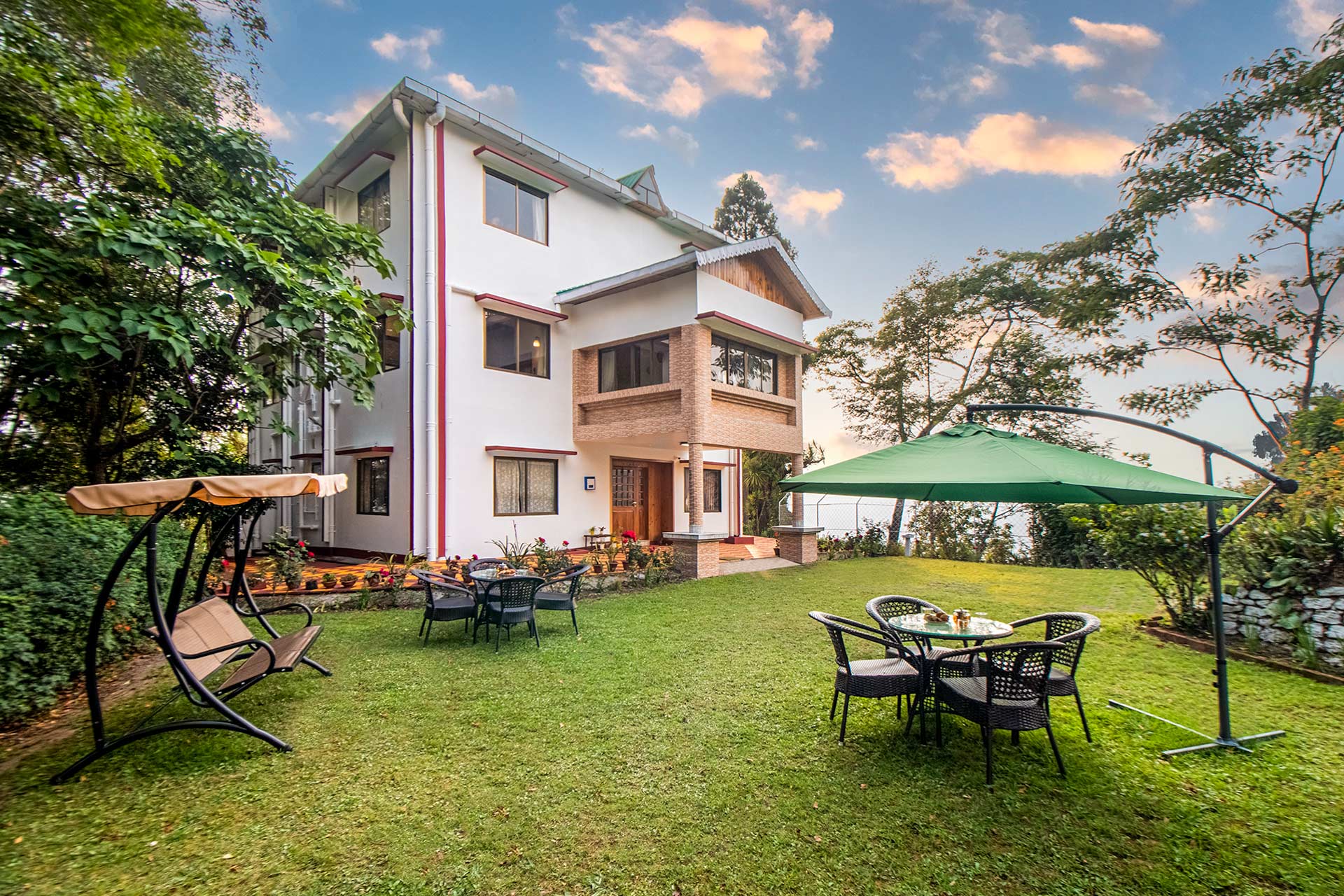
15. Chikmagalur, Karnataka

Chikmagalur is Karnataka’s original coffee capital — quieter than Coorg, greener than Sakleshpur, and a favourite among solo women who want deep quiet. The town’s coffee estates have run homestays for over 25 years, most of them family-owned with strong reputations. Mullayanagiri, the highest peak in Karnataka, sits nearby and monsoon transforms its slopes.
Weather of Chikmagalur
Chikmagalur sits at 1,090 m and receives 1,800–2,500 mm of monsoon rain. Temperatures stay 18–25°C. The hillier Baba Budan Range receives more; the town itself gets a milder drizzle pattern. Roads to Mullayanagiri close briefly in heavy rain — the district administration issues alerts by 6 am each day.
How to reach Chikmagalur in monsoon as a solo traveller
Mangaluru (IXE) is 150 km; Bengaluru (BLR) is 245 km. KSRTC Airavat Bengaluru → Chikmagalur runs INR 550 (6 hours) with women’s seat reservation. Trains: Kadur station (40 km) is the closest railhead. For solo women, KSRTC over private night buses — daylight arrivals only. The Bengaluru bus takes NH-75 which is one of Karnataka’s safest highways.
Monsoon-special places to visit in Chikmagalur
- Mullayanagiri Peak: Free; the highest point in Karnataka at 1,930 m; entry check-post closes in heavy rain.
- Baba Budangiri: Sufi shrine and viewpoint; free; open 8 am–5 pm.
- Hebbe Falls: Entry INR 130 (jeep included); open 9 am–4 pm; monsoon roars are dramatic.
- Kemmangundi and Z-Point: Entry INR 30; open 9 am–5:30 pm.
- Coffee Museum: Free; open 10 am–5 pm; India’s only dedicated coffee museum.
- Sringeri Sharada Peetham: Free; 90 km from Chikmagalur; safe day trip.
Monsoon-special things to do in Chikmagalur
- Coffee-picking walks (only in October when berries ripen; the estate walks are year-round for INR 500).
- Cupping workshops at Classic Coffee (INR 1,000).
- Guided birdwatching walks in Bhadra Wildlife Sanctuary (INR 600).
- Estate-cooked Malnad lunches (INR 500).
- Slow reading afternoons on estate verandas — every good Chikmagalur homestay has one.
Monsoon itinerary for solo women (3 nights, 4 days)
- Day 1: Bengaluru → Chikmagalur; check in; coffee-estate walk before sunset.
- Day 2: Mullayanagiri sunrise attempt (weather-permitting); Coffee Museum; slow lunch.
- Day 3: Hebbe Falls jeep tour; Z-Point evening.
- Day 4: Baba Budangiri; departure by afternoon.
Safety tips for solo women travellers in Chikmagalur
- Chikmagalur Police helpline: 08262-234133.
- Do not drive to Mullayanagiri or Baba Budangiri in fog after 4 pm.
- Always book jeep tours to Hebbe Falls through registered operators — a rate card is posted at Kemmangundi checkpoint.
- Estate walks: never alone — go with the resident planter or a homestay-assigned guide.
- Mobile signal is patchy inside coffee estates; share your day plan with your homestay before leaving.
Where to stay in Chikmagalur

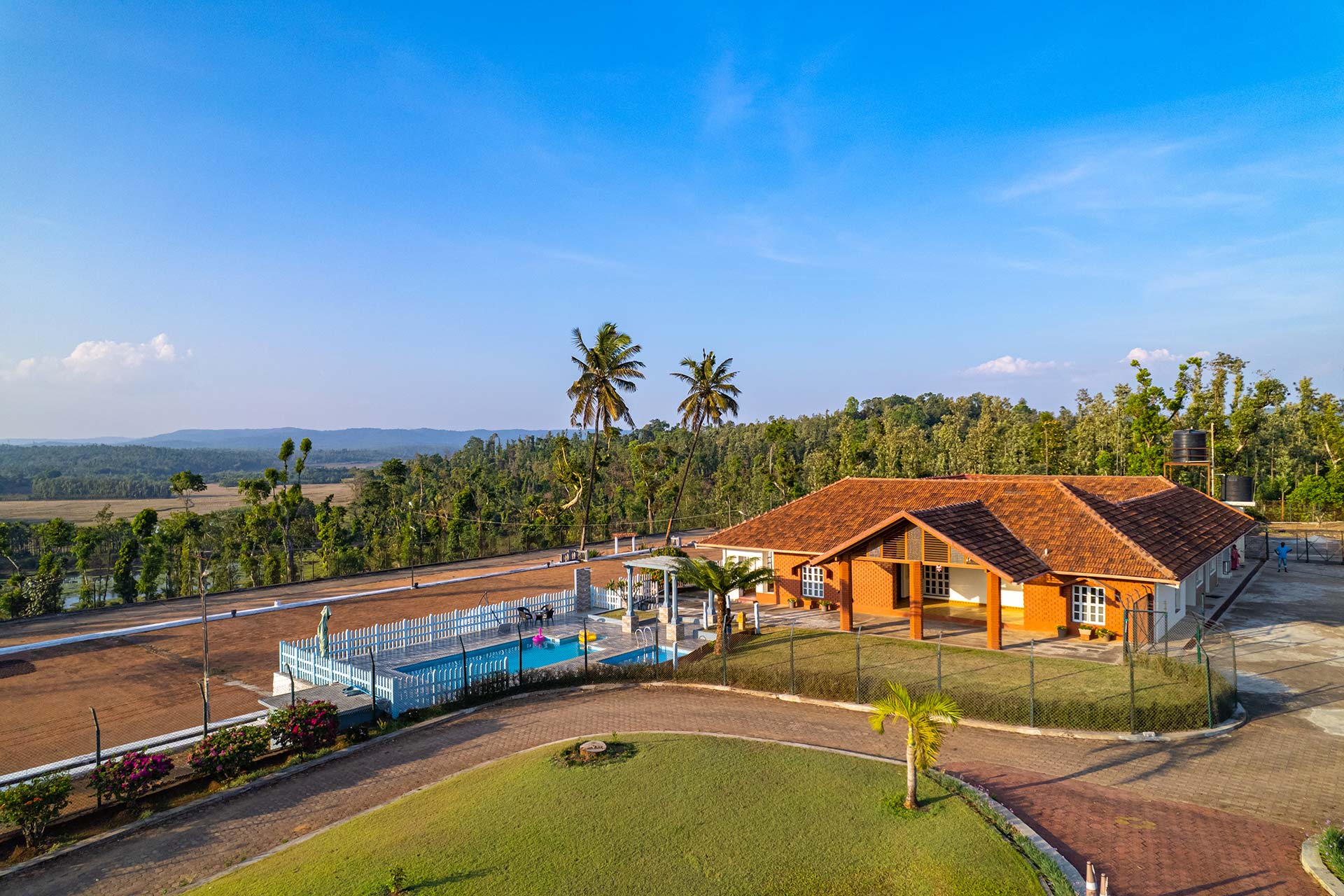
Non-negotiable Safety Essentials for Any Monsoon Trip
Whichever of the Monsoon Destinations in India for Solo Female Travellers you choose, the following essentials transfer across every trip. This checklist is the exact one our internal StayVista team uses when planning solo-woman travel briefs — it is boring, but it works.
Booking and paperwork
- Book your first-night stay before you arrive — never rely on walk-ins in monsoon.
- Share your itinerary with two trusted contacts, including flight/train PNRs and homestay addresses.
- Carry two copies of your photo ID and keep the digital DigiLocker version handy.
- Travel insurance: pick a plan with monsoon-specific cover (flight delays, road closures, medical evacuation).
- Enrol in the Suraksha App (Ministry of Tourism) — women-specific SOS with your location.
Packing
- Waterproof shoes with grip — most rainy-season injuries are slips on wet steps.
- Full-length quick-dry raincoat over an umbrella — winds flip umbrellas.
- A dry-bag for phone and passport; a portable charger; a small torch.
- A whistle attached to your day-bag (research shows loud whistles are highly effective in emergencies).
- ORS sachets, personal medication, insect repellent, and a basic first-aid kit.
On the road
- Never travel between destinations after 7 pm in the hills.
- Share live location with a family member during long drives — WhatsApp’s 8-hour setting is ideal.
- Use only KSRTC/MSRTC/KeralaSRTC/TNSTC state-transport buses at night or verified women-driven cabs.
- If a driver deviates from the route, call 112 immediately — do not wait to reach a destination.
- Photograph the vehicle number plate before boarding any private taxi.
At the destination
- Ask your homestay for the nearest women’s police station and pharmacy — most give a printed card.
- Prefer daytime activities in monsoon — afternoon fog and evening rain change plans quickly.
- Do not attempt monsoon treks solo without a certified guide.
- Trust your instincts — leave any interaction, guide, or driver that feels off, even mid-way.
- Meet other solo women through registered platforms (Wander Womaniya, JustWravel, Zostel).
Install the Suraksha app (Ministry of Tourism), 112 India, MySafetiPin, and your state tourism department’s official app. Also keep WhatsApp’s live-location sharing turned on for family during travel days.
Sample Multi-City Monsoon Itinerary for a Solo Woman: 10 Days South India
If you have more time, combine three or four of these Monsoon Destinations in India for Solo Female Travellers into one loop. Below is a tested 10-day South Indian route our team ran in July 2025 with a group of nine solo women.
- Day 1: Fly Bengaluru; overnight in Bengaluru’s central Church Street area.
- Day 2–4: Coorg by KSRTC Volvo (3 nights).
- Day 5–7: Wayanad by pre-booked women-driven cab (3 nights).
- Day 8: Kochi (1 night for buffer).
- Day 9–10: Alleppey by day train and shikara (2 nights); fly out from Kochi.
This loop covers coffee, forests, and backwaters without a single night bus or dodgy road.
Frequently Asked Questions
Yes, monsoon can be safer than peak winter in many regions because tourist crowds are lighter and hosts are more attentive. Stick to destinations with strong tourism infrastructure — Kerala, Karnataka’s coffee districts, coastal Maharashtra, Meghalaya, and Rajasthan’s lake cities — and avoid known landslide zones like parts of Uttarakhand, Himachal, and Sikkim.
Kerala, Karnataka, Meghalaya, Tamil Nadu, Maharashtra, and Rajasthan consistently rank highest for women’s safety in monsoon. All six have police-verified tourist taxi programs, active women’s helplines, and dense tourism ecosystems. Kerala and Meghalaya, in particular, have the lowest crime rates against women in the country.
Avoid night road journeys in the hills, unbranded roadside trek guides, off-season leech-heavy trails, swimming at unmonitored beaches, and stays without a resident host. Skip Uttarakhand’s high-Garhwal circuit, Manali beyond Kullu, and eastern Sikkim in July and August.
Budget INR 12,000–INR 18,000 for a domestic 4-night trip if you use state transport and mid-range homestays. INR 20,000–INR 30,000 covers verified women-driven cabs and boutique villas. Monsoon discounts of 30–50% often push good stays into the affordable range.
Registered community platforms include Wander Womaniya, JustWravel Women, Zostel women-only dorms, and StayVista’s solo-women filter. Instagram groups like Girls Who Travel India and Chalo Hoppers verify members before adding them.
In most Indian hill destinations, yes — homestays with a resident host offer round-the-clock help, local knowledge on road conditions, and stronger identity verification of other guests. Hotels can be more anonymous, which cuts both ways.
Install the Suraksha app (Ministry of Tourism), 112 India, MySafetiPin, and your state tourism department’s official app. Also keep WhatsApp’s live-location sharing turned on for family during travel days.
Sharing your day plan every morning with two contacts. This single habit — even a simple ‘I am doing X, back by Y’ — cuts response time in every emergency scenario in half. It’s the one habit our team never skips.
Final Word: Choose a Trip That Fits You, Not Just the Weather

The 15 Monsoon Destinations in India for Solo Female Travellers in this guide were chosen because they combine safety, beauty, and a genuine welcome for women travelling alone. Solo travel is not about proving anything — it is about learning to trust yourself in unfamiliar places. Pick one destination, book a good stay, share your plan, and go.
If you’re travelling solo for the first time, start with Coorg, Munnar, or Udaipur — three of the safest, easiest introductions to solo India travel. If you’ve done a solo trip before, Wayanad, Shillong, and Chikmagalur reward a little more independence with much deeper monsoon magic.
As you plan your 2026 rainy-season getaway, remember that our list of Monsoon Destinations in India for Solo Female Travellers is a starting point — not a rulebook. Your instincts, your pace, and your comfort matter more than any checklist. Travel light, keep your circle informed, and enjoy the season India loves the most.
For curated stays, women-first villas and homestays, and monsoon-season upgrades across every one of the destinations above, explore StayVista’s collection — filtered for solo-women needs, hand-verified for safety, and priced for the monsoon window. The best Monsoon Destinations in India for Solo Female Travellers deserve equally thoughtful places to stay.