

South Goa Itinerary: How to Plan 2, 3 or 4 Slow Days Below the Zuari

A South Goa itinerary works best when it combines a few beaches with village roads, local food, heritage sites and time to pause. For two days, focus on Colva–Benaulim and Palolem–Agonda. Three days allow Cabo de Rama and Margao, while four days can add quieter beaches, heritage homes and inland experiences.
South Goa is not one compact sightseeing circuit. The coastline stretches from the Colva–Benaulim belt towards Canacona, with Palolem and Agonda much farther south. The Government of Goa identifies Margao as the region’s main transport and service hub, while Madgaon railway station is the state’s busiest rail junction.
That geography matters when planning a trip. A common mistake is to stay near Colva and spend every day driving to Canacona, or to base a trip around Palolem and repeatedly return north. A better South Goa itinerary groups places by area and leaves enough time for the beaches, cafés, churches, markets and village roads between them.
In this Blog
How many days are enough for a South Goa trip?
Two days are enough for a focused coastal break. Three days give enough time to combine beaches, heritage and Cabo de Rama without rushing. Four days are ideal for travellers who want South Goa to feel like a holiday rather than a checklist.
| Trip length | Best approach | Ideal for |
| 2 days | Colva–Benaulim + Palolem–Agonda | Short weekend |
| 3 days | Beaches + Cabo de Rama + Margao | First-time South Goa trip |
| 4 days | Coast + villages + heritage + downtime | Slow travel |
| 5+ days | Add Canacona, inland Goa or a second base | Longer holiday |
South Goa’s beaches are also geographically connected along the coast, from Majorda through Colva, Benaulim, Varca, Cavelossim and Mobor, making the central belt particularly easy to explore together.
Where should you stay in South Goa?
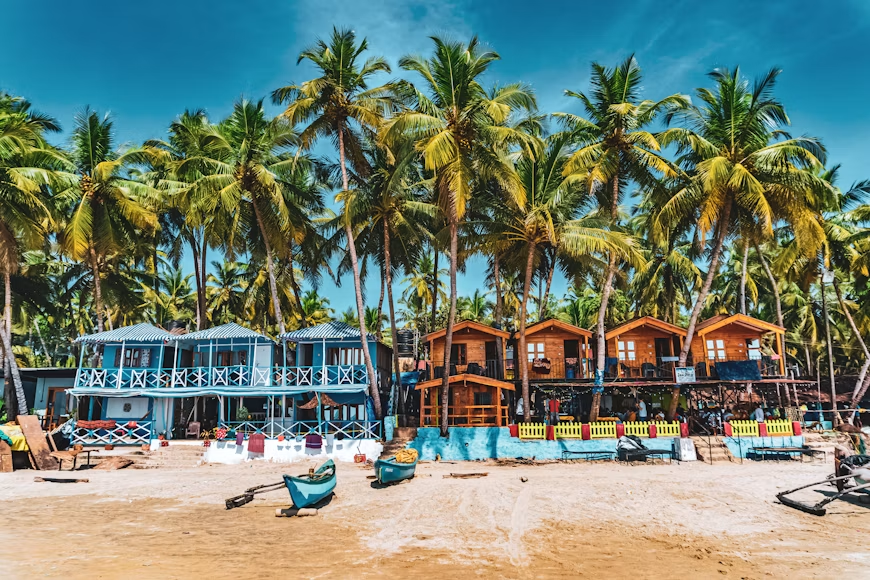
The right base depends more on the style of trip than on the number of nights.
Colva or Benaulim for convenience
Colva works well for first-time visitors who want easy access to restaurants, shops, beach facilities and Margao. Benaulim is close by but has a more local, residential character. Colva is about 6 km from Margao, while Benaulim lies roughly 2 km farther south.
This area suits travellers arriving by train, families and anyone who does not want long drives after dinner.
Cavelossim or Mobor for a resort-focused break
The Cavelossim–Mobor stretch works well for travellers prioritising resort stays, riverside scenery and a more self-contained holiday.
Palolem or Agonda for a southern coastal escape
Palolem is a practical base for exploring Canacona, while Agonda suits travellers looking for a quieter beach setting. Palolem is around 3 km from Canacona railway station, while Agonda lies farther north along the coast.
Planning rule for only two nights, avoid changing hotels. For four nights, splitting the stay between central South Goa and Canacona can make sense.
What is the best 2-day South Goa itinerary?
A two-day plan should resist the temptation to cover every famous beach. Keep the first day around the Colva–Benaulim belt and use the second for Canacona.
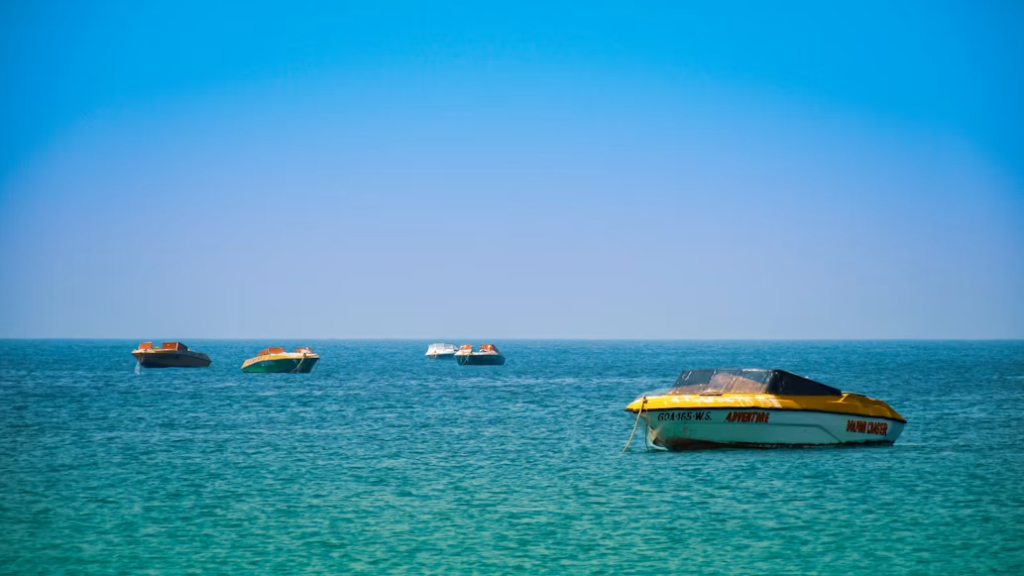
Day 1: Colva, Benaulim and Margao
Start around Colva Beach, one of the most accessible beaches in South Goa. Its proximity to Margao makes it a practical first stop, especially after arriving by train or from Dabolim Airport.
Continue south to Benaulim, which is less than 2 km from Colva. The beach is associated with fishing, local handicrafts and the Church of St John the Baptist.
Keep the afternoon for Margao rather than adding another distant beach.
Margao is South Goa’s commercial and cultural hub, with Portuguese-era houses, the Church of the Holy Spirit, traditional market areas and connections to the southern coast.
Return to the coast for dinner and an early night.
Day 1 at a glance
- Colva Beach
- Benaulim Beach
- Margao market and heritage streets
- Church of the Holy Spirit area
- Dinner around Benaulim or Colva
This combination gives a first-time visitor three distinct sides of South Goa: coast, culture and local life.
Day 2: Palolem, Agonda and Cabo de Rama
Head south towards Canacona and begin at Palolem Beach. The beach sits in a curved bay between two headlands and has a greater concentration of cafés and tourist facilities than some of the beaches farther south.
From Palolem, continue towards Agonda Beach.
Agonda is approximately 3 km long and has fewer facilities than Palolem, so it is better suited to travellers who want to spend time on the beach rather than build a long activity list.
If road and weather conditions permit, continue to Cabo de Rama Fort.
The fort stands on a coastal promontory in Canacona and combines Portuguese-era remains with views towards the Arabian Sea. The Government of Goa recommends arranging one’s own transport to reach it.
Return to Palolem or Agonda for the evening.
What should you add to a 3-day South Goa itinerary?
A third day allows the trip to move beyond beaches without making the schedule crowded.
Day 3: Heritage South Goa and the Zuari-side landscape
Start around Rachol, where the historic seminary sits near the Zuari River. The site dates to the late 16th and early 17th centuries and is part of South Goa’s religious and architectural heritage.
Continue towards Margao for lunch and an afternoon walk through its older quarters.
The city’s Portuguese-influenced architecture includes traditional houses with balcaos, laterite construction and tiled roofs. The Borda area is particularly known for heritage residences.
The evening can be deliberately unstructured: return to the accommodation, spend time by the pool, or choose one beach for sunset rather than driving to another landmark.
A better 3-day rhythm
Day 1: Colva → Benaulim → Margao
Day 2: Palolem → Agonda → Cabo de Rama
Day 3: Rachol → Margao heritage → slow evening
This is more manageable than attempting six or seven beaches in three days.
How can you stretch the trip to four days?
Four days allow South Goa to become less about sightseeing and more about experiencing different landscapes.
Day 4: Choose one South Goa experience
The final day should be selected according to the traveler’s interests rather than adding another mandatory sightseeing circuit.
For beaches
Explore the Majorda–Betalbatim–Velsao stretch. These beaches form part of the wider South Goa coastal circuit identified by Goa Tourism.
For architecture
Spend more time around Margao’s heritage neighbourhoods, where traditional Goan houses, churches and market streets provide a different perspective on the region.
For a quieter coastal day
Stay around Agonda or Palolem and avoid adding long-distance drives.
For food and local culture
Use the fourth day for a longer lunch, local market visit, bakery stops and an evening in one village rather than moving between beaches.
The value of a four-day South Goa trip is precisely that there is room to leave a few hours unscheduled.
Which South Goa beaches should you choose?
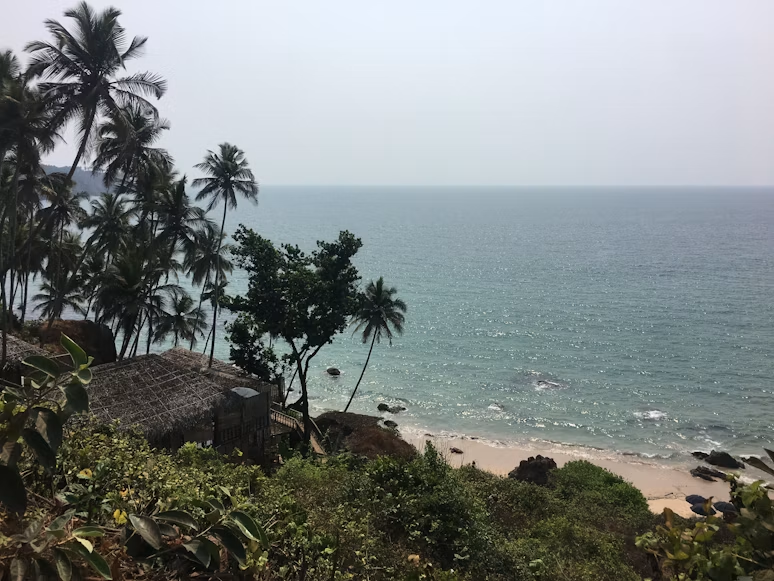
The beaches differ enough that choosing them by personality is more useful than ranking them.
| Beach | Best for | Character |
| Colva | First-time visitors | Accessible, developed |
| Benaulim | Couples and families | Local, relaxed |
| Betalbatim | A quieter beach stop | Less commercial |
| Majorda | Beach + nearby villages | Convenient central base |
| Cavelossim | Resorts | Developed coastal stretch |
| Palolem | Classic South Goa experience | Lively but scenic |
| Agonda | Slow travel | Long, quieter beach |
| Cabo de Rama | Views + history | Fort and coastal cliffs |
Goa Tourism describes Colva as a major beach in the southern circuit, while Palolem and Agonda are further south in Canacona.
What can you do in South Goa besides visiting beaches?
South Goa has enough cultural and nature-based experiences to build an itinerary without spending every day beside the sea.
1. Explore Margao’s heritage
Margao has Portuguese-era houses, churches, markets and traditional urban architecture. It is also an important transport hub for the southern region.
2. Visit Rachol Seminary
Rachol provides a quieter heritage stop near the Zuari River and is particularly relevant for travellers interested in Goa’s religious history.
3. Visit Cabo de Rama Fort
The fort combines history with a dramatic coastal setting and is one of the more distinctive stops in a southern Goa road trip.
4. Explore traditional Goan architecture
South Goa’s older homes reveal a mix of local building materials and Portuguese-influenced design, including laterite stone, timber, terracotta tiles and ornate interiors.
5. Spend time in local markets
Margao’s market area is particularly useful for seeing the everyday commercial side of South Goa rather than only its tourism-facing coastline.
How do you reach South Goa from Mumbai, Pune and other Indian cities?
For most travellers, Madgaon (Margao) railway station is the most convenient rail gateway to South Goa. The South Goa district administration identifies it as Goa’s biggest and busiest railway station, with connections on both the Konkan and South Western Railway networks/
From Mumbai
Trains connect Mumbai with Madgaon, making rail travel a practical option for travellers who prefer an overnight journey.
From Pune
Travellers can reach Goa by road, rail or air, with Madgaon being the useful railway gateway for southern destinations.
By air
Dabolim Airport is approximately 23 km from Margao, according to the South Goa district administration.
For travellers staying around Colva, Benaulim or Margao, Dabolim can be particularly convenient.
From Madgaon to the beaches
Margao works as the central transfer point for destinations including Colva, Benaulim and Palolem. Palolem is about 38 km from Margao, while Colva and Benaulim are considerably closer.
Is South Goa safe during the monsoon?
Yes for sightseeing, but sea swimming requires particular caution. Goa’s official tourism guidance states that swimming in the sea during the monsoon is prohibited because of dangerous currents and undercurrents.
This is particularly important when planning a South Goa itinerary between June and September.
The state’s water-sports regulations also prohibit water-sports activity during unsafe weather conditions and monsoons or other periods when activities are banned by the competent authority.
A monsoon itinerary should therefore prioritise:
- Heritage walks
- Local cafés and restaurants
- Markets
- Churches and cultural sites
- Scenic drives
- Villa or resort downtime
- Beach viewpoints without entering the water
Goa authorities have also issued 2026 advisories concerning swimming and entering natural water bodies during the monsoon, reinforcing the need to check local restrictions before heading into rivers, waterfalls or other inland waters.
When is the best time for a South Goa itinerary?
November to February is generally the most suitable period for a conventional beach-focused South Goa holiday, when conditions are more favourable for outdoor sightseeing.
November to February
Best for:
- Beach days
- Outdoor sightseeing
- Sunset outings
- Water-based activities when officially operating
- Exploring Palolem and Agonda
March to May
Hotter conditions make early mornings and late afternoons more comfortable. Accommodation can be attractive outside peak periods, but daytime sightseeing requires planning around the heat.
June to September
The monsoon changes the character of South Goa. Green landscapes and dramatic weather can make road trips and heritage-focused holidays appealing, but swimming and water activities become weather-dependent and may be prohibited.
What should you know before planning a South Goa road trip?
A few practical decisions make a significant difference to the itinerary.
Keep the geography in mind. Colva and Benaulim are much closer to Margao than Palolem and Agonda, so they should not automatically be treated as one short sightseeing loop.
Start early for long drives. This leaves room for unexpected traffic, meals and weather changes.
Use one base for shorter trips. Changing accommodation for a two-night holiday usually costs more time than it saves.
Carry essentials to quieter beaches. Goa Tourism specifically notes that Agonda has relatively few facilities, so travellers should carry what they need.
Check current local restrictions. Beach access, water sports, swimming conditions and seasonal facilities can change according to weather and government orders.
Don’t build the trip around water activities during monsoon. Official regulations make water sports conditional on safe weather and competent-authority permissions.
What is the ideal budget for a South Goa trip?
There is no single fixed cost because accommodation creates the largest variation.
| Travel style | Typical approach |
| Budget | Guesthouse + local meals + scooter/transport |
| Mid-range | Boutique hotel or villa + restaurants + private transfers |
| Premium | Resort/villa + private vehicle + curated experiences |
For an accurate 2026 budget, travellers should calculate accommodation + transport + meals + activities + intercity travel rather than relying on a single per-day figure.
A four-day South Goa trip can actually be more economical per day than a packed two-day holiday if accommodation and transport costs are spread across more nights.
What makes a South Goa itinerary different from North Goa?
The difference is primarily one of pace, geography and concentration of attractions, rather than a strict divide between two completely different destinations.
| South Goa | North Goa |
| More spread-out coastal circuit | Attractions are more concentrated |
| Colva, Benaulim, Palolem, Agonda | Baga, Calangute, Anjuna, Vagator |
| Stronger emphasis on beaches and villages | Larger nightlife and entertainment circuit |
| Margao as a major southern hub | Panaji and Mapusa as major northern hubs |
| Better suited to slower multi-day routes | Easier to build activity-heavy itineraries |
Goa Tourism itself describes the landscape as shifting towards quieter village life as travellers move south from Panaji.
Frequently Asked Questions
Two days are enough for the major coastal highlights, while three to four days allow travellers to include beaches, Margao, Cabo de Rama, heritage sites and slower village experiences without excessive driving.
Colva or Benaulim are convenient for first-time visitors and access to Margao. Palolem or Agonda work better for travellers prioritising the southern coastline and a quieter beach-oriented stay.
It depends on the trip. South Goa generally suits travellers seeking beaches, villages, heritage and a slower pace, while North Goa offers a denser concentration of nightlife, entertainment, markets and popular tourist attractions.
South Goa is a popular tourist region with established accommodation and transport infrastructure. Solo travellers should follow normal precautions, particularly after dark, on isolated roads and around beaches or water bodies during adverse weather.
Yes. Taxis, app-based mobility where available, buses and private transfers can be used, although a scooter or car makes it easier to connect beaches and inland attractions. Public transport is particularly practical around Margao and nearby coastal towns.
Agonda is generally the quieter choice, while Palolem has more tourist infrastructure, cafés and activities. Goa Tourism describes Agonda as a long beach with comparatively few facilities, while Palolem has more accommodation and visitor-oriented businesses.
Yes. Cabo de Rama is in Canacona and can be incorporated into a southern Goa road trip with Palolem and Agonda. The fort is approximately 16 km north of Agonda according to Goa Tourism
No. Goa’s official tourism guidance states that swimming in the sea during the monsoon is prohibited because of dangerous currents and undercurrents. Travellers should follow beach signage and lifeguard instructions.