

Tadoba Tiger Safari 2026: Best Time, Zones & Booking Guide
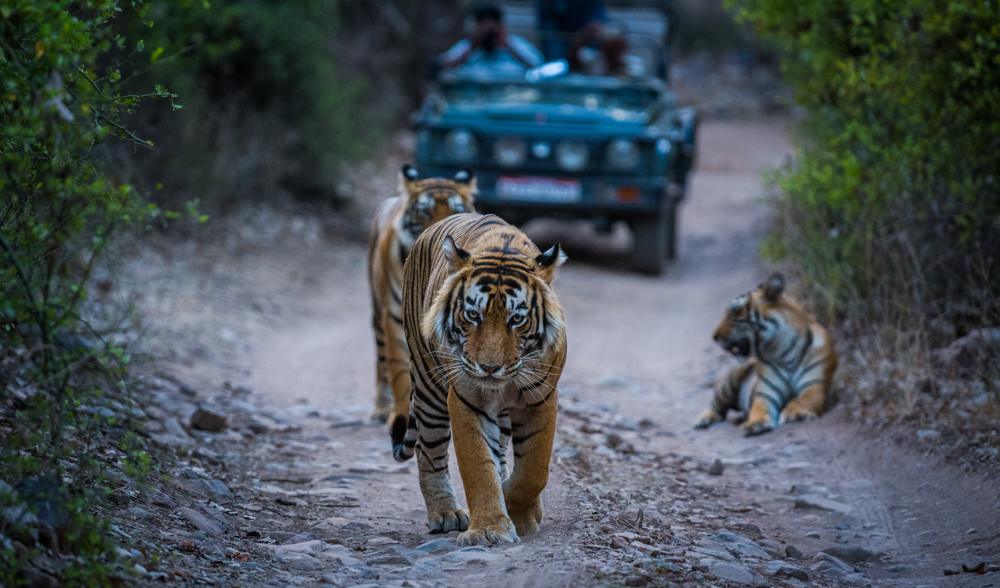
Last chance to book a Tadoba safari before the park closes for monsoon (June 30). Tadoba-Andhari Tiger Reserve in Maharashtra is India’s premier tiger safari destination, home to over 100 Bengal tigers. April and May are actually peak sighting months as animals cluster near waterholes — with temperatures rising, wildlife becomes more concentrated and more visible than at any other time of year. Located 140km from Nagpur, the reserve operates across six zones including Moharli, Kolara, and Tadoba, offering morning and evening safaris with advance booking required up to 120 days ahead. If you’re planning a tiger safari India experience in 2026, now is the time to act.
The reserve spans core and buffer forests near Chandrapur, Maharashtra, and is officially managed by the Maharashtra Forest Department. Its landscape of teak forests, lakes, and meadows supports not only tigers but also leopards, sloth bears, wild dogs, and over 190 bird species.
⚠️ Book Now: Tadoba Tiger Reserve closes for monsoon on June 30, 2026. April–June is peak tiger sighting season — waterholes dry up and tigers become more visible. April 2026 sightings confirm robust activity from famous residents like Balram and Maya across Moharli and Kolara zones.
In this Blog
Which Animal Is Tadoba Famous For?
Tadoba is primarily famous for the Bengal tiger, with a population exceeding 100 individuals across the reserve landscape.
In addition to tigers, Tadoba is also known for:
- Sloth bears (frequently sighted)
- Leopards
- Indian wild dogs (dholes)
- Marsh crocodiles near water bodies
However, tiger sightings remain the primary reason Tadoba is often ranked among the best wildlife safaris in India.
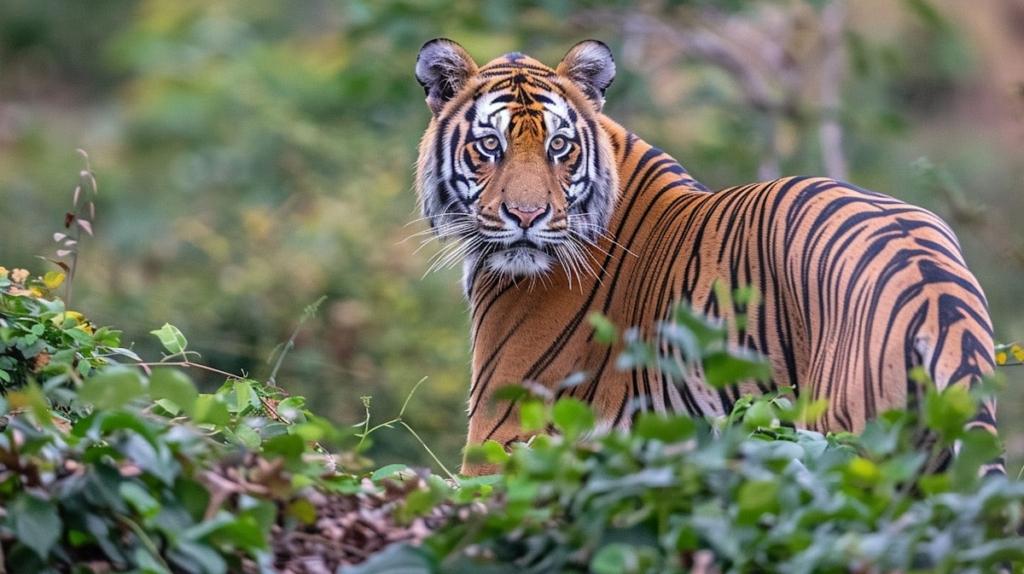
Best Time to Visit Tadoba for Tiger Sightings in 2026
Timing your visit strategically maximizes tiger encounter probability. With Tadoba closing on June 30 for monsoon, April and May are now your best — and last — window for 2026.
Peak Season: April–June (Prime Tiger Sighting Window — Book Before June 30)
April–May is now considered peak tiger sighting season at Tadoba. As temperatures soar to 45°C and waterholes shrink, tigers become highly predictable — clustering at Tadoba Lake, Moharli Lake, and other water sources multiple times daily. Sparse vegetation means nothing obstructs your line of sight. This is the window wildlife photographers specifically target for close, extended encounters. The park closes June 30, so permits sell out weeks ahead during this period — book early. Pack sun protection, hydration, and heat-resistant camera equipment.
Good Season: November to March
Winter provides pleasant weather ranging from 10–25°C, ideal for extended safaris and birdwatching expeditions. Tiger sightings remain consistent, though lush foliage offers more cover for wildlife. This period attracts peak visitor numbers particularly during December–January holidays, making advance reservations essential. Mornings can be foggy, which reduces early visibility but creates atmospheric photography opportunities.
Transition Months: October and June
October marks the reserve’s reopening after monsoons, with fresh greenery and moderate crowds. June closes the season with intense heat but excellent sightings before monsoon closure. The reserve remains shut from July to September when heavy rainfall makes forest tracks impassable.
Famous Tigers in Tadoba and Their Territories (2026)
The following tigers are among the most tracked and sighted individuals in Tadoba–Andhari Tiger Reserve as of early 2026. Territories may shift seasonally, but these ranges remain broadly consistent.
Key Resident Tigers
Maya
Often called the “Queen of Tadoba,” Maya is known for bold, close-range sightings. Her territory largely overlaps the Kolara and Navegaon core areas, with frequent appearances near open tracks.
Chota Matka
A dominant young male, Chota Matka, controls parts of Nimdhela, Alizanza, Navegaon buffer, and sections of Kaala Ambaa core. He is especially active during winter safaris.
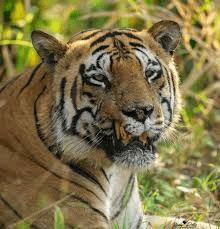
Photo credits: Manoji.rudy via X
Bajrang
A powerful male associated with the Moharli range, Bajrang’s territory spans both buffer and core forests. He is known for covering large distances and fathering multiple litters.
Matkasur
An iconic older male, Matkasur, has historically dominated areas near the Belara and Madnapur gates. While aging, he remains one of Tadoba’s most referenced tigers.
Choti Tara
Daughter of the legendary Tara, Choti Tara is frequently sighted in Kolara core and adjacent buffers, often with cubs.
Tadoba Safari Timings and Operational Schedule 2026
Safari timings adjust seasonally to optimize wildlife viewing during peak activity hours. Each safari lasts 3-5 hours, depending on zone size and route conditions.
Summer Timings (March-June)
- Morning safaris: 5:30-6:00 AM to 9:30-10:00 AM
- Evening safaris: 2:30-3:00 PM to 6:30-7:00 PM
Winter Timings (October-February)
- Morning safaris: 6:00-6:30 AM to 10:00-10:30 AM
- Evening safaris: 2:00-2:30 PM to 6:00-6:30 PM
Important: Core zones close on Tuesdays, buffer zones closeon Wednesdays for wildlife rest. Arrive 30 minutes before departure for document verification and vehicle assignment. Late arrivals forfeit bookings without refund.
Best Zones for Tiger Sightings in Tadoba
Tadoba is divided into core and buffer zones, each offering distinct landscapes and wildlife experiences. Core zones provide pristine wilderness with restricted tourist access, while buffer zones balance conservation with tourism infrastructure.
| Zone | Type | Why Choose It | Access |
| Moharli | Buffer/Core | Excellent tiger and waterhole views; family-friendly terrain with high sighting rates | Main gate |
| Kolara (Kolaracore) | Core | Remote wilderness; tiger cubs frequently spotted; rugged terrain for adventure seekers | Less crowded |
| Tadoba | Core | Iconic Tadoba Lake; leopards and diverse birdlife; scenic drives | Central hub |
| Kolsa | Buffer | Quiet trails, sloth bears, and birdwatching opportunities | Relaxed pace |
Choose your Tadoba gate based on priority:
- Guaranteed tiger movement → Kolara Core
- Iconic landscapes + dominant males → Moharli
- Lower crowd + behavioural sightings → Navegaon / Nimdhela buffers
- Last-minute availability → Buffer zones over core
There is no single “best” gate for all travellers; success depends on season, time slot, and current tiger movement.
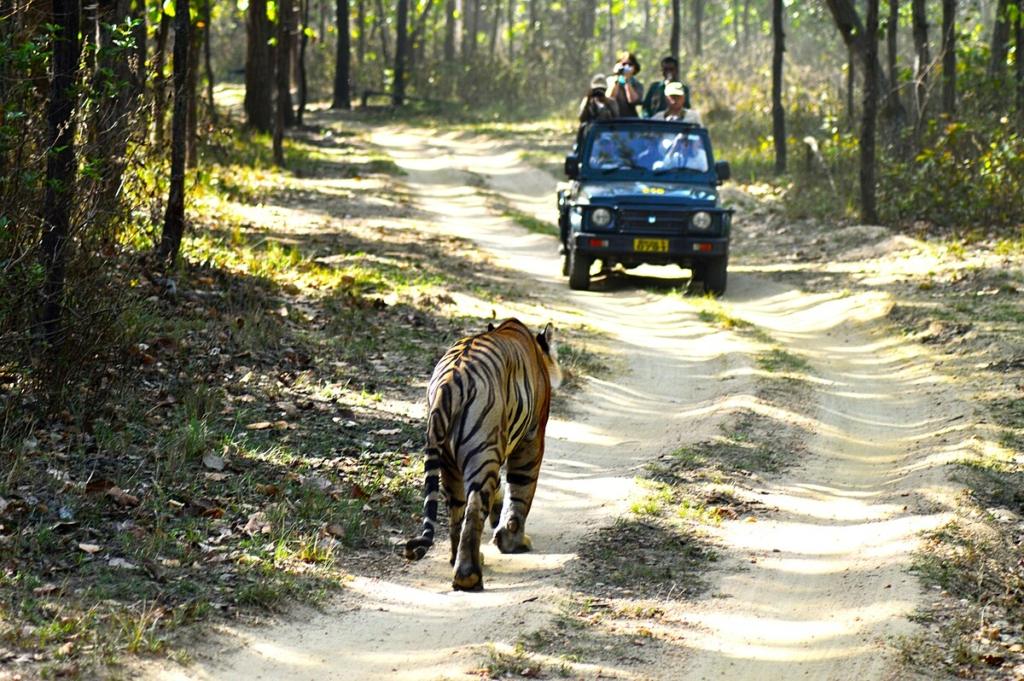
Current Tiger Sightings in Tadoba (January 2026 Updates)
Tiger movement in January 2026 has been particularly active due to cooler temperatures and increased daytime mobility. Sightings have been reported across both core and buffer zones.
Confirmed January 2026 Sightings
- Balram
Repeatedly sighted in Kolara Core, especially along roads and near waterbodies. Multiple AM and PM sightings were recorded in mid-to-late January. - Chota Dadhiyal (Male)
Spotted around Moharli lake and open trails, marking one of the first prominent sightings of 2026. Known for head-on road walks during evening safaris. - Bijli’s Male Cub (T115)
Observed in Kolara Core near the 97 Waterbody Road, primarily during PM safaris. Sightings suggest strong site fidelity linked to the mother’s territory. - Alizanjha Zone Activity
Tiger movement recorded in buffer regions, indicating wider territorial overlap during winter.
These sightings confirm Kolara and Moharli as consistently high-activity zones, with April–May delivering the highest sighting rates as waterholes become focal gathering points for tigers.
How to Book Tadoba Safari Online in 2026
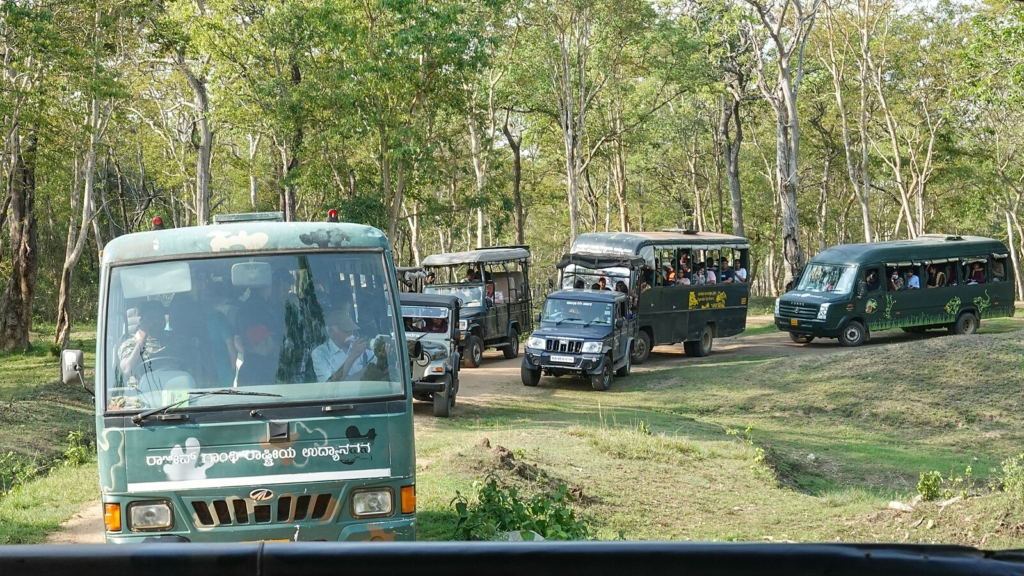
Advance booking ensures safari access during peak season when slots fill quickly. The Maharashtra Forest Department manages all official reservations through centralized online portals.
Online Booking Process
- Visit the official Maharashtra Forest Department portal at safaribooking.mahaforest.gov.in or tadobaandharinationalpark.com
- Register with a valid email and mobile number for OTP verification
- Select your preferred zone (Moharli, Kolara, Tadoba, etc.), date, and safari slot
- Choose vehicle type: Gypsy (6 passengers, ₹4,500-6,000) or Canter (larger groups)
- Upload ID proof (Aadhaar, Voter ID, Passport) for all passengers
- Complete payment via credit/debit card or UPI
- Download and print confirmation for gate entry
Booking Timeline and Tips
- Advance Window: Book up to 120 days ahead for the best zone selection
- Tatkal Booking: Last-minute slots open 3 days prior at 11:00 AM (limited availability)
- ID Requirements: Carry original ID documents matching booking details; photocopies not accepted
- Vehicle Sharing: Gypsy vehicles accommodate up to 6 passengers; share costs with fellow travelers
What Is the Cost of Tadoba Safari in 2026?
Safari costs vary by zone and vehicle type.
Indicative pricing (per gypsy, up to 6 people):
- Core zone: ₹4,500–₹6,000
- Buffer zone: Slightly lower than core
- Guide and forest charges included
Additional costs may apply for camera fees or resort-arranged logistics
Also Read: April–May Is Peak Tiger Sighting Season in Nagpur — Book Before Tadoba Closes June 30
How to Reach Tadoba from Major Cities
Tadoba’s strategic location in Maharashtra provides multiple access routes from major urban centers across India.
From Mumbai (830 kilometers)
- By Train: Overnight journey to Chandrapur (10-12 hours) via Gitanjali Express or similar services, followed by a 1.5-hour taxi to reserve
- By Flight: Fly Mumbai to Nagpur (1.5 hours), then a 3-hour drive via NH353
- By Road: Direct drive via NH44 and NH353 (approximately 14 hours)
From Nagpur (140 kilometers)
- By Flight: Dr. Babasaheb Ambedkar International Airport connects to Delhi, Mumbai, Bangalore, and Hyderabad
- By Taxi: Pre-booked cab services (3-4 hours, ₹3,000-4,500)
- By Train: Nagpur Junction to Chandrapur (4 hours), then local transport
From Hyderabad (300 kilometers)
- Drive via NH44 (approximately 6 hours) through Adilabad and Chandrapur
From Pune (700 kilometers)
- Drive via NH44 (12 hours) or train to Nagpur with connecting transport
Essential Packing List for Tadoba Safari
Proper preparation enhances safari comfort and photography opportunities while respecting reserve regulations.
Must-Have Items
- Documentation: Original ID proof, safari booking confirmation, travel insurance
- Optical Equipment: Binoculars (8×42 or 10×42), camera with telephoto lens (300mm+), extra batteries and memory cards
- Clothing: Neutral-colored layers (khaki, olive, brown), wide-brimmed hat, sunglasses, comfortable trekking shoes
- Protection: Sunscreen SPF 50+, insect repellent, dust mask, personal medications
- Hydration: Reusable water bottle, electrolyte sachets, light snacks (no plastics)
- Extras: Power bank, field guide books or wildlife apps, notebook for sightings
Prohibited Items
Single-use plastics, alcohol, tobacco products, loud music devices, and feeding materials are strictly banned inside the reserve. Violators face penalties and safari cancellation
Frequently Asked Questions About Tadoba Safari
Tiger sighting probability reaches 70% during peak season (April–May) when wildlife concentrates at waterholes. April–May is now considered the prime window as waterholes dry up and tigers become more visible and predictable. Encounters depend on zone selection and timing.
Moharli and Kolaracore zones consistently deliver high sighting rates due to resident tiger territories and strategic waterhole positioning accessible during morning safaris.
Book 90-120 days ahead for peak season (December-May) to secure preferred zones and slots, especially during weekends and Indian holidays when demand peaks.
Gypsy safari costs Rs. 4,500-6,000 per vehicle (6 passengers), averaging Rs. 750-1,000 per person when shared, excluding guide fees and entry charges.
Tadoba generally offers higher sighting consistency due to dense tiger populations and open forest terrain. Ranthambore provides iconic fort landscapes, but Tadoba often delivers more frequent daylight sightings, especially during April–May when waterholes dry up and tigers become maximally visible.
A minimum of three to four safaris across different zones and time slots is recommended to maximise sighting chances. Multiple safaris improve exposure to varying tiger movement patterns.
Yes. Children are allowed on safaris, but parents should ensure they can remain quiet for long durations. Morning winter safaris may be cold, so appropriate clothing is essential.
Nagpur Airport is the nearest major airport, located approximately 140 km from Tadoba–Andhari Tiger Reserve, with good road connectivity to all major safari gates.
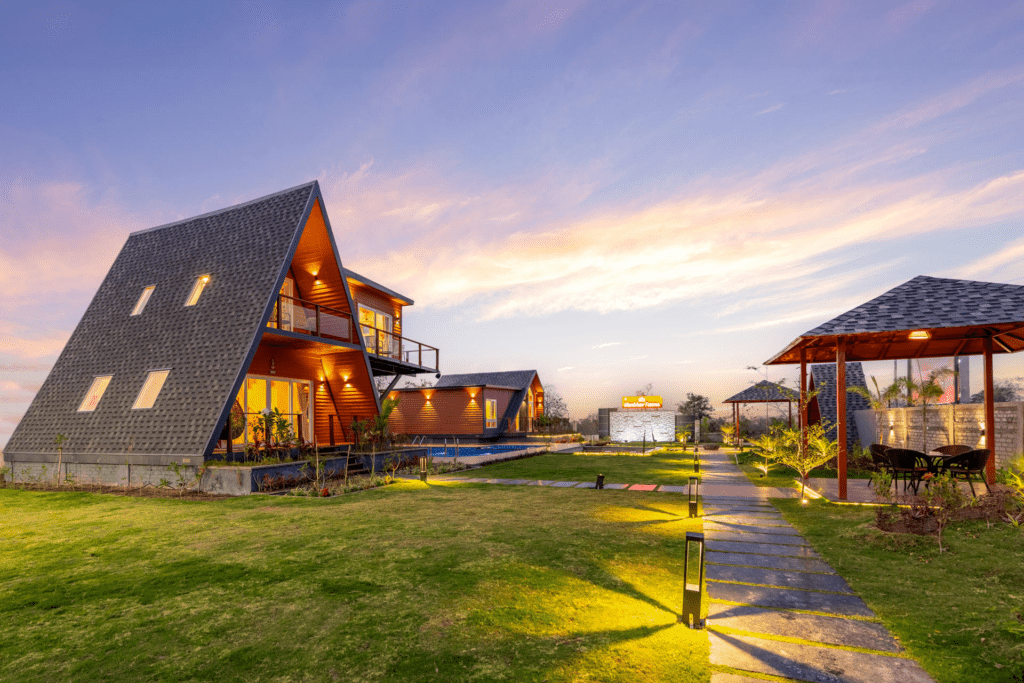
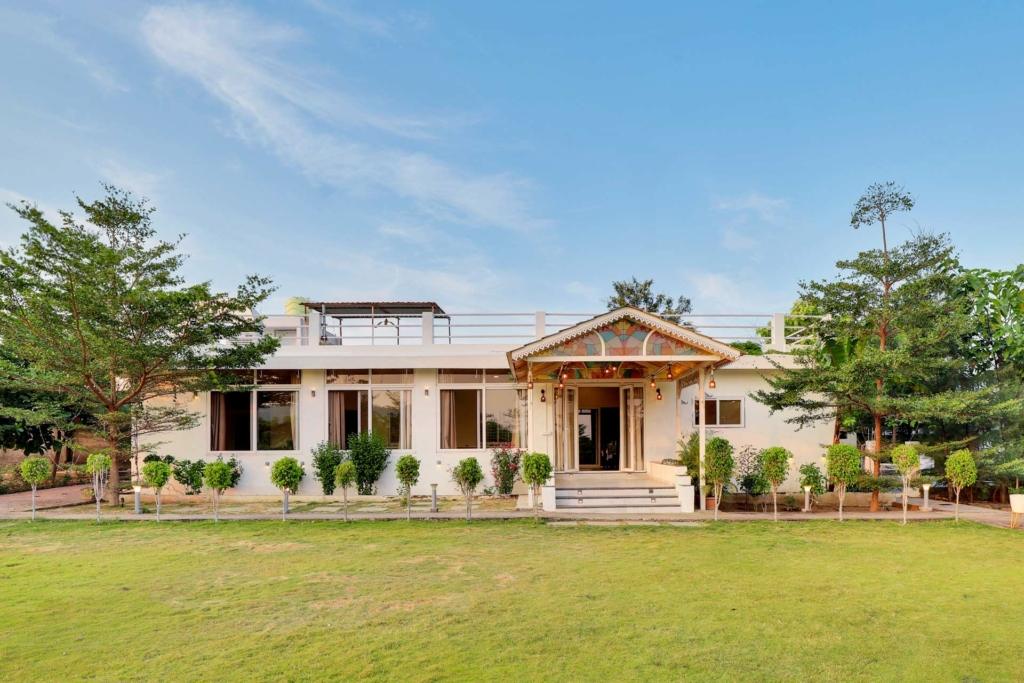
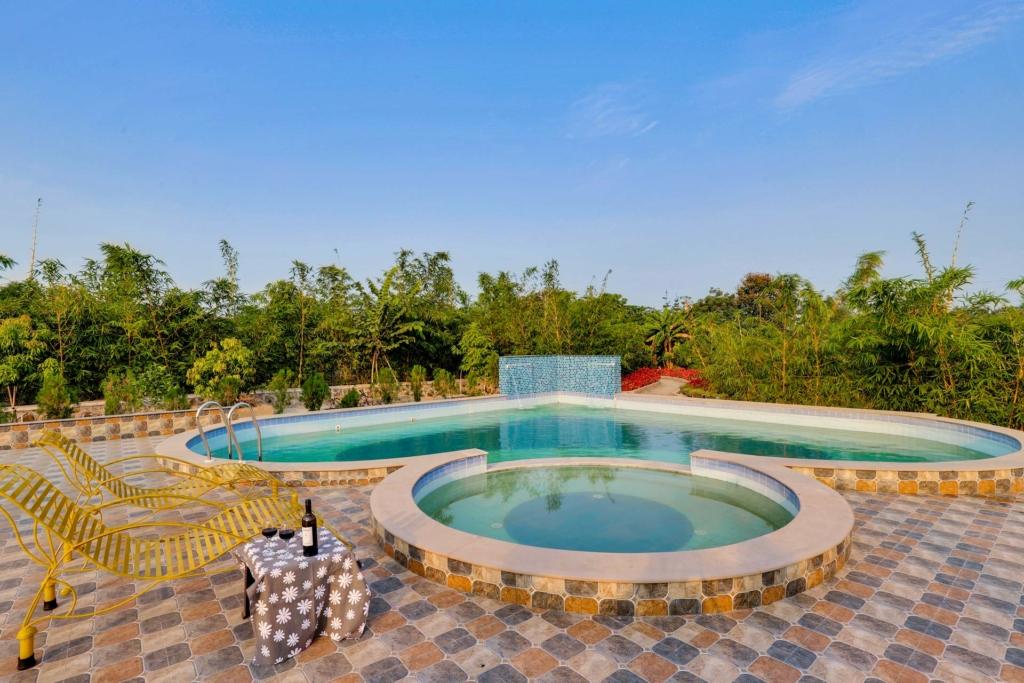
Accommodations near Tadoba Tiger Safari
Plan Your Tadoba Tiger Safari Adventure
Tadoba-Andhari Tiger Reserve represents India’s conservation success story, offering unmatched tiger encounters in a well-managed wilderness. The combination of robust tiger populations, diverse zones, and professional safari infrastructure makes it ideal for both first-time wildlife enthusiasts and experienced photographers. Recent January 2026 sightings of Balram, Maya, and emerging cubs confirm the reserve’s thriving ecosystem.
Book your safari early, choose zones strategically, and prepare for variable weather conditions. Whether visiting during comfortable winter months or intense summer heat, Tadoba delivers memorable wildlife experiences that showcase India’s natural heritage. Respect reserve regulations, support local conservation efforts, and carry home not just photographs but a deeper appreciation for tiger conservation.