
Trimbakeshwar in Shravan 2026: Darshan Timings, VIP Pass & Brahmagiri Trek
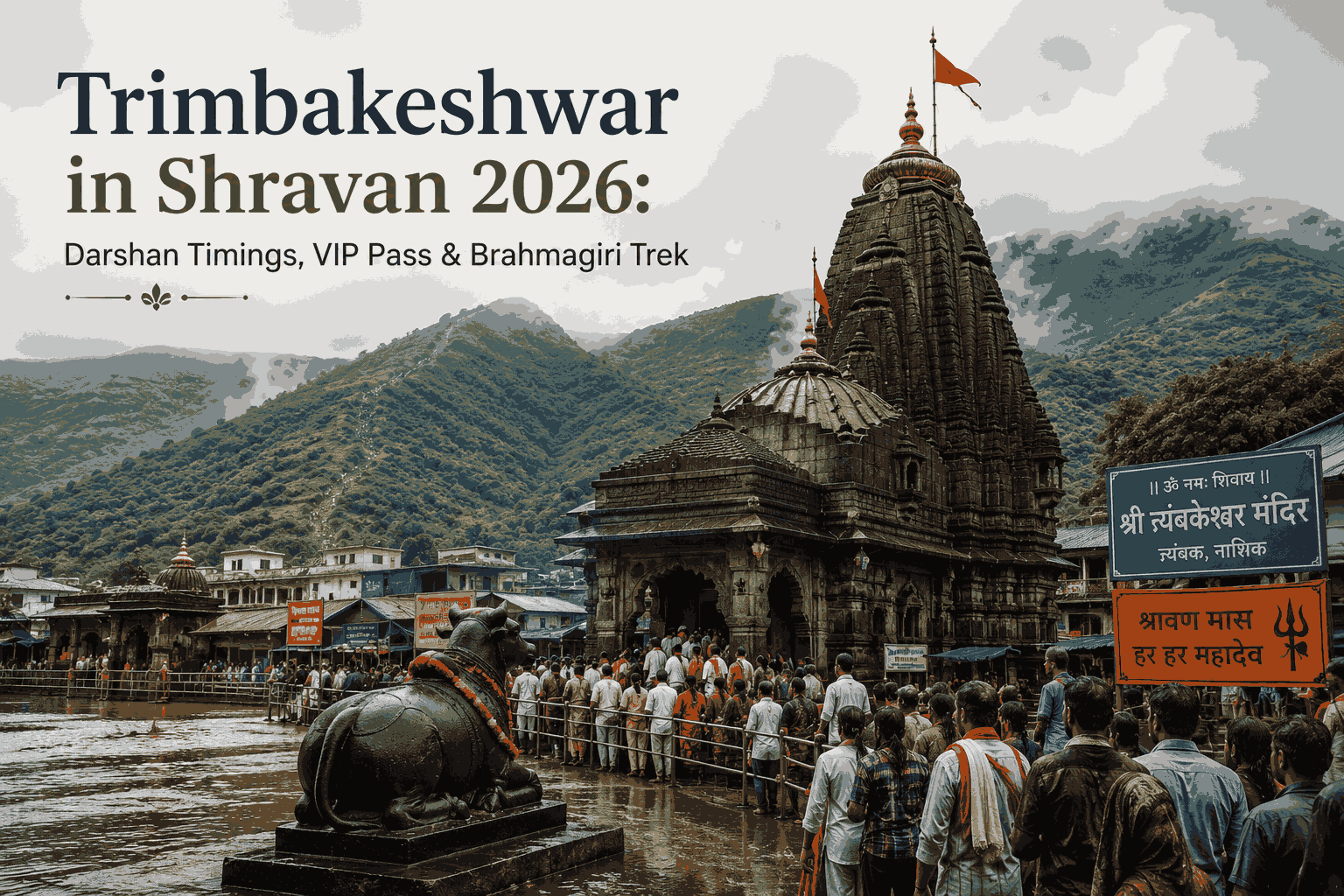
Last Shravan, some devotees waited more than eight hours to touch the Trimbakeshwar Jyotirlinga. A pass would have cut that to forty-five minutes — most pilgrims didn’t know it existed. This guide fixes that. You’ll get the exact Somvar dates for 2026, the online booking walkthrough for the VIP darshan pass, the Brahmagiri parikrama route, the dress code, and a counter-intuitive stay strategy that gets you to the sanctum faster than the villagers do.
TL;DR: Shravan 2026 in Maharashtra runs August 13 to September 11, with four Shravan Somvars on Aug 17, Aug 24, Aug 31, and Sep 7. Trimbakeshwar sees 6–8 hour queues on these Mondays; a VIP darshan pass booked at trimbakeshwartrust.com/onlinevip cuts it to roughly forty-five minutes. The 24 km Brahmagiri parikrama starts Sunday night before each Somvar.
In this Blog
When is Shravan 2026 at Trimbakeshwar?
Shravan 2026 in Maharashtra begins on August 13, 2026 and ends on September 11, 2026, per the Amanta lunar calendar followed in the state. Four Shravan Somvars — the Mondays devoted to Shiva — fall on August 17, August 24, August 31, and September 7.
If you’ve seen North Indian sources quote a late-July start, that’s the Purnimanta calendar. Maharashtra, Gujarat, Karnataka, and Andhra Pradesh follow the Amanta system, which begins the month roughly two weeks later. Since Trimbakeshwar is in Nashik district, the Amanta dates apply — always cross-check with the temple trust before booking travel.
Two other dates matter inside this window. Nag Panchami falls in mid-August 2026 and typically triggers a spike in Kaal Sarp Dosh pooja bookings at Trimbakeshwar. Varalakshmi Vratam lands on the Friday before the second Somvar. Both draw significant crowds in their own right, layered on top of the Somvar surge.
For a broader view of the year’s sacred travel windows, see our full India pilgrimage travel calendar for 2026.
What are the darshan timings on Shravan Somvar?
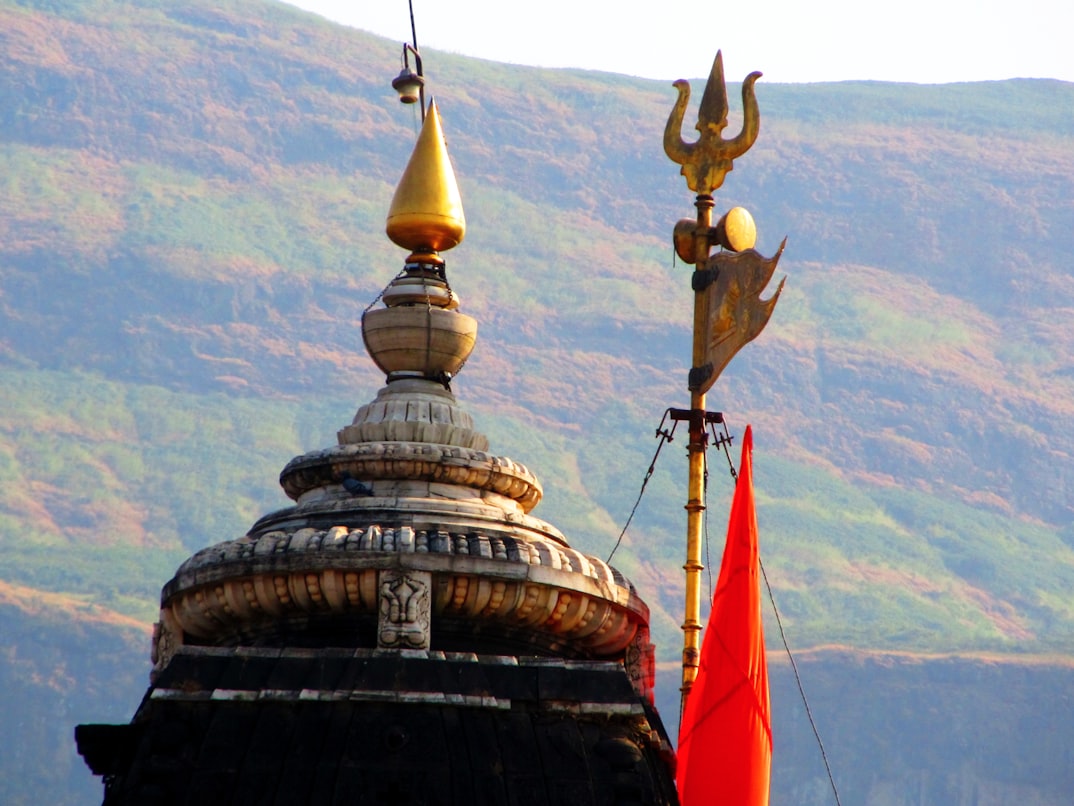
The temple opens with Kakad Aarti, and general darshan runs through the year. On Shravan Somvars, the general queue routinely stretches to six to eight hours, per multiple pilgrim reports and temple trust advisories. Non-Somvar wait times sit closer to 45–90 minutes.
Three aartis anchor the daily rhythm. The Kakad Aarti in the morning opens the temple. The Madhyan Aarti around afternoon closes the sanctum briefly to the public for the midday ritual. The Shej Aarti at night concludes the day. If you want the visual highlight — the silver mask darshan, called Nijaroop — plan for the evening window, which is also when the Somvar crowd peaks a second time.
Here’s the slot-by-slot breakdown for a Shravan Somvar:
| Slot | Time | What happens | Somvar crowd |
|---|---|---|---|
| Kakad Aarti | 5:00 AM | Opening prayer | Moderate |
| VIP darshan window | 5:00–8:00 AM | Separate queue | Faster |
| General darshan | 5:30 AM – 9:00 PM | Public queue, all devotees | Heavy (6–8 hr wait) |
| Madhyan Aarti | ~1:00 PM | Sanctum closed briefly | — |
| Nijaroop darshan | ~7:00 PM | Silver mask revealed | Peak |
| Shej Aarti | 9:00 PM | Closing prayer | Moderate |
Non-Somvar days feel like a different temple. General darshan takes 45 to 90 minutes; VIP wraps up in under 30. If your travel dates flex, the Tuesdays and Wednesdays between Somvars are the sweet spot — sacred month, sane queues.
How do I book the VIP darshan pass online?
The VIP darshan pass is booked exclusively at the official trimbakeshwartrust.com/onlinevip portal. The VIP window average time from entry gate to exit is around forty-five minutes — versus six-plus hours in the general queue on a Somvar.
Booking takes about four minutes:
- Open the official portal (be strict about the URL — several copycat domains charge markups on top of the fee).
- Select your date and the number of devotees. Bookings open up to 30 days ahead.
- Enter each devotee’s name, age, and government ID number.
- Upload a photo or ID scan if the form prompts you.
- Pay via UPI or card.
- Download the QR e-ticket. Screenshot it too — the temple’s Wi-Fi coverage is patchy.
What is the Brahmagiri parikrama and is it safe in monsoon?
The Brahmagiri parikrama is a 24 km overnight circumambulation of Brahmagiri mountain, the source of the Godavari, performed from Sunday night into Shravan Somvar morning. If you start from the Kushavarta kund inside Trimbak village and complete the loop back, the total distance climbs to roughly 42 km. It’s a devotional endurance walk, not a mountaineering objective.
Most pilgrim groups set off between 8 and 10 PM on the Sunday before a Somvar. The route traces the base of Brahmagiri clockwise — Kushavarta, Gangadwar shrine on the ridge shoulder, around the western face, and back down to the temple in time for early-morning darshan. In dry weather the trail is straightforward. In Shravan, which coincides with peak Maharashtra monsoon, the same trail hides a menu of hazards.
Basalt underfoot turns slick as soap when wet. Leech patches sit thick along the stream crossings. Visibility can drop to under thirty metres for hours at a stretch. The temple trust suspends organised parikrama on IMD red-alert days — check the forecast the Saturday before, not the Sunday morning, because road-closure notices go out overnight. Solo attempts on high-alert days are strongly discouraged, and mountain-rescue capacity in the district is limited.
If the overnight parikrama looks too much, the Brahmagiri summit trek is the shorter alternative. It’s a straightforward one-way climb of roughly 1.5 to 2 hours to reach the summit, covering about six kilometres round-trip. You still see the Godavari source point and the ridge-top temple complex.
What’s the dress code and what should you carry?
Men entering the sanctum must wear a dhoti or sovala — no shirts, kurtas, or T-shirts inside. Women wear a sari or a salwar-kameez that covers the shoulders and knees. Mobile phones, cameras, leather items, and belts are prohibited inside the temple; free lockers at all three gates hold your belongings for the duration of the darshan. Rules apply to Indian and foreign devotees equally, though children under ten are exempt from the dress code.
Sparsh darshan — the tradition of physically touching the lingam — is restricted to men in traditional attire during specific timing windows, mostly early morning. The rule isn’t rigidly enforced for a look-only darshan, but if you plan to touch the shivling, arrive dressed for it.
Carry checklist:
- Government photo ID (matched to the name on the VIP e-ticket)
- Printed VIP e-ticket (Wi-Fi is unreliable at the gate)
- One-litre water bottle and a small umbrella
- Rubber-grip slippers if you plan any parikrama walking
Which special poojas are performed in Shravan?
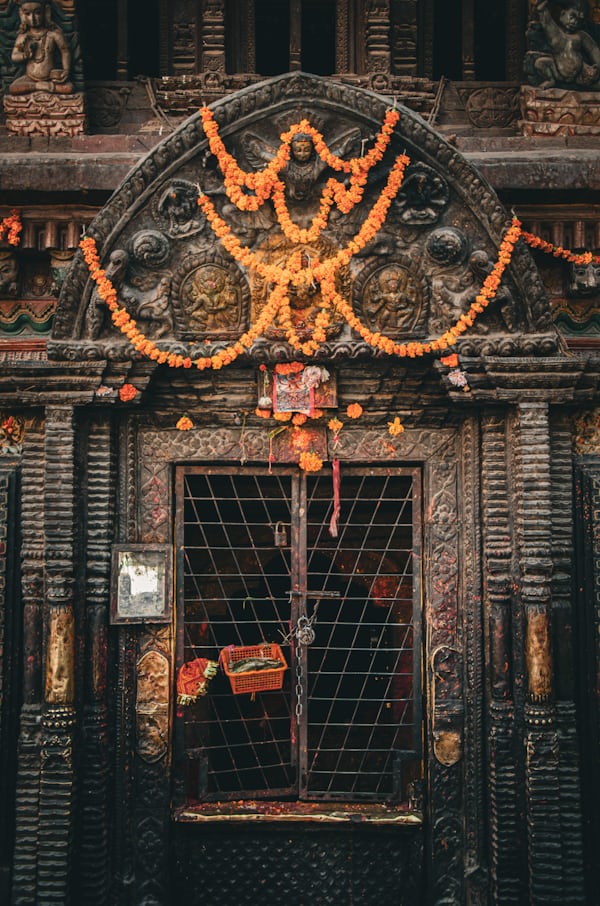
Four ritual bookings peak at Trimbakeshwar during Shravan: Rudrabhishek, Kaal Sarp Dosh nivaran, Narayan Nagbali, and Tripindi Shradh. Every ritual must be booked through a temple-trust-authorised pujari, not a middleman. Verify the pujari’s authorisation letter before paying.
Which pooja suits which intent? Rudrabhishek is the classical daily Shiva abhishek — appropriate for devotees marking Shravan without a specific dosh to address. Kaal Sarp is booked for horoscopes showing the Kaal Sarp yoga, a specific planetary alignment. Narayan Nagbali is a three-day pitru shanti ritual for ancestral peace, and it cannot be compressed into a day trip. Tripindi Shradh addresses three generations of ancestors and is typically booked on Amavasya days within Shravan.
Timing tip: Nag Panchami — which falls in mid-August 2026 — sees the highest single-day surge in Kaal Sarp bookings. If your muhurat is flexible, avoid Nag Panchami itself and book the Tuesday or Wednesday immediately after. You’ll get the same Shravan blessing with a fraction of the wait, and pujaris can devote more time to the ritual.
Never wire pooja fees to an unknown UPI ID quoted by a self-appointed guide at the gate. The trust maintains a list of authorised pujaris on its official site; ask for the trust ID card before finalising any booking.
How do I reach Trimbakeshwar, and where should you stay?
Trimbakeshwar sits 28 km west of Nashik, about a fifty-minute drive on the Trimbak Road. From Mumbai it’s 175 km (roughly four hours via the Mumbai-Nashik Expressway); from Pune, about 210 km through Sinnar. The nearest airport is Nashik Ozar (25 km); the nearest major railhead is Nashik Road (35 km). MSRTC runs a steady stream of buses from Nashik CBS to Trimbak village throughout Shravan.
On Shravan Somvars, private cabs from Nashik cost around ₹1,500 return. Three official parking lots serve the temple — all three are typically full on a Somvar. Shuttle vans then ferry devotees from ad-hoc lots on the outskirts, which adds forty minutes to your journey each way.
Now the stay decision, which is where most pilgrims lose time.
Village stay vs villa basecamp
The instinct is to sleep in Trimbak village to be nearest the temple. It’s the wrong call for Shravan Somvars. The village has limited inventory — mostly dharamshalas and small guesthouses — and on Somvar the entire settlement is inside the traffic funnel converging on the temple. You’ll walk faster than a car can move.
The counter-intuitive better play: stay in a Nashik or Igatpuri villa 40–60 km out, leave your villa at early morning, and arrive at Trimbak before the ghat road jams. You’ll clear parking, walk in, and be in the VIP queue by evening — ahead of half the people sleeping in Trimbak village.
| Option | Drive to temple (Somvar 4–6 AM) | Best for |
|---|---|---|
| Trimbak village dharamshala | 5–20 min walk | Solo devotees, minimal luggage |
| Nashik hotel (city centre) | 60–90 min | 2–3 day pilgrimage with wine-country add-on |
| Nashik villa (StayVista) | 55–70 min | Family + pooja party, flexible check-in |
| Igatpuri villa (StayVista) | 75–95 min | Post-Somvar monsoon retreat, groups |
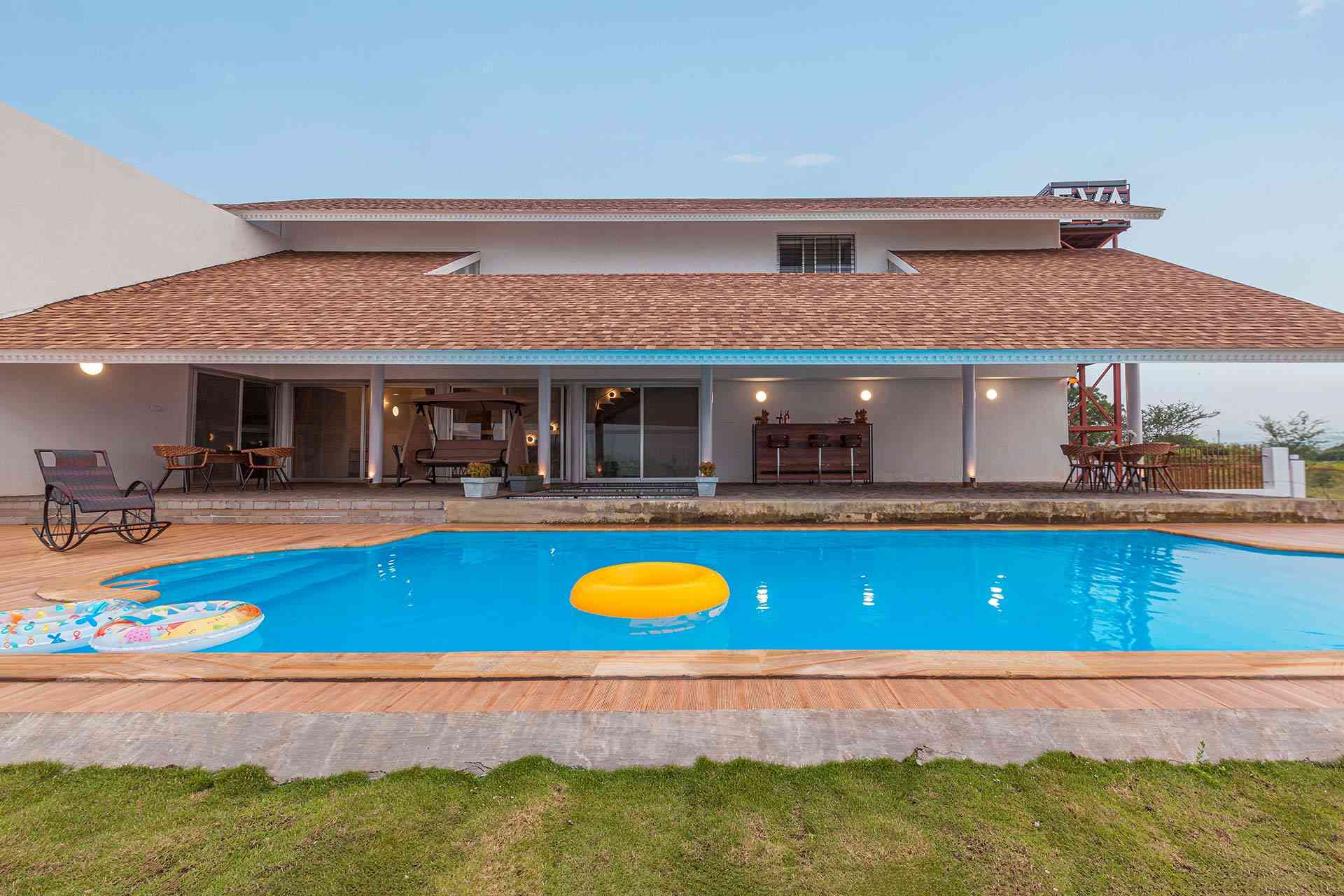
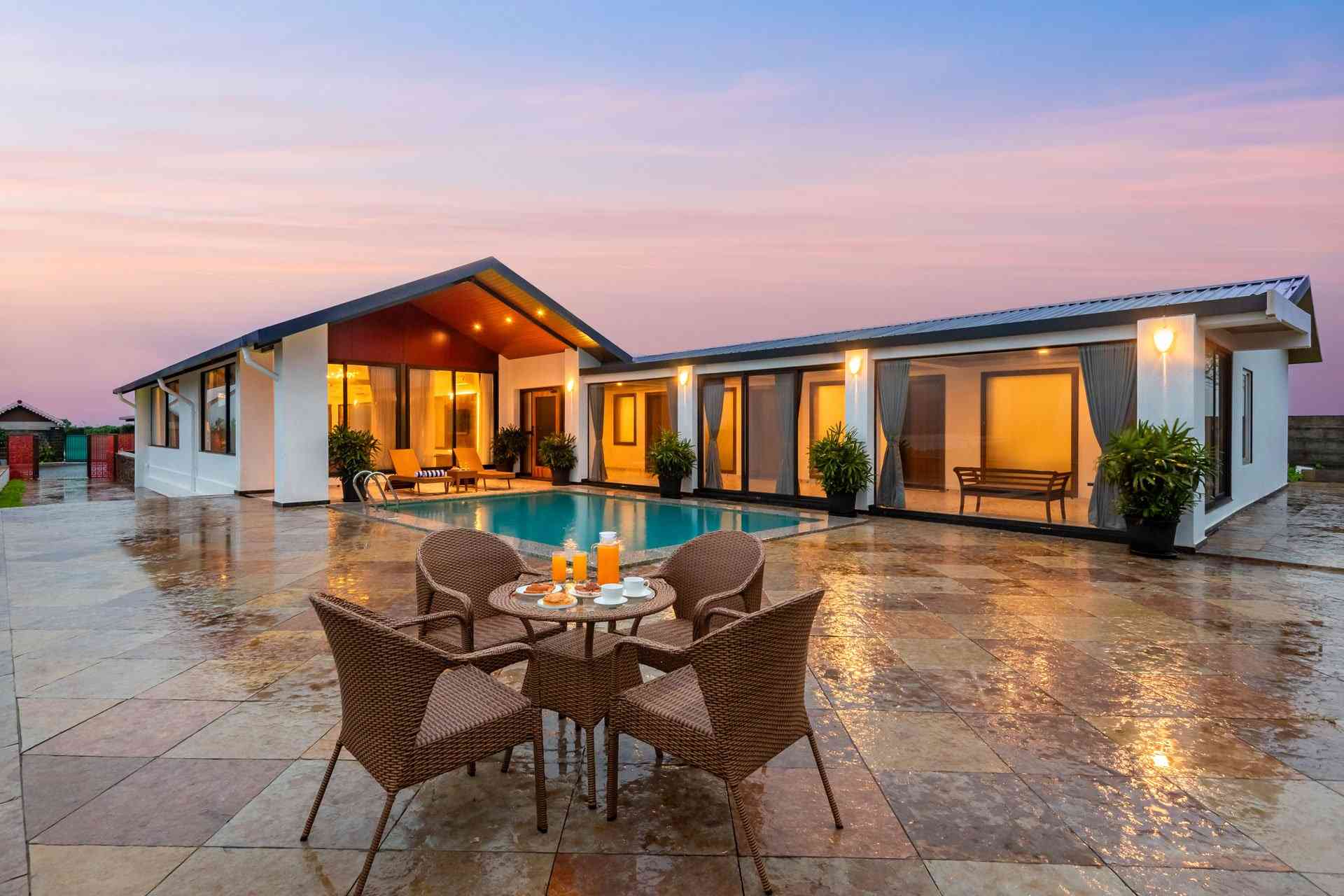
A four-bedroom villa, comparable to a village guesthouse, with private cars, hot showers on return, and a real bed for the post-parikrama nap. Browse the full villa collection near Nashik and luxury Igatpuri villas with pools to shortlist by group size and budget.
Eva Villa, Nashik
Whispering Meadows
What’s the smart itinerary for a Shravan Somvar visit?
A single-Somvar visit from Mumbai or Pune works cleanly as a 36-hour trip: check into your villa on Sunday afternoon, rest or attempt the parikrama, arrive at Trimbakeshwar for VIP darshan, take a Kushavarta snan, eat breakfast, and drive home by early afternoon. Two tracks work depending on what your group wants:
Whichever track fits, book the VIP pass, the villa, and any pooja slot at least three weeks out. On Somvars 2 and 3 (Aug 24 and Aug 31), both slots and stays disappear.
For a broader weekend planning frame, our guide on weekend getaways in Nashik and Igatpuri villas pairs well with the Shravan trip.
Historically the third Somvar draws the largest crowd because it falls closest to the mid-Shravan devotional peak. In 2026, that’s August 31. Expect an eight-hour general queue, faster traffic on the Trimbak Road from 3 AM, and complete villa sell-out in Nashik and Igatpuri by mid-August. Confirm crowd advisories with the temple trust the week before.
Yes, the VIP pass works on all four Shravan Somvars in 2026. Even the VIP queue slows on peak Somvars — expect 45–75 minutes end-to-end, versus 30 minutes on a regular day. Book at least 15 days in advance directly through the official trust portal. Same-day VIP counter passes usually sell out.
Yes. Foreign devotees have full access to the sanctum, subject to the same dress code and ID requirement as Indian visitors. Sparsh darshan (touching the lingam) is restricted to men in traditional dhoti attire during specific windows. Carry a passport or a government-issued photo ID; the temple trust does not accept photocopies for VIP verification.
No. Mobile phones, cameras, tablets, and smartwatches are all prohibited inside the temple complex. Free lockers at all three main gates hold your belongings — take a token and rejoin the queue. The rule is enforced strictly on Shravan Somvars, and security checks at the gate are thorough. Leave nothing in your car unattended on Somvar mornings either.
Not on IMD red-alert days. The trust cancels organised parikrama during severe weather warnings, and individual attempts are strongly discouraged. Even on moderate monsoon days, the basalt underfoot is slick, leech patches are thick near stream crossings, and visibility can drop below thirty metres. If the forecast looks grim, switch to the short summit trek or focus on darshan and pooja.
Budget from Mumbai or Pune. That covers a shared villa night in Nashik or Igatpuri, fuel or a return cab, two VIP passes (there and back if you double-darshan), a mid-tier pooja donation, and food. Add if you’re booking Kaal Sarp or Narayan Nagbali rituals through an authorised pujari.
Final takeaways
- Shravan 2026 in Maharashtra runs August 13 – September 11. Four Somvars: Aug 17, 24, 31, Sep 7.
- The VIP pass at trimbakeshwartrust.com/onlinevip turns an eight-hour Somvar queue into a forty-five-minute one.
- Brahmagiri parikrama is a 24 km overnight walk that starts Sunday night. Skip it on IMD red-alert days.
- Dress code is strict; leather, phones, and cameras stay in the locker.
- Book poojas only through temple-trust-authorised pujaris — verify their trust ID before paying.
- A villa basecamp 40–60 km out beats a Trimbak village stay on Somvar mornings because it lets you outrun the traffic funnel.
If you’re planning a Shravan visit, the villas fill fastest for Somvars two and three (Aug 24 and Aug 31). Anchor your booking early and let the ritual details fall into place around it. Reserve a Nashik villa or an Igatpuri villa with a pool now — this guide will be refreshed seven days before each Somvar with the latest advisories and queue notes from the ground.