
Udaipur in Monsoon 2026: Why the City of Lakes Feels Different in the Rains

The desert state of Rajasthan is often associated with intense summer heat, golden sand dunes, and dry stone citadels. However, the southern district of Udaipur breaks this pattern completely, particularly when the seasonal clouds arrive from the ocean. Choosing to visit Udaipur in Monsoon provides a rare chance to see the region when the air is cool, and the stone palaces look as if they have been scrubbed clean by the hand of nature. The weeks between July and September bring a distinctive change to the entire locality. The dry riverbeds fill up, the ancient stepwells collect fresh rainwater, and the surrounding hills grow thick with local grasses and wild flowers. In 2026, Udaipur in Monsoon remains a prime choice for people who want to experience old heritage architecture without dealing with the heavy crowds of the winter season.
Seeing the City of Lakes in the rain is magical because the water levels in Lake Pichola and Fateh Sagar rise to their maximum, reflecting the white marble palaces perfectly. Following a dedicated Udaipur monsoon itinerary allows you to see seasonal waterfalls and foggy hill views safely.
In this Blog
Experiencing Udaipur’s Monsoon Magic in 2026
The physical change that occurs in the town during the wet months is nothing short of extraordinary. The primary reason for this shift is the unique geography of the area, which rests within a bowl formed by the ancient Aravalli mountain range. When the rains fall, these dark purple hills act as a natural catchment, funneling millions of litres of fresh water down into the interconnected network of man-made lakes.
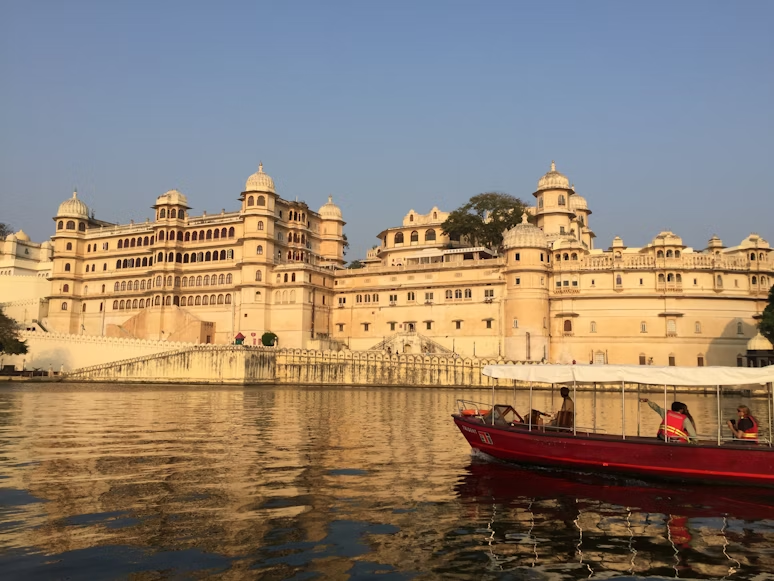
Udaipur in Monsoon is truly a visual spectacle — watching the white marble walls of the Lake Palace appear to float directly on top of a giant sheet of silver glass, with dark rain clouds providing a dramatic background. The stone carvings on the old lake embankments, known as ghats, look incredibly sharp and detailed when wet. The local winds during this period blow steadily from the southwest, keeping the daytime temperatures comfortable and carrying the rich, distinct scent of damp earth and blooming jasmine through the narrow streets of the old quarter.
Crafting the Perfect Udaipur Monsoon Itinerary
A smart seasonal plan must look beyond the standard indoor museum rooms to include the natural water features that only appear during these specific months.
Day 1: Boating in a Drizzle and the True Monsoon Palace
The opening day of your Udaipur in Monsoon experience focuses on the central water bodies and the highest vantage points. The morning should begin with a slow boat ride across Lake Pichola, starting from the Rameshwar Ghat. Sitting under the canvas roof of a wooden boat while a light drizzle creates tiny ripple patterns on the water’s surface is a peaceful experience. The boat takes you past Jag Mandir island, where the large stone elephants guarding the jetty look grand against the grey sky.
In the afternoon, you can head up the winding mountain road to visit the Sajjangarh Fort, universally known as the Monsoon Palace. Built in 1884 by Maharana Sajjan Singh on the Bansdara peak at an altitude of 3,100 feet, this white marble structure has a fascinating history. It was constructed primarily as a multi-storey astronomical centre to track the exact movement of monsoon clouds across the kingdom. Standing on the high stone terraces when the clouds float directly through the arched corridors makes you feel as if you are stepping into a different world. The palace rainwater harvesting structure, which channels water into a massive 195,500-litre underground stone cistern, is an engineering wonder that shows the historical wisdom of the region.
Day 2: Seasonal Waterfalls, Floating Gardens, and Rural Arts
The second day of your Udaipur in Monsoon itinerary takes you into the outer valleys to see the rural side of the City of Lakes in the rain. You can hire a local vehicle to drive down to the Alsigarh Valley or the Ubeshwar Ji hills, located about 25 kilometres from the town centre. During the rains, these steep valleys turn completely green, and small seasonal waterfalls drop directly over the black basalt rock faces. Local farmers can be seen working on their step-farms, planting maize and seasonal greens using traditional wooden ploughs.
After returning to the town, the afternoon can be spent walking through Saheliyon-ki-Bari, a historic garden built for royal ladies. The unique feature of this garden is its network of lotus pools and marble fountains that operate entirely on natural water pressure from the Fateh Sagar Lake without using any mechanical pumps or electricity. The rain replenishes the source, making the fountains spray water with incredible force. The day can conclude with a visit to Shilpgram, a rural arts complex where traditional artisans demonstrate pottery, wood carving, and weaving under traditional thatched-roof huts that stay remarkably dry and warm inside.
Finding the Right Accommodation: Booking a Villa in Udaipur
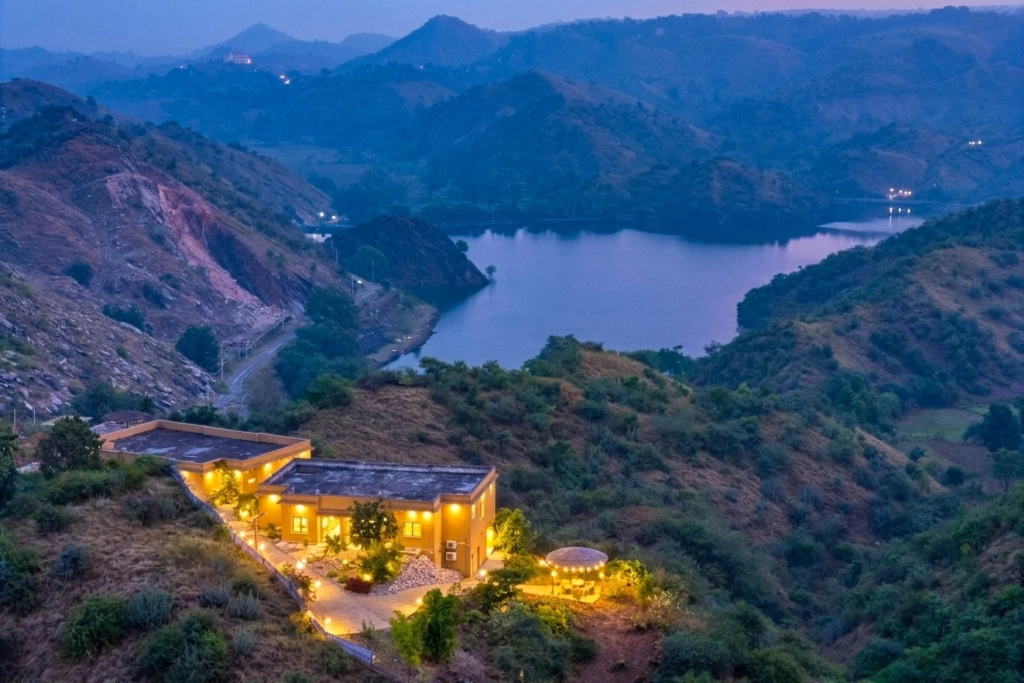
As Udaipur in Monsoon becomes a favourite for travellers who prefer a slow-paced holiday, the accommodation choices have grown to include beautiful independent homes. For families or groups who want privacy, looking for a heritage villa in Udaipur near the shores of Badi Lake or on the quiet slopes of the Sajjangarh foothills is highly recommended.
Many of these private properties feature traditional Rajasthani design elements, such as stone-carved balconies, central open-air courtyards, and large windows that face the mountain ridges. Staying in an independent home gives your group a spacious setting to relax, watch the fog roll over the hillsides, and enjoy fresh, hot local snacks like mirchi bada and kachoris prepared by personal cooks while the rain falls outside.

Essential Things to Do in Udaipur During the Rains
When organizing your daily schedule during Udaipur in Monsoon, the variety of unique things to do ensures that your trip stays highly engaging. You can take an evening walk along the wide promenade of Fateh Sagar Lake, known locally as the Paal, where residents gather to eat roasted corn on the cob and drink hot masala tea while the cool wind blows off the water.
For those interested in history, visiting the old vintage car museum allows you to see rare vehicles used by the royal family, including a traditional 1934 Rolls-Royce that was modified with specialized tracking tyres for driving through muddy forest paths during royal hunting trips. You can also explore the hidden stepwells, such as the one at Ahar, where the stone staircases are carved with complex patterns that disappear slowly under the rising water levels, providing a living demonstration of ancient water conservation techniques.
Conclusion
A journey to Southern Rajasthan during the rainy months reveals a side of the culture that is deeply tied to the natural elements. Udaipur in Monsoon offers an experience far beyond what generic holiday guides can describe. The combination of watching the clouds from the high terraces of the Monsoon Palace, riding a boat through the drizzle on Lake Pichola, and exploring the seasonal waterfalls of Alsigarh makes this trip highly balanced and memorable.
The presence of modern infrastructure and the availability of premium private stays, like a lakeside villa in Udaipur, ensure that your family remains comfortable and safe throughout the journey. Udaipur in Monsoon is not a season to avoid — it is the exact time when the stone walls and full lakes show their true character. Pack a light waterproof jacket, book your stays early, and prepare to experience the quiet majesty of the city from the water and the hills!
FAQs – Udaipur in Monsoon 2026
Udaipur is set within the Aravalli mountain range, which acts as a natural catchment area. The hills funnel rainwater into the interconnected network of man-made lakes, causing Lake Pichola and Fateh Sagar to fill to their maximum capacity and reflect the white marble palaces perfectly.
Udaipur in Monsoon is highly preferred over summer because the intense desert heat disappears. The temperatures drop to a comfortable 30°C, the seasonal lakes fill to their maximum capacity, and the surrounding hills turn completely green.
The best spots to include are the Sajjangarh Monsoon Palace for cloud-gazing, Lake Pichola for boat rides, Saheliyon-ki-Bari for natural stone fountains, and the scenic seasonal waterfalls in the Alsigarh Valley.
Yes, boat cruises operate regularly during light drizzles and moderate rains, as the boats are fitted with sturdy canvas roofs to keep guests dry. However, services are temporarily paused during rare heavy thunderstorms or high winds for safety.
The Monsoon Palace was originally designed in 1884 as a nine-storey astronomical centre to track the movement of rain clouds. Although the original plan was cut short due to the king’s untimely death, it remains a unique monument built specifically to celebrate the arrival of the rains.
Yes, there are several independent heritage homes and premium family villas available for rent around the quiet banks of Badi Lake and Pichola. Booking a villa in Udaipur provides private lawns, central courtyards, and excellent mountain views.
Food lovers visiting Udaipur in Monsoon can walk down to the Fateh Sagar promenade to eat fresh charcoal-roasted corn, try hot spicy mirchi badas (fried stuffed chillies) from the old market stalls, and sample traditional hot lentil halwa.
Yes, the roads leading to major sites like Sajjangarh and Ubeshwar Ji are well-constructed asphalt tracks managed by the local administration. However, drivers must be careful and maintain a slow speed around the steep mountain curves when the stone surfaces are wet.
Written By: Ruben Saha