
Valley of Flowers Trek 2026: Best Time (Peak Bloom July- Aug)
In this Blog
What is the Valley of Flowers Trek?
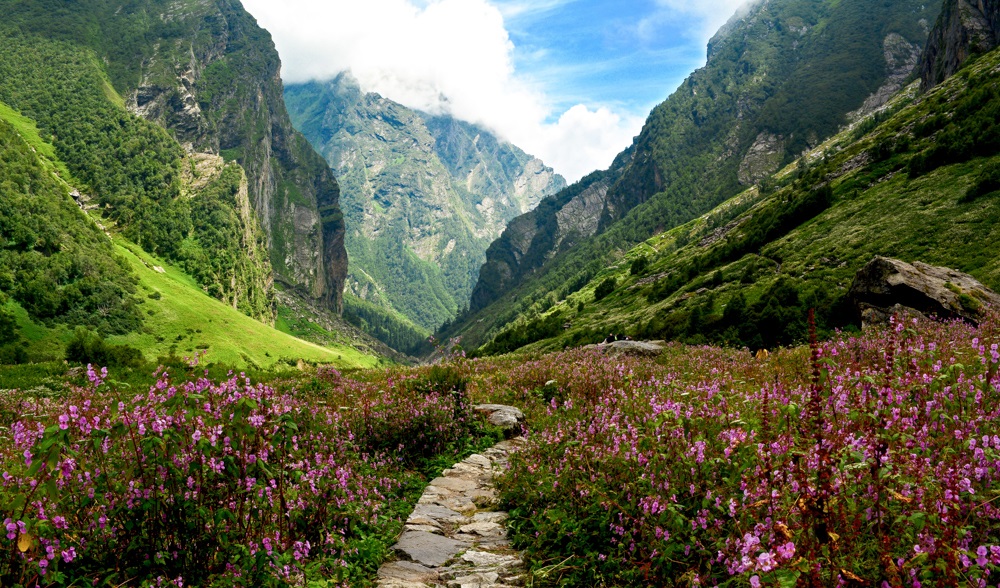
High in the Garhwal Himalayas, the Valley of Flowers National Park operates on its own seasonal rhythm. Snow recedes, the ground softens, and over a brief monsoon window, an alpine basin transforms into one of India’s most biologically dense landscapes. This is not a summit-focused trek. It is an ecological corridor where altitude, rainfall, and soil create a short-lived bloom cycle that draws trekkers, botanists, and photographers every year.
Bordering Nanda Devi National Park, the valley forms part of a UNESCO World Heritage Site. The terrain hosts over 500 species of wildflowers, including blue poppies, cobra lilies, and Himalayan bellflowers. The biodiversity extends beyond flora-this region is habitat to species like the Himalayan black bear and musk deer, although sightings are rare.
The appeal lies in timing. Unlike most treks that remain consistent year-round, this one changes dramatically week to week.
When does the Valley of Flowers Trek open in 2026?
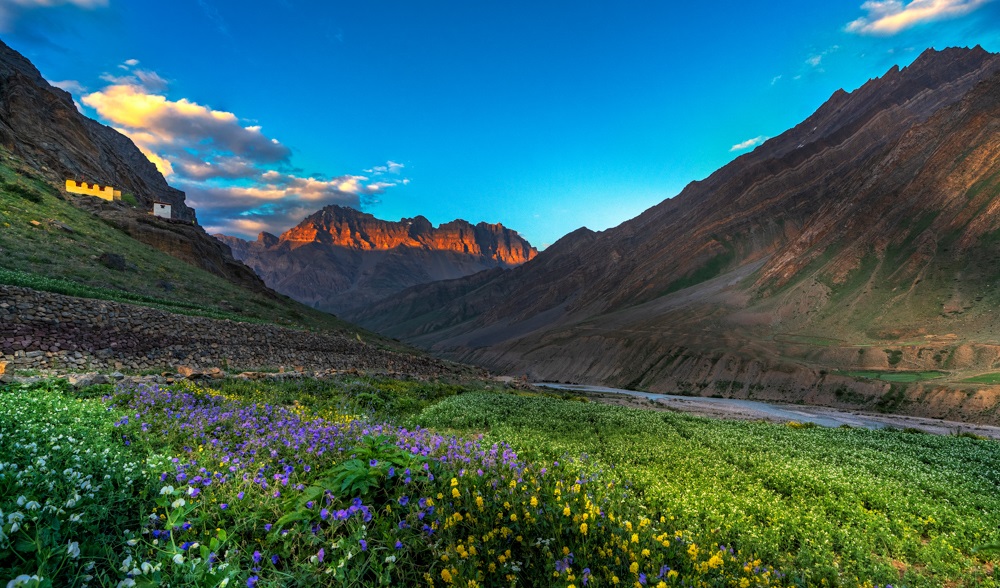
The trekking window is tightly defined and monitored.
Expected timeline for 2026:
- Opening Date: June 1, 2026
- Closing Date: October 31, 2026
- Entry Hours: 7:00 AM – 2:00 PM
- Exit Deadline: 5:00 PM
The valley of flowers opening dates 2026 are governed by the Forest Department of Uttarakhand, which assesses snow clearance, trail stability, and monsoon progression before confirming access.
What changes within this window is the experience itself. Early June still carries remnants of winter. By July, the terrain stabilises and begins to green. By mid-July, the valley reaches its most photographed phase.
Best time to visit the Valley of Flowers in 2026
Timing defines this trek more than any other factor.
Here’s how the season unfolds:
| Phase | What changes on ground | Who it suits |
| Early June | Snow patches, limited bloom | Experienced trekkers |
| Late June | Fresh greenery, fewer crowds | Quiet travel |
| Mid-July to Mid-August | Peak bloom, dense floral spread | Best overall window |
| Late August–September | Clear skies, thinning flowers | Photography |
| October | Cold, dry, minimal vegetation | Not ideal |
The monsoon is not a drawback here—it is the trigger. Rainfall activates the bloom cycle, feeding streams and enriching the valley floor. Without it, the landscape would remain sparse.
For most travellers, mid-July to mid-August offers the highest return on effort.
Valley of Flowers Permit
Yes, and it is non-negotiable.
Permit system overview:
- Issued by: Forest Department
- Validity: 3 days
- Cost (approx.):
- Indians: ₹150–₹200
- Foreign nationals: ₹600–₹800
Where to obtain:
- Online (preferred during peak season)
- Offline at Govindghat
Permits are verified at the entry gate near Ghangaria. You cannot stay overnight inside the valley, so every visit is a same-day entry and exit.
Operational detail that matters:
If you plan multiple visits (which photographers often do), you must manage your 3-day permit window carefully.
Valley of Flowers Trek Difficulty
On paper, it is classified as easy to moderate. In practice, it tests consistency more than technical ability.
Trek profile:
- Total distance: ~38 km round trip
- Highest altitude: 3,658 metres
- Duration: 4–6 days
- Trail: Defined, gradual ascent
The journey begins from Govindghat, gradually transitioning from road to trail. The initial stretch to Ghangaria builds endurance rather than intensity. The real variable is altitude—oxygen levels drop, and pacing becomes important.
Typical route flow:
- Govindghat → Pulna → Ghangaria
- Ghangaria → Valley of Flowers
- Optional: Ghangaria → Hemkund Sahib (steep ascent)
The terrain during monsoon adds another layer. Trails remain walkable but often wet, requiring steady footing.
How to reach the Valley of Flowers?
This is a multi-stage journey, and understanding the logistics improves the experience significantly.
Step 1: Reach Uttarakhand (Primary Gateway)
Travellers typically arrive via:
- Air: Jolly Grant Airport, Dehradun
- Rail: Haridwar, Rishikesh
These hubs connect well with Delhi, Mumbai, and Bangalore.
Step 2: Road Journey to Govindghat
From Rishikesh or Haridwar, the journey shifts to the mountains.
- Distance: ~270–300 km
- Duration: 10–12 hours
The route follows river valleys and confluences:
- Devprayag – where the Ganga originates
- Rudraprayag – a major junction
- Joshimath – last major town
Transport options include shared jeeps, state buses, and private taxis. During monsoon, private vehicles offer better flexibility.
Step 3: Govindghat to Ghangaria (Transition to Trek)
- Govindghat → Pulna (short drive)
- Pulna → Ghangaria (~9–10 km trek)
Alternatives include mule services and seasonal helicopter rides, though both depend on weather conditions.
Ghangaria functions as the base village with accommodation, food, and permit checks.
Step 4: Ghangaria to Valley of Flowers
- Distance: ~3–4 km one way
- Trail: Gradual ascent alongside the Pushpawati River
This section defines the experience. The valley opens gradually, not all at once—flowers appear in clusters before expanding across the basin.
Practical travel insights:
- Start early on mountain roads; delays are common post-afternoon
- Landslides are a real possibility in monsoon—buffer days help
- Mobile connectivity drops significantly after Govindghat
- Carry cash; digital payments are unreliable in upper regions
What permits, rules and restrictions should you know?
The valley is a protected ecosystem, and regulations are strict.
Core rules:
- No overnight stay inside the valley
- No littering or plastic waste
- No flower plucking
- Entry restricted to daytime
- Drones prohibited
These are not advisory-they are enforced. The objective is to preserve biodiversity and minimise human impact.
What to pack for Valley of Flowers Trek?
Packing for this trek is less about volume and more about preparedness.
Core essentials:
- Waterproof trekking shoes
- Rain protection (poncho or jacket)
- Warm layers (temperature drops quickly)
- Trekking pole
- Personal medication
Useful additions:
- Dry bags for electronics
- Extra socks
- High-energy snacks
Weather conditions shift rapidly-sun, rain, and fog can cycle within hours.
Is Valley of Flowers suitable for beginners and families?
Yes, with realistic expectations. The trail does not require technical climbing, but it does require sustained effort.
Suitability:
- Beginners: Suitable with basic fitness
- Families: Children above 10 years recommended
- Seniors: Depends on health and altitude tolerance
Altitude remains the biggest variable. Even fit travellers may feel its effects.
Valley of Flowers vs other Himalayan treks: How does it compare?
| Trek | Focus | Difficulty | Best Time |
| Valley of Flowers | Biodiversity | Easy–Moderate | July–Aug |
| Kedarkantha | Snow trekking | Easy | Winter |
| Hampta Pass | Terrain diversity | Moderate | Summer |
The difference is fundamental. Most treks build toward a summit or pass. This one builds toward a seasonal transformation.
What does the Valley of Flowers experience actually feel like?
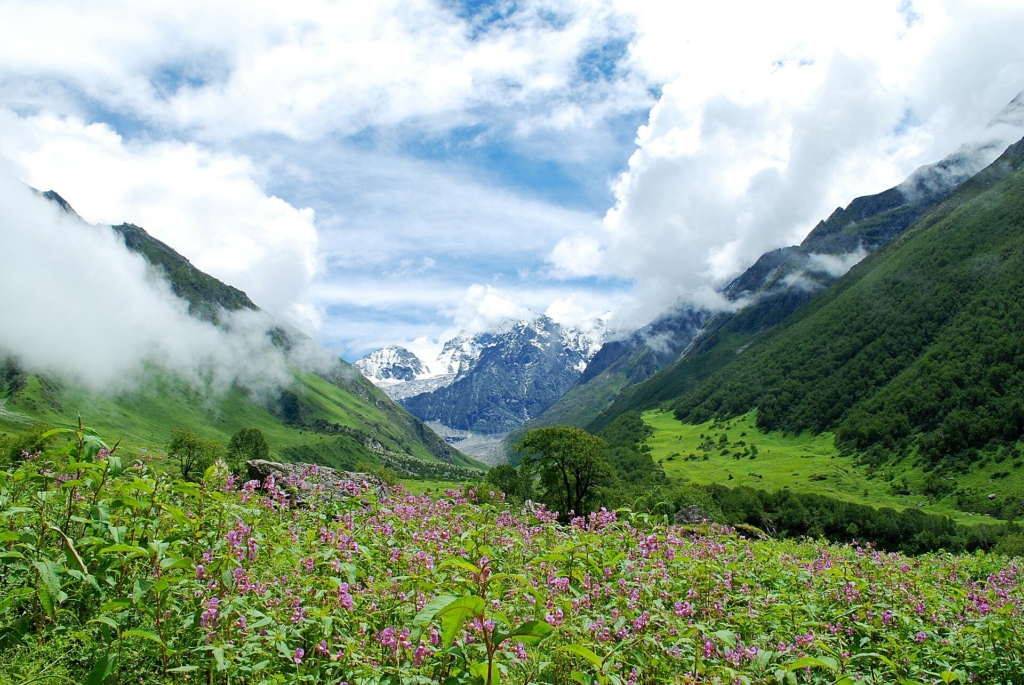
The first impression is not dramatic. The trail narrows, the river runs alongside, and the valley reveals itself slowly. Then the scale shifts. Colour appears in patches-yellow, blue, pink-spreading across the landscape rather than clustering in one place.
There is no single viewpoint that captures it entirely. The experience comes from movement-walking through shifting textures, noticing how the terrain changes with elevation and moisture.
Cloud cover moves in quickly. Visibility drops and returns. Light shifts across the valley floor, altering colour intensity within minutes.
This variability is the defining characteristic. No two visits look identical.
Where to Stay
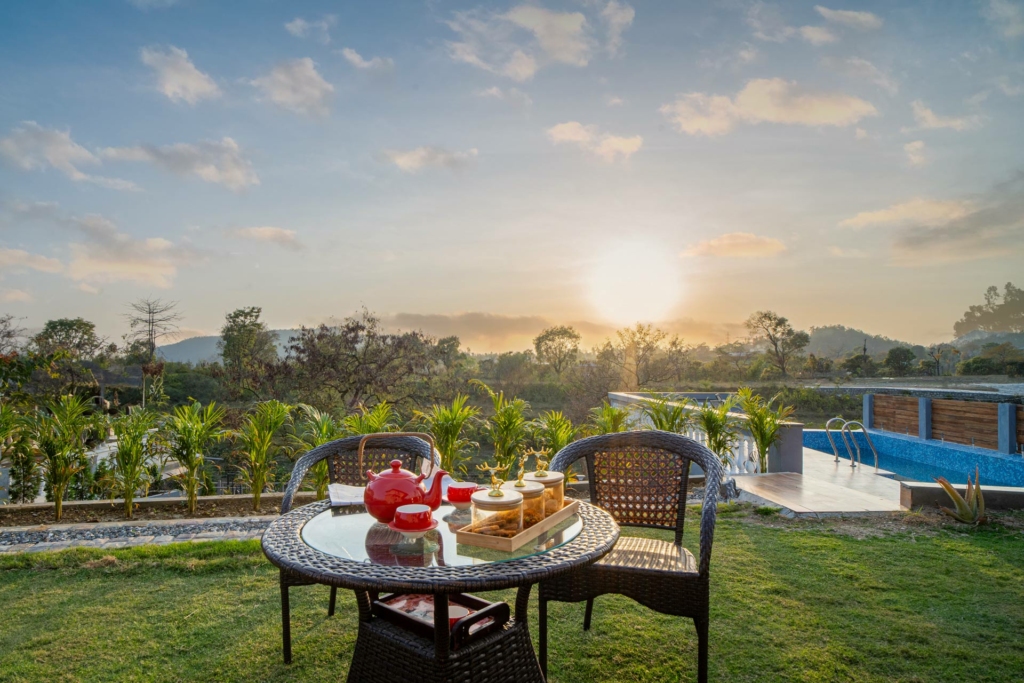
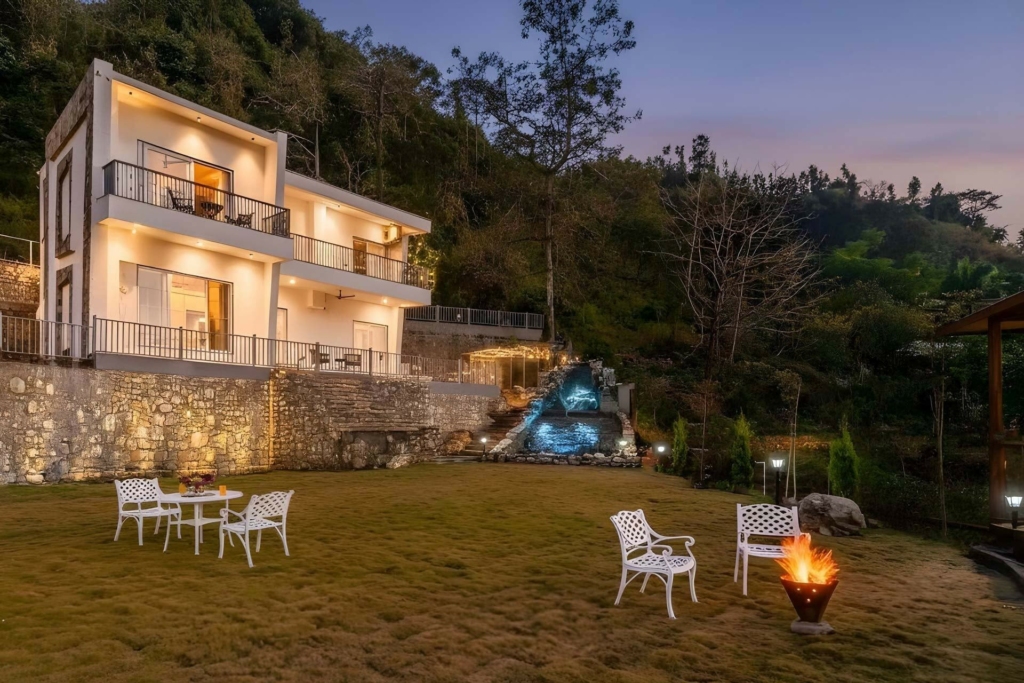
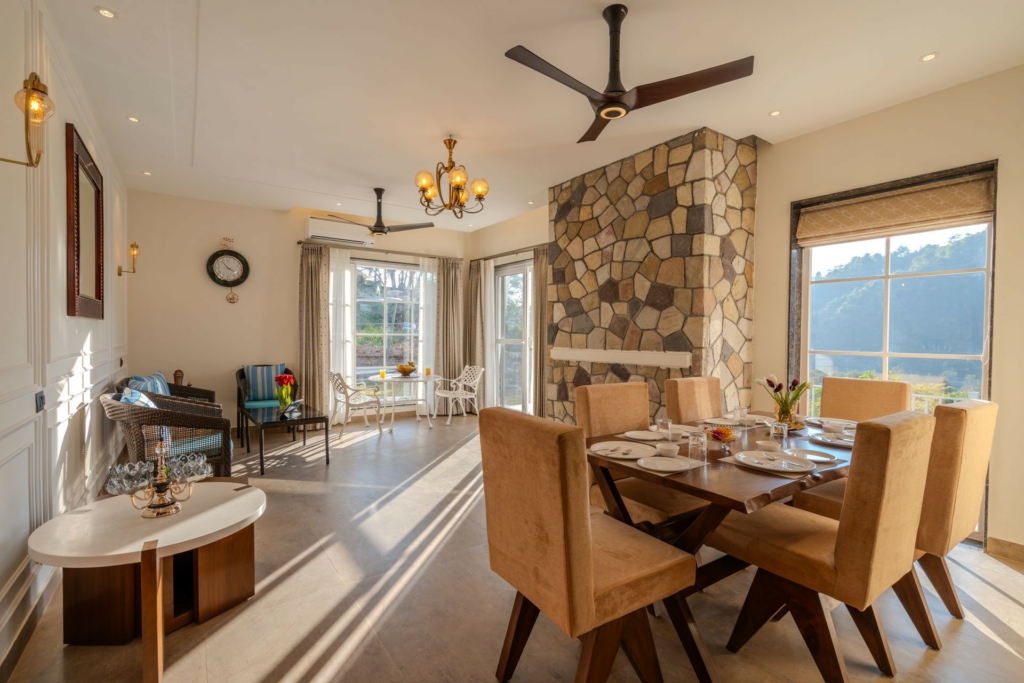
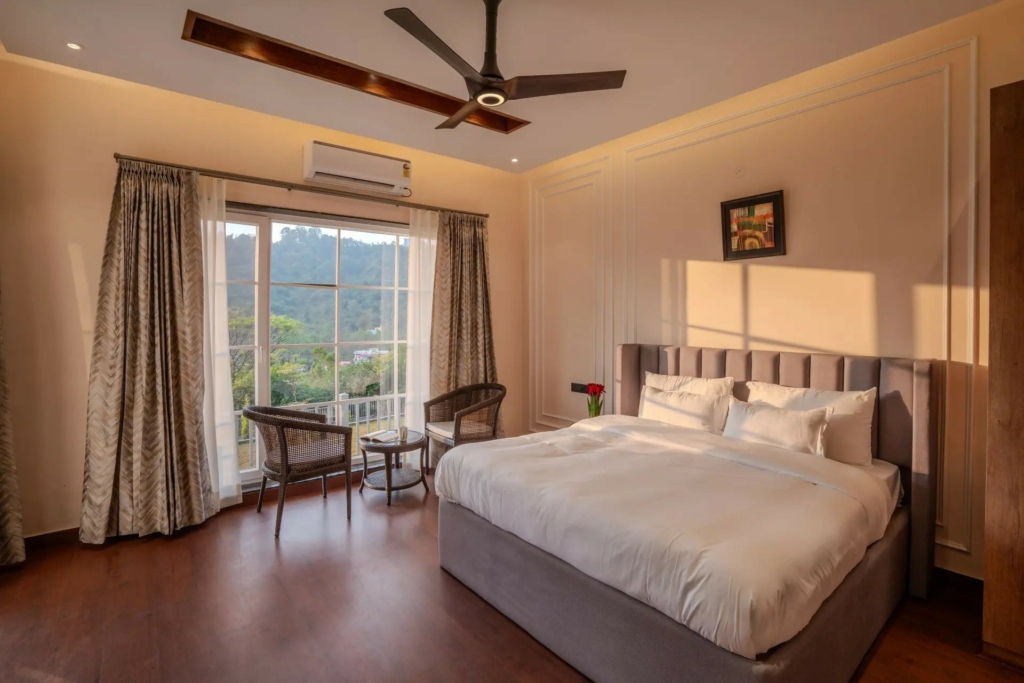
Ivycrest Estate
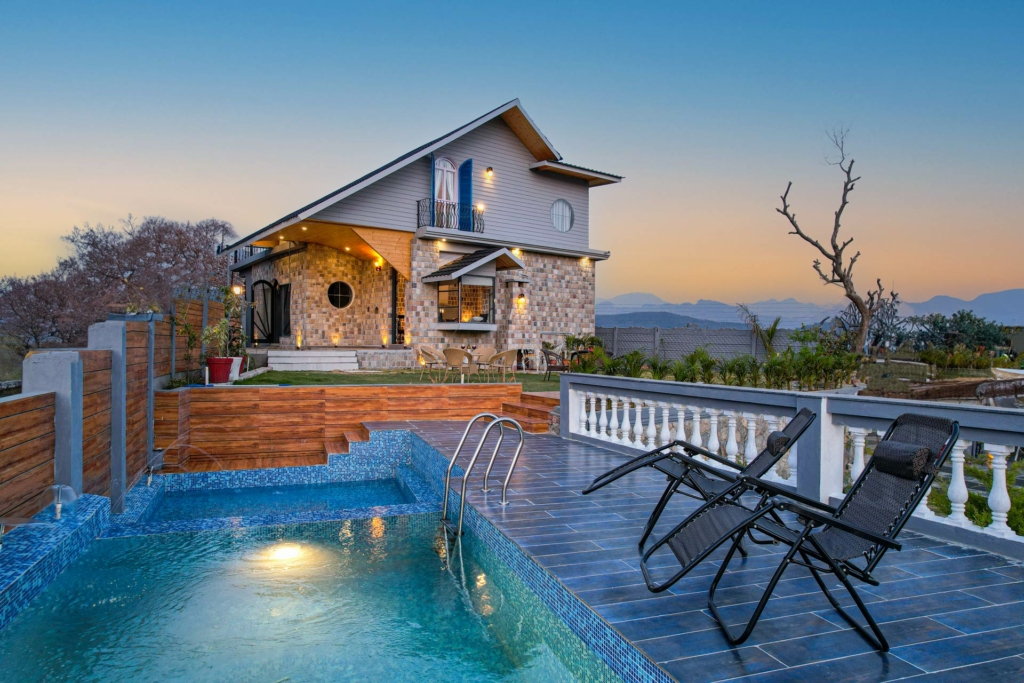
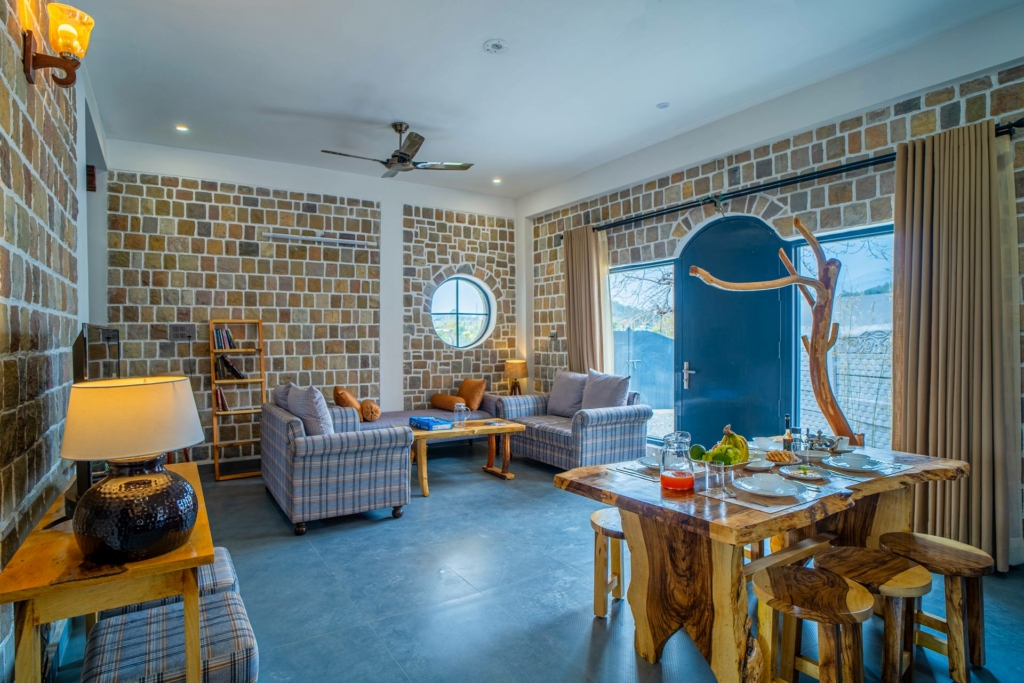
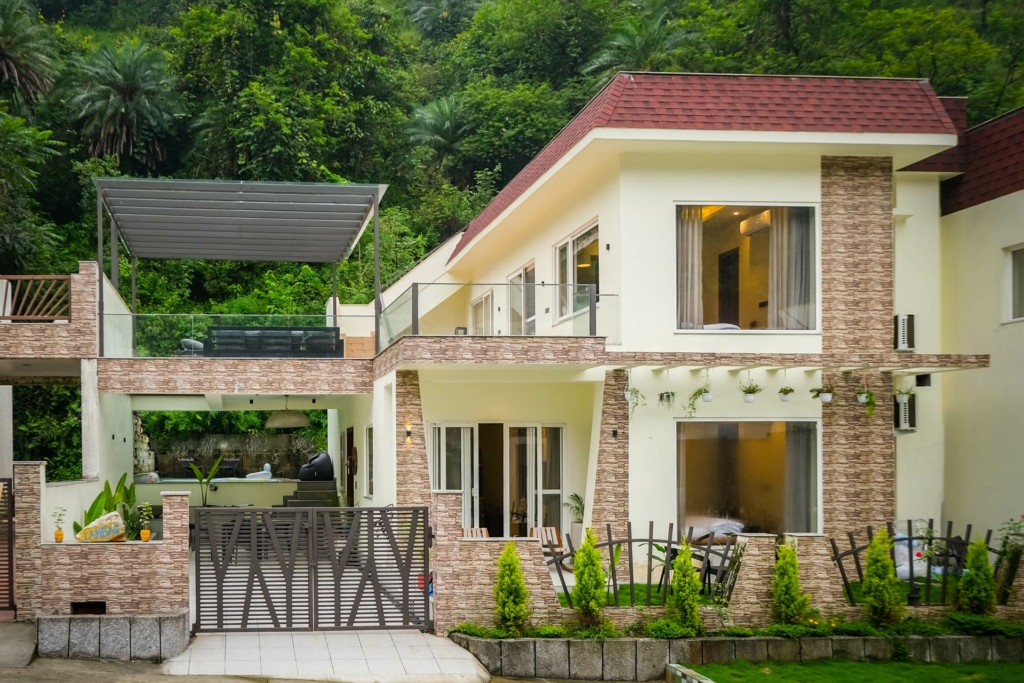
Villa Vaari
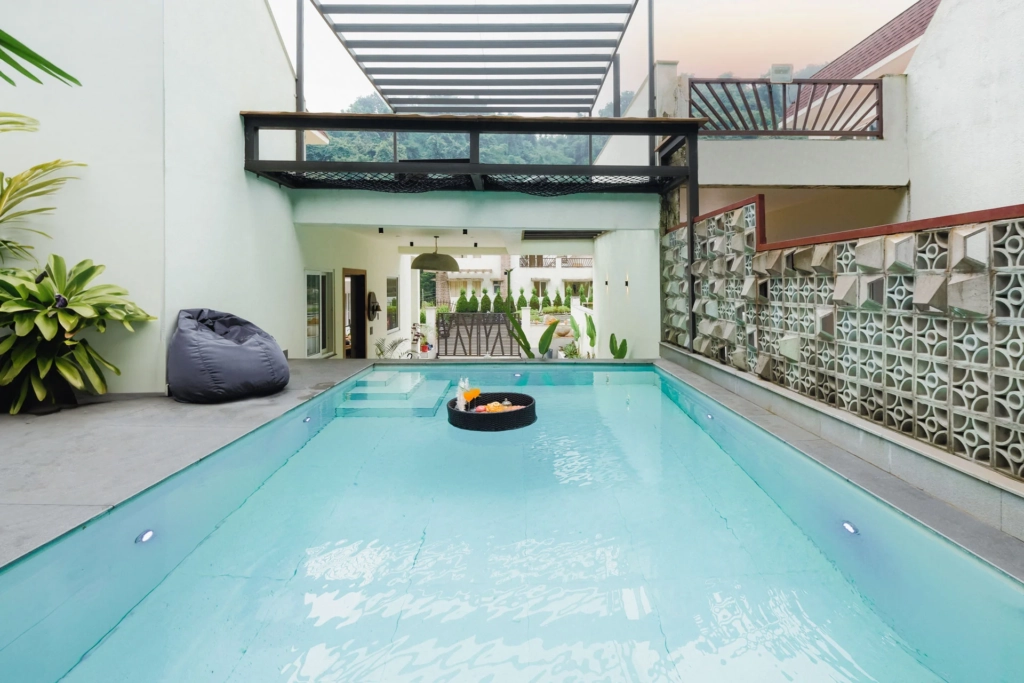
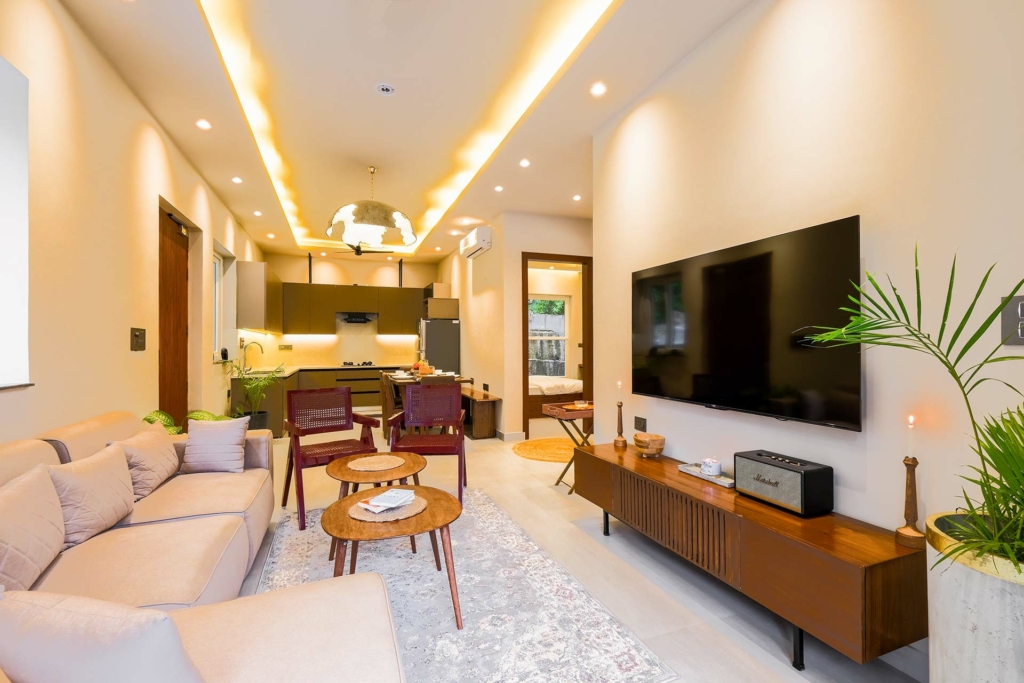
Stonecrest Villa
FAQs
The expected valley of flowers opening dates 2026 is June 1, 2026, subject to weather conditions and trail clearance by authorities.
Yes, a valid permit issued by the Forest Department is mandatory and checked at the entry gate near Ghangaria.
July and August are considered the best months due to peak flower bloom and favourable trekking conditions.
The valley of flowers trek distance covers approximately 38 km round trip and typically takes 4 to 6 days to complete.
Yes, beginners can attempt this trek if they have basic fitness and are prepared for continuous walking over multiple days.
It depends on the weather. Monsoon enables peak bloom but increases risks like landslides and slippery trails.
No, guides are optional, though first-time trekkers may benefit from local support.
No, overnight stays are not allowed. Visitors must return to Ghangaria the same day.
The valley is situated at approximately 3,658 metres above sea level.
Travellers typically reach the Valley of Flowers National Park by travelling from Delhi to Haridwar or Rishikesh first, followed by a road journey to Govindghat and then a trek to Ghangaria. The route combines train/flight, road travel, and trekking.
The Delhi to Valley of Flowers distance is approximately 525–550 km, depending on the route taken.
Banner Image Credit: shutterstock.com