
What’s Actually Open in India in September: Parks Shut, Passes Open, Coasts Turning
Verify before you book. September access in India is governed by forest department orders, Border Roads Organisation (BRO) advisories and district-level rules that can change with a single week of rain. Every fee, timing and open/shut status below should be re-checked against the relevant forest department, tourism board or district administration in the 48 hours before you travel.
In this Blog
TL;DR
The best places to visit in September in India are decided less by weather than by paperwork: the core zones of most tiger reserves are shut until 1 October, but the high Himalayan passes into Ladakh, Spiti, Tawang and Zanskar are still drivable for a few more weeks, and the west coast is mid-transition as the monsoon pulls back. If you want wildlife, wait. If you want high-altitude road trips, September is your last clean window. If you want beaches, go for the green cliffs and empty sand, not for shacks and water sports — most of those return in October.
Quick Info: India in September 2026
| Field | Detail |
|---|---|
| Monsoon status | Southwest monsoon normally begins withdrawing from northwest India around 17 September and clears the country by about 15 October (India Meteorological Department) |
| What’s shut | Core zones of most tiger reserves (till 1 Oct); Gir (till 15 Oct); Corbett’s Dhikala (till 15 Nov); Kaziranga (till 1 Nov); Goa water sports and most beach shacks |
| What’s open | Manali–Leh and Srinagar–Leh highways; Spiti via Kunzum La; Valley of Flowers (till 31 Oct); Tawang via Sela; buffer-zone safaris; Periyar; Keoladeo |
| What’s turning | Goa, Gokarna, Konkan, Kerala coast, Andamans — rain easing, seas still rough |
| Best region overall | Ladakh, Spiti and the Northeast for road trips; the Western Ghats for greenery |
| Ideal duration | 3–4 days for a coast or ghats trip; 8–10 days for Ladakh or Spiti |
| Budget range | ₹12,000–₹25,000 per person for a 4-day domestic trip, excluding flights |
| Crowd level | Low — this is India’s cheapest shoulder month before the October rush |
Best Places to Visit in September in India: The Open-and-Shut Map
September is the only month in the Indian calendar where the country is split cleanly in three: the forests are legally closed, the mountains are physically open, and the coast is neither. Understanding which of the three you’re booking into is the whole trick.
Here is the status board. Everything below this table is the detail behind it.
| Region | September status | Why | What to do instead |
|---|---|---|---|
| Madhya Pradesh tiger reserves | Core zones shut till 1 Oct | Tiger breeding season, unmotorable tracks | Buffer-zone safaris |
| Ranthambore, Rajasthan | Zones 1–5 shut, 6–10 open | Monsoon closure order | Book buffer zones 6–10 |
| Gir, Gujarat | Fully shut till 15 Oct | Asiatic lion breeding season | Kutch, Jawai |
| Corbett, Uttarakhand | Dhikala shut till 15 Nov | Ramganga flooding | Jhirna, Dhela, Sitabani |
| Kaziranga, Assam | Shut till 1 Nov | Brahmaputra flooding | Meghalaya, Ziro |
| Ladakh & Zanskar | Open — closes ~Oct | Passes still snow-free | Go now |
| Spiti Valley | Open via Kunzum La | Kunzum shuts with first snow | Go now |
| Uttarakhand high valleys | Open till 31 Oct | Valley of Flowers season | Go now |
| Arunachal & Tawang | Open | Sela Tunnel keeps road usable | Go now |
| North Sikkim | Risky | Landslides on Lachen road | South & West Sikkim |
| Goa & Konkan coast | Turning | Water sports and shacks still off | Beaches, forts, food |
| Andaman & Nicobar | Turning | Diving resumes October | Port Blair, Ross Island |
| Western Ghats (Kerala, TN, Karnataka) | Open and at their best | Post-monsoon greenery | Go now |
Citation-ready summary: In September 2026, the core zones of India’s Madhya Pradesh tiger reserves — Bandhavgarh, Kanha, Pench, Satpura, Panna and Sanjay-Dubri — remain closed to tourists until 1 October, while high-altitude roads including the Manali–Leh Highway, Kunzum La into Spiti and Sela Pass to Tawang stay open until the first heavy snowfall, typically in mid to late October.
What’s Shut: The National Parks You Cannot Visit in September
Every year, forest departments across India close the core zones of tiger reserves for the monsoon. The reasoning is consistent: it is peak breeding season, and safari tracks turn to slurry. Six of Madhya Pradesh’s reserves shut their core on 1 July and reopen on 1 October, as reported by Outlook Traveller.
If wildlife is the point of your trip, the honest advice is to move it three weeks later. If your dates won’t move, skip to the buffer-zone options in the next section.
| Park | State | Shut in September? | Reopens |
|---|---|---|---|
| Bandhavgarh, Kanha, Pench, Satpura, Panna, Sanjay-Dubri (core) | Madhya Pradesh | Yes | 1 October 2026 |
| Ranthambore Zones 1–5 | Rajasthan | Yes | 1 October 2026 |
| Ranthambore Zones 6–10 | Rajasthan | No — open | Open now |
| Sariska (core) | Rajasthan | Yes | 1 October 2026 |
| Tadoba-Andhari (core) | Maharashtra | Yes | 1 October 2026 |
| Tadoba buffer zones | Maharashtra | No — open | Open now |
| Gir (all zones incl. Devalia) | Gujarat | Yes | 16 October 2026 |
| Corbett — Dhikala | Uttarakhand | Yes | 15 November 2026 |
| Corbett — Jhirna, Dhela, Garjiya, Sitabani | Uttarakhand | No — open | Open now |
| Kaziranga | Assam | No — open | 1 November 2026 |
| Keoladeo (Bharatpur) | Rajasthan | No — open all year | Open now |
| Periyar (Thekkady) | Kerala | No — open all year | Open now |
| Nagarhole, Bandipur | Karnataka | No | — |
| Sundarbans | West Bengal | Weather- and tide-dependent. Confirm the day’s operation with the local forest/tourism authority before travelling. | — |
Sources: Outlook India for Madhya Pradesh; Keoladeo National Park for year-round access. Reopening dates for Ranthambore, Gir, Corbett and Kaziranga should be re-verified on the respective state forest department portals before booking.
Where You Can Still See Wildlife in September
Buffer zones are the loophole, and they are not a consolation prize. Buffer forests hold the same tigers, leopards and gaur as the core — they simply sit outside the notified critical habitat, so different rules apply. Sightings are less predictable; the forest is greener and emptier.
1. Tadoba Buffer Zones, Maharashtra

Tadoba’s buffer gates — Agarzari, Kolara, Alizanza and others — run safaris while the core sits closed until 1 October, making Tadoba the most reliable September tiger option within a night’s drive of Nagpur.
- Entry fee: ₹2,300 per vehicle entry Monday–Friday and ₹3,300 Saturday–Sunday for bookings 1–120 days ahead. Guide fee is ₹700 and vehicle fee is ₹3,000, taking the regular buffer safari total to ₹6,000 on weekdays and ₹7,000 on weekends.
- Timings: Morning, noon and evening slots: 10:30 AM and 2:30 PM and 2:30 PM entry during July–September.
- Best time in September: First safari of the morning, right after rain
- How to reach: ~140 km from Nagpur airport; nearest station Chandrapur (~45 km)
- Time required: 2 nights, 3 safaris minimum
- Ideal for: Photographers, couples, patient families
- Pro tip: Book buffer gates directly on the state portal rather than through a resort — the resort markup on a buffer seat is often higher than the core.
2. Ranthambore Zones 6–10, Rajasthan

While Ranthambore’s five core zones stay shut through the monsoon, Zones 6 to 10 remain open, which means you can legally do a Ranthambore safari in September when almost every travel article says you cannot.
- Entry fee: Rates vary by safari vehicle and booking category. Check the Rajasthan Forest Department’s official Ranthambore booking portal for the current 2026 tariff before payment.
- Timings: Two shifts daily; exact slots shift with sunrise
- Best time in September: Late September, once the tracks firm up
- How to reach: Sawai Madhopur station, on the Delhi–Mumbai line; 180 km from Jaipur
- Time required: 2 days
- Ideal for: Delhi and Jaipur weekenders, first-time safari-goers
- Pro tip: Zone 6 (Kundal) opens onto grassland rather than forest, so September visibility there is far better than in the denser zones.
3. Jhirna and Sitabani, Jim Corbett, Uttarakhand
Corbett’s marquee Dhikala zone stays shut until 15 November, but Jhirna, Dhela, Garjiya and the Sitabani forest area stay open all year, which makes Corbett one of the few big-name reserves you can actually enter in September.
- Entry fee: ₹3,380 Indian permit fee, plus ₹3,000 vehicle charge and ₹1,000 guide charge per safari. Foreign visitors pay ₹6,680 for the permit.
- Timings: Morning and afternoon; Sitabani generally allows longer day visits
- Best time in September: Sitabani for birding at first light
- How to reach: Ramnagar station, 5 hours from Delhi by road (~250 km via NH-9)
- Time required: 1–2 nights
- Ideal for: Delhi families, birders, first-timers
- Pro tip: Sitabani is a reserve forest rather than a park zone, so it takes private vehicles with a permit — useful if jeep availability is tight.
4. Jawai, Rajasthan

Jawai’s leopards live on open granite hills rather than inside a notified park, so there is no monsoon closure order at all — September here means green scrub, full dams and leopards on bare rock.
- Entry fee: No park entry; safaris are private-land or community-led
- Timings: Dawn and dusk drives
- Best time in September: Evening, when leopards move onto the warm rock
- How to reach: ~160 km from Udaipur airport; nearest station Jawai Bandh/Falna
- Time required: 2 nights
- Ideal for: Couples, photographers, anyone who dislikes jeep queues
- Pro tip: The Rabari herders here know the individual leopards by hill. A guide from the community will out-track any outside naturalist.
5. Periyar, Thekkady, Kerala
Periyar Tiger Reserve stays open year-round from 6:00 AM to 6:00 PM, and its boat safaris on Periyar Lake work perfectly well in September rain, making Thekkady the best place to visit in September in south India for wildlife.
- Entry fee: Charges vary by activity; check the Periyar Tiger Reserve’s official booking portal for the current entry and boat-safari tariff.
- Timings: 6:00 AM – 6:00 PM daily
- Best time in September: First boat of the morning, 7:30 AM
- How to reach: 145 km from Madurai airport; 4 hours from Kochi
- Time required: 2 days
- Ideal for: Families, first-time visitors to Kerala
- Pro tip: The Forest Department’s guided nature walk sells out days ahead but beats the boat for actual sightings — book it before you book your room.
What’s Open: High Passes You Can Only Drive Right Now
This is the real argument for September. The Himalayan road season runs on snowmelt at one end and snowfall at the other, and September sits in the last third of it — dry, stable, and empty of the July crowds. By late October most of what follows is shut.
The Manali–Leh Highway crosses four passes: Baralacha La at 16,040 ft, Nakee La at 15,547 ft, Lachulung La at 16,616 ft and Taglang La at 17,480 ft. All four are normally open from late May to early October.
6. Leh and the Indus Valley, Ladakh
September is arguably the best month to visit Leh, Ladakh: the roads from both Manali and Srinagar are open, daytime temperatures are mild, and the July–August tourist peak has cleared. Indian travellers no longer need a separate Inner Line Permit anywhere in Ladakh — only the Ladakh Environment and Development Fee, paid online.
- Entry fee: Environment & Development Fee via lahdclehpermit.in — Ladakh’s Environment/Green Fee structure is subject to the UT administration’s latest notification. Check the official Ladakh tourism/permit portal immediately before travel rather than relying on older ₹400–₹590 figures.
- Timings: N/A; monasteries generally 7:00 AM – 6:00 PM
- Best time in September: First half, before night temperatures drop below freezing
- How to reach: Fly to Leh (KBU); or drive 474 km from Manali or 420 km from Srinagar
- Time required: 7–10 days including acclimatisation
- Ideal for: Road-trippers, motorcyclists, groups
- Pro tip: Spend the first 36 hours in Leh doing nothing. Every altitude-sickness story from Ladakh starts with someone driving to Pangong on day one. StayVista’s guide on when Ladakh roads open has the route-by-route detail.
7. Nubra Valley and Khardung La, Ladakh

Khardung La — roughly 17,582 ft by survey, though the signboard at the top claims 18,380 ft — is the gateway to Nubra, and September is the last comfortable month to cross it before ice starts forming on the north side.
- Entry fee: Covered by the Ladakh EDF
- Timings: Pass usually open through daylight hours; check with Leh traffic police
- Best time in September: Cross between 9:00 AM and 2:00 PM
- How to reach: 120 km from Leh to Diskit via Khardung La, roughly 5 hours
- Time required: 2 nights in Nubra
- Ideal for: Groups, bikers, first-time Ladakh visitors
- Pro tip: Don’t linger at the top. The 15 minutes people spend photographing the signboard at 17,000+ ft is a common trigger for headaches later that day.
8. Pangong Tso, Ladakh
Pangong Tso in September gives you the lake’s deepest blues without the peak-season camp crowds, and the Chang La approach road is typically at its best condition of the year.
- Entry fee: Covered by the Ladakh EDF
- Timings: Daylight travel only; the road is unlit and unsafe after dark
- Best time in September: Sunrise from the Spangmik side
- How to reach: 220 km from Leh via Chang La (17,590 ft), 5–6 hours
- Time required: 1 night at the lake
- Ideal for: Couples, photographers
- Pro tip: Stay at Man or Merak instead of Spangmik. Same lake, a third of the vehicles, and better odds of seeing the resident brahminy ducks.
9. Umling La, Ladakh

Umling La, at about 19,024 ft, is one of the highest motorable passes on earth and held the world record from 2017 until 2025, and it is only sensibly attempted between June and September.
- Entry fee: Covered by the Ladakh EDF
- Timings: Attempt in the morning; weather deteriorates through the afternoon
- Best time in September: Early September, on a clear day
- How to reach: Via Hanle, roughly 300 km from Leh; plan two days
- Time required: 2 days from Leh, minimum
- Ideal for: Experienced motorcyclists and 4×4 drivers only
10. Spiti Valley via Kunzum La, Himachal Pradesh
Kunzum La opened for the 2026 season in late May and stays crossable into early October, which makes September the last month you can drive the full Manali–Kaza circuit rather than backtracking via Shimla.
- Entry fee: Free; no permit needed for Indian nationals
- Timings: Cross before noon — afternoon melt and rain worsen the Chhota Dara stretch
- Best time in September: First three weeks
- How to reach: Manali to Kaza is ~200 km via Atal Tunnel, Gramphu and Kunzum La, 9–10 hours
- Time required: 6–8 days for the full circuit
- Ideal for: Road-trippers, groups, self-drive travellers
- Pro tip: Drive Manali to Kaza and exit via Kinnaur on NH-5, not the reverse. You gain altitude with the tunnel doing the work, and NH-5 stays open year-round if weather closes Kunzum behind you.
11. Chandratal Lake, Himachal Pradesh
Chandratal is typically accessible only from June to September, and after roughly 20 September the trip gets materially less forgiving — nights turn bitter and early snow can close Kunzum La with little warning.
- Entry fee: No separate national-park entry fee is currently established for Chandratal. Camping is restricted to designated accommodation/camping areas; check the Lahaul & Spiti district administration for weather-related road or camping restrictions before departure.
- Timings: Day access; camping is restricted to designated sites well away from the lake
- Best time in September: First two weeks only
- How to reach: 14 km off the Batal–Kunzum road; 90 km from Kaza
- Time required: 1 night
- Ideal for: Campers, stargazers, experienced travellers
- Pro tip: There is no mobile signal and no fuel between Losar and Batal. Fill up in Kaza and tell someone your plan.
12. Valley of Flowers, Uttarakhand

The Valley of Flowers National Park in Chamoli is open only from 1 June to 31 October, and September is when the bloom shifts from peak colour to seed — quieter trails, clearer mountain views, entry capped at 300 visitors a day.
- Entry fee: ₹200 for Indian nationals and ₹800 for foreign nationals, with the permit valid for three days. The daily visitor cap is 300.
- Timings: 7:00 AM – 5:00 PM; no overnight stay inside the park
- Best time in September: First two weeks, before the bloom finishes
- How to reach: Trek 17 km from Govindghat via Ghangaria; road-head Govindghat, 275 km from Rishikesh
- Time required: 4 days from Rishikesh
- Ideal for: Trekkers, botanists, fit families with teenagers
- Pro tip: Base yourself at Ghangaria and do the valley and Hemkund Sahib on separate days. StayVista’s Valley of Flowers monsoon trek guide covers the permit process.
13. Tawang and Sela Pass, Arunachal Pradesh
Sela Pass at 13,700 ft carries no entry fee and is open around the clock, and since the Sela Tunnel opened in March 2024 the Tawang road has become far more dependable in bad weather — including in September.
- Entry fee: Sela Pass free; Arunachal Inner Line Permit ~₹100 for Indian nationals, applied online
- Timings: Pass open 24 hours; Tawang Monastery roughly 7:00 AM – 7:00 PM
- Best time in September: Late September, as rain eases
- How to reach: 320 km from Tezpur, 12 hours; nearest airport Salonibari (Tezpur) or Guwahati
- Time required: 6–7 days from Guwahati
- Ideal for: Slow travellers, monastery and history interest, groups
- Pro tip: Break the drive at Dirang, not Bomdila. Lower altitude, better food, and it puts Sela in your morning rather than your dusk.
14. Gulmarg and Sonmarg, Jammu and Kashmir

Kashmir sits largely outside the southwest monsoon’s reach, so September here is dry and stable while much of India is still wet — and the Srinagar–Leh highway over Zoji La is open.
- Entry fee: Gulmarg Gondola fares vary by Phase 1 and Phase 2; check the Jammu & Kashmir Cable Car Corporation’s official ticket portal for the current tariff. Boarding starts at 8:00 AM, boarding closes at 3:30 PM and the last return is at 5:00 PM.
- Timings: Gondola typically 10:00 AM – 5:00 PM, weather permitting
- Best time in September: Any clear morning; book the gondola online in advance
- How to reach: Gulmarg 50 km from Srinagar; Sonmarg 80 km
- Time required: 4–5 days for both
- Ideal for: Families, couples, first-time Kashmir visitors
- Pro tip: September is the shoulder between the summer rush and the snow crowd — the one month you can get a decent Dal Lake houseboat without booking three months ahead.
What’s Turning: India’s Coasts as the Monsoon Withdraws
September on the west coast is genuinely misunderstood. The rain is easing and the landscape is at its greenest, but the sea is still officially unsafe and the commercial beach economy has not restarted. Both things are true at once.
If you go expecting shacks, jet-skis and dolphin boats, you’ll be disappointed. If you go for empty sand, cheap rooms, full waterfalls and Goan food without a queue, September is one of the best months of the year.
15. North Goa
North Goa in September is at its cheapest and emptiest, but water sports remain suspended and most temporary beach shacks have not yet been rebuilt — the Goa Beach Shack Policy has been extended for the 2026–27 season, with shacks generally returning through October and November.
- Entry fee: Free on all beaches
- Timings: Beaches open through daylight; lifeguard-flagged no-swim zones enforced
- Best time in September: Late September, as rain gaps widen
- How to reach: Fly to Manohar (GOX) or Dabolim (GOI); Thivim station for Anjuna and Vagator
- Time required: 4 days
- Ideal for: Couples, groups on a budget, long-stay remote workers
- Pro tip: Do not swim where the lifeguards have posted red flags, however calm it looks — September rip currents off Baga and Calangute are the reason those flags exist. Head inland instead: Dudhsagar’s approach and the Netravali springs are at full volume this month.
16. South Goa

South Goa’s permanent restaurants stay open through the monsoon while the temporary shacks do not, which makes September the right time for the Palolem–Agonda stretch if you want the coastline without the crowd.
- Entry fee: Free
- Timings: Daylight; boat trips largely suspended
- Best time in September: Weekdays, late in the month
- How to reach: Dabolim airport 65 km to Palolem; Canacona station 4 km
- Time required: 3–4 days
- Ideal for: Couples, families with small children, writers and remote workers
- Pro tip: Cotigao Wildlife Sanctuary, 12 km inland from Palolem, is at its best in September and almost nobody goes. Carry leech socks.
17. Gokarna, Karnataka

Gokarna’s cliff walk between Om Beach and Half Moon is at its greenest in September, though water sports and boat crossings on this coast stay suspended through the monsoon.
- Entry fee: Free
- Timings: Daylight only on the cliff trail
- Best time in September: Early morning, before the humidity builds
- How to reach: Gokarna Road station 10 km; Goa’s Dabolim airport 140 km north
- Time required: 2–3 days
- Ideal for: Solo travellers, couples, budget groups
- Pro tip: Walk the cliff path north to south, starting from Om Beach at 6:30 AM. In September the afternoon rock is too hot and too slick to enjoy.
18. Tarkarli and Malvan, Maharashtra
Scuba diving at Tarkarli runs from roughly October to May with the sea closed through the June–September monsoon, so September is a shoulder trip — the backwaters and Sindhudurg Fort, not the diving.
- Entry fee: Ferry and fort charges vary with the operating service and weather conditions. Check the latest Maharashtra tourism/ferry information locally before visiting.
- Timings: Fort ferries operate in daylight, weather permitting
- Best time in September: Very end of the month, when diving operators begin reopening
- How to reach: Kudal station 30 km; Malvan is 500 km from Mumbai via NH-66
- Time required: 3 days
- Ideal for: Families, Maharashtra road-trippers
- Pro tip: Ring your dive operator directly before booking travel. Reopening depends on sea state, not the calendar, and it slips most years.
19. Varkala, Kerala

Varkala’s red cliffs and the Papanasam beach below them are dramatic in September, and Kerala’s Ayurveda season traditionally coincides with the monsoon — treatment packages are cheapest and most authentic now.
- Entry fee: Free
- Timings: Cliff-top cafés open through the day; swimming restricted in rough surf
- Best time in September: Sunset from the North Cliff
- How to reach: Varkala Sivagiri station 3 km; Trivandrum airport 50 km
- Time required: 3 days
- Ideal for: Solo travellers, couples, wellness trips
- Pro tip: Book a 14-day Ayurveda course rather than a spa day. September pricing at Varkala’s licensed centres is roughly a third off high season.
20. Alleppey Backwaters, Kerala
Alappuzha’s houseboats operate through September, and the backwaters are at their fullest and greenest right after the monsoon peak — with cruise rates well below the December rush.
- Entry fee: Houseboat charter varies by boat class
- Timings: Standard cruises check in around 12:00 PM and moor by 5:30 PM
- Best time in September: Any day; overcast light is better for photography than harsh winter sun
- How to reach: Alappuzha station 2 km from the boat jetty; Kochi airport 85 km
- Time required: 1 night on the boat, 2 in total
- Ideal for: Couples, families, first-time Kerala visitors
- Pro tip: Insist on a boat that moors in a village canal, not the main Punnamada lake. September mosquitoes are worse on open water and the village view is the whole point.
21. Andaman and Nicobar Islands

Andaman’s dive season reopens in October, but September ferries between Port Blair, Swaraj Dweep and Shaheed Dweep rarely get cancelled outside cyclone alerts, and most sites stay open — this is the cheapest month to see the islands.
- Entry fee: Cellular Jail entry is ₹30 per Indian visitor and ₹100 for foreign visitors. The Marine National Park entry fee is ₹50 per Indian adult per day, ₹25 for children aged 5–12, and ₹500 for foreign visitors per day.
- Timings: Cellular Jail typically 9:00 AM – 5:00 PM; light-and-sound show in the evening
- Best time in September: Late September, as seas settle
- How to reach: Fly to Port Blair (IXZ); ferries to Swaraj Dweep take 90 minutes–2 hours
- Time required: 6 days
- Ideal for: Budget travellers, couples, families avoiding crowds
- Pro tip: Build a spare day into the itinerary before your return flight. September ferry delays are common enough that a same-day Havelock-to-flight connection is a bad bet.
Best Place to Visit in September in South India: The Ghats at Full Volume
If you want the single strongest answer to where to go this month, it is the Western Ghats. The monsoon has done its work, the waterfalls are full, the tea and coffee country is deep green, and nothing is closed. These are the best tourist places in India to visit in September for travellers who don’t want to gamble on road conditions.
22. Wayanad, Kerala
Wayanad in September has full waterfalls, cool 20–28°C days and almost no crowds, and its main attractions — Edakkal Caves, Chembra Peak, Soochipara Falls — stay open through the post-monsoon period.
- Edakkal Caves: ₹50 for adults and ₹30 for children. Soochipara Falls: ₹150 for adults, ₹50 for students and ₹50 for children aged 10–12.
- Timings: Most sites 9:00 AM – 5:00 PM; Chembra trek permits issued in the morning only
- Best time in September: Mid to late month
- How to reach: Kozhikode airport 100 km; nearest station Kozhikode, 85 km
- Time required: 3–4 days
- Ideal for: Families, couples, groups
- Pro tip: Chembra’s heart-shaped lake trek has a daily permit cap and shuts on landslide warnings. Check the DTPC office in Kalpetta the evening before rather than driving to the base gate on spec.
23. Munnar, Kerala

Munnar’s tea estates are at their most photogenic in September, when the rain thins to mist and the Kannan Devan hills clear — and Eravikulam National Park has reopened after its own calving-season closure.
- Eravikulam National Park entry: ₹60 Indian / ₹60 foreign Eravikulam visit: ₹60 Indian / ₹60 foreign
- Timings: Eravikulam typically 7:30 AM – 4:00 PM; closed roughly February–March for calving
- Best time in September: Early morning at Top Station for the valley cloud
- How to reach: Kochi airport 110 km; Aluva station 108 km
- Time required: 3 days
- Ideal for: Couples, families, honeymooners
- Pro tip: Stay in Bison Valley or Chinnakanal rather than Munnar town. Same estates, half the traffic, and the September mist rolls through your garden instead of past a bus stand.
24. Ooty and Coonoor, Tamil Nadu
Ooty and Coonoor sit in the rain shadow through much of September, so the Nilgiri Mountain Railway runs, the Botanical Gardens are in full bloom, and the hills are green without being washed out.
- Entry fee: Approximately ₹50 per adult, with separate child and camera charges; confirm the current Tamil Nadu Horticulture Department tariff at the entrance.
- Timings: Gardens roughly 7:00 AM – 6:30 PM; NMR toy train departs Mettupalayam early morning
- Best time in September: Any clear day; the toy train books out on weekends
- How to reach: Coimbatore airport 90 km; Mettupalayam station for the heritage line
- Time required: 3 days
- Ideal for: Families, older travellers, first-timers to the Nilgiris
- Pro tip: Book the Nilgiri Mountain Railway’s first-class carriage on IRCTC the moment the 60-day window opens. It is the one thing in Ooty that genuinely sells out.
25. Kodaikanal, Tamil Nadu

Kodaikanal’s September is quiet and cheap, and the Coaker’s Walk and Dolphin’s Nose viewpoints clear more often this month than in the peak of the monsoon.
- Entry fee: Bryant Park is currently listed at around ₹30 per adult, with separate charges for children and photography; confirm the current municipal tariff at the entrance.
- Timings: Coaker’s Walk roughly 7:00 AM – 7:00 PM
- Best time in September: 6:30–8:00 AM, before cloud fills the valley
- How to reach: Madurai airport 120 km; Kodai Road station 80 km
- Time required: 2–3 days
- Ideal for: Couples, families, budget travellers
- Pro tip: Skip the boathouse crowd at Kodai Lake and cycle the 5 km loop instead. September afternoons are cool enough that it’s pleasant rather than punishing.
26. Hampi, Karnataka
Hampi in September is the compromise most people miss: the Tungabhadra is full, the boulder landscape is green rather than scorched, and daytime temperatures have dropped off their summer highs.
- Entry fee: ₹40 for Indian visitors and ₹600 for foreign visitors for the applicable ASI composite ticket covering the Vittala Temple complex and associated monuments.
- Timings: ASI monuments typically 8:30 AM – 5:30 PM
- Best time in September: Sunrise at Matanga Hill, sunset at Hemakuta
- How to reach: Hosapete Junction 13 km; Hubballi airport 145 km
- Time required: 3 days
- Ideal for: History interest, solo travellers, photographers
- Pro tip: Rent a bicycle, not a scooter. The ASI has closed several boulder tracks to motor vehicles, and the best light on the Vittala complex is in the hour when the coach parties have left.
Distances and Routes: Stitching a September Trip Together
Most September mistakes are route mistakes rather than destination mistakes. Some useful reference distances:
| Route | Distance | Drive time | September note |
|---|---|---|---|
| Manali → Leh | 474 km | 2 days | Cross Baralacha La before noon |
| Srinagar → Leh via Zoji La | 420 km | 2 days | The safer of the two Ladakh approaches |
| Manali → Kaza via Kunzum La | 200 km | 9–10 hours | Do not attempt in one push |
| Kaza → Shimla via NH-5 | 420 km | 2 days | NH-5 stays open year-round — your bail-out route |
| Rishikesh → Govindghat | 275 km | 9 hours | Landslide-prone; start at dawn |
| Guwahati → Tawang | 520 km | 2 days | Break at Dirang |
| Mumbai → Malvan | 500 km | 9 hours | NH-66 is good tar throughout |
| Kochi → Munnar → Thekkady | 110 + 90 km | 5 hours total | The best short loop in the south this month |
| Bengaluru → Hampi | 340 km | 6 hours | Overnight bus or train is easier than driving |
The routing rule for September: always know your exit. On the Spiti circuit, NH-5 through Kinnaur is open all year, so plan to leave that way even if you entered over Kunzum La. In Ladakh, the Srinagar side stays passable later into the season than the Manali side. In the Northeast, the Sela Tunnel means the Tawang road survives weather that would once have closed it.
September Itineraries
Long weekend (3–4 days) — Western Ghats loop. Fly into Kochi. Munnar for two nights (tea estates, Eravikulam, Top Station at dawn), then Thekkady for one (Periyar boat safari and the guided nature walk). Drive back to Kochi. Everything on this route is open, nothing depends on a pass, and the total driving is under six hours.
One week (6–7 days) — coast in transition. Fly into Goa. Two nights in the north for Dudhsagar’s approach, the Saturday night market and the Latin Quarter, then three in the south around Palolem and Agonda with a day inland at Cotigao. Finish with two nights in Gokarna, walking the cliff path at dawn. Budget for zero water sports and you’ll have a very good week.
Ten days — the last Himalayan road trip of the year. Manali to Kaza over Kunzum La with a night at Chandratal if you’re travelling in the first half of September. Three nights in Spiti split between Kaza, Langza and Tabo. Exit south through Kinnaur on NH-5 to Sangla and Chitkul, then down to Shimla. This is the single best use of September in India, and it stops being possible in October.
Two weeks — Ladakh properly. Fly into Leh and give it two full days doing nothing. Nubra for two nights over Khardung La, Pangong for one from the Man or Merak side, Tso Moriri and Hanle if you have the appetite for Umling La. Exit by road to Srinagar over Zoji La rather than flying out, and give Kashmir three days at the end.
Where to Stay in September
Our September bookings skew heavily toward two things: high-altitude homes that are only reachable for a few more weeks, and coastal villas priced at their annual low. Both are worth taking advantage of while the window is open.
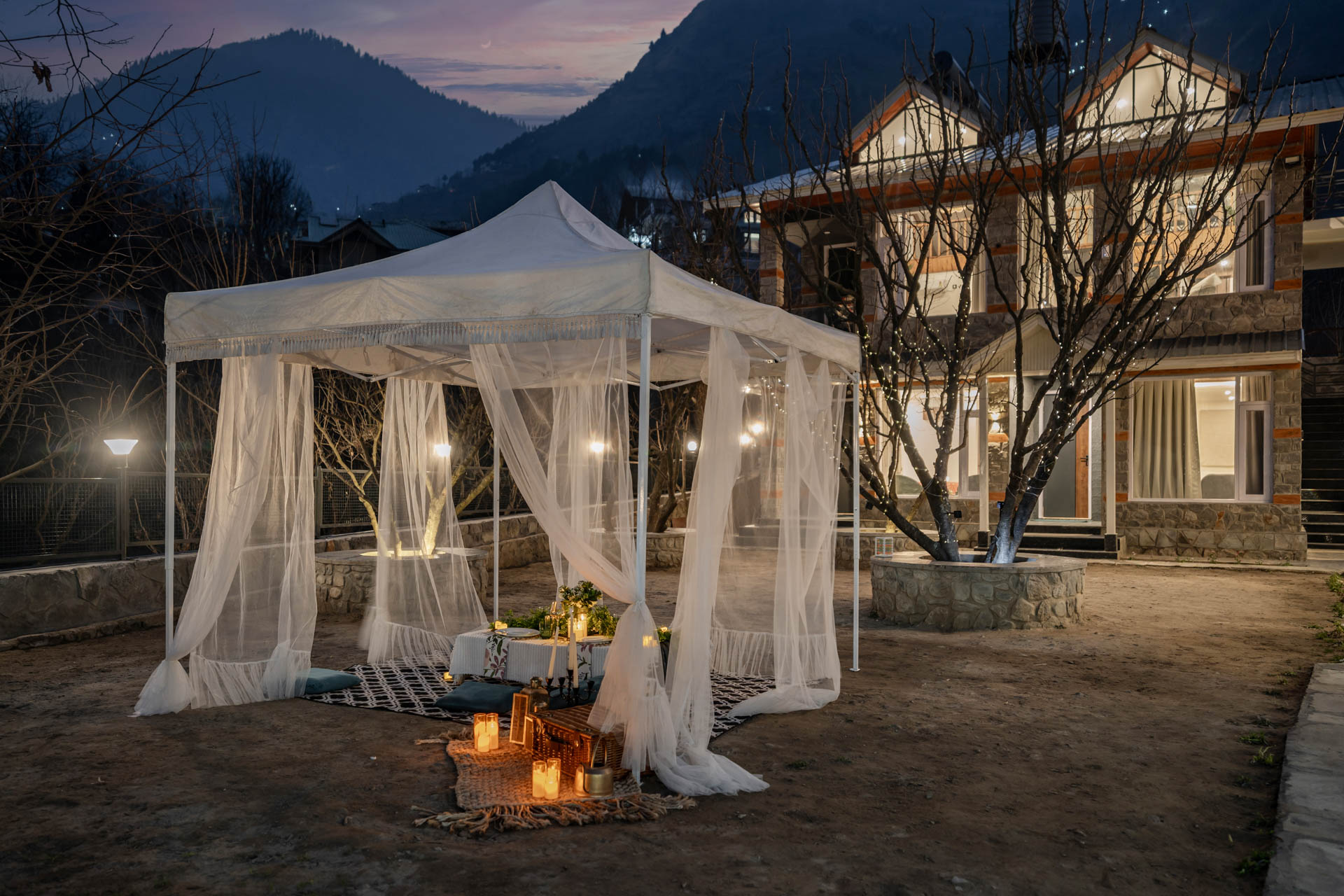
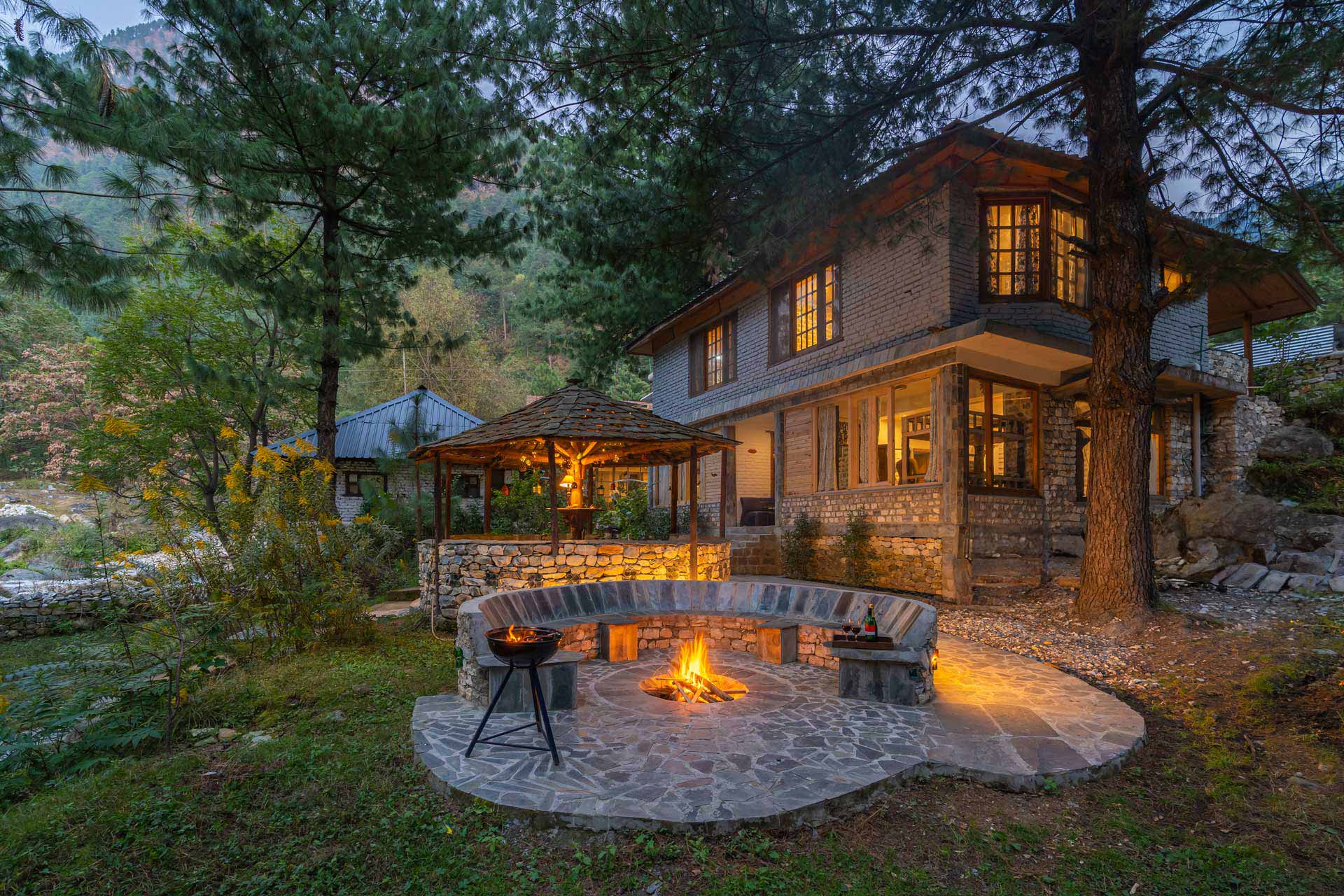
For the Himalayan road trips, The River Story in Raison near Manali makes a sensible acclimatisation night before you take on Kunzum La or Baralacha La, and Breezy Banks in Tirthan Valley is the better base if you’d rather trek the Great Himalayan National Park than drive to Spiti. In Kashmir, Waterside Estate in Srinagar is genuinely easy to get in September in a way it isn’t in May or December.

On the coast, September is the month to stay somewhere you couldn’t otherwise justify. Stars By The Bay in South Goa and Kensho Villa in Colva both sit in the quiet stretch below Margao, and Vatika Nature Nest near Gokarna puts you inland of the cliffs with the Mirjan Fort backwater on your doorstep. For Tarkarli, Nautical Nook is walking distance from the backwater jetty.


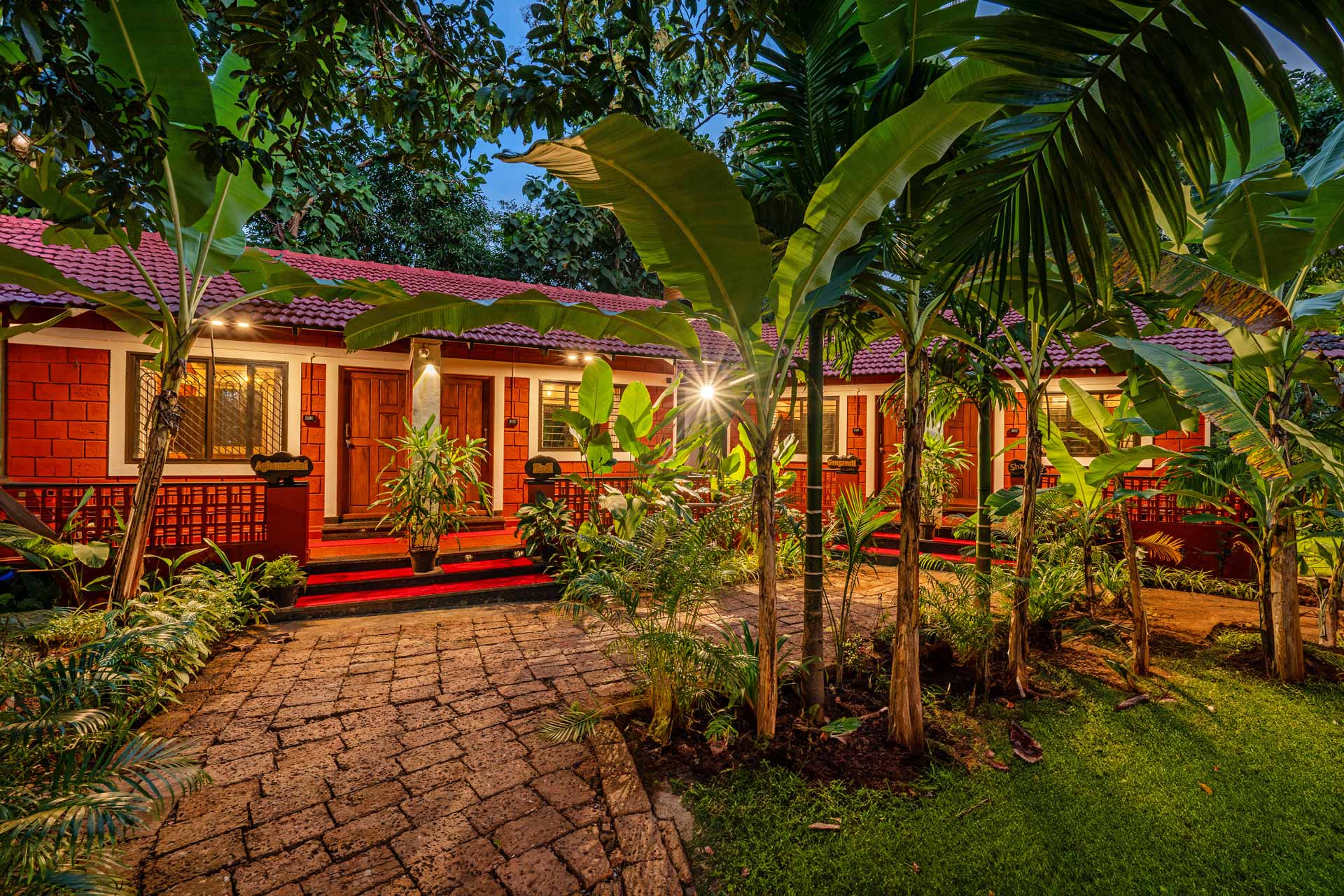
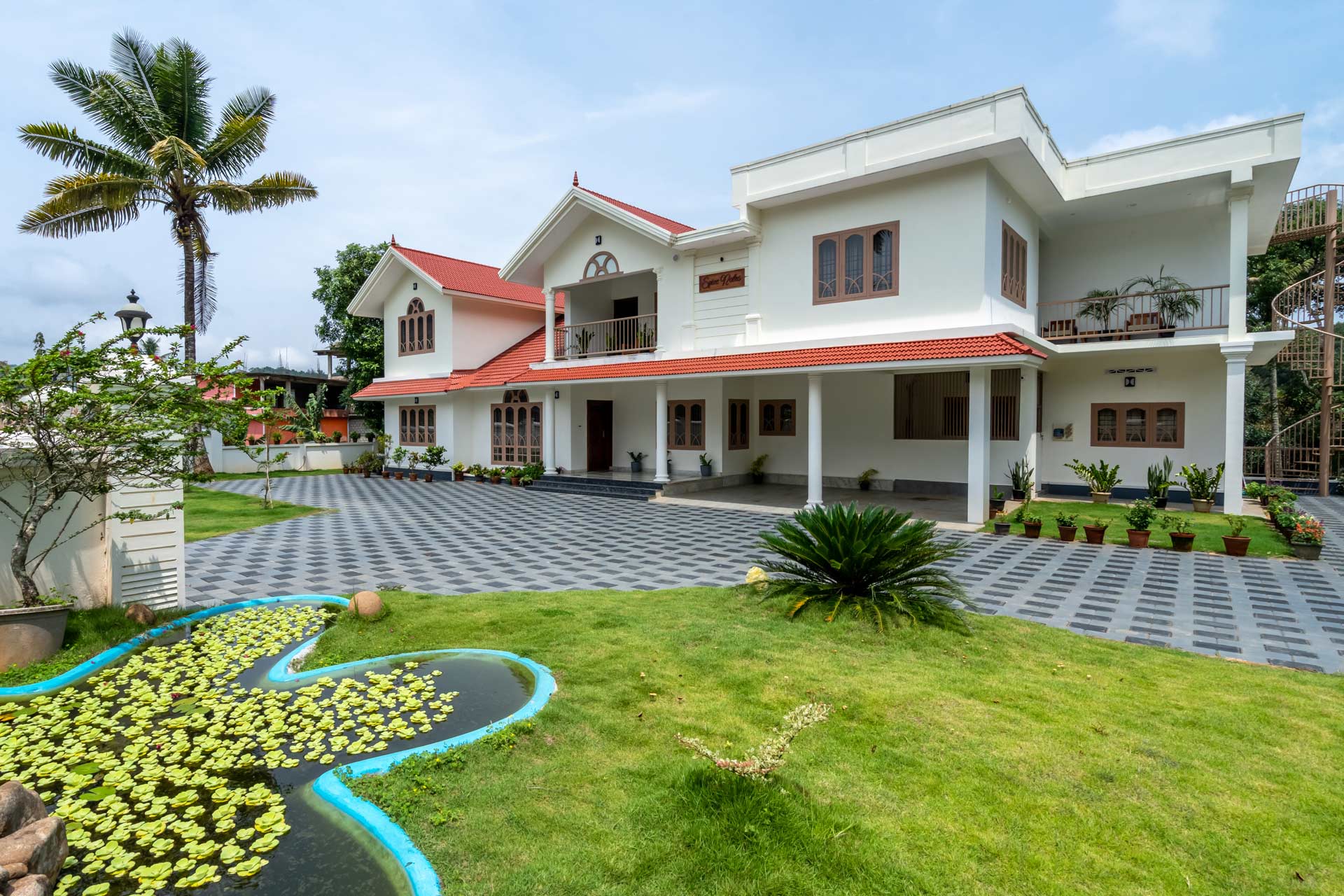
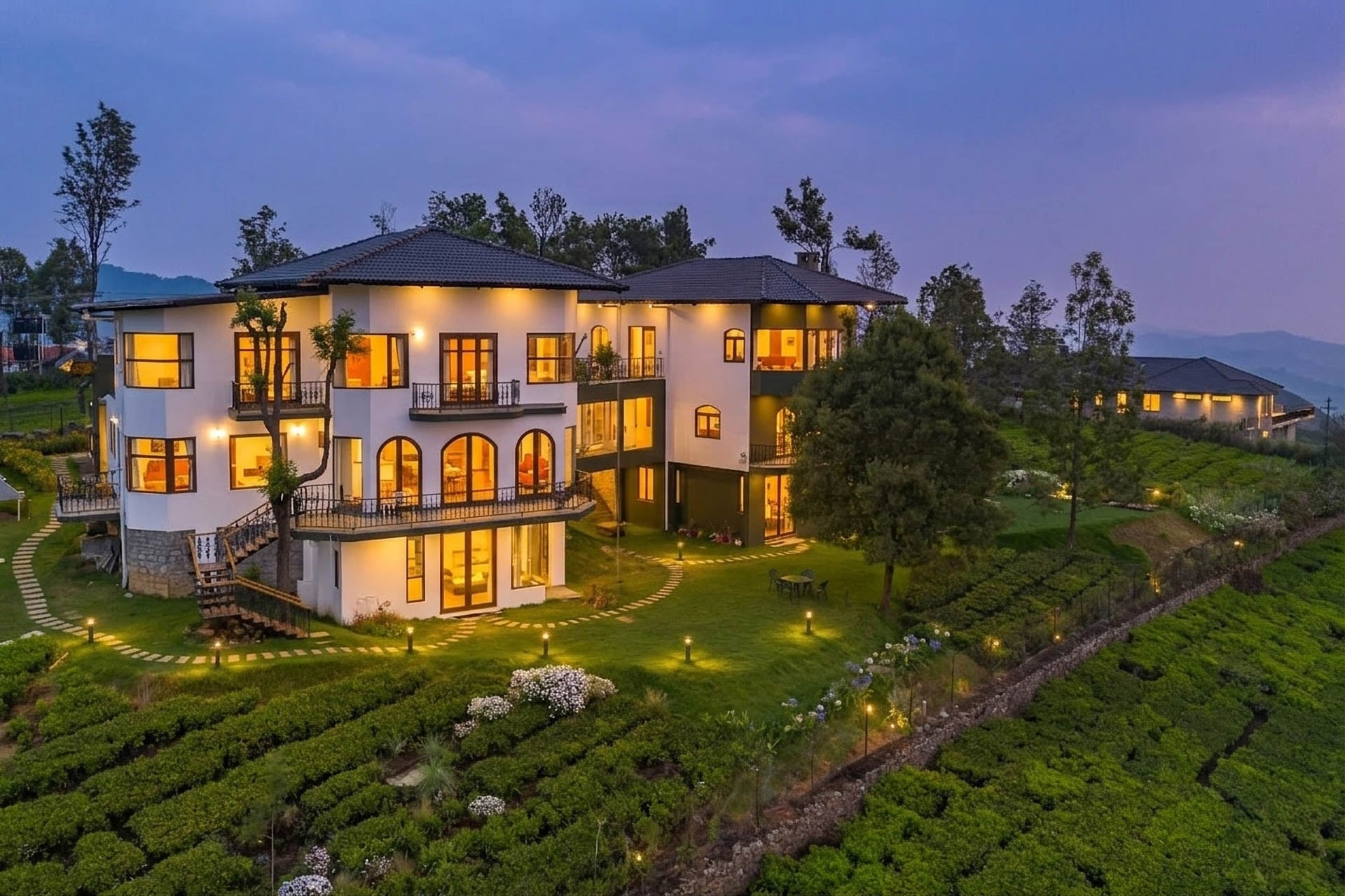
In the south, Spice Notes in Bison Valley is the Munnar option we’d pick this month — it’s in the cardamom hills rather than the town — and Whitewood Serene in Wayanad or The Hydrangeas in Coonoor cover the Nilgiris. For Sikkim’s safer southern half, Himalayan Horizon in Gangtok works well.
September vs October: Which Should You Actually Book?
| September | October | |
|---|---|---|
| Tiger safaris | Buffer zones only | All core zones open from 1 Oct |
| Manali–Leh, Kunzum La | Open | Closing; unreliable after mid-month |
| Valley of Flowers | Open, bloom fading | Open till 31 Oct, then shut for the year |
| Goa shacks and water sports | Mostly not operating | Returning through the month |
| Andaman diving | Suspended | Season reopens |
| Prices | Annual low | Rising sharply toward Diwali |
| Crowds | Very low | Building |
| Big festivals | Ziro Festival of Music, 24–27 Sept | Mysuru Dasara, 11–21 Oct |
Short version: book September for mountains and quiet, October for wildlife and beaches. If your priority is tigers or diving, moving your trip back three weeks changes the entire experience. If your priority is driving a high pass, moving it back three weeks may make it impossible.
For a straight destination-led view of the month rather than this access-led one, our companion guide to the best places to visit in September in India for a late-monsoon trip covers Ziro, Udaipur, Coorg, Chikmagalur, Orchha, Mahabalipuram and Agumbe in detail.
Frequently Asked Questions
Mostly no. The core zones of the majority of India’s tiger reserves close for the monsoon and reopen on 1 October, including Bandhavgarh, Kanha, Pench, Satpura, Panna and Ranthambore’s Zones 1–5. Buffer zones at Tadoba, Ranthambore’s Zones 6–10, and Corbett’s Jhirna, Dhela and Sitabani stay open, as do Periyar and Keoladeo.
Yes. The Manali–Leh Highway is normally open from late May to early October, crossing Baralacha La (16,040 ft), Nakee La (15,547 ft), Lachulung La (16,616 ft) and Taglang La (17,480 ft). September is one of the most stable months to drive it, but the road closes with the first heavy snowfall, usually in October.
Indian nationals no longer require a separate Inner Line Permit for any part of Ladakh, including Nubra, Pangong Tso, Tso Moriri, Hanle and Umling La. You pay the Ladakh Environment and Development Fee online at lahdclehpermit.in and carry the printed receipt. Foreign nationals still need a Protected Area Permit.
Yes, but for different reasons than in December. September temperatures sit around 24–30°C, rain is easing, and rates are at their annual low — but water sports are suspended, most temporary beach shacks have not returned, and lifeguards enforce no-swim zones. Go for the greenery, the forts, the food and the emptiness.
The Western Ghats. Wayanad, Munnar, Thekkady, Ooty, Coonoor and Kodaikanal are all fully open, at peak greenery after the monsoon, and considerably cheaper than in December. Periyar Tiger Reserve in Thekkady is the one major wildlife reserve in the country that stays open through September.
Skip the Madhya Pradesh tiger reserves, Gir, Kaziranga and Corbett’s Dhikala zone — all are closed. Avoid North Sikkim’s Lachen and Gurudongmar road, which is landslide-prone in the monsoon, and hold off on Andaman diving and Tarkarli scuba until October.
Spiti, if you have under a week and are driving. Ladakh, if you have ten days or more and can fly in. Spiti’s Manali–Kaza route over Kunzum La is seasonal and closes earlier, so September is close to your last chance; Ladakh’s Srinagar approach stays open longer into the season.
Yes. The Valley of Flowers National Park in Chamoli, Uttarakhand is open from 1 June to 31 October, with entry capped at around 300 visitors a day. Early September still has bloom; by late September most species have gone to seed, but the trails are quieter and mountain views are clearer.
The Bottom Line
September rewards travellers who read the fine print. The generic advice — “September is shoulder season, prices are low, go anywhere” — collapses the moment you try to book a Kanha safari or a Havelock dive. The month is really three separate countries: a closed forest, an open mountain, and a coast halfway between seasons.
Pick the one that matches what you actually want. If it’s wildlife, wait three weeks. If it’s a high pass, go this fortnight, because the window is closing. If it’s a beach, go now and enjoy having it to yourself.
Whichever you pick, browse StayVista’s villas and homestays for the region and book early — September inventory in Spiti, Ladakh and Kashmir empties faster than the low season pricing suggests, precisely because so few weeks are left.