

Wine Tasting in India 2026: 18 Best Vineyards Across Nashik, Bangalore, Pune, Goa & Delhi-NCR

India’s wine culture has moved well past novelty. The country now produces internationally awarded wines, operates over 90 registered wineries, and sees a growing number of people building entire weekends, and sometimes whole holidays, around vineyard visits. The five regions covered in this guide, Nashik, Bangalore, Pune, Goa, and Delhi-NCR, each have a distinct character, a different grape vocabulary, and a very different kind of visitor experience.

Whether someone is looking for wine tasting in Nashik on a long weekend, wine tours in Goa alongside a beach trip, or a curated tasting session in Delhi-NCR after work, 2026 has more options than ever before. This guide covers the top 18 vineyards in India with the kind of detail that actually helps in planning.
The best vineyards in India for 2026 are spread across five key regions. Nashik leads with the highest concentration of wineries. Bangalore follows with altitude-grown wines. Pune, Goa, and Delhi-NCR round out a well-developed wine circuit. Summer visits are possible with the right timing, and most vineyards accept walk-ins with advance booking preferred.
In this Blog
Wine Tasting in Nashik: India’s Grape Capital, Properly Explored
Nashik accounts for nearly 80% of India’s total wine production, and the vineyards here range from large estate operations to small family-run properties.

Sula Vineyards is the most recognised name, India’s largest wine producer, responsible for making domestic wine commercially mainstream. What most people do not know is that Sula’s annual SulaFest draws upwards of 25,000 visitors over two weekends, making it one of India’s largest outdoor food and music festivals held on a working vineyard. Wine tasting in Nashik at Sula includes multiple tasting formats, a winery walk, and access to one of the few vineyard-facing resort properties in the country.

York Winery is a sharply different experience, smaller, quieter, and focused almost entirely on the wine. York hand-picks its grapes and maintains small-batch production, which means the tasting room has a far more personal quality. Their Sparkling wine and Reserve Shiraz are among the more talked-about bottles from this part of Maharashtra.
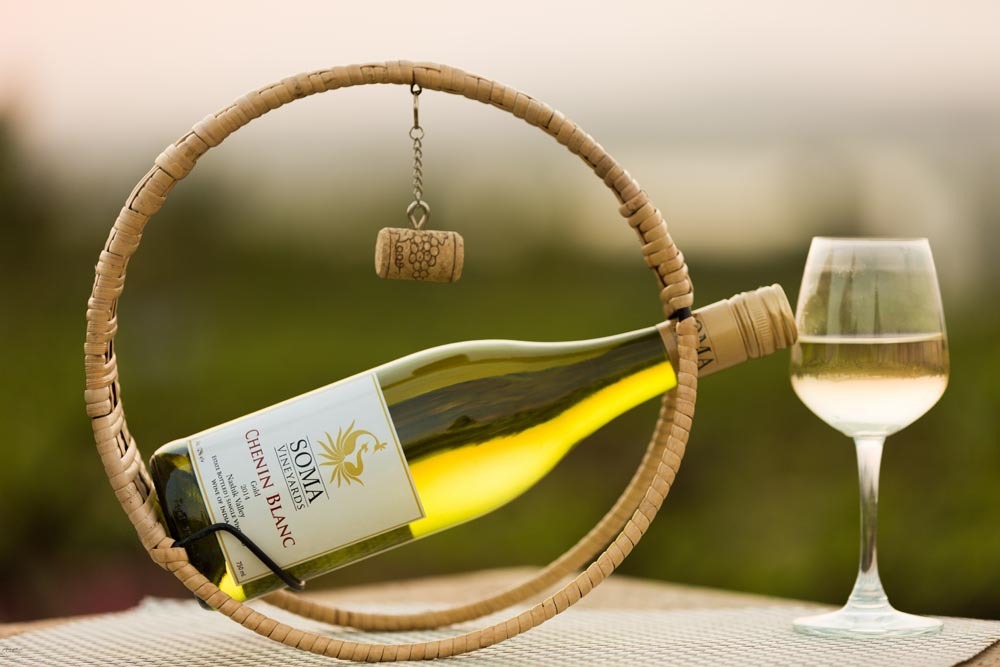
Soma Vine Village operates as a wine resort where staying among the vines is the central idea rather than an add-on. Guests can book a villa in Nashik style stay at the property, wake up to rows of vines, and take guided walks through the estate before sitting down to a paired meal. It functions less like a winery visit and more like a wine-country holiday.

Vallonne Vineyards is one of the few Nashik estates to have won recognition for Sauvignon Blanc, a variety that is historically associated with cooler French climates. The vineyard is family-owned, which gives wine tours in Nashik here a noticeably different rhythm from the larger estates.

Charosa Vineyards is interesting for one specific reason: it has a restaurant on the property that pairs wines with dosa-based dishes, which is an unusual combination that works surprisingly well and reflects an honest attempt at pairing Indian food with Indian wine.

Grover Zampa has estates in both Nashik and near Bangalore. In Nashik, the focus is on red wines, particularly Cabernet Shiraz blends that have found consistent buyers in export markets.
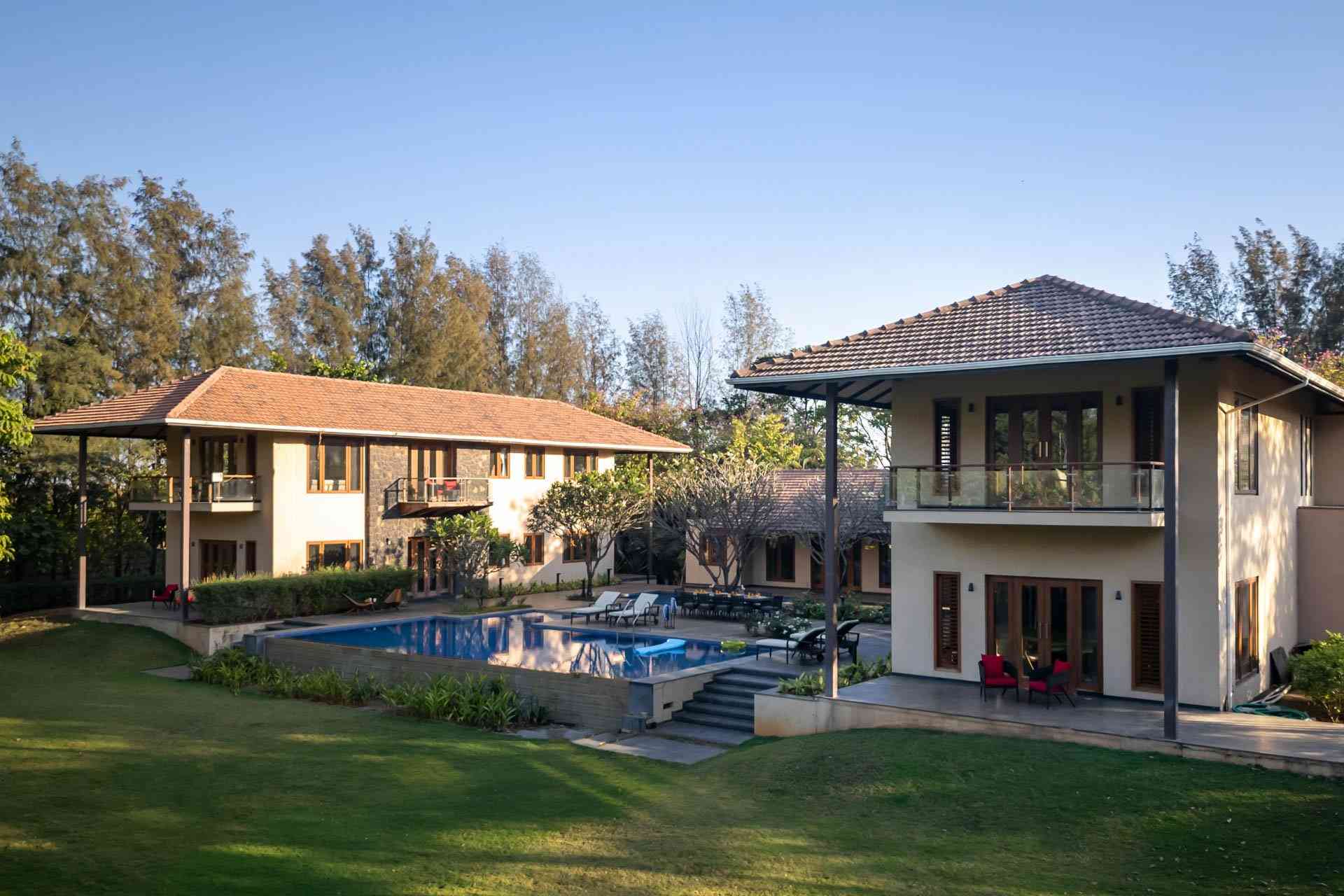
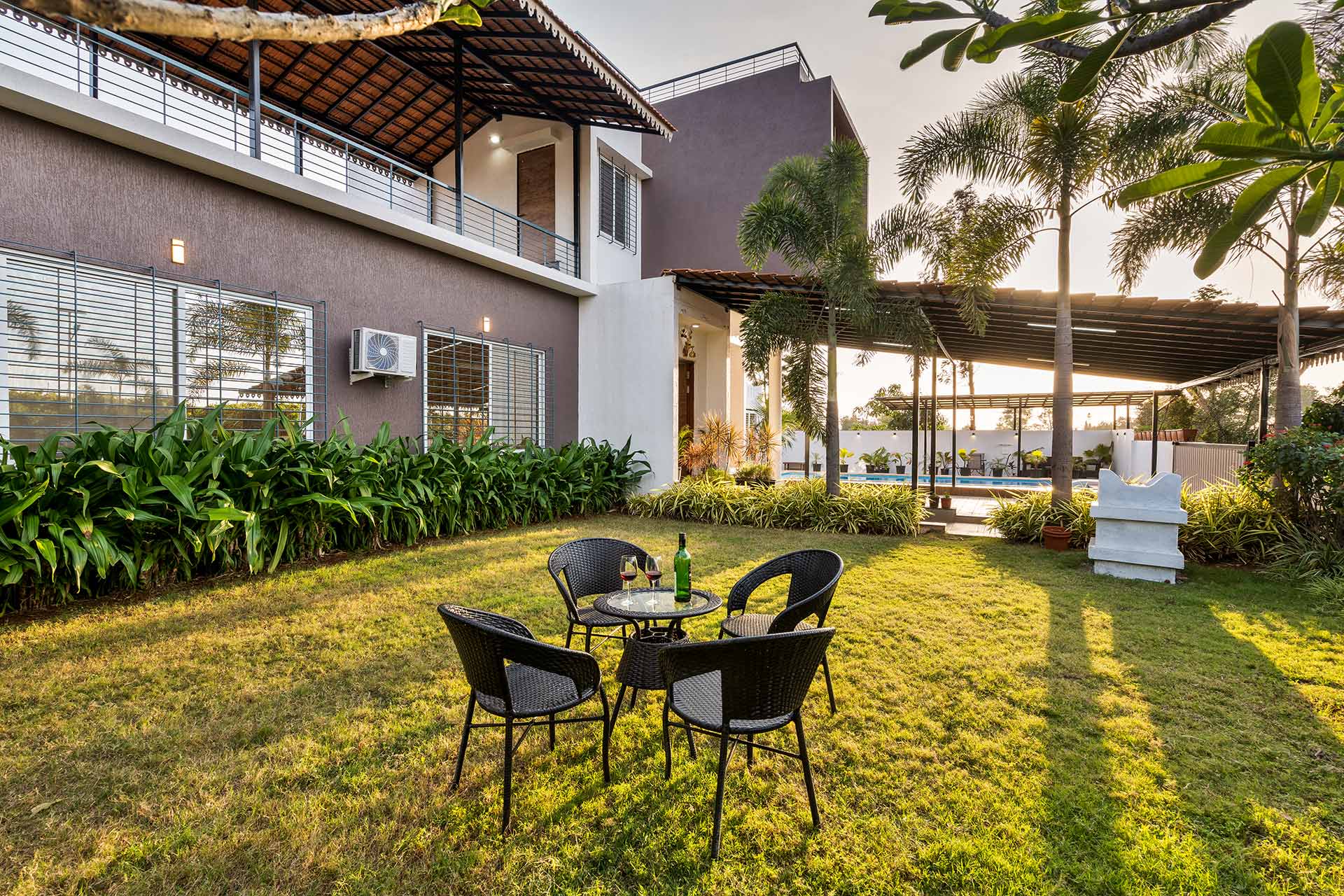
Villas to Stay in Nashik
Wine Tasting in Bangalore: Altitude, Heritage, and the Karnataka Wine Trail
Bangalore’s wine scene is anchored by Karnataka’s geographic advantage: several vineyards sit at elevations between 700 and 1,000 metres, which gives the grapes a cooler growing environment than much of peninsular India.
Grover Zampa’s Doddaballapur estate, located about 40 km from central Bangalore, is one of India’s oldest operating wineries and was among the first to bring French winemaking expertise into an Indian production context. Wine tasting in Bangalore at this estate includes a full cellar tour and access to library vintages.

The Big Banyan Winery near Ramanagara takes its name from an ancient banyan tree on the property, one of the oldest in the district. The estate produces Chenin Blanc and Syrah, and wine tours in Bangalore here are paired with farm-to-table meals using produce grown on the surrounding land.

Myra Winery, set against the Nandi Hills, is one of a very small number of Indian wineries where altitude genuinely changes the character of the wine. The cooler air at Nandi Hills slows grape ripening, producing wines with noticeably higher acidity than those from lower-elevation estates.

KRSMA Estates is located near Hampi, within a UNESCO World Heritage Site area, making it arguably the most historically unique vineyard setting in India. The estate grows Cabernet Sauvignon and Sangiovese, and visiting it can be combined with the Hampi ruins for a genuinely different kind of things to do in Bangalore (and beyond) itinerary.
Wine Tasting in Pune: Boutique Estates and the Baramati Belt
Pune’s wine region spreads into the surrounding districts, with Baramati being the most productive grape-growing zone.

Four Seasons Winery in Baramati is known for producing Viognier, an aromatic white variety that rarely appears on Indian wine lists. The winery is one of the few in India to maintain a consistent Viognier vintage year after year, and wine tasting in Pune (via a Baramati day trip) here is well-suited to those who want to go beyond the standard Shiraz-Cabernet circuit.

Fratelli Wines, an Indo-Italian collaboration, uses Italian grape varieties, Sangiovese and Trebbiano, in its production. The Italian partnership is not just commercial; the winemaking philosophy draws directly from Tuscan traditions, which gives wine tours in Pune at Fratelli a distinctly different educational angle from most Indian vineyard visits. Villas in Pune are available nearby for groups wanting a full weekend in this belt.
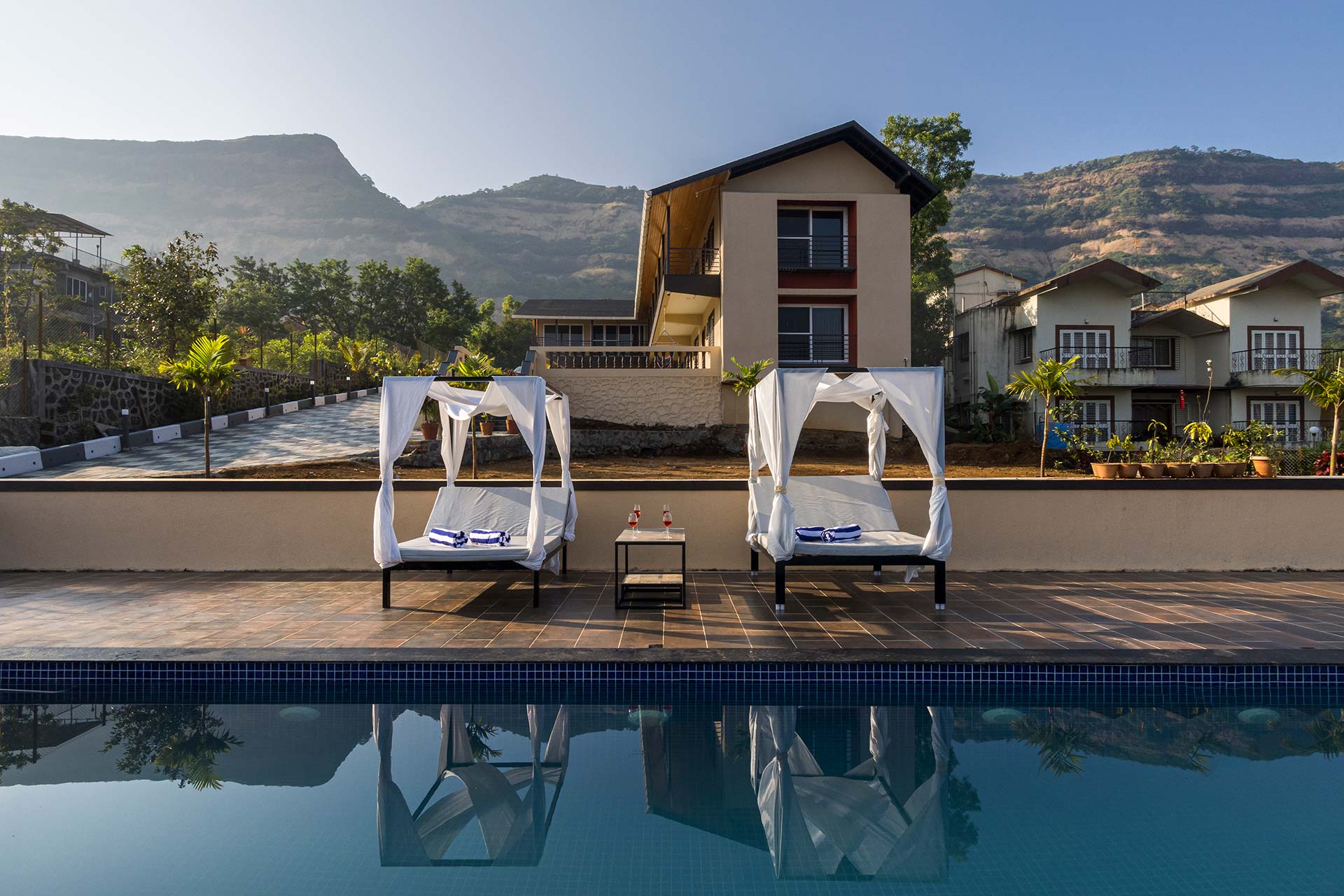
Villas to Stay in Pune
Wine Tasting in Goa: Tropical Wines and Relaxed Estate Visits

Goa is not an obvious wine destination, but that is precisely what makes it interesting for people who are already visiting for other reasons.
Tropicale Wines produces wines from tropical fruit alongside its grape-based portfolio, acknowledging the reality of Goa’s growing environment honestly. Wine tasting in Goa here is a genuinely different experience, fruit-forward, lighter, and unusual compared to the structured tastings at Nashik or Bangalore estates.
Kazkar Winery is a smaller, family-run operation that produces limited quantities of red and white wine from grapes grown in the cooler interior parts of Goa. Wine tours in Goa at Kazkar are informal and personal, with the family often present during visits.
SDU Wines, short for Sao Domingos Uvas, makes use of Goa’s Portuguese winemaking heritage. The variety names and production methods at this estate draw directly from that history, giving it a cultural dimension that goes well beyond the wine itself. For those looking at things to do in Goa beyond beaches, an SDU Wines visit is a meaningful half-day outing.
Wine Tasting in Delhi-NCR: Urban Tastings and Curated Experiences

Delhi-NCR does not have vineyard land of its own, but it has developed one of India’s most active urban wine cultures. Several wine bars, hotel sommeliers, and private tasting rooms in Gurugram, Noida, and central Delhi run structured wine tasting in Delhi-NCR sessions using bottles from across India and imported labels. Wine Rack, Sante Bar & Cellar, and the tasting programmes at luxury hotels like The Lodhi and The Oberoi are among the better-known options. These sessions are particularly popular with corporate groups and are often the first structured wine experience many Delhi residents have before visiting a vineyard in person. Things to do in Delhi-NCR for wine enthusiasts now regularly include blind tasting events, pairing dinners, and sommelier-led masterclasses.
Wine Tasting in India in the Summer: Is It Worth It?
Wine tasting in India in the summer is a question worth addressing directly. Most Indian vineyards harvest between January and March, meaning summer visits happen outside the harvest season. However, most wineries are open year-round, and summer visits often mean smaller crowds, more time with the winemaking team, and a different view of the estate with flowering cover crops and green canopies that look quite different from the bare-vine winter look.
Nashik’s elevation keeps temperatures tolerable even in May and June. Bangalore’s estates are pleasant throughout most of the year. Goa is best visited between October and March. Pune’s wine belt, Baramati specifically, can be warm in peak summer, but early morning visits work well. Wine tasting in India in the summer is absolutely doable with good planning and early-morning starts.
Conclusion: Planning Around the Top 18 Vineyards in India in 2026

The best vineyards in India for 2026 cover a genuine range, from large estate operations with international recognition to small family wineries where a visit feels nothing like a standard tourist experience. The top 18 vineyards in India listed in this guide represent five distinct regions, each with its own grape identity, food culture, and visitor experience.
For anyone planning a wine-focused trip this year, the most rewarding approach is to treat vineyard visits as the anchor of a wider trip rather than a quick stop. Combining wine tasting in Nashik with a stay at a vineyard resort, pairing wine tours in Bangalore with a Hampi visit, or adding wine tasting in Goa to an existing coastal trip are all ways to build something genuinely memorable without overcomplicating the itinerary.
India’s wine industry is growing, in quality, in range, and in confidence. 2026 is a particularly good year to see what it has become.
Frequently Asked Questions
October to March is generally the best window for wine tasting in India across most regions. This period coincides with the post-harvest and pressing season in Nashik and Pune, meaning visitors can often see active cellar operations. Wine tasting in India in the summer is also possible, especially in Nashik and Bangalore, where the climate remains manageable.
The best vineyards in India for 2026 include Sula Vineyards and Vallonne in Nashik, Grover Zampa and KRSMA near Bangalore, Fratelli and Four Seasons near Pune, Kazkar and SDU Wines in Goa, and various curated tasting programmes in Delhi-NCR. All 18 covered in this guide are worth visiting for different reasons.
Wine tasting in Nashik typically costs between ₹500 and ₹1,500 per person, depending on the number of wines included and whether a food pairing is part of the experience. Larger estates like Sula include a winery tour in the tasting fee. Some smaller estates, like York or Vallonne, charge at the lower end and focus purely on the wine.
Yes. Wine tours in Goa are particularly well-suited for those already visiting the state for other reasons. Kazkar and SDU Wines both offer small-group, personal visits that take two to three hours and include background on how Indian tropical-region wines differ from cooler-climate styles.
Yes. Several properties in the Nashik wine belt function as vineyard stay options. Soma Vine Village is the most well-known, operating as a full resort experience. Other villas in Nashik are available through booking platforms near Dindori and the Gangapur area, both of which are close to the main wine estates.
Absolutely. Wine tasting in India in the summer works best in Nashik (higher elevation), Bangalore (mild year-round), and Goa’s interior estates. Visiting in the early morning, most estates open between 10 am and 11 am, makes summer visits very comfortable. Crowds are also significantly lower during the summer months compared to the October–March peak.
The top 18 vineyards in India across five regions are: Nashik, Sula, York, Soma Vine Village, Vallonne, Charosa, Grover Zampa (Nashik estate); Bangalore, Grover Zampa (Doddaballapur), The Big Banyan, Myra, KRSMA; Pune, Four Seasons, Fratelli; Goa, Tropicale, Kazkar, SDU Wines; and Delhi-NCR, Wine Rack, Sante Bar & Cellar, and The Lodhi tasting programme.
Things to do in Nashik beyond the wineyards include visiting the Panchavati area (where several ancient ghats along the Godavari river are located), the Trimbakeshwar Shiva Temple (one of the twelve Jyotirlingas), and the Anjneri Hill trek. Nashik is also India’s onion and grape trading capital, and a visit to the agricultural markets is a genuinely different experience from the vineyard circuit.
Blog article written by Ruben Saha