
12 Maharashtra Dams That Overflow in Peak Monsoon (2026 Overflow Status & When to Go)
Every monsoon, several Maharashtra dams overflow, creating spectacular spillway waterfalls that attract thousands of visitors. While exact overflow dates depend on seasonal rainfall, most major dams begin releasing water between July and September. Visitors should always check the latest irrigation department advisories and weather forecasts before planning a trip, as water releases can change rapidly.
In this Blog
Why do Maharashtra dams overflow during the monsoon?
Maharashtra receives nearly 80% of its annual rainfall between June and September. Reservoirs built across the Western Ghats and river basins gradually fill during this period. Once water reaches the Full Reservoir Level (FRL), authorities release excess water through spillway gates to maintain dam safety.
This controlled release creates dramatic waterfalls, misty landscapes, and one of Maharashtra’s most popular seasonal attractions.
Maharashtra Dams Overflow Status 2026 (Expected)
The table below summarises the expected overflow window based on historical trends. Actual dates will depend on rainfall received during the 2026 southwest monsoon.
| Dam | District | River | Expected Overflow Period (2026) | Best Time to Visit |
| Bhandardara (Wilson Dam) | Ahmednagar | Pravara | Late July–August | Weekdays in August |
| Koyna Dam | Satara | Koyna | August | August mornings |
| Khadakwasla Dam | Pune | Mutha | July–August | Early morning |
| Panshet Dam | Pune | Ambi | July–August | Weekdays |
| Mulshi Dam | Pune | Mula | July–August | During light rain |
| Pawna Dam | Pune | Pawna | Late July–August | Sunrise |
| Ujani Dam | Solapur | Bhima | August–September | August evenings |
| Bhatsa Dam | Thane | Bhatsa | July–August | Rainy weekdays |
| Tansa Dam | Thane | Tansa | August | Early morning |
| Dhom Dam | Satara | Krishna | August | Monsoon weekends |
| Chaskaman Dam | Pune | Bhima | July–August | Midweek |
| Warasgaon Dam | Pune | Mose | July–August | Cloudy mornings |
Note: These are expected windows based on historical rainfall patterns. Overflow timings vary every year.
1. Wilson Dam (Bhandardara)
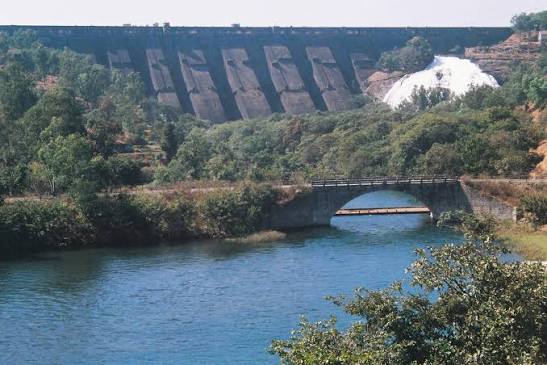
One of Maharashtra’s oldest masonry dams, Wilson Dam is famous for its spectacular umbrella-shaped spillway when water is released. During heavy rainfall, thousands gather to witness the cascading sheets of water against the backdrop of the Sahyadris.
Nearby attractions include:
- Arthur Lake
- Randha Falls
- Umbrella Falls
- Mount Kalsubai
- Agastya Rishi Ashram
Distance from Mumbai: 165 km
Distance from Pune: 170 km
2. Koyna Dam
Located in Satara district, Koyna Dam is among India’s largest hydroelectric projects. Overflow here is less frequent than some smaller reservoirs but becomes a major attraction during years of above-average rainfall.
Highlights include:
- Massive reservoir views
- Dense forests
- Scenic mountain roads
- Nearby Kaas Plateau (seasonal)
Distance from Pune: 190 km
3. Khadakwasla Dam
Just outside Pune, Khadakwasla becomes one of the city’s favourite monsoon viewpoints when water is released over the spillway.
Visitors also combine the trip with:
- Sinhagad Fort
- Peacock Bay
- NDA viewpoints
4. Panshet Dam
Panshet is among the most photographed overflowing dams near Pune. Rolling hills, fog, waterfalls and winding roads make it a favourite monsoon drive.
Best enjoyed during weekdays to avoid heavy crowds.
5. Mulshi Dam
Mulshi transforms into one of Maharashtra’s greenest monsoon landscapes. Water flowing over the dam creates beautiful panoramic views surrounded by forests and waterfalls.
Nearby attractions include:
- Tamhini Ghat
- Devkund Waterfall
- Plus Valley
- Local lakeside cafés
6. Pawna Dam
Pawna is especially popular with campers during monsoon. When reservoir levels rise, the surrounding valleys become lush while spillway releases attract photographers.
Nearby destinations:
- Lohagad Fort
- Tikona Fort
- Visapur Fort
7. Ujani Dam
Built across the Bhima River, Ujani is among Maharashtra’s largest reservoirs. Overflow usually occurs later in the season after prolonged rainfall across the basin.
It is also known for:
- Migratory birds
- Bhigwan bird sanctuary
- Wetland photography
8. Bhatsa Dam
Supplying drinking water to Mumbai, Bhatsa Dam is located amid forested hills in Thane district. Public access may be restricted during operational releases, so visitors should verify accessibility beforehand.
9. Tansa Dam
Another important water source for Mumbai, Tansa Dam offers picturesque surroundings during peak monsoon. Entry regulations may vary depending on security protocols.
10. Dhom Dam
Located near Wai, Dhom Dam becomes especially scenic during August when surrounding hills turn emerald green.
Nearby attractions include:
- Wai town
- Panchgani
- Mahabaleshwar
- Krishna Valley
11. Chaskaman Dam
Less crowded than Pune’s more famous reservoirs, Chaskaman offers dramatic spillway views during heavy rainfall and peaceful countryside scenery.
12. Warasgaon Dam
Part of Pune’s water supply system, Warasgaon attracts road-trippers travelling towards Lavasa during the monsoon.
Nearby scenic routes become particularly beautiful after continuous rainfall.
Which Maharashtra dam is best to visit during the monsoon?
The best dam depends on what you’re looking for.
| Looking For | Recommended Dam |
| Biggest overflow views | Wilson Dam |
| Closest to Pune | Khadakwasla |
| Scenic road trip | Mulshi |
| Camping | Pawna |
| Photography | Bhandardara |
| Less crowded | Chaskaman |
| Weekend getaway | Panshet |
| Family outing | Dhom |
When is the best time to see overflowing dams in Maharashtra?
Most overflowing dams can be seen between late July and early September, depending on rainfall intensity.
For the best experience:
- Visit after 2–3 consecutive days of heavy rain.
- Start early to avoid traffic.
- Prefer weekdays over weekends.
- Check weather alerts before leaving.
- Confirm road accessibility.
Safety tips before visiting overflowing dams
Monsoon conditions change quickly around reservoirs. Visitors should follow these precautions:
- Never cross flooded roads.
- Stay behind safety barricades.
- Avoid entering river channels below spillways.
- Wear non-slip footwear.
- Keep children under supervision.
- Do not park near fast-flowing streams.
- Follow instructions issued by local authorities.
Best overflowing dams near Mumbai
These destinations are ideal for a one-day or weekend monsoon drive.
| Dam | Distance from Mumbai |
| Bhandardara | 165 km |
| Bhatsa | 100 km |
| Tansa | 95 km |
| Mulshi | 170 km |
| Pawna | 120 km |
Best overflowing dams near Pune
Pune has several reservoirs within a short driving distance.
- Khadakwasla Dam
- Panshet Dam
- Mulshi Dam
- Pawna Dam
- Chaskaman Dam
- Warasgaon Dam
Most are reachable within 1–3 hours, depending on traffic and weather.
Responsible monsoon travel around dams
Overflowing dams are operational water infrastructure, not recreational water parks. Visitors should avoid littering, respect restricted zones, refrain from drone use where prohibited, and follow parking regulations. Responsible tourism helps preserve both public safety and the surrounding ecosystem.
Frequently Asked Questions
There is no fixed order. Smaller reservoirs in high-rainfall areas of the Western Ghats, such as Wilson, Panshet, and Mulshi, often begin releasing water earlier, depending on seasonal rainfall.
Wilson Dam at Bhandardara is widely considered the most famous because of its iconic umbrella-shaped spillway and picturesque monsoon scenery.
Most major dams begin overflowing between late July and September, although exact dates vary according to monsoon intensity and reservoir levels.
Yes. Many dams have designated public viewpoints. However, access may be restricted during heavy rainfall, emergency water releases, or maintenance operations.
It depends. Visiting is generally safe from designated viewing areas, but travellers should avoid flooded roads, slippery rocks, and restricted spillway zones.
Khadakwasla Dam is the closest major overflowing dam to Pune, located approximately 20 km from the city centre.
Tansa Dam and Bhatsa Dam are among the closest reservoirs to Mumbai, while Bhandardara offers one of the most scenic overflow experiences within driving distance.
No. Authorities announce gate openings based on reservoir levels, rainfall forecasts, and operational requirements. Overflow schedules cannot be confirmed months in advance.
No. Swimming below spillways is unsafe due to powerful currents, sudden changes in water discharge, and submerged hazards.
August is generally the best month, as reservoirs are usually near full capacity, waterfalls are active, and the surrounding hills are at their greenest.
Conclusion
The annual overflow of Maharashtra’s dams is one of the state’s most anticipated monsoon spectacles, combining engineering with dramatic natural scenery. From the iconic spillway at Wilson Dam to the lush landscapes around Mulshi, Panshet, and Pawna, each reservoir offers a different experience. Since overflow depends entirely on rainfall and reservoir levels, travellers should monitor official weather forecasts and local advisories before setting out. Planning a weekday visit, arriving early, and following safety guidelines will help ensure a memorable and responsible monsoon outing.