
20 Best Places to Visit in Maharashtra in Monsoon 2026: Waterfalls, Forts & Hill Stations
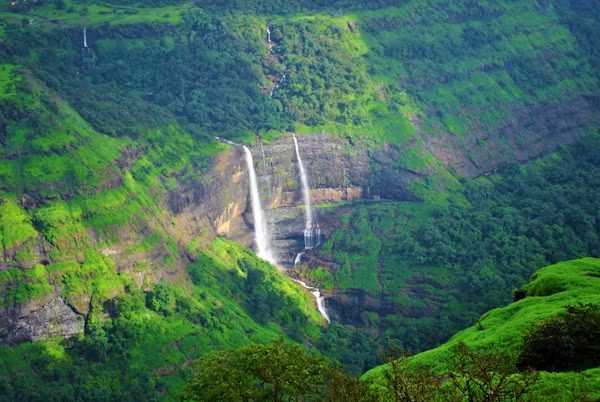
Maharashtra is at its most dramatic in the rains. Between June and September, the Western Ghats turn emerald, dry cliffs sprout hundreds of waterfalls, and the fort-studded Sahyadris disappear into drifting cloud. From the strawberry hills of Mahabaleshwar to the flamingo-dotted lakes of Malshej Ghat and the wildflower carpet of Kaas Plateau, the state packs more monsoon variety than anywhere else in India.
A quick note for October 2026: the southwest monsoon has now withdrawn from most of Maharashtra, so you’re in the sweet-spot “tail” of the season. The hills are at their greenest, many waterfalls are still running after a below-normal monsoon (IMD pegged it at ~90% of average), and the heavy-rain crowds have thinned — but spells are now occasional rather than constant, so you’ll get more clear, photo-friendly days. Two things are time-sensitive this month: Kaas Plateau’s wildflower bloom closes on 19 October, and the tiger reserves’ core zones reopened on 1 October. We’ve travelled these routes ourselves, and this guide covers all 20 destinations with current entry fees, timings and how to reach each one..
The best monsoon places in Maharashtra include Mahabaleshwar, Lonavala, Malshej Ghat, Bhandardara, Kaas Plateau, Rajmachi Fort, Amboli, Igatpuri, Khandala, and Panchgani. These places to visit in Maharashtra in august are known for waterfalls, mountain views, historic forts, and pleasant weather, making them among the best places in the rainy season for families, couples, and weekend travellers.
In this Blog
Quick Reference: All 20 Destinations at a Glance
Use this table to find the right match for your trip — whether you’re planning a Saturday drive, a long weekend, or a week-long escape.
| Destination | Distance from Mumbai | Best For | Best Month | Crowd Level |
| Mahabaleshwar | ~270 km (5–6 hrs) | Families, couples | July–August | High |
| Lonavala | ~83 km (2 hrs) | Groups, couples | June–September | High |
| Khandala | ~80 km (2 hrs) | Day trippers | June–September | Medium |
| Malshej Ghat | ~130 km (3 hrs) | Nature lovers, photographers | July–August | Medium |
| Bhandardara | ~165 km (3.5 hrs) | Couples, quiet getaways | July–August | Low |
| Kaas Plateau | ~290 km (6 hrs) | Nature lovers | September–October | Medium |
| Panchgani | ~245 km (5 hrs) | Families | July–August | Medium |
| Rajmachi Fort | ~83 km (2 hrs) | Trekkers | June–August | Medium |
| Igatpuri | ~130 km (2.5 hrs) | Couples, peace seekers | July–August | Low |
| Amboli | ~490 km (10 hrs) | Waterfall lovers | July–August | Low |
| Harishchandragad | ~195 km (4 hrs) | Experienced trekkers | July–August | Low |
| Lavasa | ~60 km (1.5 hrs) | Families, walkers | June–September | Low–Medium |
| Sinhagad Fort | ~30 km (1 hr) | History lovers, day trips | June–September | High |
| Torna Fort | ~60 km (1.5 hrs) | Trekkers, history buffs | July–August | Medium |
| Karnala | ~65 km (1.5 hrs) | Birdwatchers, light trekkers | June–September | Low |
| Alibaug | ~95 km (2 hrs) | Beach lovers, groups | June–August | Medium |
| Tadoba Buffer | ~590 km (10 hrs) | Wildlife enthusiasts | June–September | Low |
| Bhimashankar | ~200 km (4 hrs) | Pilgrims, forest walkers | June–September | Medium |
| Panhala Fort | ~384 km (7.5 hrs) | History lovers | July–August | Low |
| Chikhaldara | ~700 km (11 hrs) | Wildlife, offbeat travel | July–September | Low |
Places to Visit in Monsoon in Maharashtra: Why the State Is Perfect During the Rainy Season
Monsoon arrives in Maharashtra with remarkable variety. The Western Ghats receive heavy rainfall, rivers become active again, and countless seasonal waterfalls appear across the region.
Unlike destinations that depend on a single attraction, Maharashtra combines nature, history, and local culture. This makes it one of India’s strongest destinations for monsoon weekend getaways.
1. Mahabaleshwar – The Undisputed Classic

Best for: Families, couples | Distance from Mumbai: ~270 km | Best months: July–August | Crowd level: High
Mahabaleshwar during monsoon has almost been visited by everyone in Maharashtra — and for good reason. At 1,372 metres above sea level, it catches clouds from both the Arabian Sea and the Deccan side, which means the weather changes constantly. Viewpoints look completely different from hour to hour as mist rolls in and clears again.
How to reach Mahabaleshwar in Monsoon:
By Air: Pune International Airport is the most convenient airport, around 120 to 130 km away, followed by Mumbai Airport.
By Railway Station: Wathar is the nearest railway station, around 60 km away, while Satara and Pune offer better connectivity.
By Bus: Regular MSRTC and private buses connect Mahabaleshwar with Pune, Mumbai and Satara.
Places to Visit in Mahabaleshwar
Arthur’s Seat is the most dramatic of the viewpoints, offering a 1,200-metre drop into the valley. Wilson Point catches the sunrise before the clouds close in. Venna Lake becomes particularly scenic when the surrounding hills green up entirely making it one of the best places to visit in August to enjoy monsoon.
The town itself is worth exploring. The old market street sells strawberries, mulberry jam, and locally made chikkis year-round, but the monsoon versions — wet strawberries eaten on the roadside — are a specific pleasure. Mapro Garden remains open and gets less crowded on weekday mornings.
What makes it special in the rains: The valley views from Arthur’s Seat are genuinely breathtaking when clouds sit below the ridge. The boating on Venna Lake in light rain is one of those experiences that gets remembered.
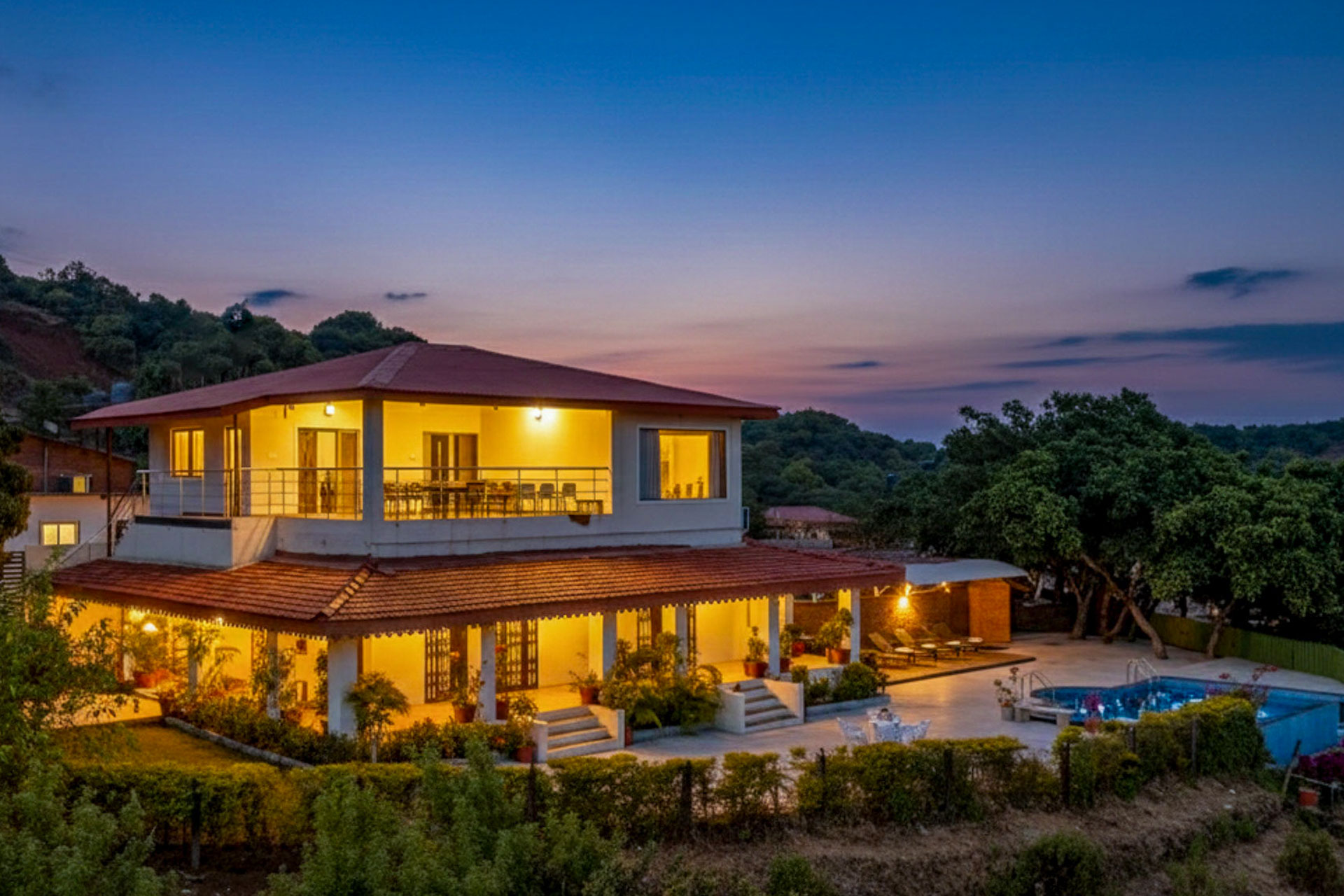
Pro Tip: Book accommodation at least 2 weeks ahead for August weekends. A villa in Mahabaleshwar is worth the price if you’re going as a family or group — the views from private balconies beat any hotel room.
A villa in Mahabaleshwar is a popular accommodation choice for families.
Read more about: Mahabaleshwar in Monsoon 2026: 5 Viewpoints, Strawberry Farms & Venna Lake
2. Lonavala – Maharashtra’s Most Accessible Monsoon Escape

Best for: Groups, couples | Distance from Mumbai: ~83 km | Best months: June–September | Crowd level: High
Lonavala is the most-visited destination in Maharashtra during the monsoon, and the reason is simple: it’s 83 kilometres from Mumbai, accessible by road or train, and it becomes genuinely beautiful from June. The hills along the expressway turn completely green. Bhushi Dam overflows and becomes a waterfall you can stand under. The roads to Tiger Point are lined with seasonal streams.
How to reach Lonavala in Monsoon:
By Air: Pune International Airport is the nearest major airport, around 65 to 70 km away.
By Railway Station: Lonavala Railway Station is the most convenient option, with frequent trains from Mumbai and Pune.
By Bus: Regular MSRTC and private buses operate from Mumbai and Pune to Lonavala.
Places to Visit in Lonavala Rainy Season
Tiger’s Leap viewpoint offers a 650-metre drop into the valley and is best visited early in the morning before the crowds. Karla and Bhaja Caves — second-century Buddhist rock-cut temples — are accessible even in heavy rain. The town’s chikki shops and corn stalls are a mandatory stop.
Lonavala is also a solid base for nearby attractions: Rajmachi is 17 km away, and the Duke’s Nose viewpoint in Khandala is 5 km further down the highway.
What makes it special in the rains: Bhushi Dam steps become a social gathering spot when the dam overflows. It gets crowded, but the energy is electric.
Pro Tip: Avoid peak Sunday afternoons in the monsoon — the expressway gets heavily congested. Leave Mumbai by 6 AM or after 2 PM.
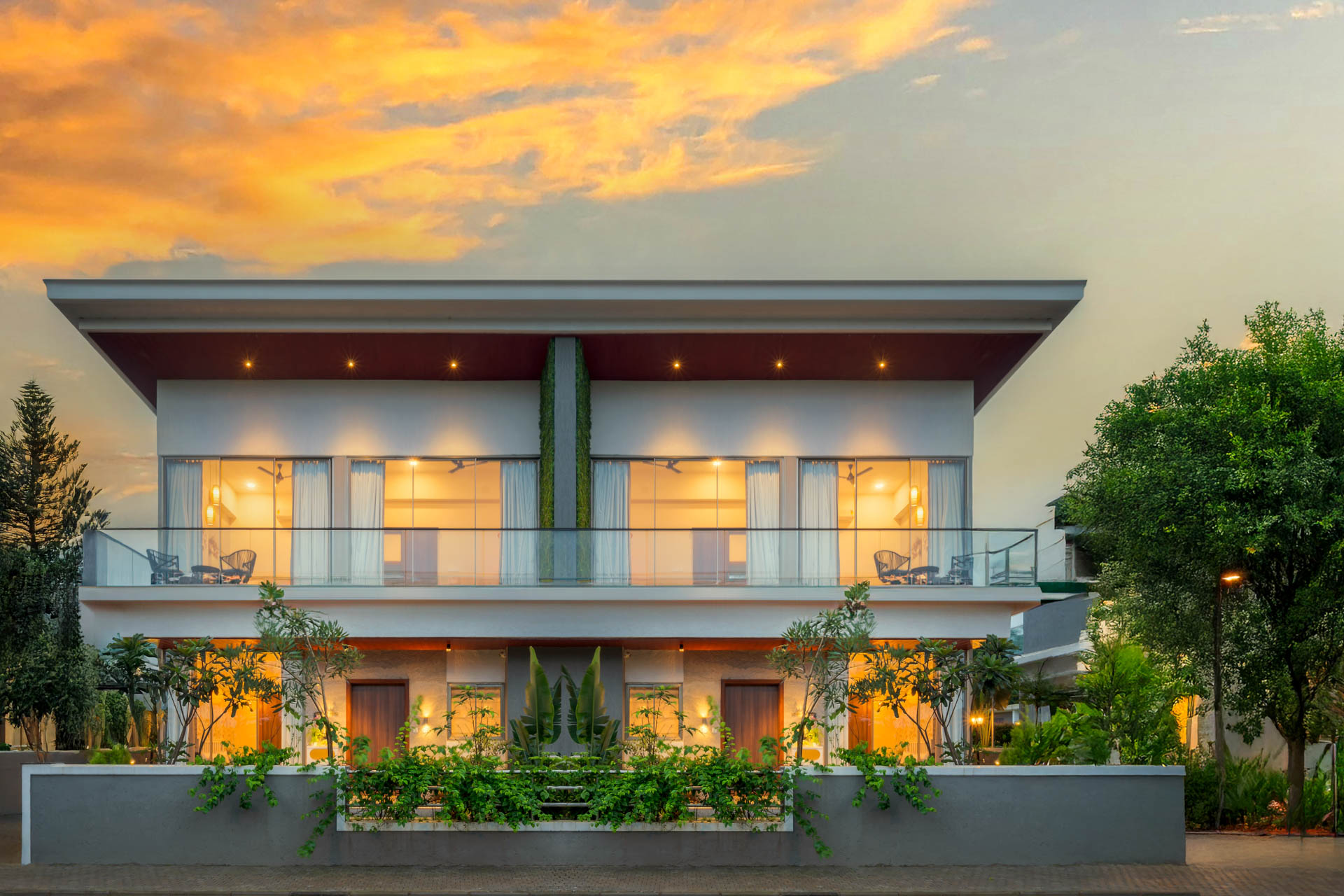
A villa in Lonavala is often preferred by groups and families.
Read more about: 15 Things to Do in Lonavala in Monsoon 2026: Waterfalls, Forts & Pool-Villa Stays
3. Khandala – Lonavala’s Quieter Neighbour

Best for: Day trippers, couples | Distance from Mumbai: ~80 km | Best months: June–September | Crowd level: Medium
Khandala sits right next to Lonavala but gets about a third of the foot traffic. The topography is sharper here — the Bhor Ghat section of the Expressway runs directly through it, offering some of the best windshield views in Maharashtra during the rains.
How to reach Khandala in Monsoon:
By Air: Pune International Airport is the nearest major airport, around 65 to 70 km away.
By Railway Station: Khandala Railway Station is served by trains on the Mumbai Pune route, with Lonavala Railway Station also nearby.
By Bus: State transport and private buses connect Khandala and Lonavala with Mumbai and Pune.
Places to Visit in Khandala
Duke’s Nose is the standout attraction: a ridge that juts out over the valley and provides a 360-degree panoramic view. The trek to Duke’s Nose (also called Nagphani) takes about 45 minutes and is manageable even in moderate rain, though the descent becomes slippery.
Shooting Point and Amby Valley viewpoint are worth visiting for the depth of the valley below. On clear mornings — before the cloud cover sets in, usually around 9 AM — the views extend to the plateau beyond.
What makes it best in the rains: The Bhor Ghat expressway section, with waterfalls streaming across the road beside you, is one of Maharashtra’s most underrated drives.
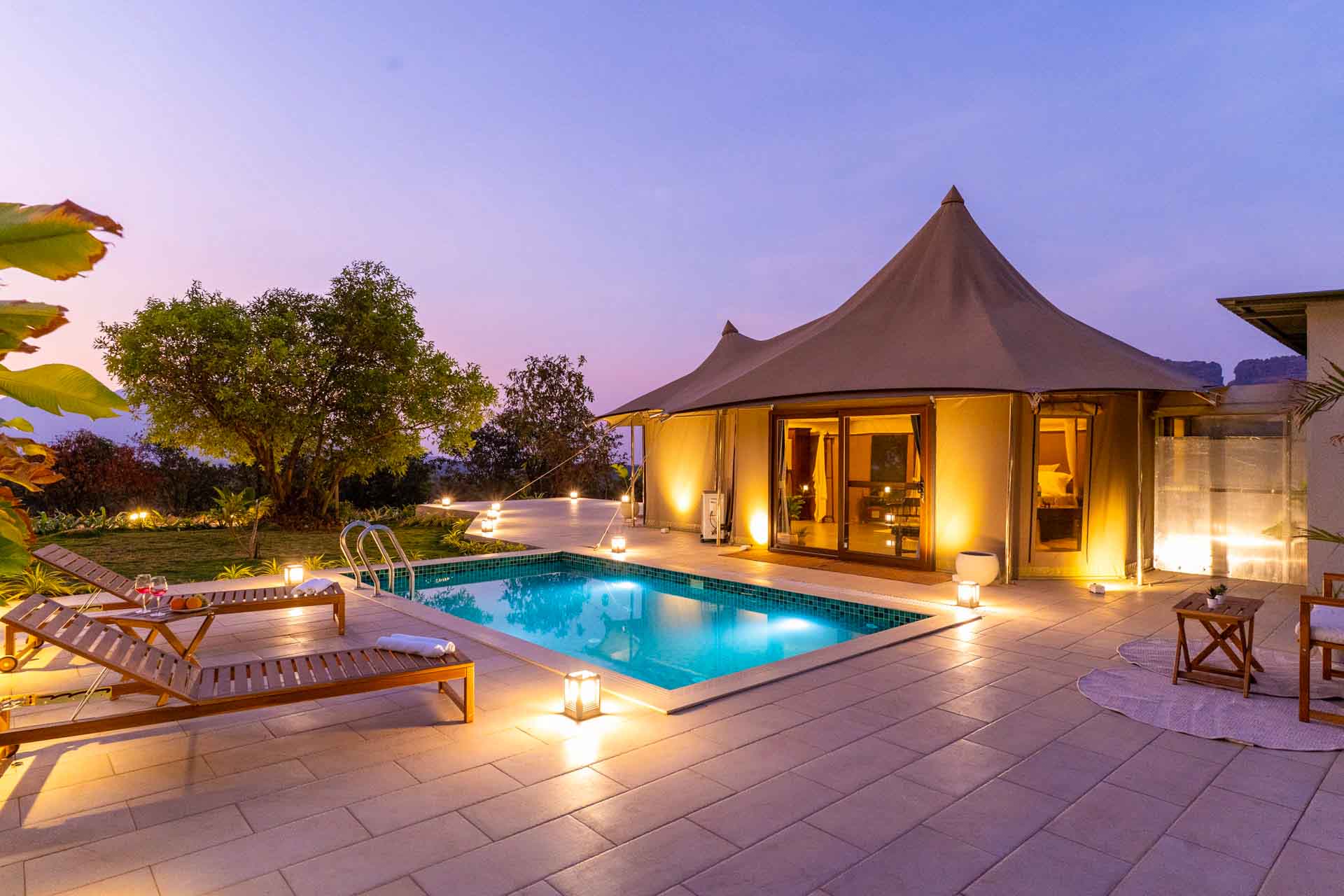
A villa in Khandala provides a comfortable stay amid the hills.
Read more about: Lonavala & Khandala: Best Weekend Monsoon Getaways Near Mumbai & Pune
4. Malshej Ghat – Maharashtra’s Most Dramatic Monsoon Destination

Best for: Photographers, nature lovers | Distance from Mumbai: ~130 km | Best months: July–August | Crowd level: Medium
If Lonavala is Maharashtra’s most popular monsoon destination, Malshej Ghat is its most spectacular and by far, one of the best places to visit in July August for monsoon. The mountain pass sits at 700 metres and receives some of the heaviest rainfall in the Sahyadris. During July and August, the road to Malshej becomes a procession of waterfalls — some coming off vertical cliff faces 50 metres above the road, others running directly across the tarmac.
How to reach Malshej Ghat in Monsoon:
By Air: Pune International Airport is the nearest major airport, around 120 km away.
By Railway Station: Kalyan Railway Station is the nearest major railhead, around 85 km away.
By Bus: MSRTC and private buses operate towards Malshej Ghat from Pune, Mumbai and nearby towns.
Places to Visit in Malshej Ghat
The ghat is also famous for its flamingos. Migrating flamingos arrive from the Rann of Kutch between June and September, resting in the ponds near the Pimpalgaon Joga Dam. This combination of dramatic waterfalls and unusual wildlife makes Malshej genuinely different from other ghat destinations.
The MTDC Resort at Malshej has basic rooms right on the cliff edge — worth booking if you want to stay overnight and experience the full atmosphere of clouds and rain after sunset.
What makes it special in the rains: The road itself is the attraction. Driving through waterfalls is an experience you don’t get anywhere else in India this close to Mumbai.
Pro Tip: Check road conditions before travelling — the ghat can be temporarily closed after very heavy rainfall.
5. Bhandardara – The Quiet Lakeside Retreat

Best for: Couples, quiet getaways | Distance from Mumbai: ~165 km | Best months: July–August | Crowd level: Low
Bhandardara is one of those destinations that most Mumbai residents have heard of, but fewer have actually visited. This works in your favour in the monsoon — it stays significantly less crowded than Lonavala or Mahabaleshwar while offering scenery that competes with both.
How to reach Bhandardara in Monsoon:
By Air: Pune International Airport is the nearest major airport, around 180 km away.
By Railway Station: Igatpuri Railway Station is the nearest useful railhead, around 44 km away.
By Bus: Buses and shared transport are available from Igatpuri, Nashik and Akole towards Bhandardara.
Places to Visit in Bhandardara
The anchor here is Arthur Lake, a reservoir formed by the Wilson Dam on the Pravara River. In the monsoon, the lake fills and the dam overflows, creating Randha Falls — a 30-metre cascade that becomes one of Maharashtra’s more powerful waterfalls by July. The lake itself, ringed by hills, makes for exceptionally peaceful early-morning walks.
Ratangad Fort is accessible from Bhandardara and offers a moderate 3-hour trek through forest trails that are green and mossy during the monsoon. The Amruteshwar Temple, a 9th-century Hemadpanthi structure, sits near the village and is particularly atmospheric when surrounded by rain and greenery.
What makes it special in the rains: Watching the sunrise over a full Arthur Lake, when mist rises from the surface, and the surrounding hills are fully green, is one of the more quietly beautiful experiences in Maharashtra.
Read more about: Bhandardara in Monsoon: Arthur Lake, Umbrella Falls & Sandhan Valley
6. Kaas Plateau – The Valley of Flowers of Maharashtra

Best for: Nature lovers, photographers | Distance from Mumbai: ~290 km | Best months: September–October | Crowd level: Medium
Closing 19 October 2026 (season ran from 18 September). As of early October the bloom is thinning — late species like white Karvi and Ceropegia linger, but ~90% of flowers are gone by the last week, so go now if at all. Timings 7:00 AM–6:00 PM; entry ₹100 weekends/holidays, ₹50 weekdays; weekend booking on kas.ind.in is mandatory (3,000 visitors/day). Full guide: Kaas Plateau 2026 bloom dates & booking.
How to reach Kaas Plateau in Monsoon:
By Air: Pune International Airport is the nearest major airport, around 140 km away.
By Railway Station: Satara Railway Station is the nearest railhead, around 25 km from Kaas Plateau.
By Bus: Take an MSRTC bus to Satara and continue by local bus, taxi or shared vehicle towards Kaas.
What makes it special: There’s nowhere else in Maharashtra — and few places in India — where you get a landscape like this. Book the online permit well ahead of your visit.
Practical note: If you’re visiting Mahabaleshwar, Kaas is just 25 km away and easy to combine in the same trip.
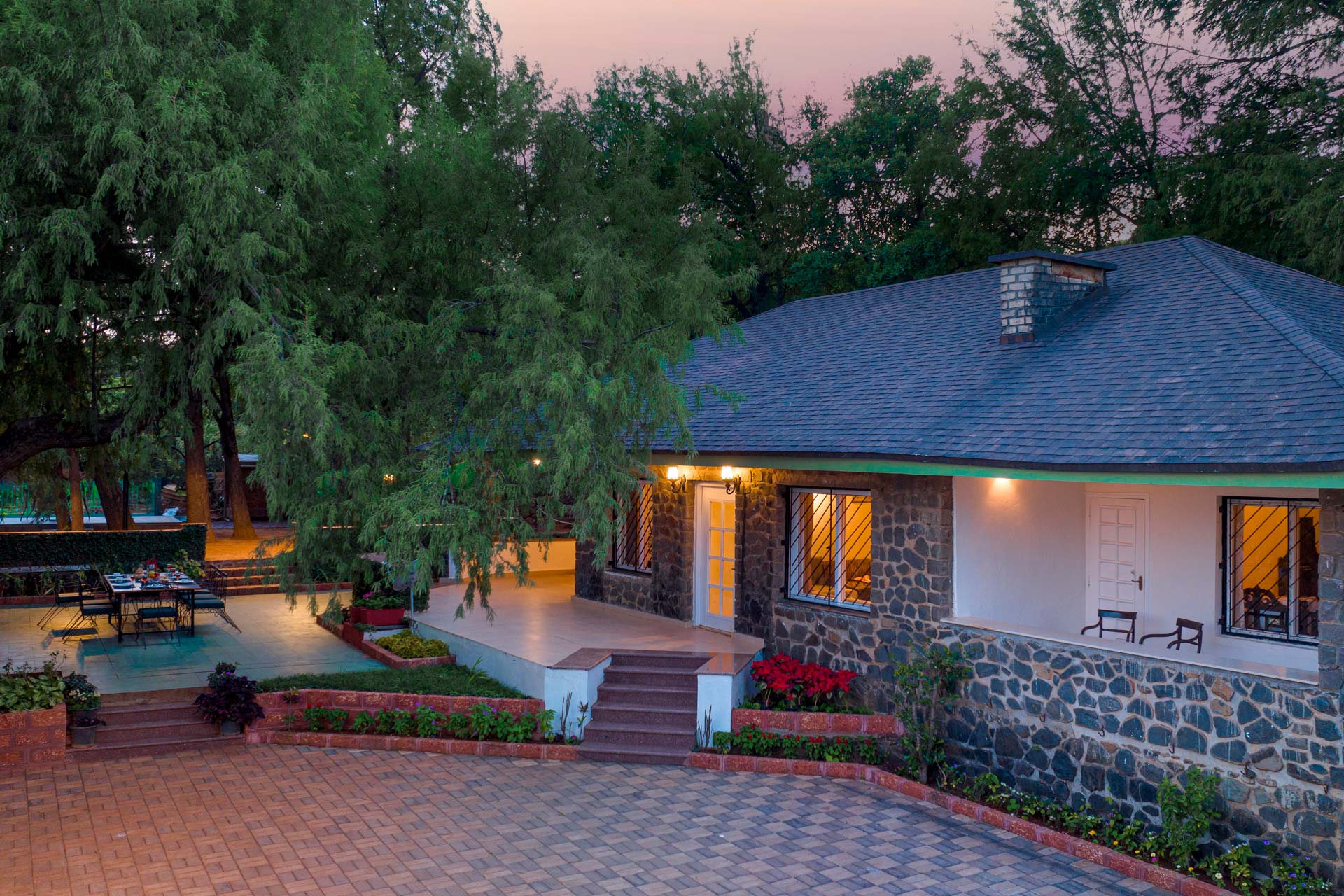
Best Stay In Mahabaleshwar
7. Panchgani – Viewpoints, Table Land, and Old-World Charm

Best for: Families | Distance from Mumbai: ~245 km | Best months: July–August | Crowd level: Medium
Panchgani sits 1,334 metres above sea level and is named for the five hills that surround it. The town is quieter than Mahabaleshwar — narrower streets, older boarding schools, fewer crowds — and the overall atmosphere in the monsoon is more like a colonial hill station than a popular resort town.
Table Land is the main attraction: a 95-acre volcanic basalt plateau that sits above the town and offers 360-degree views of the valleys below. In the monsoon, when the valleys are fully green and clouds drift across the plateau, it’s particularly striking. The plateau is accessible by a short climb from the town centre.
How to reach Panchgani in Monsoon:
By Air: Pune International Airport is the nearest airport, around 102 km away.
By Railway Station: Wathar Railway Station is around 45 km away, while Pune Railway Station offers better connectivity.
By Bus: Regular state transport and private buses connect Panchgani with Pune, Mumbai and Satara.
Places to visit in Panchgani
Sydney Point and Parsi Point are two other viewpoints with dramatic valley views and best places to visit in August in India with family. The strawberry farms that characterise Mahabaleshwar are found here too, and several roadside stalls serve corn on the cob during the rains.
What makes it special in the rains: Table Land in the monsoon, when clouds move across the plateau and the wind picks up, is one of those rare experiences where the landscape feels cinematic.
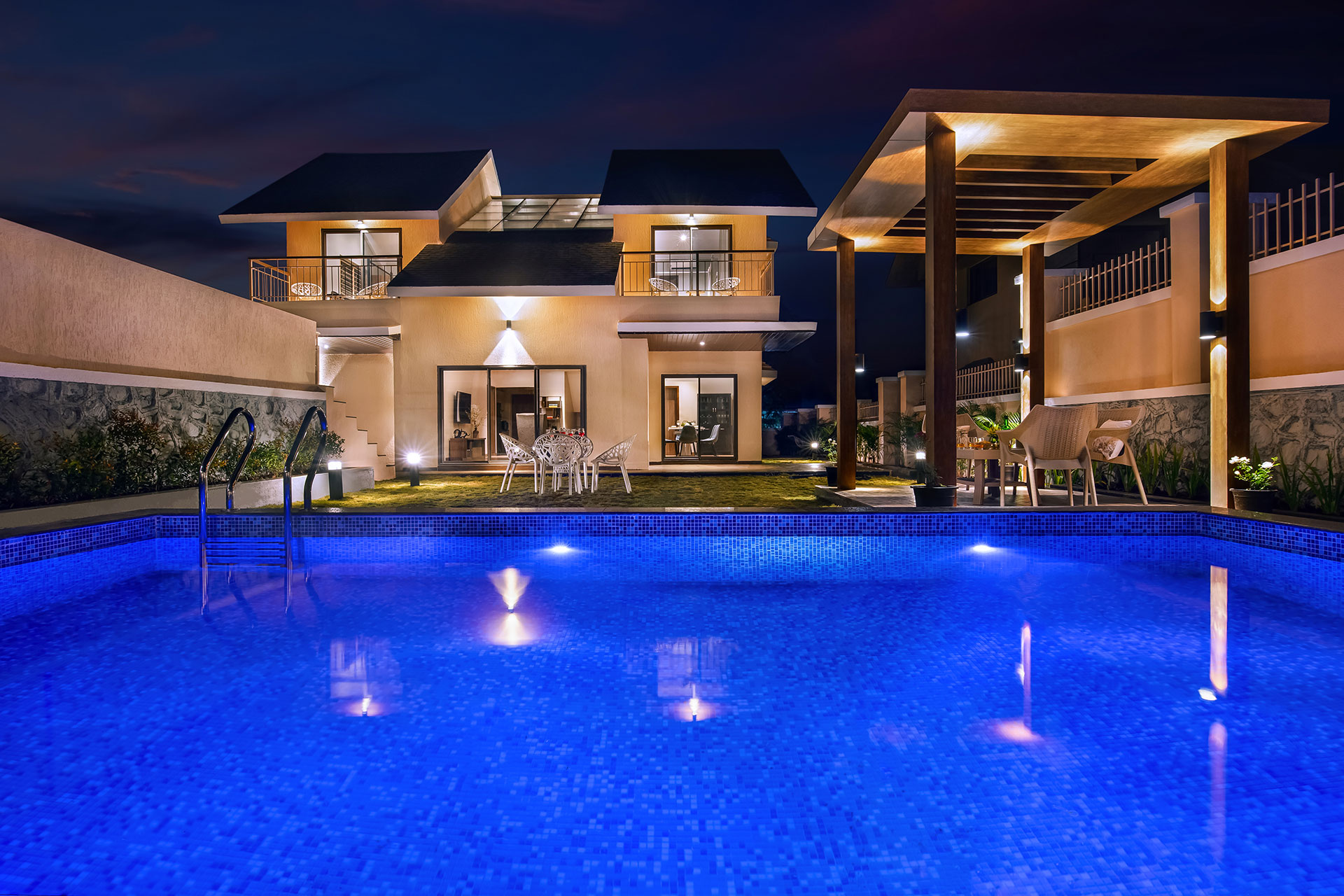
A villa in Panchgani provides excellent valley views.
8. Rajmachi Fort – Trekking Through the Monsoon

Best for: Trekkers | Distance from Mumbai: ~83 km | Best months: June–August | Crowd level: Medium
Rajmachi is one of the best place to visit in monsoon in Maharashtra for treks, and it’s accessible from Lonavala — which means you can combine it with a wider trip to the Lonavala–Khandala area. The trek from Udhewadi village takes about 2.5 hours to reach the twin forts of Shrivardhan and Manaranjan at the top.
During the monsoon, the trail passes through lush forest with waterfalls on either side. The fort walls at the top are covered in green moss, and the views over the Sahyadris — when the clouds clear briefly — are extraordinary. Clouds often sit below the fort level, creating the visual impression of floating above them.
There’s a village at Rajmachi with basic accommodation, which allows you to stay overnight and catch the early morning view before other trekkers arrive.
How to reach Rajmachi Fort in Monsoon:
By Air: Pune International Airport is the nearest major airport, around 80 to 90 km from the Rajmachi region.
By Railway Station: Lonavala Railway Station is the preferred railhead for the Lonavala route, while Karjat works for the alternate trekking route.
By Bus: Take a bus to Lonavala, then continue by local jeep or trek towards Udhewadi, the Rajmachi base village.
Monsoon note: Rajmachi is particularly scenic during July to September, but the trail becomes slippery and jeep access can be restricted, so check local conditions before starting the trek.
What makes it special in the rains: The monsoon trek to Rajmachi, with waterfalls beside the trail and clouds at fort level, is as good as Maharashtra trekking gets.
Safety note: Wear grip-sole shoes. The trail involves some rock climbing sections that become slippery when wet.
9. Igatpuri – Waterfalls and Valley Views Near Nashik

Best for: Couples, peace seekers | Distance from Mumbai: ~130 km | Best months: July–August | Crowd level: Low
Igatpuri sits in the Sahyadri mountains between Mumbai and Nashik, at about 550 metres above sea level. It’s less talked about than Lonavala but deserves more attention, particularly during the monsoon. The Bhatsa River Valley fills with water and becomes a network of streams and small falls visible from the hills above. The town also has a famous Vipassana meditation centre (Dhamma Giri) that draws long-stay visitors year-round.
The drive from Mumbai on NH3 is itself a highlight during the rains. The ghat section approaching Igatpuri has continuous waterfalls on either side for several kilometres, including Vaitarna Lake views that are particularly striking when full.
How to reach Igatpuri in Monsoon:
By Air: Nashik Airport and Mumbai Airport are the nearest practical airports, with Mumbai offering better flight connectivity.
By Railway Station: Igatpuri Railway Station is the most convenient option and is an important stop on the Central Railway line.
By Bus: Regular MSRTC and private buses connect Igatpuri with Mumbai, Nashik and nearby towns.
Places to visit in Igatpuri
Tringalwadi Fort (a moderate 2-hour trek) and Camel Valley are worth including if you’re spending more than one night. The region is also known for good lake fishing, which is active in the monsoon months.
What makes it special in the rains: The sheer density of waterfalls on the approach roads makes the journey itself the attraction.
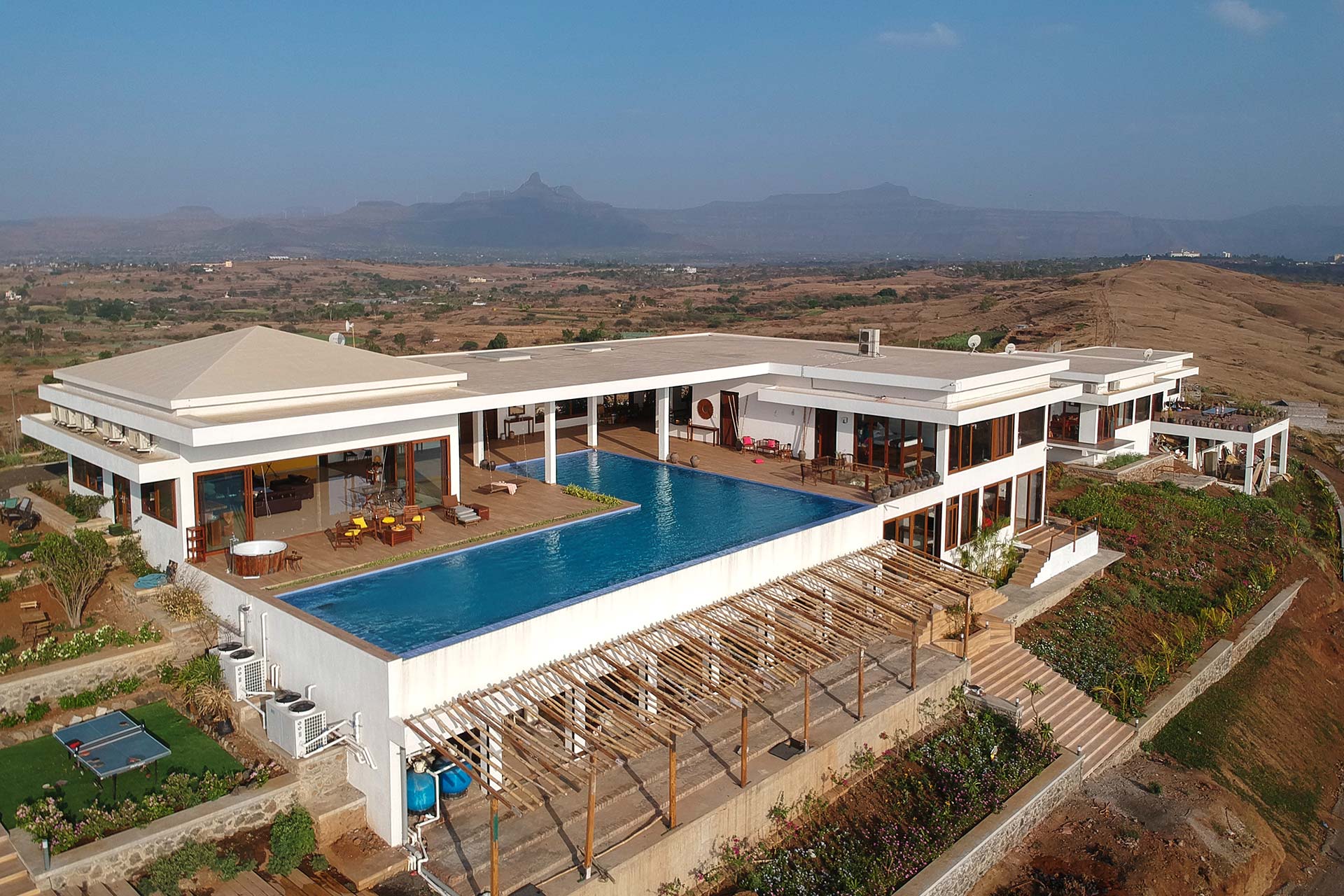
A villa in Igatpuri is a popular stay option.
Read more about: Igatpuri in Monsoon: Kalsubai Base, Bhatsa Valley & Where to Stay
10. Amboli – One of the Best Places in the Rainy Season

Best for: Waterfall lovers | Distance from Mumbai: ~490 km | Best months: July–August | Crowd level: Low
Amboli is the furthest destination on this list from Mumbai, but it’s also the one that arguably offers the most intense monsoon experience in the state. Located in Sindhudurg district near the Goa border, Amboli receives over 7,600mm of annual rainfall — making it one of the wettest places in India. During July and August, waterfalls appear on every hillside, sometimes forming directly on the road.
How to reach Amboli in Monsoon:
By Air: Dabolim Airport in Goa is the nearest airport, around 101 km away.
By Railway Station: Sawantwadi Road Railway Station is the nearest railhead, around 37 km away.
By Bus: MSRTC and private buses connect Amboli with Sawantwadi, Kolhapur, Belgaum and Goa.
Monsoon note: Amboli receives heavy rainfall between June and September, so expect misty conditions and potentially slippery roads.
Places to Visit in Amboli
The main waterfall, Amboli Falls, drops about 690 metres into a valley and is best seen during peak monsoon when the volume is at its highest. Hiranyakeshi River, which originates nearby, flows strongly through the forests. The biodiversity is remarkable — the area is home to multiple endemic species of frogs and birds, and forest walks often yield sightings you don’t find anywhere else in Maharashtra.
The journey from Kolhapur (the nearest major city, 70 km away) is one of the best ghat drives in southern Maharashtra.
What makes it special in the rains: Amboli in July is as close as Maharashtra gets to a rainforest. The constant mist, waterfall noise, and rich green of the forest make it feel far more remote than it actually is.
Read more about: Amboli in Monsoon: Maharashtra’s Highest-Rainfall Hill Station – Waterfalls, Weather & Where to Stay
11. Harishchandragad – A Historic Monsoon Weekend Getaway

Best for: Experienced trekkers | Distance from Mumbai: ~195 km | Best months: July–August | Crowd level: Low
Harishchandragad is not a beginner trek, but for those with experience, it’s one of Maharashtra’s finest — and the monsoon adds a layer of atmosphere that makes it unforgettable. The fort sits at 1,424 metres above sea level in Ahmednagar district and features the Konkan Kada cliff face, a 180-degree concave overhang that drops nearly 1,000 metres into the Konkan plains below.
How to reach Harishchandragad in Monsoon:
By Air: Mumbai and Pune airports are the nearest major airports, followed by a road journey to the trek’s base village.
By Railway Station: Kalyan and Igatpuri are the nearest useful railway stations, depending on the approach route.
By Bus: Take an MSRTC bus towards the relevant base village such as Khireshwar or Pachnai, then continue on foot.
Monsoon note: The approach roads are particularly scenic during monsoon, but the trek can become slippery and demanding, so local weather conditions should be checked before departure.
Places to visit in Harishchandragad
The route from Khireshwar village is the most popular approach, taking about 4–5 hours in good conditions. In the monsoon, the trail passes through dense jungle, multiple stream crossings, and narrow rock-cut steps that require care when wet. The Kedareshwara Cave temple at the top houses a Shiva lingam surrounded by waist-deep water.
What makes it special in the rains: The Konkan Kada view is extraordinary in any season, but with clouds filling the Konkan plains below and occasional breaks in the mist, it’s extraordinary.
Safety note: Go with an experienced guide if it’s your first visit. The trail conditions change significantly with heavy rain.
12. Lavasa – India’s First Planned Hill City

Best for: Families, lakeside walks | Distance from Mumbai: ~60 km | Best months: June–September | Crowd level: Low–Medium
Lavasa, modelled on the Italian town of Portofino, sits on the shores of Warasgaon Lake about 60 km from Pune. It was planned as a private hill city and has a distinctive character — European-style architecture, wide promenades, and a lakeside setting that becomes unusually peaceful during the monsoon.
The lake fills substantially during the rains, and the waterfront promenade — lined with coloured buildings and small cafes — is an easy, pleasant walk in light rain. The surrounding hills provide views of multiple seasonal waterfalls that appear by June. Cycling is available along the lakeside roads.
How to reach Lavasa in Monsoon:
By Air: Pune International Airport is the nearest airport, around 65 km away.
By Railway Station: Pune Railway Station is the nearest major railhead, after which Lavasa must be reached by road.
By Bus: State transport buses operate between Pune and Lavasa, with taxis also available for the final journey.
What makes it special in the rains: Lavasa in the monsoon is almost empty of the weekend crowds it draws in winter. The lakeside, the rain, and the hills behind make it feel like a quiet European town rather than a day-trip destination.
13. Sinhagad Fort – History One Hour from Pune

Best for: History lovers, day trips from Pune | Distance from Mumbai: ~180 km | Best months: June–September | Crowd level: High
Sinhagad’s name means ‘Lion Fort’, and it earned that name through the legendary battle of 1670 in which Tanaji Malusare, a commander in Chhatrapati Shivaji Maharaj’s army, scaled the fort’s near-vertical rock face at night to take it from Mughal control. The fort is now one of the most visited historical sites near Pune.
During the monsoon, Sinhagad turns deep green. The plateau inside the fort walls is covered in grass and wildflowers, and the views over Khadakwasla Lake below — which fills by July — are spectacular. The descent into the valley shows cascading streams on all sides.
The fort is accessible both by a road (with a toll) and a 45-minute trek. The trek is recommended during the monsoon for the full hillside experience. Local stalls on top serve pitla-bhakri and buttermilk that taste significantly better at altitude in the rain.
How to reach Sinhagad Fort in Monsoon:
By Air: Pune International Airport is around 47 km from Sinhagad Fort.
By Railway Station: Pune Railway Station is the nearest major railhead, around 40 km away.
By Bus: Take a bus from Pune towards the Sinhagad foothills, then use local transport or trek to the fort.
What makes it special in the rains: The combination of history, green plateau views, Khadakwasla Lake below, and very good local food makes Sinhagad a near-perfect half-day monsoon trip from Pune.
14. Torna Fort – Where Shivaji’s Empire Began

Best for: Trekkers, history buffs | Distance from Mumbai: ~200 km | Best months: July–August | Crowd level: Medium
Torna Fort holds a specific place in Maharashtra’s history: it was the first fort captured by the 16-year-old Chhatrapati Shivaji Maharaj in 1646, and its capture is considered the beginning of the Maratha Empire. At 1,403 metres above sea level, Torna is also one of the highest forts in Maharashtra.
The trek from Velhe village takes about 3 hours and climbs steeply through dense vegetation in the monsoon. Two sections require the use of fixed ropes. The summit in the rain is dramatic — the fort ruins emerge from cloud cover, and in clear moments, the views extend to Rajgad and Sindhudurg forts in the distance.
How to reach Torna Fort in Monsoon:
By Air: Pune International Airport is the nearest major airport, followed by a road journey to Velhe village.
By Railway Station: Pune Junction is the nearest major railway station, after which travellers can continue by road to Velhe.
By Bus: MSRTC and private buses operate from Pune’s Swargate Bus Stand to Velhe, the trek starting point.
Monsoon note: Torna becomes lush and misty during monsoon, but its steep trails can become slippery and challenging.
What makes it special in the rains: Arriving at Torna’s summit through rain and mist makes it one of the best places to visit in August in Maharashtra, with the ancient walls appearing from the clouds, is among Maharashtra’s more historically charged trekking experiences.
15. Karnala – The Bird Fort

Best for: Birdwatchers, light trekkers | Distance from Mumbai: ~65 km | Best months: June–September | Crowd level: Low
Karnala is one of the closest monsoon destinations to Mumbai and one of the least explored, given how accessible it is. The Karnala Bird Sanctuary covers over 4 square kilometres around the historic Karnala Fort, with over 150 bird species recorded — the number rises during monsoon migration months.
The trek to Karnala Fort takes about 45 minutes and is suitable for beginners. The trail passes through thick forest that comes fully alive in the rains — a dense canopy, birdcalls from multiple directions, and the scent of wet earth. The fort’s characteristic needle-like pinnacle is visible from the Pune-Mumbai Expressway.
How to reach Karnala in Monsoon:
By Air: Chhatrapati Shivaji Maharaj International Airport in Mumbai is the nearest major airport, followed by a road journey to Karnala.
By Railway Station: Panvel Railway Station is the nearest convenient railhead, around 10 to 15 km from Karnala Fort.
By Bus: From Panvel Bus Depot, take an MSRTC bus towards Pen that stops near Karnala, followed by a short walk to the sanctuary.
What makes it special in the rains: Karnala rewards an early start. The birdwatching between 6–9 AM in the monsoon is exceptional, and the forest at that hour is genuinely quiet and beautiful.
16. Alibaug – Coastal Maharashtra in the Rain

Best for: Beach lovers, groups | Distance from Mumbai: ~95 km | Best months: June–August | Crowd level: Medium
Alibaug is primarily known as a beach destination, but the monsoon gives it a different character. The beaches — Alibaug Beach, Kashid, Murud — become quieter and more dramatic, with rough waves and a grey-green sea. The Kolaba Fort, accessible by walking at low tide, is at its most atmospheric in misty, overcast conditions.
How to reach Alibaug in Monsoon:
By Air: Chhatrapati Shivaji Maharaj International Airport in Mumbai is the nearest major airport, around 95 km away.
By Railway Station: Pen Railway Station is the nearest railhead, around 30 km from Alibaug.
By Bus: Regular buses connect Alibaug with Mumbai, Pune and Panvel, with Alibaug Bus Stand serving as the main terminal.
Places to visit in Alibaug
The drive down the Konkan coast — particularly if taken via the coastal route rather than the expressway — is one of Maharashtra’s more scenic drives during the rains. Cashew plantations, rice paddy fields, and roadside waterfalls line the route.
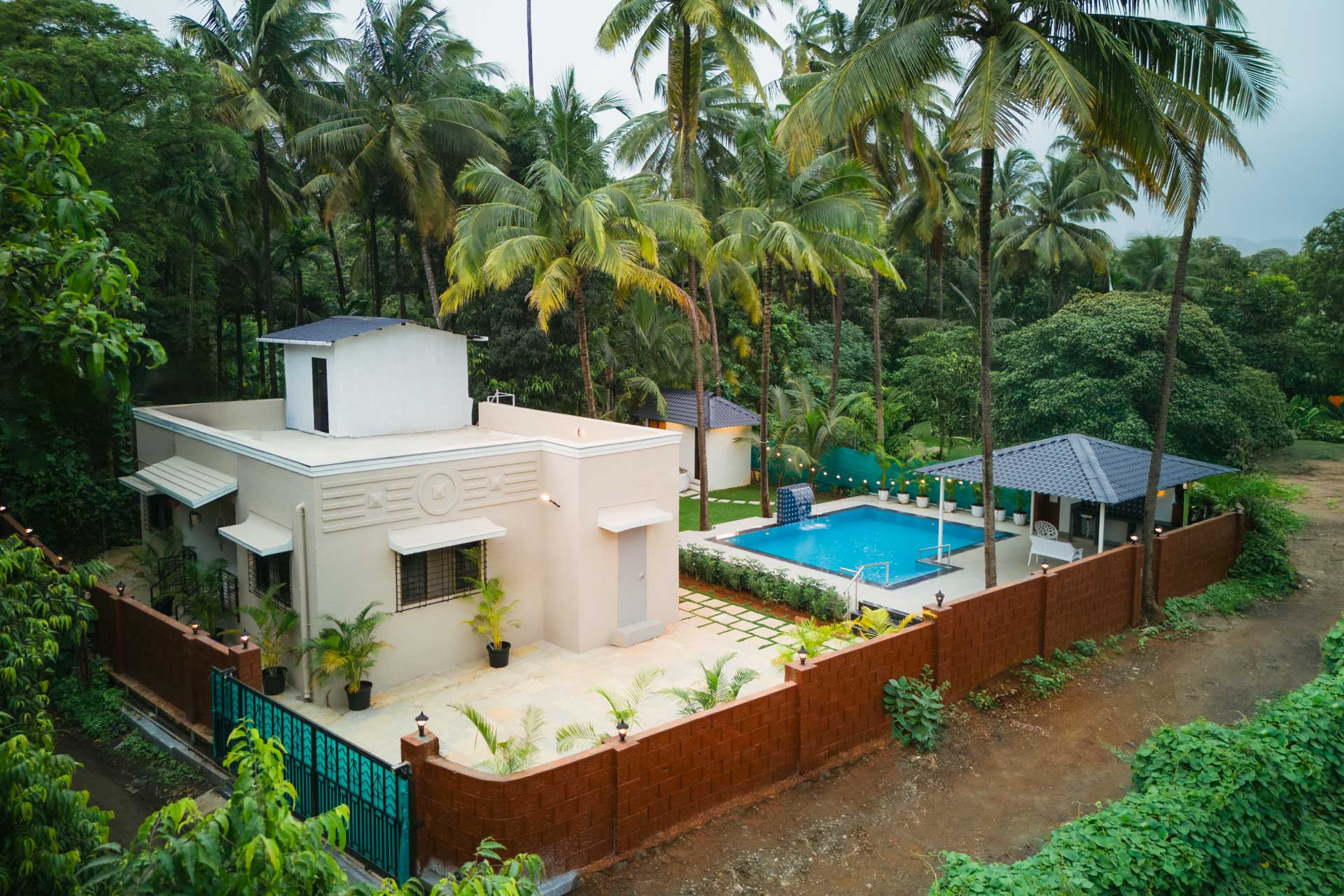
Alibaug is also well-suited to group trips. Villas and bungalows along the coast are popular and offer a different experience from hill-station accommodation — open courtyards, outdoor dining in light rain, and proximity to the sea.
What makes it special in the rains: The combination of empty beaches, a dramatic sea, a historic fort, and Konkan coastal food (fresh seafood, sol kadhi, rice-based dishes) makes Alibaug a strong monsoon option for those who prefer coast to hills.
A villa in Alibaug is a popular choice.
Read more about: 12 Things to Do in Alibaug in Monsoon: Forts, Beaches & Sea-View Villas
17. Tadoba Zone – Wildlife in the Rains

Best for: Wildlife enthusiasts | Distance from Mumbai: ~590 km | Best months: June–September | Crowd level: Low
Core zone reopened on 1 October 2026 after the 30 June–30 September monsoon break, so you can now do core safaris again (buffer safaris also continue). Post-monsoon forests are lush with abundant water, and early-morning/evening sightings are strong. Jeep safari ~₹5,000/vehicle (up to 6), camera fee ₹250; book only via the official portal. Full guide: Tadoba tiger safari 2026.
How to reach Tadoba in Monsoon:
By Air: Dr. Babasaheb Ambedkar International Airport in Nagpur is the nearest major airport, around 140 km away.
By Railway Station: Chandrapur Railway Station is the closest major railhead, around 45 km from the reserve.
By Bus: State transport buses and private vehicles connect Chandrapur and Chimur with the various Tadoba entry gates.
Monsoon note: The reserve becomes lush during July to September, but safari operations can be restricted because of heavy rainfall. Check gate and safari availability before travelling.
What makes it special in the rains: For those who’ve done Tadoba in summer, the monsoon version is completely different. The forest looks like a different place.
18. Bhimashankar – Temple Forest and Rare Wildlife

Best for: Pilgrims, forest walkers | Distance from Mumbai: ~200 km | Best months: June–September | Crowd level: Medium
Bhimashankar houses one of the twelve Jyotirlinga shrines in India — a fact that gives it a constant stream of pilgrims year-round. But its other identity, as one of Maharashtra’s most important forest sanctuaries, is less widely known. The Bhimashankar Wildlife Sanctuary protects the rare Indian Giant Squirrel and a rich diversity of birds, and the monsoon is the best time to see the forest in full health.
The trek from Khandas village (about 3 hours) passes through increasingly dense forest with multiple stream crossings. The forest around the temple stays cool and misty during the rains. The Shidi Ghat route is steeper and more adventurous for those seeking a challenge.
How to reach Bhimashankar in Monsoon:
By Air: Pune International Airport is the nearest major airport, around 120 to 125 km away.
By Railway Station: Pune Railway Station is the most practical railhead, although Karjat can be used for certain routes.
By Bus: Regular MSRTC buses operate from Pune to Bhimashankar, with private vehicles also using the Pune Manchar Bhimashankar route.
Monsoon note: June to August brings heavy greenery and waterfalls, but trekking trails become slippery, so sturdy footwear is essential.
What makes it special in the rains: The combination of an important Shiva temple surrounded by thick monsoon forest, with the chance of spotting Indian Giant Squirrels, makes Bhimashankar one of best places to visit in July August.
Read more about: Bhimashankar in Monsoon: Jyotirlinga Trek + 8 Spots Near Pune
19. Panhala Fort – The Hilltop Stronghold of Kolhapur

Best for: History lovers | Distance from Mumbai: ~384 km | Best months: July–August | Crowd level: Low
Panhala Fort sits 20 km from Kolhapur at 3,100 feet above sea level and has one of the most dramatic histories of any fort in Maharashtra. It was Chhatrapati Shivaji Maharaj’s main residence for several years, and the site of the legendary Pavan Khind battle in which Baji Prabhu Deshpande held a mountain pass with 300 men so that Shivaji could escape Mughal pursuit.
The fort is large enough to explore for several hours. It has three gates, a large granary, and multiple bastions with good views over the surrounding countryside. During the monsoon, the hills below the fort turn completely green, and clouds often sit below the fort level, giving it the characteristic ‘floating fort’ look that Maharashtra’s mountain fortresses are famous for.
How to reach Panhala Fort in Monsoon:
By Air: Kolhapur Airport is the nearest airport, around 35 km away.
By Railway Station: Kolhapur Railway Station is the nearest major railhead, around 20 km away.
By Bus: Regular buses operate from Kolhapur to Panhala, making it the most convenient public transport option.
What makes it special in the rains: Panhala, combined with a trip to Kolhapur — known for its temples, Kolhapuri chappals, and distinctive cuisine — makes for one of Maharashtra’s more satisfying longer weekend trips.
20. Chikhaldara – Maharashtra’s Only Coffee-Growing Hill Station

Best for: Wildlife, off-beat travel | Distance from Mumbai: ~700 km | Best months: July–September | Crowd level: Low
Chikhaldara is Maharashtra’s only officially recognised hill station in the Vidarbha region — the central part of the state that most travellers skip entirely. It sits inside the Melghat Tiger Reserve at 1,200 metres above sea level and is associated with the Mahabharata (Bhima is said to have thrown Keechak from these hills, giving the place its name).
It’s the furthest destination on this list from Mumbai, but for those who want to go somewhere genuinely offbeat, Chikhaldara rewards the journey. The Melghat forest is one of India’s oldest tiger reserves, and the monsoon brings the forest fully to life. Coffee plantations add an unusual element — this is one of the very few places in Maharashtra where coffee is grown.
How to reach Chikhaldara in Monsoon:
By Air: Dr. Babasaheb Ambedkar International Airport in Nagpur is the nearest major airport, around 230 km away.
By Railway Station: Badnera Junction is the nearest major railhead, around 110 km away, with Amravati also serving as a useful option.
By Bus: State-run and private buses connect Chikhaldara with Amravati, Nagpur and Akola.
Monsoon note: Chikhaldara is particularly scenic during the rains, but heavy showers can affect road conditions, so allow extra travel time.
Place to Visit in Chikhaldara
Gavilgad Fort, overlooking the reserve, offers good views and historical interest. The Panzara River flows strongly through the valley below during the monsoon.
What makes it special in the rains: Chikhaldara is one of those rare destinations that hasn’t been overrun. The forest, the altitude, and the complete absence of the usual hill-station crowd make it feel like a genuine discovery.
Best Monsoon Places in Maharashtra: Which One Should You Choose?
Choosing the Best place to visit in the monsoon in Maharashtra depends on interests.
- For waterfalls, Malshej Ghat and Amboli are excellent.
- For forts, Rajmachi, Sinhagad, Torna, and Panhala stand out.
- For family trips, Mahabaleshwar, Panchgani, and Lonavala remain strong choices.
- For quieter holidays, Bhandardara and Chikhaldara are worth considering.
Monsoon Weekend Getaways for Families and Couples
- Many of these destinations are suitable for short trips from Mumbai and Pune.
- Families often prefer Mahabaleshwar, Panchgani, and Lonavala because of easy accessibility.
- Couples frequently choose Bhandardara, Igatpuri, and Amboli for their peaceful atmosphere.
Conclusion: Best Places to Visit in Maharashtra During Monsoon 2026
The monsoon season reveals a side of Maharashtra that many people miss during other months. Waterfalls become active, forts stand among clouds, lakes fill with fresh rainwater, and hill stations become more appealing.
Whether someone is planning a quick weekend trip or a longer holiday, these places to visit in rainy season in Maharashtra provide something for every kind of visitor. From historic forts to scenic hill stations, the Top 20 tourist places in Maharashtra show why the state remains one of India’s strongest destinations during the rainy season.
FAQs
There’s no single answer, but if you had to choose one, Mahabaleshwar offers the most complete experience: reliable access from Mumbai and Pune, stunning viewpoints, a pleasant town, and good accommodation options. For something more dramatic and less crowded, Malshej Ghat is the pick.
The southwest monsoon typically arrives in coastal Maharashtra (Mumbai, Konkan) by June 10–15. It reaches Pune by June 15–20 and the rest of the state by late June. Peak rainfall months are July and August. The rains taper off in September and largely withdraw by early October.
Yes, with preparation. Wear grip-sole footwear, avoid trekking alone, carry more water than you think you’ll need, check weather forecasts before departure, and avoid starting late in the day. Most well-known trails (Rajmachi, Sinhagad, Karnala) are safe with basic precautions. Harishchandragad and Torna require more experience.
Mahabaleshwar, Panchgani, Lonavala, and Lavasa are the most family-friendly. These have road access (no trekking required to see the highlights), good accommodation options, and enough to do across two days without needing to manage difficult terrain.
Karnala (1.5 hrs), Lonavala (2 hrs), Khandala (2 hrs), Malshej Ghat (3 hrs), and Igatpuri (2.5 hrs) are all excellent options within a comfortable drive. Alibaug is also accessible via the Ro-Ro ferry from Mandwa, which cuts the journey to about 2 hours.
Most forts are accessible, but some trekking routes become slippery and require more care. Sinhagad and Panhala are drivable, which makes them suitable for non-trekkers. Rajmachi, Torna, and Harishchandragad are trek-only and require appropriate footwear and reasonable fitness. Always check local advisories if there’s been heavy rainfall the night before.
Kaas Plateau is best between mid-September and mid-October, when the wildflowers bloom after the monsoon rains. The season closes on 19 October and the bloom is already thinning in early October, with most flowers gone by the final week. If you want the wildflower carpet, go in the first half of the month and book kas.ind.in in advance for weekends.
Ghat roads can be temporarily closed after very heavy rainfall, particularly on routes like Malshej Ghat and Amba Ghat. Check Maharashtra traffic police updates or local news on the morning of your departure. The main expressways (Pune Expressway, Nashik Highway) are reliable year-round.