
Bhimashankar in Monsoon: Jyotirlinga Trek + 8 Spots Near Pune

Some destinations become more memorable when rain arrives, and Bhimashankar is one of them. Hidden within the Sahyadri hills of Maharashtra, Bhimashankar combines spirituality, forests, mountain trails, waterfalls, and one of India’s most important Shiva temples. During the monsoon, the journey feels very different from the rest of the year. Clouds move across the hills, streams appear beside trekking routes, and the forests around the temple become richer in colour.
What makes Bhimashankar in Monsoon particularly special is that visitors do not have to choose between a pilgrimage and an outdoor experience. The destination brings both together. It is one of the twelve Jyotirlingas of Lord Shiva, yet it is also considered one of the most rewarding trekking destinations near Pune. For people looking for a meaningful rainy-season trip in 2026, Bhimashankar provides a combination that is difficult to find elsewhere.
Bhimashankar in Monsoon is among the most popular pilgrimage and trekking destinations near Pune. Visitors can complete the Bhimashankar trek, visit the Jyotirlinga temple, and explore waterfalls, forests, and historic sites nearby. The Bhimashankar trek for monsoon 2026 usually takes 3–5 hours, depending on the route, and remains one of the Best monsoon treks near Pune with a Jyotirlinga temple.

In this Blog
Bhimashankar in Monsoon: Why It Feels Different
During the rainy season, Bhimashankar changes dramatically. The wildlife sanctuary surrounding the temple becomes greener, seasonal waterfalls appear across the hills, and the mountain trails gain a fresh atmosphere.
An interesting fact often missed by visitors is that Bhimashankar is not only a temple destination but also part of a protected wildlife sanctuary that is home to the Indian Giant Squirrel, Maharashtra’s state animal. Spotting one during the monsoon is considered a highlight for many visitors.
Unlike many hill destinations where the main attraction is a viewpoint, Bhimashankar combines forest trails, spiritual importance, and mountain scenery in one location.
Bhimashankar Trek for Monsoon 2026: What Makes It Special
The Bhimashankar trek remains one of Maharashtra’s most recognised trekking experiences. The trail passes through forests, rocky sections, streams, and open viewpoints before reaching the temple.
What makes the trek unique is the final reward. Unlike many trekking routes that end at a viewpoint, this one ends at a sacred Bhimashankar temple visited by devotees from across the country.
For those searching for the Best monsoon trek near Pune with a Jyotirlinga temple, Bhimashankar is usually at the top of the list because it combines both experiences naturally.
Ganesh Ghat vs Shidi Ghat: Which Route Is Better?
One of the biggest decisions during the Bhimashankar trek is choosing between Ganesh Ghat and Shidi Ghat.
Ganesh Ghat is generally considered the easier route. The path is longer but more gradual, making it suitable for beginners and families. The route passes through forest sections and open stretches that are particularly attractive during the monsoon.
Shidi Ghat is the more adventurous option. It includes steep rock sections and ladders, which is where the route gets its name. This path is shorter but physically more demanding. Trekkers looking for a challenge often prefer Shidi Ghat.
For most first-time visitors during the rainy season, ascending through Ganesh Ghat and descending through Shidi Ghat is often considered the most balanced experience.
Trek Difficulty and Trek Duration for Bhimashankar Trek
Understanding the trek difficulty and trek duration helps visitors plan better.
The Ganesh Ghat route is generally classified as moderate. Most people complete the climb in around 3–4 hours, depending on fitness levels.
The Shidi Ghat route is considered moderately difficult because of its steep sections and ladders. The climb usually takes between 2.5 and 4 hours.
During the monsoon, extra time should be kept because wet surfaces can slow progress.
Jyotirlinga Temple Timings for Bhimashankar in Monsoon
Knowing the Jyotirlinga temple timings is important for anyone planning a trek and temple visit on the same day.
Current schedules generally begin with Kakad Aarti at 4:30 AM, while darshan starts early in the morning and continues until approximately 9:30 PM with breaks during specific rituals. Many devotees prefer early morning visits because queues are usually shorter.
The commonly followed Bhimashankar Jyotirlinga Darshan timings are approximately 4:30 AM to 9:30 PM, though festival schedules may vary.
How to Reach Bhimashankar in Monsoon
Reaching Bhimashankar from Pune is relatively easy.
By road, the Bhimshankar temple location is around 110–125 km from Pune, depending on the route. Most visitors travel via Rajgurunagar and Manchar before entering the ghat section leading to the temple.
Those planning the Bhimashankar trek usually begin from Khandas village, which serves as the base point for both Ganesh Ghat and Shidi Ghat routes.
During the monsoon, starting early is recommended because weather conditions can change throughout the day.
Places to Visit Near Bhimashankar
- Gupt Bhimashankar: Among the most interesting places to visit near Bhimashankar is Gupt Bhimashankar. Local traditions associate it with the origin of the Bhima River. The route passes through forest sections and is often combined with the temple visit.
Things to do in Gupt Bhimashankar include nature walks, photography, and observing the river source.
- Nagphani Point: Nagphani Point is one of the highest viewpoints in the area. The rock formation resembles a cobra’s hood, which gives it its name.
Things to do in Nagphani Point include hiking and enjoying valley views.
- Hanuman Lake: Hanuman Lake is a peaceful stop surrounded by forest. During the monsoon, the water levels rise, and the area becomes particularly attractive.
Things to do in Hanuman Lake include walking and photography.
- Bhimashankar Wildlife Sanctuary: The sanctuary is one of the most overlooked attractions in the region. Visitors often focus only on the temple and miss the rich biodiversity around it.
Things to do in Bhimashankar Wildlife Sanctuary include birdwatching and wildlife observation.
- Shivneri Fort: Among the best places to visit between Pune and Bhimashankar, Shivneri Fort holds great historical significance as the birthplace of Chhatrapati Shivaji Maharaj.
Things to do in Shivneri Fort include exploring historical structures and enjoying the views.
- Lenyadri Caves: Lenyadri combines history, spirituality, and mountain scenery. The cave complex is one of the Ashtavinayak temples and makes a worthwhile stop.
Things to do in Lenyadri include cave exploration and temple visits.
- Ozar: Ozar is another important Ashtavinayak destination located near the route to Bhimashankar. Its temple architecture attracts many visitors.
Things to do in Ozar include temple visits and local sightseeing.
- Dimbhe Dam: Dimbhe Dam becomes particularly attractive during the rainy season. The surrounding hills and overflowing water create a memorable setting.
Things to do in Dimbhe Dam include photography and scenic drives.
Stay Options
Visitors can choose from homestays, lodges depending on their budget and preferences.
Many visitors prefer staying overnight because the early morning atmosphere around the temple and forests is often considered the best part of the experience.
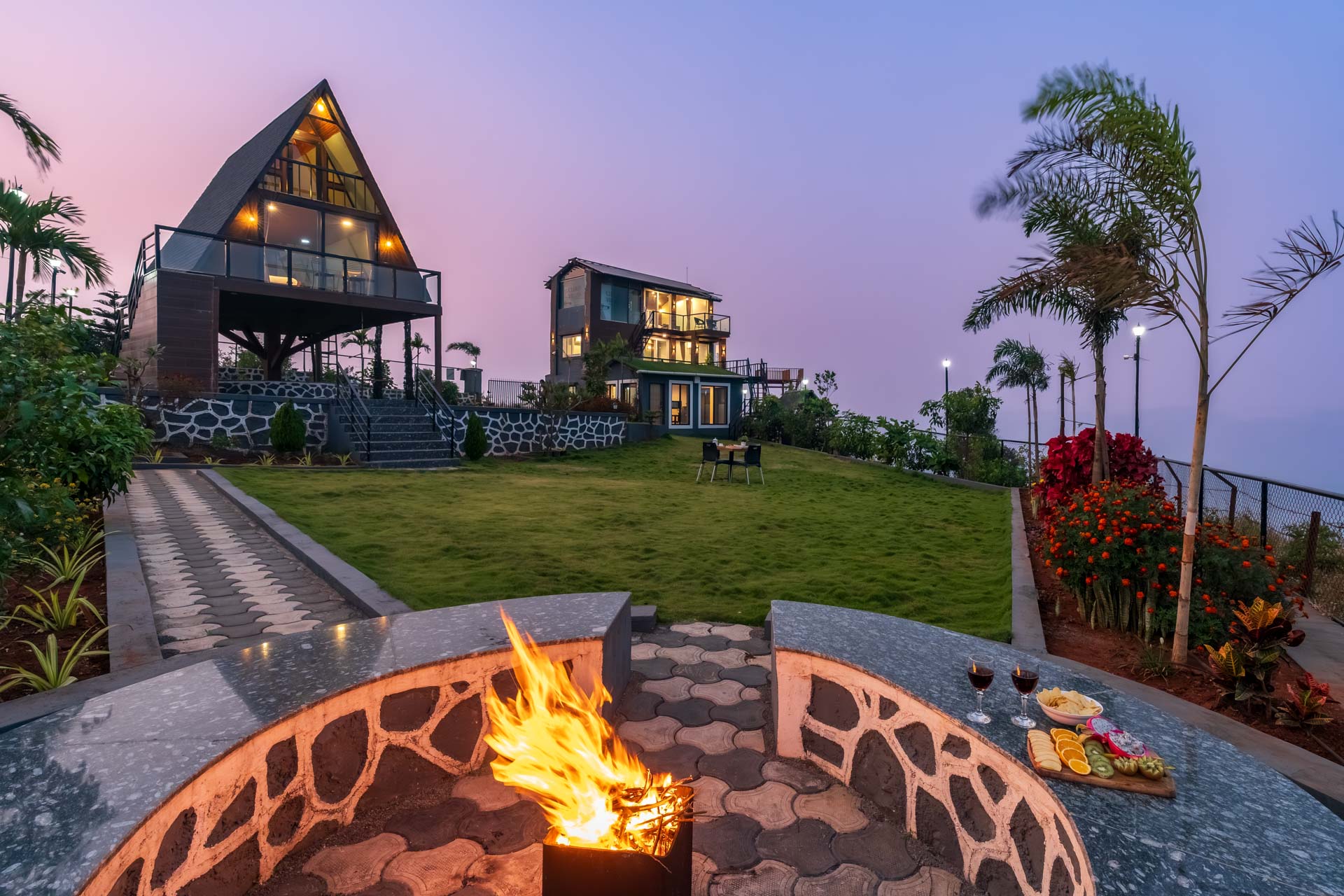
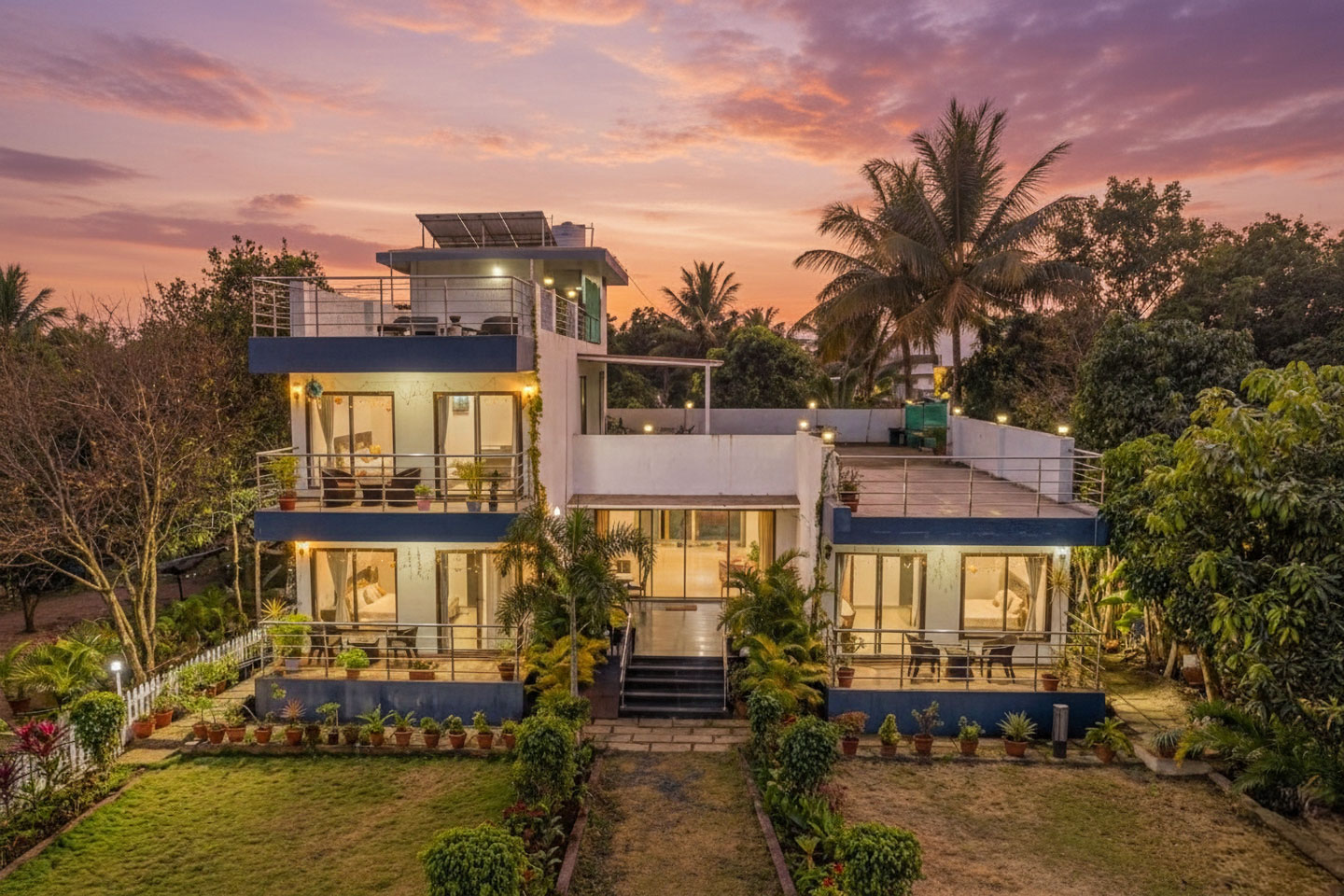
Best Stay in Pune under 5000/-
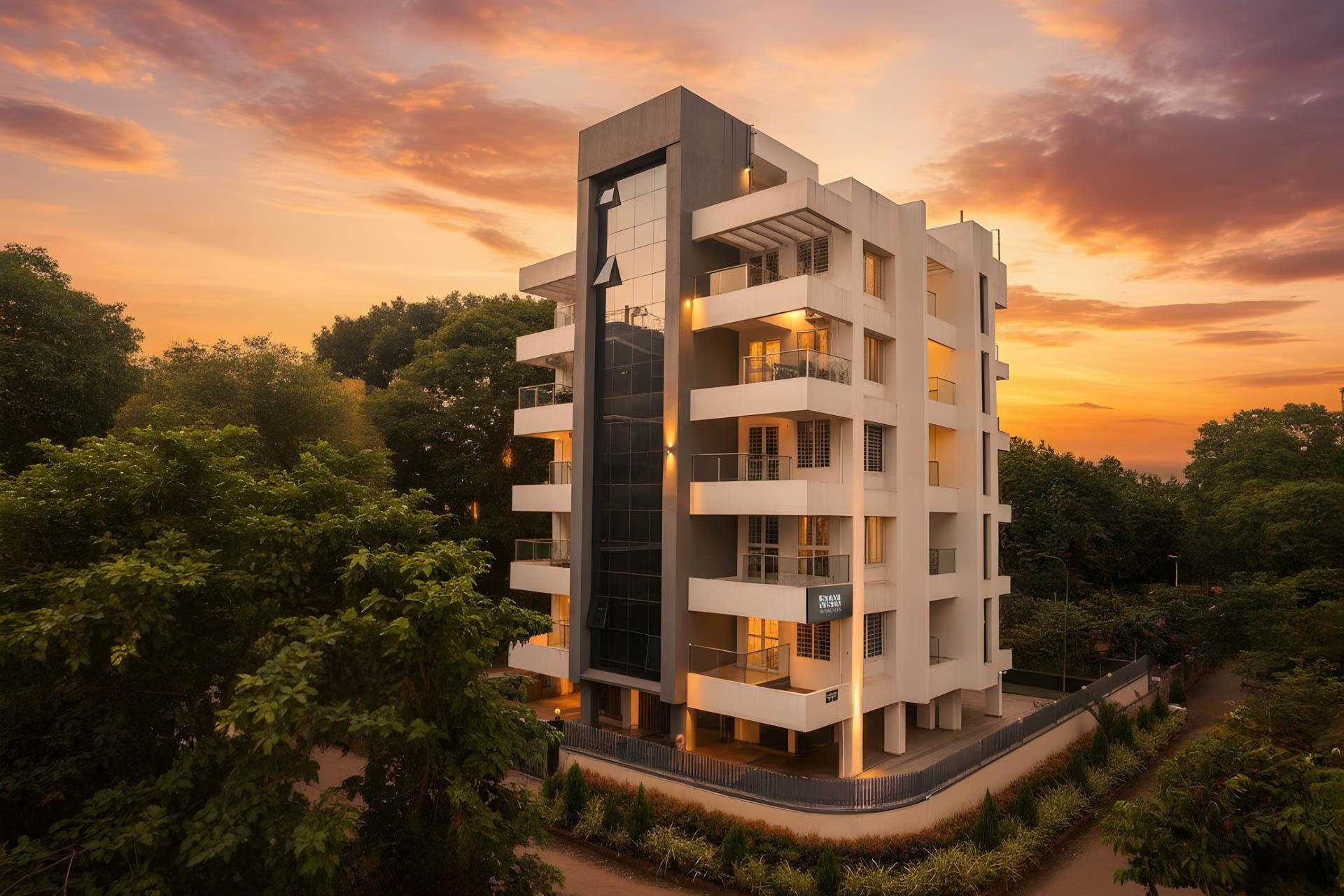
Best Stay’s In Pune
Why Bhimashankar in Monsoon Should Be on Every Maharashtra Itinerary
Bhimashankar in Monsoon is much more than a temple visit. It combines one of India’s most sacred Jyotirlingas with a rewarding mountain trek, wildlife experiences, waterfalls, and historical attractions nearby.
Whether someone chooses the Bhimashankar trek, compares Ganesh Ghat vs Shidi Ghat, or plans to visit the many places to visit near Bhimashankar, the destination delivers a balanced mix of adventure and spirituality. For 2026, it remains one of the strongest choices for anyone looking for a meaningful rainy-season journey close to Pune.
FAQs
Yes, the trek in the monsoon is generally safe when proper footwear and precautions are used. Visitors should follow local advice and weather updates.
In the Ganesh Ghat vs Shidi Ghat comparison, Ganesh Ghat is easier, while Shidi Ghat is more adventurous.
The trek difficulty ranges from moderate to moderately difficult. The trek duration is usually between 3 and 5 hours, depending on the route.
The commonly followed Jyotirlinga temple timings are approximately 4:30 AM–9:30 PM.
Many trekkers consider it the Best monsoon trek near Pune with a Jyotirlinga temple because of its combination of trekking and spirituality.
Gupt Bhimashankar, Nagphani Point, Hanuman Lake, and Dimbhe Dam are among the most popular places to visit near Bhimashankar.
Shivneri Fort, Lenyadri, and Ozar are among the best places to visit between Pune and Bhimashankar.
Yes. The Ganesh Ghat route is often recommended for first-time trekkers attempting the Bhimashankar trek for monsoon 2026.