

Religious Tourism in Uttarakhand: 10 Sacred Himalayan Sites That Define Spiritual Travel
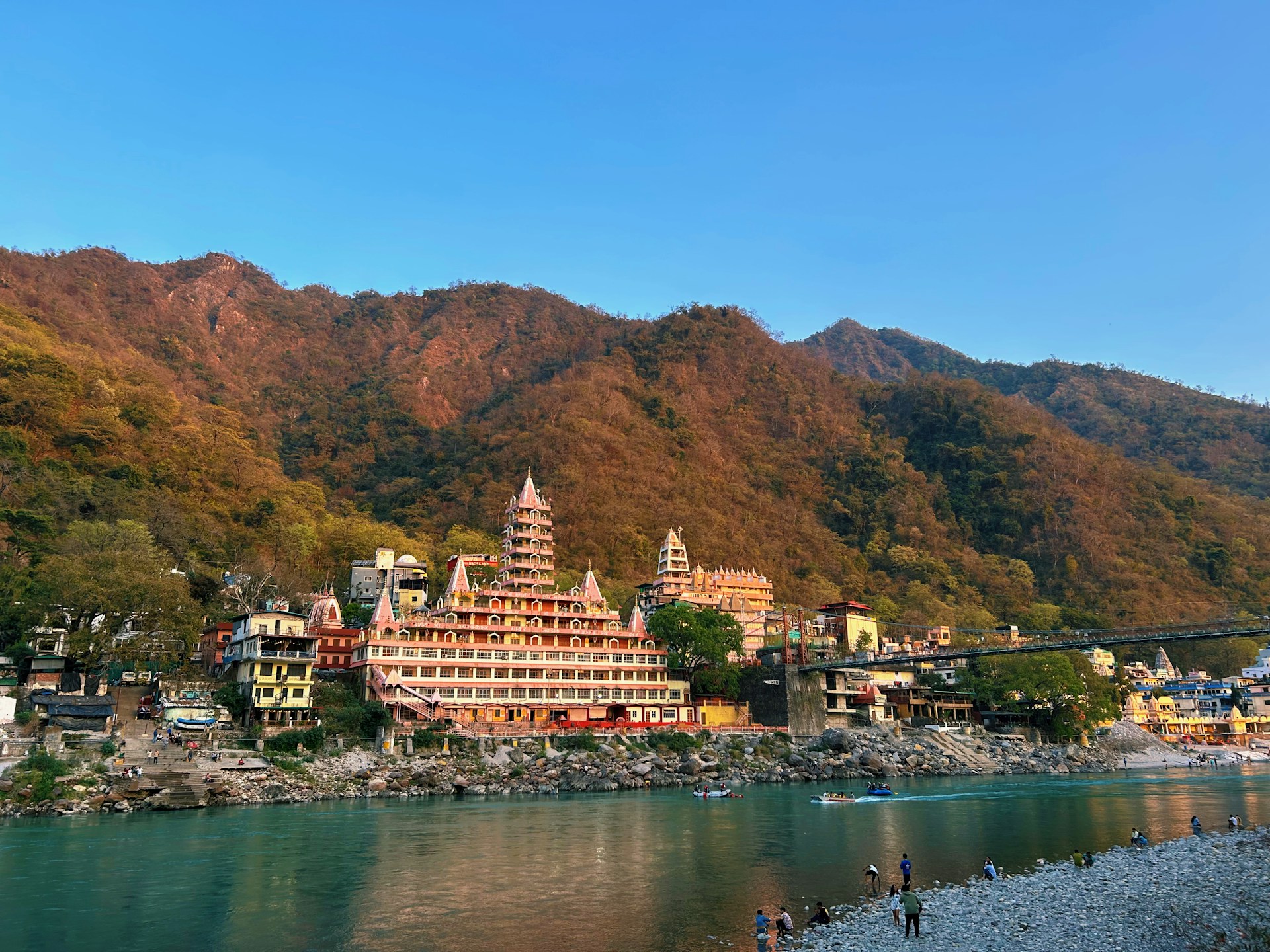
Uttarakhand is called Dev Bhoomi (land of the gods) for a reason — it holds the Char Dham Yatra (Kedarnath, Badrinath, Gangotri, Yamunotri), the Panch Prayag sacred Ganga confluences, Sikh pilgrimage at Hemkund Sahib (4,329 m), and the Haridwar-Rishikesh ritual twin cities where the Ganga meets the plains. Char Dham 2026 is closing in the next 2 to 3 weeks (Yamunotri and Gangotri close on Diwali-Bhai Dooj around November 8-10, 2026; Kedarnath mid-November; Badrinath mid-to-late November). Char Dham 2027 opens approximately May 9, 2027 (Akshaya Tritiya). Online registration at registrationandtouristcare.uk.gov.in is mandatory. This guide covers 10 sacred sites across Char Dham, Panch Prayag, and the Kumaon temple circuit.
From ancient shrines tucked deep into forested valleys to high-altitude temples overlooking snow-lined peaks, religious tourism in Uttarakhand offers a rare blend of faith, landscape, and lived culture. This guide explores ten of the most sacred Himalayan sites while helping travellers understand how pilgrimage tourism fits into a modern Uttarakhand itinerary that balances devotion with discovery.
In this Blog
Quick Info:
| # | Site | District | Altitude | Char Dham status | 2026 close / 2027 open |
|---|---|---|---|---|---|
| 1 | Kedarnath Temple | Rudraprayag | 3,583 m | Char Dham + Jyotirlinga | Close mid-Nov 2026 / open ~May 6-7, 2027 |
| 2 | Badrinath Temple | Chamoli | 3,133 m | Char Dham | Close mid-to-late Nov 2026 / open ~May 10-12, 2027 |
| 3 | Gangotri | Uttarkashi | 3,100 m | Char Dham | Close Nov 9-10, 2026 / open May 9, 2027 (Akshaya Tritiya) |
| 4 | Yamunotri | Uttarkashi | 3,293 m | Char Dham | Close Nov 10, 2026 (Bhai Dooj) / open May 9, 2027 |
| 5 | Hemkund Sahib | Chamoli | 4,329 m | Sikh pilgrimage | Open Jun to Oct annually; closed in winter |
| 6 | Haridwar | Haridwar | 314 m | Pan-India sacred city | Year-round |
| 7 | Rishikesh | Dehradun | 372 m | Yoga and ashram circuit | Year-round |
| 8 | Neelkanth Mahadev | Pauri | 1,330 m | Shiva, poison legend | Year-round |
| 9 | Jageshwar Dham | Almora | 1,870 m | Shiva Jyotirlinga complex (Nagesh) | Year-round |
| 10 | Mukteshwar Dham | Nainital | 2,286 m | Shiva | Year-round |
Why Religious Tourism in Uttarakhand Holds Timeless Significance

Religious tourism in Uttarakhand is rooted in mythology, geography, and centuries of belief. Often referred to as Dev Bhoomi, the land of gods, Uttarakhand is believed to be where sages meditated, rivers descended from heaven, and spiritual paths unfolded through nature itself.
What sets pilgrimage tourism here apart is how seamlessly it integrates with travel. Sacred sites are rarely isolated; they are surrounded by forests, rivers, hill towns, and trails, making it deeply immersive rather than ritualistic alone.
For travellers seeking meaning beyond sightseeing, this form of religious tourism becomes both introspective and experiential.
How to Reach the Char Dham and Pilgrimage Sites
By air: Jolly Grant Airport (IATA: DED), Dehradun, is the main gateway. Approximately 25 km from Rishikesh. Direct flights from Delhi (~1 hour) and other metros via IndiGo, SpiceJet, and Alliance Air.
By train: Haridwar (HW) and Rishikesh (RKSH) are the main railheads. The New Delhi-Dehradun Vande Bharat Express covers Delhi to Dehradun in approximately 4.5 hours.
By road: Delhi to Haridwar is approximately 220 km, 5 to 6 hours via NH-334. Delhi to Rishikesh approximately 240 km. Overnight Uttarakhand Roadways and private buses from ISBT Kashmere Gate run daily.
From Haridwar/Rishikesh to Char Dham:
- Yamunotri (Barkot base, ~210 km from Rishikesh, 7-8 hours drive) + 6 km trek
- Gangotri (direct road to Gangotri town, ~250 km from Rishikesh, 10-12 hours)
- Kedarnath (Gaurikund base, ~215 km from Rishikesh, 7-8 hours) + 16 km trek (helicopter available from Phata)
- Badrinath (direct road, ~295 km from Rishikesh, 10-11 hours)
1. Kedarnath Temple: The Heart of Himalayan Pilgrimage
Among the most revered destinations in religious tourism in Uttarakhand, Kedarnath Temple stands as a symbol of unwavering faith. Dedicated to Lord Shiva, the temple sits at an altitude that commands reverence even before prayer begins.
Pilgrims often describe the journey as transformative, not because it is easy, but because it demands patience and humility. The surrounding peaks, silence, and Mandakini River lend an atmosphere that feels profoundly spiritual.
Kedarnath also anchors the broader Char Dham circuit, a cornerstone of pilgrimage tourism in India.
2. Badrinath Temple: Where Devotion Meets the Alaknanda
Badrinath Temple is central to religious tourism in Uttarakhand and holds deep significance in the Vaishnavite tradition. Located along the Alaknanda River, the temple is framed by snow-clad mountains that seem to guard it year-round.
Beyond worship, Badrinath introduces travellers to the rhythm of Himalayan temple towns, where life moves around aarti timings, seasonal closures, and collective faith.
Many travellers pair this journey with scenic drives such as Chopta to Auli, blending devotion with alpine beauty.
3. Haridwar: The Gateway to Spiritual Uttarakhand
No discussion on religious tourism in Uttarakhand is complete without Haridwar. As one of the holiest cities in India, Haridwar marks the point where the Ganga enters the plains. Mansa Devi Temple, Haridwar. The Shakti Peetha temple on Bilwa Parvat hill above Haridwar, reached by cable car (ropeway) from Har Ki Pauri. Mansa Devi is the wish-granting goddess. Pairs with Chandi Devi Temple (across the Ganga on Neel Parvat) and the main Haridwar temple circuit. Pre-dawn arrival is the strongest window.
The evening Ganga aarti at Har Ki Pauri remains one of the most moving spiritual experiences in the country. Beyond rituals, Haridwar serves as a starting point for journeys like Haridwar to Lansdowne or Haridwar to Mussoorie, making it a natural bridge between pilgrimage tourism and leisure travel.
4. Rishikesh: Spirituality, Yoga, and River Energy

Often associated with yoga and meditation, Rishikesh expands the definition of religious tourism in Uttarakhand. The city blends ancient ashrams with modern spiritual retreats, attracting both pilgrims and global seekers.
Here, faith expresses itself through stillness, learning, and river rituals rather than grand temples alone. Rishikesh also opens doors to activities to do in Uttarakhand, including river walks, meditation retreats, and guided spiritual learning.
5. Gangotri: Source of the Sacred Ganga
Gangotri holds a foundational place in religious tourism in Uttarakhand as the origin point of the River Ganga. Nestled deep in the Himalayas, the temple town carries an energy that feels pure and elemental.
The journey to Gangotri often becomes as meaningful as the destination itself. Pilgrims pass through dense forests and mountain villages, witnessing how faith shapes daily life in the high Himalayas.
6. Yamunotri: A Sacred Beginning in the Western Himalayas
Yamunotri, the source of the Yamuna River, is another pillar of religious tourism in Uttarakhand. Known for its thermal springs and scenic surroundings, the site feels intimate and grounded.
Travellers often combine Yamunotri with nearby Uttarakhand tourist places, creating a journey that balances pilgrimage with natural exploration.
7. Hemkund Sahib: Faith at High Altitude
Hemkund Sahib stands apart for its interfaith significance. Revered by Sikhs and Hindus alike, the gurudwara is set beside a glacial lake at over 4,000 metres.
The trek demands endurance, but the sense of unity and stillness at the top leaves a lasting impression. This site reflects how pilgrimage tourism in Uttarakhand transcends religious boundaries.
8. Neelkanth Mahadev: Shiva’s Mountain Abode
Located near Rishikesh, Neelkanth Mahadev Temple is a quieter yet deeply powerful destination within religious tourism in Uttarakhand. Surrounded by forests, the temple is believed to mark the spot where Lord Shiva consumed poison during the cosmic churning.
Many travellers include Neelkanth Mahadev while exploring places to visit in Uttarakhand that blend spirituality with scenic isolation.
9. Jageshwar Dham: Ancient Stone Temples in Pine Forests
Jageshwar Dham is a cluster of ancient Shiva temples tucked amidst deodar forests near Almora. Its architectural simplicity and natural surroundings make it a hidden gem in religious tourism in Uttarakhand.
Unlike crowded pilgrimage hubs, Jageshwar allows travellers to experience devotion in silence, making it ideal for reflective journeys and slow exploration.
10. Mukteshwar Dham: Spiritual Calm Above the Clouds
Mukteshwar Dham, near Nainital tourist places, is known for its peaceful setting and panoramic views. The temple is dedicated to Lord Shiva and offers a serene spiritual pause away from busy routes.
Many travellers plan routes like Dehradun to Mukteshwar to combine pilgrimage tourism with scenic hill experiences.
Quick Guide: Sacred Routes and Travel Pairings in Uttarakhand
| Route | Why It Works |
| Dehradun to Auli | Spiritual towns paired with alpine landscapes |
| Dehradun to Mukteshwar | Quiet temples and mountain views |
| Dhanaulti to Dehradun | Forest spirituality meets city access |
| Haridwar to Lansdowne | Pilgrimage gateway to hill calm |
| Chakrata to Mussoorie | Remote spirituality blended with heritage |
These routes enhance religious tourism in Uttarakhand by creating journeys rather than single-stop visits.
Things to Do in Uttarakhand Beyond Temple Visits

Religious tourism in Uttarakhand naturally extends into cultural and experiential travel. Travellers often find themselves engaging with the region beyond rituals.
Things to do in Uttarakhand include:
- Attending morning and evening aartis
- Walking forest trails near temple towns
- Visiting local markets around pilgrimage hubs
- Experiencing seasonal festivals tied to temple calendars
These activities add depth to pilgrimage tourism while keeping the journey grounded and human.
Panch Prayag: The Five Sacred Ganga Confluences
Beyond Char Dham, the Panch Prayag is the second foundational Uttarakhand pilgrimage circuit — five sacred river confluences along the Alaknanda where tributary rivers merge into the Ganga system:
- Vishnuprayag (Chamoli) — Dhauliganga meets Alaknanda. Nearest to Badrinath.
- Nandprayag (Chamoli) — Nandakini meets Alaknanda.
- Karnaprayag (Chamoli) — Pindar meets Alaknanda.
- Rudraprayag (Rudraprayag) — Mandakini (from Kedarnath) meets Alaknanda (from Badrinath).
- Devprayag (Tehri Garhwal) — Alaknanda meets Bhagirathi to form the Ganga proper.
Each confluence has a temple, ghat, and ritual bathing tradition. The classic Char Dham route from Rishikesh passes through Devprayag → Rudraprayag → Karnaprayag → Nandprayag → Vishnuprayag on the way to Badrinath.
The Char Dham Yatra: Uttarakhand’s Four Sacred Shrines

The Char Dham Yatra is Uttarakhand’s defining religious tourism circuit — four sacred Himalayan shrines completed in a traditional sequence. The circuit covers:
- Yamunotri (3,293 m, Uttarkashi) — the source of the Yamuna river.
- Gangotri (3,100 m, Uttarkashi) — the source of the Ganga river. Actual Ganga glacial source is at Gaumukh, 18 km trek beyond Gangotri temple.
- Kedarnath (3,583 m, Rudraprayag) — one of twelve Jyotirlingas, dedicated to Shiva as Kedareshwar.
- Badrinath (3,133 m, Chamoli) — one of 108 Divya Desams, dedicated to Vishnu as Badrinarayan.
Traditional sequence: Yamunotri → Gangotri → Kedarnath → Badrinath (west to east).
Char Dham Yatra Season. Opens on Akshaya Tritiya each year (approximately May 9, 2027) and closes around Diwali-Bhai Dooj (approximately November 8-10, 2026 for the current 2026 cycle). Winters shift the deities to lower-altitude temple seats: Kedarnath deity to Ukhimath, Badrinath deity to Pandukeshwar, Gangotri deity to Mukhba village, Yamunotri deity to Kharsali.
Mandatory Registration (since 2023). All Char Dham travellers must register online at registrationandtouristcare.uk.gov.in before the yatra. The system assigns darshan slots and manages crowd flow at Kedarnath (helicopter and foot approach) and Badrinath. Registration opens approximately 2 to 4 weeks before the season opening.
Altitude Sickness Warning for Char Dham and Hemkund
Several Uttarakhand pilgrimage sites sit at altitudes where Acute Mountain Sickness (AMS) affects unacclimatised travellers:
- Hemkund Sahib: 4,329 m — highest. Significant AMS risk.
- Kedarnath: 3,583 m — moderate to high AMS risk.
- Yamunotri: 3,293 m — moderate AMS risk.
- Badrinath: 3,133 m — moderate AMS risk.
- Gangotri: 3,100 m — moderate AMS risk.
Prevention:
- Spend 1-2 nights at intermediate altitude (Guptkashi or Phata for Kedarnath; Joshimath for Badrinath; Harsil for Gangotri) before ascending.
- Hydrate heavily. Avoid alcohol the first 24 hours at altitude.
- Consult a doctor about Diamox (acetazolamide) before travel if you have known AMS sensitivity.
- Travellers with heart or respiratory conditions should get medical clearance before Char Dham.
Best Time to Explore Religious Tourism in Uttarakhand
The best time typically aligns with spring and early summer, when temple routes are accessible, and the weather remains favourable. Autumn also offers clear skies and fewer crowds.
Monsoons add dramatic beauty but require cautious planning, especially for high-altitude shrines.
Staying Comfortably While Exploring Sacred Uttarakhand
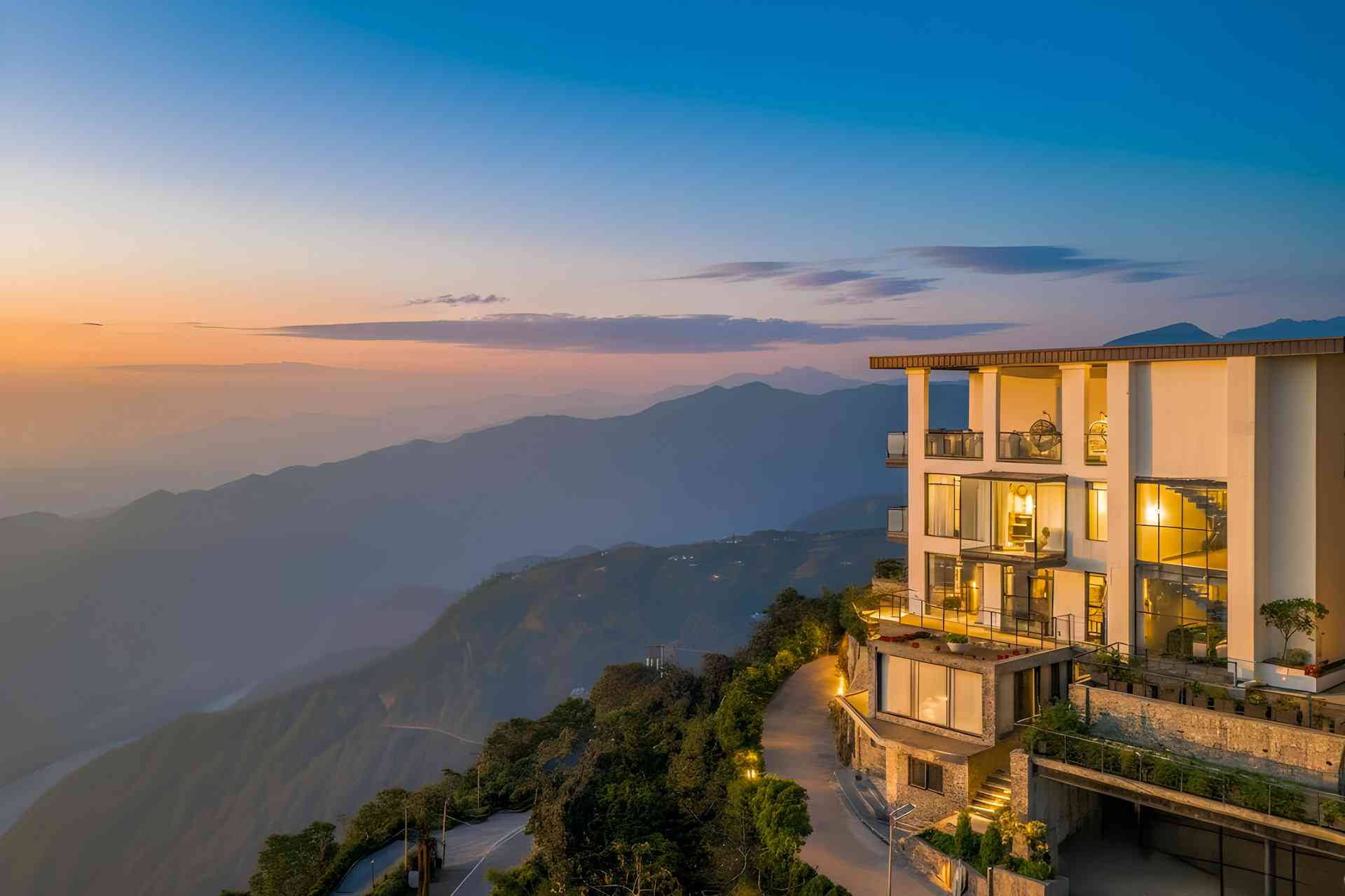
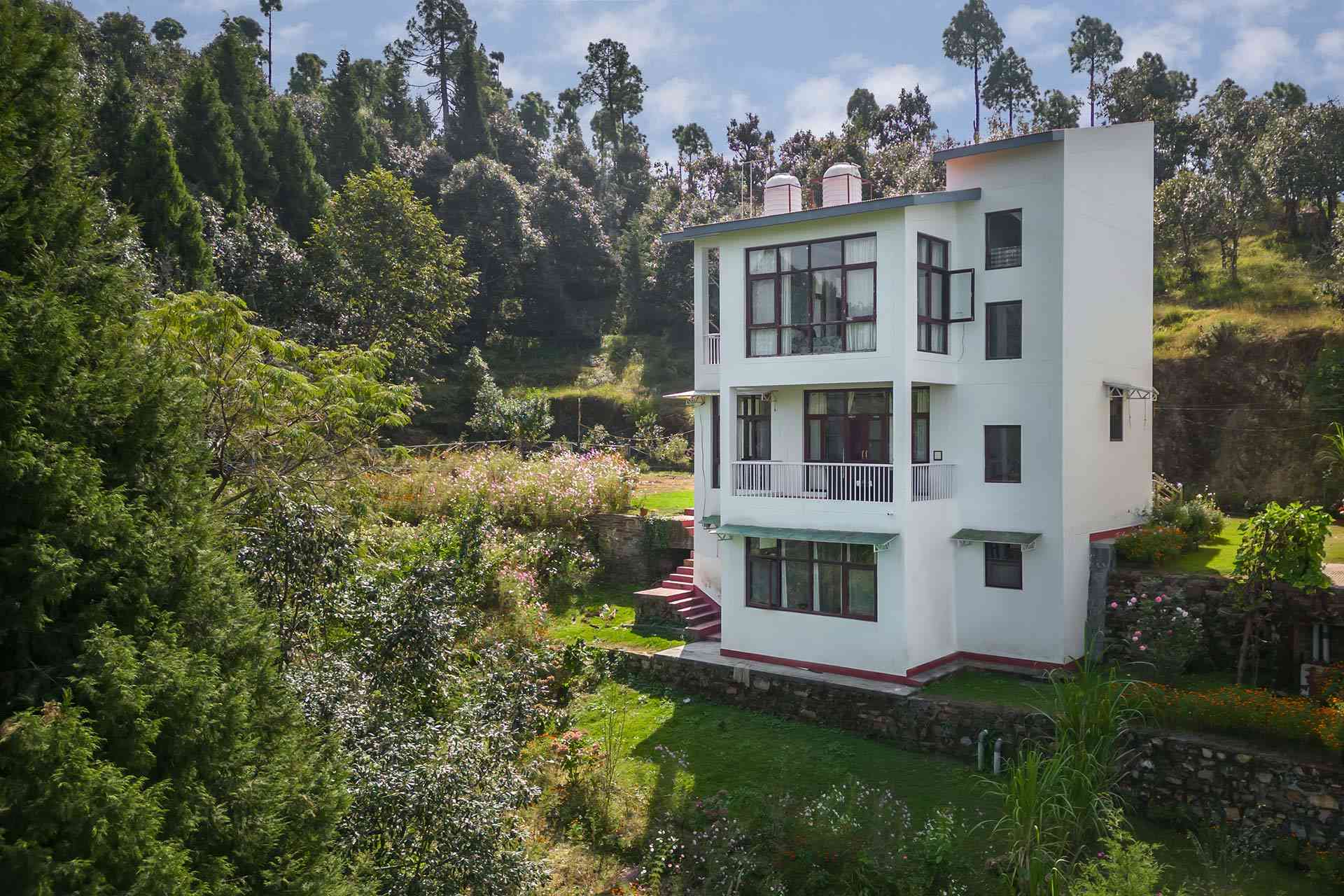
Modern religious tourism in Uttarakhand benefits from thoughtfully designed accommodations. Travellers increasingly prefer staying in peaceful villas near temple towns to balance comfort with spiritual focus.
StayVista villas in Uttarakhand offer private, serene spaces ideal for families and groups exploring pilgrimage routes without compromising rest and privacy.
Where to Stay

FAQs: Religious Tourism in Uttarakhand
Approximately May 9, 2027 (Akshaya Tritiya) for Yamunotri and Gangotri. Kedarnath approximately May 6-7, 2027. Badrinath approximately May 10-12, 2027. Exact dates are announced by the Char Dham temple committees based on the Hindu panchang.
Yamunotri closes on Bhai Dooj (approximately November 10, 2026). Gangotri on Diwali-Govardhan Puja (approximately November 9-10, 2026). Kedarnath mid-November. Badrinath mid-to-late November.
Yes, mandatory online registration at registrationandtouristcare.uk.gov.in for all pilgrims since 2023. Register 2 to 4 weeks before the yatra start.
Avoid July-August peak monsoon. Landslides on the Rishikesh-Rudraprayag-Gaurikund and Joshimath-Badrinath routes are common. Early October and the May-June pre-monsoon window are the safest driving windows.
Moderate to high at Kedarnath (3,583 m) and Hemkund (4,329 m). See the Altitude Sickness Warning section above.
Yes. The classic 10 to 12 day combined route: Rishikesh → Yamunotri → Gangotri → Kedarnath → Joshimath → Hemkund Sahib → Badrinath → return.
Why Religious Tourism in Uttarakhand Leaves a Lasting Impact
Religious tourism in Uttarakhand is not about checking destinations off a list. It is about slowing down, listening, and allowing landscapes and legends to guide you inward.
Whether you arrive as a pilgrim, a traveller, or a seeker, Uttarakhand meets you with stories carved into stone, rivers that carry prayers, and mountains that invite reflection.
Some journeys end when you return home. This one stays with you.