

12 of the Prettiest Villages in India That Look Straight Out of a Storybook
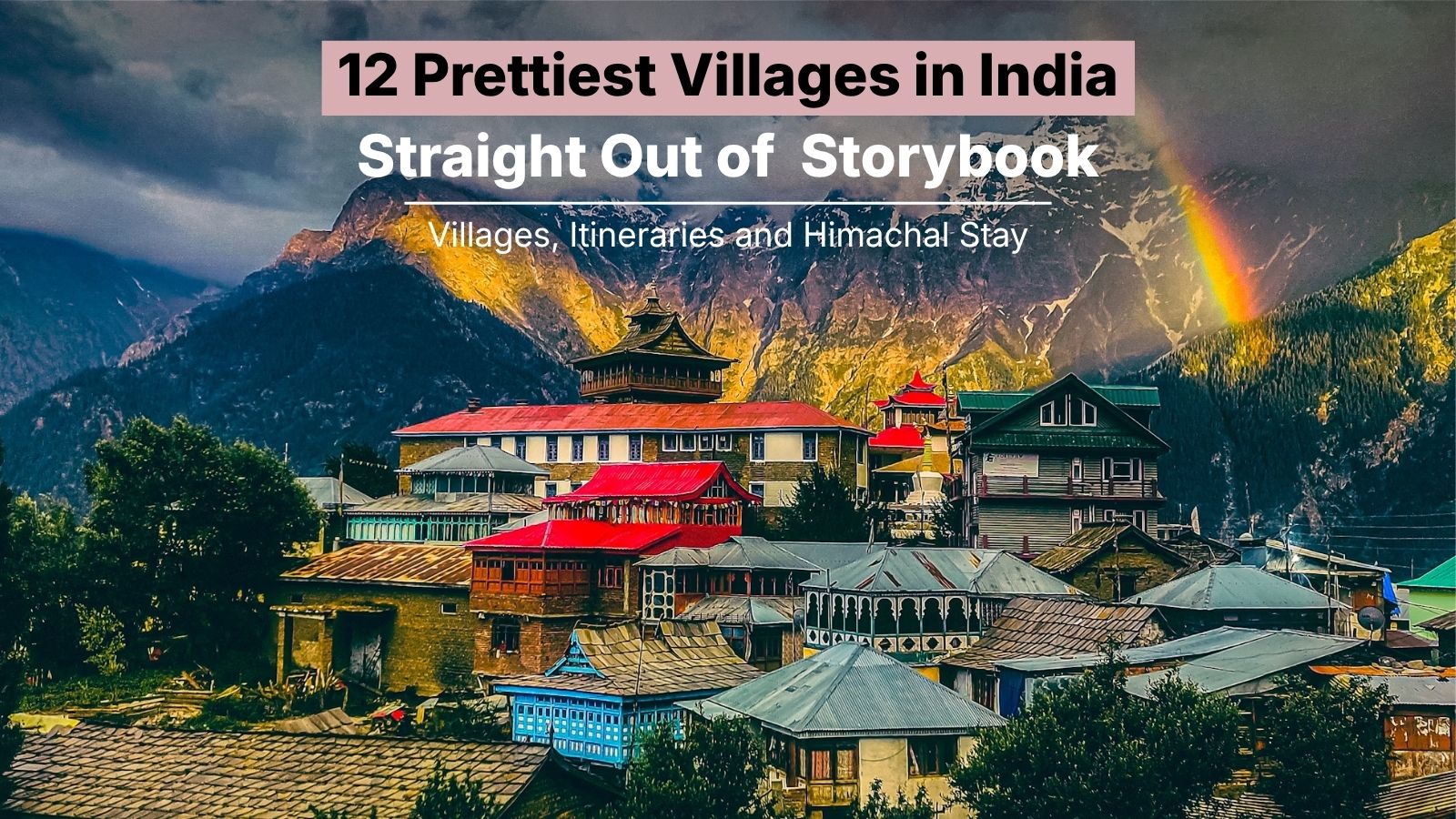
India’s cities get most of the travel attention, but the country’s villages carry a more layered story. Some sit at the edge of glaciers. Some balance on clifftops above ancient trade routes. Some have been kept so clean by their own residents that they have been formally recognised as the cleanest village in India and in all of Asia. What they share is a quality that cities rarely achieve: a sense that the place has developed slowly, on its own terms, shaped by the people who live there rather than any external plan. These twelve are the prettiest villages in India for exactly that reason.
Quick answer: The most beautiful villages in India span every geography in the country, from Meghalaya’s Mawlynnong, the cleanest village in India, to Zuluk in Sikkim on the Old Silk Route, and Pragpur in Himachal Pradesh, India’s first declared Heritage Village. Other standout beautiful villages in India include Khonoma in Nagaland, Tabo in Spiti, Turtuk in Ladakh, and the living Satra communities of Majuli in Assam. The best months for most are October to March.
In this Blog
1. Mawlynnong, Meghalaya: The Cleanest Village in India

Mawlynnong in the East Khasi Hills of Meghalaya, about 76 km from Shillong, was named the cleanest village in India and in all of Asia by Discover India magazine in 2003, with the title reaffirmed in 2005. The cleanliness here is not maintained by any government programme. It is rooted in the Khasi community concept of hynñiew trep, a collective personal responsibility toward shared space. Bamboo garbage bins line every lane. Fallen leaves are swept before sunrise. The community also maintains a sacred grove at the village’s edge where no tree can be felled and no animal hunted, one of the oldest forms of community conservation in the world.
The Nohwet Living Root Bridge, a short walk from the village, was made by guiding the aerial roots of Ficus elastica trees across a stream over 15 to 25 years. The process cannot be hurried: roots are trained over bamboo scaffolding and intertwined by hand, and the finished bridge grows stronger with each passing decade. A bamboo watchtower about 8 to 9 metres high gives a view over the forest canopy toward the plains of Bangladesh on a clear day. The best time to visit Mawlynnong is October to April.
How to reach Mawlynnong:
Nearest Airport: Shillong Airport / Umroi (SHL) (~80 km) or Guwahati Airport (GAU) (~170 km)
Nearest Railway Station: Guwahati Railway Station (~170 km)
Nearest Bus Stand: Shillong Bus Stand (~90 km); local shared Sumos run up to Dawki/Mawlynnong
Drivable Roadways: NH206 from Shillong (approx. 90 km, 3-hour drive)
2. Zuluk, Sikkim: A Silk Route Village Above the Clouds

Zuluk sits at about 10,000 feet in East Sikkim and served for centuries as a transit point on the trade route linking India to Tibet. Traders carrying silk, salt, and wool passed through on mules for generations. That route is no longer active commercially, but the road that follows it rises in 32 sharp hairpin bends visible in a single view from above, making it one of the most dramatically shaped roads in all of India. The village has a population of around 700 people and is surrounded by forest where red pandas, Himalayan black bears, and several pheasant species live undisturbed.
Thambi View Point, 14 km above the village, shows the full Kanchenjunga range at sunrise during the post-monsoon months in a panorama that is difficult to match anywhere in Sikkim. Zuluk was also the very first village on the Old Silk Route to introduce homestay accommodation, meaning tourism earnings flow directly to families rather than outside operators. An Inner Line Permit is needed and is issued through the Sikkim government portal. The best time to visit Zuluk is October to November.
How to reach Zuluk:
Nearest Airport: Pakyong Airport (PYG) (~70 km) or Bagdogra Airport (IXB) (~160 km)
Nearest Railway Station: New Jalpaiguri (NJP) Railway Station (~160 km)
Nearest Bus Stand: Gangtok / Rangpo Bus Stand
Drivable Roadways: Old Silk Route via Rongli and Reshi (accessible from Gangtok, Siliguri, or NJP via 32 hairpin bends)
3. Pragpur, Himachal Pradesh: India’s First Declared Heritage Village

Pragpur in the Kangra district of Himachal Pradesh was declared India’s first Heritage Village by the state government on 9th December 1997. Founded in the late 16th century in memory of Princess Prag Dei of the Jaswan royal family, the village name itself carries the story: prag means pollen in Sanskrit and pur means full of, so Pragpur means “full of pollen,” which describes the village perfectly when the surrounding area comes into bloom each spring.
Walking through Pragpur means walking through cobblestone streets, past mud-plastered walls, slate-roofed havelis, and the village Taal, an ornamental water tank built before 1868 that forms the physical and social centre of the settlement. The narrow lanes are lined with houses that blend Kangra, Rajput, Portuguese, and even Italian architectural styles, a reflection of the Kuthiala Sood merchants who built grand homes here after years of international trade. The Judge’s Court, built in 1918, is now a classified heritage guesthouse run by the grandson of Justice Sir Jai Lal, the second Indian ever appointed as a judge of the Punjab High Court. The best time to visit Pragpur is October to March.
How to reach Pragpur:
Nearest Airport: Kangra Airport / Gaggal (DHM) (~45 km)
Nearest Railway Station: Amb Andaura Railway Station (~30 km) or Kangra Mandir Railway Station (~42 km)
Nearest Bus Stand: Dehra Bus Stand (~10 km) or Kangra Bus Stand (~40 km)
Drivable Roadways: NH3 / NH88 connecting Dharamshala, Jalandhar, and Chandigarh via Dehra
4. Khonoma, Nagaland: Asia’s First Green Village

Khonoma, about 20 km from Kohima at an altitude of about 5,320 feet, formally became India’s first Green Village in 2005 after the community had already taken the foundational step in 1998: declaring 20 square kilometres of surrounding forest a no-hunting zone. The Khonoma Nature Conservation and Tragopan Sanctuary, created by the community itself, protects the endangered Blyth’s tragopan pheasant, Nagaland’s state bird.
Plastic is banned, water comes from clean mountain springs, and every household participates in waste management. The terraced paddy fields of Khonoma, built by hand on steep hillsides, are most vivid between June and September when the rice is green, and most dramatic in October when it turns gold before harvest. Stone pathways, bamboo fences, and a stairway built by the village youth from rocks collected in the surrounding hills give the village a deliberate, built quality. A white pillar at the top of the stairway commemorates the battle of 1879, when the Angami Naga people fought the British. The best time to visit Khonoma is October.
How to reach Khonoma:
Nearest Airport: Dimapur Airport (DMU) (~74 km)
Nearest Railway Station: Dimapur Railway Station (~74 km)
Nearest Bus Stand: Kohima ISBT / NST Bus Stand (~20 km)
Drivable Roadways: Kohima–Khonoma Road (approx. 45-minute drive from Kohima)
5. Kalpa, Himachal Pradesh: Apple Orchards and Sacred Peaks

Kalpa in the Kinnaur district sits at about 2,960 metres and faces the Kinner Kailash range directly. This sacred mountain at 6,050 metres appears close enough on a clear October morning that its individual rock faces are visible to the naked eye. Apple orchards surround the village on every slope and supply fruit to markets across North India, with the September and October harvest filling the lanes with the scent of ripe fruit and the sound of pickers working through the trees.
The Narayan-Nagini Temple complex in the village uses Kinnauri woodcarving, a tradition of intricate geometric and floral patterns applied to every beam and panel that heritage organisations have documented as an at-risk craft. Places to visit in Kalpa include the temple complex, the small Buddhist monastery above the village, and the ridge walk that gives a direct sightline to the Kinner Kailash pilgrimage circuit. The best time to visit Kalpa is April to June and September to November. How to reach it: Rampur is about 60 km away, and Shimla is the larger transit city further back. A villa in Kalpa within the apple orchard belt gives a room with the sacred peak visible from the window, the orchards in fruit below, and the smell of harvest in the air each morning.
How to reach Kalpa:
Nearest Airport: Shimla Airport / Jubbarhatti (SLV) (~267 km) or Chandigarh International Airport (IXC) (~350 km)
Nearest Railway Station: Shimla Railway Station (~244 km) or Kalka Railway Station (~330 km)
Nearest Bus Stand: Reckong Peo Bus Stand (~7 km)
Drivable Roadways: NH5 (Hindustan-Tibet Road) via Shimla, Narkanda, Rampur, and Reckong Peo
6. Turtuk, Ladakh: The Last Village Before the Border

Turtuk in the Nubra Valley was part of Pakistan until 1971, when it came under Indian administration during the Bangladesh Liberation War. It was only opened to tourists in 2010. The village sits in a narrow valley where the Shyok River runs cold and clear, and the apricot trees that line its paths produce a harvest in July that covers the flat stone rooftops in drying fruit, turning them orange in the summer sun.
The Balti culture of Turtuk is distinct from the wider Ladakhi culture: the language, food, polo grounds, and the small wooden mosque in the lower village are all Balti in origin. The archive of the former royal Yabgo dynasty is maintained in a small museum inside the old fort, making Turtuk one of the best villages in India for understanding how political borders and dynastic histories shape a community’s identity. The best time to visit Turtuk is June to September.
How to reach Turtuk:
Nearest Airport: Kushok Bakula Rimpochee Airport, Leh (IXL) (~205 km)
Nearest Railway Station: Jammu Tawi Railway Station (~739 km, connected to Leh by road)
Nearest Bus Stand: Diskit Bus Stand (Nubra Valley, ~90 km) or Leh Bus Stand (~205 km)
Drivable Roadways: Leh–Diskit–Turtuk Route via Khardung La pass along the Shyok River
7. Tabo, Spiti Valley: A Village Around a Thousand-Year-Old Monastery

Tabo in the Spiti Valley of Himachal Pradesh, at 3,050 metres, is built around the Tabo Monastery, founded in 996 AD and the oldest continuously active Buddhist monastery in India. The frescoes within its assembly hall, painted in the 10th-century Kashmiri Buddhist style, are documented by the Archaeological Survey of India as among the finest examples of that tradition anywhere in the country. The Dalai Lama has expressed a wish to retire here, which reflects the village’s standing in Tibetan Buddhist thought.
Outside the monastery, Tabo is a handful of mud-brick houses, apple trees, a single road, and a few small guesthouses. In October after the harvest, the terraced fields are quiet, and the monastery receives very few visitors compared to summer. Places to visit in Tabo include the nine structures of the monastery complex, the ancient cave monasteries carved into the cliff above the village, and the walk along the Spiti River at dusk. The best time to visit Tabo is June to October.
How to reach Tabo, Spiti Valley:
Nearest Airport: Kullu-Manali Airport / Bhuntar (KUU) (~249 km) or Shimla Airport (~360 km)
Nearest Railway Station: Shimla Railway Station (~362 km) or Kalka Railway Station
Nearest Bus Stand: Kaza Bus Stand (~48 km) or Reckong Peo Bus Stand (~150 km)
Drivable Roadways: NH5 via Shimla and Kinnaur (two-day road journey) or via Manali–Kaza Road
8. Khimsar, Rajasthan: A Desert Village Built Around a Fort

Khimsar in the Nagaur district of Rajasthan is a small village that grew around a 16th-century fort built by Rao Karamsi, a grandson of the founder of Jodhpur. Unlike the busier fort towns of Rajasthan, Khimsar has retained a quieter, working quality: potters at their wheels, camel herds at the edge of town at dusk, and a night sky that the Thar Desert delivers without competition. The fort has been converted into a heritage guesthouse, one of the better examples of adaptive reuse in the state, and staying within its walls gives a specific sense of scale and age that newer properties cannot replicate. The best time to visit Khimsar is October to February.
How to reach Khimsar:
Nearest Airport: Jodhpur Airport (JDH) (~90 km)
Nearest Railway Station: Nagaur Railway Station (~45 km) or Jodhpur Railway Station (~90 km)
Nearest Bus Stand: Nagaur Bus Stand (~45 km) or Khimsar Highway Stand
Drivable Roadways: NH62 connecting Jodhpur (90 km) and Nagaur (45 km)
9. Ziro Valley Villages, Arunachal Pradesh: The Apatani Way of Life

The villages of Ziro Valley in Arunachal Pradesh’s Lower Subansiri district, including Hong, Hari, and Bamin-Michi, are home to the Apatani tribe, whose paddy-cum-fish cultivation system has been submitted for UNESCO World Heritage recognition. The Apatani practice growing rice and fish together in the same flooded field, an integrated system that uses no chemical inputs and has been in continuous use for centuries. The valley is also one of the very few flat valleys in Arunachal Pradesh, surrounded on all sides by forested hills, which gives the village settings an unusual openness compared to most mountain communities in the northeast. The Ziro Music Festival, held each September, brings visitors from outside Arunachal Pradesh who often stay on to see the villages properly. The best time to visit Ziro Valley is September to October.
How to reach Ziro Valley:
Nearest Airport: Lilabari Airport, North Lakhimpur (IXI) (~120 km) or Donyi Polo Airport, Itanagar (HGI) (~115 km)
Nearest Railway Station: Naharlagun Railway Station (~100 km)
Nearest Bus Stand: Ziro Bus Stand (Old Ziro / Hapoli) or Itanagar ISBT (~115 km)
Drivable Roadways: NH15 / NH713 from Itanagar (115 km) or North Lakhimpur (120 km)
10. Dhordo, Gujarat: A Rann Village That Won a UN Award

Dhordo on the edge of the Great Rann of Kutch is home to the Kutchi Banni Maldhari community, pastoral cattle herders who have lived on this salt marsh for centuries. The village received the UN World Tourism Organisation’s Best Tourism Village award in 2023 for building a community-led tourism model that preserved the Maldhari way of life while welcoming the Rann Utsav visitors each winter. The embroidery practiced by Maldhari women is specific enough that each family’s pattern can be identified by those who know the tradition. In the dry winter months, the salt flat of the Rann stretches beyond the village to the horizon in every direction, creating a setting that exists nowhere else in India. The best time to visit Dhordo is November to February.
How to reach Dhordo:
Nearest Airport: Bhuj Airport (BHJ) (~80 km)
Nearest Railway Station: Bhuj Railway Station (~80 km)
Nearest Bus Stand: Bhuj Bus Stand (~80 km)
Drivable Roadways: Bhuj–Khavda Road / Rann Utsav access route via Bhuj (80 km)
11. Malana, Himachal Pradesh: The Village That Has Its Own Laws

Malana in the Kullu district at about 2,650 metres is widely cited as one of the world’s oldest surviving democracies, governed through the authority of the deity Jamlu Devta rather than any external body. Visitors walk specific designated paths and are asked not to touch the village’s walls, temples, or residents. The local language, Kanashi, contains elements that linguists have linked to Greek, which feeds the local story that the founding settlers were soldiers from Alexander the Great’s campaign who chose to remain. Whether or not that history can be verified, the cultural distinctiveness of Malana is entirely genuine and apparent from the first hour. The best time to visit Malana is May to June and September to October.
How to reach Malana:
Nearest Airport: Kullu-Manali Airport / Bhuntar (KUU) (~31 km)
Nearest Railway Station: Joginder Nagar Railway Station (~125 km)
Nearest Bus Stand: Bhuntar Bus Stand (~31 km) or Jari Bus Stand (~15 km)
Drivable Roadways: Bhuntar to Jari via Manikaran Road, then a 4-km jeep/trek route to the village entry
12. Majuli’s Satra Villages, Assam: Living Culture on a River Island

Majuli in the Brahmaputra River of Assam is the world’s largest river island at 352 square kilometres. Within it, the Satras, living monastic communities founded by the saint-scholar Srimanta Shankardev in the 15th and 16th centuries, maintain classical music, mask-making, and Sattriya dance as daily practices rather than performances for tourists. The Samaguri Satra has received a Geographical Indication tag for its traditional masks, which are made from bamboo, clay, and dung over a process that takes several months. Majuli shrinks every year due to Brahmaputra erosion, which gives the experience of visiting its villages a particular quality: these are places being actively preserved against a physical diminishment. The best time to visit Majuli is October to March.
How to reach Majuli’s Satra Villages:
Nearest Airport: Jorhat Airport / Rowriah (JRH) (~20 km to Nimati Ghat)
Nearest Railway Station: Jorhat Town Railway Station (~15 km to Nimati Ghat)
Nearest Bus Stand: Jorhat ISBT (~20 km to Nimati Ghat)
Drivable Roadways & Transit: Drive to Nimati Ghat near Jorhat, then take a passenger/vehicle ferry across the Brahmaputra River to Majuli (Kamalabari Ghat)
Itineraries to Explore the Prettiest Villages in India
Itinerary 1: The Northeast Eco & Cultural Circuit (7 Days)
- Villages Covered: Mawlynnong (Meghalaya), Majuli Satra Villages (Assam), Khonoma (Nagaland)
- Day 1–2 (Meghalaya): Fly into Guwahati Airport (GAU). Drive to Shillong, then proceed south along NH206 to Mawlynnong (90 km / 3 hours). Explore the Nohwet Living Root Bridge and the sacred grove.
- Day 3–4 (Assam): Drive to Guwahati Railway Station or take a highway drive to Jorhat (~300 km). Take a passenger ferry from Nimati Ghat to reach Majuli River Island. Visit the Samaguri Satra to witness traditional mask-making and Sattriya dance practices.
- Day 5–7 (Nagaland): Drive from Jorhat to Kohima via Dimapur (NH29). Take the short 45-minute drive from Kohima to Khonoma. Walk the terraced paddy fields, visit the Blyth’s tragopan sanctuary, and learn about Angami conservation traditions. Depart via Dimapur Airport (DMU) (~74 km).
Itinerary 2: The Western Heritage & Desert Odyssey (5 Days)
- Villages Covered: Khimsar (Rajasthan) & Dhordo (Gujarat)
- Day 1–2 (Rajasthan): Fly into Jodhpur Airport (JDH). Drive 90 km north along NH62 to Khimsar. Stay at the 16th-century fort heritage guesthouse, view local potters at work, and experience a desert safari at dusk.
- Day 3 (Transit): Drive back to Jodhpur and take a short flight or overnight train/drive down to Bhuj, Gujarat (~500 km).
- Day 4–5 (Gujarat): From Bhuj, drive 80 km north on the Bhuj–Khavda road to reach Dhordo on the edge of the Great Rann of Kutch. Experience Kutchi Banni Maldhari embroidery, explore the salt flats, and attend the winter Rann Utsav. Depart via Bhuj Airport (BHJ).
Itinerary 3: The High Himalayan Circuit (9 Days)
- Villages Covered: Pragpur, Kalpa, and Tabo (Himachal Pradesh)
- Day 1–2 (Lower Himachal): Arrive at Kangra Airport (DHM) or Amb Andaura Railway Station. Drive to Pragpur (~45 km from Kangra). Walk the cobblestone lanes, view slate-roofed havelis around the village Taal, and stay at The Judge’s Court.
- Day 3–5 (Kinnaur Valley): Drive east along NH5 via Shimla and Rampur toward Kinnaur. Arrive in Kalpa (~2,960 m). Explore apple orchards, visit the Narayan-Nagini Temple, and take in sightlines of the sacred Kinner Kailash peak.
- Day 6–9 (Spiti Valley & Return): Continue along NH5 through Kinnaur into Spiti Valley to reach Tabo (~3,050 m). Tour the 1,000-year-old Tabo Monastery, view the 10th-century Kashmiri Buddhist frescoes, and explore ancient cliffside caves. Return via Kaza/Manali or retrace the route to Shimla to depart.
Where to Stay
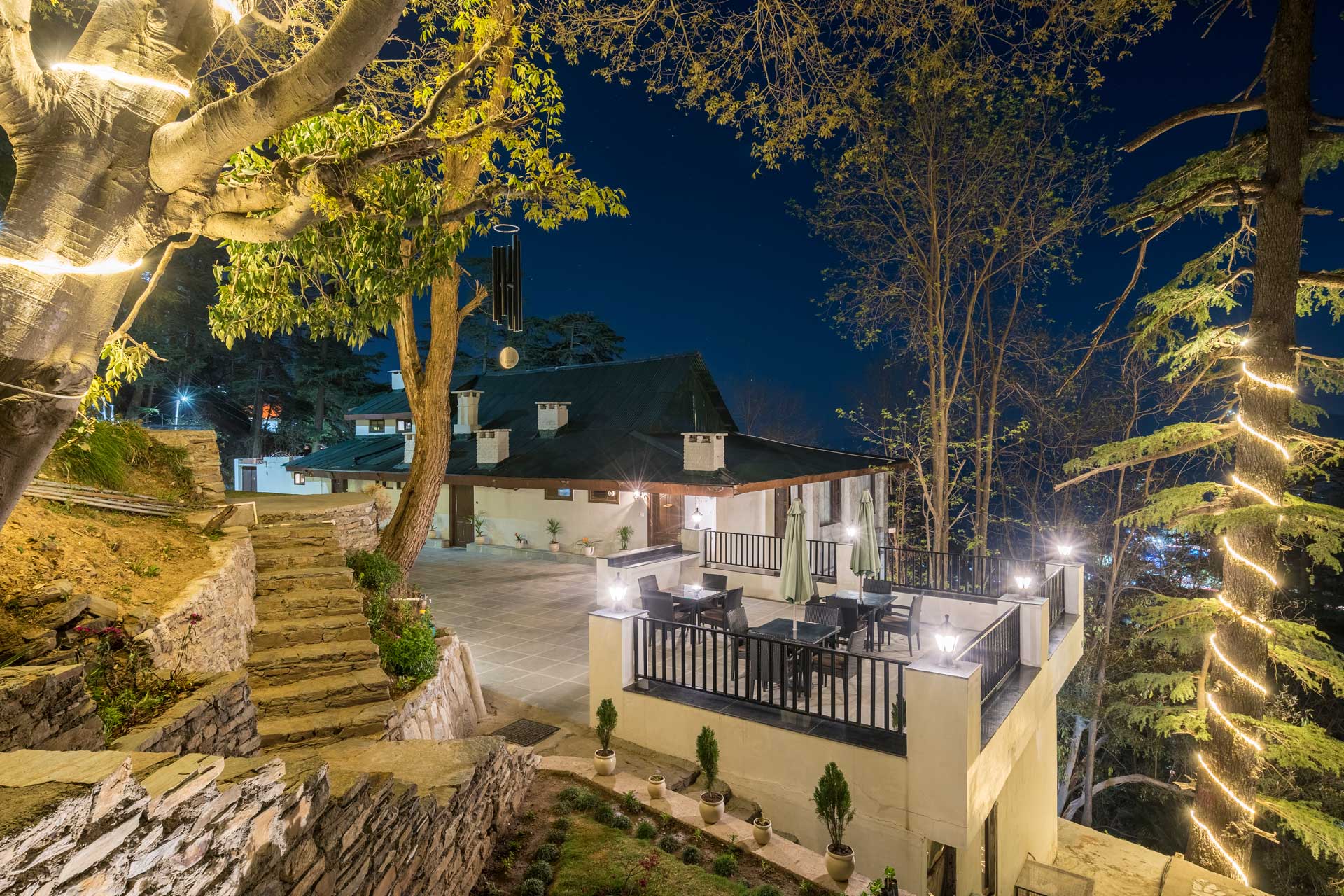
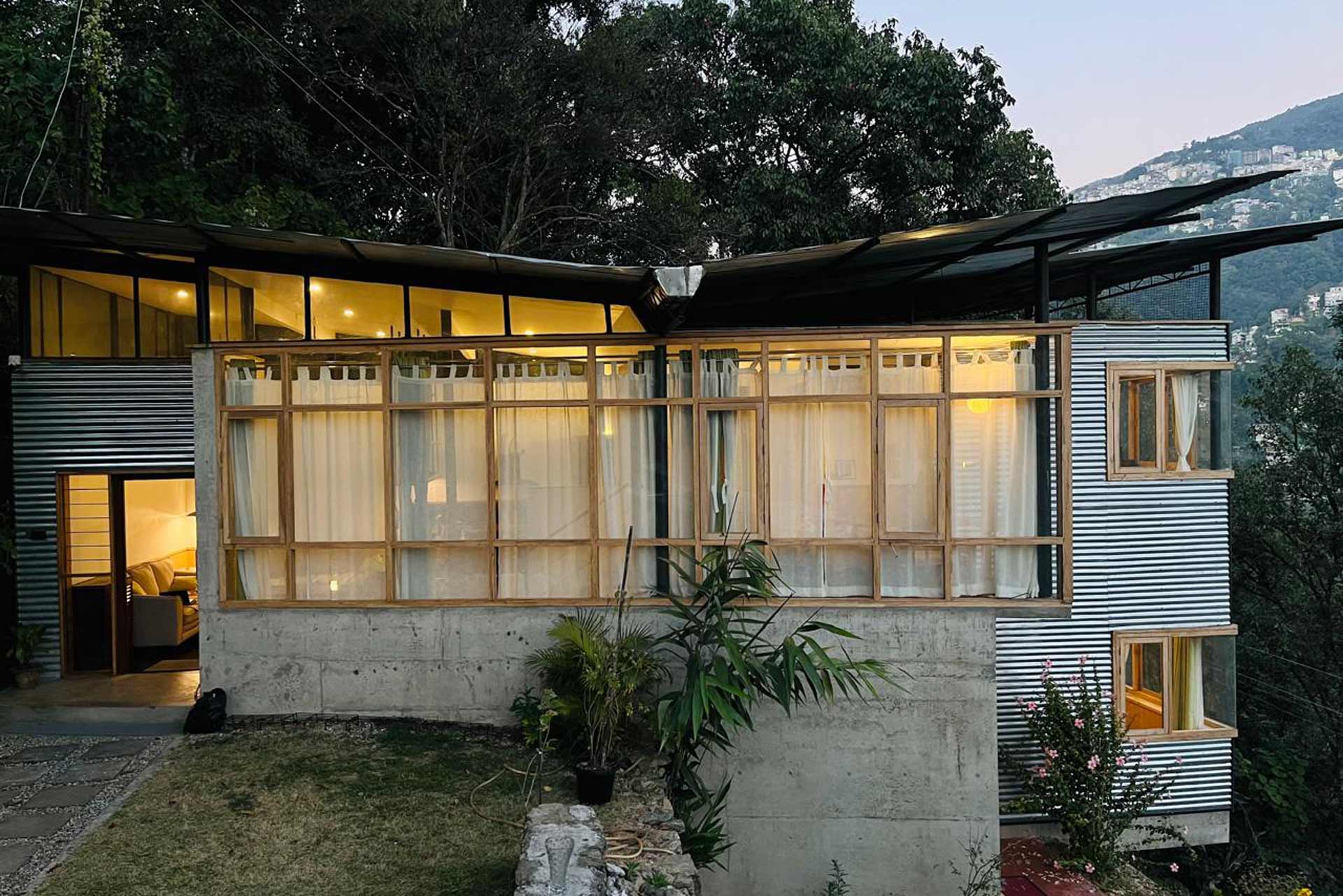
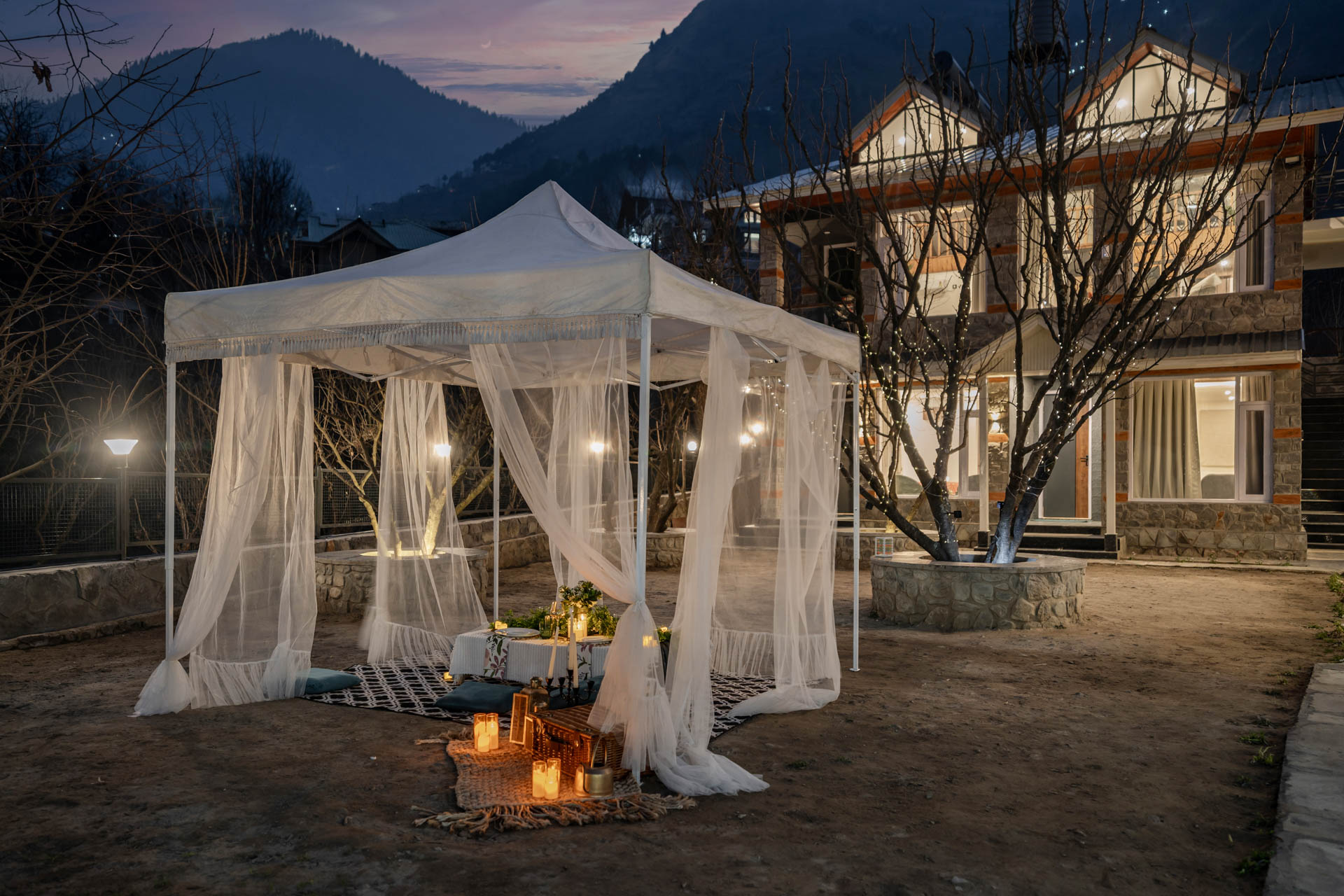
Villages That Carry Their History in Every Stone
The twelve storybook villages of India listed above cover six states, every major terrain type the country has, and communities that range from the world’s oldest democracies to a UN award-winning salt marsh settlement. Mawlynnong is the cleanest village in India by community effort sustained over decades. Tabo holds India’s oldest active monastery. Pragpur was the first Indian village deemed significant enough to be officially protected as heritage. These places did not make this list because they have a pretty view, though most of them do. They made it because each one has held onto something specific and kept it real. And that is what makes a village in India genuinely worth the journey.
FAQs
The answer depends on what a visitor is looking for. Tabo in Spiti is most cited for its 1,000-year-old monastery and mountain setting. Mawlynnong in Meghalaya is regularly named the most beautiful village in India for its community-maintained cleanliness and living root bridge. Zuluk in Sikkim draws consistent attention for its Old Silk Route character and sunrise views of Kanchenjunga.
Pragpur in Himachal Pradesh, with its cobblestone lanes, medieval havelis, and European-inflected architecture built by returning Kuthiala Sood merchants, is the most commonly noted among the prettiest villages in India for its European resemblance. Kalpa in Kinnaur draws comparisons to alpine Swiss villages in its mountain context. Mawlynnong’s tidy garden lanes and colonial Church of the Epiphany have also drawn comparisons to English countryside villages.
Mawlynnong in Meghalaya’s East Khasi Hills received the cleanest village in India title, along with the cleanest in Asia designation, from Discover India magazine in 2003. The cleanliness is maintained through the Khasi principle of hynñiew trep, a collectively held responsibility for shared space, with bamboo dustbins, pre-dawn sweeping, and a community ban on plastics that is part of daily life.
Yes. Zuluk in East Sikkim requires an Inner Line Permit. Turtuk in Ladakh requires a Protected Area Permit. The Dzongu Lepcha reserve in North Sikkim requires a separate permit through Sikkim Tourism. Majuli and Mawlynnong are freely accessible to Indian nationals without any special permits.
Majuli’s Satra communities are among the most culturally rich stops available in India: living monasteries where classical music, mask-making, and dance continue as daily practice. Khonoma in Nagaland gives a direct experience of the Angami community’s conservation principles and warrior history. Turtuk in Ladakh provides insight into Balti culture, a community whose political identity shifted from Pakistan to India within living memory.
Mawlynnong works very well for families because it is compact, has clear paths and bamboo watchtower activities, and has community homestays with home-cooked Khasi meals. Dhordo during the Rann Utsav festival is equally good for families, with the salt flat, craft stalls, and camel experiences spread across a well-organised winter festival ground.
October to March is the broadest recommended window for most of the storybook villages of India on this list. High-altitude villages like Tabo, Kalpa, and Zuluk are best in October to November. Mawlynnong and Majuli suit October to April. Turtuk and the Ziro Valley villages have a shorter window of June to September and September to October, respectively.
All twelve have some form of overnight accommodation. Community homestays in Mawlynnong and Majuli are simple and local. Pragpur’s Judge’s Court and Khimsar’s converted fort are full heritage guesthouses with modern facilities. Tabo and Kalpa have comfortable small guesthouses. A villa in Kalpa within an apple estate, or a night at the Judge’s Court in Pragpur, gives the most immersive experience of these two beautiful villages in India in particular.
Blog Article Written by Ruben Saha