

9 Best Monsoon Safaris in India 2026: Where the Jungle Stays Open in the Rains

Most wildlife enthusiasts assume that the rainy season is the worst time to visit a national park. While many reserves close their core tourism areas during heavy rainfall, that is only part of the story. Across India, several parks keep selected routes, buffer zones and safari circuits open, creating excellent opportunities for wildlife sightings, birdwatching and photography.
In fact, the monsoon season often reveals a side of India’s forests that visitors rarely see during summer. Rivers flow at full strength, grasslands become greener, migratory birds arrive in greater numbers, and animal behaviour changes noticeably. For photographers, the rains can create some of the most dramatic jungle scenes of the year.
For those planning a Monsoon safari in 2026, choosing the right destination is key. The following parks remain among the best options for experiencing wildlife during the rainy season.
A Monsoon safari in India is possible in several parks that keep selected tourism zones open during the rainy season. Top options include Periyar, Tadoba buffer zones, Ranthambore Zones 6–10, Kabini, Pench buffer areas and Nagarhole. These destinations combine wildlife sightings, photography opportunities and safer access during the rains.
In this Blog
Why a Monsoon Safari in India Can Be Worth It
A rainy-season safari offers a very different experience compared to summer wildlife trips.
The forests become greener, water bodies fill up, and many animals remain active throughout the day because temperatures are lower. Birdwatchers particularly benefit during this season because several species become easier to spot around wetlands and forest edges.
The monsoon also reduces dust, making photography clearer and more vibrant. This is why many wildlife photographers specifically seek out Parks that stay open in the rain for photography.
National Parks Open During the Monsoon
1. Periyar Tiger Reserve

Located in Kerala, Periyar is one of the most reliable options among National parks open during the monsoon.
Unlike many tiger reserves that shut down large sections during the rains, Periyar remains accessible for much of the season. The reserve is famous for its large lake, where visitors often spot elephants gathering near the shoreline.
One of the most interesting aspects of Periyar is that wildlife viewing frequently happens from boats rather than traditional jeep safaris. During monsoon months, the contrast between the lake and the surrounding forest creates remarkable photography opportunities.
For visitors searching for the best monsoon safari in India for spotting elephants, Periyar consistently ranks near the top.
Things to do in Periyar
- Take a boat safari on Periyar Lake.
- Go bamboo rafting for a quieter forest experience.
- Join a guided nature walk through the reserve.
- Spend time birdwatching near the lake and forest edges.
- Photograph elephants, misty water views, and monsoon landscapes.
2. Tadoba Buffer Zones

Tadoba-Andhari Tiger Reserve in Maharashtra attracts wildlife enthusiasts throughout the year.
While core tourism zones often close during the monsoon, several buffer areas continue operating. These zones provide opportunities to observe wildlife while supporting local conservation initiatives.
Interestingly, many experienced guides note that monsoon greenery changes animal movement patterns, encouraging visitors to focus on overall forest experiences rather than only tiger sightings.
The buffer areas make Tadoba one of the most practical options for a Monsoon safari in 2026.
Things to do in Tadoba
- Book a jeep safari in the operational buffer zones.
- Go birdwatching after the rains, when forest activity increases.
- Explore village tourism experiences near the reserve.
- Photograph the dense green forests and wetland patches.
- Join early-morning drives for better wildlife movement.
3. Ranthambore National Park

Many people are surprised to learn that selected Safari zones open in the monsoon at Ranthambore.
Although some tourism areas close during heavy rains, Zones 6 to 10 often remain operational depending on weather conditions and forest department regulations.
The monsoon gives Ranthambore a completely different appearance. The ancient fort, lakes and forested sections become greener, creating unique photographic opportunities.
Wildlife enthusiasts often appreciate the quieter atmosphere compared to peak tourism months.
Things to do in Ranthambore
- Go on a safari in Zones 6 to 10, if open.
- Visit Ranthambore Fort for panoramic monsoon views.
- Photograph lakes, ruins, and rain-washed forest landscapes.
- Look for birds around the water bodies.
- Enjoy quieter safari routes with fewer visitors.
4. Kabini

Kabini, located in Karnataka, remains one of southern India’s strongest wildlife destinations during the rainy season.
The reserve’s river system supports a variety of wildlife, including elephants, deer and numerous bird species.
The combination of waterways and forest areas often creates dramatic wildlife viewing opportunities after rainfall. Many photographers specifically visit Kabini because of its ability to produce atmospheric jungle images.
For visitors looking for the safest jungle safari in heavy rain near Mumbai/Bangalore, Kabini is often considered among the most dependable choices from Bengaluru.
Things to do in Kabini
- Take a boat ride on the backwaters.
- Go on a jeep safari through forested zones.
- Watch for elephants near riverbanks and open clearings.
- Spend time birdwatching in the rainy season.
- Capture atmospheric jungle scenes after rainfall.
5. Nagarhole National Park

Nagarhole forms part of the larger Nilgiri Biosphere Reserve.
The park remains attractive throughout the rainy season because of its rich biodiversity and excellent wildlife management.
Monsoon months bring greener surroundings and increased activity around water sources. Visitors often encounter elephants, gaur and a wide variety of birdlife.
Unlike some heavily publicised reserves, Nagarhole provides a balanced wildlife experience that focuses on the overall ecosystem.
Things to do in Nagarhole
- Go on a safari drive through biodiversity-rich forest areas.
- Look for elephants, gaur, and deer near water sources.
- Photograph the lush monsoon greenery.
- Enjoy slow, nature-focused observation.
- Explore the wider Nilgiri landscape through guided tours.
6. Pench Tiger Reserve

Pench holds a special place in Indian wildlife tourism because it inspired parts of Rudyard Kipling’s The Jungle Book.
During the rainy season, selected tourism zones and buffer areas remain operational depending on weather conditions.
The reserve becomes particularly attractive for birdwatchers as seasonal changes bring increased activity across the forest.
Pench is an excellent choice for visitors who want a mix of wildlife, history and natural beauty.
Things to do in Pench
- Book a safari in open zones or buffer areas.
- Go birdwatching, especially during the monsoon transition.
- Explore the forest connected to The Jungle Book legacy.
- Take nature photographs of the rain-soaked landscape.
- Enjoy peaceful drives through less crowded routes.
7. Dandeli Wildlife Sanctuary

Dandeli in Karnataka offers a unique combination of forests, rivers and adventure activities.
The sanctuary remains active during much of the monsoon season and is particularly known for hornbill sightings.
Unlike many tiger-focused reserves, Dandeli provides a broader wildlife experience that includes birds, reptiles and river ecosystems.
For photography enthusiasts, the combination of forest and river environments creates excellent opportunities.
Things to do in Dandeli
- Go on a wildlife safari through forested areas.
- Try river-based activities such as rafting or kayaking.
- Watch for hornbills and other bird species.
- Explore the mix of forest and river ecosystems.
- Capture scenic monsoon views along the water.
8. Wayanad Wildlife Sanctuary

Wayanad Wildlife Sanctuary is another excellent destination during the rainy season.
The sanctuary forms part of a larger protected landscape connected to Nagarhole and Bandipur.
Elephant sightings are particularly common here, especially around forest clearings and water-rich areas.
Monsoon conditions often make the sanctuary especially attractive for nature photography.
Things to do in Wayanad
- Take a jeep safari through the sanctuary.
- Look for elephant sightings in clearings and forest edges.
- Go birdwatching in the monsoon season.
- Photograph the misty, rain-fed landscape.
- Explore nearby nature trails and forest viewpoints.
9. Satpura Tiger Reserve

Satpura offers one of India’s most distinctive safari experiences.
Unlike many reserves where visitors remain inside vehicles, Satpura is known for walking safaris, canoeing experiences and guided nature activities.
The monsoon enhances the reserve’s appearance while creating excellent opportunities for observing wildlife in varied habitats.
Many experienced wildlife enthusiasts consider Satpura one of India’s most underrated safari destinations.
Things to do in Satpura
- Try walking safaris for a more immersive forest experience.
- Go canoeing where conditions allow.
- Take part in guided nature walks.
- Look for birds, deer, and smaller wildlife in monsoon habitats.
- Enjoy a slower, less commercial safari atmosphere.
Where To Stay
Best Stay near Periyar Tiger Reserve
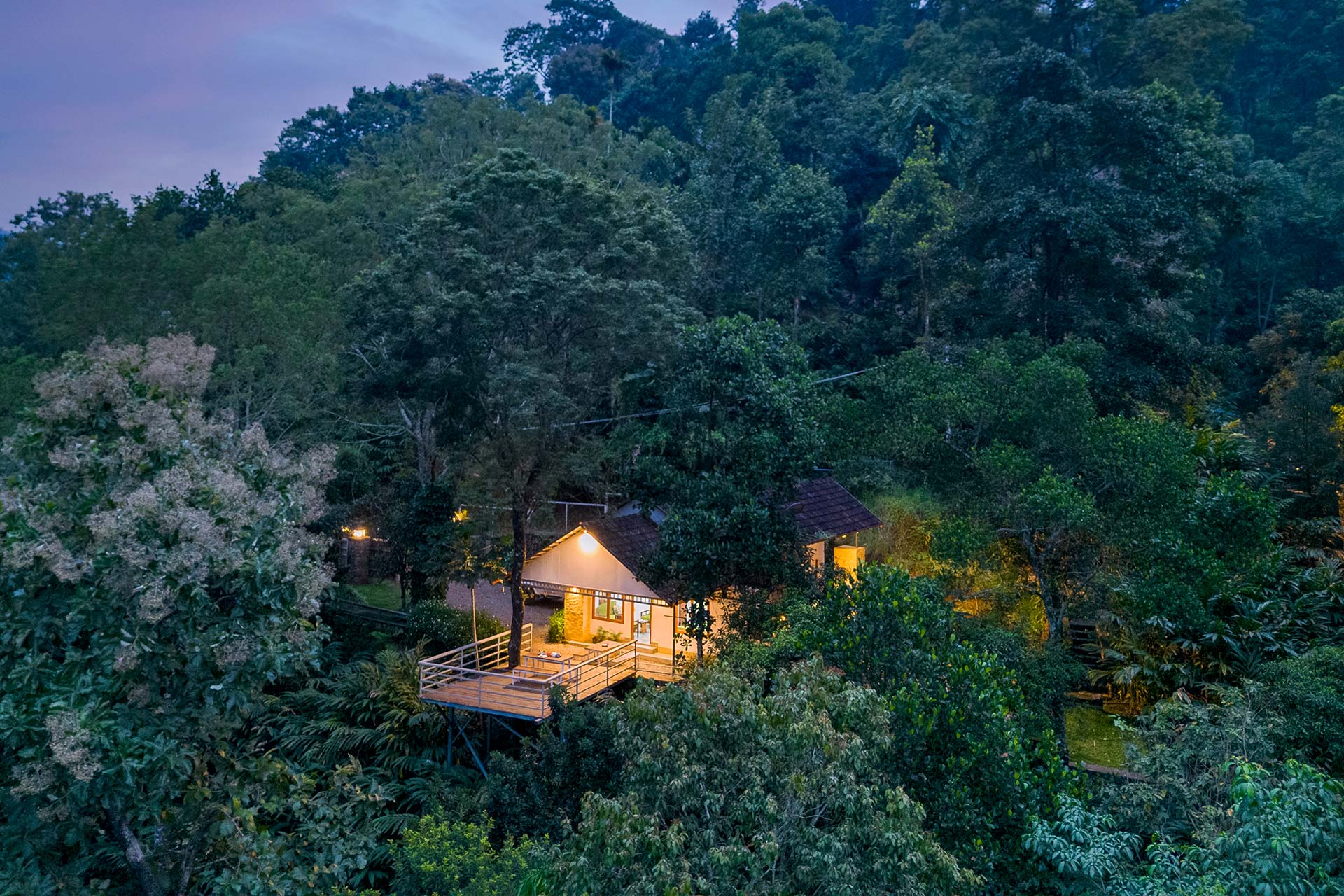
Best Stay in Kabini

Best Stay near Pench Tiger Reserve

Best Stay Near Wayanad Wildlife Sanctuary
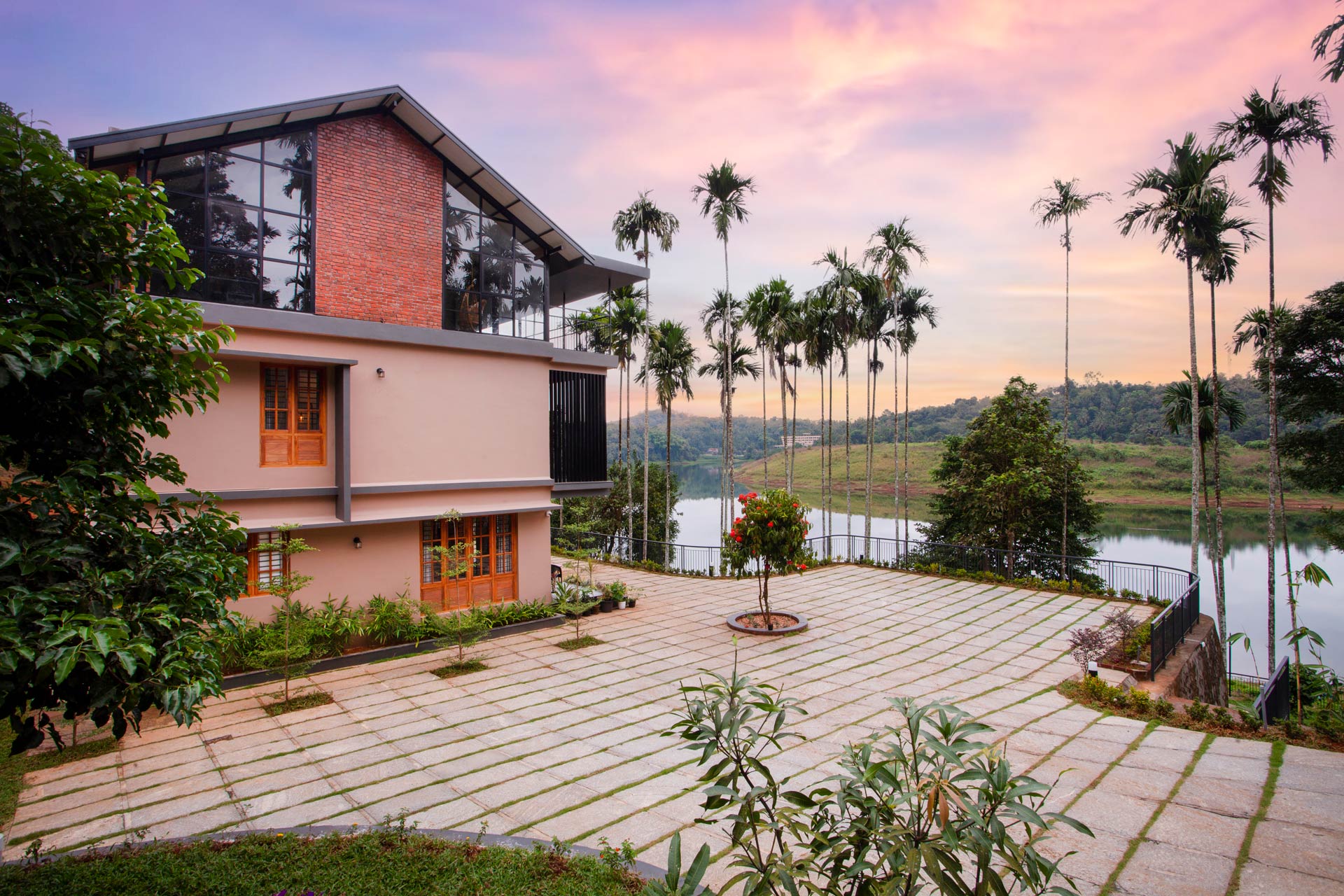
Periyar vs Tadoba vs Ranthambore in Monsoon
The Periyar vs Tadoba vs Ranthambore in monsoon comparison depends on visitor priorities.
| Park | Best Known For | Monsoon Advantage |
| Periyar | Elephants and lake safaris | Strong accessibility and boat-based wildlife viewing |
| Tadoba | Tiger reserve buffer safaris | Good monsoon safari options in operational zones |
| Ranthambore | Fort and tiger habitat | Scenic photography and open tourism zones |
| Kabini | Elephant sightings | Strong wildlife diversity during rains |
| Nagarhole | Biodiversity | Consistent wildlife experiences |
Visitors focused on elephants often prefer Periyar or Kabini. Those interested in tiger habitats may choose Tadoba or Ranthambore.
Safest Jungle Safari in Heavy Rain Near Mumbai/Bangalore
For travellers based in Mumbai, Tadoba’s buffer zones remain one of the most practical choices.
For visitors from Bengaluru, Kabini and Nagarhole generally provide safer and more accessible safari experiences during periods of heavy rainfall.
These reserves benefit from established tourism infrastructure and experienced safari operators.
Conclusion: Why a Monsoon Safari in India Is Worth Considering in 2026
A Monsoon safari in India proves that wildlife tourism does not have to stop when the rains arrive. While some reserves close core areas for conservation and safety reasons, several destinations continue welcoming visitors through buffer zones, lake safaris and carefully managed tourism routes.
From elephant encounters in Periyar and Kabini to photography opportunities in Ranthambore and wildlife-rich forests in Nagarhole, the rainy season offers experiences that are often very different from traditional summer safaris.
For wildlife enthusiasts, photographers and nature lovers, a carefully planned Monsoon safari in 2026 may become one of the most memorable jungle trips of the year.
FAQs
Several National parks open during the monsoon include Periyar, Kabini, Nagarhole, Wayanad Wildlife Sanctuary, Satpura and selected zones of Ranthambore and Tadoba.
Yes. Selected tourism zones, particularly Zones 6–10, may remain operational during July depending on forest department regulations and weather conditions.
Yes. Buffer zones in reserves such as Tadoba and Pench often remain open, allowing tiger safari opportunities during the rainy season.
Many reserves close core zones to protect habitats, support wildlife breeding cycles and ensure visitor safety during heavy rainfall.
Zones 6 to 10 are generally the areas most likely to remain accessible during monsoon months, subject to official guidelines.
Core zones usually provide a more traditional wildlife experience, while buffer zones often remain accessible during the monsoon and support community-based tourism.
Periyar and Kabini are widely regarded as top choices for elephant sightings during the rainy season.
Kabini and Nagarhole are often considered among the safest options near Bengaluru, while Tadoba buffer zones remain a practical choice for visitors from Mumbai.