
8 Best Places to Visit in Almora: Why Almora is Becoming India’s Wellness Destination
Last updated: October 2026
Almora is a 1,638-metre Kumaon ridge town that has emerged as one of North India’s best-value wellness destinations, anchored by the Kasar Devi ridge (where Vivekananda meditated in 1898 and where the 1960s–70s counterculture made its home), the 124-temple Jageshwar Dham complex, the Binsar Wildlife Sanctuary, and a growing cluster of yoga, Ayurveda and meditation retreats. October to November is the best window: 17–25°C days, clear skies, uninterrupted Himalayan panoramas before the December snow sets in. The 8 places below cover temples, viewpoints, forest reserves and bazaar culture; all are accessible within an hour of Almora town.
Side step a little from Mussoorie and Shimla in May and June, as you make way for one of the most underrated cool places to visit in summer in India – Almora, North India’s breakthrough summer holiday destination of 2026. This Himalayan powerhouse has transformed from an overlooked hill station in Uttarakhand into the country’s most compelling wellness hotspot.
While the rest of India swelters, Almora delivers exactly what your body and mind crave: crystalline mountain air, stunning Himalayan panoramas, and authentic spiritual practices that predate Instagram wellness trends by centuries. As temperatures climb across the subcontinent, savvy travellers are abandoning overcrowded hill stations in India for Almora’s genuine restorative power – making it this summer’s essential escape.
In this Blog
Quick Info.
| Field | Detail |
|---|---|
| Altitude | 1,638 metres above sea level |
| State / District | Uttarakhand (Kumaon region) |
| Nearest railway station | Kathgodam (90 km, 3 hours) |
| Nearest airport | Pantnagar (125 km, 4 hours); Delhi IGI (380 km) |
| Best time | October–November (post-monsoon, clearest views); March–June (spring); avoid July–September monsoon |
| Ideal duration | 3 nights / 4 days |
| October–November temperature | Day 17–25°C; night 9–16°C |
| Famous for | Kasar Devi mysticism, Jageshwar temples, Binsar views, Kumaoni cuisine, wellness retreats |
Why Almora is Different

Unlike the crowded streets of Nainital or the tourist-packed attractions of Mussoorie, Almora in summer offers something increasingly rare in India’s popular hill stations: genuine peace. At 1,638 meters above sea level, the town sits at the perfect altitude – high enough to escape the scorching summer heat of the plains, yet accessible enough for a comfortable journey.
The region’s traditional Kumaoni culture remains intact, untainted by excessive commercialization. Here, wellness isn’t a modern trend but a way of life that has existed for centuries.
When to Visit Almora for Wellness
October to November (ideal — current window): Post-monsoon shoulder with clearest Himalayan visibility of the year. Days 17–25°C, nights 9–16°C. Rainfall is minimal (October averages ~5 rain days; November under 2). This is the single best window for the full Almora experience — Binsar viewpoints are haze-free, Jageshwar’s forest shows its post-rain lushness, and the Nanda Devi Fair (early–mid October) adds cultural depth.
December to February: Winter proper. Day temperatures 6–14°C, nights down to -2°C. Snowfall possible, particularly in December–January above 1,900m (Binsar). For snow photographers and silent-retreat seekers, this is prime; carry serious winter gear and factor road-closure risk.
March to June: Spring and early summer. 15–28°C days. Rhododendron bloom in April–May adds colour across the Kumaon ridges. Second-best window after October–November.
July to mid-September: Monsoon. Avoid for travel — Kwarab landslide risk, 70%+ humidity, obstructed views. Ayurvedic Panchakarma retreats specifically do run in this window (monsoon is the traditional detox season in Ayurvedic calendars), but tourism-focused visits should skip these months.
How to Reach Almora
By air: Nearest airport is Pantnagar (125 km, 4 hours by taxi). Delhi IGI (380 km) is the common international gateway; from Delhi, drive, train or shared taxi onwards.
By train: Nearest railhead is Kathgodam (90 km, 3 hours). The Delhi–Kathgodam Shatabdi Express (12040) departs New Delhi at 6:20 AM and reaches Kathgodam by noon — the smoothest overnight-return option from Delhi. The Ranikhet Express is the overnight sleeper alternative.
By road: 380 km from Delhi via NH-9 and NH-109. 7 to 9 hours drive. Current road advisory (October 2026): The Almora–Haldwani stretch of NH-109 near Kwarab has a recurring landslide risk. Monsoon spells repeatedly block the route. As of early October 2026 the road is operational post-monsoon, but check Uttarakhand traffic police updates (@UttarakhandPolice on X) before setting out, particularly on rain-forecast days. Allow a 1–2 hour buffer.
Top Places to Visit in Almora for Wellness Seekers

1. Kasar Devi Temple
This ancient 2nd-century temple isn’t just a religious site – it sits on a geomagnetic field similar to Stonehenge, creating what locals call the “Kasar Devi Effect.” Many visitors report feeling an immediate sense of calm and mental clarity here. The spectacular views of the Himalayas from this ridge make it ideal for meditation and contemplation.
- Location: 8 km from Almora town centre; sits on the Kasar Devi ridge locally known as “Crank’s Ridge”
- Time required: 1 to 1.5 hours including walk-around time
Why the wellness crowd knows Kasar Devi: The Kasar Devi ridge sits on a geomagnetic Van Allen Belt anomaly — one of only three such zones in the world, alongside Machu Picchu and Stonehenge. The scientific framing is contested, but the counterculture history is not. Through the 1960s and 1970s, the ridge drew a generation of seekers that included Bob Dylan, Cat Stevens (Yusuf Islam), Beat generation writers (Allen Ginsberg, Gary Snyder), Timothy Leary, and D.H. Lawrence — the strip was nicknamed “Crank’s Ridge” in local lore. The 1898 visit by Swami Vivekananda to the Kasar Devi temple, during which he wrote and meditated, is the earlier spiritual anchor; his notes from this stay informed sections of his later Advaita philosophy writing.
2. Bright End Corner
True to its name, this viewpoint captures the most magnificent sunrises and sunsets in Almora. The panoramic vistas of snow-capped peaks transform with the changing light, creating the perfect setting for morning yoga or evening mindfulness sessions. Several wellness retreats have established themselves nearby precisely for this reason.
- Location: 2 km from Almora town centre
- Time required: 30 minutes to 1 hour
3. Binsar Wildlife Sanctuary
Just 30 kilometers from Almora, Binsar offers the cleanest air in the region. Wander through ancient oak and rhododendron forests where the only sounds are birdsong and rustling leaves. The 300-year-old Bineshwar Temple within the sanctuary combines spiritual heritage with natural splendor, making it perfect for forest bathing – the Japanese practice of mindfully immersing yourself in nature.
- Timings: 7:00 AM to 6:00 PM (summer) / 8:00 AM to 5:00 PM (winter); forest gate manages entries
- Location: 33 km from Almora; the main viewpoint (Zero Point) is a short walk from the forest road
4. Katarmal Sun Temple
Dating back to the 9th century, this temple dedicated to Surya (the sun god) is the second most important sun temple in India after Konark. Its isolated location and architectural magnificence create a powerful energy that many wellness practitioners incorporate into healing rituals and meditation practices.
- Location: 17 km from Almora on the Ranikhet road
- Time required: 1.5 hours including the short walk from the parking area
5. Jageshwar Temple Complex
Set in a narrow valley surrounded by dense deodar forests, this complex of 124 small and large stone temples creates an atmosphere of profound peace. The ancient cedars are believed to release phytoncides – natural compounds that boost immunity and reduce stress hormones. Many Ayurvedic practitioners recommend spending time here for its healing environment.
- Location: 36 km from Almora via NH-109 (approximately 1.5 hours by car on the Jageshwar road)
- Time required: Half-day — 3 to 4 hours including the drive each way
6. Chitai Golu Devta Temple
Chitai Golu Devta is the most unusual temple in the Almora belt — thousands of bells of every size hang from the premises, left by devotees whose wishes have been granted. Golu Devta is considered the “god of justice” in Kumaoni tradition; people traditionally write their petitions on stamp paper and tie them to the temple railings alongside a bell.
- Location: 8 km from Almora on the Pithoragarh road
- Time required: 1 hour
7. Nanda Devi Temple
Nanda Devi is Almora’s chief deity — the goddess linked to Nanda Devi peak (India’s second-highest mountain at 7,816m). The temple sits at the heart of Almora’s old bazaar on Mall Road, and the annual Nanda Devi Fair (Nanda Ashtami, in September each year) is the town’s biggest cultural event.
- Location: Mall Road, Almora bazaar
- Time required: 30–45 minutes
8. Simtola Eco-Park and Nature Reserve
Simtola is a quiet pine-forest reserve 3 km from Almora town, popular as a short walking trail and picnic spot. It gives you a 360-degree Himalayan panorama on clear days without the drive-time of Binsar.
- Timings: 7:00 AM to 6:00 PM
- Location: 3 km from Almora town centre
The Rise of Wellness Retreats
Almora’s natural advantages have attracted a new wave of thoughtfully designed wellness destinations:
Himalayan Yoga Ashrams
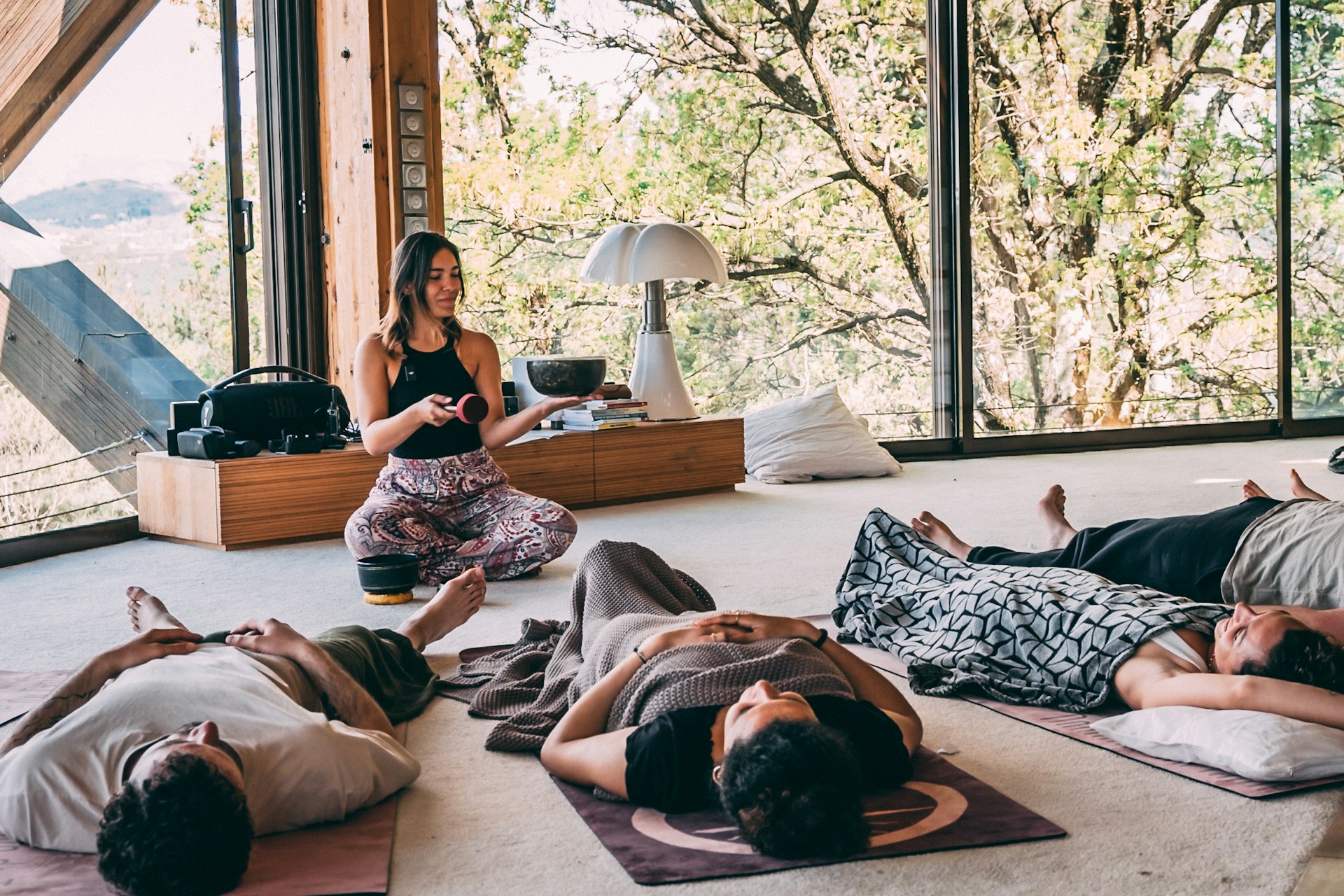
Traditional yoga ashrams have found their perfect setting in Almora’s tranquil environment. These centers offer authentic yoga practices focused on holistic healing rather than just physical postures. Most importantly, these ashrams maintain the integrity of ancient practices while offering comfortable accommodations for modern travellers.
Ayurvedic Healing Centers
Leveraging the region’s abundance of medicinal herbs and plants, several Ayurvedic centers have established themselves in and around Almora. These centers offer personalized treatments using locally sourced ingredients, providing an authentic healing experience that urban wellness centers simply cannot match.
Meditation Retreats
Silent retreats ranging from 3 to 10 days have become increasingly popular in Almora’s outskirts. The natural silence of the mountains enhances the meditation experience, allowing for deeper introspection. Many retreats are situated to capture views of the majestic Nanda Devi peak, believed to amplify spiritual energy.
Local Wellness Traditions and Experiences

Kumaoni Cuisine as Medicine
The local diet naturally aligns with wellness principles. Traditional Kumaoni cuisine features nutrient-dense ingredients like mandua (finger millet), jhangora (barnyard millet), and locally foraged greens. Many retreats now offer cooking classes focused on these indigenous superfoods, helping visitors take wellness practices back home.
Herbal Walks and Plant Medicine
Guided walks with local herbalists to identify and harvest medicinal plants have become popular wellness activities. The region is rich in herbs like bhilmora (nettle), timur (Szechuan pepper), and kutki, which have been used in traditional medicine for centuries.
Mountain Water Therapy
The natural mineral-rich springs in the region are increasingly being incorporated into wellness routines. The pure mountain water is believed to have detoxifying properties, with several retreats offering specialized hydrotherapy treatments using local spring water.
Where to Stay for the Ultimate Wellness Experience
The accommodation options in Almora perfectly complement its wellness offerings. From heritage homestays to luxury retreats, there’s something for every wellness seeker:
- Heritage Havens: Restored Kumaoni houses offering authentic cultural immersion along with wellness amenities
- Eco Retreats: Sustainable properties built with local materials and minimal environmental impact
- Luxury Wellness Resorts: High-end accommodations combining traditional practices with modern comforts
StayVista offers a carefully curated selection of properties that enhance the wellness journey, from mountain-view villas with private yoga decks to restored heritage homes surrounded by organic gardens.
When to Visit Almora for Wellness
While Almora is becoming a popular summer destination to escape the heat, wellness seekers might consider these optimal times:
- March-April: Perfect for herb walks and foraging as spring brings new growth
- May-June: Ideal for those seeking relief from summer heat with clear mountain views
- September-October: Post-monsoon clarity with lush landscapes and fewer tourists
- November: Clear air and crisp weather, perfect for outdoor yoga and meditation
Where to Stay while visiting Almora?


The Road Ahead for Almora
As word spreads about Almora’s unique wellness offerings, the region is carefully balancing growth with preservation. Unlike over-commercialized destinations, Almora is focusing on sustainable wellness tourism that benefits local communities while maintaining the very tranquility that attracts visitors.
Almora isn’t just joining India’s wellness map – it’s redefining what a truly holistic wellness destination can be. By harmonizing ancient wisdom with natural beauty and authentic experiences, Almora offers something increasingly precious: a genuine opportunity to reconnect with yourself in an environment that inherently promotes wellbeing.
For those seeking more than just a vacation but a transformative experience, Almora’s healing embrace awaits.
FAQs: Almora Wellness Destination
Yes — October is one of the best months of the year for Almora. The monsoon has retreated, skies clear up for consistent Himalayan views, daytime temperatures sit at a comfortable 17–25°C, and the Nanda Devi Fair falls early in the month. The Kwarab landslide stretch of NH-109 that disrupts monsoon travel is operational again post-October 1. Pack warm layers for 9–16°C evenings.
₹150 per Indian adult, ₹75 for students, ₹600 for foreign nationals, plus vehicle entry (₹250 small, ₹500 medium, ₹800 heavy). The forest gate runs 7 AM to 6 PM in summer and 8 AM to 5 PM in winter. The entry fee covers Zero Point (the main viewpoint) and the sanctuary trails.
Two reasons. First, as the site where Swami Vivekananda meditated and wrote in 1898. Second, as the 1960s–70s hub of the counterculture — the ridge drew Bob Dylan, Cat Stevens, Allen Ginsberg, Gary Snyder, Timothy Leary and D.H. Lawrence, who put the strip on the global spiritual-seekers map. The ridge sits on a geomagnetic Van Allen Belt anomaly, one of three such zones globally (the others are Machu Picchu and Stonehenge).
Yes — Kainchi Dham is 44 km from Almora (1.5 hours by road). Most travellers combine both over 4–5 days, basing in Almora or Bhowali and day-tripping to the one not covered by their base. The Kainchi Dham ashram follows its own winter-closure calendar (mid-December to late February can have closed periods) — verify before travel.
The Kasar Devi ridge belt holds the densest cluster of retreats, with offerings ranging from 3-day silent-meditation Vipassana courses to 10-day guided yoga programmes. The Himalayan Yoga Academy at Mukteshwar (50 km) and the Ayurvedic centres around Jageshwar (36 km) are the two off-Almora alternatives. Book 4–8 weeks ahead for the October–March season.