
Best Time to Visit Coorg: Should You Go Before or During the Monsoon? A 2026 Guide
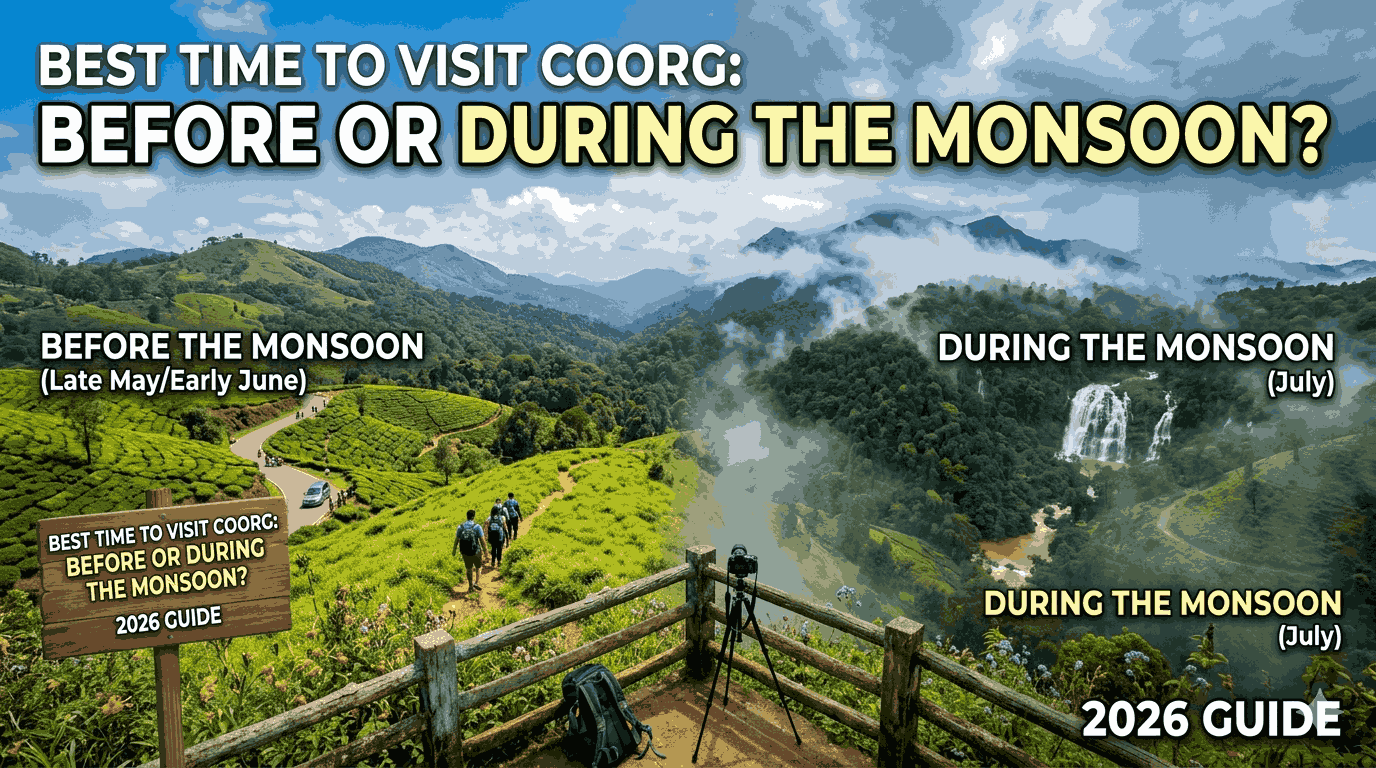
The best time to visit Coorg depends on what you want from the trip. For dry roads, clear viewpoints, and easy trekking, plan between October and May. For misty coffee estates, full waterfalls, and lower tariffs, visit during the southwest monsoon from June to September — accepting slower travel and frequent rain.
TL;DR: Coorg receives roughly 2,725 mm of rainfall annually, with about 80% concentrated between June and September (India Meteorological Department, 2024). Pre-monsoon June is the sweet spot for green landscapes with manageable rain; July and August deliver peak monsoon drama but disrupt outdoor plans. Choose your window based on whether you prioritise sightseeing access or atmospheric rainy-season scenery.
In this Blog
Best time to visit Coorg in 2026
The most favourable months to visit Coorg in 2026 are October through March, when daytime temperatures sit between 15°C and 28°C and rainfall stays under 100 mm per month (IMD Kodagu station data, 2024). These months suit trekking, plantation tours, and viewpoint visits without weather disruption.
That said, three distinct windows attract different traveller types. The cool, dry winter (October–February) is busiest and priciest. April and May bring warmer days, ripe coffee blossoms, and lighter crowds before schools close. June through September — the southwest monsoon — turns Coorg into a saturated, cloud-wrapped landscape that photographers, honeymooners, and slow-travel enthusiasts deliberately seek out.
Pre-monsoon week (early to mid-June) is an underrated sweet spot. The hills have already greened up, waterfalls have started flowing, and resort tariffs drop 20–35% from peak season — yet the heaviest rainfall hasn’t arrived. Travellers booking in this window often get monsoon-style scenery with weekday-tourist crowd levels.
Read more: Complete guide to seasonal travel in Karnataka
Coorg before monsoon vs during monsoon
The decision usually comes down to two trade-offs: access versus atmosphere, and outdoor activity versus indoor immersion. The table below summarises the practical differences.
| Factor | Before monsoon (May–early June) | During monsoon (mid-June–September) |
| Average rainfall | 80–250 mm/month | 600–1,200 mm/month |
| Road condition | Mostly dry, fully accessible | Wet, occasional landslides on hill stretches |
| Waterfall flow | Moderate at Abbey, Iruppu | Peak flow, often closed for safety |
| Trekking | Open (Tadiandamol, Brahmagiri) | Restricted or closed in heavy weeks |
| Coffee plantations | Green, flowering ends | Lush, mist-soaked, harvest preparation |
| Tariffs | Mid-range | 20–40% lower at most properties |
| Crowds | Light to moderate | Light (except long weekends) |
What Coorg is like before monsoon?
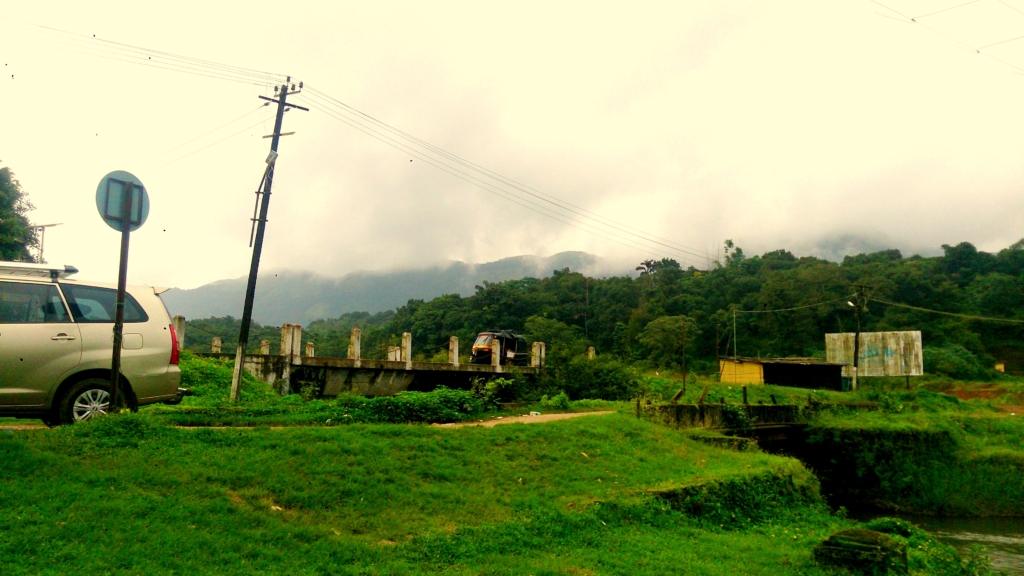
Coorg in late May and early June offers what many travellers call the “easy” version of the destination. Daytime temperatures range from 18°C to 30°C, and the pleasant weather in Coorg during this window makes long walks through coffee estates comfortable. Coorg weather in June, before the rains break fully, typically delivers 4–6 dry hours each day with isolated afternoon showers.
Roads to Madikeri, Virajpet, and the major resorts stay in good condition. Tadiandamol Peak, Coorg’s tallest, remains open for day treks. Abbey Falls and Iruppu Falls flow with moderate force, allowing closer viewing platforms to operate normally. This is also when the last of the coffee flowers fade and the small, bright-green coffee berries begin forming on the bushes — a detail estate-stay hosts often point out on guided walks.
What Coorg is like during monsoon?
From the third week of June through early September, the southwest monsoon transforms the region. Coorg weather in July is the wettest of the year, with monthly rainfall frequently crossing 900 mm at the Madikeri observatory (IMD Karnataka State Report, 2024). Coorg weather in August moderates slightly to 700–900 mm but brings persistent overcast skies and mist that can sit in the valleys for entire days.
This is the rainy season most associated with the classic “Coorg in monsoon” imagery — coffee bushes glossy with water, streams running across forest paths, and waterfalls roaring at full volume. The trade-off is real: outdoor sightseeing windows shrink, leeches appear in plantation undergrowth, and some viewpoints close temporarily after heavy rain.
According to district tourism data, footfall in Kodagu drops roughly 45–55% between July and August compared to peak December bookings (Karnataka Tourism, 2024). For travellers willing to plan around the weather, this means quieter homestays and easier last-minute reservations.
[INTERNAL-LINK: detailed Coorg homestay reviews → curated stay listings by season]
Coorg weather by month
A clear month-by-month picture helps match expectations to reality. The figures below are averages from the IMD Madikeri observation station; individual years vary, especially with shifting monsoon onset patterns recorded since 2020.
- June: 24°C average; rainfall 600–800 mm. Monsoon usually arrives by the first week. Mornings often clear, afternoons wet.
- July: 22°C average; rainfall 900–1,200 mm. Wettest month. Expect multi-day continuous rain.
- August: 22°C average; rainfall 700–900 mm. Heavy rain continues, with occasional clear half-days.
- September: 23°C average; rainfall 250–450 mm. Monsoon withdraws. Best month for “wet-green Coorg without daily downpours.”
- October–November: 21°C average; rainfall under 150 mm. Northeast monsoon brings light showers. Excellent visibility.
- December–February: 15–25°C; rainfall under 30 mm. Coolest, driest months. Peak tourist season.
- March–April: 28–32°C daytime; rainfall under 80 mm. Coffee blossoms in late March bring fragrance and bee activity.
- May: 25–30°C; rainfall 80–250 mm. Pre-monsoon thundershowers begin. Hills start greening.
Is Coorg Worth Visiting During Monsoon?
Yes — Coorg is worth visiting during monsoon if you accept the trade-offs. The scenery peaks visually, tariffs drop sharply, and crowds thin out, but outdoor activities reduce and travel times lengthen. Is Coorg safe in monsoon? Generally yes on main roads and within resort grounds, with caution required for hill driving, river crossings, and landslide-prone stretches near Madikeri–Mangalore highway sections.
The monsoon experience suits travellers who plan slow, indoor-friendly days punctuated by short outdoor windows. It does not suit travellers building tight outdoor sightseeing itineraries or those uncomfortable driving on wet ghat roads. The Karnataka State Disaster Management Authority issues localised landslide alerts during heavy rainfall spells, particularly in the Madikeri taluk; checking these the morning of any drive is standard practice for local drivers.
On a July trip to a Pollibetta estate, the rain fell for thirty straight hours — and the trip still ranked among the best plantation stays the team has logged in Karnataka. The pattern is consistent: monsoon Coorg rewards travellers who treat rain as the attraction rather than the obstacle. A plantation stay with covered walkways, valley-facing balconies, and an in-house kitchen typically produces a more satisfying trip than chasing viewpoints between showers.
Best Places to visit in Coorg During Monsoon
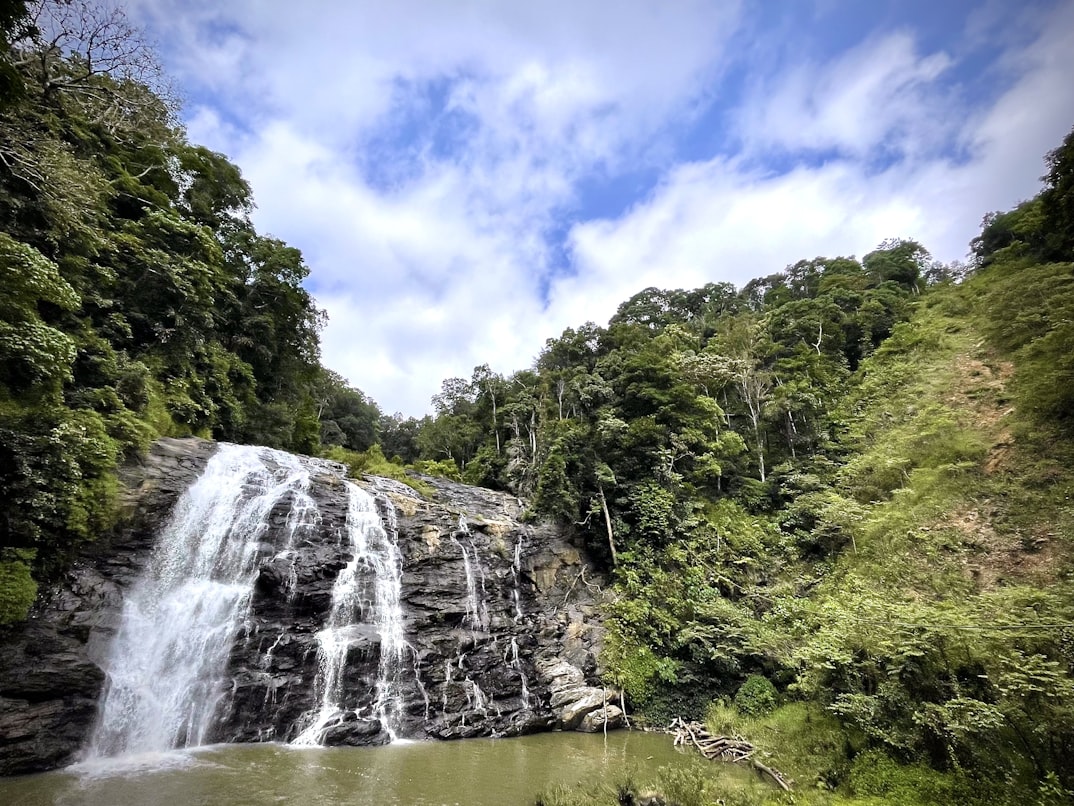
The most rewarding monsoon stops are ones that benefit from rainfall rather than fight it. Coorg waterfalls in monsoon — particularly Abbey, Iruppu, and Mallalli — reach their full thundering scale during July and August.
- Abbey Falls (near Madikeri): Viewing bridge stays open in most conditions. Path can be slippery.
- Iruppu Falls (Brahmagiri foothills): Higher altitude, dramatic flow. Trail closes during heavy spells.
- Mallalli Falls (Pushpagiri range): Less commercial, longer access trail, spectacular in full monsoon.
- Raja’s Seat (Madikeri): Sunset point that doubles as a mist-watching deck.
- Dubare Elephant Camp: River-rafting suspended, but elephant interaction sessions continue on most days.
- Talakaveri (Brahmagiri): Source of the Kaveri river. Sacred site, particularly atmospheric in rain.
- Namdroling Monastery (Bylakuppe): Indoor cultural site, ideal for full-rain days.
The Department of Tourism typically advises calling ahead before visiting waterfalls during July, since temporary closures are issued based on rainfall intensity (Karnataka Tourism, 2024).
Coorg Travel Tips for Rainy Season
Practical preparation makes the difference between an enjoyable monsoon trip and a frustrating one. The most common avoidable problems are wet footwear, leech encounters on plantation walks, and last-minute road closures that disrupt return travel.
- Pack a quick-dry kit: Synthetic clothing, two pairs of footwear, a packable rain shell, and a dry bag for electronics.
- Choose closed shoes with grip: Sandals are unsafe on wet stone paths around waterfalls and plantations.
- Carry salt and a small towel: Both help with leeches on monsoon trails. Most plantation hosts also keep tobacco or salt at hand.
- Build buffer time: Allow an extra hour on any drive over 60 km. Bengaluru–Madikeri can take 6.5–8 hours in heavy rain versus 5.5 hours in dry season.
- Check road conditions the morning of travel: District administration posts updates on the Kodagu DC website during the monsoon.
- Avoid night driving on ghat roads: Visibility drops sharply, and fallen branches are common.
- Confirm waterfall and trek status with your stay: Conditions change daily.
A small sample of plantation-stay hosts in Kodagu reports that roughly 60% of monsoon guests under-pack rain protection and over-pack non-essential luggage. A single waterproof jacket, two quick-dry trousers, and a microfibre towel cover most needs.
3-day Coorg monsoon itinerary
A three-day window is enough to experience Coorg in monsoon without overcommitting to weather-dependent plans. This Coorg monsoon itinerary balances indoor and short outdoor sessions, leaving room to adjust based on rainfall.
Day 1 — Arrival and Madikeri area
- Morning: Drive in from Bengaluru or Mangalore. Lunch at the homestay.
- Afternoon: Raja’s Seat (mist-watching), Madikeri Fort, Omkareshwara Temple.
- Evening: Coffee and conversation on the plantation veranda.
Day 2 — Waterfalls and forest drive
- Morning: Abbey Falls early to avoid crowds. Return for breakfast.
- Late morning: Drive toward Bhagamandala via Talakaveri.
- Afternoon: Indoor plantation tour and coffee-roasting session.
- Evening: Read, rest, or visit a nearby spice estate if rain pauses.
Day 3 — Bylakuppe and departure
- Morning: Namdroling Monastery at Bylakuppe (1.5 hours each way).
- Lunch: Tibetan food at the monastery complex.
- Afternoon: Return drive, with a stop at Dubare Elephant Camp viewpoint.
- Evening: Depart.
If rainfall is unusually heavy, swap Day 2 for an in-stay routine: late breakfast, plantation walk in light rain gear, and a long covered lunch.
[INTERNAL-LINK: 3-day itineraries for South India hill stations → itinerary library]
Where to Stay in Coorg during Monsoon?
Coorg rewards those who slow down, and the right villa makes all the difference between a rushed trip and a memory that stays with you. Tucked into the coffee-covered hills of Kodagu, The Fig Tree Villa by StayVista is the kind of place that feels like a well-kept secret — a private retreat surrounded by estate greenery where mornings begin with birdsong and the faint smell of coffee blossoms drifting through open windows. It is ideal for families and small groups who want a proper base from which to explore Abbey Falls, Raja’s Seat, and the Namdroling Monastery without the chaos of a resort. For those seeking something with more character and intimacy, Hermitage (Boutique Stay) by StayVista offers a curated experience in the hills of Coorg that feels closer to staying in a planter’s home than a holiday rental — think handpicked decor, valley views, and the kind of quiet that only the Western Ghats can provide. Both properties are part of StayVista’s vetted collection in Coorg, meaning a dedicated caretaker, housekeeping, and the privacy of a fully independent home are built into every stay. Whether you are spending two nights or five, these two villas give you Coorg at its most unhurried.
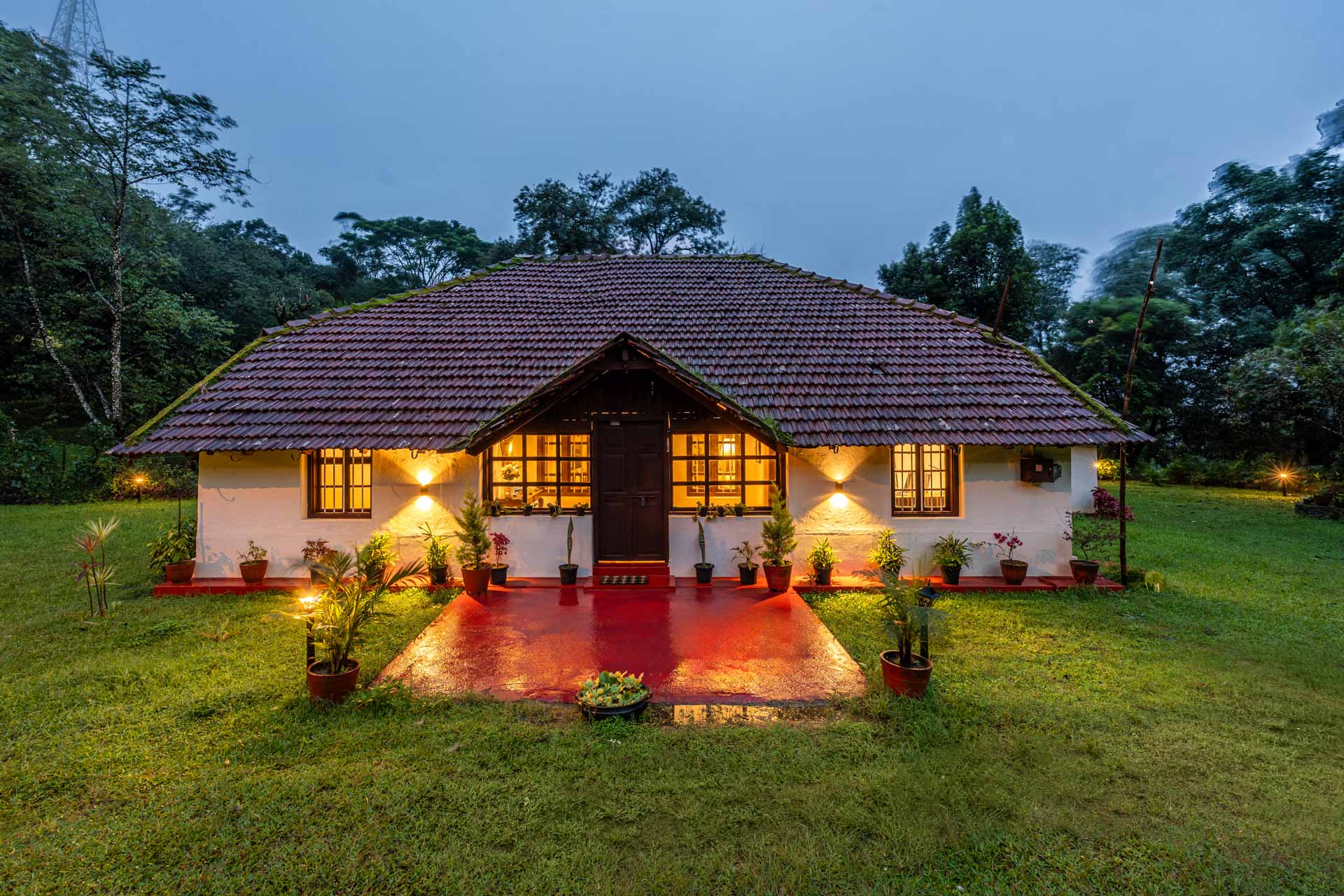
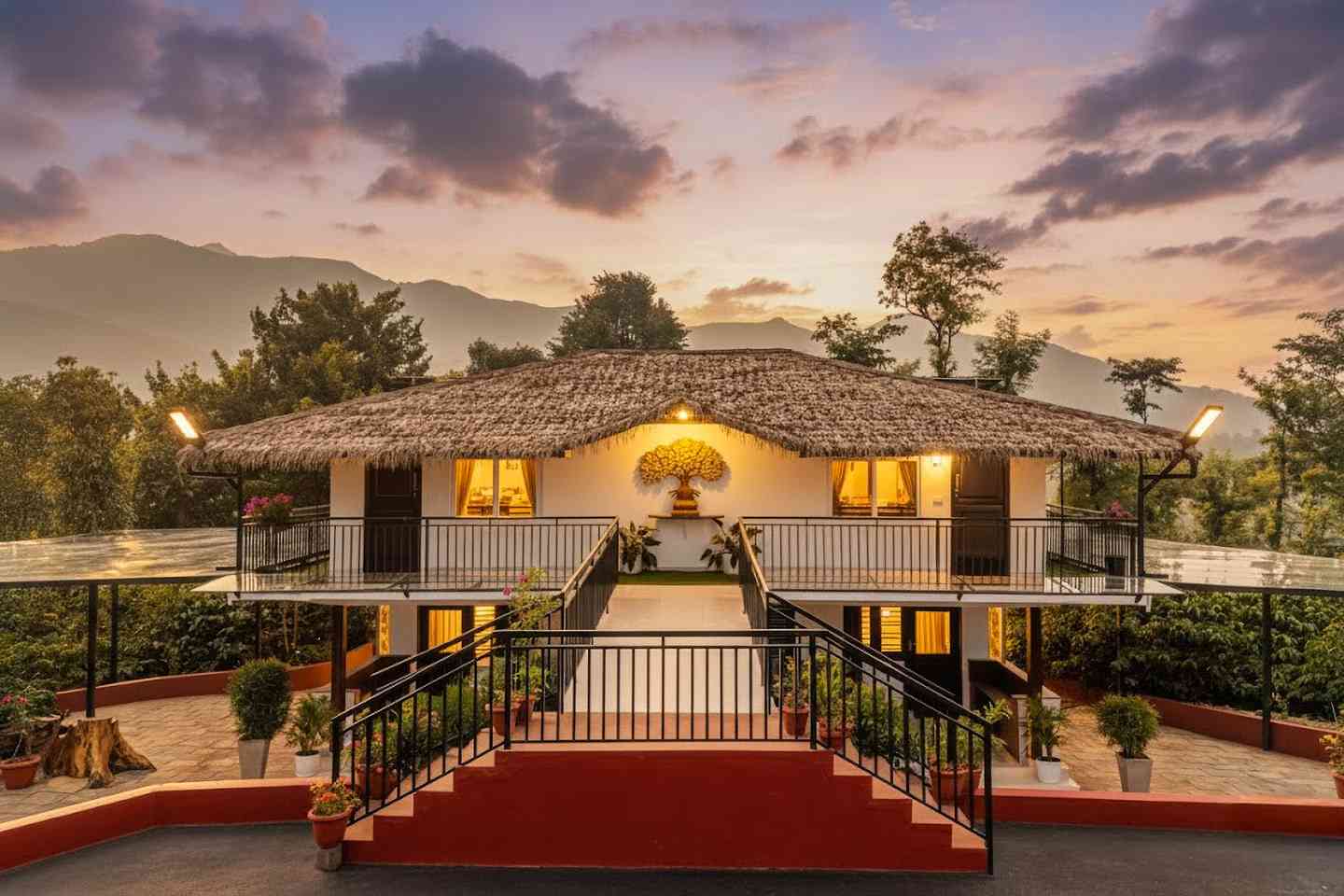
Hermitage Villa
Frequently asked questions
Yes. Early to mid-June offers green landscapes, lower tariffs, and manageable rainfall before the heaviest spells arrive. Outdoor sightseeing remains largely accessible. Late June overlaps with peak monsoon onset, so plan flexibly if travelling after the 20th.
July is Coorg’s wettest month, with rainfall often exceeding 900 mm. It is not too rainy for the right traveller — those wanting mist, full waterfalls, and quiet plantations. It is unsuitable for tightly scheduled outdoor itineraries.
Yes, for travellers seeking scenery, quiet, and lower costs. The trade-off is reduced outdoor access and slower travel. Monsoon suits slow-paced stays, photography, and plantation immersion better than checklist sightseeing.
Coorg is generally safe during monsoon on main roads and within resort grounds. Caution is needed on ghat sections of the Madikeri–Mangalore route, near rivers, and on trekking trails. Landslide alerts are issued locally during heavy spells.
Pack a waterproof jacket, quick-dry clothing, two pairs of closed footwear with grip, a dry bag for electronics, a small towel, basic medicines, and salt for leeches. A power bank handles short electricity interruptions during storms.
Most waterfalls remain visitable from designated viewing platforms in July and August. Some trails are temporarily closed during heavy rainfall for safety. Confirm status with your accommodation the same morning you plan to visit.
Three to four days work well. Two days feel rushed once weather buffers are factored in. Five-plus days suit travellers who want a slow plantation immersion without trying to cover every viewpoint.
Self-drive is workable for experienced drivers comfortable on wet ghat roads. Less-experienced drivers benefit from hiring a local driver familiar with seasonal conditions and alternative routes during landslide closures.
Final takeaways
The honest answer to “before or during the monsoon” is that both seasons offer real value, and the choice depends on travel style rather than which season is objectively better.
- Visit before monsoon (May–early June) for green landscapes with full sightseeing access.
- Visit during monsoon (July–August) for peak atmosphere, lowest crowds, and best rates.
- Visit just after monsoon (September) for the rare combination of full-flowing waterfalls and easier travel logistics.
- Match your stay to the season — covered walkways and plantation settings outperform urban hotels in rainy months.
- Build weather flexibility into any monsoon itinerary; one buffer day prevents most disappointments.
Coorg rewards travellers who arrive with the season in mind rather than against it. Whichever window you choose, the destination tends to deliver what it promises — provided you packed for it.