
15 Best Places to Visit Around Ganga Aarti in Rishikesh (2026-27 Timings & Fees)

Last updated: August 2026
Uttarakhand welcomed a record 6.03 crore (60.3 million) tourists in 2025 — a figure that shattered every previous benchmark for the state (Indian Masterminds, Feb 2026). A massive share of those visitors came for one experience: the Ganga Aarti in Rishikesh.
But here’s the problem. Timings shift between summer and winter. Two main ghats offer very different vibes. Boat rides have no standardised booking system. And if you’re travelling from Mumbai, the train-to-bus connections aren’t obvious. This guide covers every detail you’ll need for a 2026 visit — timings, ghat comparisons, boat costs, travel routes from major cities, and where to stay within walking distance.
Ganga Aarti at Triveni Ghat, Rishikesh runs 5:30–6:30 PM from October 2026 to March 2027 and 6:00–7:00 PM from April to September. Parmarth Niketan Ashram starts 30 minutes earlier in both seasons. Entry is free at every ghat. Shared boat rides at Triveni Ghat cost ₹50–150 per person. Arrive 30 minutes early — 45 minutes on weekends and during Kartik Purnima on 24 November 2026 — for riverside steps. The best window for a comfortable aarti visit is October 2026 to March 2027, when evenings are dry and the river runs clear.
In this Blog
Ganga Aarti Rishikesh 2026-27: Quick Info
Best time to visit: October 2026 to March 2027 for clear evenings; February to April 2027 for pleasant days with fewer crowds
Evening aarti timing: 5:30–6:30 PM October 2026 to March 2027; 6:00–7:00 PM April to September
Morning aarti timing: 5:45–6:30 AM year-round at both ghats
Entry fee: free at Triveni Ghat and Parmarth Niketan
Nearest airport: Jolly Grant Airport, Dehradun (DED), 20 km, 40 minutes by taxi
Nearest railway station: Yoga Nagari Rishikesh (YNRK), 5 km; Haridwar Junction (HW), 25 km
Nearest bus stand: Rishikesh ISBT, 1.2 km from Triveni Ghat
Ideal duration: 2 days for the aarti plus core sights; 3 days to add Neelkanth Mahadev and rafting
Budget range: ₹2,500–4,000 per person per day mid-range; ₹1,200–1,800 budget
Avoid Kanwar Yatra during Shravan in July 2026, when Rishikesh sees crowds in the tens of millions; and mid-June to mid-September monsoon
What Are the Ganga Aarti Timings in Rishikesh for 2026-27?
Evening Ganga Aarti at Triveni Ghat runs 6:00–7:00 PM in summer (April–September) and 5:30–6:30 PM in winter (October–March). Morning aarti starts at 5:45 AM year-round at both ghats. Tourism contributes 14.57% to Uttarakhand’s state SGDP (IBEF, 2025), so these ceremonies are well-maintained and rarely cancelled.
Seasonal Timings Table
| Season | Triveni Ghat Evening | Parmarth Niketan Evening | Morning (Both) |
|---|---|---|---|
| Monsoon, June 2026 to mid-September 2026 | 6:00–7:00 PM | 5:30–6:30 PM | 5:45–6:30 AM |
| Autumn and winter, 1 October 2026 to 31 March 2027 | 5:30–6:30 PM | 5:00–6:00 PM | 5:45–6:30 AM |
| Spring and summer, 1 April 2027 to 30 September 2027 | 6:00–7:00 PM | 5:30–6:30 PM | 5:45–6:30 AM |
The switch happens around 1 October and 1 April each year and is set locally by the Ganga Sabha at Triveni Ghat and by the ashram at Parmarth Niketan — not by a fixed government notification. In practice both shift with sunset, so on a late-March 2027 evening you may find Triveni already starting at 5:45 PM. Call ahead if you are timing a taxi around it.
Best Time to Visit Rishikesh for Ganga Aarti (2026-27)
October 2026 to March 2027 is best overall. Dry evenings, clear Himalayan air, river at its most transparent. Carry a fleece — Rishikesh drops to 6–10°C after dark in December and January.
February to April 2027 is best for first-timers. Comfortable 15–28°C days, aarti still at the earlier winter time until 31 March, rafting season fully open.
24 November 2026, Kartik Purnima, is the most spectacular and the most crowded. Thousands of diyas on the water at Triveni Ghat. Reach the ghat by 4:00 PM.
14 June 2027 is Ganga Dussehra — the river’s own festival, with extended aarti at both ghats and heavy pilgrim footfall.
Skip July 2026, the Kanwar Yatra during Shravan. Traffic on NH-34 and the Haridwar–Rishikesh road is restricted or diverted for days at a stretch. Uttarakhand Tourism publishes route advisories each Shravan — link out to uttarakhandtourism.gov.in here.
Skip mid-June to mid-September. The Ganga runs brown and high, rafting is suspended from around 30 June, and aarti is occasionally shortened during heavy rain.
Pro Tips for Timing Your Visit
Arrive at least 30 minutes before the listed start time. Both ghats are open 24/7 for general access, but front-row seating fills fast — especially at Parmarth Niketan, where VIP spots near the priests go first. Ever tried watching a ceremony through a wall of phone screens? That’s what the back rows feel like.
Morning aarti is the hidden gem. Crowds are a fraction of what you’ll see at dusk. The 5:45 AM session draws mostly local devotees and serious practitioners, which gives it an intimacy the evening spectacle simply can’t match.
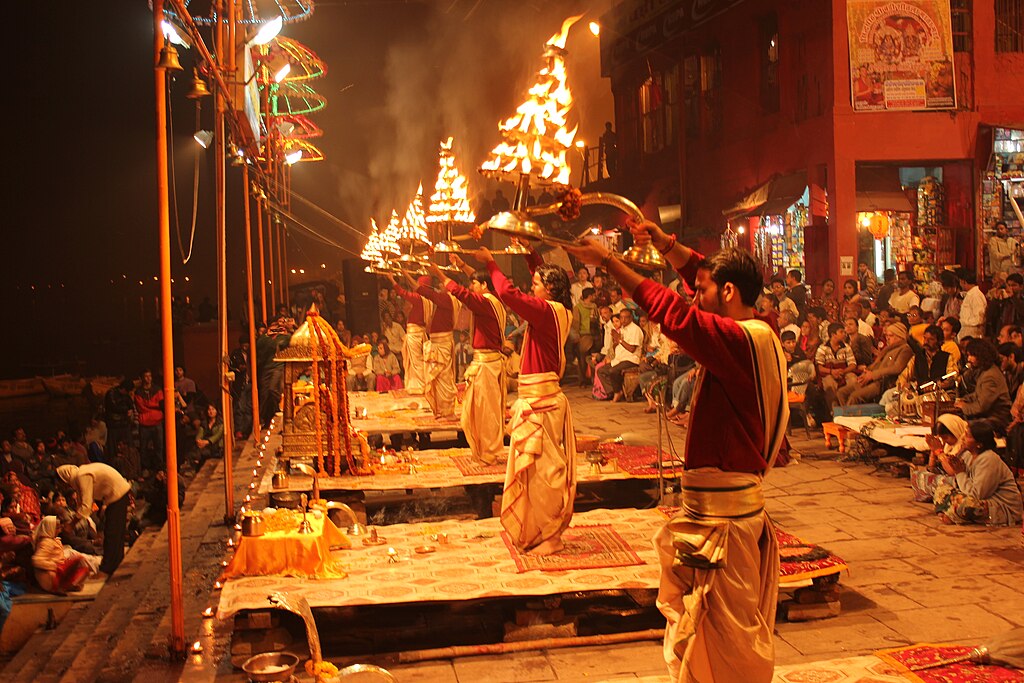
Ganga Aarti at Triveni Ghat in Rishikesh runs 6:00–7:00 PM in summer and 5:30–6:30 PM in winter, while Parmarth Niketan starts 30 minutes earlier each season. Tourism contributes 14.57% to Uttarakhand’s SGDP (IBEF, 2025).
15 Best Places to Visit Around Ganga Aarti in Rishikesh (With Entry Fees & Timings)
Riverfront Ghats & Bridges for the Aarti (1–5)
1. Triveni Ghat

Triveni Ghat is the largest and most attended aarti ghat in Rishikesh, drawing several thousand people on weekend evenings. The Maha Aarti here is run by local priests with tiered brass lamps and live drumming. The ghat also hosts the morning ritual bath and pind daan ceremonies, so mornings feel entirely different from evenings.
- Entry fee: Free
- Timings: Ghat open 24 hours. Aarti 5:30–6:30 PM (Oct 2026–Mar 2027), 6:00–7:00 PM (Apr–Sep). Morning aarti 5:45–6:30 AM
- Best time to visit: Weekday evenings, November to February
- How to reach: Central Rishikesh — 1.2 km from Rishikesh ISBT, 5 km from Yoga Nagari Rishikesh station, 25 km from Haridwar Junction. Auto from ISBT ₹50–100
- Time required: 1.5 hours including seating time
- Ideal for: Families, first-timers, large groups, elderly travellers — the steps have railings
- Pro tip: Face the river and take the left-hand steps. The crowd funnels right toward the Shiva statue, so the left side clears within ten minutes of the aarti ending — the best spot to watch diyas drift downstream
2. Parmarth Niketan Ghat

Parmarth Niketan is India’s largest ashram by resident capacity, and its aarti starts 30 minutes before Triveni’s in every season. The ceremony opens with Vedic chanting by resident students, includes a short discourse, and ends with lamps on the ashram’s own steps. Travellers consistently tell us this is the version they remember — less spectacle, more atmosphere.
- Entry fee: Free. Voluntary donation counter inside the ashram
- Timings: Aarti 5:00–6:00 PM (Oct 2026–Mar 2027), 5:30–6:30 PM (Apr–Sep). Gates open 4:00 PM
- Best time to visit: Monday to Thursday evenings, October to March
- How to reach: Swarg Ashram, 4.5 km from Triveni Ghat. Auto ₹80–150, or a 15-minute walk across Ram Jhula from the Muni Ki Reti side
- Time required: 1 hour
- Ideal for: Couples, solo travellers, anyone who wants the ritual over the crowd
- Pro tip: Shoes come off at the gate and there is no cloakroom, so wear slip-ons. Enter by 4:30 PM in winter for a front step. Drones and tripods are not permitted
3. Ram Jhula (Shivananda Jhula)

Ram Jhula is a 750-foot suspension bridge linking Sivananda Ashram at Muni Ki Reti to Swarg Ashram, and it is the best vantage point for watching aarti lamps float downstream from above. Standing mid-span at dusk puts both ghats, the ashram bells and the full river bend in a single frame.
- Entry fee: Free
- Timings: Open 24 hours. Pedestrians and two-wheelers only
- Best time to visit: 30 minutes before evening aarti, or 5:45 AM for mist over the water
- How to reach: 3.5 km from Triveni Ghat. Shared auto ₹20–30 to Ram Jhula stand, then a 5-minute walk
- Time required: 30–45 minutes with photo stops
- Ideal for: Photographers and couples. Not for anyone uneasy with swaying bridges
- Pro tip: Cross west to east so the sunset falls behind you. Hold bags in front — the bridge is narrow and two-wheelers pass within inches
4. Laxman Jhula Crossing & Bajrang Setu

The original Laxman Jhula, built in 1929, has been closed to the public since 2019 on structural grounds. Bajrang Setu now carries foot traffic across the same stretch and delivers the classic view of the thirteen-storey Tera Manzil temple rising straight out of the riverbank. The Laxman Jhula market on the east bank is the busiest café and shopping strip in Rishikesh.
- Entry fee: Free
- Timings: Open 24 hours. Market shops roughly 9:00 AM to 9:00 PM
- Best time to visit: 4:00–5:00 PM for golden light on the temple façade
- How to reach: 5 km from Triveni Ghat via Muni Ki Reti. Auto ₹100–150, or 12 minutes by taxi
- Time required: 30 minutes on the bridge, 2 hours including the market
- Ideal for: Shoppers, café-hoppers, solo travellers
- Pro tip: Shoot the temple from the middle of the span, not the ends — the ends put electrical cables across the frame
5. Nav Ghat, Muni Ki Reti
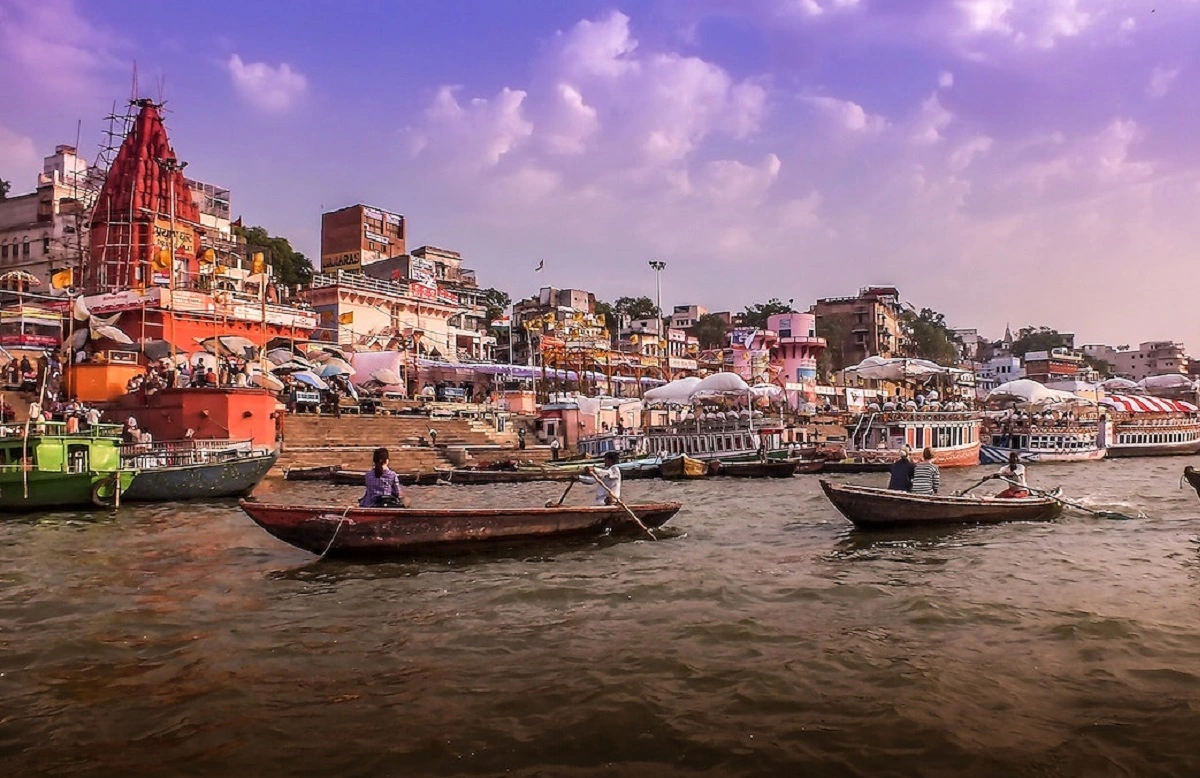
Nav Ghat sits at the Chandrabhaga stream’s confluence near Muni Ki Reti and runs a small, locals-only evening aarti attended by around forty people. This is where Rishikesh residents themselves go, and it is the only ghat in town where you can watch the ritual without a camera phone in your sightline.
- Entry fee: Free
- Timings: Open 24 hours. Informal aarti around 5:15 PM in winter, 5:45 PM in summer
- Best time to visit: Weekday evenings, November to February
- How to reach: 3 km from Triveni Ghat on the Muni Ki Reti–Ram Jhula road. Auto ₹40–60
- Time required: 30 minutes
- Ideal for: Repeat visitors, solo travellers, photographers wanting unstaged shots
- Pro tip: There is no fixed schedule here. Ask at the small temple by the road and the priest will tell you the day’s time
Temples Worth Building the Day Around (6–9)
6. Bharat Mandir

Bharat Mandir is the oldest temple in Rishikesh, traditionally dated to the 9th century and associated with Adi Shankaracharya. The inner sanctum holds a black stone Vishnu idol, and a small on-site museum keeps excavated pottery and sculpture fragments from the original structure. It is a 30-minute stop that adds real historical depth to a ghat evening.
- Entry fee: Free, museum included
- Timings: 6:00 AM to 8:00 PM. Closed for darshan 1:00–2:00 PM
- Best time to visit: 7:00–9:00 AM, before the ghat crowd builds
- How to reach: 1.5 km from Triveni Ghat in the old town near Ghat Road. Walkable in 20 minutes
- Time required: 30 minutes
- Ideal for: History-minded travellers, families, pilgrims
- Pro tip: Come on Basant Panchami, mid-February in 2027, when the temple holds its annual festival and the old town streets fill with processions
7. Tera Manzil Temple (Trimbakeshwar)

Tera Manzil is a thirteen-storey riverside temple beside the Laxman Jhula crossing, with a different deity on nearly every floor. Its rooftop terrace is the highest public viewpoint over the Ganga bend in Rishikesh. There is no lift, so the climb is thirteen full flights of stairs.
- Entry fee: Free
- Timings: 6:00 AM to 7:00 PM daily
- Best time to visit: 4:00–5:30 PM for the light, or sunrise for the emptiest floors
- How to reach: 4.8 km from Triveni Ghat. Cross Bajrang Setu and it is immediately on your right
- Time required: 45 minutes
- Ideal for: Groups, photographers, reasonably mobile travellers
- Pro tip: Skip the ground-floor pooja stalls and go straight up. The thirteenth-floor terrace is where you photograph the whole aarti stretch of river in one frame
8. Neelkanth Mahadev Temple

Neelkanth Mahadev Temple sits at 1,330 m on a ridge 32 km from Rishikesh, at the spot where Shiva is said to have swallowed the poison from the churning of the ocean. The drive climbs through Rajaji forest with langurs on the parapets. It is the single best half-day trip from Rishikesh.
- Entry fee: Free. Pooja thali ₹100–200 at the gate
- Timings: 5:00 AM to 7:00 PM, with a darshan break roughly 1:00–2:00 PM
- Best time to visit: Leave Rishikesh by 6:30 AM to be back for the evening aarti. October to April for clear ridge views
- How to reach: 32 km via the Bharat Mandir–Pauri road, about 1 hour 30 minutes each way. Shared taxi from Ram Jhula ₹200–300 per seat; private return taxi ₹1,200–1,800
- Time required: 4–5 hours round trip
- Ideal for: Pilgrims, families, groups splitting a taxi
- Pro tip: Avoid Mondays and all of Shravan in July 2026, when the approach road is a solid line of Kanwariyas on foot. The last 8 km has no railing on the valley side — do not attempt it on a scooter after dark
9. Kunjapuri Devi Temple

Kunjapuri, at 1,676 m, is the Rishikesh sunrise point — a Shakti Peeth on a conical hilltop with a 360-degree horizon. On a clear October morning it takes in Bandarpunch, Swargarohini and the Gangotri group on one side, and Rishikesh, Haridwar and the Doon valley on the other. The final approach is roughly 300 steps.
- Entry fee: Free. Parking ₹50 per car
- Timings: 5:00 AM to 8:00 PM daily
- Best time to visit: Sunrise, arriving 45 minutes before first light. October to December gives the sharpest peaks
- How to reach: 25 km via Hindolakhal on the Rishikesh–Gangotri road, about 1 hour. Taxi ₹1,500–2,000 return with waiting, or shared sunrise tours from Tapovan at ₹500–700 per person
- Time required: 3 hours including travel
- Ideal for: Couples, photographers, early risers. The steps rule it out for limited mobility
- Pro tip: A 4:00 AM start in December means 4°C at the top with wind. Carry a jacket and gloves — the tea stall by the steps only opens around 6:30 AM
Ashrams, Caves & Waterfalls (10–12)
10. The Beatles Ashram (Chaurasi Kutia)

Chaurasi Kutia is the abandoned Maharishi Mahesh Yogi ashram where the Beatles wrote much of the White Album in 1968. It is now a Rajaji Tiger Reserve eco-tourism site spread over 18 acres: domed meditation pods swallowed by forest, a graffiti-covered lecture hall, and a walking trail through the grounds.
- Entry fee: ₹200 per Indian adult, ₹100 senior citizens, ₹50 students up to 18 years, ₹1,200 foreign nationals
- Timings: 10:00 AM to 4:00 PM daily. Last entry 3:30 PM
- Best time to visit: 10:00 AM at opening, or 2:30 PM for light through the trees. October to March
- How to reach: 5 km from Triveni Ghat, off Swarg Ashram past Parmarth Niketan. A 10-minute walk from Ram Jhula, or auto ₹100–150
- Time required: 2 hours
- Ideal for: Music fans, photographers, couples, groups
- Pro tip: The 4:00 PM close is enforced strictly and the site has no lighting. The ticket counter takes UPI, but carry cash as backup — the network drops inside the reserve
11. Vashishta Gufa
Vashishta Gufa is a natural cave on the Ganga’s bank, 22 km up the Badrinath Highway, where sage Vashishta is said to have meditated. Inside it is pitch dark apart from one oil lamp and completely silent — people sit for an hour without noticing. The sandy river beach below the ashram is one of the cleanest accessible stretches of the Ganga near Rishikesh.
- Entry fee: Free
- Timings: Roughly 7:00 AM to 5:30 PM. The cave closes to visitors for ashram meditation around midday
- Best time to visit: 8:00–10:00 AM, October to March, when the river is low and the beach is exposed
- How to reach: 22 km on NH-7, the Badrinath Highway, toward Devprayag — 45 minutes. Any Devprayag-bound bus stops at Goolar; taxi ₹800–1,200 return
- Time required: 1.5 hours plus travel
- Ideal for: Solo travellers, meditators, couples
- Pro tip: Phones and shoes stay outside and photography inside is not allowed. Go before 10 AM — after that the cave gets a steady trickle of day-tour groups
12. Neer Garh Waterfall

Neer Garh is the closest proper waterfall to Rishikesh — a three-tier cascade reached by a paved, stepped 1.5 km climb from the Badrinath Highway. The lowest pool is shallow enough to wade; the middle tier is the one worth the walk. Post-monsoon flow through October is the strongest of the year.
- Entry fee: ₹30 per Indian adult, ₹50 for foreign nationals
- Timings: 8:00 AM to 6:00 PM, all seven days
- Best time to visit: September to November for volume. Go 8:00–10:00 AM to have the pools to yourself
- How to reach: 7 km from Triveni Ghat, 2 km beyond the Laxman Jhula crossing on the Neelkanth road. Auto ₹150–200
- Time required: 2 hours including the climb
- Ideal for: Families with children over 8, couples, groups
- Pro tip: The steps are slick with spray, so wear grippy shoes rather than flip-flops. Skip it entirely during active monsoon rain in July and August, when flash flow is a real risk
Rafting & Day Trips Within Two Hours (13–15)
13. White-Water Rafting: Shivpuri to NIM Beach

The 16 km Shivpuri stretch is the standard Rishikesh rafting run — Grade II–III with named rapids including Roller Coaster, Golf Course and Return to Sender, plus a cliff-jump stop. It is the right balance of thrill and accessibility for a first raft, and it finishes at NIM Beach a short drive from town.
- Cost: ₹1,000–1,200 per person, including guide, gear and return transport
- Timings: Departure slots at 9:00 AM, 11:00 AM and 1:00 PM. Season closes around 30 June and reopens mid-September
- Best time to visit: October to November and March to April. Morning slots have the calmest wind
- How to reach: Shivpuri is 16 km from Triveni Ghat on NH-7. Operators include pickup from Tapovan or Ram Jhula
- Time required: 3–4 hours door to door
- Ideal for: Groups, friends, families with children over 14. Not for non-swimmers with real water anxiety
- Pro tip: Book only with a Ganga River Rafting Association–registered operator and check the guide count matches the raft size. Carry a change of clothes — there is nowhere private to change at NIM Beach
14. Har Ki Pauri, Haridwar

Har Ki Pauri in Haridwar, Uttarakhand runs the largest Ganga Aarti in North India, centred on the Brahmakund — considerably bigger, louder and more crowded than Rishikesh. Seeing both in one trip is the fastest way to understand what makes each different: Haridwar is scale, Rishikesh is intimacy.
- Entry fee: Free. Cloakroom for shoes and bags ₹20–50
- Timings: Evening aarti around 6:30 PM in winter, 7:00 PM in summer. Morning aarti around 5:30 AM. Ghat open 24 hours
- Best time to visit: A weekday evening October to March. Reach the ghat by 5:45 PM in winter
- How to reach: 25 km from Triveni Ghat, 45–60 minutes. Buses from Rishikesh ISBT every 10–15 minutes at ₹73–300; taxi ₹800–1,200 one way
- Time required: Half day including travel
- Ideal for: Pilgrims, groups, anyone comparing the two aartis
- Pro tip: Bags are not allowed near Brahmakund and pickpocketing in the crush is real, so carry only a phone and cash in a front pocket. Return buses thin out after 9:00 PM — pre-book the taxi back
15. Devprayag

Devprayag is where the Alaknanda and Bhagirathi rivers meet to become the Ganga — the literal beginning of the river you watch at the aarti. The green Bhagirathi and grey-blue Alaknanda stay visibly separate for a few metres at the confluence, and that colour split is the whole reason to make the 70 km drive.
- Entry fee: Free. Raghunath Temple free
- Timings: Confluence accessible 6:00 AM to 6:00 PM. Temple 6:00 AM to 7:00 PM
- Best time to visit: October to April, when both rivers run clear and the split is sharpest. Leave Rishikesh by 7:00 AM
- How to reach: 70 km on NH-7, the Badrinath Highway — about 2 hours. Buses from Rishikesh ISBT ₹150–250; taxi ₹2,500–3,500 return
- Time required: 4–5 hours round trip
- Ideal for: Couples, photographers, pilgrims, road-trippers
- Pro tip: Do it in the same season you attend the aarti, not in monsoon. Both rivers turn identical brown from July to September and the effect disappears entirely
Triveni Ghat vs Parmarth Niketan — Which Is Better for You?
Parmarth Niketan suits families and solo spiritual seekers; Triveni Ghat suits photographers, groups, and first-time visitors who want the full spectacle. Religious tourism accounts for more than 60% of India’s domestic travel (Skift, Mar 2025), and these two ghats represent completely different slices of that experience.
Full Comparison
| Aspect | Parmarth Niketan | Triveni Ghat |
|---|---|---|
| Location | Swargashram near Laxman Jhula; ashram setting | Views secondary to the shore |
| Timings (Summer 2026) | 5:30–6:30 PM | 6:00–7:00 PM |
| Atmosphere | Spiritual, bhajans, calmer | Vibrant, crowded, high energy |
| Crowd Level | Less packed; walkable | Very crowded evenings |
| Boat Viewing | Views secondary to shore | Best boat viewing, ₹50–150/person |
| Best For | Families, solo travellers, yoga seekers | Groups, photographers, first-timers |
How Much Does a Ganga Aarti Boat Ride Cost?
Shared rowboats at Triveni Ghat cost ₹50–100 per person, private boats run ₹300–600 per boat, and guided motor add-ons cost ₹150–300 extra. There’s no advance online booking — all negotiation happens at the ghat. India’s spiritual tourism market hit USD 70.14 billion in 2025, projected to reach USD 135.41 billion by 2034 at 7.58% CAGR (IMARC Group, 2025).
Boat Pricing Breakdown
| Type | Price (2026) | Capacity | Details |
|---|---|---|---|
| Shared Rowboat | ₹50–100/person | 8–12 | Departs 30 min before aarti; haggle at ghat |
| Private Rowboat | ₹300–600/boat | 4–6 | Better views, flexible timing; ideal for families |
| Guided/Motor Add-on | ₹150–300/person extra | Varies | Life jackets, narration; book via operators |
Top Boat Operators at Triveni Ghat
| Operator | Rating | Contact |
|---|---|---|
| The Travel Boat | 4.9 (164 reviews) | +91 98125 97039; Tapovan, family-friendly |
| Rafting in Rishikesh 4u | 4.8 (161 reviews) | +91 94115 29408; 24/7, wheelchair access |
| Triveni Trips | 4.7 (121 reviews) | +91 89545 57000; women-owned |
| Swami Narayan Mission | Official ghat partner | On-site at Triveni; most authentic |
Rishikesh or Varanasi — Which Should You Choose?
It depends on what you’re after. Varanasi’s Dashashwamedh aarti is grand theatre — seven priests move in choreographed unison, conch shells echo across the water, and the crowd presses in from every direction. It’s overwhelming in the best possible way. But it’s also hot, dense, and logistically exhausting.
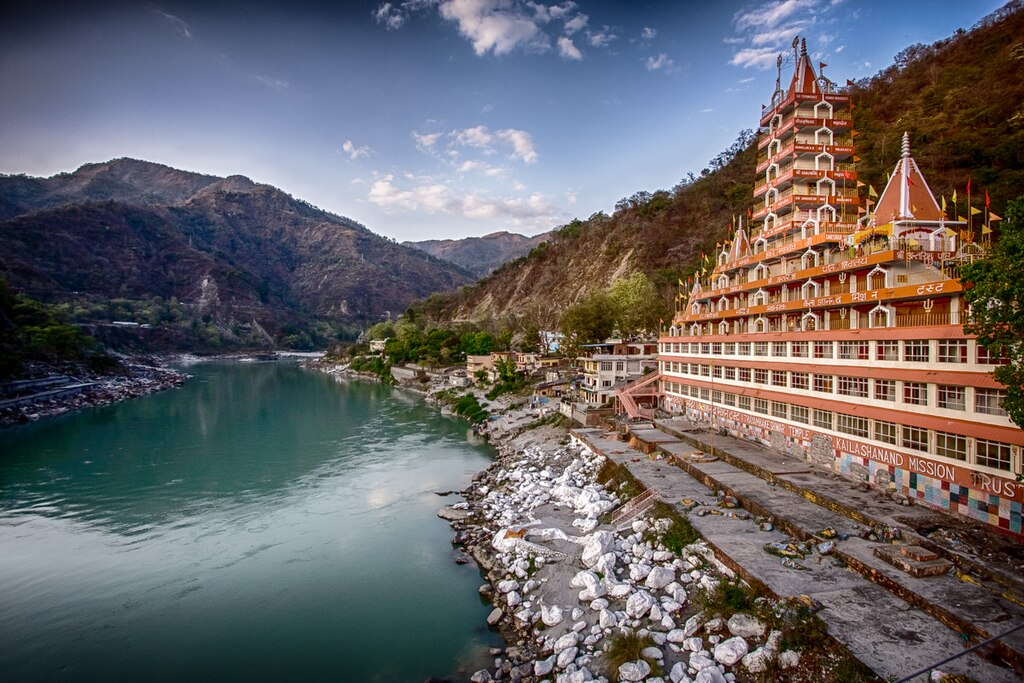
Rishikesh gives you the same sacred ritual wrapped in mountain calm. The Ganga here runs cold and fast, not slow and wide. The backdrop is forested hills, not ancient architecture. If you’ve already seen Varanasi, Rishikesh offers a completely different emotional register. If you haven’t, do Varanasi first for the spectacle, then Rishikesh for the reflection.
How Do You Reach Rishikesh from Mumbai (and Other Cities) for Ganga Aarti?
The BDTS–Haridwar Superfast Express covers Mumbai to Haridwar in 25 hours 45 minutes at ₹685 for a sleeper berth. Flights via Jolly Grant Airport (Dehradun) take around 6 hours total, including transfers. Haridwar was Uttarakhand’s most visited destination with 3.42 crore (34.2 million) visitors in 2025 (Indian Masterminds, Feb 2026).
Mumbai to Haridwar Trains
| Train No. | Name | Departs | Arrives HW | Duration | Sleeper Fare | Runs |
|---|---|---|---|---|---|---|
| 22917 | BDTS HW SF EXP | BDTS 12:45 PM | HW 14:30 D2 | 25h 45m | ₹685+ | Daily |
| 19019 | BDTS HW EXP | BDTS 00:20 AM | HW 07:50 D2 | 31h 30m | ₹655 | Daily |
| 22659 | TVCN YNRK SF EXP | PNVL 10:35 AM | VRH 13:13 D2 | 27h 38m | ₹695 | Weekly |
| 12171 | LTT HW AC EXP | LTT 07:55 AM | HW 12:35 D2 | 28h 40m | ₹1,910 (AC) | Mon/Thu |
From Other Major Cities
| City | Best Mode | Time | Cost |
|---|---|---|---|
| Delhi | Flight to DED / Bus from ISBT | 1h flight / 5–6h bus | ₹3,000–5,000 / ₹400–800 |
| Dehradun | Cab/Bus | 1 hour | ₹300–600 |
| Chandigarh | Bus via NH7 | 5 hours | ₹500–1,000 |
| Jaipur | Overnight bus/train | 9 hours | ₹800–1,500 |
The Haridwar-to-Triveni Ghat Gap Nobody Mentions
There’s no direct bus from Haridwar to Triveni Ghat — a detail every travel guide skips. All buses terminate at Rishikesh ISBT (Pantdeep or Nepali Farm), which sits 2–3 km from the ghat. Budget ₹50–100 for an auto-rickshaw and 10 extra minutes. Over 250 daily buses connect Haridwar to Rishikesh, costing ₹73–300 for a 20–50 minute ride.
If you’re arriving by train at Haridwar Junction, exit from the main gate and walk 200 metres to the bus stand. Shared autos to Rishikesh ISBT leave every few minutes. Don’t let anyone at the station convince you a “special taxi” is required. It isn’t.
Where Should You Stay for Walking-Distance Ganga Aarti Access?
The Laxman Jhula and Tapovan neighbourhoods put you within walking distance of both Triveni Ghat and Parmarth Niketan. Solo travel in India increased by 67% in 2025 (Skift, Jan 2026), and Rishikesh has responded with accommodation options that suit every travel style — from solo backpackers to large family groups.
Best Areas to Base Yourself
Muni Ki Reti sits between the two ghats and offers the most convenient access. You can walk to Triveni Ghat in 10 minutes and reach Parmarth Niketan in 15. The area is dotted with cafes, yoga studios, and small guesthouses. Tapovan, slightly further north, is quieter and popular with longer-stay visitors.
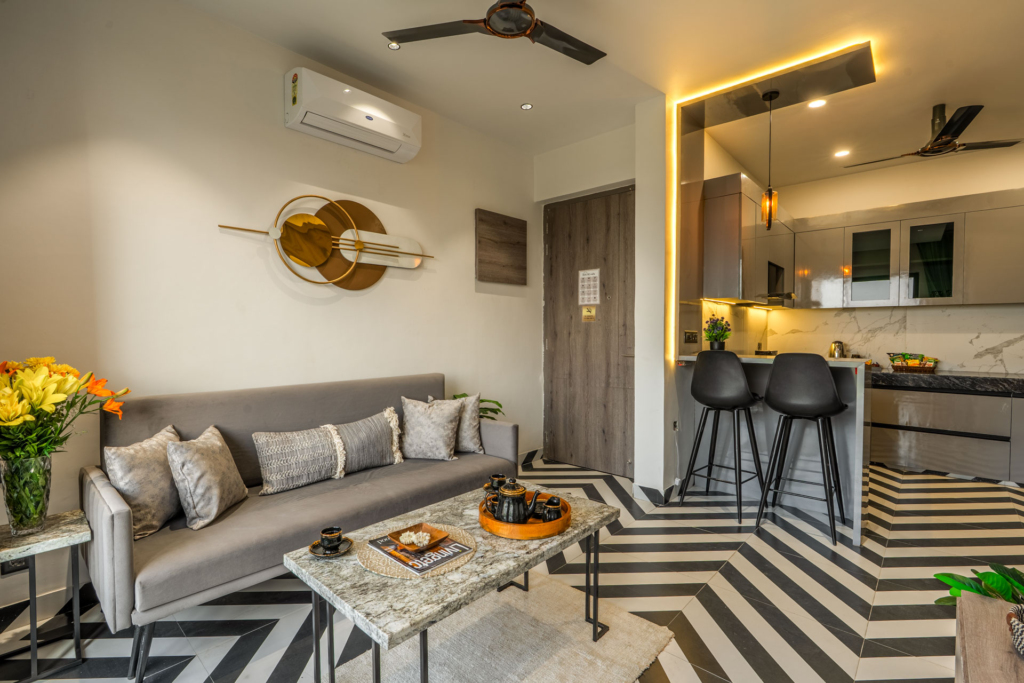
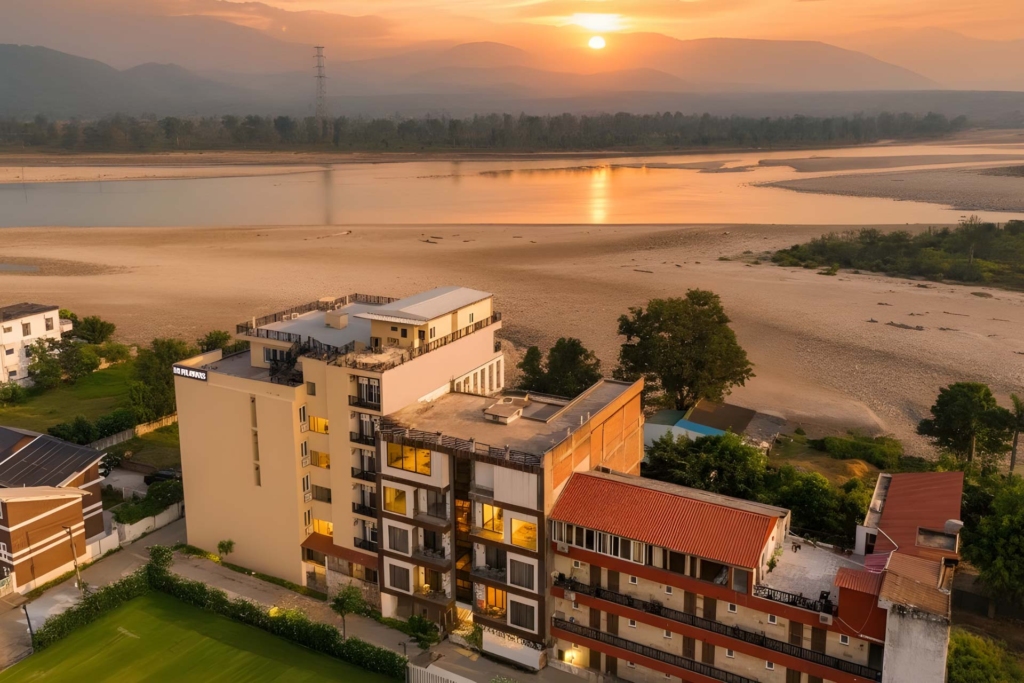
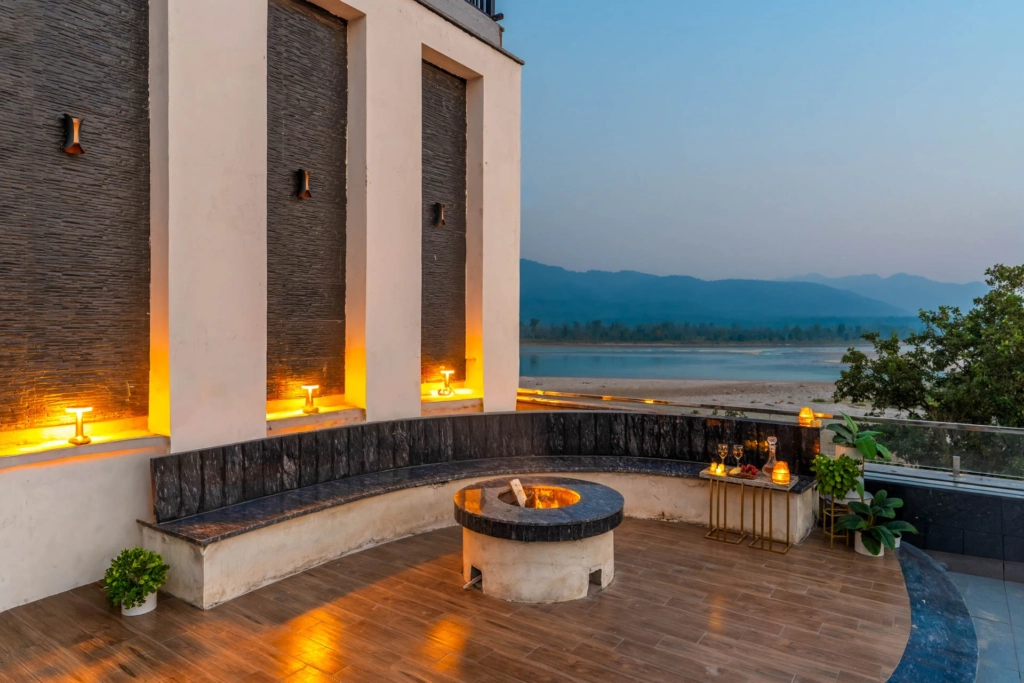
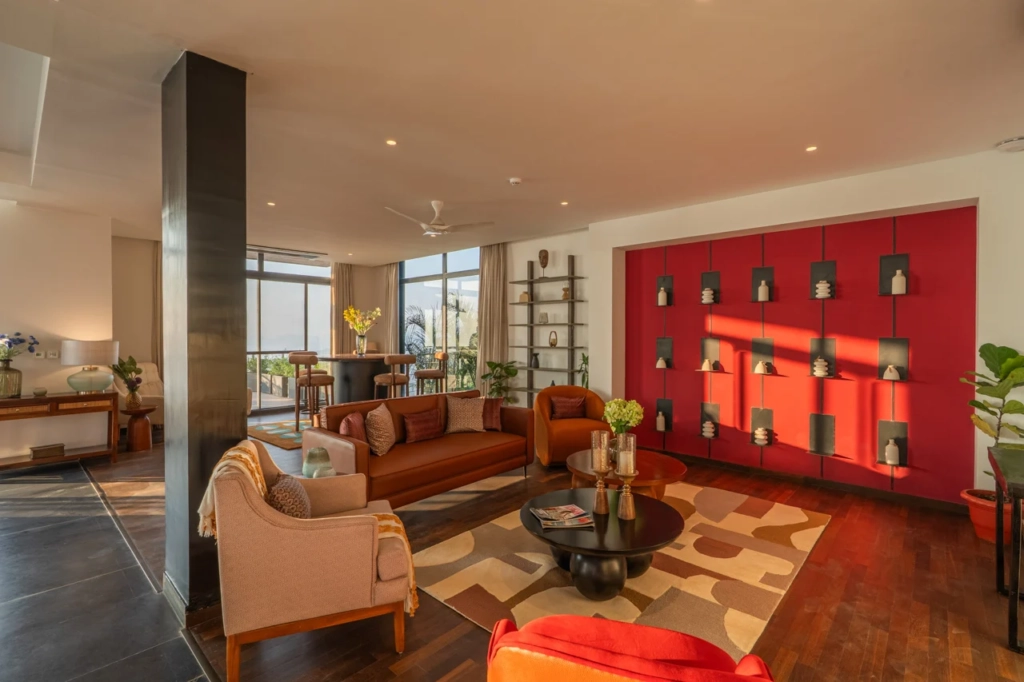
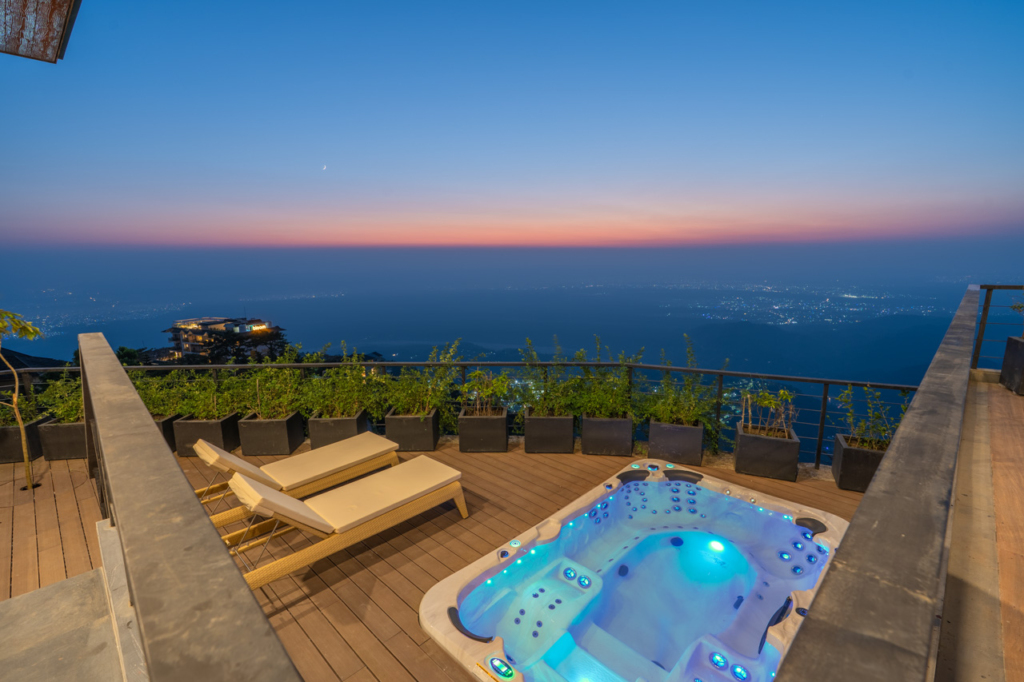
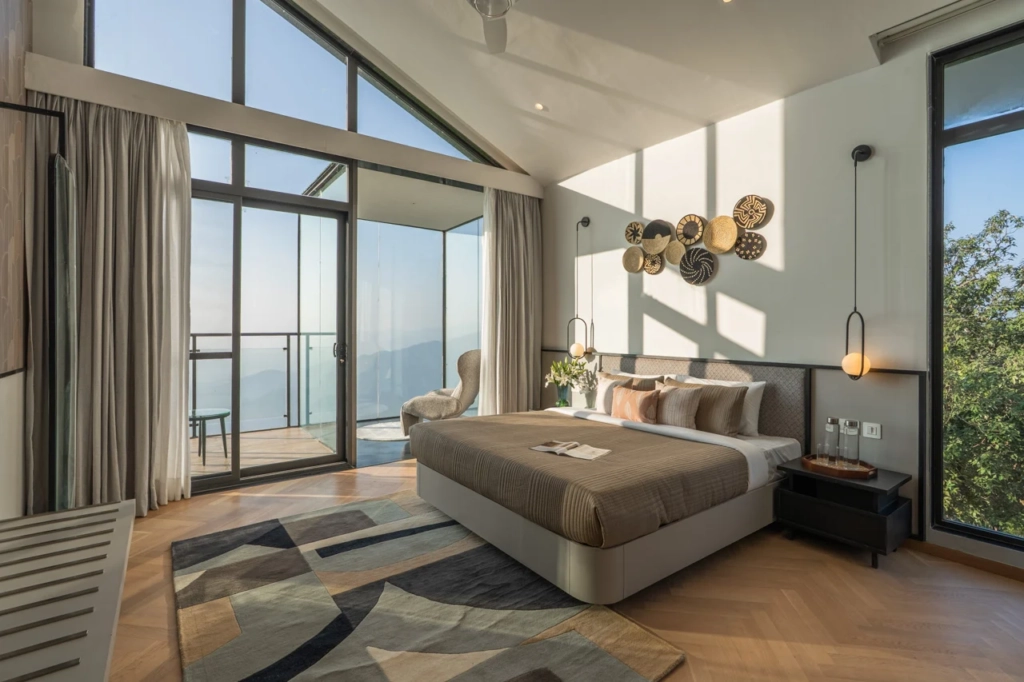
For groups and families, a private villa beats a hotel room every time. You get shared living space, a kitchen for early-morning chai before the 5:45 AM aarti, and the kind of post-ceremony wind-down that a cramped hotel corridor can’t offer. StayVista offers luxury villas in the Rishikesh area with Ganga views and group-friendly layouts.
Frequently Asked Questions About Ganga Aarti in Rishikesh
Evening Ganga Aarti at Triveni Ghat runs 6:00–7:00 PM in summer (April–September) and 5:30–6:30 PM in winter (October–March). Parmarth Niketan starts 30 minutes earlier each season. Morning aarti at both ghats begins at 5:45 AM year-round. Arrive early for front-row seating.
Triveni Ghat is best for first-timers, photographers, and boat-viewing with a vibrant, high-energy crowd. Parmarth Niketan suits families, solo travellers, and yoga seekers who prefer a calmer, bhajan-filled devotional atmosphere. Over 60% of India’s domestic travel is religious tourism (Skift, 2025).
Shared rowboats cost ₹50–100 per person and hold 8–12 passengers. Private rowboats run ₹300–600 per boat for 4–6 people. Guided motor boat add-ons cost ₹150–300 extra per person. All bookings happen on-site in cash. No advance online booking is available.
No. All buses from Haridwar terminate at Rishikesh ISBT (Pantdeep or Nepali Farm), which is 2–3 km from Triveni Ghat. From ISBT, take an auto-rickshaw for ₹50–100 and about 10 minutes. Over 250 daily buses connect Haridwar to Rishikesh, costing ₹73–300.
The fastest affordable option is the BDTS–Haridwar Superfast Express (Train 22917), departing Mumbai Bandra at 12:45 PM and arriving Haridwar in 25 hours 45 minutes at ₹685 for a sleeper berth. From Haridwar, take a bus or shared auto to Rishikesh ISBT (20–50 minutes, ₹73–300).
Parmarth Niketan is better for families. The ashram grounds are spacious, the crowd is calmer, and there’s less risk of children being jostled in dense crowds. Triveni Ghat gets very packed during evening aarti, especially on weekends and holidays. Parmarth also offers structured seating.
Not directly. There’s no official online booking system for Aarti boat rides at Triveni Ghat. All negotiations happen in person at the ghat. You can contact operators like The Travel Boat (+91 98125 97039) or Triveni Trips (+91 89545 57000) by phone to confirm availability, but payment is on-site.
Yes. Attending Ganga Aarti at both Triveni Ghat and Parmarth Niketan is completely free. There’s no ticket or entry fee. The only costs are optional: boat rides (₹50–600), flower offerings and diyas (₹10–50), and transport to the ghat. Donations to the ashram are welcome but not required.
Plan Your 2026 Ganga Aarti Visit
Here’s everything distilled into five takeaways:
- Two ghats, two vibes: Triveni for spectacle, Parmarth for devotion
- Boats from ₹50: 90% cheaper than Varanasi — no advance booking needed
- Mumbai route: BDTS SF Express (25h 45m, ₹685) + Haridwar-Rishikesh bus (₹73–300)
- No direct Haridwar-to-Triveni bus: Budget ₹50–100 for an auto from Rishikesh ISBT
- Stay near Laxman Jhula or Tapovan: Walking distance to both ghats
Rishikesh’s Ganga Aarti is one of India’s most accessible spiritual experiences — free to attend, easy to reach, and unforgettable once you’re there. Book a StayVista villa in Rishikesh so you can walk to the ghats and unwind in privacy afterward.