
Gangaur Festival 2026: Date, Puja Muhurat, Rituals & Best Places in Rajasthan (Updated)
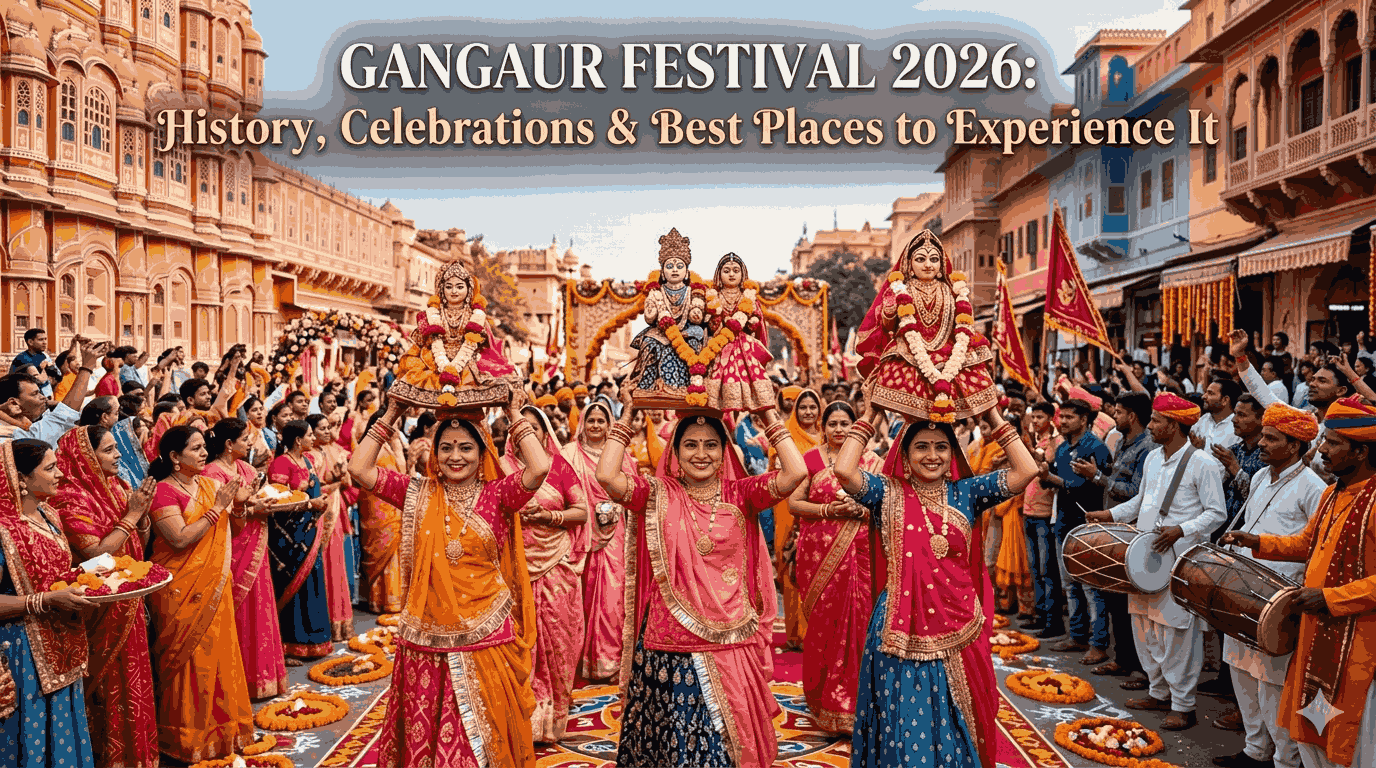
Every spring, the desert cities of Rajasthan come alive with one of their most beloved cultural traditions — the Gangaur Festival. Celebrated with colourful processions, folk dances, temple rituals, and beautifully decorated idols of Shiva and Parvati, Gangaur is both a deeply spiritual observance and a vibrant cultural spectacle. Cities like Udaipur, Jaipur, and Jodhpur host elaborate celebrations that draw travellers interested in experiencing authentic Rajasthani traditions.
For locals, the festival is closely tied to devotion, marriage customs, and seasonal change. For visitors, it offers a rare chance to witness royal processions, traditional attire, and community celebrations that reflect centuries-old Mewar and Marwar traditions.
Gangaur Festival 2026 — Quick Summary
Gangaur 2026 falls on 21 March 2026 (Chaitra Shukla Tritiya). The puja muhurat begins at 6:18 AM. The festival honours Goddess Gauri (a form of Parvati) and Lord Shiva, observed for 18 days after Holi. Women perform daily rituals, fasts, and processions seeking marital harmony, prosperity, and family well-being.
In this Blog
What Is the Gangaur Festival and Why Is It Important in Rajasthan?
Gangaur is one of the most important traditional festivals in Rajasthan, celebrating devotion to Goddess Gauri and the marital union of Shiva and Parvati. The name Gangaur combines ‘Gan’ (a reference to Shiva) and ‘Gaur’ (Parvati), symbolising divine love and marital harmony.
The festival is primarily observed by women — both married and unmarried — who pray for:
- Marital happiness and a long life for their husbands
- A good life partner (for unmarried women)
- Prosperity and family well-being
- The arrival of spring and fertility of the land
While Rajasthan hosts the grandest celebrations, Gangaur is also observed in parts of Madhya Pradesh, Gujarat, and Uttar Pradesh. The festival is deeply woven into Rajasthani identity, combining religious devotion, folk traditions, music, dance, and community celebrations.n into Rajasthani identity, combining religious devotion, folk traditions, music, dance, and community celebrations.
Gangaur Festival 2026: Date, Puja Timings & Shubh Muhurat
Gangaur 2026 is observed on Chaitra Shukla Tritiya — the third day of the bright fortnight in the Hindu month of Chaitra. Here are the complete dates and timings:
| Event / Tithi | Date & Timing |
| Festival begins (day after Holi) | Early March 2026 — daily rituals begin |
| Sinjara (pre-festival gift ritual) | 20 March 2026 |
| Main Gangaur Puja (Tritiya) | 21 March 2026 |
| Tritiya Tithi starts | 9:26 PM on 20 March 2026 |
| Tritiya Tithi ends | 11:51 PM on 21 March 2026 |
| Gangaur Puja Muhurat | 6:18 AM – 8:42 AM (21 March 2026) |
| Grand Procession & Visarjan | Evening of 21 March 2026 |
| Total festival duration | Approximately 18 days |
| Auspicious Puja Muhurat, the shubh muhurat for Gangaur Puja 2026 is 6:18 AM to 8:42 AM on 21 March 2026. Devotees observing the fast should perform puja before sunrise or within this window for maximum auspiciousness. The Tritiya tithi begins at 9:26 PM on 20 March and remains active through 21 March — both evenings are considered auspicious for the Ghudlia procession. |
The final day is marked by elaborate processions and immersion (visarjan) rituals of the idols of Isar (Shiva) and Gauri. In many cities across Rajasthan, the last three days are the most vibrant for visitors.
What Is the History and Significance of the Gangaur Festival?
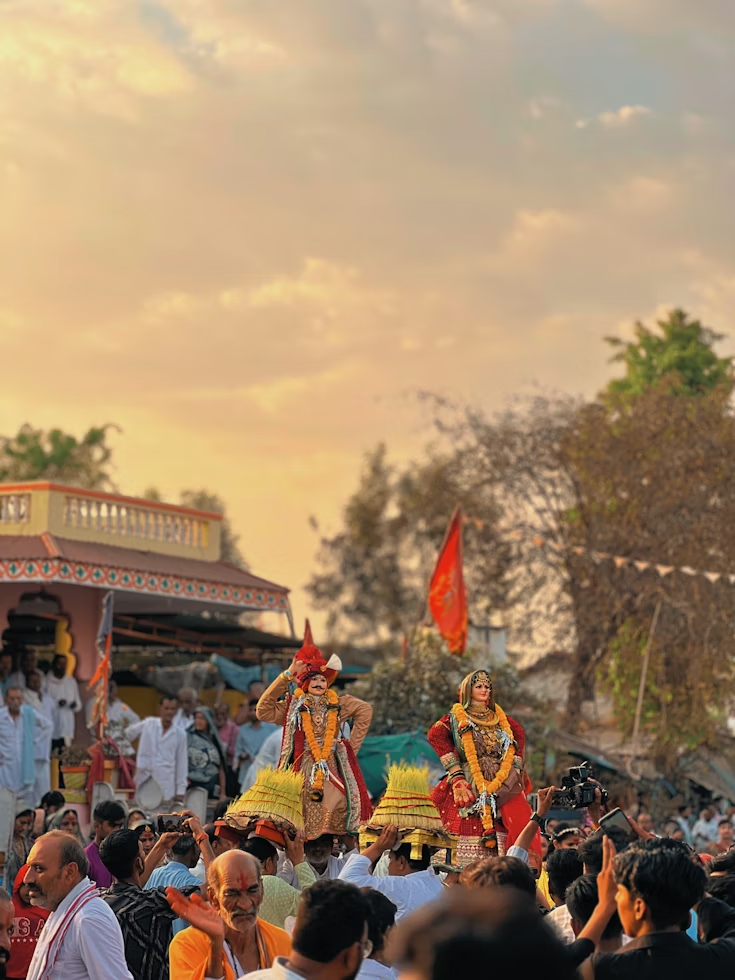
The Gangaur festival originates from ancient Hindu traditions celebrating the divine union of Shiva and Parvati. According to mythology, Goddess Parvati visited her maternal home during this period and was welcomed with great festivity — a tradition women reenact each year.
Cultural and Historical Meaning
- Over centuries, it evolved into a community celebration involving folk songs, dance, and street processions across Rajasthan
- Goddess Gauri is considered the symbol of purity, devotion, and marital bliss
- The festival celebrates the return of spring and renewal of life after winter
- It was historically patronised by Rajput royal families in Jaipur and Udaipur
- Royal courts organised grand public processions with decorated idols and musicians
| Did You Know? Gangaur has a unique tradition — women keep their puja and prasad secret from their husbands, even hiding the rituals from them. This playful element of secrecy makes it one of India’s most distinctive festivals. The offering is considered specially powerful when it remains between the goddess and her female devotees. |
Gangaur Vrat Katha: The Legend Behind the Festival
The Gangaur vrat katha tells the story of Goddess Parvati’s unwavering devotion to Lord Shiva. According to the legend, Parvati descended to earth on the first day of Chaitra to bless the women of the land. The women of lower social standing rushed to receive her blessings first, and Parvati granted them the gift of good fortune by sprinkling water from her kamandal (water vessel).
The women of higher social standing arrived later with elaborate offerings. Parvati, moved by their devotion, absorbed all their offerings symbolically — granting them deep marital blessings and prosperity. Lord Shiva, watching this from afar, asked Parvati what she had distributed. She replied she had given away everything — her own blessings included.
Shiva then asked Parvati to replenish her divine gifts by drawing from his own kamandal. Parvati sprinkled this water on the earth as well, and where it fell, sindoor (vermilion) flowers bloomed — the same sindoor that married women apply as a symbol of devotion to their husbands.
This legend is recited by women on the day of the main Gangaur puja, typically in a group with family elders, before beginning the day’s fast.
Gangaur Puja Vidhi: Step-by-Step Rituals

The Gangaur puja follows a set sequence observed across Rajasthan. Here is the complete puja vidhi:
- Wake before sunrise and take a ritual bath (snan)
- Clean the puja space and set up clay or silver idols of Isar (Shiva) and Gauri (Parvati)
- Dress the idols in festive attire, flowers, and jewellery
- Offer 16 sacred items (shodashopachara): water, flowers, incense, lamp, naivedya (food offering), sindoor, kumkum, and mehndi
- Apply sindoor and mehndi to Goddess Gauri’s idol as a mark of her married status
- Sing traditional Gangaur geet (folk songs) dedicated to Gauri
- Recite the Gangaur Vrat Katha
- Observe a day-long fast (only water and fruits)
- In the evening, join or watch the Ghudlia procession and community celebrations
- On the final day (Tritiya), participate in or witness the grand procession and immersion of the idols
Married women perform these rituals seeking long lives for their husbands and family prosperity. Unmarried women observe the same rituals praying to Goddess Gauri for a devoted spouse.
When Is Gangaur Festival 2026? Dates and Duration
Here are the key dates for Gangaur Festival 2026.
| Event | Date |
| Festival begins (after Holi rituals) | Early March 2026 |
| Main Gangaur Puja | 21 March 2026 |
| Festival duration | About 18 days |
The final day is marked by elaborate processions and immersion rituals of the idols of Isar (Shiva) and Gauri.
In many cities across Rajasthan, the last three days are the most vibrant for visitors.
The official tourism department of Rajasthan Tourism notes that Gangaur is widely celebrated across cities such as Jaipur, Udaipur, Jodhpur, Bikaner, and Nathdwara, where traditional processions carry beautifully decorated idols of Isar (Shiva) and Gauri through historic streets accompanied by folk music and dancers.
How Is Gangaur Celebrated? Key Rituals and Traditions
Gangaur celebrations combine household rituals with public festivities. The main traditions include:
1. Daily Worship of Isar-Gauri Idols
Women worship clay idols of Shiva and Parvati decorated with flowers, sindoor, and jewellery for 18 days. Each morning begins with fresh offerings and folk songs.
2. Fasting and Prayers
Many women observe fasts for marital happiness and family prosperity throughout the festival period, with the main day-long fast on Chaitra Shukla Tritiya.
3. Sinjara Ritual (20 March 2026)
On the day before the main puja, married women receive gifts from their parents — including clothes, sweets, jewellery, and mehndi. This ritual marks the emotional connection between a daughter and her maternal home, and is one of the most sentimental aspects of Gangaur.
4. Ghudlia Procession
On the seventh day of the festival, young girls carry decorated earthen pots (ghudla) with small holes and lighted diyas inside, walking through the village or neighbourhood after sunset. They sing the traditional ‘Gor Gor Gomti’ folk song as they walk, asking for blessings and small gifts of grain or sweets from each household. The glowing pots are a beautiful sight and one of the festival’s most distinctive customs.
5. Grand Procession and Visarjan
On the final day (Tritiya), idols are taken in grand processions through the city’s main streets, accompanied by folk musicians, dancers, and decorated chariots. The procession ends at a water body — a lake, river, or stepwell — where the idols are respectfully immersed.
Which Folk Dances and Cultural Performances Are Part of Gangaur?
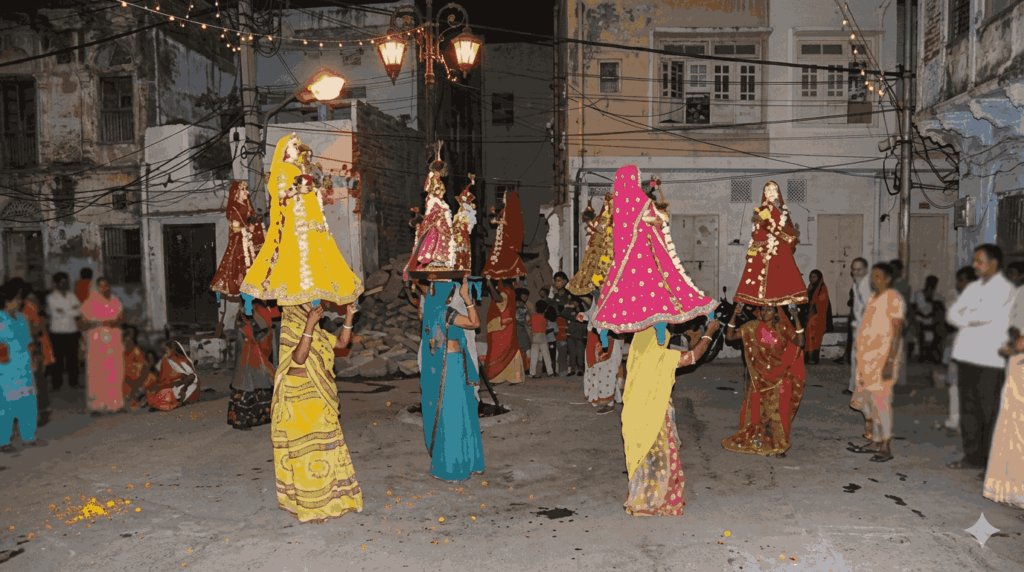
Several traditional Rajasthani art forms appear during Gangaur celebrations, making it as much a cultural festival as a religious one.
- Ghoomar — a graceful women’s circle dance associated with Rajput royal courts, performed in colourful ghagra-choli attire
- Kalbelia — a captivating dance by the Kalbelia nomadic community, UNESCO-recognised for its serpentine movements
- Terah Taali — women balance diyas on their heads while playing cymbals, a mesmerising performance form from the Kamad community
- Chari dance — women balance brass pots topped with lit cotton wads on their heads while dancing
- Folk songs dedicated to Goddess Gauri — sung in groups by women in courtyards and during processions
Gangaur Mela and Festive Foods

Alongside the religious rituals, Gangaur also features vibrant community fairs (Gangaur Mela) held in towns and cities across Rajasthan. These fairs serve as gathering points for families, young women, and eligible bachelors — historically a sanctioned social occasion for young people to meet and observe potential spouses.
The Gangaur Mela features:
- Handicraft stalls selling traditional Rajasthani jewellery, textiles, and lac bangles
- Food stalls with seasonal sweets and snacks
- Folk performances including Ghoomar, Kalbelia, and Terah Taali
- Puppet shows (Kathputli) and street entertainers
Traditional Gangaur Festival Foods
The festival has its own set of traditional foods prepared and shared during this time:
- Ghewar — a disc-shaped honey-soaked sweet made of flour and ghee, the most iconic Gangaur sweet
- Puri-Halwa — deep-fried flatbread with semolina sweet, commonly prepared as prasad
- Gune — decorative flower shapes made from wheat flour dough, offered to the goddess
- Mathri — savoury fried biscuits often included in the Sinjara gift baskets
- Malpua — sweet pancakes soaked in sugar syrup, served as festival dessert
Best Places to Celebrate Gangaur in Rajasthan (2026)
The most spectacular celebrations take place in historic cities known for royal traditions.
1. Udaipur – The Most Iconic Gangaur Celebration
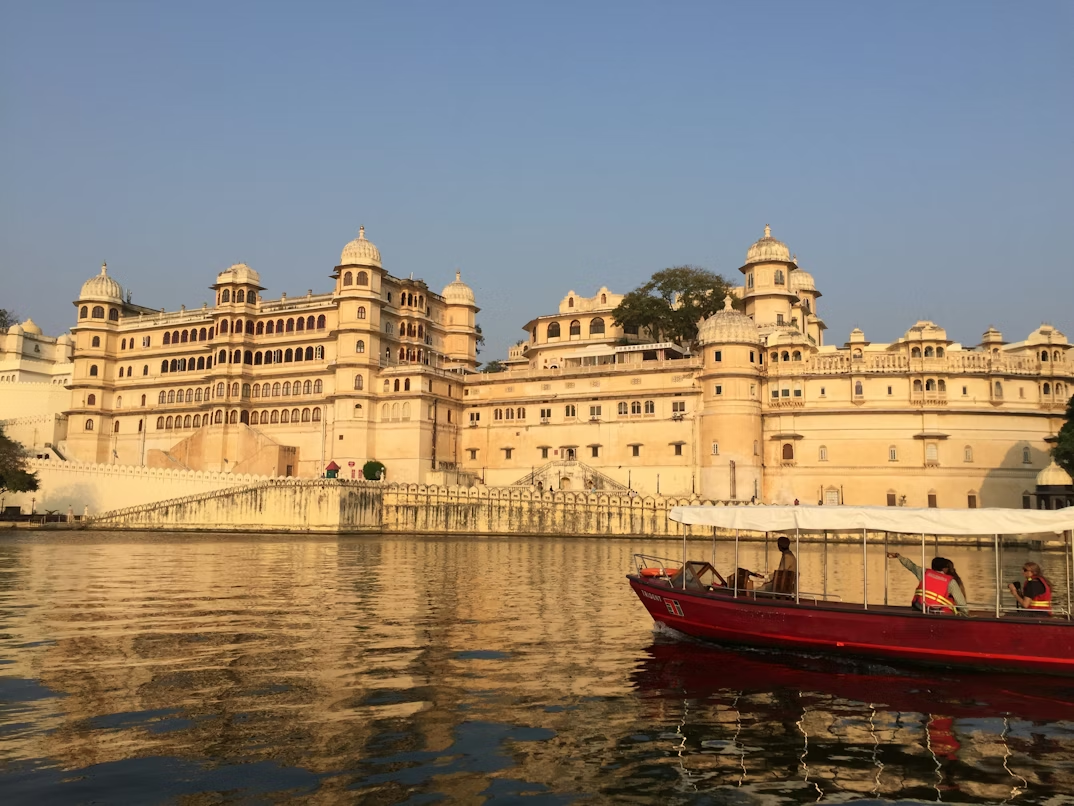
Udaipur hosts one of the most picturesque Gangaur festivals in all of India. The lakefront setting of Lake Pichola, with the City Palace as a backdrop, makes the celebrations here uniquely breathtaking.
Highlights include:
- Grand procession from the City Palace area to Gangaur Ghat
- Traditional boats carrying decorated idols across Lake Pichola
- Cultural performances on the ghats — Ghoomar, Kalbelia, and folk music
- The visarjan ceremony at Gangaur Ghat at sunset
- The accompanying Mewar Festival (organised by Rajasthan Tourism) features an international crowd
Tip for visitors: Arrive at Gangaur Ghat by 4:00 PM to secure a good viewing spot. The procession typically reaches the ghat around 6:00–7:00 PM.
Also read: 20 Best Udaipur Tourist Places: Explore The Best of Rajasthan Tourism
2. Jaipur – Royal Processions and Cultural Heritage
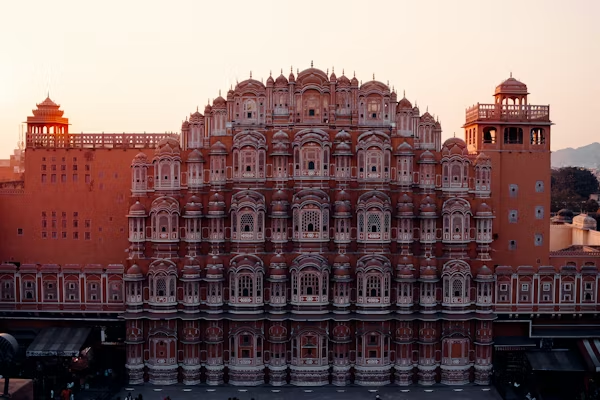
Jaipur hosts a royal Gangaur procession with roots in the Rajput court traditions of the Kachwaha dynasty.
The procession route runs: Zanani Deodhi at City Palace → Tripolia Bazaar → Chhoti Chaupar → Gangauri Bazaar → Chaugan Stadium → Talkatora. The route passes through the heart of Jaipur’s old city, with beautifully decorated facades and thousands of spectators lining the streets.
Highlights include:
- Streets of Johari Bazaar lit with marigold garlands and diyas.
- Procession starts from Zanani Deodhi (women’s quarters of City Palace) at approximately 5:00–6:00 PM
- Decorated elephants, traditional chariots (rath), and palanquins
- Women in full Rajasthani bridal attire carrying idol palanquins
- Live folk musicians — shehnai, dhol, and nagara
Also read: 20 Best Jaipur Tourist Places: Rajasthan Tourism
3. Jodhpur – Marwar’s Cultural Celebration
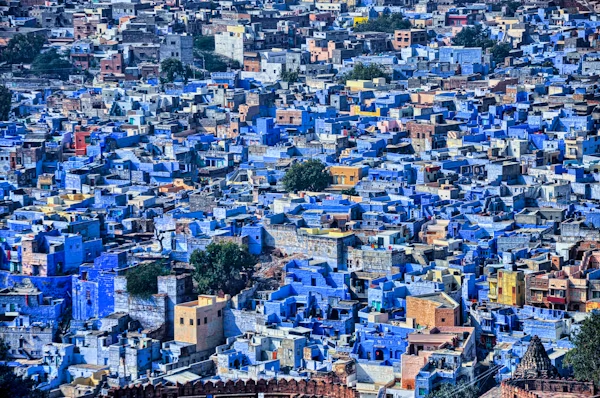
In Jodhpur, Gangaur reflects the distinct cultural traditions of the Marwar region, with its own flavour of folk music and temple rituals differing from Mewar-style Udaipur celebrations.
Highlights include:
- Processions through the old city lanes near Ghanta Ghar (Clock Tower)
- Temple celebrations at Chamunda Mata Temple
- Local handicraft markets and Mela near Sardar Market
- Smaller, more intimate celebrations — ideal for those who prefer a quieter experience
4. Bikaner and Jaisalmer
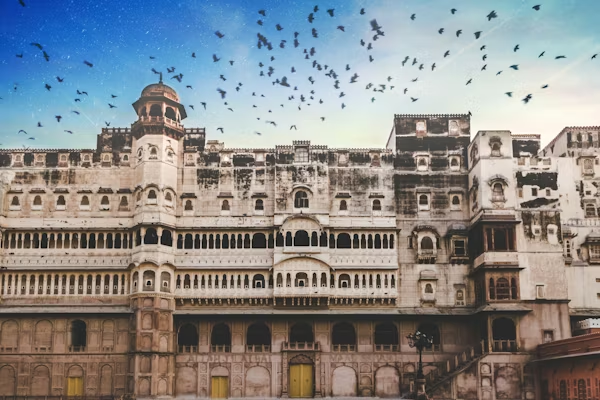
These desert cities host vibrant but less crowded celebrations.
Visitors can experience:
- Traditional temple rituals
- Community celebrations in old markets
- Authentic Rajasthani folk culture
Visitor Tips for Gangaur Festival 2026
As a travel destination, Gangaur rewards those who plan ahead. Here is a practical guide for visitors:
| What to Know | Practical Advice |
| When to arrive at procession venues | At least 1–2 hours before the procession starts (typically 4:00–5:00 PM). Gangaur Ghat in Udaipur fills up very quickly. |
| What to wear | Festive, modest attire is ideal — traditional Rajasthani or Indian wear is welcomed and helps you blend in respectfully. Bright colours (pink, orange, yellow) are appropriate. |
| Photography etiquette | Ask permission before photographing private puja ceremonies or women in ritual dress. Public processions are freely photographable. |
| Best days to visit | The final 3 days of the festival (19–21 March) are most vibrant. The main procession day (21 March) is the highlight. |
| Getting around | Hire a local auto-rickshaw or walk the old city. Procession routes get very crowded — avoid private vehicles near the route on procession day. |
| Book accommodation early | Rajasthan sees a 40–60% increase in visitors during Gangaur. Book villas or hotels at least 3–4 weeks in advance. |
| Best city for first-timers | Udaipur for scenic beauty; Jaipur for royal grandeur. Both are equally spectacular for first-time visitors. |
| Weather in March | Warm and dry — 25–33°C during the day, 15–18°C at night. Light cotton clothing with a layer for evenings. |
Where to Stay During the Gangaur Festival
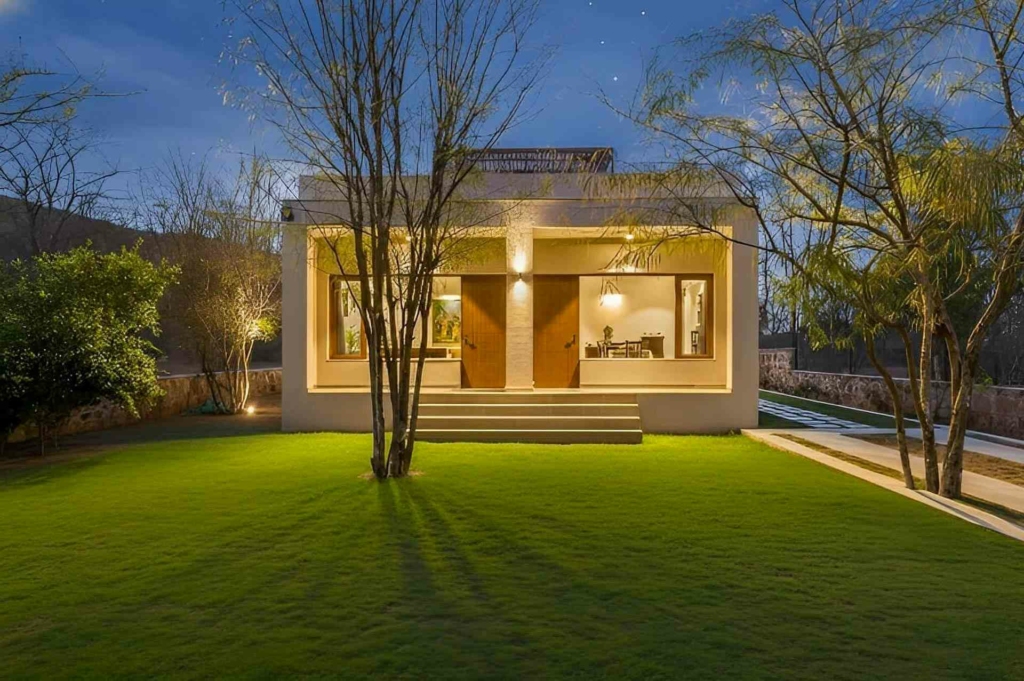
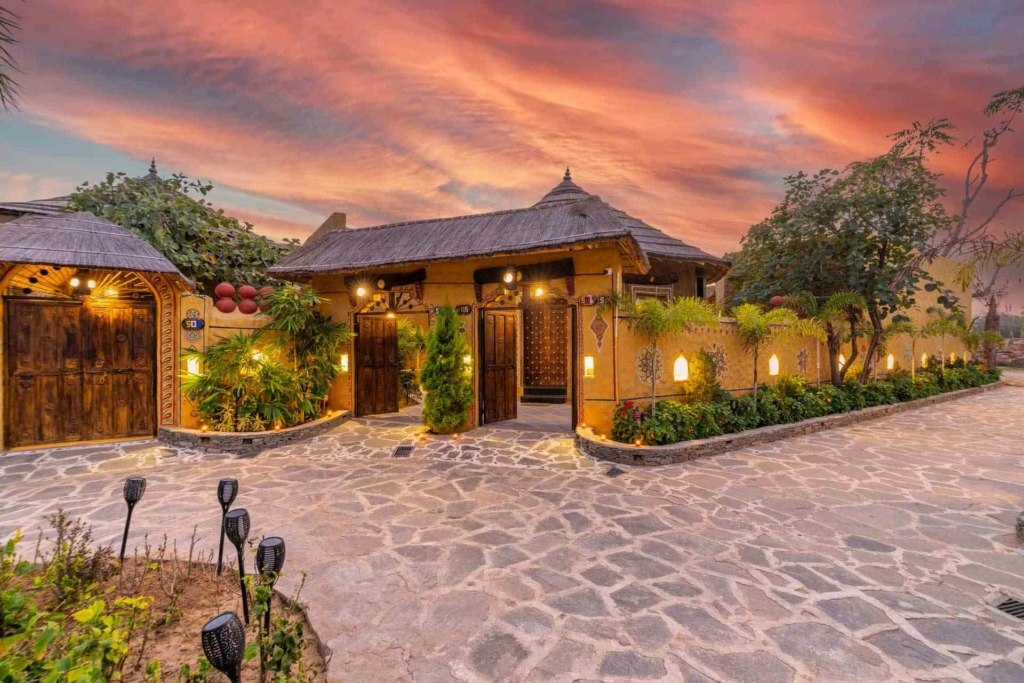
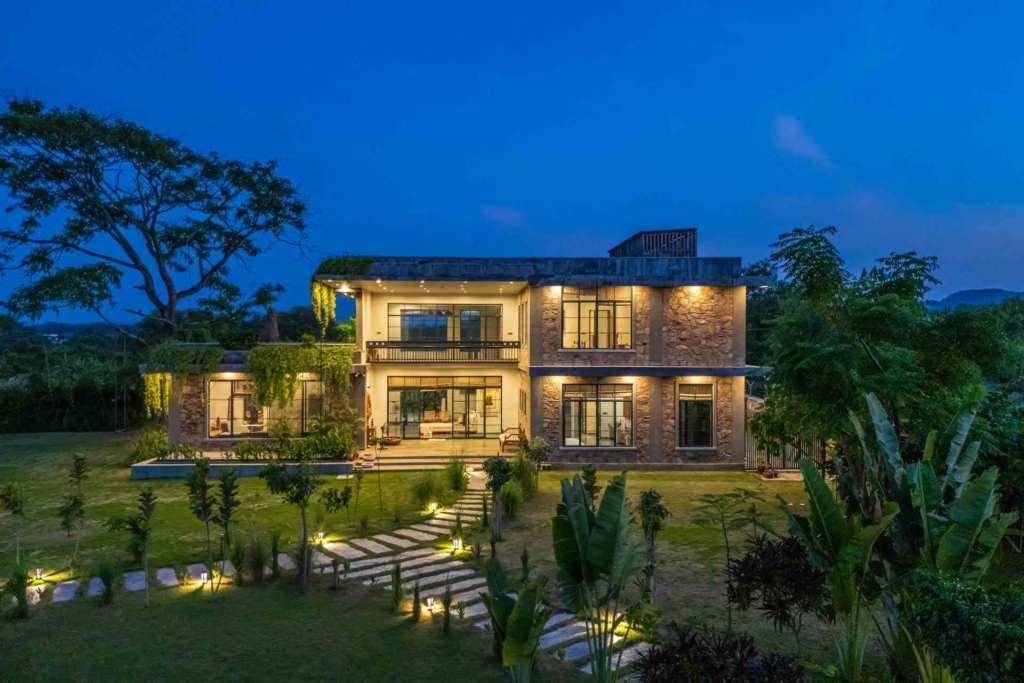
If you plan to experience the Gangaur celebrations in cities like Udaipur or Jaipur, choosing accommodation that offers both comfort and convenient access to festival venues can make the trip more enjoyable. Private villa stays by StayVista provide a relaxed alternative to busy city hotels, especially for families and groups travelling during festival season. Many villas are located in scenic settings around the Aravalli hills or on the quieter outskirts of major cities, allowing travellers to attend the colourful Gangaur processions and cultural events during the day while returning to a peaceful retreat in the evening. Booking your stay a few weeks in advance is recommended, as Rajasthan sees an increase in visitors during major festivals like Gangaur.
| Booking Tip: Gangaur 2026 falls on 21 March. Book your stay before 1 March to secure the best properties at regular pricing. Availability around Udaipur and Jaipur drops sharply in the two weeks before the festival. |
FAQs: Gangaur Festival 2026
Gangaur Festival 2026 falls on 21 March 2026 (Chaitra Shukla Tritiya). The puja muhurat begins at 6:18 AM. The festival is observed for approximately 18 days beginning the day after Holi, with the main celebrations and visarjan occurring on the final Tritiya day.
The shubh muhurat for Gangaur Puja 2026 is 6:18 AM to 8:42 AM on 21 March 2026. The Tritiya tithi begins at 9:26 PM on 20 March and ends at 11:51 PM on 21 March, making both evenings auspicious for the Ghudlia procession.
The Gangaur vrat katha narrates the story of Goddess Parvati visiting earth during Chaitra and blessing women with marital happiness and prosperity. Women recite this katha during their puja, after which they observe the day-long fast and perform rituals dedicated to Gauri.
Gangaur is most widely celebrated in the Indian state of Rajasthan, particularly in cities such as Udaipur, Jaipur, Jodhpur, and Bikaner, where large public processions and cultural events take place.
Gangaur celebrates Goddess Gauri (Parvati) and her union with Lord Shiva. Women worship the goddess seeking marital happiness, prosperity, and family well-being, while unmarried women pray for a good spouse.
Gangaur typically lasts about 18 days, beginning the day after Holi and ending on Chaitra Shukla Tritiya, when the main puja and idol immersion ceremonies take place.
The most famous Gangaur celebrations occur in Udaipur and Jaipur. Udaipur offers scenic lakefront processions, while Jaipur hosts royal processions from the City Palace with traditional musicians and dancers.
Sinjara is a pre-festival ritual where parents send gifts such as clothes, jewellery, and sweets to married daughters. It marks the beginning of major Gangaur celebrations and symbolises affection and blessings.
Traditional Rajasthani folk dances such as Ghoomar and Kalbelia are commonly performed during Gangaur celebrations, often accompanied by folk music and community festivities.
No. While married women pray for their husbands’ long lives, unmarried girls also participate in the festival and pray to Goddess Gauri for a good life partner.
Udaipur’s Gangaur celebration is renowned for its scenic beauty — the procession ends with idol immersion at Gangaur Ghat on Lake Pichola, with the City Palace as backdrop. Jaipur’s celebration is distinguished by its royal heritage — the procession originates from the Zanani Deodhi of City Palace and routes through the historic old city with decorated elephants and chariots.
The iconic Gangaur sweet is Ghewar — a disc-shaped, honey-soaked delicacy made of flour and ghee. Other festive foods include Puri-Halwa (prasad), Gune (flour ornaments offered to the goddess), Mathri, and Malpua. Sweetshops in Jaipur and Udaipur stock fresh Ghewar throughout the festival period.
Experiencing the Spirit of Gangaur Festival 2026 in Rajasthan
The Gangaur Festival is one of Rajasthan’s most cherished cultural traditions, blending devotion, community celebration, and vibrant artistic expression. From the royal processions of Jaipur to the picturesque lakefront rituals of Udaipur, the festival offers a unique glimpse into the region’s heritage and seasonal festivities. For travellers visiting Rajasthan in March 2026, Gangaur provides an opportunity to witness centuries-old traditions, colourful folk performances, and local customs that continue to shape the cultural identity of the state. Planning ahead and choosing a comfortable stay can make the experience even more memorable, allowing visitors to fully enjoy the beauty and spirit of this iconic Rajasthani festival.
Next Read: