
Indian Destinations That Feel Like Sri Lanka in June
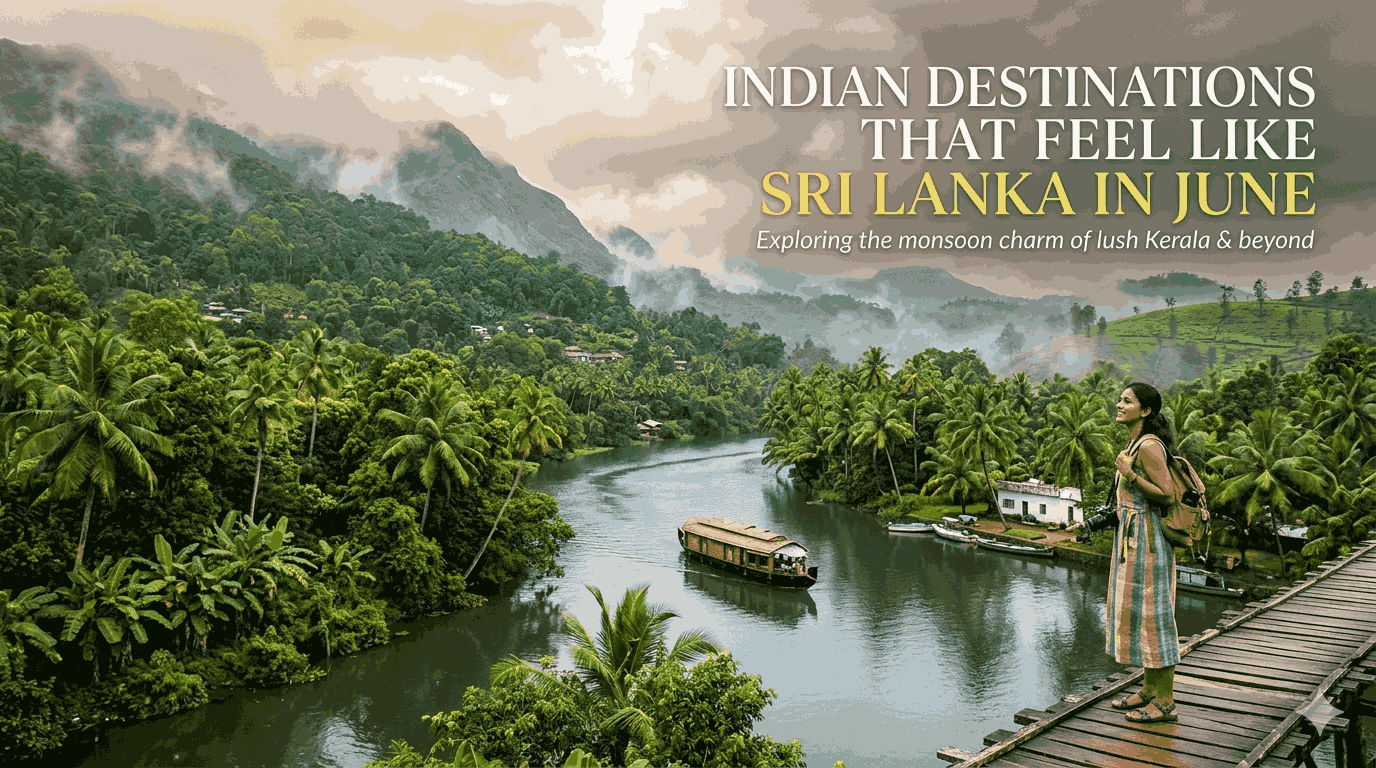
Several Indian destinations replicate Sri Lanka’s most popular June experiences without requiring a passport or visa. Munnar and Coorg mirror Nuwara Eliya’s monsoon tea estates, the Andaman Islands offer beaches comparable to Mirissa and Unawatuna, Alleppey’s backwaters parallel Galle’s lagoon atmosphere, and Wayanad provides a viable alternative to Yala’s wildlife safaris. All destinations are accessible to Indian citizens without international travel documentation.
In this Blog
Why Indian Travellers Are Skipping Sri Lanka in June 2026
Sri Lanka has long drawn Indian travellers for a particular cocktail of experiences: colonial hill-country tea estates, palm-fringed beaches, Ayurvedic wellness culture, and a pace of life that feels both familiar and foreign. In June, the island’s upcountry — Ella, Nuwara Eliya, Hatton — sits in misty perfection while the southern coast (Mirissa, Unawatuna, Tangalle) basks in clear skies just as the west-facing beaches close for monsoon.
For Indian citizens, however, the equation has shifted. Airfares to Colombo have risen sharply in 2025–26. The Sri Lankan rupee’s volatility adds budget uncertainty. And — most practically — a surprising number of India’s own destinations deliver nearly identical sensory experiences in June, at a fraction of the cost, with no passport queue required.
This is not about “settling.” It is about recognising that South India and the Andaman Islands have quietly built the infrastructure, the scenery, and the micro-climates to rival a Sri Lankan itinerary point for point.
Indian citizens do not need a visa or passport to travel to Munnar, Coorg, Wayanad, Alleppey, or the Andaman Islands. A valid government-issued photo ID is sufficient for all these destinations, including the Andamans, where Indian nationals enter on Aadhaar card, voter ID, or driving licence.
Munnar vs Nuwara Eliya: Which Tea Country Wins in June?
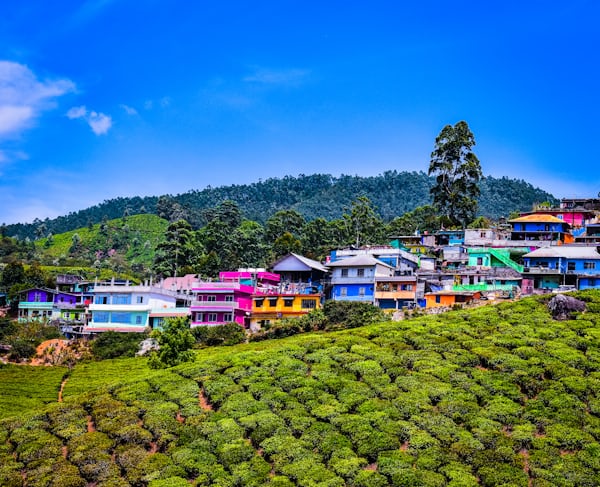
Nuwara Eliya — Sri Lanka’s colonial hill capital at 1,868 metres — is famous for its cool air, Tudor-style planters’ bungalows, and the visual drama of tea rows sweeping across red-soil hills. June is technically post-harvest shoulder season, meaning fewer crowds and softer light.
Munnar, Kerala’s premier hill station at approximately 1,600 metres, offers a near-identical package. The Eravikulam National Park’s rolling grasslands bear a striking resemblance to Horton Plains. The Tea Museum near Nallathanni provides the same colonial-era plantation narrative. And the estate bungalows operated by companies like Kanan Devan offer the plantation-stay experience that travellers associate with Hatton or Dickoya.June is arguably Munnar’s best month for the scenery-seeking traveller: the first monsoon showers turn the hills an electric green, waterfalls activate across the Anamalai range, and the Nilgiri tahr come down to lower elevations in Eravikulam. The mist that gives Nuwara Eliya its nickname — “Little England” — is equally present in Munnar through June mornings.
| Feature | Munnar, Kerala | Nuwara Eliya, Sri Lanka |
|---|---|---|
| Altitude | ~1,600 m | ~1,868 m |
| June weather | Monsoon onset, 15–22°C | Post-harvest, 12–19°C |
| Tea estates | ✓ Kanan Devan, Lockhart | ✓ Pedro, Mackwoods |
| Colonial bungalow stays | ✓ Available | ✓ Available |
| Wildlife | Nilgiri tahr, elephants | Sambar, endemic birds |
| Passport required | No | Yes (Indian passport) |
| Flight from Kochi | ~3.5 hr drive | ~2 hr + immigration |
| Budget (3 nights, mid) | ₹12,000–18,000 | ₹25,000–40,000 |
Munnar is India’s closest equivalent to Nuwara Eliya, Sri Lanka. Both are high-altitude tea plantation destinations with colonial stays and misty June mornings. Munnar sits at ~1,600 m vs Nuwara Eliya’s 1,868 m. June temperatures are comparable (15–22°C vs 12–19°C). The cost advantage for Munnar is 40–55% over a comparable Nuwara Eliya trip for Indian travellers, with no passport required.
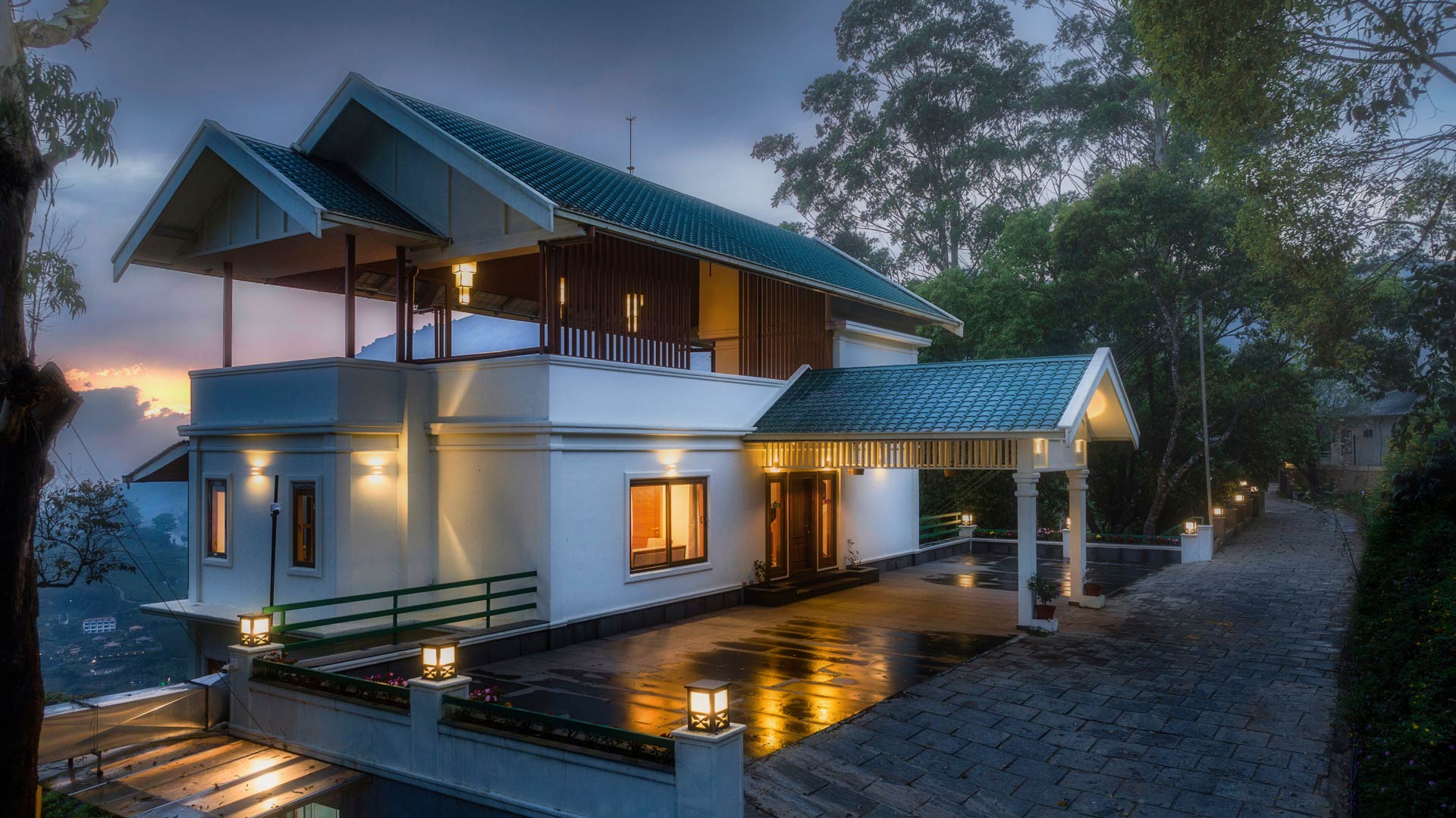
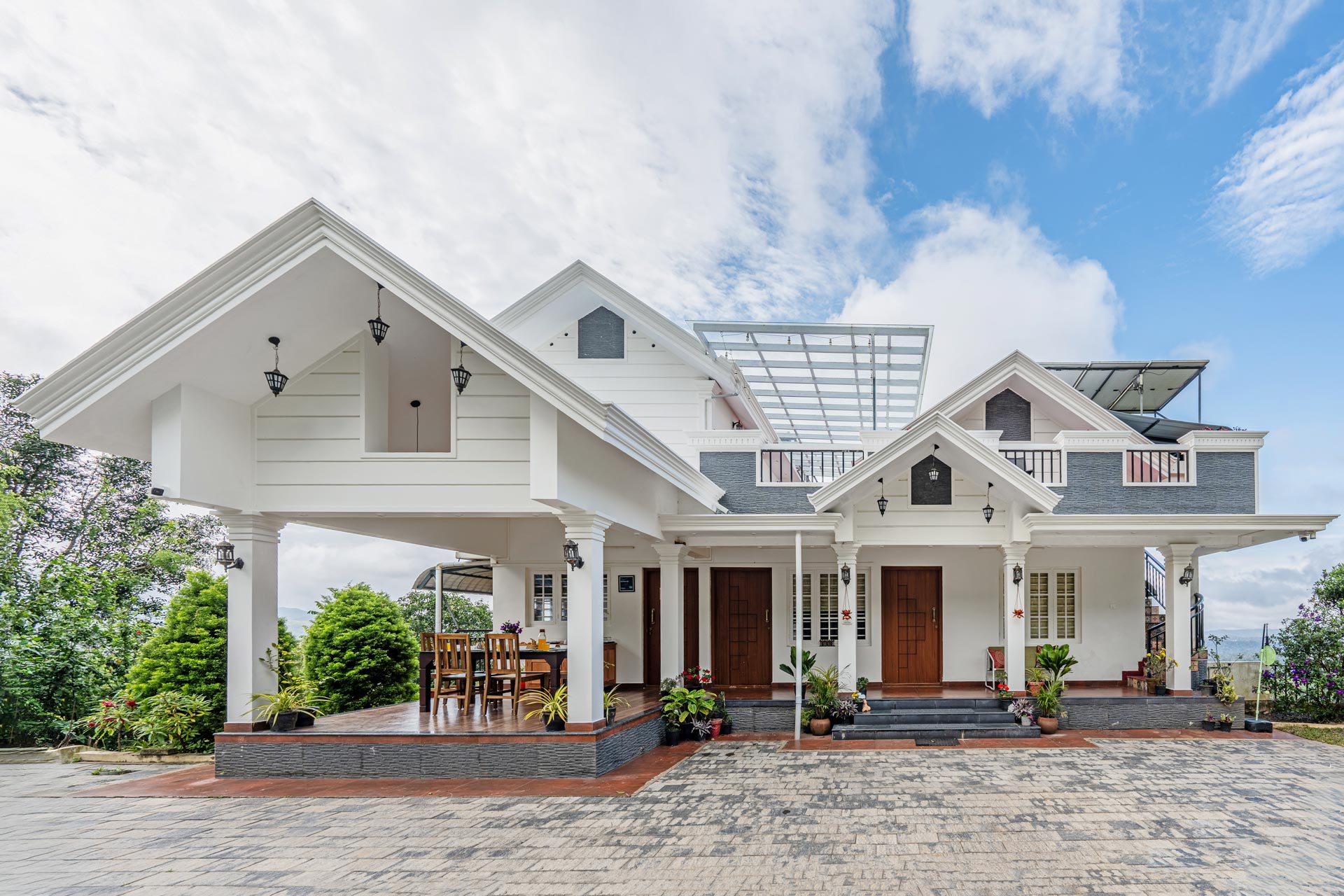
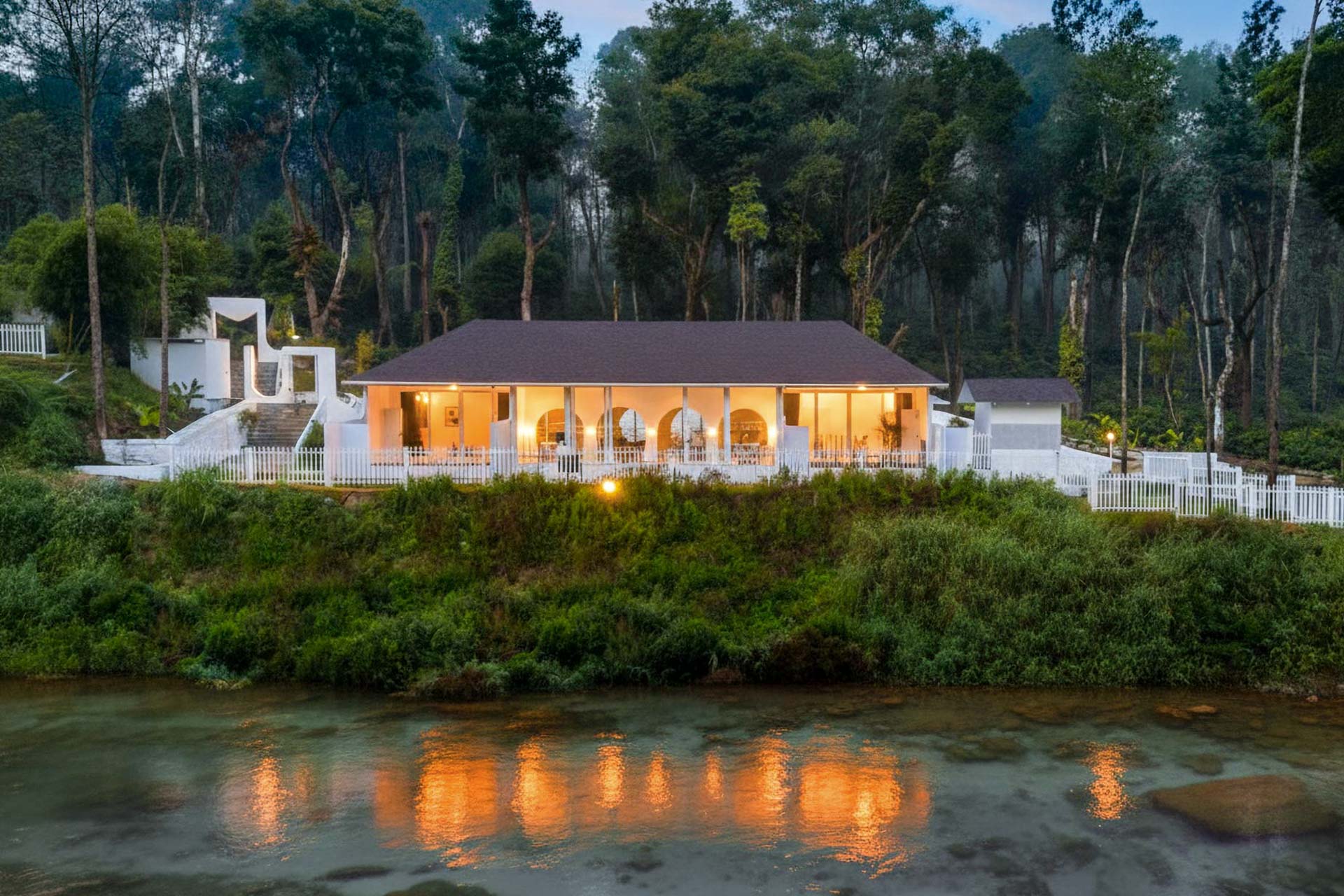
Where to Stay in Munnar?
Coorg and Wayanad: The Ella and Kandy Alternatives
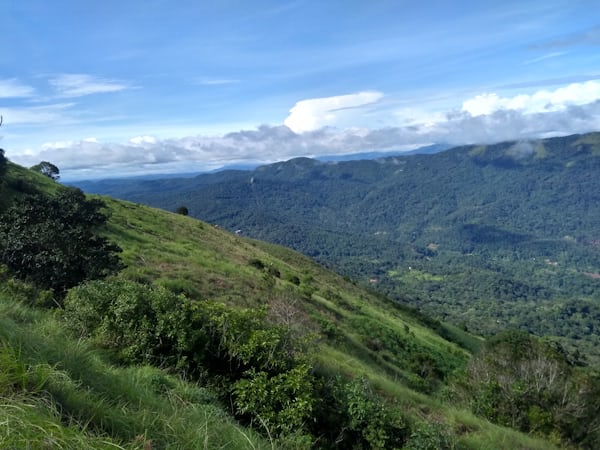
If Nuwara Eliya represents the plantation highlands, Ella and Kandy represent Sri Lanka’s mid-country charm — the Nine Arch Bridge, waterfall hikes, and boutique guesthouse culture set against forested ridge lines.
Coorg (Kodagu) in Karnataka fills the Ella role with precision. Coffee and pepper estates receive their heaviest rains from June onwards, producing the brooding, lush landscape that travel photographers associate with Sri Lanka’s hill country. Abbey Falls and Raja’s Seat viewpoint on a misty June morning approximate the famous viewpoints above Ella Gap.
Wayanad in Kerala offers Chembra Peak’s heart-shaped lake, the Edakkal Caves, and Wayanad Wildlife Sanctuary — where leopards, elephants, and gaur roam a habitat comparable to Sri Lanka’s Knuckles Mountain Range forests.
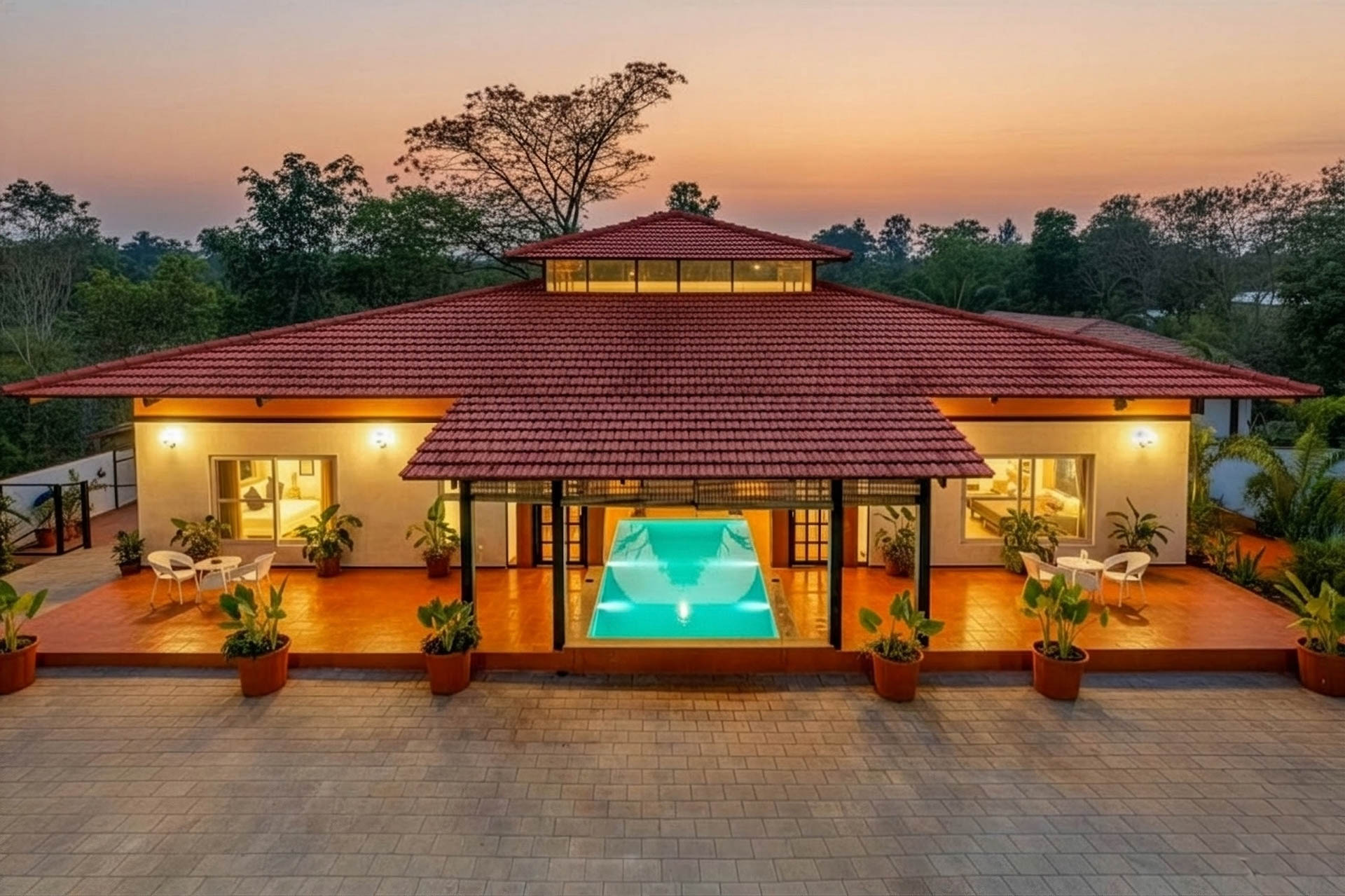
Where to Stay in Coorg & Wayanad
Andaman Islands vs Sri Lanka’s Southern Coast: The June Beach Comparison
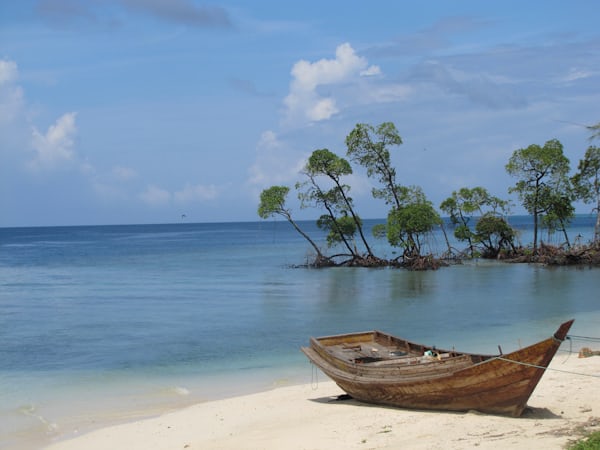
Here is the key distinction that many travellers miss: Sri Lanka’s southern coast (Mirissa, Unawatuna, Tangalle, Bentota) experiences its dry season in June, while the west coast is firmly in monsoon. The Andaman Islands, positioned in the Bay of Bengal, have a reverse relationship with the monsoon: the pre-monsoon window (March–May) is the calmest, and by June the seas become rougher, though several beaches remain swimmable.
This means the Andaman comparison requires honest calibration. Radhanagar Beach on Havelock Island (Swaraj Dweep) — frequently cited as Asia’s finest — is best in April–May. In June, calmer pockets remain viable: Elephant Beach on Havelock, Bharatpur Beach on Neil Island (Shaheed Dweep), and sheltered sections of Vijaynagar Beach retain swimmable conditions on non-storm days.
The Andaman proposition is not primarily weather-based in June — it is about underwater scenery and beach character. The coral ecosystems around Havelock and Neil Island rival Weligama Bay and Hikkaduwa’s reef systems for snorkelling quality. The turquoise-to-deep-indigo water gradient, white silica sand, and coconut palm fringe are genuinely comparable to Mirissa.
Radhanagar Beach, Havelock
Comparable to: Bentota, Sri Lanka
Asia’s most photographed beach. Best March–May; June viable on calm days. White silica sand, no crowds.
Bharatpur Beach, Neil Island
Comparable to: Unawatuna, Sri Lanka
Sheltered bay, shallow reef snorkelling, calm June conditions. Fewer visitors than Havelock.
Elephant Beach, Havelock
Comparable to: Mirissa, Sri Lanka
Accessible by boat only. Coral gardens ideal for snorkelling; comparable to Weligama reef zone.
Vijaynagar Beach, Havelock
Comparable to: Tangalle, Sri Lanka
Rocky outcrops and isolated sand stretches. The geology mirrors Tangalle’s wild, photogenic shoreline.
June Andaman note: The Bay of Bengal can experience sudden weather shifts in June. Check IMD (India Meteorological Department) forecasts and ferry advisories before travel. Pre-book accommodations as Havelock has limited inventory.
Kerala Backwaters vs Galle’s Lagoon Culture: The Slow-Travel Comparison
Galle Fort, Sri Lanka’s UNESCO colonial coastal town, has become one of Asia’s most romanticised slow-travel destinations. Its appeal is atmospheric: Dutch colonial architecture, Indian Ocean sunsets, boutique hotels in converted mansions, and a proximity to both beach and reef.
Alleppey (Alappuzha) in Kerala does not replicate Galle architecturally, but it replicates the feeling — a watery, unhurried pace, houseboats replacing boutique guesthouses as the accommodation of choice, and a particular quality of light on still water at dusk that photographers have compared, unsentimentally, to the canals of Galle’s hinterland. The June monsoon intensifies Alleppey’s backwater experience: the canals fill, the paddy fields flood in a deep emerald, and the region feels genuinely remote from mainland India’s noise.
The rice houseboat (kettuvallam) experience — an overnight cruise through Vembanad Lake — is arguably more immersive than anything Sri Lanka’s Galle region offers at the equivalent price point. Budget kettuvallam start at ₹8,000 per night; premium variants with A/C, sundeck, and chef service run ₹20,000–35,000.
Alleppey offers a comparable slow-travel experience to Galle, Sri Lanka — but through houseboat culture on Vembanad Lake rather than colonial architecture. Both involve unhurried waterside stays, regional cuisine, and a remove from urban pace. Budget kettuvallam in Alleppey start at ₹8,000/night vs comparable Galle boutique stays at ₹20,000–40,000/night for Indian travellers.
Wayanad and Nagarhole as Alternatives to Yala National Park in June
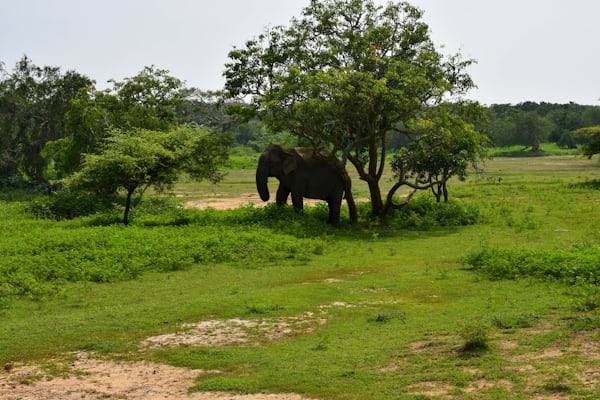
Yala National Park is Sri Lanka’s most-visited wildlife destination and one of the world’s highest-density leopard habitats. June falls within Yala’s dry season, when water sources shrink and animals concentrate — making it a prime wildlife-viewing month.
Within India, Nagarhole National Park (Rajiv Gandhi National Park) in Karnataka is the most credible Yala alternative for the hill-country India-Sri Lanka traveller. The Kabini reservoir, which borders Nagarhole, creates the same concentrated wildlife dynamic in the April–June period: elephants arrive in herds of 50–100 to drink; leopards, tigers, dholes, and gaur are regularly sighted. Kabini safari lodges — some run by the same operators (like Orange County and Evolve Back) who manage properties near Sri Lanka — provide a similar luxury-safari experience.
Wayanad Wildlife Sanctuary, accessible from Munnar or Kalpetta, is a lower-cost alternative with good elephant, gaur, and spotted deer sightings. For travellers combining a hill-station-and-wildlife itinerary comparable to Nuwara Eliya–Yala, the Munnar–Wayanad or Coorg–Nagarhole combinations provide the closest structural match available within India.
Nagarhole National Park’s Kabini zone is India’s strongest equivalent to Yala National Park in June. Kabini offers tiger sightings, large elephant congregations (50–100 animals), and leopard sightings in a comparable dry-season safari setting. Wayanad Wildlife Sanctuary is a lower-cost alternative with good elephant and gaur sightings but does not replicate Yala’s leopard density.
June Andaman vs Sri Lanka Costs: What Indian Travellers Actually Spend
The cost comparison between an Andaman trip and a comparable Sri Lanka itinerary is one of the most searched questions among Indian travellers planning June holidays. The differential is significant, primarily driven by international airfare and currency exchange.
The cost comparison between an Andaman trip and a comparable Sri Lanka itinerary is one of the most searched questions among Indian travellers planning June holidays. The differential is significant, primarily driven by international airfare and currency exchange.
| Destination | Approx. Cost (5 Nights, 2 People) | Includes |
|---|---|---|
| Andaman Islands | ₹55,000–75,000 | Return flights from Chennai/Kolkata, mid-range stay, and activities |
| Sri Lanka | ₹90,000–1,40,000 | Return flights from major Indian cities, comparable stay, visa, and forex costs |
| Kerala Hills | ₹30,000–50,000 | Munnar + Alleppey combo, mid-range stays, and drive from Kochi |
| Nuwara Eliya | ₹70,000–1,10,000 | Flights, visa, LKR exchange, and comparable bungalow stays |
The cost advantage for Indian destinations is typically 30–50% over comparable Sri Lanka experiences, with the Munnar-Alleppey combination offering the sharpest value proposition for those seeking the hills-plus-backwaters pairing.
How to Build a Sri Lanka-Style India Itinerary for June
The most satisfying no-passport Sri Lanka experience combines at least two distinct terrain types — mirroring how most travellers combine Nuwara Eliya with a beach or Galle with a national park. Below are three template itineraries.
Itinerary A: The Hill-Country + Backwaters Route (Munnar–Alleppey)
- Day 1–2 — Arrive Kochi, drive to Munnar (3.5 hrs). Check into a tea estate stay. Evening at Chinnakanal viewpoint.
- Day 3 — Eravikulam National Park morning safari (book ahead). Afternoon at Mattupetty Dam. Tea Museum visit.
- Day 4 — Drive Munnar to Alleppey (4.5 hrs). Board kettuvallam by 1 p.m. Overnight cruise through Vembanad Lake.
- Day 5 — Backwater morning. Disembark at Alleppey. Optional: Kumarakom Bird Sanctuary. Return to Kochi for departure.
Itinerary B: The Wildlife + Hills Route (Wayanad–Coorg)
- Day 1–2 — Calicut/Kozhikode to Wayanad (2 hrs). Chembra Peak trek, Banasura Sagar Dam.
- Day 3 — Wayanad Wildlife Sanctuary morning jeep safari. Afternoon: Edakkal Caves.
- Day 4–5 — Drive to Coorg (3 hrs). Abbey Falls, coffee estate walk, Raja’s Seat sunset. Return via Mysore or Mangalore.
Itinerary C: The Beach + Reef Route (Andaman Islands)
- Day 1 — Fly to Port Blair. Cellular Jail visit. Transfer to Havelock by ferry (early morning ferry recommended).
- Day 2 — Radhanagar Beach. Sunrise walk. Afternoon snorkelling at Elephant Beach (accessible by boat).
- Day 3 — Neil Island day trip. Bharatpur Beach snorkelling. Natural Bridge coral formation.
- Day 4–5 — Ross and Smith Islands (North Andaman, subject to permit availability). Return to Port Blair for departure.
What India Does Better Than Sri Lanka in June
Honest comparison requires acknowledging where India’s alternatives genuinely surpass the original. Several categories favour the Indian option unconditionally.
- Monsoon greenery. India’s June monsoon, particularly in Kerala and the Western Ghats, produces a more intense, dramatic landscape than Sri Lanka’s drier June upcountry. The waterfalls, mist, and electric-green vegetation in Munnar and Coorg in June are objectively superior to the same locations in any other month.
- Food accessibility. Kerala’s Sadhya cuisine, the Coorgi pork tradition, and the fish curry culture of Alleppey are as texturally rich as Sri Lanka’s equivalent cuisine — and more accessible at budget price points without the tourist markup common in Galle and Ella.
- Logistics simplicity. No visa application, no passport validity check, no foreign currency, no customs declaration. Aadhar-based boarding, UPI payments, and domestic healthcare access reduce friction across the trip.
- Wildlife density. Nagarhole–Kabini offers a higher probability of tiger sighting than Yala. Sri Lanka’s leopard density is unmatched, but for large mammal diversity, India’s southern protected areas are globally competitive.
- Houseboat culture. Alleppey’s kettuvallam tradition predates and arguably exceeds Sri Lanka’s equivalent slow-boat experiences in the Madu River or Koggala Lake in terms of scale, cuisine, and customisation.
Where Sri Lanka Still Holds the Edge
A balanced account acknowledges Sri Lanka’s genuine advantages — things India cannot replicate by geography or infrastructure.
- Leopard sightings. Yala National Park’s leopard density is the highest of any protected area in the world. No Indian national park replicates this specific experience.
- Colonial architecture. Galle Fort’s UNESCO-listed Dutch and Portuguese streetscape has no Indian equivalent. The built heritage is irreplaceable.
- Southern coast beaches in June. Mirissa, Unawatuna, and Tangalle’s southern exposure means they remain calm and swimmable in June while Kerala’s beaches are fully monsoon-affected. For guaranteed June beach weather, Sri Lanka’s south coast is superior.
- The “otherness” factor. Sri Lanka, despite its cultural proximity to South India, provides the psychological reward of international travel — a different currency, visa stamp, and national identity that some travellers actively seek.
Frequently Asked Questions
Munnar in Kerala is the closest Indian equivalent to Nuwara Eliya. Both are high-altitude tea plantation towns with colonial bungalow stays, cool monsoon temperatures, and misty June mornings. Munnar sits at approximately 1,600 metres; Nuwara Eliya at 1,868 metres.
Andaman is partially viable in June. Sheltered beaches like Bharatpur on Neil Island and Elephant Beach on Havelock remain accessible, but seas are rougher than peak season. For guaranteed calm June beach conditions, Sri Lanka’s south coast (Mirissa, Tangalle) has an advantage over Andaman.
No. Indian citizens do not require a passport to visit the Andaman and Nicobar Islands. A valid government-issued photo ID — Aadhar card, voter ID, or driving licence — is sufficient. Certain restricted islands require an Inner Line Permit obtainable at Port Blair.
Kerala’s hill stations — Munnar, Wayanad, and Vagamon — offer comparable scenery to Sri Lanka’s Nuwara Eliya and Ella during June. The monsoon onset makes Kerala greener and more photogenic in June than Sri Lanka’s relatively drier hill country at the same time.
An Andaman trip for two (5 nights, mid-range) typically costs ₹55,000–75,000 including flights. A comparable Sri Lanka trip costs ₹90,000–1,40,000 due to international airfare, visa fees, and currency exchange costs. India options are typically 30–50% cheaper.
Radhanagar Beach on Havelock Island in the Andamans is most frequently compared to Mirissa for its turquoise water, white sand, and palm fringe. Elephant Beach offers similar snorkelling to Mirissa’s reef zone. Note: Andaman seas are rougher in June than Mirissa.
Alleppey offers a distinct but comparable slow-travel experience. Galle provides colonial architecture and ocean views; Alleppey offers houseboat cruises through palm-lined canals and Vembanad Lake. Both involve unhurried waterside stays, regional cuisine, and a remove from urban pace.
Wayanad Wildlife Sanctuary offers good sightings of elephants, gaur, and spotted deer but does not replicate Yala’s leopard density. Nagarhole National Park’s Kabini zone is a stronger Yala alternative, with higher biodiversity and reliable elephant and predator sightings in June.
The best no-passport Sri Lanka alternatives in India for June are: Munnar (hill stations/tea estates), Alleppey (backwaters/houseboat culture), Andaman Islands (beaches/snorkelling), Wayanad or Coorg (wildlife/misty forests), and Nagarhole–Kabini (national park safari experience).
The Western Ghats hill stations — Munnar, Wayanad, Coorg, and Vagamon — develop intense monsoon greenery from June onwards that closely resembles Sri Lanka’s lush hill country. The landscape is arguably more dramatic in India during June than Sri Lanka’s comparatively drier June upcountry.