
Kuruva Island (Kuruvadweep): Ferry Timings, Fee & Monsoon Closure
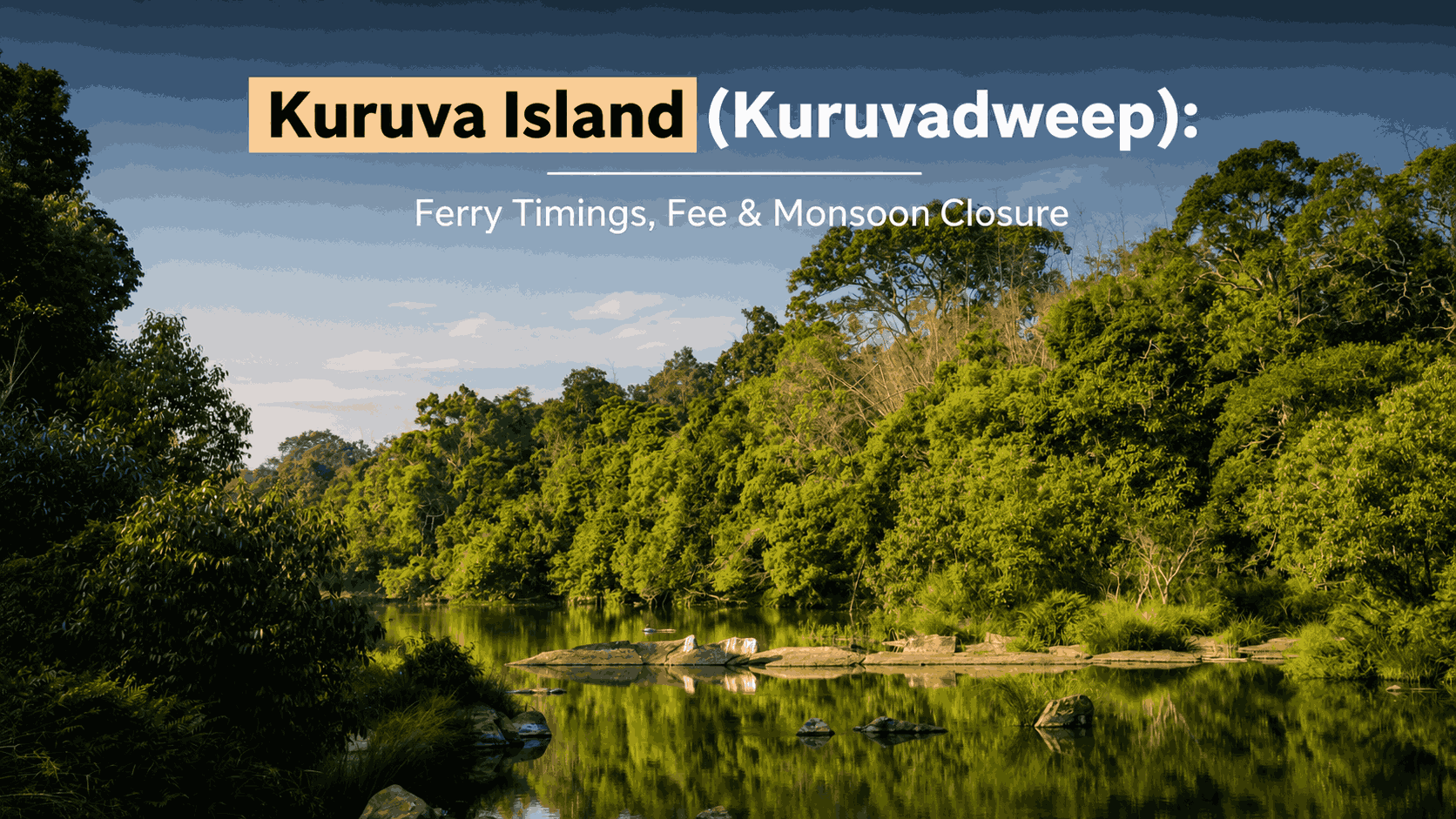
Kuruva Island — Kuruvadweep in Malayalam — is a 950-acre cluster of uninhabited river-delta islands on the Kabini in north Wayanad, Kerala, reached only by a bamboo-raft ferry run by the forest department. There’s no bridge, no vehicles, no shops and no plastic allowed: just evergreen forest, bamboo groves, birdsong and river on all sides.
And here’s the first thing you need to know before planning anything: the island closes every monsoon, and it’s closed right now. This guide covers the current status, the ferry timings and fees for the open season, how the reopening works, and what to do in Wayanad while the Kabini calms down — plus where to stay so you’re first across when the rafts return.
TL;DR: As of July 2026, Kuruva Island is closed for the monsoon — it shuts each June when the Kabini rises and typically reopens in September (in 2025, it reopened on 11 September). In season, it’s open 9 AM–3:30 PM with entry at ₹220 for Indians and ₹440 for foreigners, a daily visitor cap, and a bamboo-raft ferry crossing.
In this Blog
Quick Info: Kuruva Island at a Glance
| Field | Details |
|---|---|
| Status (July 2026) | Closed for monsoon — reopening expected post-monsoon, announced by DTPC Wayanad per Kabini water levels |
| Season timings | 9:00 AM – 3:30 PM (arrive by early afternoon; last crossings run before closing) |
| Entry fee | ₹220 Indians / ₹440 foreigners per current listings (children discounted; counter rates final) |
| The ferry | Bamboo raft / country boat across the Kabini, run by the Forest Department — no bridge exists |
| Daily cap | Limited entries per day (recent seasons have ranged roughly 200–575) — go early |
| Where | Kabini river, near Mananthavady (~17 km), Wayanad district, Kerala |
| Nearest airports | Kannur International ~60 km; Kozhikode (Calicut) ~100 km |
| Time needed | 2–3 hours on the island |
| Best time | September–February: post-monsoon reopening through winter |
Is Kuruva Island Open Right Now?
No — as of July 2026, Kuruva Island is closed for the monsoon. The island sits low in the Kabini’s flow, and once the June rains push the river up, the district administration suspends the raft crossings entirely; a swollen Kabini is no place for bamboo rafts. The closure typically holds through the heaviest rain months and lifts only when water levels drop.
The reopening follows a pattern worth knowing. The DTPC (District Tourism Promotion Council) and forest department run trial raft trips once rainfall eases, then reopen with limited entries and tightened safety rules. In 2025, that moment came on 11 September. For 2026, expect a similar September window — earlier if the rains taper sooner, later if they don’t. There’s no fixed date in advance; the river decides, and the DTPC announces.
Planning a Wayanad trip during the closure anyway? Good instinct — monsoon is Wayanad’s most beautiful season, and the island is only one item on the district’s list. Skip ahead to “What to Do Near Kuruva While It’s Closed,” and time your next visit for the reopening weeks, when the forest comes out of the rains at its absolute greenest.
Kuruva Island Ferry Timings and Entry Fee (Open Season)
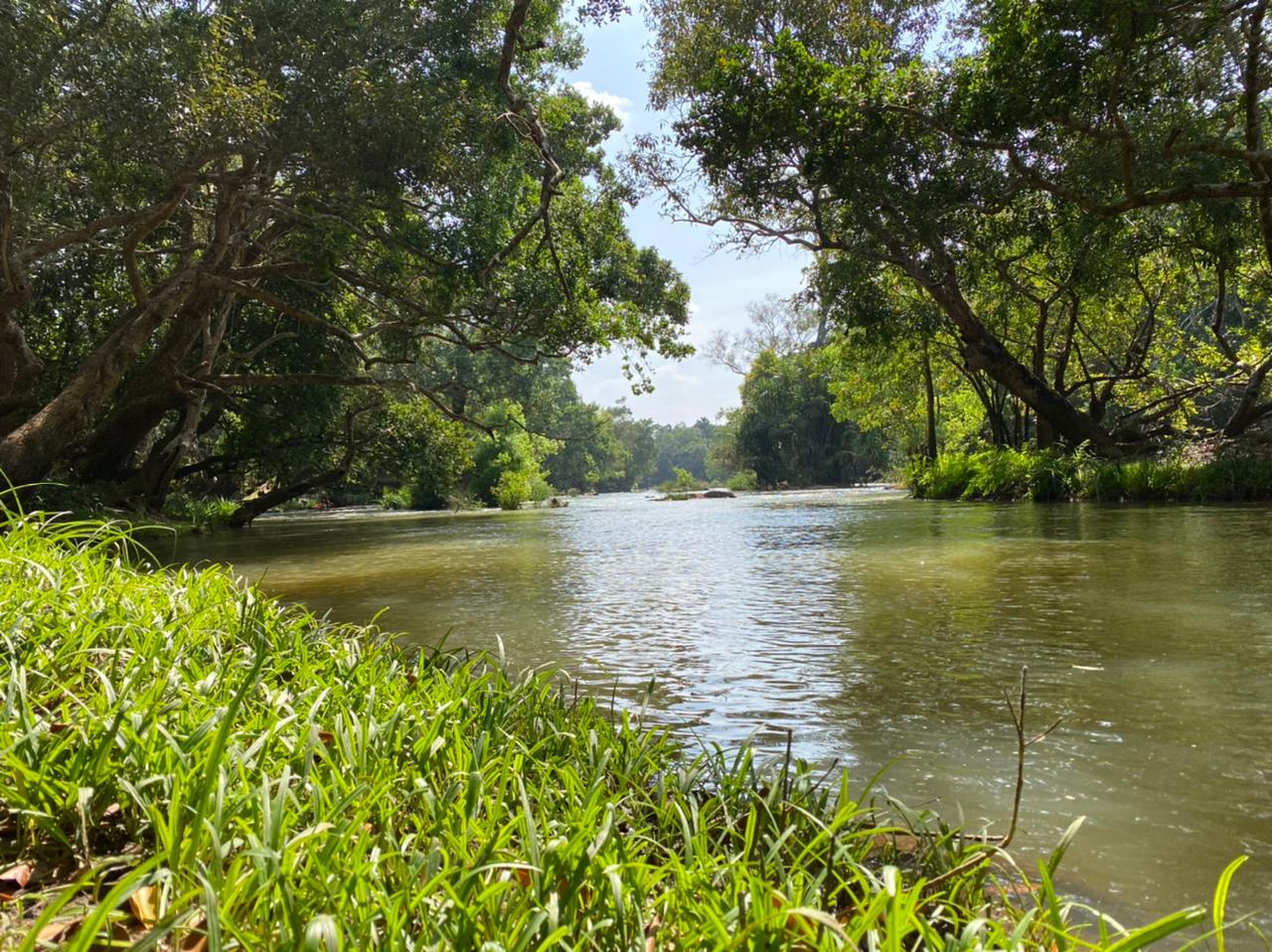
In season, Kuruva Island operates from 9 AM to 3:30 PM, and the entry system is refreshingly old-school: tickets at the counter, a daily visitor cap, and the bamboo-raft ferry across the Kabini included in the flow. Current listings put entry at ₹220 for Indian nationals and ₹440 for foreign nationals, with discounted child tickets — you may still find the older ₹80 slab quoted on outdated pages, so treat the counter’s word as final.
| Item | Details |
|---|---|
| Entry — Indian nationals | ₹220 (per current listings; children discounted) |
| Entry — foreign nationals | ₹440 |
| Bamboo rafting add-on | ~₹300 per raft (seats about 6) for the longer island-hopping ride |
| Country-boat crossing | Nominal (~₹10) where operated |
| Camera / parking | Small extra charges apply |
| Daily visitor cap | Limited entries — reach before 11 AM in season, earlier on weekends |
| Last entry | Early afternoon; the 3:30 PM close is firm |
Two rules define the visit. First, Kuruvadweep is a plastic-free zone — bags are checked, and water bottles may be tagged with a refundable deposit. Second, the cap is real: on peak-season weekends the day’s quota can finish by noon. Reach when the counters open at 9, cross while the river’s still misty, and you’ll have the bamboo groves ahead of the crowd.
What Exactly Is Kuruvadweep?
Kuruvadweep is a protected river-delta island system — about 950 acres of evergreen forest split by channels of the Kabini, one of Kerala’s few east-flowing rivers. It’s uninhabited and has been left that way deliberately: the forest department manages access, paths are unpaved, and the only infrastructure is what a day visit needs. Ecologists prize it for dense bamboo, rare orchids and birdlife; kids prize it for the raft ride and the paddling shallows at the edges.
The crossing is the character-setter. A flat bamboo raft — pulled along a cable by forest-department hands — ferries you over the tea-coloured river, and the far bank swallows you into shade within twenty steps. Trails loop through the groves and open onto river beaches; the longer bamboo-raft ride (the ₹300 one) hops between islets for views you can’t walk to. Give it 2–3 unhurried hours.
What it isn’t: an adventure park. There are no shops, no food stalls inside, no bins (carry everything back out), and — since the island floods every year — no permanent anything. That annual drowning-and-reappearing is exactly why it stays this green, and why the monsoon closure isn’t bureaucracy but the island’s survival mechanism.
When Does Kuruva Island Reopen — and When’s the Best Time to Go?
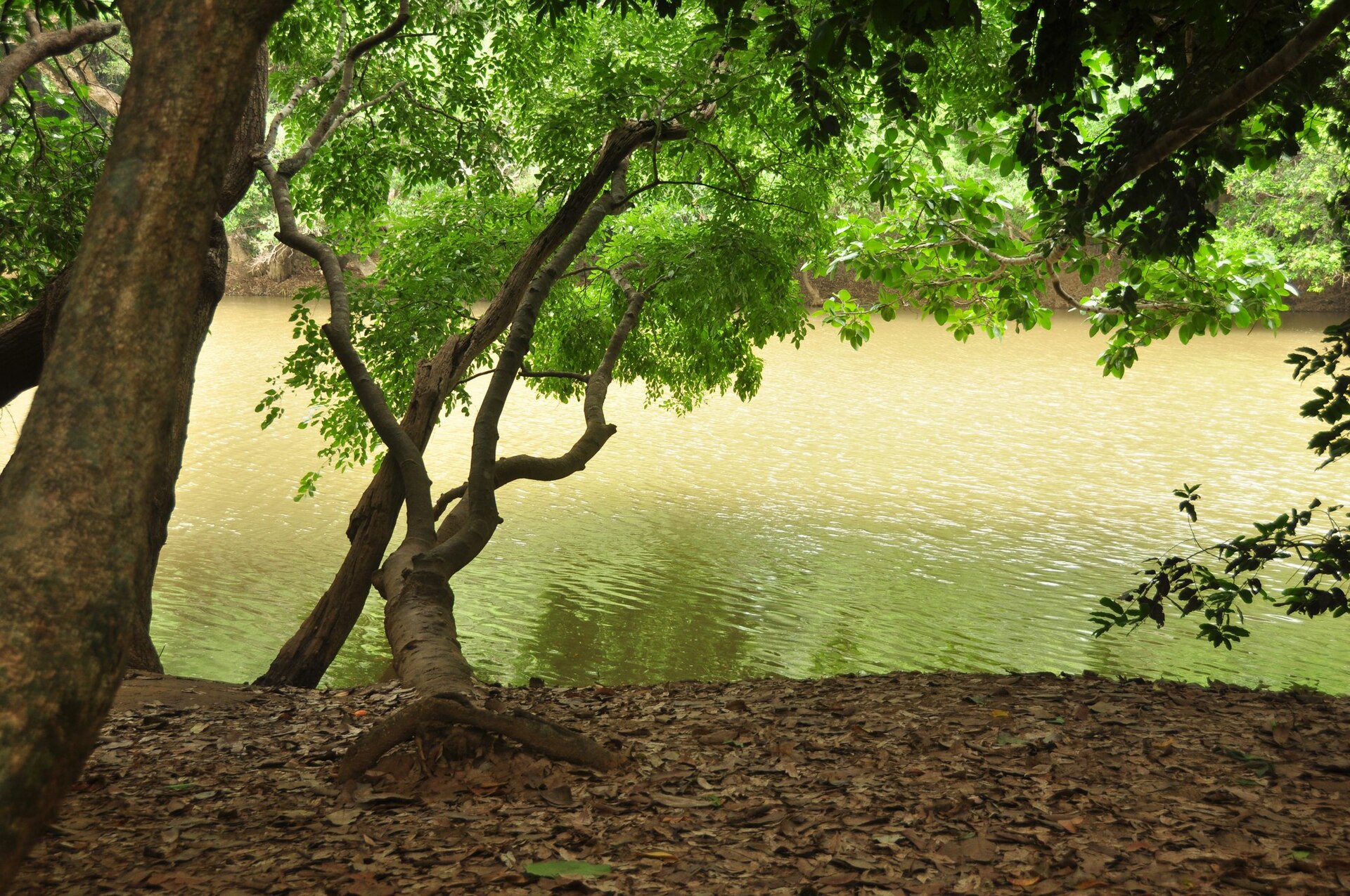
The reliable pattern: closed June through the monsoon, reopening in September once the Kabini drops — with the 2025 season resuming on 11 September after trial raft runs. Post-reopening weeks are the connoisseur’s window: the forest is rain-washed and luminous, the river still full but calm, and the crowds thinner than winter’s. If you can travel in late September or October 2026, that’s the trip to plan.
October to February is the classic season — cool, dry, everything operating, and the daily cap the only queue you’ll fight. Summer (March–May) works too, with warmer afternoons and lower water; mornings stay pleasant.
One caveat even in season: the island can shut at short notice after heavy unseasonal rain, since it’s the river level — not the calendar — that governs the rafts. If Kuruva is the centrepiece of your Wayanad plan, keep it for the first morning of the trip and hold a flex day; your villa or homestay team will know the day’s status before any website does.
How Do You Reach Kuruva Island?
The island’s entry point is about 17 km from Mananthavady town in north Wayanad — under 40 minutes by car — with parking near the ticket counter and the raft doing the final wet meters. There’s no other way in; the Kabini is the moat.
- From Kalpetta: ~40 km (about an hour) via Panamaram toward Mananthavady.
- From Bangalore: ~270–290 km via Mysuru and the Kutta/Tholpetty road (6–7 hrs) — note the Bandipur/Nagarhole forest stretches close to traffic at night.
- By air: Kannur International Airport is the surprise winner at ~60 km; Kozhikode (Calicut) International is ~100 km via the Thamarassery ghat.
- By rail: Kozhikode and Kannur are the practical railheads; taxis and KSRTC buses cover the climb to Wayanad.
Combine it with the north-Wayanad circuit: Tholpetty wildlife sanctuary (morning safari), Thirunelli temple, and the Kabini backwater viewpoints all sit on the same side of the district — a different day out from the southern falls-and-caves circuit.
What to Do Near Kuruva While It’s Closed
The monsoon closure isn’t a reason to skip Wayanad; it’s a reason to see the district doing its rain-season show while the island rests. Within an hour of the Kuruva entry point:
- Banasura Sagar Dam — India’s largest earthen dam with its island-dotted reservoir at full monsoon volume; speed boats run between showers, and the spillway after heavy rain is the district’s best free spectacle.
- Soochipara and Kanthanpara falls — DTPC-managed, monsoon-open subject to daily alerts, and at peak flow right now.
- Tholpetty–Thirunelli — the quiet north: a dawn safari, then Kerala’s most atmospheric temple in the rain.
- Pookode Lake and Lakkidi viewpoint — mist theatre on the ghat edge.
- Plantation walks — pepper and coffee estates are at their most fragrant in the rains; leech socks recommended, regrets none.
Do the monsoon trip now, then return for the reopening — where to travel in India this monsoon and our monsoon waterfall trek guide both slot Wayanad plans neatly around the closure.
Where to Stay for the Kuruva Trip
Base in north or central Wayanad and the island becomes an easy first-morning outing — which matters, given the daily cap. Two StayVista picks, both live and bookable:
Comfort Rooms @ Lagoons Kuruva — the Namesake Stay
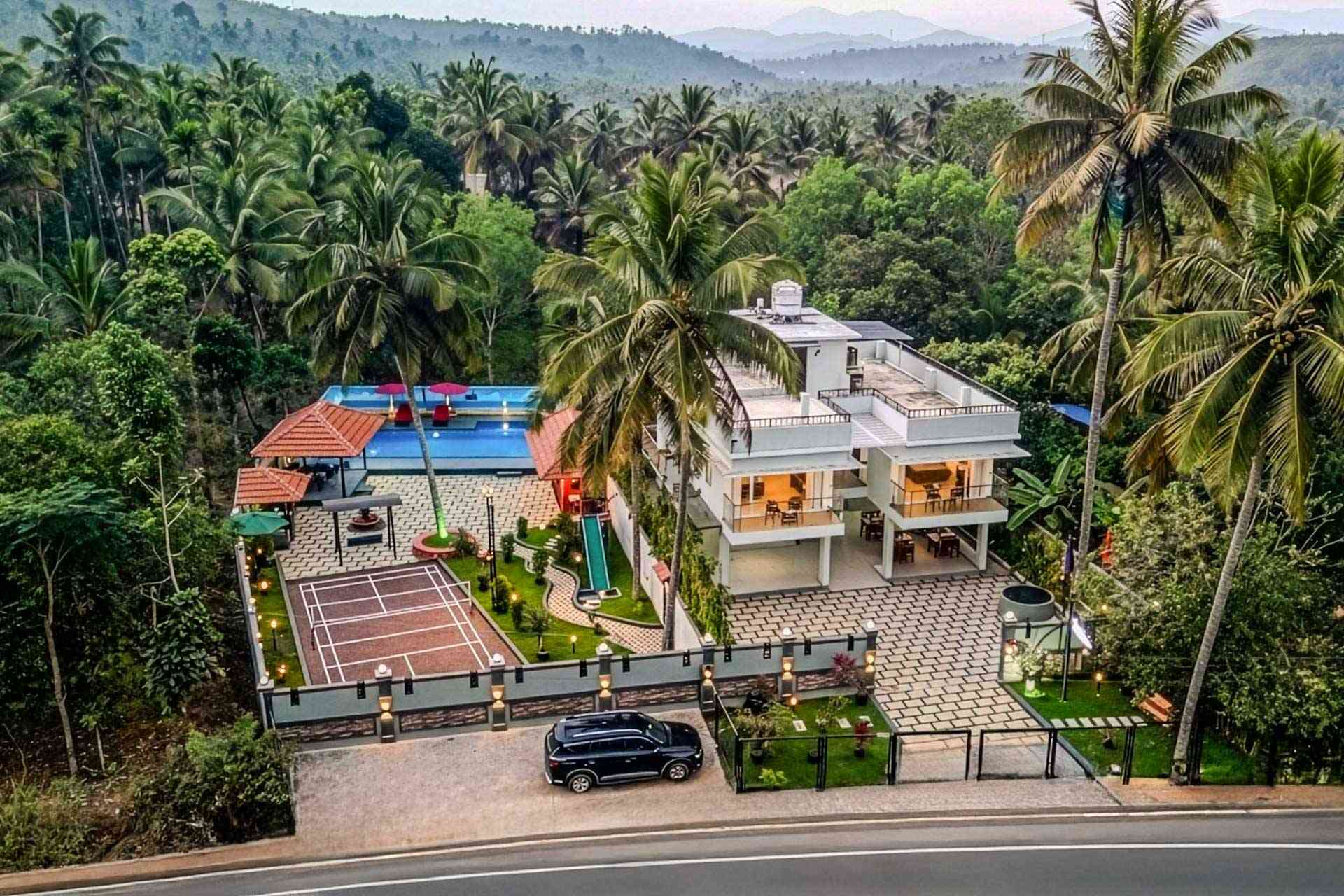
Lagoons Kuruva carries the island’s name and its river-country setting: up to 12 guests across 1–4 rooms with 4 baths, a lawn for post-outing evenings, and a 4.7/5 rating from guests. It books flexibly by room count, which suits the couples-plus-kids groups this side of Wayanad attracts. Pair it with a dawn start and you’re at the raft point when the counters open.
Princess of Wayanad — the Flagship
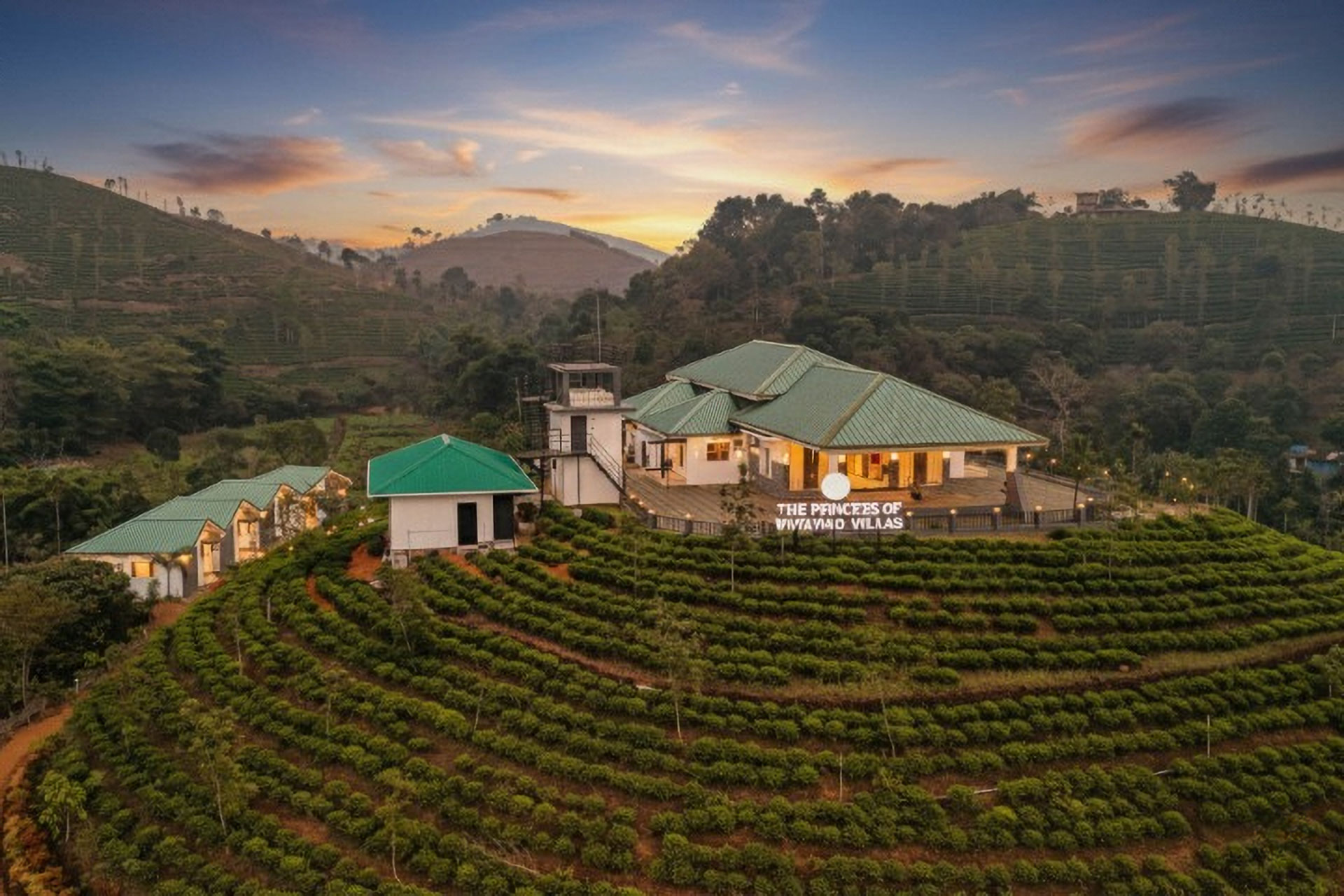
Princess of Wayanad is the district’s grand option — bookable as a full villa (₹48,372/night, July 2026 site rates) or as Comfort (from ₹20,874) and Premium (from ₹23,082) room tiers, which makes it work for everything from a two-family reopening-week trip to a full takeover. Plan it for late September: island newly open, forest at maximum green, villa lawn for the debrief.
Frequently Asked Questions
No. Kuruva Island closes every monsoon — typically from June — because the Kabini river runs too high for the bamboo-raft crossings. As of July 2026 it is closed, with reopening expected post-monsoon once water levels drop and the DTPC completes trial raft runs.
No fixed date is announced in advance — the DTPC reopens the island when the Kabini’s level permits, usually in September. In 2025 it reopened on 11 September after trial rides. Watch DTPC Wayanad announcements, or simply ask your Wayanad villa or homestay team, who hear the day it happens.
Current listings show ₹220 for Indian nationals and ₹440 for foreign nationals, with discounted child tickets and small camera/parking charges. The longer bamboo-raft island ride costs about ₹300 per raft for around six people. Older pages still quote a ₹80 slab — treat the ticket counter’s rate as final.
In season, 9 AM to 3:30 PM — with last crossings before close and a daily visitor cap. Arrive by mid-morning (earlier on weekends and holidays), since the day’s quota can finish by noon in peak season.
The entry point is about 17 km from Mananthavady in north Wayanad; the crossing itself is by forest-department bamboo raft — there’s no bridge. Kannur International Airport (~60 km) is the nearest; Kozhikode is ~100 km. From Bangalore it’s a 270–290 km drive via Mysuru.
Yes, in season — the crossings run only when the river is calm, the rafts are handled by forest-department staff, and life jackets are provided. That same safety logic is why the island shuts entirely in monsoon: if conditions aren’t raft-safe, nobody crosses.
No. Kuruvadweep is uninhabited and protected — day visits only, everything you carry in comes back out, and the island empties by 3:30 PM. Stay on the mainland nearby (Mananthavady side for the earliest starts) and treat the island as a morning outing.
The Short Version
Kuruva Island runs on the river’s schedule: 9 AM–3:30 PM and a bamboo raft in season, total surrender to the Kabini in monsoon. Right now it’s closed; by late September the rafts should be back, and the weeks just after reopening are the finest this island offers. Entry ₹220, no plastic, no hurry — that’s the whole formula.
Time the trip for the reopening, base yourself at a StayVista villa in Wayanad, and be on the first raft of the morning. Some places reward the early and the patient; Kuruvadweep is both.