
Where to Travel in India in Monsoon 2026: 24 Best Places by Region (Updated)
Quick answer: India in the monsoon isn’t one trip, it’s four. Go to the
Ladakh–Spiti rain-shadow if you want sunshine and almost no rain; the
Western Ghats (Coorg, Chikmagalur, Lonavala, Mahabaleshwar) for waterfalls and mist;
Cherrapunji and Mawsynram to stand inside the heaviest rain on Earth; and
off-season Goa or Gokarna for empty, low-priced coast. Best window:
June–September. This guide sorts every pick by region — and flags what’s
closed or unsafe this season.
India in the monsoon isn’t a single destination — it’s a choice about how much rain you
actually want. You can travel to where the rain barely reaches (the high-altitude cold
deserts of Ladakh and Spiti sit in the Himalayan rain-shadow), or straight into the wettest
inhabited places on the planet in Meghalaya. In between are the Western Ghats turning into a
wall of waterfalls, Rajasthan’s lakes filling up, and beaches you’ll have almost to yourself.
This is our region-by-region guide to the best places to visit in India during the monsoon,
built so you can match the destination to the kind of rainy-season trip you have in mind —
with honest notes on what’s open, what’s shut, and where it’s genuinely worth going between
June and September 2026.
Travelling specifically next month? We’ve split out a dedicated, ranked
guide to the best places to visit in July.
Want as little rain as possible? See our
rain-free July & August escapes.
This page is the full-season picture.
In this Blog
The 2026 monsoon at a glance: what to expect
The southwest monsoon reached Kerala around 4 June 2026. The
India Meteorological Department has
forecast a below-normal season — about 90% of the long-period average, with a
raised chance of El Niño developing. In plain travel terms: rather than a relentless deluge,
much of inland India is likely to see lighter, more manageable spells of rain
this year — good news if you’ve been put off monsoon travel by the thought of being rained in.
Northeast India is the one region forecast to get its usual heavy share. As always, the wettest
belt is the Western Ghats and the Khasi Hills; the driest is the trans-Himalaya.
One rule for any monsoon trip: weather changes fast in the hills. Build in a buffer day,
and check live road and weather status before you set out (links in each section below).
Monsoon destinations in India, compared
A quick map of where to go, how wet it gets, and who each place suits. “Rain-shadow” means
it stays largely dry even in peak monsoon.
| Destination | Region | Best monsoon window | How wet | Ideal for | 2026 note |
|---|---|---|---|---|---|
| Leh–Ladakh | Trans-Himalaya (J&K/Ladakh) | Jun–Sep | Rain-shadow (very dry) | Road-trippers, bikers | Dry, but check approach-road status |
| Spiti Valley | Trans-Himalaya (HP) | Jun–Sep | Rain-shadow (very dry) | Offbeat road trips | Verify Kaza road status day-of |
| Valley of Flowers | Garhwal Himalaya (UK) | Mid-Jul–mid-Aug (peak bloom) | Moderate | Trekkers, flower season | Open 1 Jun–31 Oct 2026 |
| Shoja / Jalori Pass | Himachal | Jun–Sep | Moderate | Quiet hill stays | Green, low crowds |
| Lonavala | W. Ghats — Maharashtra | Jul–Aug | Heavy | Quick Mumbai/Pune escape | Waterfall-spot bans in force |
| Mahabaleshwar | W. Ghats — Maharashtra | Jul–Aug | Heavy | Couples, viewpoints | Strawberry picking is off-season |
| Matheran | W. Ghats — Maharashtra | Jun–Sep | Heavy | Car-free walking breaks | Toy train usually suspended in rains |
| Alibaug | Konkan coast | Jun–Sep | Heavy | Beach-villa weekends | Kolaba Fort access is tide-bound |
| Coorg | W. Ghats — Karnataka | Jul–Sep | Heavy | Coffee estates, falls | Watch leeches & ghat roads |
| Chikmagalur | W. Ghats — Karnataka | Jul–Sep | Heavy | Plantation stays, treks | Best early/late monsoon |
| Agumbe | W. Ghats — Karnataka | Jul–Aug | Extreme (~7,620 mm/yr) | Rain lovers, photographers | “Cherrapunji of the South” |
| Munnar | W. Ghats — Kerala | Jun–Sep | Heavy | Tea estates, greenery | Avoid ghat driving in downpours |
| Wayanad | W. Ghats — Kerala | Jun–Sep | Heavy | Falls, caves, estates | Mundakkai–Chooralmala is a No-Go zone |
| Kodaikanal | W. Ghats — Tamil Nadu | Jun–Sep | Moderate–Heavy | Lakes, walks | Lighter than the SW-facing Ghats |
| Cherrapunji (Sohra) | Northeast (Meghalaya) | Jun–Aug | Extreme (~11,777 mm/yr) | Living root bridges, falls | Root-bridge trek is slippery — care |
| Mawsynram | Northeast (Meghalaya) | Jun–Aug | Extreme (~11,872 mm/yr) | Wettest-place bragging rights | Wettest inhabited place on Earth |
| Udaipur | Rajasthan (Aravalli) | Jul–Sep | Light–Moderate | Lakes, palaces, couples | Lakes fill; Monsoon Palace in cloud |
| Mount Abu | Rajasthan (Aravalli) | Jul–Sep | Moderate | Green Rajasthan break | Rajasthan’s only hill station |
| Orchha | Madhya Pradesh (Bundelkhand) | Jul–Sep | Light–Moderate | Heritage, river views | Betwa river in full flow |
| Mandu | Madhya Pradesh (Malwa) | Jul–Sep | Moderate | Monsoon architecture | Built for the rains |
| Jog Falls | W. Ghats — Karnataka | Jul–Sep | Heavy | India’s tallest plunge falls | Base descent restricted at peak flow |
| South Goa | Konkan coast | Jun–Sep (off-season) | Heavy | Empty beaches, low prices | Sea swimming red-flagged |
| Gokarna | Karnataka coast | Jun–Sep (off-season) | Heavy | Quiet, budget coast | Swimming/water sports unsafe |
| Pondicherry | Coromandel coast (TN/PY) | Jun–Sep | Light (leeward) | Cafés, French Quarter | Drier — gets the NE monsoon later |
1. The rain-shadow Himalaya: where it barely rains
The single best monsoon hack in India: go where the monsoon can’t reach. The high passes of
the trans-Himalaya block the rain clouds, leaving cold deserts that stay sunny and dry while the
plains flood. The catch is never the destination — it’s the roads in, which
cross monsoon-hit terrain and can close on short notice.
Leh–Ladakh

July is peak season in Ladakh precisely because it’s a high-altitude cold desert in the
Himalayan rain-shadow — rainfall is minimal and the skies are clear for Pangong Lake, Nubra and
the monasteries. The approach highways (via Manali or Srinagar) do cross rain-affected stretches,
so check road updates before any overland leg and keep a buffer day. Ideal for:
road trips and first-time high-altitude travel. Best: June–September.
Spiti Valley

Like Ladakh, Spiti is a rain-shadow cold desert — dry and stark when the rest of the north is
green and soaked. The risk sits on the approach: the Manali–Kaza road opens seasonally and the
Shimla–Kinnaur backbone took heavy damage in the 2025 monsoon, so single-lane stretches and
delays are normal. As of late June 2026 the Keylong–Kaza section had not fully opened, so
check the Lahaul-Spiti district road-status portal before committing to the
through-route. Ideal for: offbeat road trips. Best: June–September.
Valley of Flowers

This is the rare place that is at its best because of the monsoon. The Uttarakhand
national park is open 1 June–31 October 2026, and the alpine bloom (Brahma Kamal,
Himalayan blue poppy) peaks mid-July to mid-August. It’s a day-trek only — no
overnight stay inside; trekkers base at Ghangaria. Ideal for: trekkers and
flower season. Best: mid-July–mid-August.
Shoja & Jalori Pass

A quiet Himachal alternative in the Banjar/Tirthan belt — pine forest, the short walk to
Serolsar Lake, and far fewer crowds than Manali. It does get moderate rain, so it’s green rather
than dry, but the hill roads are gentler than the Spiti approach. Ideal for:
slow, quiet stays. Best: June–September.
2. The Western Ghats — Maharashtra: waterfalls within a weekend
For anyone in Mumbai or Pune, the Sahyadris are the definitive monsoon trip — hundreds of
seasonal waterfalls, fort silhouettes in the cloud, and a two-hour drive from the city. Go with
your eyes open about safety: several spots are under prohibitory orders in the rains. For the
full Maharashtra set, see our
20 best places to visit in Maharashtra in monsoon.
Lonavala

Lonavala is the most popular monsoon weekend destination for travellers from Mumbai and Pune. During the rains, the Sahyadri mountains become a wall of green studded with hundreds of temporary waterfalls. Tiger Point is the classic vantage for watching clouds pass at eye level, and local corn roasted on roadside fires is the signature flavour of a rainy Lonavala afternoon. Bhushi Dam is the busiest attraction, but the quieter viewpoints — away from the crowds — deliver the better experience.
Weather in Lonavala — June & July: June brings first heavy showers; 18°C–28°C; near-daily rainfall. July is the wettest month, with intense Sahyadri downpours and waterfalls at full force.
What to Do: Tiger Point viewpoint · Bhushi Dam · Rajmachi Trek (moderate) · Karla and Bhaja Caves · roasted corn at roadside stalls
Mahabaleshwar

Mahabaleshwar receives some of the heaviest rainfall of any hill station in Maharashtra — often over 1,000 mm in July alone. That makes it one of the most dramatic monsoon hill stations in India. Venna Lake is draped in fog for most of the day, and Arthur’s Seat viewpoint offers one of India’s most unusual natural phenomena: light objects thrown downward are pushed back up by the extreme updraft from the valley below.
Weather in Mahabaleshwar — June & July: June: 16°C–26°C, thick mist and the onset of heavy rain. July: regularly over 1,000 mm of rainfall that month alone; dense green forest and heavy fog throughout.
What to Do: Arthur’s Seat viewpoint · Venna Lake boating · Wilson Point sunrise (when skies clear) · Mapro Garden strawberry products · Lingmala Waterfall trail
Matheran

Asia’s only car-free hill station, an easy reach from Mumbai (~80 km). Walk the red-earth
trails between viewpoints and Charlotte Lake in the mist. Plan around transport: the
Neral–Matheran toy train is usually suspended through the monsoon for safety, so
you’ll reach via road to Dasturi and continue on foot, horse or hand-rickshaw.
Best: June–September.
Alibaug

Alibaug is the most accessible coastal monsoon destination for Mumbai residents — a 1-hour ferry ride from the Gateway of India. During the rains, swimming is not advised (rough seas), but watching dark Arabian Sea storm clouds roll in from a villa balcony is a genuinely cinematic experience. The 17th-century Kolaba Fort, accessible on foot at low tide, is surrounded by rising water during the rains — check tidal tables before attempting the walk across.
June: 26°C–32°C; dramatic monsoon arrival on Konkan coast; heavy seas. July: strong winds; dark skies over the Arabian Sea; best coastal storm-watching of the year.
What to Do: Kolaba Fort (low-tide walk) · Alibaug Beach storm-watching · Nagaon Beach · Kihim Beach · Birla Temple · Ferry from Mumbai
3. The Western Ghats — South: coffee country in the clouds
Karnataka, Kerala and the Tamil Nadu hills get the full force of the southwest monsoon —
plantations dripping, waterfalls roaring, tariffs low. The trade-offs are slow travel, leeches in
the undergrowth, and slippery trails. Bangalore is the natural base; see our
monsoon getaways near Bangalore.
Coorg (Kodagu)

Called the Scotland of India for its rolling green hills and persistent mist, Coorg is one of the best-value monsoon destinations in India. The coffee plantations release a rich, earthy fragrance after every downpour, and waterfalls that are barely visible in summer — Abbey Falls and Iruppu Falls — become thundering curtains of white water. Local Kodava cuisine, intensely spiced and deeply warming, is the perfect complement to a cold, rainy day in the hills.
Weather in Coorg — June & July: June: 15°C–25°C, strong monsoon rains; coffee estates smell wonderfully fresh. July: rainfall intensifies; waterfalls brim and forest trails become a dripping green canopy.
What to Do: Abbey Falls · Iruppu Falls · Raja’s Seat viewpoint · Coffee estate walks · Dubare Elephant Camp (check seasonal access)
Chikmagalur

Coorg’s quieter neighbour — Mullayanagiri, coffee homestays and Hebbe Falls. The monsoon
sweet spot is early or late in the season; peak-August downpours make the treks slippery and
leech-heavy.
Best: early July, then September.
Agumbe

If you actively love rain, this is the one. Agumbe averages about 7,620 mm a year
— the “Cherrapunji of the South” — and July alone can bring over 2,600 mm. Manage expectations:
the famous sunset point is often completely clouded out; the reward is rainforest drama, not a
clear horizon. Best: July–August.
Munnar

Munnar’s tea estates — some of the highest in India — become a deep, saturated green during the monsoon, contrasting sharply with the red soil visible through the mist. Temperatures remain pleasantly cool throughout June and July (12°C–22°C), making Munnar one of the few places in South India where monsoon travel is genuinely comfortable. The Attukal Waterfalls reach their peak power during this season, and the tea museum offers a warm, dry refuge from afternoon downpours.
Weather in Munnar — June & July: June: 12°C–22°C, heavy rainfall, mist-covered tea gardens. July: heavy rain continues; every hillside becomes a lush green carpet visible from miles away.
What to Do: Attukal Waterfalls · Tea Museum · Mattupetty Dam · Eravikulam National Park (check entry status) · Nyayamakad Waterfalls trek
Wayanad

Wayanad is a forested hill district where wildlife — elephants, deer, and langur monkeys — becomes more visible as cooler monsoon temperatures draw animals out of the deep jungle. The annual “Splash” monsoon festival celebrates the rains with cultural events, tribal performances, and adventure activities. Bamboo rafting on the Kabani or Mananthavady rivers is one of the most peaceful ways to experience the forest during the wet season. The Edakkal Caves contain Neolithic rock carvings dating back over 6,000 years.
Weather in Wayanad — June & July: June: 18°C–27°C, heavy monsoon showers; forested hills in permanent green haze. July: forests at their most vibrant; cool breezes; rivers at ideal rafting depth.
What to Do: Bamboo rafting · Edakkal Caves · Chembra Peak trek (permit required) · Splash Monsoon Festival · Wildlife safari at Muthanga Reserve
Kodaikanal

Known as the “Princess of Hill Stations,” Kodaikanal sits at 2,133 m and is enveloped in thick fog for most of the monsoon day. The star-shaped Kodaikanal Lake is the town’s centrepiece, and a 5 km walk around its perimeter in light drizzle — past pine trees, small cafes, and rental rowboats — is one of the most pleasant hill-station activities in South India. Coaker’s Walk, a 1 km paved path along a sheer cliff, offers valley views in the brief windows when fog clears.
June: 11°C–20°C; frequent showers; entire town in slow-moving cloud. July: persistent drizzle and fog; moody beauty around the lake.
What to Do: Kodaikanal Lake walk · Coaker’s Walk · Bryant Park · Pillar Rocks · Bear Shola Falls
4. The wettest Northeast: rain at its most extreme
Meghalaya is where you go to experience the monsoon rather than dodge it. This is the
one region IMD expects to get its usual heavy rainfall in 2026 — so come prepared to get wet.
Cherrapunji (Sohra) & Mawsynram

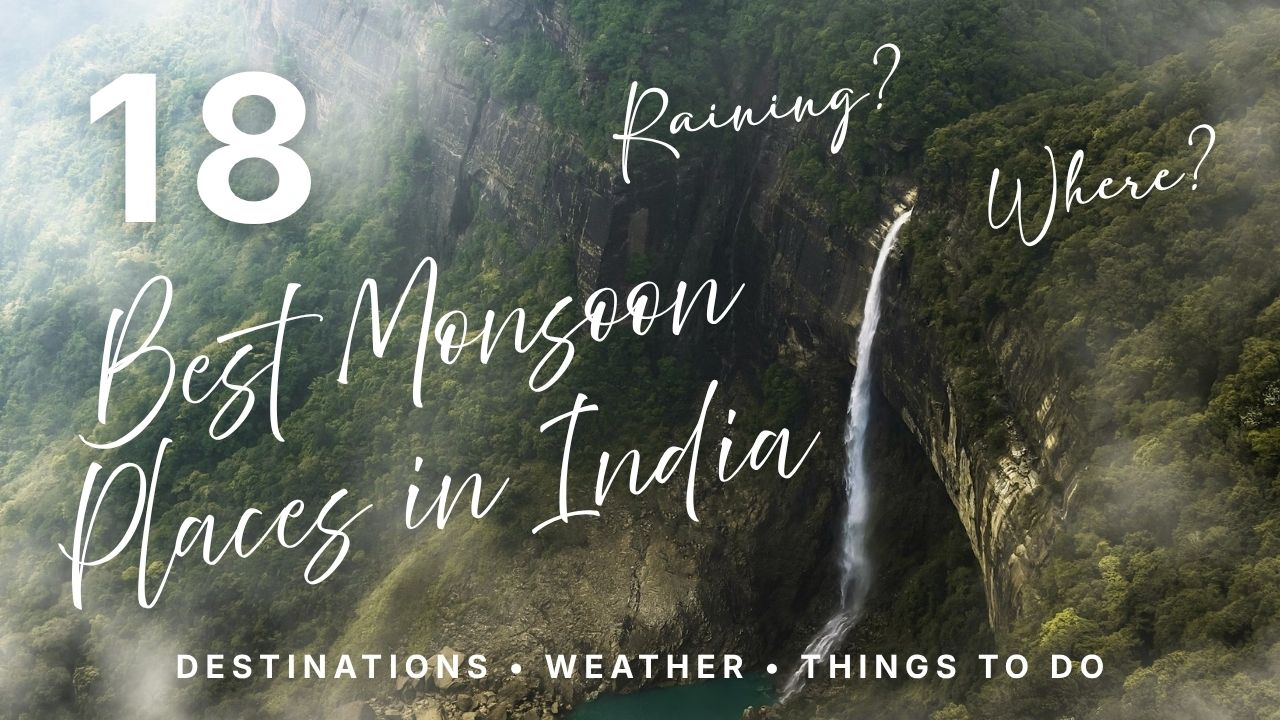
Cherrapunji held the world record for the highest annual rainfall ever recorded (26,461 mm in 1860–61), and during June and July it regularly receives over 1,500 mm in a single month. The Nohkalikai Falls (340 m — India’s tallest plunge waterfall) are at full force, and the Living Root Bridges of the Khasi people — engineered by training the aerial roots of rubber fig trees to grow across rivers over generations — are safe to walk even in heavy rain, growing stronger with every year.
Weather in Cherrapunji — June & July: June: often 1,500+ mm rainfall; 16°C–23°C; waterfalls maximal. July: extraordinary rainfall continues; clouds roll through valleys all day; Nohkalikai at peak.
What to Do: Nohkalikai Falls viewpoint · Double Decker Living Root Bridge (Nongriat village — 3,500 steps each way) · Mawsmai Cave · Seven Sisters Falls · Dawki River (Jingmaham)
Good to know: The Double Decker Root Bridge trek takes 4–6 hours round-trip and involves significant descent and ascent. Hire a local guide; trails are slippery in heavy rain.
5. Heritage in the rains: lighter showers, fuller lakes
Not everyone wants to be soaked. These plains and Aravalli destinations get lighter,
intermittent rain that turns brown landscapes green and fills the lakes — ideal if you want
atmosphere without being rained in.
Udaipur

Udaipur — the City of Lakes — is one of the best Indian monsoon destinations for travellers who want beauty without mud and blocked roads. Moderate July rains fill Lake Pichola and Fateh Sagar Lake, while the white marble palaces glow dramatically against dark monsoon skies. The Monsoon Palace (Sajjangarh), built high on a hill specifically to watch the approaching rains, becomes its most meaningful at this time of year.
Weather in Udaipur — June & July: June: temperatures drop from 40°C highs to a comfortable 30–35°C as first showers arrive. July: moderate rain fills the famous lakes; surrounding hills turn vivid green.
What to Do: Boat ride on Lake Pichola in light drizzle · Monsoon Palace (Sajjangarh) · City Palace Museum · Jagdish Temple · Shilpgram Crafts Village
Mount Abu

Rajasthan’s only hill station, Mount Abu sits at 1,220 m in the Aravalli Range and provides a cool green refuge from the scorching northern plains. In July, the rocky hills sprout a surprising layer of small green plants, and Nakki Lake looks glassily clear after the rains. The 11th-century Dilwara Temples — considered among the finest examples of Jain marble craftsmanship in India — are best appreciated when monsoon crowds are lower than in peak season. Sunset Point takes on an especially dramatic character when cloud layers diffuse the light into bands of orange and pink.
June: 22°C–32°C, first light showers. July: proper monsoon rain; rocky hills turn green; Dilwara marble glows against grey skies.
What to Do: Dilwara Temples · Nakki Lake boat ride · Sunset Point · Guru Shikhar (highest Aravalli peak) · Achalgarh Fort
Orchha

Orchha’s 16th–17th century Bundela dynasty temples and palaces — Raja Mahal, Jahangir Mahal, Ram Raja Temple — are built in dark local stone that turns dramatically rich and textured when wet. The Betwa River, which loops around Orchha on three sides, fills and quickens during monsoon, and the old stone bridges create natural weirs that are photographically stunning. This is one of India’s least-visited UNESCO-listed heritage towns even in peak season; in monsoon, it is almost entirely crowd-free.
June: 28°C–35°C; first rains arrive; Betwa begins to swell. July: moderate-to-heavy rain; grasslands bright green; ancient architecture dramatic against wet sky.
What to Do: Raja Mahal · Jahangir Mahal · Betwa River walk · Chaturbhuj Temple · Orchha Wildlife Sanctuary (vulture colony)g
Mandu

Mandu (Mandavgad) is a 10th-century fort city that was deliberately designed by its rulers to be most beautiful in the monsoon. The Jahaz Mahal (Ship Palace) is built between two lakes; in July, the water rises high enough that the structure genuinely appears to float. The love story of Sultan Baz Bahadur and poet-singer Rani Roopmati — immortalised in their pavilions overlooking the Narmada valley — takes on a romantic inevitability when told in the rain. Mandu is one of India’s great underrated monsoon destinations.
June: 26°C–34°C; moderate rain; ancient ponds begin to fill. July: landscape transforms; Jahaz Mahal “floats” between its lakes; stone turns deep grey.
What to Do: Jahaz Mahal (Ship Palace) · Roopmati Pavilion · Hindola Mahal · Hoshang Shah’s Tomb · Baz Bahadur Palace
6. Waterfalls & the off-season coast
The monsoon is the only time some waterfalls run at full force — and the only time you’ll have
Goa’s beaches almost to yourself. The rule on the coast: the rain is the draw, the sea is not.
Jog Falls

Jog Falls is arguably India’s most context-dependent attraction: visit in summer and you see four thin trickles; visit in July–August and you witness one of the most powerful waterfalls in Asia. The Sharavathi River drops 253 metres in four distinct streams — Raja, Roarer, Rocket, and Dame Blanche — and the combined roar is audible from the viewpoint car park. A permanent mist soaks everything within 100 metres of the viewing platform during peak flow. Jog is best as a day trip from Shimoga or an overnight stop en route to Goa.
June: Sharavathi begins filling; 20°C–28°C. July: falls at absolute peak; thunderous water and permanent mist at the viewing area.
What to Do: Main Jog Falls viewpoint · Linganamakki Dam · Sigandur Temple boat trip · Unchalli Falls (nearby, less crowded)
South Goa (off-season)

Monsoon Goa is lush, dramatic and cheap, with near-empty beaches and the Dudhsagar Falls in
full roar. But the state’s lifeguard agency red-flags swimming across all Goa beaches from
June to September, and sea water sports are suspended — so pivot to spice plantations,
Old Goa’s churches, waterfalls and the hinterland. Plan it with our
Goa in monsoon guide.
Best: June–September (for the off-season vibe).
Gokarna

Quieter and more budget than Goa, with temple-town calm and beaches to yourself. Like Goa, the
sea is rough and swimming and water sports are unsafe in the monsoon — come for
the solitude and the green, not the water. Best: June–September (off-season).
Pondicherry

Pondicherry’s French Quarter — rows of saffron and ochre colonial buildings, bougainvillea-draped walls, and cobbled lanes — looks especially vivid against the grey monsoon sky. The southwest monsoon brings short, intense bursts of rain followed by fast-clearing skies, meaning you can walk the promenade and explore Rock Beach between downpours rather than sheltering for hours. The Sri Aurobindo Ashram provides a calming cultural anchor, and the town’s French-Tamil café scene is best experienced on a rain-interrupted afternoon with a crêpe and filter coffee.
June: 27°C–35°C; short but intense bursts of southwest monsoon rain. July: similar rain pattern; explore the French Quarter between showers.
What to Do: Rock Beach · Sri Aurobindo Ashram · White Town / French Quarter walk · Auroville · Paradise Beach (ferry)
Monsoon safety: what’s closed or restricted (don’t skip this)
The fastest way to ruin a monsoon trip is to ignore a closure. Here’s what’s genuinely off the
table between June and September — most of which competing guides quietly leave out:
- Sandhan Valley (Maharashtra) — the gorge trek is closed June–September (flash-flood risk). Reopens around November.
- Bhushi Dam & Pune-district waterfalls — under monsoon prohibitory orders most seasons (no deep water, no large groups, no selfies near the flow) — check the current district notification before you go.
- Wayanad’s Mundakkai–Chooralmala zone — an officially restricted No-Go area; tourism, treks and homestays halted, access checkpoint-controlled.
- Wildlife safaris — core zones at Ranthambore (1 Jul–30 Sep), Bandhavgarh/MP reserves (from 1 Jul) and Kaziranga close for the monsoon. Still open: Tadoba’s buffer zones and Periyar’s lake boat safari in Kerala (year-round).
- Beaches in Goa & Gokarna — swimming and sea sports suspended/red-flagged June–September.
- Himalayan approach roads — Char Dham routes, the Shimla–Kinnaur–Kaza road and Manali–Kaza can close on landslide alerts; Rudraprayag and Chamoli are frequently under heavy-rain warnings. Check live IMD and district status before you drive.
Heading out by road? Pair this with our
quick monsoon getaways from Mumbai & Bangalore
for short, low-risk trips, and our
peaceful, low-crowd monsoon picks.
Planning by month or by city?
- Travelling in July? Use our ranked best places to visit in July in India.
- Want minimal rain? See places to visit without rain in July & August.
- Starting from Delhi? Here are monsoon trips near Delhi.
Where to stay this monsoon
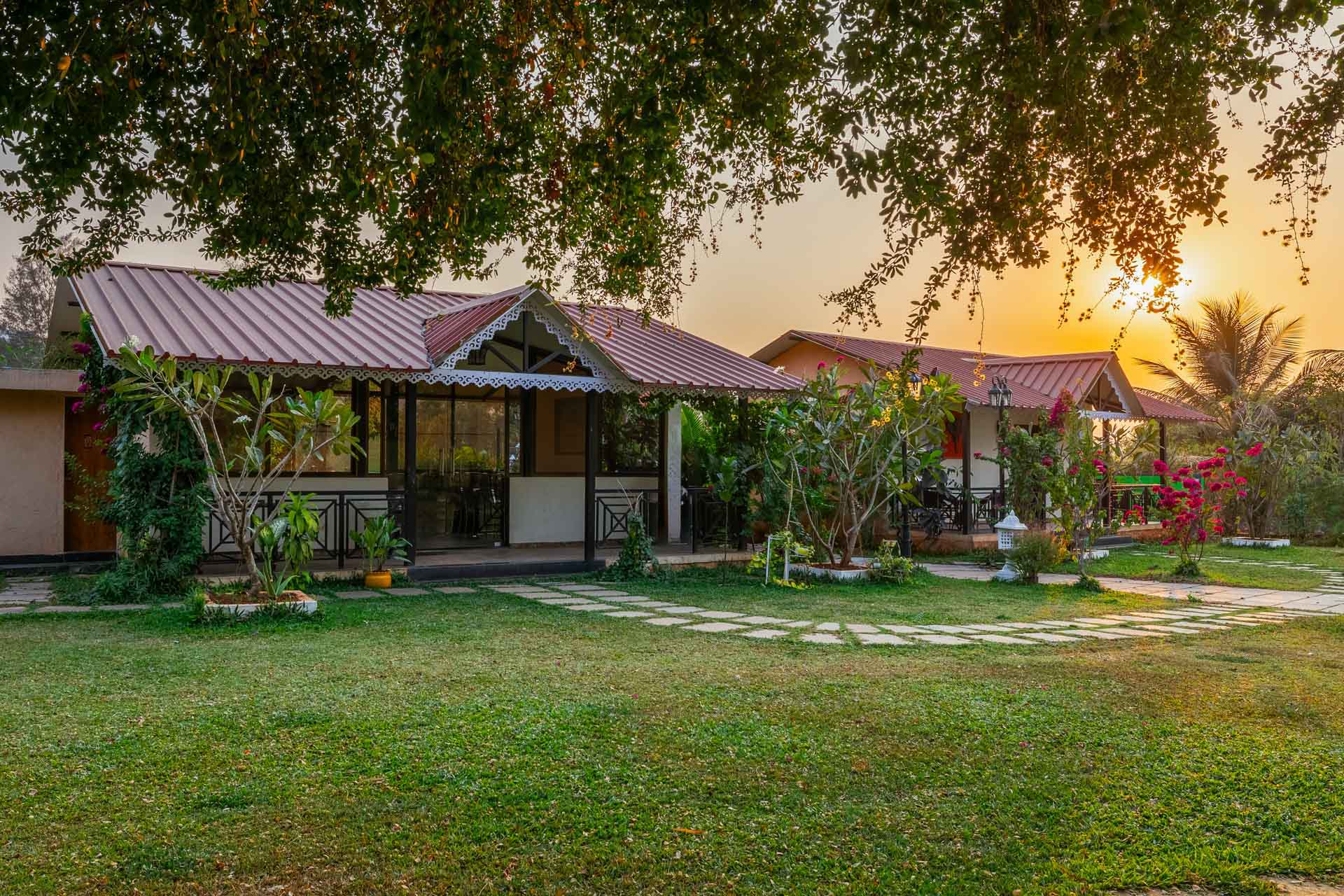
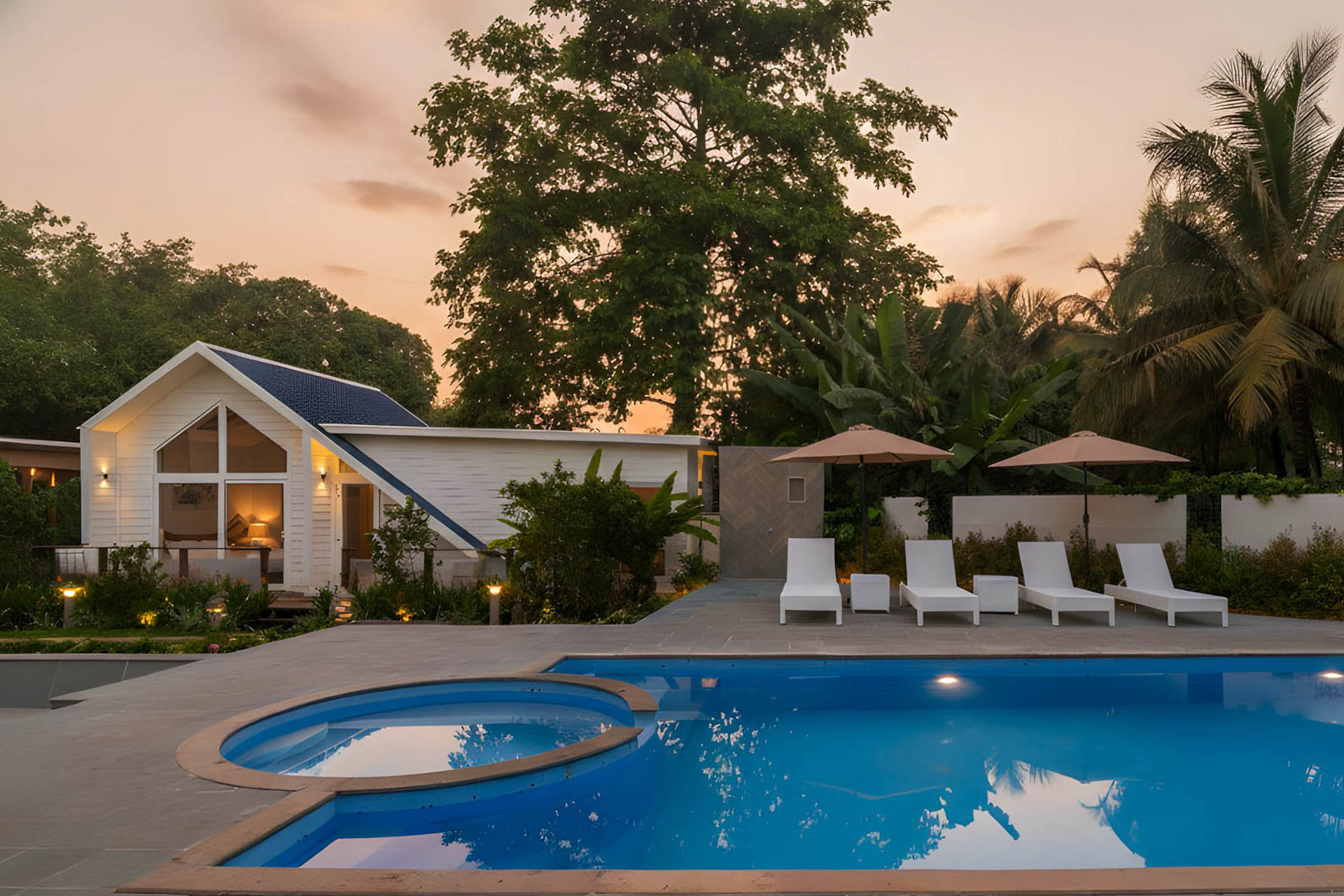
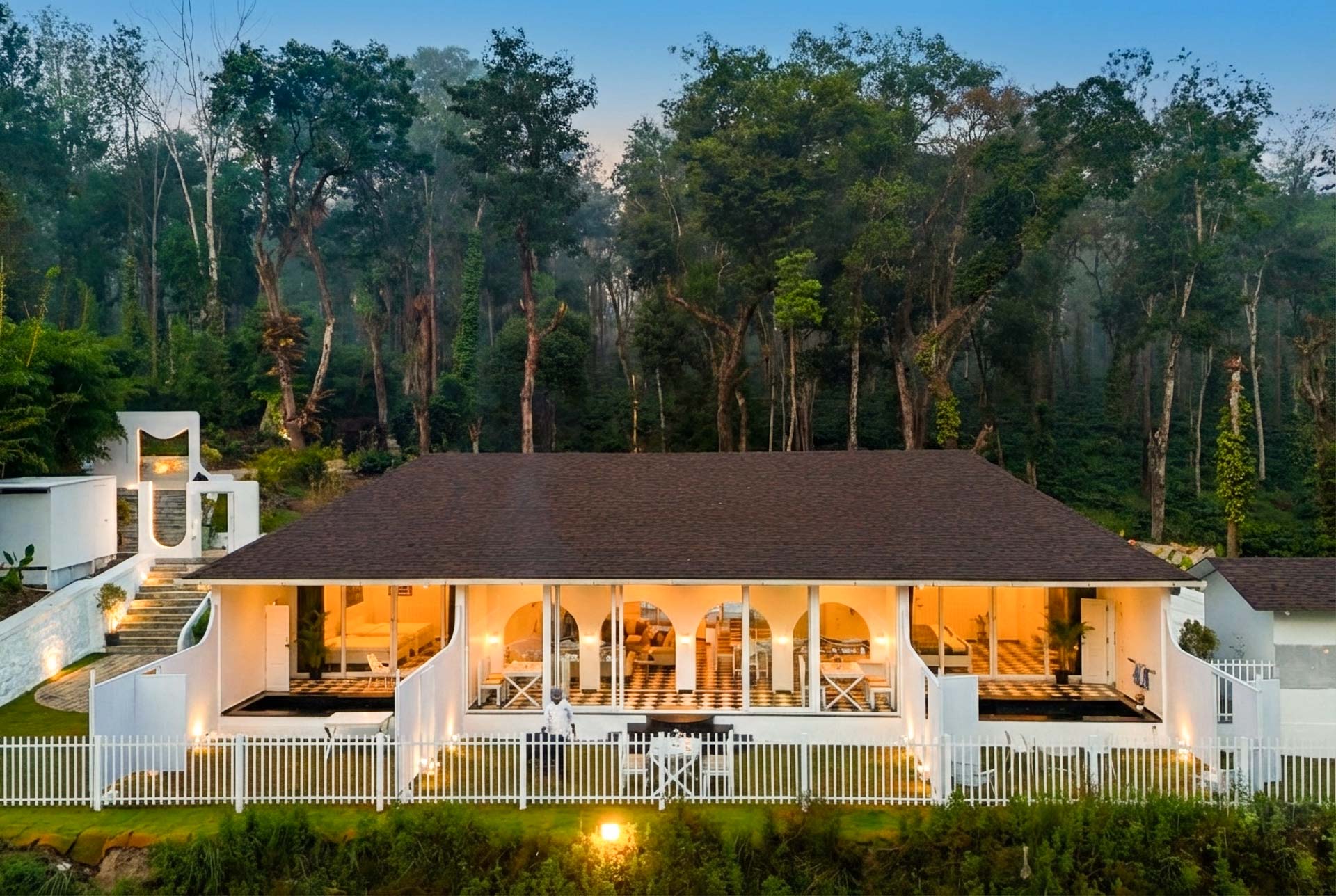
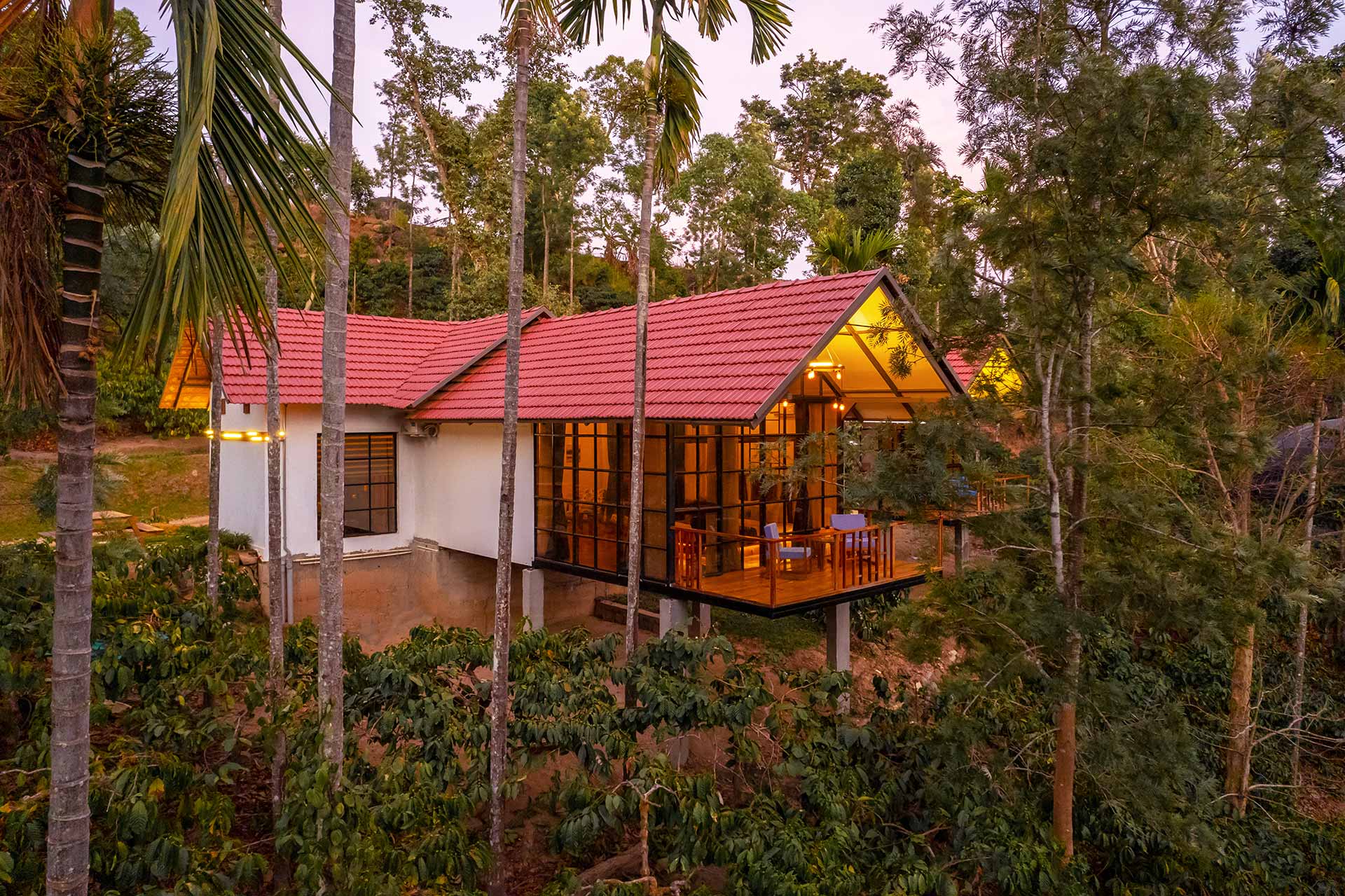
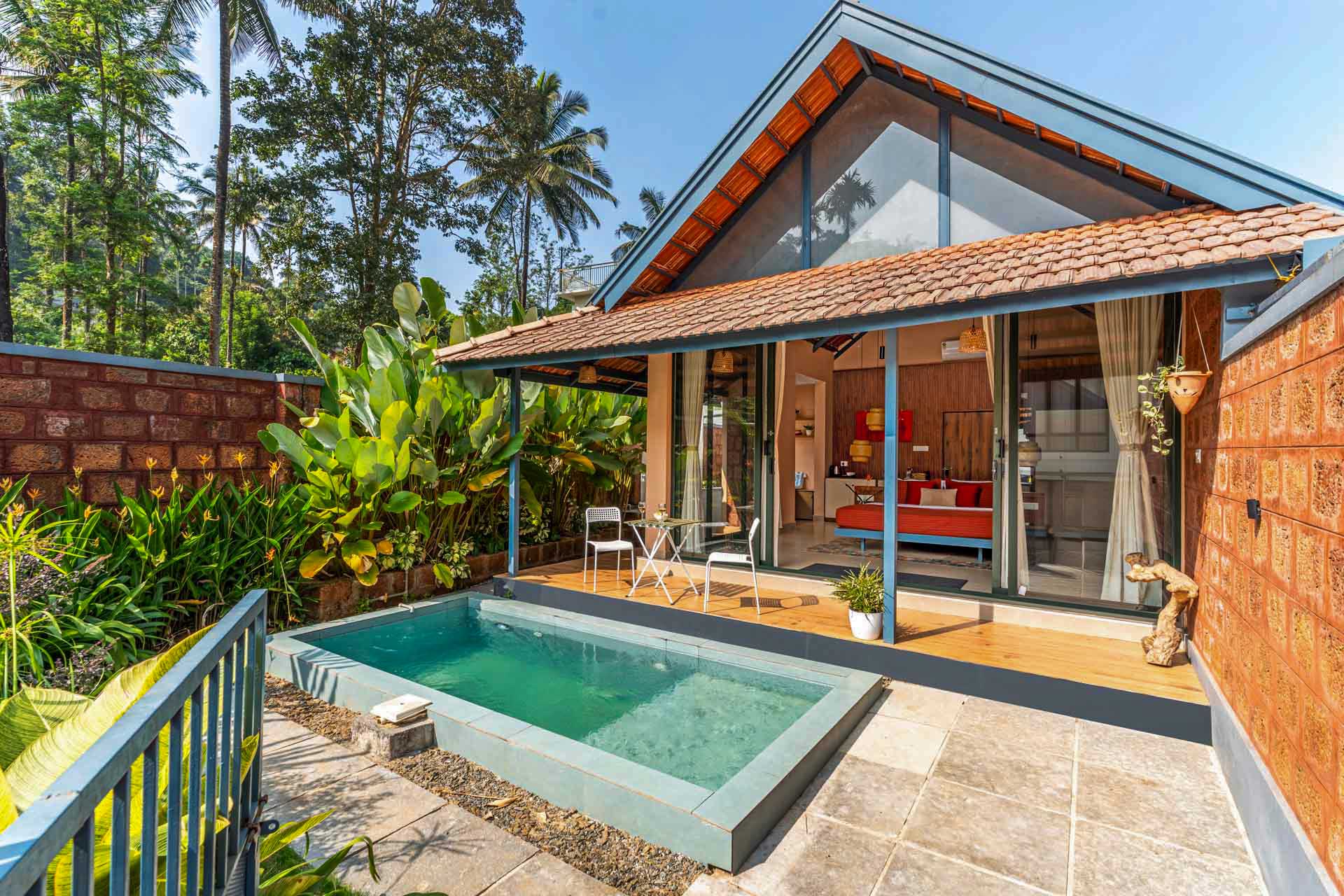
The right base turns a rainy day into the best part of the trip — a villa with a covered
verandah over a green valley, or a plantation homestay where the rain on the roof is the
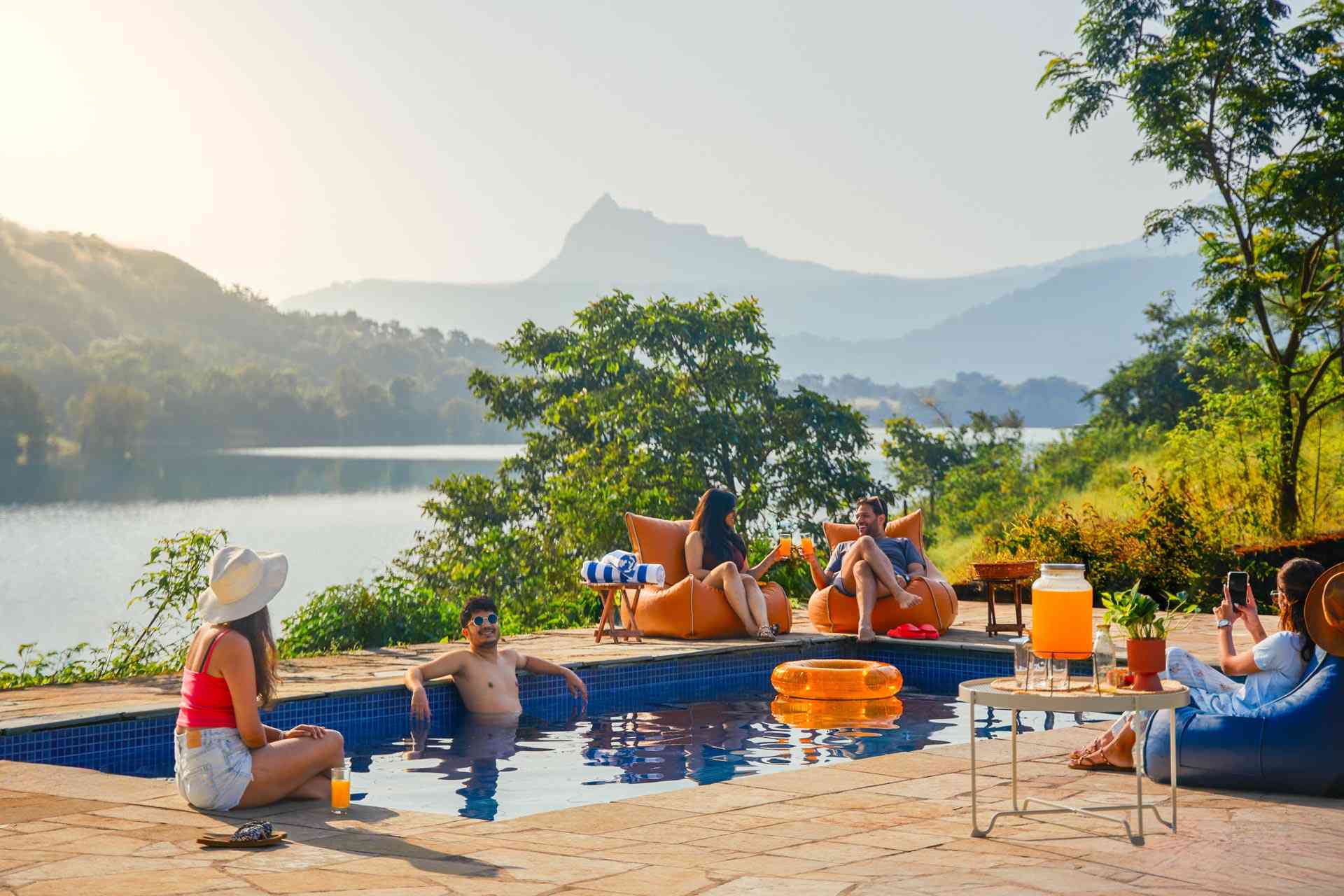
soundtrack. StayVista’s monsoon-friendly stays cluster exactly where you’ll want them: pool
villas around Lonavala, Karjat and Alibaug for Mumbai–Pune weekends; coffee-estate
homestays in Coorg, Chikmagalur and Wayanad; lake-view homes in Udaipur;
and quiet hill stays in Munnar and the Himachal valleys.
Frequently asked questions
The best monsoon places in India in 2026 are Lonavala and Mahabaleshwar (Maharashtra) for waterfalls, Munnar (Kerala) and Coorg (Karnataka) for lush green hills and cool temperatures, Cherrapunji (Meghalaya) for India’s most extreme rainfall, and Ladakh and Spiti Valley (Himachal Pradesh) for those who prefer dry, sunny weather during June–September. Udaipur, Orchha, and Mandu are excellent for heritage travel in the rains.
Ladakh and Spiti Valley are the two best monsoon destinations in India for travellers who want to avoid rain. Both are located in Himalayan rain-shadow zones where monsoon clouds cannot cross the high mountain ranges, leaving skies clear and dry throughout June, July, August, and September. Temperatures are warm and pleasant, making them ideal for road trips and outdoor exploration.
Most popular hill stations in India are safe during monsoon, but travellers should check district administration weather alerts before travel, particularly for landslide and road closure warnings. Stick to main roads rather than forest trails after heavy rain. Well-developed monsoon destinations like Lonavala, Mahabaleshwar, Coorg, and Munnar have good infrastructure and are well-managed for monsoon tourism.
June and July are the most spectacular months to visit Cherrapunji, when the Nohkalikai Falls run at full force and rainfall regularly exceeds 1,500 mm per month. If you want to experience the Living Root Bridges with slightly less rain and better trekking conditions, September is a good compromise — still green and lush, but with fewer extreme downpours.
Valley of Flowers National Park in Uttarakhand typically opens around June 20–25 each year, once the snow at altitude has melted enough for safe trekking. The park closes in October. The peak wildflower bloom — when the valley is most colourful with species including the Himalayan Blue Poppy and Brahma Kamal — is July and August. Entry requires a National Park permit from the Forest Department check-post at Ghangaria village.
The best budget hill stations in India during monsoon are Coorg (Karnataka), Lonavala (Maharashtra), Kodaikanal (Tamil Nadu), and Mount Abu (Rajasthan). All four are well-connected by road, offer a wide range of affordable accommodation options including hostels and budget guesthouses, and deliver spectacular monsoon scenery without the premium price of high-end resorts.
For a monsoon trip in India, pack: a waterproof rain jacket or lightweight poncho (umbrella alone is insufficient in heavy hill-station rain), quick-drying synthetic clothing, waterproof trekking shoes or rubber-soled sandals, a compact travel umbrella, waterproof dry-bags for your phone and camera, insect repellent, and a light fleece or wool layer for cool hill-station evenings (Munnar, Coorg, and Kodaikanal can drop to 12–15°C at night).
Conclusion
The Indian monsoon (June–September) is not an obstacle to travel — it is one of the best reasons to travel. These 18 destinations span the full range of what the season offers: the dramatic waterfall-and-green-hill experience of Maharashtra and Karnataka, the cool tea-estate calm of Kerala, the extreme rainfall of Meghalaya, the paradoxically dry and sunny landscapes of Ladakh and Spiti, and the heritage-in-the-rain magic of Rajasthan and Madhya Pradesh.
Monsoon travel also comes with a practical advantage: prices at most destinations drop 20–40% compared to peak season, popular viewpoints have shorter queues, and the quality of natural scenery — greenery, water levels, air clarity — is objectively at its annual best. Whether you book a private pool villa in Lonavala, a misty homestay in Munnar, or plan a road trip to Ladakh’s rain-free valleys, the monsoon window is one of the most rewarding times to explore India.
{
“@context”: “https://schema.org”,
“@type”: “FAQPage”,
“mainEntity”: [
{“@type”:”Question”,”name”:”Which is the best place to visit in monsoon in India?”,”acceptedAnswer”:{“@type”:”Answer”,”text”:”It depends on the trip you want. For sunshine and almost no rain, go to Ladakh or Spiti (the Himalayan rain-shadow). For monsoon greenery and waterfalls, the Western Ghats — Coorg, Chikmagalur, Lonavala or Mahabaleshwar. To experience the heaviest rain on Earth, head to Cherrapunji and Mawsynram in Meghalaya.”}},
{“@type”:”Question”,”name”:”Where can I travel in India during monsoon without much rain?”,”acceptedAnswer”:{“@type”:”Answer”,”text”:”The trans-Himalayan cold deserts of Ladakh and Spiti sit in the rain-shadow and stay largely dry. Pondicherry is comparatively dry during the southwest monsoon, and Rajasthan (Udaipur, Mount Abu) gets only light, intermittent showers.”}},
{“@type”:”Question”,”name”:”Is July a good time to travel in India?”,”acceptedAnswer”:{“@type”:”Answer”,”text”:”Yes, if you match the destination to the season. July is peak bloom at the Valley of Flowers, peak season in Ladakh, and the greenest month in the Western Ghats and Meghalaya. Avoid landslide-prone mountain roads during active downpours and check live status.”}},
{“@type”:”Question”,”name”:”Which places should I avoid in the monsoon?”,”acceptedAnswer”:{“@type”:”Answer”,”text”:”Avoid the Sandhan Valley trek (closed June to September), the restricted Mundakkai–Chooralmala zone in Wayanad, and swimming at Goa and Gokarna beaches. Core wildlife safari zones at Ranthambore, Bandhavgarh and Kaziranga also close for the rains.”}},
{“@type”:”Question”,”name”:”Does it rain everywhere in India during the monsoon?”,”acceptedAnswer”:{“@type”:”Answer”,”text”:”No. The southwest monsoon hits the Western Ghats and Northeast hardest, while the trans-Himalaya (Ladakh, Spiti) stays in the rain-shadow and receives very little rain. That contrast makes monsoon planning in India all about region.”}},
{“@type”:”Question”,”name”:”What is the wettest place to visit in India?”,”acceptedAnswer”:{“@type”:”Answer”,”text”:”Mawsynram in Meghalaya, averaging about 11,872 mm of rain a year, is the wettest inhabited place on Earth, just ahead of Cherrapunji (about 11,777 mm). In the south, Agumbe (about 7,620 mm) is the wettest spot in the Karnataka Ghats.”}}
]
}