
Manali Summer 2026 Travel Guide: Rohtang Pass, Treks, Rafting & Tips
Last updated: April 2026
[su_box title=”TL;DR” box_color=”#2d6a4f” title_color=”#ffffff”]Manali in summer (April–June) is peak travel season — families, honeymooners, and adventure seekers all converge on this Himachal Pradesh hill town when the rest of India bakes in 40°C heat. Rohtang Pass reopens in late May (NGT permit required at rohtangpermits.nic.in, ₹550 per vehicle), Solang Valley runs zorbing and paragliding through the season, and the Beas River reaches prime rafting levels from April onward. Book accommodation and Rohtang permits at least 3–4 weeks in advance for May.[/su_box]
| Detail | Info |
|---|---|
| Best time to visit | April (fewer crowds), May–June (peak season, Rohtang open) |
| How to reach from Delhi | Volvo bus overnight (~12–14 hrs) or fly to Bhuntar Airport (50 km from Manali) |
| How to reach from Chandigarh | Private taxi or HRTC bus, ~7–8 hours via Mandi |
| Nearest airport | Kullu-Manali Airport (Bhuntar), 50 km |
| Nearest railway station | Chandigarh, 310 km |
| Altitude | Manali town: 2,050 m | Rohtang Pass: 3,978 m | Solang Valley: 2,480 m |
| Ideal duration | 3–5 days |
In this Blog
Why Manali in Summer is Actually Peak Season
While most people picture Manali as a winter snow destination, summer — specifically April through June — is when the town truly comes alive. Temperatures in Manali town hover between 10°C and 25°C even in June, making it one of the most pleasant escapes from the scorching plains. Delhi and Chandigarh are often crossing 42°C by May; Manali at that same moment is wearing a light jacket weather.
The season draws three very different types of travelers. Families arrive for school holidays in May and June, seeking cool air, adventure activities, and easy sightseeing. Honeymooners come for the mountain scenery and romantic riverside stays. Adventure seekers target this window specifically because Rohtang Pass only opens in late May or early June — meaning high-altitude snow, trekking routes, and river rafting all become accessible at once.
One honest caveat: popularity comes with crowds. May weekends, especially around long holiday weekends, see Manali’s main road genuinely gridlocked. We recommend arriving mid-week and booking stays 3–4 weeks ahead. If you want to experience everything with significantly fewer people, the first two weeks of April are your best bet — temperatures are a touch cooler, Rohtang is still closed, but Solang Valley and Beas rafting are fully operational.
Planning a Manali summer trip? StayVista has mountain-view villas and riverside homestays in Manali — some book out 6 weeks in advance in peak summer, so plan early.
Rohtang Pass in Summer 2026: The High-Altitude Snow Experience
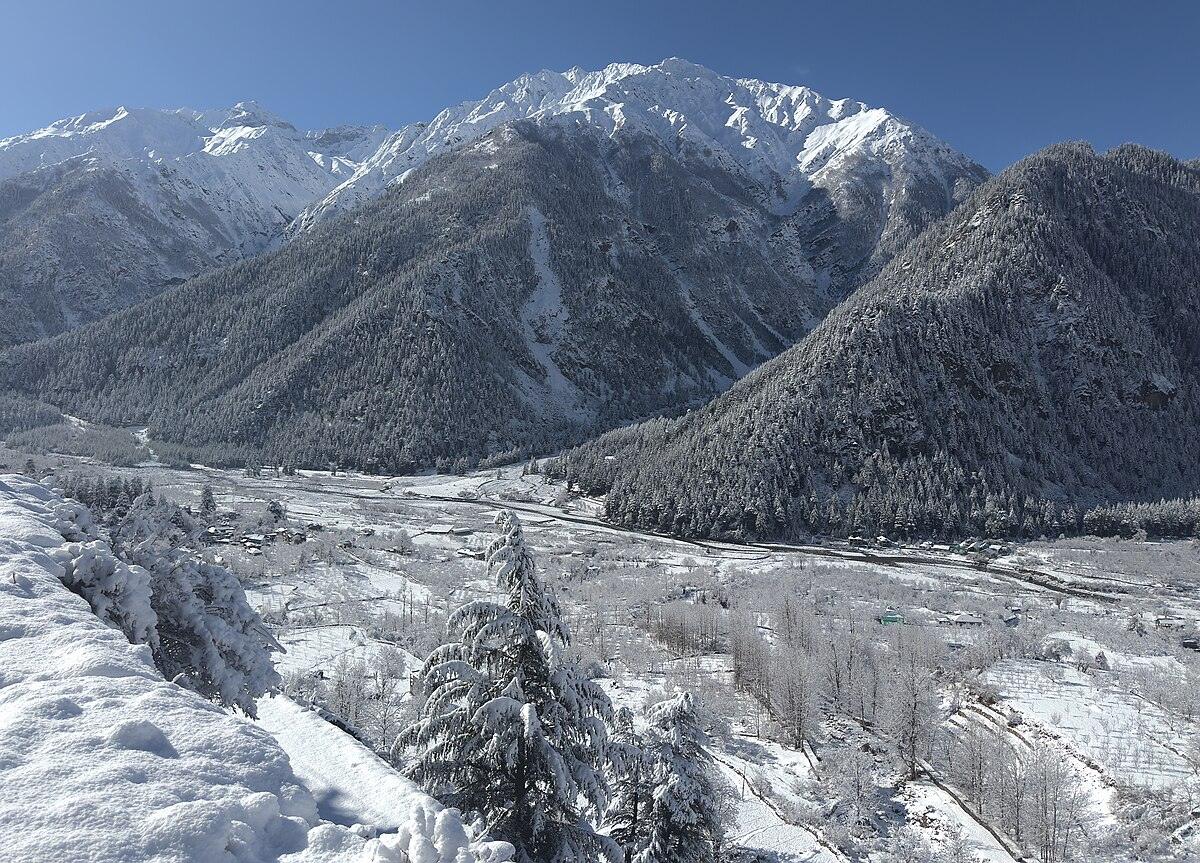
Rohtang Pass, Himachal Pradesh, sits at 3,978 metres above sea level and is one of the most dramatic high-altitude road crossings in India. The pass connects the Kullu Valley with Lahaul and Spiti and remains snow-covered for most of the year — which is precisely why summer visitors make it a priority.
Opening Date and NGT Permit
Rohtang Pass opens for the summer season in late May, typically the third or fourth week of May, once the Border Roads Organisation (BRO) completes snow clearance. In 2026, the pass reopened on May 17. The first week after opening is genuinely special — pristine snow, thin crowds, and jaw-dropping blue-sky views before the summer rush arrives in earnest.
The National Green Tribunal (NGT) strictly regulates vehicle numbers on the Rohtang road. Key permit details:
- Permit website: rohtangpermits.nic.in (official Tourism Development Council Manali portal)
- Cost: ₹550 per vehicle (non-refundable)
- Daily vehicle limit: 1,200 vehicles (800 petrol, 400 diesel) — permits open at 10 AM daily and sell out within hours on weekends
- Day off: Rohtang is closed to tourists on Tuesdays for maintenance
- Timing window: Vehicles must cross before 2 PM; departure from Manali by 9 AM recommended
Entry fee: No separate entry fee for Rohtang Pass itself; permit covers vehicle access. Snow gear and activity costs vary — sledging runs ₹50–100 per ride, snow scooter rides ₹300–500.
Timings: Open sunrise to 2 PM (vehicles must begin descent by early afternoon; weather can close the pass without notice)
Best time to visit: First two weeks after opening (late May–early June) for pure snow and lighter crowds; avoid Saturdays and long weekends entirely
How to reach: 51 km from Manali town via NH-3; taxi from Manali Mall Road ₹1,500–2,500 return. Your taxi driver must also be registered; confirm this when booking
Time required: Half day (4–5 hours including travel and time at the pass)
Ideal for: All traveler types, though families with young children should note the altitude and cold
Pro tip: Book your Rohtang permit the evening before your planned visit, right at 10 PM if the portal is open 24 hours, or exactly at 10 AM the day before. Weekday permits (Wednesday–Friday) are far easier to secure. Carry warm layers even in June — temperature at the pass is often 0–5°C even on a summer afternoon.
Altitude Acclimatization — Do This Before Rohtang
Manali town sits at 2,050 metres — manageable for most travelers arriving from the plains, but Rohtang Pass at 3,978 metres is a nearly 2,000-metre jump. Spend at least one full night in Manali before attempting Rohtang. Symptoms of mild altitude sickness (headache, nausea, dizziness) can appear even on day-trippers who rush straight to the pass. Drink plenty of water, avoid alcohol on arrival day, and if you feel unwell at altitude, descend immediately. Children and elderly travelers should be especially cautious.
Solang Valley: Manali’s Adventure Capital in April–June
Solang Valley, located 14 km northwest of Manali at 2,480 metres, is the most action-packed spot in the region and easily the best photo location in all of Manali. In summer, the valley transforms from its winter ski slopes into an outdoor adventure park with a backdrop of snow-dusted peaks.
Activities available April–June:
- Zorbing: Giant inflatable ball rides down the slope — one of Solang’s most popular activities. Cost: ₹350–500 per ride
- Paragliding: Tandem flights from Solang to the valley floor offer some of the most dramatic mountain views available anywhere in Himachal. Cost: ₹1,500–2,500 depending on flight duration and operator
- Cable car (gondola): The ropeway goes up to 2,480 metres and gives panoramic views of the Beas Valley and surrounding peaks. Cost: ₹750–900 per person return. Timings: 10 AM–5 PM
- Rope activities and zip-lining: Multiple operators run ropes courses and zip-lines. Cost: ₹200–500 per activity
- Snow play (April–May): Upper stretches of Solang often retain snow patches well into May. You can walk up to snow areas or hire a snow scooter
Entry fee: No entry fee for Solang Valley itself; individual activity charges apply
Timings: Activities run 9 AM–6 PM; arrive before 10 AM to avoid peak crowds
Best time to visit: Weekdays in April or early May for minimal crowds; June is crowded but the valley is lush green
How to reach: 14 km from Manali town; shared jeeps available from Old Manali or Mall Road (₹50–80 per seat), or private taxi (₹600–800 one way)
Time required: 3–5 hours
Ideal for: Families, couples, groups, first-time Manali visitors
Pro tip: The cable car queue can be 45–60 minutes long on peak days. Go first thing in the morning or in the last hour before closing. The late afternoon light on the snow-capped Deo Tibba range behind the valley makes for the best photographs of the day.
Beas River White Water Rafting: Prime Season is April–June
The Beas River flowing through the Kullu-Manali valley is one of North India’s best white water rafting rivers, and April through June is when it’s at its best. Glacial meltwater raises the river level significantly, creating consistent Grade II–III rapids that are ideal for beginner and intermediate rafters.
Rafting stretch: The most popular stretch runs between Pirdi and Jhiri (about 14 km, Grade II–III) and takes roughly 2–2.5 hours. More experienced rafters can extend to longer stretches with Grade III+ sections.
Entry fee / Cost: ₹600–1,200 per person depending on stretch length and operator. Include life jacket, helmet, and paddle in any quoted price — reputable operators always provide these.
Timings: 9 AM–4 PM; river conditions are best mid-morning when water is neither too cold nor too warm
Best time: Mid-April through mid-June for peak water levels. July–August rafting is suspended during monsoon due to unpredictable river conditions.
How to reach: The Pirdi starting point is 35 km from Manali toward Kullu (on NH-3). Most tour operators pick up from Manali hotels. Taxis to Pirdi cost ₹700–1,000 one way.
Time required: 3–4 hours including transfers
Ideal for: First-time rafters, groups, adventure couples — not recommended for non-swimmers or children under 14
Pro tip: Book rafting through your hotel or a registered Himachal Tourism operator — avoid random touts near the riverbank. Wear clothes you don’t mind getting completely soaked. The Kullu section of the river, closer to Kullu town, is generally calmer and better for families with younger children.
Old Manali and Vashisht Village: The Soul of the Town
Most first-time visitors spend their entire trip between Mall Road and Solang and miss the two areas that local travelers and long-term visitors consider the real Manali. Old Manali and Vashisht village, both a short walk or drive from Mall Road, offer a completely different vibe — quieter, more atmospheric, and lined with the kind of cafés and guest houses that keep people coming back year after year.
Old Manali
Old Manali sits about 2.5 km above Mall Road and is centered around the Manu Maharishi Temple, one of the oldest temples in the region. The lanes around it are full of small guesthouses, rooftop restaurants, and independent cafés serving everything from Himachali siddu to proper filter coffee. In summer, the apple trees lining the paths are in early fruit and the whole area has a green, overgrown-garden feel.
Entry fee: Free (temple entry free, donations welcome)
Timings: Open all day; temple most active during morning and evening aarti (6–8 AM, 6–7 PM)
Best time: Early morning or evening for the lane walks; avoid afternoons in summer when day-trippers pass through
How to reach: 2.5 km from Mall Road — walkable uphill (30 min) or a ₹100 auto ride
Time required: 2–3 hours for a leisurely explore
Ideal for: Solo travelers, couples, café-culture seekers
Pro tip: Johnson’s Café and Drifter’s Inn rooftop are longtime institutions. The apple crumble at several Old Manali cafés uses local apples that are genuinely excellent in summer.
Vashisht Village and Hot Springs
Vashisht village, 3 km from Manali town, is famous across the region for its natural sulphur hot springs — natural geothermal pools that locals have been using for centuries. The Vashisht Temple complex has both a men’s and women’s bathing section fed directly by the hot spring water, and entry is free. Separate private bathing rooms are also available for a small charge (₹50–100).
Entry fee: Free for temple and public hot spring baths; private rooms ₹50–100
Timings: 7 AM–9 PM daily
Best time: Early morning for a peaceful soak before the day trippers arrive; the spring water temperature is consistent year-round at around 40–45°C
How to reach: 3 km from Manali Mall Road; autos and taxis easily available (₹80–120)
Time required: 1–2 hours
Ideal for: All traveler types; especially popular with trekkers for post-trek muscle recovery
Pro tip: The temple itself has beautiful carved wooden architecture — worth photographing even if you’re not bathing. The village lanes leading away from the temple have some of Manali’s best-value guesthouses, favored by long-stay travelers.
Hampta Pass Trek: Manali’s Most Rewarding Summer Trek
The Hampta Pass Trek is widely considered one of Himachal Pradesh’s most diverse and rewarding treks — and the best window for it runs from mid-June through mid-July, right at the tail end of Manali’s peak summer season. The trek crosses from the green Kullu Valley through the Hampta Pass (4,270 metres) into the stark, moonscape terrain of Lahaul, offering a dramatic landscape shift over just 4–5 days that few treks in India can match.
Trek details:
- Distance: Approximately 26 km over 4–5 days
- Difficulty: Easy to moderate; suitable for fit first-time trekkers with no technical climbing experience required
- Highest point: Hampta Pass at 4,270 metres
- Route: Jobra → Chika → Balu ka Ghera → Shea Goru → Hampta Pass → Chatru (Lahaul side)
- Best season: Mid-June to mid-July; after July the monsoon makes trail conditions unpredictable
Cost: Organized treks with a registered operator: ₹8,000–15,000 per person for a 5-day package including camping, meals, guide, and permits. Individual trekkers need to arrange their own permits and camping gear.
Timings / Season: Day 1 departure from Manali; trek concludes at Chatru from where you can arrange transport back. Trek organizer pickup from Manali is standard.
How to reach the trailhead: Jobra, the usual starting point, is approximately 15 km from Manali. Shared jeeps and taxis run from Manali’s taxi stand (₹300–600 per seat to Jobra).
Time required: 4–5 days for the full crossing; 2-day acclimatization walks to lower Hampta are possible as day/overnight trips
Ideal for: Adventure travelers, young groups, couples seeking something beyond standard sightseeing
Pro tip: Book with an operator registered with the Himachal Pradesh Tourism department. The Chandratal Lake extension (add 1–2 days after Chatru) is one of India’s most stunning high-altitude lakes and well worth the extra effort. Acclimatize in Manali for at least 2 nights before beginning the trek — the pass altitude is no joke.
Hadimba Temple, The Mall Road & Other Manali Town Highlights
Hadimba Devi Temple
The Hadimba Devi Temple (also spelled Dhungri Temple) is one of Manali’s most photographed landmarks — a 16th-century wooden pagoda-style structure rising from a cedar forest, dedicated to Hadimba Devi (a character from the Mahabharata). The Deodar cedar trees surrounding it are enormous and create an almost magical forest atmosphere even in the height of summer tourist season.
Entry fee: Free (donations accepted)
Timings: 8 AM–6 PM daily (no photography inside the sanctum; forest area photography fine)
Best time: Early morning (8–9 AM) before tour groups arrive; the forest light is exceptional
How to reach: 2 km from Mall Road; walkable in 20 minutes or ₹80–100 auto ride
Time required: 45–60 minutes
Ideal for: All traveler types; families particularly enjoy the forested surroundings
Pro tip: The local Gaddi shepherds bring their dogs and traditional outfits to the temple area for tourist photographs — there’s a charge (₹50–100 per photo). The Doongri Forest around the temple is a lovely 30-minute walk if you have time.
Mall Road and Manu Market
Manali’s Mall Road is the commercial heart of the town — a pedestrian-friendly stretch running through the center with shops selling Himalayan shawls, dry fruits, and Kullu caps, interspersed with restaurants, ice cream parlours, and travel agencies. In summer, it is genuinely busy from late morning onward. The best time to walk it is early morning (7–8 AM) or after 7 PM when the evening chill arrives and the shops are lit up.
For local produce — local apple juice, pine honey, dried apricots, and Kullu shawls — walk one street behind Mall Road to Manu Market, where prices are noticeably lower and the quality is often better.
Where to Stay in Manali in Summer
Manali has two distinct accommodation zones that suit different traveler profiles:
- Old Manali and Vashisht: Budget guesthouses and mid-range homestays in quiet lanes; best for longer stays, café culture, and travelers who want the town’s character over convenience. Walk to Mall Road takes 20–30 minutes.
- Mall Road and New Manali: Hotels and properties along the main road; convenient for sightseeing, restaurants, and taxi booking; noisier in peak season
For a truly different Manali summer experience — mountain views from your own terrace, a riverside property, or a property with a private sit-out where you can watch the Beas flow past — StayVista’s curated homestays and villas in Manali are worth exploring. Properties in the Old Manali and Solang road area particularly suit families and couples who want some space and privacy. Prices in peak summer (May–June) start around ₹5,000–8,000 per night for a well-appointed mountain property, so book 3–4 weeks out minimum.
Getting to Manali: All Options
From Delhi
The most popular way is the overnight Volvo semi-sleeper bus from ISBT Kashmiri Gate, Delhi. HRTC (Himachal Road Transport Corporation) and private operators both run daily departures around 5–6 PM, arriving in Manali by 7–9 AM the next morning. Cost: ₹700–1,800 depending on bus type and operator. Book via RedBus, MakeMyTrip, or directly with HRTC. Distance: approximately 540 km.
For those flying, Kullu-Manali Airport (Bhuntar) is 50 km from Manali. IndiGo and Air India operate seasonal flights from Delhi (roughly 1 hour). Taxi from Bhuntar to Manali costs ₹1,200–1,800 and takes about 1.5 hours via Kullu. Note: flights can be disrupted by weather and are less reliable than road.
From Chandigarh
Chandigarh is 310 km from Manali (approximately 7–8 hours by road via Bilaspur and Mandi on NH-21). Private taxis from Chandigarh to Manali are popular for groups; cost around ₹4,500–6,000 for a full taxi. HRTC buses also run this route. This is often the better option for travelers connecting from the Shatabdi Express from Delhi to Chandigarh and then road to Manali.
Manali Summer Itinerary Suggestions
3-Day Weekend Itinerary (Delhi Departure)
Day 1 (Friday night): Depart Delhi on overnight Volvo bus. Arrive Manali Saturday morning. Check in, rest, and acclimatize. Afternoon: leisurely walk through Old Manali and Vashisht hot springs. Evening: Mall Road stroll and dinner.
Day 2 (Saturday): Early start to Solang Valley (be there by 9 AM). Zorbing, paragliding, cable car, snow play if available. Return for lunch. Afternoon: Hadimba Temple and Dhungri forest walk. Evening: dinner at an Old Manali rooftop café.
Day 3 (Sunday): If Rohtang is open (late May onward, permit secured previous day online): depart 7 AM for Rohtang Pass. Return by 2 PM. If Rohtang not yet open: Beas River rafting at Pirdi. Afternoon departure for Delhi overnight bus.
5-Day Extended Manali Stay
Day 1: Arrive, rest, acclimatize. Vashisht village and hot springs in the evening.
Day 2: Solang Valley full day — all activities, cable car, late afternoon return.
Day 3: Rohtang Pass (permit required) — depart 7 AM, spend 3–4 hours at the pass, return by 2 PM.
Day 4: Beas River white water rafting (Pirdi to Jhiri). Afternoon: Old Manali cafés, temple, and local market shopping.
Day 5: Leisure morning. Optional: Naggar Castle day trip (25 km from Manali, 15th-century castle with a Nicholas Roerich Art Gallery — one of the most underrated stops in the Kullu valley). Afternoon departure.