
12 National Parks Open in Monsoon 2026 for Wildlife Safaris
Last updated: June 2026
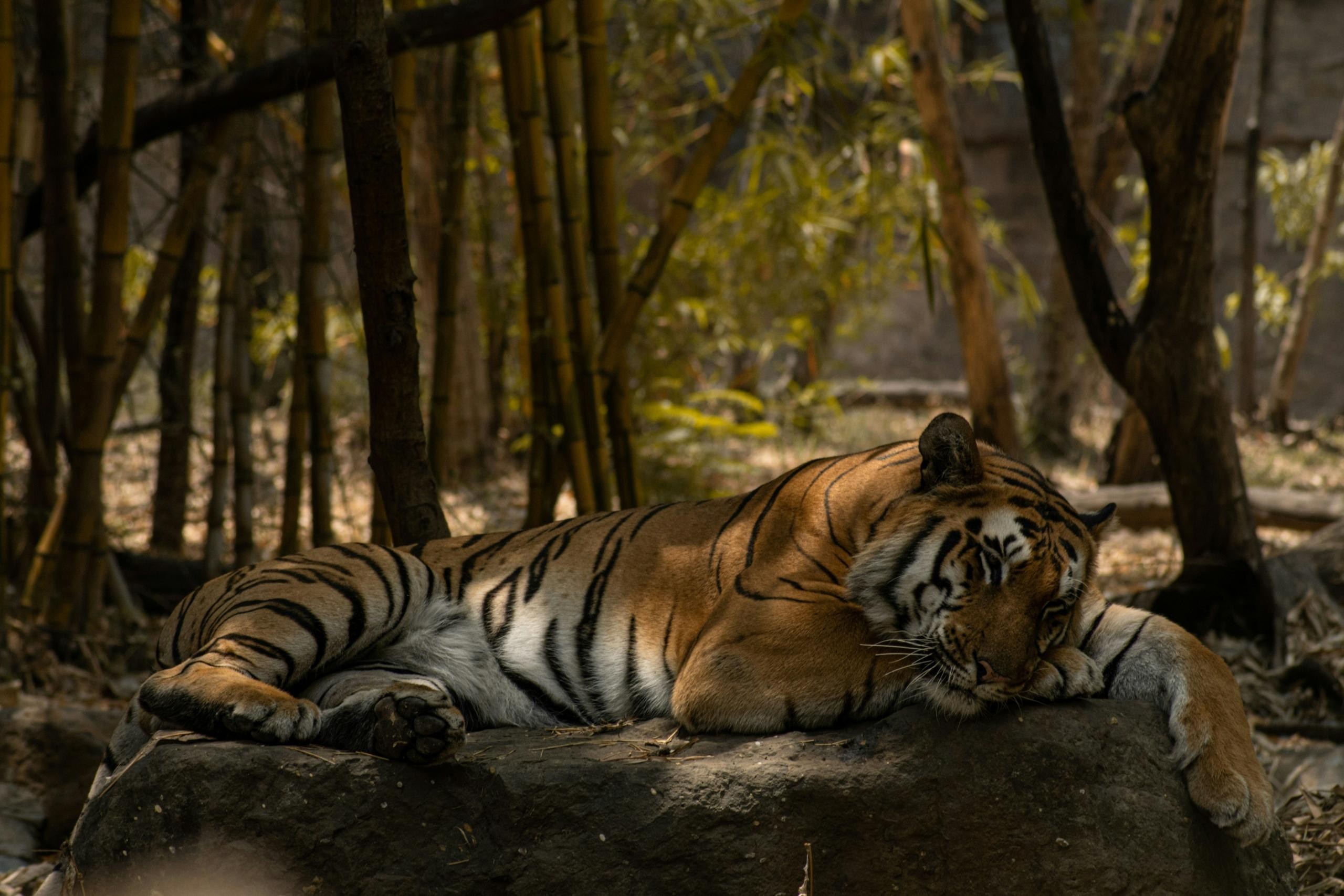
TL;DR: Most of India’s national parks close their core (critical tiger habitat) zones during the monsoon — usually from 1 July to 30 September — for breeding season and safety. But you can still go on a wildlife safari, because their buffer zones stay open. The best monsoon-open options for 2026 are the buffer zones of Jim Corbett, Tadoba, Pench, Kanha, Bandhavgarh, Satpura and Ranthambore (zones 6–10), plus Karnataka’s Kabini, Nagarhole and Bandipur, which run year-round (weather permitting). Big parks like Kaziranga and Gir close for the monsoon and reopen in October. Sightings are harder in the rains — animals disperse and the cover is thick — but the lush, near-empty forests have a magic of their own.
In this Blog
Monsoon wildlife safaris at a glance
| What closes | Core/critical zones of most tiger reserves (≈1 Jul–30 Sep) |
| What stays open | Buffer zones of those reserves + Karnataka parks (year-round) |
| Best monsoon-open picks | Corbett, Tadoba, Pench, Satpura, Ranthambore (6–10), Kabini |
| Closed for the rains | Kaziranga, Gir Jungle Trail, Velavadar (reopen Oct) |
| What to expect | Fewer sightings, lush cover, leeches, dramatic green forests |
Why most national parks close in the monsoon — and which stay open
If you’ve ever tried to book a safari in July and found the gates shut, here’s why. Under the National Tiger Conservation Authority (NTCA) framework, the core zones of India’s tiger reserves close for the monsoon — typically 1 July to 30 September (some parks use a slightly wider 15 June to 15 October window). The reasons are sound: the rains are the prime breeding season, the forest regenerates, and the unpaved core tracks become slippery, flooded and genuinely unsafe.
The good news is the buffer zones stay open. Following the NTCA’s tourism guidelines, the buffer-zone gates of most reserves keep running through the monsoon — and in May 2026 the Maharashtra Forest Department confirmed that the buffer gates of Tadoba, Pench, Bor, Navegaon-Nagzira and Umred-Karhandla would remain open for the season. Buffer zones aren’t a consolation prize, either: they often have excellent tiger and leopard activity, fewer vehicles, and beautifully green monsoon scenery.
One important exception is Karnataka, where parks like Nagarhole/Kabini, Bandipur and BR Hills don’t follow the strict July–September core closure — they generally operate year-round, subject to daily weather. So between the buffer zones elsewhere and Karnataka’s year-round parks, a monsoon safari is very much possible. For more green-season ideas, see our safe places to visit in monsoon guide.
What a monsoon safari is really like
Set your expectations correctly and a monsoon safari is a joy. The trade-off is sightings: with water everywhere, animals no longer cluster at a few waterholes, and the dense green cover hides them well — so big-cat odds drop compared with the dry season. What you gain is atmosphere: emerald forests, dramatic skies, baby animals, spectacular birdlife and the chance to have a gate almost to yourself.
A few practical notes. Leeches are common on buffer trails and forest walks, so carry salt or repellent and wear closed shoes. Trails get slippery and partly submerged, and the forest department can cancel any drive on a heavy-rain day, so book morning slots (afternoons are likelier to be rained off) and keep your plans flexible. Bring a rain cover for your camera and quick-dry layers. Go in with curiosity rather than a tiger checklist, and the monsoon forest rarely disappoints.
12 national parks open for monsoon safaris in 2026
1. Jim Corbett (Uttarakhand) — buffer zones open
India’s oldest national park keeps its Jhirna, Dhela, Garjiya, Phato and Sitabani buffer zones open through the monsoon, even as the famous Dhikala and Bijrani core zones close (roughly mid-June to mid-October/November). The Ramganga belt is lush and birdsong-filled, and the buffer has genuine tiger, elephant and leopard activity.
– Open zones: Jhirna, Dhela, Garjiya, Phato, Sitabani. Timings: morning & afternoon jeep slots.
– How to reach: Ramnagar is the gateway (railhead); ~260 km from Delhi. Pro tip: Jhirna and Dhela are the reliable monsoon gates — book ahead. [VERIFY current jeep/permit fee on the Uttarakhand forest portal.]
2. Tadoba-Andhari (Maharashtra) — buffer zones open
Maharashtra’s finest tiger reserve is arguably the best monsoon-safari bet in central India: its buffer gates (Junona, Agarzari, Devada, Kolara and more) stay open while the core closes (1 July–30 September), and tiger sightings in the Tadoba buffer are famously good.
– Open: buffer gates (core closed 1 Jul–30 Sep). Fee: gypsy ~₹5,600 weekday / ~₹6,500 weekend incl. permit & guide [VERIFY 2026]. Closed: Wednesdays (buffer).
– How to reach: ~140 km from Nagpur (nearest airport). Pro tip: Book a morning safari and a seasoned buffer-zone driver.
3. Pench (Maharashtra & MP) — buffer zones open
The land that inspired The Jungle Book keeps its Maharashtra buffer gates (Sillari, Khursapar, Karhandla, Gothangaon) open through the rains, with teak forests at their greenest and excellent birdlife. The core closes from 1 July (reopening around 15 October).
– Open: Maharashtra buffer zones. How to reach: ~90 km from Nagpur. Ideal for: Birders, families, first-time safari-goers.
– Pro tip: The Sillari gate is the most popular and accessible buffer entry.
4. Kanha (Madhya Pradesh) — buffer zones open
The largest of MP’s reserves, Kanha keeps select buffer zones open in the monsoon while the core closes (reopening 15 October). The sal forests and meadows are spectacularly green, and the buffer is good for barasingha (swamp deer) and birdlife.
– Open: buffer zones (core reopens 15 Oct). How to reach: ~160 km from Jabalpur (nearest airport). Ideal for: Photographers, nature lovers.
– Pro tip: Pair with Bandhavgarh on a central-India circuit once the cores reopen in mid-October.
5. Bandhavgarh (Madhya Pradesh) — buffer zones open
Famous for its high tiger density, Bandhavgarh keeps buffer zones open in the rains (core reopens 15 October). Sightings are tougher in the dense monsoon cover, but the green ravines and ancient fort backdrop are beautiful and uncrowded.
– Open: buffer zones (core reopens 15 Oct). How to reach: ~200 km from Jabalpur; ~270 km from Khajuraho. Ideal for: Keen wildlife photographers.
– Pro tip: Manage expectations on tigers; enjoy the birds, deer and scenery.
6. Satpura (Madhya Pradesh) — buffer + boat safari
Uniquely, Satpura offers a Denwa boat safari and buffer jeep safaris at Madhai through the monsoon, even with the core shut (1 July–30 September). It’s one of India’s most beautiful and least-crowded reserves, and the boat safari is a wonderful rainy-season experience.
– Open: buffer + Denwa boat (water-level permitting). How to reach: ~50 km from Pipariya railhead; pairs with Pachmarhi.
– Ideal for: Couples, slow-travel wildlife lovers. Pro tip: Combine a Pachmarhi hill trip with a Madhai boat safari.
7. Ranthambore (Rajasthan) — zones 6–10 open
Ranthambore’s celebrated core (zones 1–5) closes for the monsoon, but the outer zones 6–10 stay open, set in green, rain-fed scrub against the Aravalli backdrop. Sightings are less reliable than in the dry season, but the forest is lush and the crowds are gone.
– Open: zones 6–10 (1–5 closed; core reopens ~1 Oct). Closed: Tuesdays. Fee: gypsy ~₹6,000–8,000 range [VERIFY 2026].
– How to reach: Sawai Madhopur railway station; ~180 km from Jaipur. Pro tip: Zones 6 and 10 are the better monsoon bets — book early.
8. Periyar (Kerala) — open year-round
Periyar (Thekkady) runs its lake boat safaris year-round, including the monsoon, when the surrounding Western Ghats are emerald and the lake is full. Be realistic: heavy rain can disrupt boating and big-mammal sightings are poor as animals disperse — but the setting is gorgeous.
– Open: boat safari (weather-permitting). How to reach: ~115 km from Madurai; ~140 km from Kochi.
– Ideal for: Families pairing wildlife with a Kerala hills trip. Pro tip: Take the earliest boat slot for the calmest water and best odds.
9. Nagarhole & Kabini (Karnataka) — year-round, weather-permitting
Because Karnataka doesn’t follow the strict July–September core closure, Kabini (Nagarhole) generally runs safaris year-round, subject to daily weather. The backwaters and forest fringe are stunning and green in the rains, with elephants and good birdlife, though heavy-rain days can see drives cancelled.
– Open: weather-permitting (confirm with operator). How to reach: ~220 km from Bengaluru; ~80 km from Mysuru.
– Ideal for: Couples, luxury wildlife stays. Pro tip: A boat safari on the Kabini backwaters may run when jeep drives don’t.
10. Bandipur (Karnataka) — year-round, limited in heavy rain
Adjoining Nagarhole and Mudumalai, Bandipur also operates year-round, with safaris running weather-permitting through the monsoon. The dense green cover makes sightings harder, but the forest is beautiful and the drive in from Mysuru is lovely.
– Open: year-round (rain cancellations possible). How to reach: ~80 km from Mysuru on the Ooty road (note the NH-766 Bandipur night-traffic ban, 9 PM–6 AM).
– Ideal for: Self-drivers combining Mysuru and the Nilgiris. Pro tip: Morning safaris give the best light and odds.
11. Lesser-known Maharashtra buffers — open & uncrowded
Beyond Tadoba and Pench, several smaller Maharashtra reserves keep their buffer gates open in the monsoon — Bor, Navegaon-Nagzira, Umred-Karhandla and Tipeshwar among them (confirmed in the state’s 2026 monsoon directive). They’re quiet, green and a good bet for travellers who want a safari without the crowds.
– Open: buffer zones. How to reach: Most are 1–3 hours from Nagpur. Ideal for: Offbeat wildlife lovers.
– Pro tip: Umred-Karhandla has a reputation for striking tiger sightings; Tipeshwar is a rising star.
12. Gir’s Devaliya Zone (Gujarat) — the open exception
Gir’s main Jungle Trail safari closes for the monsoon (16 June–15 October), but the Devaliya (Gir Interpretation Zone) stays open year-round (except Wednesdays) — a fenced, bus-safari zone where Asiatic lion sightings are near-guaranteed, making it the one reliable way to see Gir’s lions in the rains.
– Open: Devaliya Interpretation Zone (main Jungle Trail closed 16 Jun–15 Oct). How to reach: ~65 km from Junagadh; ~160 km from Rajkot.
– Ideal for: Families wanting guaranteed lion sightings. Pro tip: Devaliya runs bus and a few jeep safaris — book ahead.
Parks to skip in the monsoon (plan ahead for reopening)
A few of India’s marquee parks close entirely for the rains — worth knowing so you can plan a post-monsoon trip instead:
- Kaziranga (Assam): closes for the monsoon as the Brahmaputra floods the grasslands; reopens around 1 October 2026. Its one-horned rhinos are best seen October onwards.
- Gir Jungle Trail (Gujarat): the main lion safari closes 16 June–15 October (use Devaliya in the meantime, above).
- Velavadar Blackbuck (Gujarat): closed 15 June–15 October for breeding season.
When the parks reopen: a monsoon-to-post-monsoon timeline
If you’d rather wait for the cores to reopen, here’s the rough 2026 calendar:
- ~1 October: Ranthambore core (zones 1–5) and Kaziranga reopen.
- 15 October: Central-India cores — Kanha, Bandhavgarh and Pench — reopen.
- 16 October: Gir’s Jungle Trail and Velavadar reopen.
So if your heart is set on a classic core-zone tiger safari, plan for mid-October onwards; if you want a green, crowd-free buffer safari now, the monsoon is a wonderful (and underrated) time to go.
What to pack for a monsoon safari
A little preparation makes a wet-season safari far more comfortable. Wear neutral, earthy colours (olive, khaki, brown) and avoid bright shades or white, which spook wildlife. Bring a light rain jacket or poncho rather than an umbrella (you’ll need your hands free), and closed, quick-drying shoes — open sandals and leeches don’t mix. Pack salt, a small bottle of antiseptic or anti-leech spray for the buffer trails, plus mosquito repellent. For your gear, a rain cover or dry bag for cameras and phones is essential, and a microfibre cloth helps with lens spray. Don’t forget binoculars (birdlife is the monsoon’s great reward), a refillable water bottle, sunscreen for bright spells, and a hat. Mornings can be cool and damp, so a light layer helps. Finally, pack patience and a fully charged camera — the green light after a shower is some of the most beautiful you’ll ever photograph in an Indian forest.
Monsoon safari etiquette and how to boost your odds
Sightings take a little more luck in the rains, but you can tilt the odds. Choose morning safaris — wildlife is most active early, and afternoon drives are likelier to be cut short by heavy rain. Book a knowledgeable naturalist or a seasoned buffer-zone driver, who’ll know which water sources and trails are productive after rain. If a tiger is your dream, book two or three safaris rather than pinning everything on one drive, since each outing is a fresh roll of the dice.
Beyond the big cats, recalibrate what “a great safari” means in the monsoon: this is peak season for birds, butterflies, fresh-antlered deer, and baby animals, set against impossibly green forests. Keep noise down, never ask your driver to off-road or chase a sighting, follow all forest-department rules, and carry your litter out. Supporting buffer-zone tourism also channels income to the communities who live alongside these forests — a quiet way to make your trip count for more than the photographs.
Where to stay near the parks (StayVista)
- Jim Corbett (Ramnagar): Rhythmic Woods or Rolling Hills — forest-edge homes for early-morning buffer safaris.
- Kabini (Nagarhole): Golden Triangle — a comfortable base for year-round Karnataka safaris.
Planning a monsoon wildlife trip? Browse StayVista’s homes near Corbett and Kabini — comfortable bases for early-morning safaris in the green season. (CTA 1 of 3.)
FAQ: national parks in the monsoon
Are national parks open during the monsoon in India?
The core zones of most tiger reserves close for the monsoon (typically 1 July–30 September), but their buffer zones stay open for safaris. Parks in Karnataka (Kabini, Nagarhole, Bandipur) run year-round, weather-permitting.
Which national parks are open for safaris in July and August?
The buffer zones of Jim Corbett, Tadoba, Pench, Kanha, Bandhavgarh, Satpura and Ranthambore (zones 6–10), plus Karnataka’s Kabini, Nagarhole and Bandipur, and Periyar’s boat safari in Kerala.
Why do national parks close in the monsoon?
The monsoon is the main breeding season, the forest regenerates, and the unpaved core tracks become slippery, flooded and unsafe — so the NTCA closes core zones, usually from 1 July to 30 September.
Are monsoon safaris worth it?
Yes, with the right expectations. Sightings are harder because animals disperse and the cover is dense, but the forests are lush and uncrowded, birdlife is excellent, and buffer zones can still deliver tiger and leopard sightings.
Is Kaziranga open in the monsoon?
No — Kaziranga closes for the monsoon due to Brahmaputra flooding and reopens around 1 October. Plan a Kaziranga safari for October onwards.
When do the core zones reopen after the monsoon?
Ranthambore’s core and Kaziranga reopen around 1 October; the central-India cores (Kanha, Bandhavgarh, Pench) reopen on 15 October; Gir’s Jungle Trail reopens on 16 October.
Conclusion
The monsoon doesn’t end India’s safari season — it just shifts it. With core zones resting, the buffer zones of Corbett, Tadoba, Pench, Satpura and Ranthambore, along with Karnataka’s year-round Kabini and Bandipur, offer green, crowd-free wildlife adventures for those who’ll trade guaranteed tiger sightings for atmosphere and solitude. Go in the morning, pack for rain and leeches, keep your plans flexible — and base yourself at a comfortable StayVista home near Corbett or Kabini for an early start to the forest.