
Valparai in Monsoon 2026: A Local’s Guide to 40 Hairpin Bends, Misty Tea Estates & Anamalai’s Wildlife

By the time you count the 40th hairpin bend up from Aliyar Dam, you’ll be inside a cloud. That’s the honest first sentence about Valparai in monsoon. The road from Pollachi climbs through the Anamalai hills of Tamil Nadu, past elephant corridors and rope bridges built for endangered lion-tailed macaques, into a hill station that receives more than 3,500 mm of rain a year — most of it between June and September. Landslides do close the road. Safaris in Anamalai Tiger Reserve do get suspended without notice. But if you know what’s actually open — the waterfalls, the tea estates, the daylight-only Athirapally route — the monsoon is when Valparai is at its most alive.
This is a full guide for anyone planning a trip in July, August or September 2026 — updated with the current status of the Athirapally checkpost, the Anamalai Tiger Reserve safari schedule, and the two wildlife-conservation stories most travel guides are missing. We’ve done this drive in monsoon more than once. So has the estate host at Talerock Inn, our tea-estate homestay near Valparai town.
Valparai is safest and most beautiful to visit in monsoon during daylight hours (6 AM–6 PM), when the Athirapally forest route is officially open. Expect heavy rain, 40 hairpin bends of misty tea-estate views, and waterfalls like Aliyar, Nallamudi and Monkey Falls at peak flow. Anamalai Tiger Reserve safaris run on a reduced schedule during peak monsoon — always confirm with the Forest Department the day before. Base yourself at a tea-estate homestay for the full misty-morning experience.
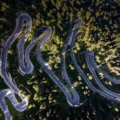
A hairpin bend in monsoon mist on the Western Ghats road up to Valparai. Photo: Zoshua Colah / Unsplash.
In this Blog
Is Valparai Worth Visiting in Monsoon? A Short, Honest Answer
Yes, Valparai is worth visiting in monsoon (June–September) for tea-estate mist, full-flow waterfalls, and near-empty roads — but plan for heavy rain, reduced safari options, and Athirapally-route checkpost timings that only allow daylight travel between 6 AM and 6 PM. If you’re an elderly traveller with mobility concerns, someone who wants to drive at night, or a safari-only tourist who can’t shift plans day-of, monsoon is not your season. For everyone else, it might be the best time.
Here’s the practical case. Valparai gets more than 3,500 mm of annual rainfall (India Meteorological Department, Coimbatore station), which means the waterfalls are at their most spectacular, the tea estates look like something out of a postcard, and stays cost 40–60% less than they do between October and March. The trade-off is that the road is less forgiving. You’ll want to leave earlier, drive slower, and build in a buffer day. If you can accept that, monsoon Valparai rewards you like no other season.
The one thing most travel sites miss: monsoon is when the wildlife you can’t easily see in dry months — Great Hornbills, lion-tailed macaques, elephant herds moving across the estates at dawn — actually come closer to the road. The Puthuthottam estate herd, the langurs on the rope bridges near Attakatty, the hornbills at the tea-factory fig trees. If you want to witness Valparai rather than just tick it off, come in the rain. For travellers weighing the wider Nilgiris cluster, our guide to lesser-known Nilgiri hill stations pairs well with a Valparai leg.
How to Reach Valparai in Monsoon: Coimbatore, Pollachi, Athirapally & Mumbai
Valparai sits about 100 km from Coimbatore and 65 km from Pollachi, with the last 65 km being the famous ghat road of 40 hairpin bends. In monsoon, the most reliable approach is Coimbatore → Pollachi → Valparai on SH-78. The Athirapally route (SH-21 from Kerala) is scenic but strict: 6 AM–6 PM checkpost only, last entry around 4 PM, 30 km/h speed limit enforced through the Vazhachal elephant corridor. Do not attempt any route to Valparai at night in monsoon.
- Coimbatore → Valparai: 100 km, 3–3.5 hrs via Pollachi. Nearest airport (CJB) and railway station. The safest, most-supported route in monsoon.
- Pollachi → Valparai: 65 km, ~2 hrs. This is where the 40 hairpin bends begin, at Aliyar Dam. Refuel at Pollachi — there’s no reliable fuel until you’re back down.
- Athirapally → Valparai: 75 km, 2.5–3 hrs via SH-21 through Vazhachal forest. Reopened after 2025 monsoon repairs. Daylight-only, no exceptions. Confirm status the morning of travel.
- Mumbai → Valparai: Fly to Coimbatore + drive (recommended in monsoon). The 24-hour road option is not advised between June and September.
The 40 Hairpin Bends: What to Expect, Where to Stop
The 40 hairpin bends start at Aliyar Dam and end near Attakatty, unfolding over roughly 40 km of continuous climb. Each bend is numbered on a small roadside plaque. Bend 9 is Loam’s Viewpoint — pull over here on the way up, when the morning light lifts the mist off the valley. Somewhere between bend 20 and 25 you’ll cross into the Anamalai Tiger Reserve buffer, and the forest closes in. Watch for the rope canopy bridges installed for lion-tailed macaques (more on those below). Never overtake on a blind hairpin, use low beams if the fog thickens, and if visibility drops below 20 metres, stop safely and wait.
Citation capsule: The Valparai ghat road climbs through 40 numbered hairpin bends between Aliyar Dam and Attakatty on SH-78 in Tamil Nadu’s Anamalai hills, gaining roughly 1,100 metres of elevation over 40 km. In monsoon, daylight travel is strongly advised due to fog, landslides and elephant crossings inside the Anamalai Tiger Reserve buffer.
Valparai Weather in July, August & September 2026: What to Actually Expect
Valparai in monsoon means heavy, persistent rain — not the intermittent showers of pre-monsoon April–May. July is the wettest month, with the ghat road often closed for hours after a heavy spell. August is peak mist. September is the tapering end of the season and, in our experience, the best month for photography — you get monsoon lushness with more workable light. Temperatures stay comfortable throughout: 16–24°C daytime, 12–18°C nights.
The following table combines IMD Coimbatore-station rainfall averages with a simple accessibility score based on how often the Pollachi–Valparai and Athirapally–Valparai routes are officially open through the month. Landslide-prone stretches to be aware of: Kalvettu, Koomatti and near Malakkapara. For a wider view of how the pre-monsoon shaped up this year, see our 2026 pre-monsoon rain tracker.
Valparai receives more than 3,500 mm of annual rainfall on average, with July recording the heaviest downpours (approximately 820 mm) and September marking the shoulder month with clearer light for photography. September and October are the two most reliable travel months of the extended monsoon (India Meteorological Department, Coimbatore station).
12 Places to Visit in Valparai in Monsoon (What’s Actually Open)
Some places in Valparai stay accessible through monsoon; others close for weeks after heavy rain. We’ve cut this list down to twelve that are consistently visit-worthy in July, August and September, with the entry fees, timings and distances you’ll actually need. If a destination normally needs 20+ items on our lists, monsoon is the exception — pushing you into places that are officially closed is not a favour. Rates and timings verified against Coimbatore District Administration and TN Forest Department published information, July 2026.
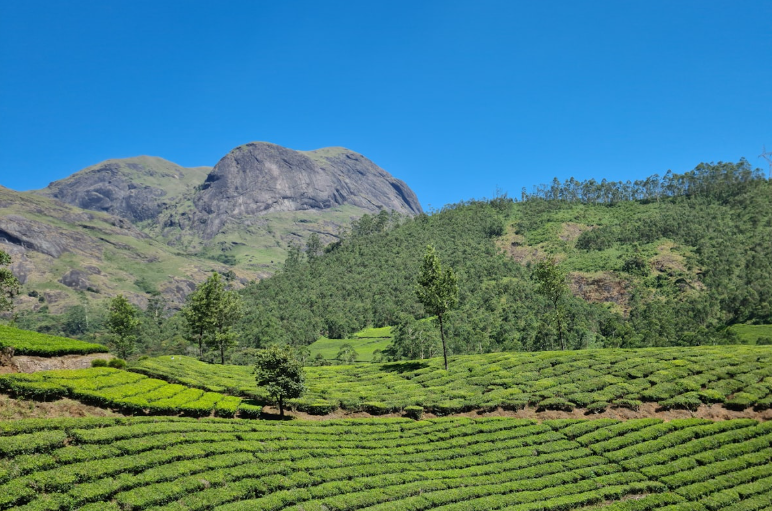
Photo: Mayur Deshpande / Unsplash.
1. Aliyar Dam & Boat Point — the base of the 40 hairpin bends
Aliyar is where the road tilts upward. The reservoir behind the dam looks its fullest in monsoon, and the small park has a boat point, a mini garden and an aquarium that keep kids busy for an hour. Locals stop here for tea before starting the climb.
- Entry: ₹20–30 adults, ₹10–15 children · Boating ₹40 adult / ₹30 child
- Timings: Park 9 AM–6 PM daily · Boating 10 AM–1 PM & 2–5 PM
- Best time: Early morning or late afternoon
- How to reach: ~20 km from Pollachi on SH-78, before the ghat begins
- Time required: 1–2 hours
- Ideal for: Families, couples
- Pro tip: Pair with Monkey Falls, 5 km away, on the same drive up.
2. Nallamudi Poonjolai (Nallamudi Viewpoint)
A short walk through a tea estate ends at a broad shoulder that looks across to Anamudi Peak — the tallest mountain in South India. On a clear monsoon morning, the clouds move at eye level. Trail turns slick after rain; grippy shoes are essential.
- Entry: ₹30–50 per person; forest checkpost permit required
- Timings: 9 AM–4 PM
- Best time: Early morning for clear Anamudi Peak views
- How to reach: 15 km from Valparai bus station; park at forest checkpost, walk ~1 km through tea estate
- Time required: 2–3 hours (with walk)
- Ideal for: Couples, solo travellers, photographers
- Pro tip: The trail turns slick after rain — grippy shoes and a walking pole help.
3. Monkey Falls
Roadside falls on the way up from Aliyar. In monsoon the flow is genuinely spectacular — but the same reason makes the pool dangerous. Treat it as a viewing stop between June and September, and save the swim for winter.
- Entry: ₹30–50 per person + ₹10–50 parking
- Timings: 9 AM–5 PM
- Best time: July–September for full flow (viewing only); safer swim months October–March
- How to reach: 38 km before Valparai on the Pollachi road; 5 km from Aliyar Dam
- Time required: 1 hour
- Ideal for: Families, groups
- Pro tip: Change rooms are basic — carry your own towel and a dry bag.
4. Loam’s Viewpoint (Hairpin Bend 9)
The single best free stop on the ghat. Stop on the way up, not the way down — morning light lifts the mist off the valley, and by evening the same view is often flat and grey.
- Entry: Free
- Timings: 6 AM–6 PM (roadside)
- Best time: Sunrise for cloud-carpet views
- How to reach: At the 9th hairpin bend on SH-78; 31 km from Valparai town, 35 km from Pollachi
- Time required: 20–30 minutes
- Ideal for: Couples, solo, photographers
- Pro tip: Stop on the way up, not down — morning light lifts the mist.
5. Sholayar Dam
The Lower Sholayar Dam sits close to the Kerala border and is surrounded by teak forest. The Upper Dam is closed to tourists. The reservoir is at its most photogenic in monsoon — but photography is often restricted near the dam wall itself.
- Entry: ~₹50 checkpost fee (locally reported)
- Timings: Monday–Saturday 9 AM–6 PM (Lower Dam only; Upper Dam closed to tourists)
- Best time: June–September for a full reservoir; December–February for dry stable weather
- How to reach: ~20 km from Valparai town (30-min drive)
- Time required: 1–2 hours
- Ideal for: Couples, families
- Pro tip: Photography is often restricted near the dam wall — ask the guard before pulling out a camera.
6. Karumalai Balaji Temple (Anjaneyar Temple)
A small hilltop temple set inside a working tea estate, reached by an uphill walk of about 500 metres. Quiet, breezy, and an important local devotional stop. Phones and cameras are prohibited inside.
- Entry: Free
- Timings: 6:30 AM–12 PM and 3 PM–7 PM
- Best time: Early morning darshan, October–March
- How to reach: 10 km from Valparai bus station, inside Karumalai Tea Estate; last 500 m is uphill on foot
- Time required: 1–1.5 hours
- Ideal for: Families, spiritual travellers
- Pro tip: Phones and cameras are prohibited inside — leave them in the car.
7. Chinnakallar Waterfalls — one of India’s rainiest zones
Chinnakallar sits inside a zone that receives roughly 4,500 mm of rain a year, among the three rainiest places in India. Paradoxically, the access road often closes during peak monsoon. A mandatory forest-ranger escort is included in your ticket.
- Entry: ₹130 per person (includes mandatory forest ranger escort)
- Timings: 9 AM–4 PM
- Best time: November–May — the road often closes during peak monsoon despite Chinnakallar being India’s 3rd-rainiest zone. Check status the day before.
- How to reach: 14 km from Valparai bus station via tea estate roads
- Time required: 2–3 hours (600-m trek from parking)
- Ideal for: Groups, adventure travellers — not for very young kids or seniors
- Pro tip: Ranger escort is mandatory; don’t attempt the trek solo.
8. Anamalai Tiger Reserve (Topslip / Manombolly buffer)
Anamalai is the reason wildlife-first travellers come to Valparai. Even when jeep safaris are paused for heavy rain, the Interpretation Centre and buffer viewing at Manombolly remain accessible. Confirm the current safari status 24 hours ahead — see H2 below.
- Entry: ₹30 adults, ₹10 children (park entry)
- Safari timings: Morning 6:30–9:30 AM · Afternoon 3–5:30 PM · Elephant camp 8–9 AM & 4–5 PM
- Safari cost: Contact Pollachi Forest Office for current 2026 rates (reports range ₹80–₹2,000 depending on vehicle type)
- Monsoon status: Reserve technically open year-round; jeep safaris often reduced or paused June–August — confirm 24 hours ahead
- Contact: 04259-238360 · +91 94434 33558
- Best time: August–February (post-monsoon peak)
- Ideal for: Families, wildlife enthusiasts
- Pro tip: Book the morning safari 30–60 days ahead via the official ATR portal.
9. Athirapally Falls (Kerala side)
The “Niagara of India” is a 75-km drive from Valparai on SH-21, through the Vazhachal elephant corridor. In monsoon the falls are thunderous — but the SH-21 checkpost closes at 6 PM sharp. Start your return by 3 PM at the latest.
- Entry: ₹30 Indian, ₹100 foreign
- Timings: 8 AM–5:30 PM (last entry typically 4 PM)
- Best time: June–October for full thunderous flow; October–February for safest road access
- How to reach: ~75 km from Valparai via SH-21 through Vazhachal forest
- Time required: 2–3 hours at the falls
- Ideal for: Families, couples
- Pro tip: SH-21 checkpost closes at 6 PM — start your return by 3 PM at the latest.
10. Waverley & Puthuthottam Tea Estates
These are working estates, not tourist properties — walk-in visits are usually turned away. Access happens through the estate bungalow stays (Briar Tea Bungalows and Puthuthottam Annexe). Puthuthottam, a 3,000-acre estate inside the ATR buffer, is where the resident elephant herd and Great Hornbill population live.
- Entry: Access via estate bungalow stays (Briar Tea Bungalows / Puthuthottam Annexe); casual walk-ins to working estates are usually turned away
- Timings: Daylight hours; contact required
- Best time: October–March mornings for photography
- How to reach: Within Valparai; Puthuthottam is a 3,000-acre estate inside the ATR buffer
- Time required: 2–4 hours guided walk
- Ideal for: Couples, birders (Great Hornbill, Lion-tailed Macaque sightings)
- Pro tip: Book through Briar Tea Bungalows / Puthuthottam Annexe — this is how you get inside legitimately.
11. Grass Hills National Park viewpoint
A restricted-access high-altitude grassland inside Anamalai Tiger Reserve. Permits go through the ATR office in Pollachi and rangers accompany you. Not something to plan on same-day.
- Entry: Permit fee applies; apply at the Anamalai Tiger Reserve office in Pollachi (Attakatti gate for entry)
- Timings: Daylight only with permit; ranger accompanies
- Best time: October–February
- How to reach: 16 km from Valparai bus station; 4×4 required (1.5-hr rough track) + 2 km trek, OR trek from Akkamalai tea estate gate
- Time required: Half-day to full-day
- Ideal for: Fit adventure travellers, birders, groups
- Pro tip: Apply for permits 2–3 days ahead — same-day is rarely granted.
12. Valparai Town Market / Bazaar
An overlooked stop — but the best place in the region to buy estate-fresh tea and cardamom, and cheaper than the bungalow gift counters. Also where you’ll find filter coffee, the small local temple, and the everyday face of Valparai between the estates.
- Entry: Free
- Timings: Most shops 8 AM–8 PM; many shut Sunday afternoons
- Best time: Weekday mornings
- How to reach: Central Valparai near the bus station
- Time required: ~1 hour
- Ideal for: All travellers
- Pro tip: Pick up estate-fresh tea and cardamom here — noticeably cheaper than at bungalow gift counters.
Are Safaris Open in Valparai in Monsoon? Anamalai Tiger Reserve Status 2026
Anamalai Tiger Reserve safaris run on a reduced monsoon schedule (June–September). Jeep safaris and Topslip trekking are often suspended or limited during heavy rain, but the Interpretation Centre, elephant camp and the Manombolly buffer zone typically remain accessible. Always confirm with the Anamalai Forest Department (Pollachi office) 24 hours before your visit — the safari status can change within a single day depending on rainfall and road conditions inside the reserve.
📍 Safari status update — checked 13 July 2026: Anamalai Tiger Reserve is partially open. Peak-monsoon June and August safaris are generally advised against because rain makes forest tracks muddy and slippery. The Interpretation Centre, elephant camp and select buffer viewing at Topslip typically remain accessible day-to-day. Some jeep-safari routes and treks may be restricted after heavy rain. Booking on the official ATR portal is possible; jeep availability depends on weather. Sources: TN Forest Department published notices, licensed operator guides (Sparsa Resorts, Trawell.in). Call 04259-238360 within 24 hours of your visit to confirm live status.
What to see even when jeep safaris are paused: the resident elephant herd on Puthuthottam estate is one of the most reliable wildlife encounters in Valparai. Nilgiri langur troops are visible around the tea factories. Lion-tailed macaques — critically endangered and endemic to the Western Ghats — cross the road on rope canopy bridges near Attakatty. Great Hornbills nest in the fig trees around the tea-factory buildings and are audible before they’re visible.
Citation capsule: Anamalai Tiger Reserve safari operations run on reduced monsoon hours between June and September, with jeep safaris often paused during heavy rain. Confirm status 24 hours ahead via Pollachi Forest Office (04259-238360). Buffer-zone viewing at Manombolly and the elephant camp typically remain accessible year-round.
Two 2026 wildlife stories every Valparai visitor should know
Two stories most travel guides are missing — both directly relevant to the road you’re about to drive:
- Lion-tailed macaque canopy bridges (February 2026): Roughly 40 lion-tailed macaques died on Valparai roads over the two years leading up to 2026. In response, conservationists installed 10 rope canopy bridges along the ghat, and the macaques have taken to them (Down To Earth, February 2026). Watch for these bridges between bend 20 and Attakatty. Slow down where you see one.
- Hornbill Conservation Initiative (March 2026): The Tamil Nadu Forest Department launched a Hornbill Conservation Initiative in March 2026, with the first-ever population survey of Great Hornbills, Malabar Grey Hornbills and Indian Grey Hornbills now underway in the Anamalai Tiger Reserve. Field training for the census is happening at Attakatty, on the edge of Valparai (DD News).
The lion-tailed macaque, endemic to the Western Ghats and endangered. Ten canopy bridges on the Valparai road were installed to reduce road deaths. Photo: A M / Unsplash.
Neither story appears on the standard Valparai itineraries. Both are reasons to travel slowly and stop often.
The Best Waterfalls Around Valparai in Monsoon
Every waterfall in Valparai runs harder in monsoon, and a few reach flow levels you won’t see any other time of the year. The trade-off is safety: banks are slippery, viewing platforms crowd faster, and casual approaches to the pool below are genuinely risky. Stick to marked viewing points.
- Chinnakallar Falls — spectacular but road-dependent; ~4,500 mm annual rainfall on this hillside.
- Monkey Falls — roadside, easy stop, view-only in monsoon.
- Athirapally Falls — 75 km via SH-21; the Kerala-side thunderous option.
- Aliyar — dam spillway, dramatic when open.
- Nirar — quieter, worth asking your host about status.
Photography timing: skip mid-day flat light. The soft overcast of a monsoon morning saturates the greens and softens the water — that’s the shot. Bring a lens cloth, a rain cover, and a plastic bag to actually protect the camera.
Photo: Tarun Raj BN / Unsplash.
Where to Stay in Valparai in Monsoon: Tea-Estate Homestays & Luxury Stays
A monsoon stay in Valparai is not the same brief as a winter stay. In monsoon, the criteria that matter are: covered parking (so you can load and unload luggage in heavy rain), backup power (outages happen), an elevated location (moisture management), tea-estate access (this is the whole reason you’re here), and an on-site kitchen for hot food on days the road closes. Wi-Fi and phone signal are patchy across the plateau — accept it.
Our recommendation: Talerock Inn — a tea-estate homestay on the edge of Anamalai rainforest, with the tin-roof-in-monsoon experience most people arrive in Valparai looking for. The estate herd of elephants moves through the property at dawn in the wet months. Fireplace-warm evenings, filter coffee before sunrise, and — importantly — a host who calls ahead about road status so you don’t drive into a closure.
[PERSONAL EXPERIENCE] On our last monsoon stay there, the estate mahout radioed the main house at 5:45 AM to say the herd was crossing the lower field. We were on the veranda in bathrobes with cups of tea by 6:00 AM. That’s the kind of morning Valparai in monsoon can hand you — but only if you’re staying on an estate, not in the town.
If Valparai stays fill up, the nearest StayVista cluster is Coonoor and Ooty, about 180 km further along the Nilgiris. Base in Aashirwaad Villa in Coonoor (waterfall-view rose garden, ideal for a monsoon rewind) or Villa Misty Oaks in Ooty, and treat Valparai as a two-day drive-in excursion. It’s a longer trip, but you’ll get a broader Nilgiris arc from it.
A 2-Day Valparai Monsoon Itinerary (Photography-Friendly, Weather-Safe)
The right two-day plan in monsoon builds in slack. This itinerary keeps drive segments short, prioritises the sights that stay accessible in heavy rain, and never has you on a hairpin bend after dark.
Day 1 — Pollachi → Valparai
- 6:30 AM — Depart Pollachi (fuel up here — no reliable pumps beyond)
- 7:15 AM — Aliyar Dam park & boat point (60–90 min)
- 9:00 AM — Monkey Falls viewing stop (30 min)
- 10:00 AM — Begin the 40-hairpin climb; stop at Loam’s Viewpoint (bend 9) for mist
- 12:30 PM — Reach Valparai; check into a tea-estate homestay
- Afternoon — Slow lunch, rain-nap, tea-estate walk if weather clears
- Evening — Sunset at Nallamudi Poonjolai (last entry 3:30 PM to be safe)
Day 2 — Wildlife morning + return via Athirapally
- Pre-dawn — Coffee on the veranda; look for the estate elephant herd
- 7:00 AM — Depart for Sholayar Dam (30 min) — teak forest and reservoir
- 9:30 AM — Karumalai Balaji Temple darshan and estate walk
- 11:00 AM — Depart Valparai for Athirapally via SH-21 (2.5–3 hrs) — remember, checkpost closes 6 PM, plan to exit by 3 PM latest
- 1:30 PM — Athirapally Falls (2 hrs at site)
- Evening — Continue to Kochi or double back to Coimbatore, both about 65–70 km further
Photography note: schedule your Day 1 shoots for the morning climb (mist is best 7–10 AM) and your Day 2 waterfall shoot for the flat overcast light of midday. Golden hour is not a monsoon concept in the Anamalai hills. If you’re extending into Kerala, our Coimbatore–Munnar road-trip route picks up cleanly from Athirapally.
Valparai Monsoon Safety & What to Pack
Non-negotiables: no night driving on the ghat; fuel up in Pollachi; keep the IMD Coimbatore station forecast on your phone and refresh it before each leg. Do not attempt shortcuts through tea-estate roads that don’t appear on Google Maps. If cell signal drops (it will), your homestay host is your emergency contact — brief them on your day plan before leaving.
Monsoon packing list for Valparai
- Waterproof jacket (an umbrella is not enough — wind funnels through the hairpins)
- Quick-dry clothing; one warm layer for evenings (16–18°C nights)
- Slip-resistant shoes with real tread
- Dry bag for camera and phone
- Power bank + charging cable (outages happen)
- Torch/headlamp
- Basic first-aid kit and any personal medication
- Physical map or offline Google Maps download of the SH-78 & SH-21 corridors
- Cash — many small stops don’t accept UPI reliably in signal-drop zones
Emergency contacts
- Anamalai Tiger Reserve, Pollachi Office: 04259-238360 / +91 94434 33558
- Coimbatore District Emergency: 112 (national) / 100 (police)
- Athirapally checkpost enquiries: TN Forest Department, Pollachi
Frequently Asked Questions
There are 40 numbered hairpin bends between Aliyar Dam and Attakatty on the Pollachi–Valparai stretch of SH-78 in Tamil Nadu. Each bend has a small roadside plaque with its number, making this one of the most-documented ghat drives in South India. The climb covers roughly 40 km and gains about 1,100 metres of elevation.
Yes for daytime travel with same-day weather and road-status checks. Landslides can close stretches after heavy rain, so avoid night driving and unstable slope zones like Kalvettu and Koomatti. Confirm your route the morning of travel with your homestay host, IMD Coimbatore forecast, and — for the SH-21 approach — Athirapally checkpost status.
Anamalai Tiger Reserve runs a reduced schedule between June and September. Jeep safaris and Topslip trekking are often paused during heavy rain, but the Interpretation Centre, elephant camp and Manombolly buffer are typically accessible. Confirm the day before with the Pollachi Forest Office on 04259-238360 — status can change within 24 hours.
Yes — SH-21 through Vazhachal forest reopened after the 2025 monsoon repairs and operates on a daylight-only schedule: checkpost hours 6 AM to 6 PM, last entry around 4 PM, 30 km/h speed limit enforced through the elephant corridor. Night travel is prohibited year-round. Confirm live status the morning of travel with the TN Forest Department.
October to March is the classic season — cool, mostly dry, safaris and estates fully open. June to September (monsoon) is the atmospheric alternative: full-flow waterfalls, mist, near-empty roads and 40–60% cheaper stays, but with real trade-offs on safaris and driving. September is arguably the best single month — monsoon lushness with tapering rain.
Valparai is approximately 100 km from Coimbatore, roughly 3 to 3.5 hours of driving via Pollachi in monsoon conditions (longer than the dry-season 2.5-hour benchmark because of fog, rain and slower ghat driving). Coimbatore is the nearest airport (CJB) and mainline railway station for a Valparai trip.
Prioritise a tea-estate homestay with covered parking, backup power, an elevated location and an on-site kitchen — the kind of stay that keeps you comfortable if the road closes for a day. Working estates like Puthuthottam and Waverley offer bungalow-stay access to the plateau’s best birding and dawn wildlife walks. If Valparai fills up, base in Coonoor and treat Valparai as a two-day drive-in excursion.
The Bottom Line
Valparai in monsoon rewards travellers who plan around what’s actually open and travel between 6 AM and 6 PM. What’s open: the 40 hairpin bends, tea-estate walks, Aliyar Dam, Monkey Falls (viewing), Loam’s Viewpoint, Sholayar Dam, Karumalai Balaji Temple, the town bazaar, and — with a day-of confirmation — Anamalai Tiger Reserve buffer zones. What’s not: night driving, casual estate walk-ins, Grass Hills without a permit, and some safari routes on heavy-rain days.
- Best month within monsoon: September (tapering rain, best photo light)
- Book: Tea-estate homestay 3–4 weeks ahead; safari 30–60 days ahead
- Confirm 24 hours before: Athirapally SH-21 status, Anamalai safari operating status
Ready to plan? Browse monsoon-ready tea-estate stays in Valparai and the Nilgiris on StayVista’s Valparai collection, or pair this trip with a longer Ooty in monsoon itinerary. And when you count that first hairpin bend from Aliyar, remember to slow down at the rope bridges — a lion-tailed macaque might be on the crossing.