
10 Safe Beaches to Visit in Monsoon in India (2026 Guide)

Last updated: October 2026
If you’ve been told beaches shut down in monsoon, that’s only half true. The southwest monsoon slams India’s west coast from June to September, which is why Goa Tourism officially red-flags swimming across every beach in the state during those four months (Drishti Marine, still in force for 2026). But the east coast — where the northeast monsoon doesn’t arrive until October stays surprisingly calm through July and August. The real question isn’t are Indian beaches safe in monsoon. It’s which coast are you on.
The 2026 southwest monsoon ended on schedule. Goa’s beach swimming ban (June 1 to September 30) has lifted, and lifeguard-approved swim zones along the west coast are returning to green-flag status from early October. This guide was written for the June–September monsoon window and retains its value as a planning reference for the 2027 monsoon season. For current post-monsoon beach conditions, note that the east coast (Pondicherry, Vizag, Andamans) now enters its own weather-sensitive window as the northeast monsoon arrives — treat east coast conditions with the same caution the west coast required three months ago.
| Quick Info | |
|---|---|
| Best window | Early July to mid-August 2026 |
| Safest swim regions | Pondicherry, Vizag, Andaman |
| Cheapest villa rates | June 15 – August 31 (30–50% below December) |
| Ideal duration | 4–7 nights (build 1–2 buffer days) |
| 2026 forecast | 90% of LPA, below normal, El Niño-driven (IMD) |
In this Blog
Is It Safe to Visit Beaches in Monsoon in India?
Yes — but “safe to visit” and “safe to swim” aren’t the same thing. Goa’s beach-safety operator Drishti Marine — a 400-strong lifeguard force — red-flags every Goan beach from June 1 to September 30. The sand stays open. The sea does not.
That pattern repeats across the west coast. On the east coast, though, beaches like Rushikonda and Radhanagar hold Blue Flag certification — an international eco-label that requires 33 criteria across water quality, safety, and services (Blue Flag India 2026). Twelve Indian beaches carry it as of 2026. Practically: on the east coast in July, you can often actually swim in flagged safe zones. On the west, you’re there for the atmosphere.
The 2026 southwest monsoon arrived early, Kerala saw first rain on 24 May, eight days ahead of the normal onset. Through the June–September window, Goa deployed over 450 trained lifesavers and beach marshals across 54 beaches (30 in South Goa, 24 in North Goa) under Drishti Marine’s management. Even with that cover, Goa recorded 71 drowning cases through the 2026 season, including the widely reported death of a Karnataka tourist at Baga Beach who entered the water against lifeguard warnings. The pattern is consistent year after year: the beaches themselves are safe to visit in monsoon; the water is not. The 10 beaches below are the ones where the shore experience holds up and swim restrictions are enforced clearly enough that tourists don’t walk into trouble by accident.
East Coast vs West Coast — What’s the Difference?
The southwest monsoon (June–September) hits the west coast head-on. Kerala catches the first showers around June 1, then rain sweeps north through Karnataka, Goa, and coastal Maharashtra. The east coast gets its rain later, from the northeast monsoon in October–November. That’s why Pondicherry in July looks like a wet spring day while Goa looks like a full storm.
Rainfall data plotted (July averages, mm): Goa Panjim 994 · Gokarna 880 · Varkala 660 · Havelock 450 · Rushikonda 120 · Mahabalipuram 85 · Pondicherry 65. Source: IMD 30-year climatology.
The 2026 monsoon is forecast at 90% of the Long Period Average — below normal, driven by El Niño (IMD Long Range Forecast 2026). For beach travellers that reads as slightly drier than usual on the west coast, but with the same seasonal pattern intact. For a wider primer, see our 18 best places to visit in India during monsoon 2026. As the southwest monsoon retreats, the roles reverse. The west coast (Goa, Gokarna, Varkala, Marari) swings into its clearest, safest swim season from October through May. The east coast (Pondicherry, Vizag, Andamans) now faces the northeast monsoon, which typically peaks November through early January and brings its own set of flag warnings. Post-October, planning rules flip.
10 Safe Beaches to Visit in Monsoon in India (October 2026)
Five west-coast picks (for atmosphere, not swimming), then five east-coast picks where the sea is genuinely usable in July.
1. Palolem Beach, South Goa

Palolem is the pick for a moody monsoon walk. The crescent shape makes it look calmer than beaches further north, though the all-Goa swim ban still applies. Grab breakfast at one of the few open cafés along the road and you’ll often have the whole shore to yourself before 10am.
- Swim status July 2026: Red flag / banned June 1 – September 30
- Entry & timings: Free · Open 24 hrs (safest 6am–6pm)
- How to reach: 67 km / 1.5 hr from Dabolim Airport; 40 km from Madgaon station
- Ideal for: Couples, solo travellers, quiet-seekers
- Pro tip: Cabo de Rama fort is 10 km north — go at sunset on a dry break for the best cliff-and-sea view in South Goa
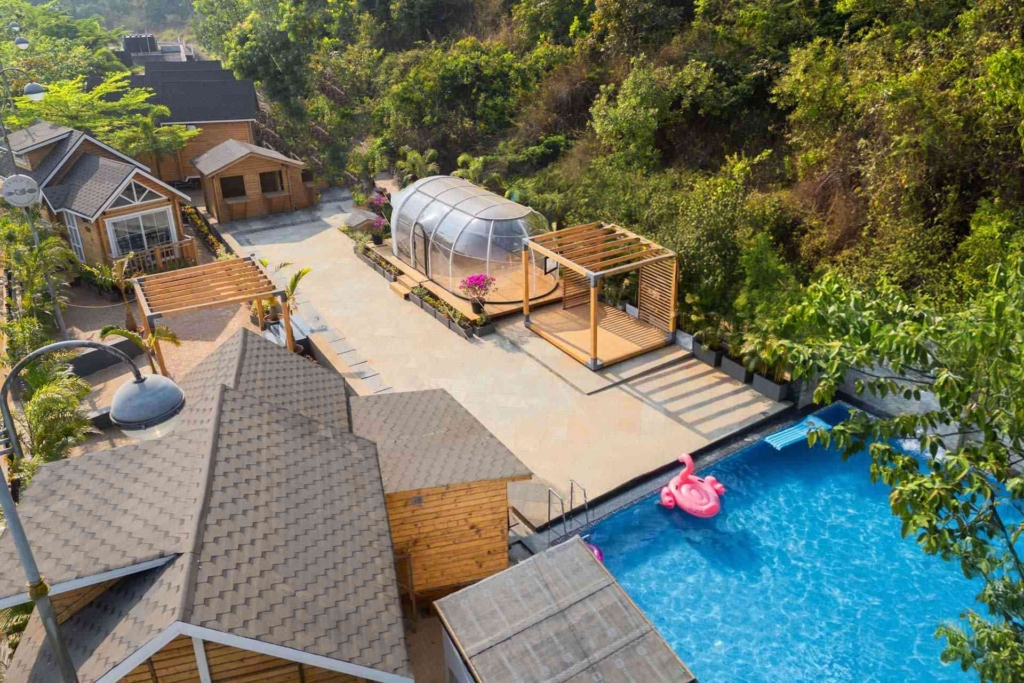
- Where to Stay:
Casa De Fiesta – South Goa
2. Morjim Beach, North Goa

Morjim is quieter than Baga or Calangute in July, but with enough open cafés for a proper meal. Olive ridley turtles start nesting from late September, and Assagao’s boutique-food scene is 15 minutes inland when the rain gets serious.
- Swim status July 2026: Red flag / banned
- Entry & timings: Free · 24 hrs
- How to reach: 42 km / 1 hr from Dabolim; 20 km from Thivim station
- Ideal for: Couples, café-hoppers
- Pro tip: Walk south towards the Chapora estuary — quieter and cleaner than the north-end shacks
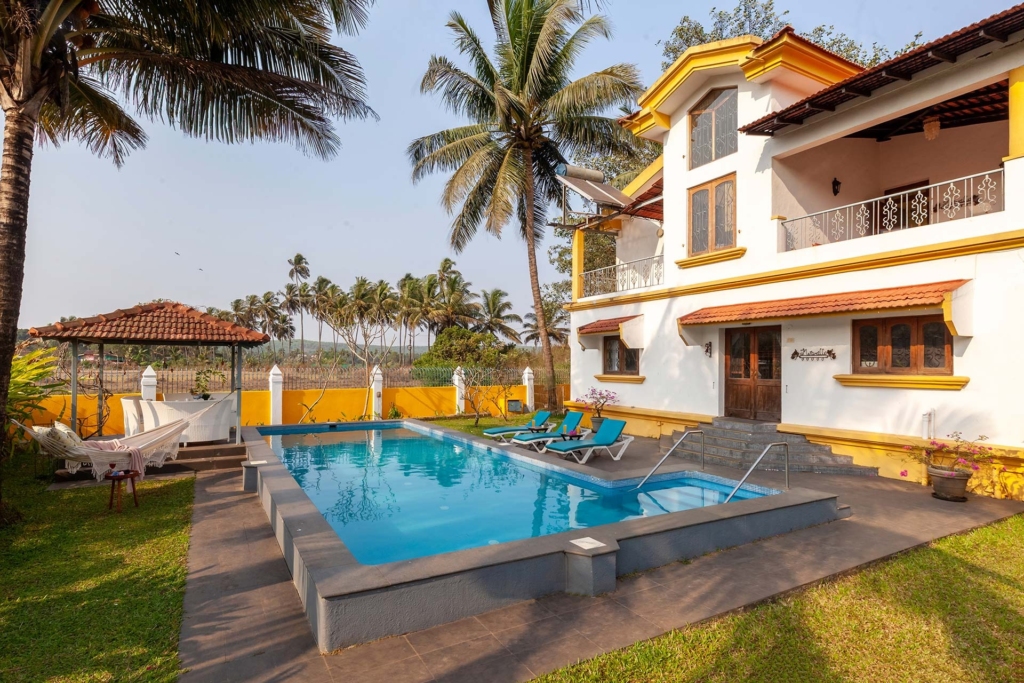
- Where to Stay:
Waterlily – Parra- North Goa
3. Om Beach, Gokarna, Karnataka

Gokarna’s Om Beach — named for its two-lobed Om-shaped shore — gets around 880 mm of July rain, but it arrives in bursts rather than a continuous downpour. Cafés serving fresh thali and monsoon-thick fish curries mostly keep running.
- Swim status July 2026: Red flag / strong undertow
- Entry & timings: Free · 24 hrs
- How to reach: 140 km / 3 hr from Mangalore Airport; 10 km from Gokarna Road station
- Ideal for: Backpackers, yoga travellers, café stayers
- Pro tip: Sturdy grip shoes matter — the laterite cliff trails between Om, Kudle, and Half Moon get genuinely slick after 20 minutes of rain
- Where to Stay:
Vatika Nature Nest

4. Kudle Beach, Gokarna, Karnataka

Kudle is Om’s quieter neighbour — smaller, flatter, more café-lined. In July it’s where most long-stay travellers actually settle. The rain arrives in cinematic bursts, then breaks into humid-bright afternoons.
- Swim status July 2026: Red flag / shore-water only
- Entry & timings: Free · 24 hrs (cafés typically 8am–10pm)
- How to reach: 140 km from Mangalore; 6 km from Gokarna town centre
- Ideal for: Couples on long stays, digital nomads
- Pro tip: Walk 10 minutes south of the main entry — that’s where the July-open cafés cluster
5. Kasarkod Beach, Karwar, Karnataka (Blue Flag)
Kasarkod is one of Karnataka’s two Blue Flag beaches (Blue Flag India 2026). That means designated swim zones, lifeguard cover, and cleaner water than the surrounding coast — but west-coast monsoon rules still apply, and swim zones are typically restricted June–September. Pair it with Murudeshwar temple, an hour south, for a temple-and-beach itinerary.
- Swim status July 2026: Restricted; check the flag with the on-duty lifeguard
- Entry & timings: Free (parking ~₹20-50 · 6am–7pm
- How to reach: 90 km / 2 hr from Dabolim; 12 km from Karwar station
- Ideal for: Families, temple-plus-beach travellers
- Pro tip: Karwar’s inland creek stretches stay calmer than the open sea — worth an evening kayak if the weather holds
6. Varkala Beach, Kerala

Varkala’s red laterite cliffs above the sea look almost otherworldly in the rain. Kerala Tourism officially recognises June–August as Karkidaka Chikitsa — the traditional Ayurveda treatment season — because humid monsoon air helps medicated oils absorb more deeply (Kerala Tourism). Travel-booking data shows 58% of Kerala monsoon bookings in 2025 involved Ayurveda or houseboat experiences (HappyFares Kerala Monsoon Guide 2026).
- Swim status July 2026: Red flag / shore zones only when green-flagged
- Entry & timings: Free · 24 hrs
- How to reach: 51 km / 1.5 hr from Trivandrum Airport; 3 km from Varkala Sivagiri station
- Ideal for: Wellness travellers, honeymooners, slow travellers
- Pro tip: Book Ayurveda sessions for early morning (7–9am) — treatments finish before the daily afternoon downpour
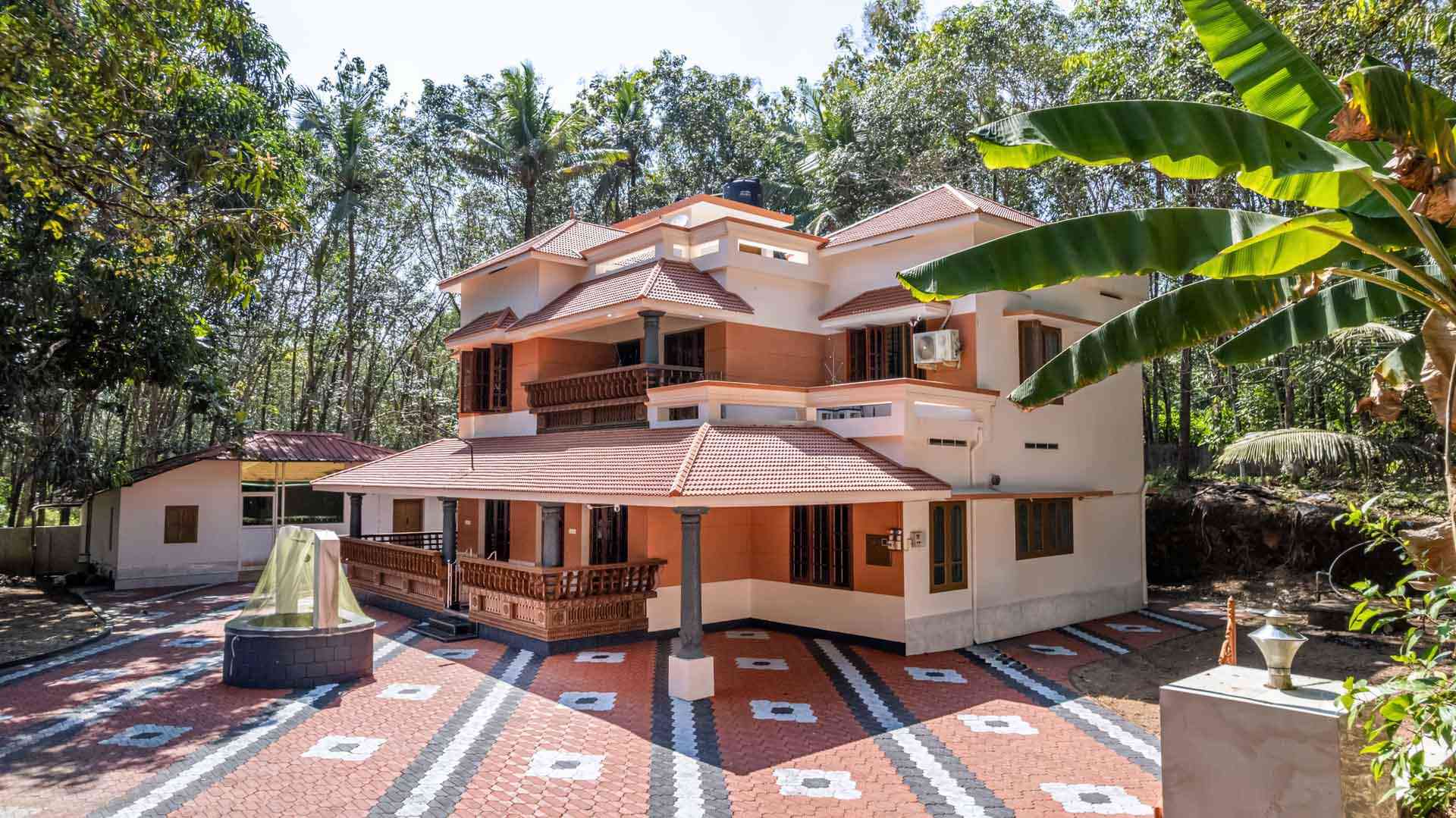
- Where to Stay:
Weather Vane
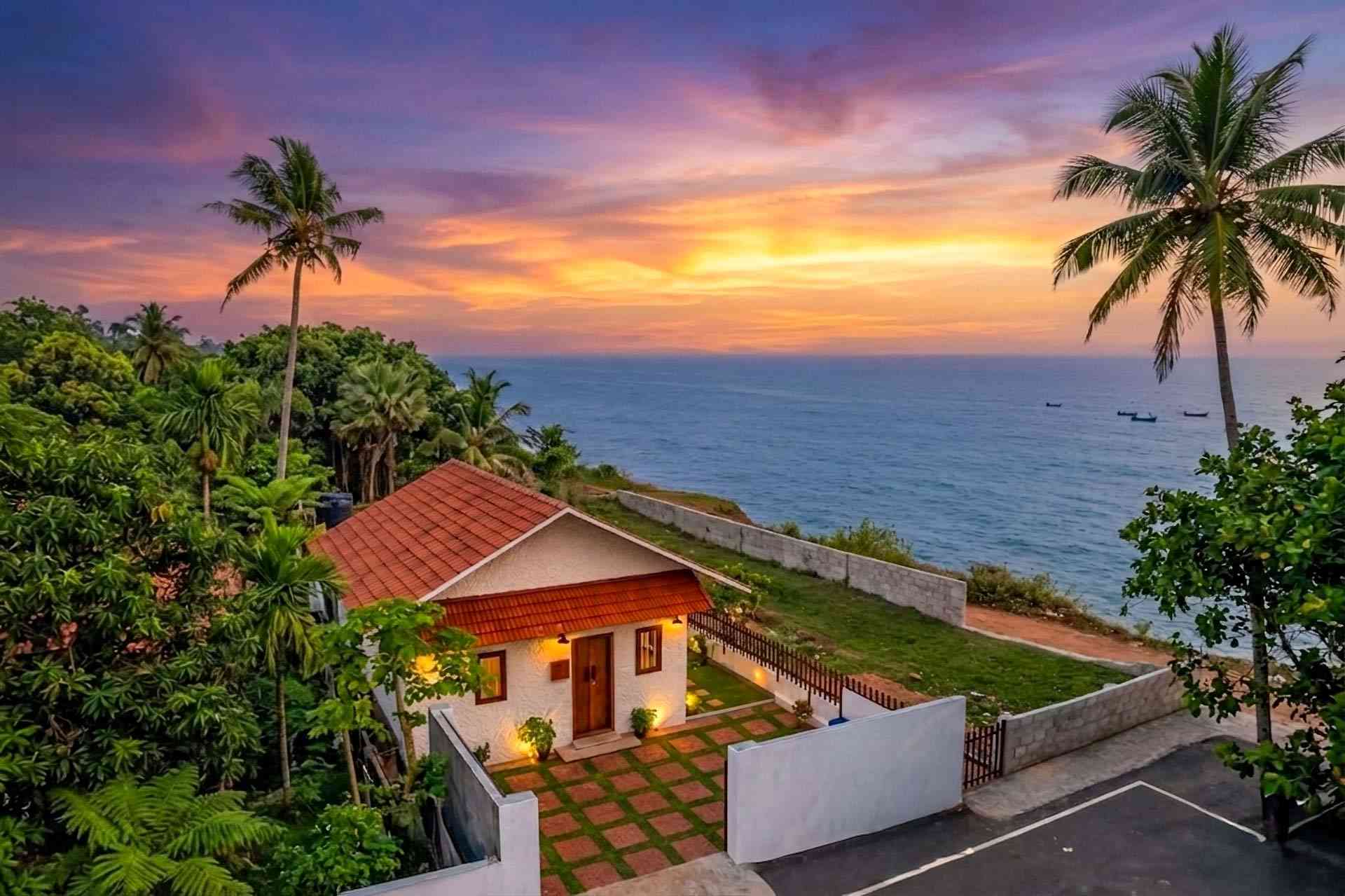
Nayra Farmhouse
7. Marari Beach, Alappuzha, Kerala
Marari is the calmer, less-photographed alternative to Varkala. A fishing-village setting with wider sand, a short drive to the Alleppey backwaters, and steady cinematic downpours followed by bright humid breaks. Fresh karimeen (pearl spot fish) is the July staple.
- Swim status July 2026: Red flag / strong undertow
- Entry & timings: Free · 24 hrs
- How to reach: 60 km / 1.5 hr from Kochi Airport; 12 km from Alleppey station
- Ideal for: Families, houseboat-plus-beach travellers
- Pro tip: Do the houseboat on day 1 — routes get diverted after heavy rain, so lock the boat first before the weather calls it
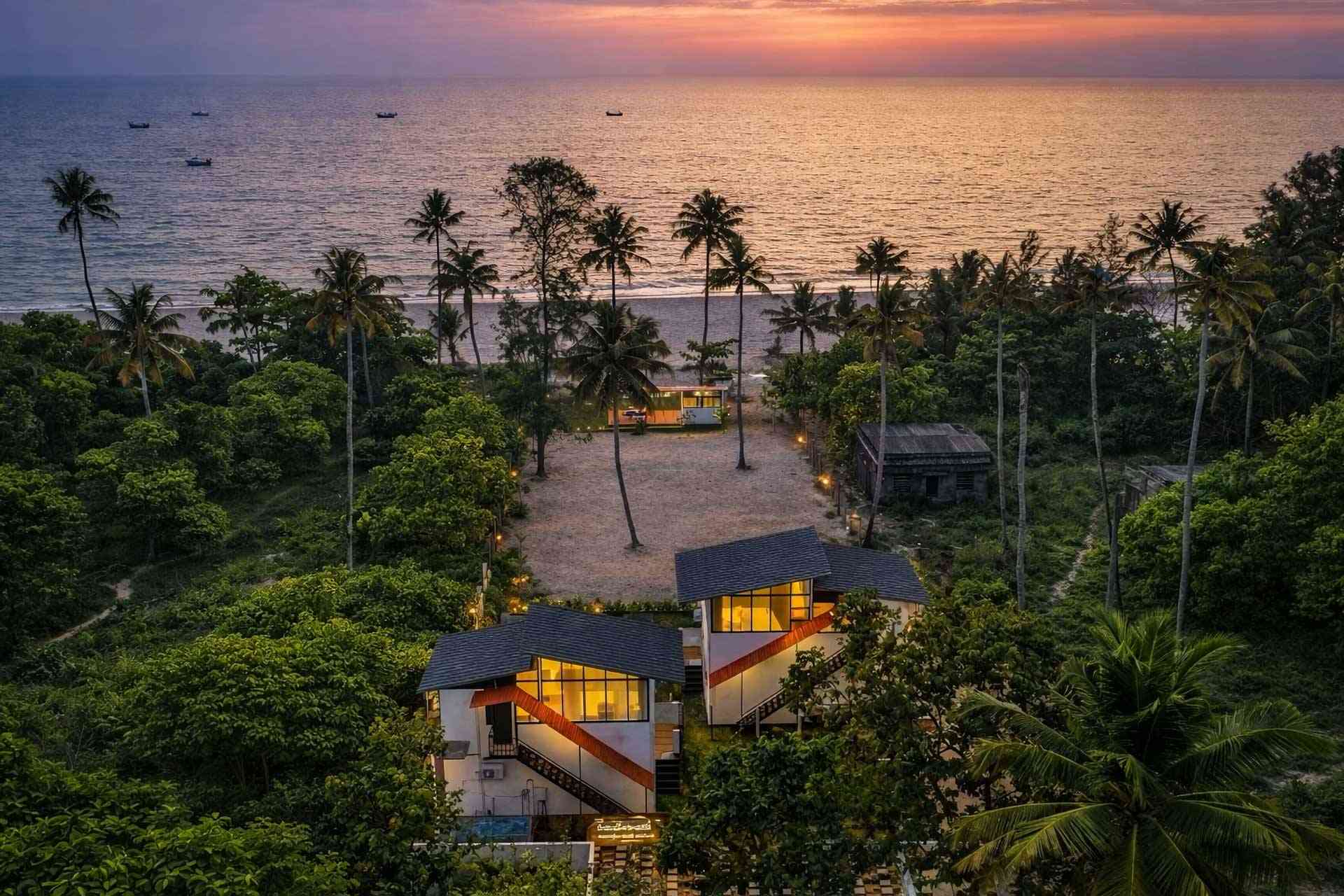
Where to Stay:
Dynast- By the Beach Villa
8. Serenity Beach, Pondicherry

Here’s where the east coast pays off. Pondicherry gets around 65 mm of rain in July; Goa gets close to 1,000 mm. The waves at Serenity in July are surf-friendly rather than dangerous, and the town’s surfing schools stay open through the season.
- Swim status July 2026: Generally green flag; usable for surfing and shallow swimming
- Entry & timings: Free · 24 hrs
- How to reach: 148 km / 3.5 hr from Chennai Airport; 8 km from Pondicherry centre
- Ideal for: Couples, families, first-time surfers
- Pro tip: Kallialay Surf School runs beginner sessions on July mornings — waves are softer than in peak surf months but consistent enough to actually stand up on
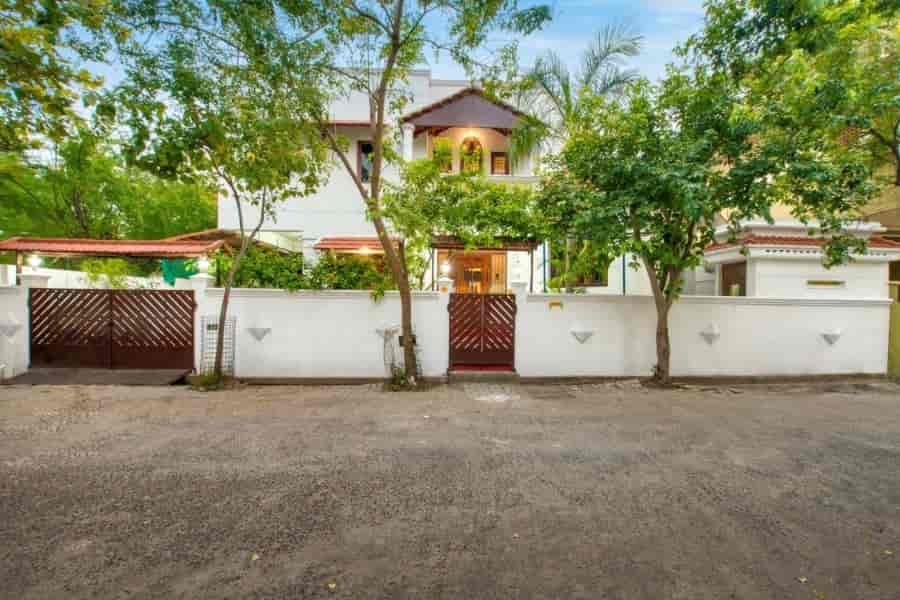
- Where to Stay:
Chitrita Bhavan
9. Rushikonda Beach, Visakhapatnam, Andhra Pradesh (Blue Flag)

Rushikonda holds Blue Flag certification and is one of the safer swim-friendly beaches on the Indian mainland in July. Golden sand, moderate rain (~120 mm), and safe-zone swimming when the flag is green. Windsurfing, sea kayaking, and jet-ski rentals run year-round — a striking contrast to Goa, where the same activities are banned.
- Swim status July 2026: Green flag most days; designated Blue Flag swim zone with lifeguards
- ₹50 for cars (₹20 for two-wheelers), managed by VUDA (Visakhapatnam Urban Development Authority) · 6am–7pm active lifeguard cover
- How to reach: 15 km / 30 min from Vizag Airport; 8 km from Vizag station
- Ideal for: Families, watersports beginners, offbeat east-coast travellers
- Pro tip: Pair with a day trip to Araku Valley (an hour inland) — the rain-forest scenery is at its lushest in July
10. Radhanagar Beach, Havelock Island, Andaman (Blue Flag)
Contrary to the usual advice, Andaman is very much open in July. Havelock’s Radhanagar — once ranked Asia’s best beach by TIME magazine — stays swimmable on most days and is one of India’s 12 Blue Flag beaches. Rain averages 400–500 mm but arrives in short intense bursts followed by bright spells (Go2Andaman). The real risk isn’t rain — it’s sea state; ferries can be suspended at short notice.
- Swim status July 2026: Green flag most days; Blue Flag swim zone with lifeguards
- Entry & timings: ₹50 per adult [VERIFY] · 5am–5pm (last entry 4pm)
- How to reach: 54 km sea route from Port Blair; 90 min ferry to Havelock; 12 km taxi to Radhanagar
- Ideal for: Couples, honeymooners, photographers
- Pro tip: Spend two nights in Port Blair first, cross to Havelock when a calm ferry window opens, and keep Neil Island as a flexible add-on — never a fixed booking
Beaches to Skip in October 2026
Not every Indian beach is worth the risk. Skip Puri (Odisha) for heavy rain and rip-current-prone surf; skip Diveagar and Kashid (Konkan Maharashtra) for sea state (see our safe beaches in Maharashtra during monsoon guide); skip Digha (West Bengal) for chronic red flags and muddy water.
These skip-list beaches are hazards only during the active southwest monsoon (June through September). From October onwards, Baga, Candolim, Calangute, Juhu and the standard open-sea beaches on both coasts return to their normal operating profile — swimmable for most of the day, lifeguard-staffed, red-flagged only during specific wave events.
How to Stay Safe on Any Beach in Monsoon
The single most important rule: never enter the sea when a red flag is flying. Every major Indian beach uses the international red/yellow/green flag system, and lifeguard organisations like Drishti Marine maintain year-round patrols precisely because monsoon currents kill more travellers than any other season.
Beyond flags, three rules matter more than the rest:
- Respect rip currents. They look like calm channels through breaking waves. If you get caught, swim parallel to the shore, not toward it.
- Skip alcohol before the sea. Most monsoon drownings on Indian beaches involve alcohol.
- Check the weather the morning of, not the day before. Monsoon systems shift fast — the gap between a swimmable morning and a red-flag afternoon is often three hours.
What to Pack
- Waterproof dry bag (phone, wallet, passport)
- Quick-dry synthetic or merino clothing (skip cotton — it soaks and stays wet)
- Rubber-sole footwear with grip; cliff paths get slick
- Phone waterproof pouch + portable charger
- Mosquito repellent; monsoon spikes populations coastally
- Light rain jacket, not a heavy poncho
- Reef-safe sunscreen — UV stays high through the rain
- Anti-nausea medication if you’re taking ferries
Sample Itineraries
3 nights — Pondicherry (easiest first-timer): Day 1 fly to Chennai + drive to Serenity Beach + Promenade sunset · Day 2 morning surf lesson + Auroville + villa · Day 3 French Quarter breakfast + drive back.
5 nights — Vizag + Araku (mainland east-coast pick): Day 1 arrive + Rushikonda sunset · Day 2 swim + watersports + Kailasagiri · Day 3 drive to Araku, coffee estate · Day 4 Araku museum + return · Day 5 beach morning + fly home.
7 nights — Andaman full loop (needs 1–2 buffer days): Days 1–2 Port Blair · Days 3–5 Havelock + Radhanagar · Days 6–7 Neil Island · Day 8 buffer + fly out. Never book a same-day international connection.
Where to Stay — Beachfront Villas for the Monsoon
The best way to enjoy a monsoon beach trip is from a private villa. No shared hotel corridors when the rain moves inside, no crowded breakfast rooms, and — most usefully — a covered balcony for the hours the rain sends you off the sand. At StayVista, we’ve curated beachfront and near-beach villas across every destination in this guide: Goa, Gokarna, Kerala, Pondicherry, and sea-view options in Vizag and Andaman. The consistent monsoon advantage: private pools, full kitchens for stormy nights, pet-friendly options, and rates 30–40% below the winter peak through June–August..
FAQs
East coast beaches are safer than west coast beaches for swimming in July. Rushikonda in Visakhapatnam and Radhanagar in Andaman both hold Blue Flag certification with designated swim zones and lifeguards on duty. On the west coast, Goa Tourism officially bans swimming June 1 through September 30 across every beach in the state.
Yes. You can walk, sit, and eat at the shacks that stay open in the North Goa belt (Baga, Calangute, Anjuna). But swimming and water sports are officially suspended by Goa Tourism from June 1 to September 30, with Drishti Marine’s red flags flying across every beach. Palolem in South Goa is the quietest option.
Depends on what you want. Choose the east coast (Pondicherry, Rushikonda, Andaman) if you want to actually swim — July rainfall averages 65–120 mm. Choose the west coast (Goa, Gokarna, Kerala) for atmosphere, greenery, and near-empty shores at 30–50% off winter villa rates.
Yes, if you build in flexibility. Havelock resort rates drop 30–50% below the December peak and Radhanagar Beach is nearly empty. But sea state can cancel ferries at short notice, so keep 1–2 buffer days and don’t lock a rigid itinerary.
Twelve Indian beaches carry Blue Flag certification as of 2026, including Rushikonda (Andhra Pradesh), Radhanagar (Andaman), Kasarkod (Karnataka), Kovalam (Tamil Nadu), Kappad (Kerala), and Ghoghla (Diu). The label requires 33 criteria covering water quality, safety, and services.
No. The Goa swim ban runs 1 June to 30 September each year. From early October (typically the first week), Drishti Marine restores green-flag status to the standard swim zones across both North and South Goa, and swim conditions stabilise across the west coast through May. Varkala, Gokarna, Tarkarli, Diu and Alibaug beaches follow the same calendar. Lifeguards remain on duty year-round at major beaches, but flag colour reflects daily sea state rather than a blanket ban.
Partially. Pondicherry, Vizag and the Andamans stay calm through October, but the northeast monsoon typically arrives on the Tamil Nadu and south Andhra coast between 20 October and 5 November, bringing wave height, visibility and ferry disruption similar to what the west coast saw in July–August. If you’re planning Serenity Beach or Radhanagar in November, treat it like a west coast monsoon trip: pack flexibility into the itinerary, and don’t rely on fixed day-wise plans.
In 2026, Goa recorded 71 drowning cases, including a widely reported fatality at Baga Beach where a tourist entered red-flagged water against lifeguard warnings. Drishti Marine’s annual data shows the overwhelming majority of monsoon drownings happen within 30 metres of the shore and involve people who ignored the red flag. The lifeguard cover is substantial covering 450+ marshals across 54 beaches. But it works only when visitors follow flag instructions.
The Wrap
Monsoon travel in India isn’t a compromise if you pick the right coast. The east — Pondicherry, Vizag, Andaman — stays calm, cheap, and swim-friendly in July. The west — Goa, Gokarna, Kerala — trades a swim ban for atmosphere and half-off villa rates. Book a beachfront villa with a covered verandah, pack for actual rain rather than an idealised rainy-day aesthetic, and give yourself two days of slack. Browse our beachfront villas across India and book your monsoon getaway.