
Sikkim Summer Festival vs Shimla Summer Festival: Which to Choose? Key Attractions, Events, Culture & More
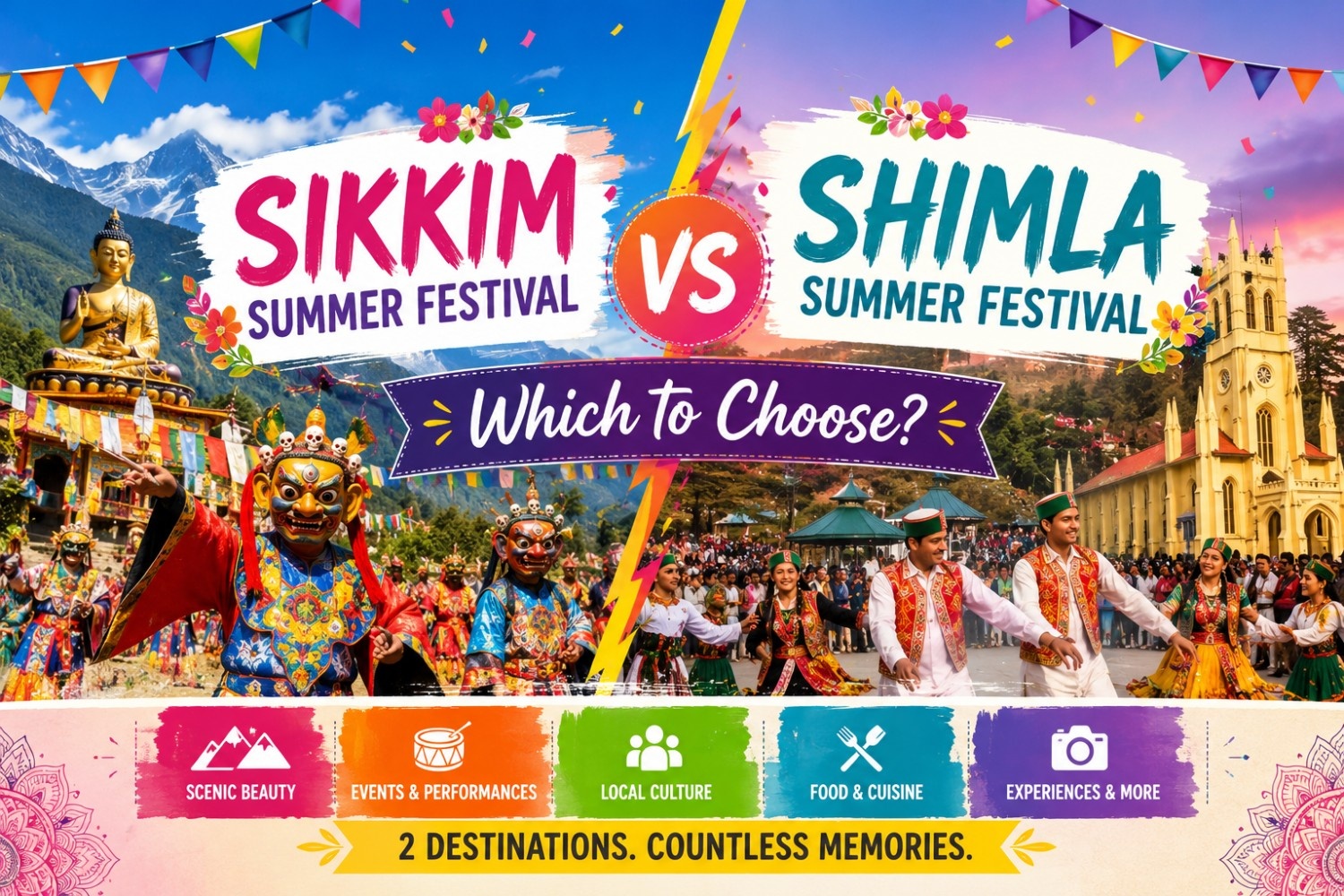
This comparison covers 2026 dates, key attractions, cultural programming, weather, crowd levels, accessibility, and traveller-type matching so you can make a confident, well-informed decision for your May–June 2026 summer holiday plans.
Every summer, two hill-station festivals compete for the attention of Indian travellers: one spread across the misty valleys of Sikkim through the entire month of May, the other a punchy five-day cultural spectacle on the famous Ridge in Shimla each June. Choosing between them is not simply about which is better — it is about knowing what kind of traveller you are.
The Sikkim Summer Festival runs throughout May 2026 — a month-long celebration centred on the International Flower Festival in Gangtok, featuring 600+ orchid varieties, Yak Safaris, and Teesta River rafting. The Shimla Summer Festival is a focused five-day event from June 1–5, 2026, held at The Ridge, showcasing celebrity live performances, Himachali Nati folk dance, handicraft fairs, and family events — all with free entry.
In this Blog
Quick Comparison: Sikkim vs Shimla Summer Festival 2026
The table below summarises the core decision-making factors at a glance.
| Feature | Sikkim Summer Festival | Shimla Summer Festival |
| 2026 Dates | May 1–31, 2026 (month-long) | June 1–5, 2026 (5 days) |
| Venue | Gangtok, White Hall | The Ridge, Shimla |
| Duration | 31 days | 5 days |
| Key Theme | Flowers, nature & adventure | Music, culture & family |
| Entry Fee | Free / very affordable | Completely free |
| Celebrity Acts | Local Sikkimese artists, folk performers | Gurdas Mann, Swaroop Khan, Abhijeet Bhattacharya |
| Best For | Nature lovers, adventurers, spiritual travellers | Families, music fans, culture enthusiasts |
| Weather (May–Jun) | 10–25°C, blooming flora | 15–30°C, pleasant summer |
| Crowd Level | Moderate (less crowded) | High (popular hill station) |
| Nearest Airport | Pakyong (PYG), 32 km | Chandigarh (IXC), 115 km |
| Nearby Highlights | Tsomgo Lake, Khangchendzonga | Mall Road, Kufri, Chail |
Sikkim Summer Festival 2026: An In-Depth Look

When is Sikkim Summer Festival
The Sikkim Summer Festival is an annual month-long event celebrated in May and early June, hosted primarily in the capital city of Gangtok. It is a month-long celebration held every May, coinciding with two significant dates: Sikkim State Day on May 16 and Saga Dawa — one of the holiest days in the Tibetan Buddhist calendar — on May 31, 2026. The festival was conceived to showcase Sikkim’s extraordinary floral biodiversity and its multi-ethnic cultural heritage rooted in Nepali, Bhutia, and Lepcha traditions.
Unlike most Indian summer festivals that compress celebrations into a week, Sikkim’s month-long format allows visitors to plan around specific highlights — the flower season peak in early May, State Day festivities mid-month, and the deeply spiritual Saga Dawa observances at the end of the month.
Key Attractions at Sikkim Summer Festival

The centrepiece of the festival is the International Flower Festival, which transforms White Hall in Gangtok into a living exhibition of Himalayan flora.
- International Flower Festival: 600+ orchid varieties, 240 tree and fern species, 150 gladioli cultivars, and 46 types of rhododendrons on display
- Yak Safari: Thrilling yak rides on the outskirts of Gangtok — a uniquely Himalayan experience unavailable at most Indian festivals
- Teesta River Rafting: White-water rafting on the Teesta River, suitable for adventure seekers
- Cultural Performances: Sikkimese folk dances, mask dances with Buddhist themes, and traditional Lepcha and Bhutia music
- Handicraft Market: Sikkimese textiles, thangka paintings, bamboo crafts, and handloom products
- Saga Dawa Rituals (May 31): Buddhist processions, butter lamp ceremonies, and monastery events around Gangtok
Cultural Depth: What Makes Sikkim Unique

Sikkim’s festival stands apart because of its authentic multi-ethnic identity. The state is home to Nepali, Bhutia, and Lepcha communities, and the festival reflects their distinct traditions side by side. Visitors encounter Nepali folk music and dance alongside Bhutia thangka art demonstrations and Lepcha forest craft workshops — all in a single venue.
Saga Dawa adds a spiritual layer that no other summer festival in India replicates at this scale. Buddhist monks perform rituals across monasteries in and around Gangtok, making the final days of May particularly compelling for spiritually inclined travellers.
Continuing Your Trip After the Sikkim Summer Festival
Visitors arriving for the Sikkim Summer Festival in May often extend their trip into June, when the landscape shifts dramatically with the onset of monsoon rains. The crowds thin, prices ease, and Sikkim’s waterfalls and green valleys reach their most photogenic state. The following highlights are all accessible from Gangtok as a base.
Places to Visit in Sikkim in June

- Tsomgo Lake (Changu Lake): 38 km from Gangtok at 3,753 metres — accessible in June with occasional road delays after heavy rain. The lake shifts from its spring blue to a steely, atmospheric grey under monsoon cloud, surrounded by rhododendron and juniper. The migratory Brahminy ducks are still present in early June.
- Rumtek Monastery: 24 km from Gangtok — one of the most significant Kagyu Buddhist monasteries outside Tibet. The monastery complex houses ancient thangkas, bone trumpets, and the golden stupa of the 16th Karmapa. June is quiet season, making it ideal for an undisturbed visit.
- Pelling (West Sikkim): 133 km from Gangtok — offers the iconic suspended sky walk over a ravine, Rabdentse Palace ruins, Pemayangste Monastery, and close-range views of Khangchendzonga on clear mornings. June mornings are often cloud-free until 9–10am.
- Namchi (South Sikkim): 78 km from Gangtok — home to the enormous Samdruptse Guru Rinpoche statue (135 feet) and the Char Dham replica complex at Solophok Hill. Less visited in June and entirely crowd-free.
- Yuksom (West Sikkim): The historic first capital of Sikkim, 148 km from Gangtok — starting point of the Goecha La trek and home to the Kathok Lake and Dubdi Monastery (the oldest monastery in Sikkim). June brings the forest alive around the monastery trail.
- Ravangla: 65 km from Gangtok — the Buddha Park (Tathagata Tsal) features a 130-foot Maitreya Buddha statue with panoramic views. The surrounding tea gardens are lush green in June and largely tourist-free.
- Zuluk and Silk Route (permit required): 100+ km from Gangtok through the Nathang Valley — a zigzag mountain road through 32 hairpin bends. Inner Line Permit required; road conditions in June require checking. When open, this is one of the most dramatic drives in the eastern Himalayas.
Things to Do in Sikkim in June

- White-Water Rafting on the Teesta: The Teesta River runs at its fullest and most powerful in June — Grade III–IV rapids between Melli and Rangpo are available through licensed operators in Gangtok. Best booked 24 hours ahead as water levels vary after overnight rain.
- Mountain Biking: The stretch from Gangtok to Rumtek or Ranka Monastery is suited to intermediate riders. Several rental agencies in Gangtok provide bikes and guided routes through lower-elevation forest roads.
- Monastery Circuit: Design a 2-day circuit covering Rumtek, Enchey, Phodong, and Labrang monasteries — all within 30–60 km of Gangtok and rarely crowded in June. Each monastery has a distinct architectural tradition and resident monk community.
- Sikkim Organic Farm Visit: Sikkim was declared India’s first fully organic state in 2016. Several organic cardamom, ginger, and vegetable farms near Temi and Ravangla welcome visitors in June — a genuinely unusual and educational half-day experience.
- Village Homestays in Darap or Yuksom: Rural homestay programs allow visitors to stay with Lepcha or Bhutia families, participate in daily farm activities, cook traditional meals, and trek locally guided forest trails. June is the least crowded month for this.
- Photography at Waterfalls: The Ban Jhakri (Shaman) Falls within Gangtok city, Seven Sisters Falls on the Gangtok–Lachen highway, and Kanchenjunga Falls near Pelling all peak in June. Hire a local guide — the paths can be slippery and a guide doubles as a safety precaution and photographer.
- Paragliding at Gangtok: Weather permitting, tandem paragliding is offered near Gangtok through June. Operators assess conditions daily; early morning flights before cloud builds are most reliable. Book through registered operators only.
Where to Stay and Explore Around Gangtok
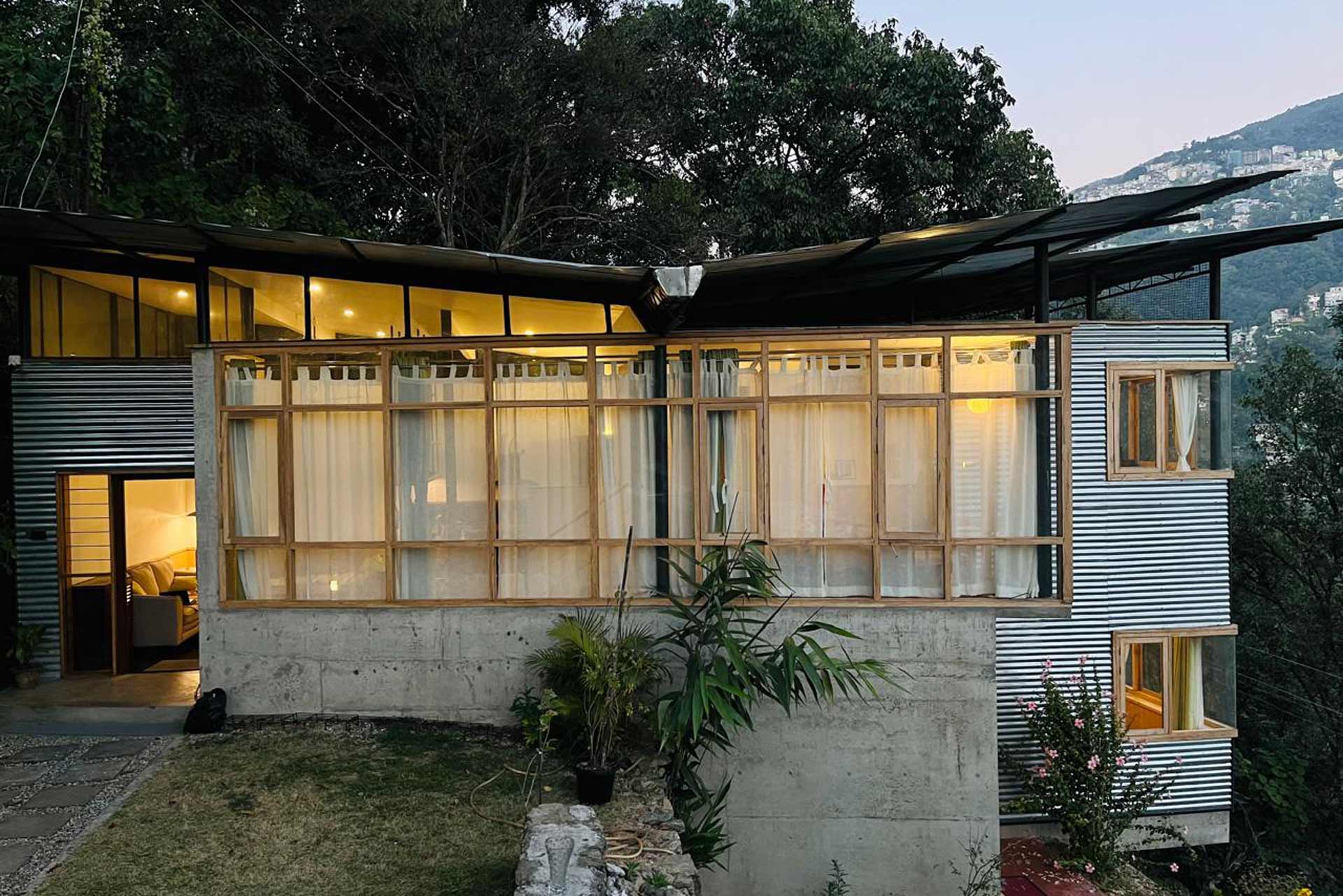
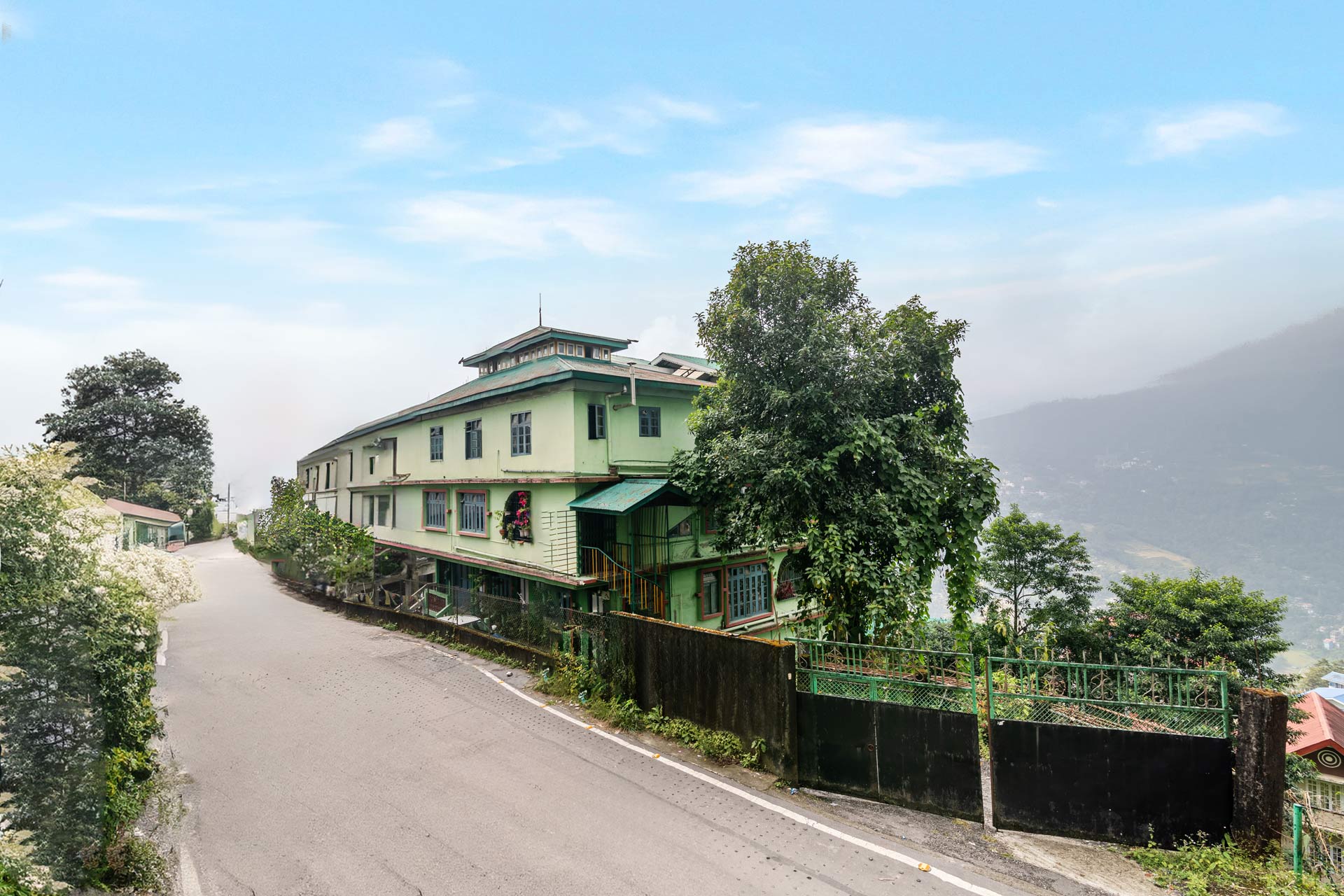
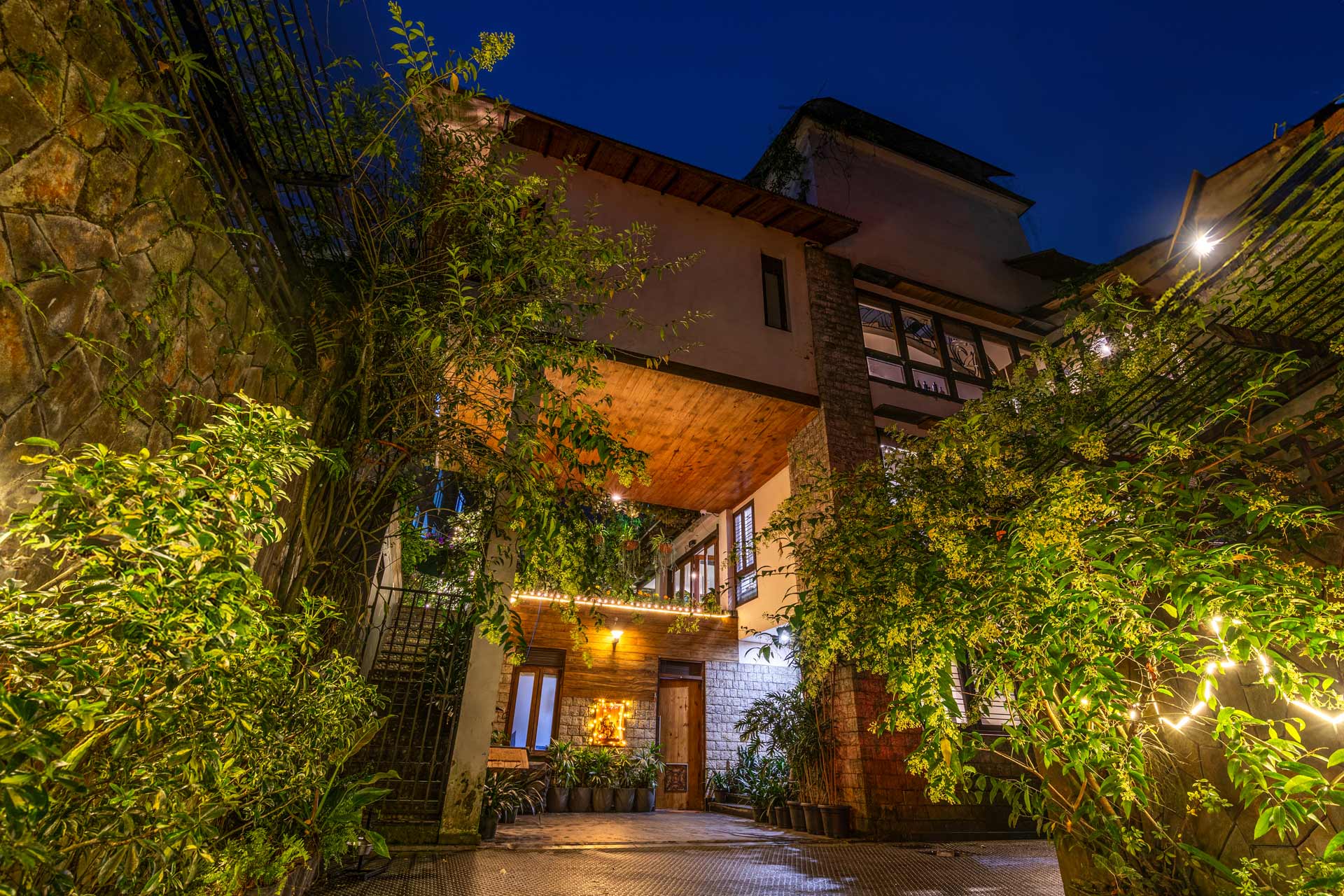
Gangtok serves as the primary base. Day trips during the festival period can include:
- Tsomgo Lake (Changu Lake): 38 km from Gangtok — migratory birds, spring wildflowers, and views of the Himalayas
- Khangchendzonga National Park (UNESCO World Heritage Site): accessible from North and West Sikkim
- Namchi: For the Namchi Mahotsav, if timing aligns with your visit
- Pelling: Western Sikkim, for mountain panoramas and monastery visits
Month-wise Timing Guide for Sikkim Festival
| Period | What to Expect | Best For |
| Early May (1–10) | Flower Festival begins, orchids at full bloom | Flower lovers, photographers |
| Mid-May (11–20) | State Day celebrations on May 16, cultural peak | Culture enthusiasts |
| Late May (21–31) | Saga Dawa (May 31) — Buddhist holy day | Spiritual travellers |
| Early June | Festival ends, pleasant weather continues | Budget-conscious off-peak visitors |
Shimla Summer Festival 2026: An In-Depth Look
When is Shimla Summer Festival?
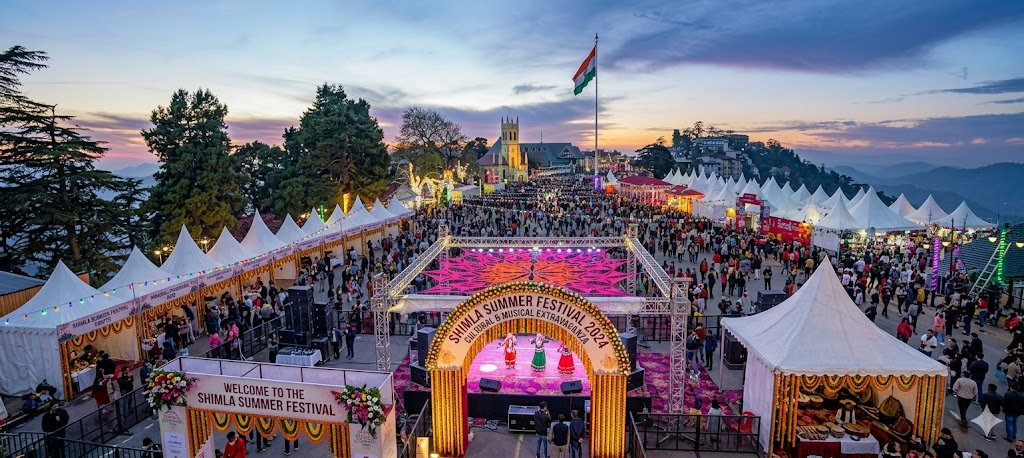
The Shimla Summer Festival 2026 takes place from June 8 to June 12 at the historic Ridge Maidan in Shimla, Himachal Pradesh. The 5-day event runs from roughly 11:00 AM to 10:00 PM daily, with most daytime exhibitions being free and general evening concerts accessible to the public. It is one of Himachal Pradesh’s most iconic annual events. First celebrated in 1960, it has grown into a major cultural showcase drawing thousands of visitors from across northern India. In 2026, the festival runs June 1–5 at The Ridge — the open promenade at the heart of Shimla, offering sweeping views of the surrounding snow-capped peaks.
The festival’s purpose is threefold: to welcome summer, celebrate Himachali folk culture, and promote domestic tourism. Its five-day format, free admission, and high-profile celebrity lineups have made it the go-to summer event for families and music lovers in the region.
Key Attractions at Shimla Summer Festival
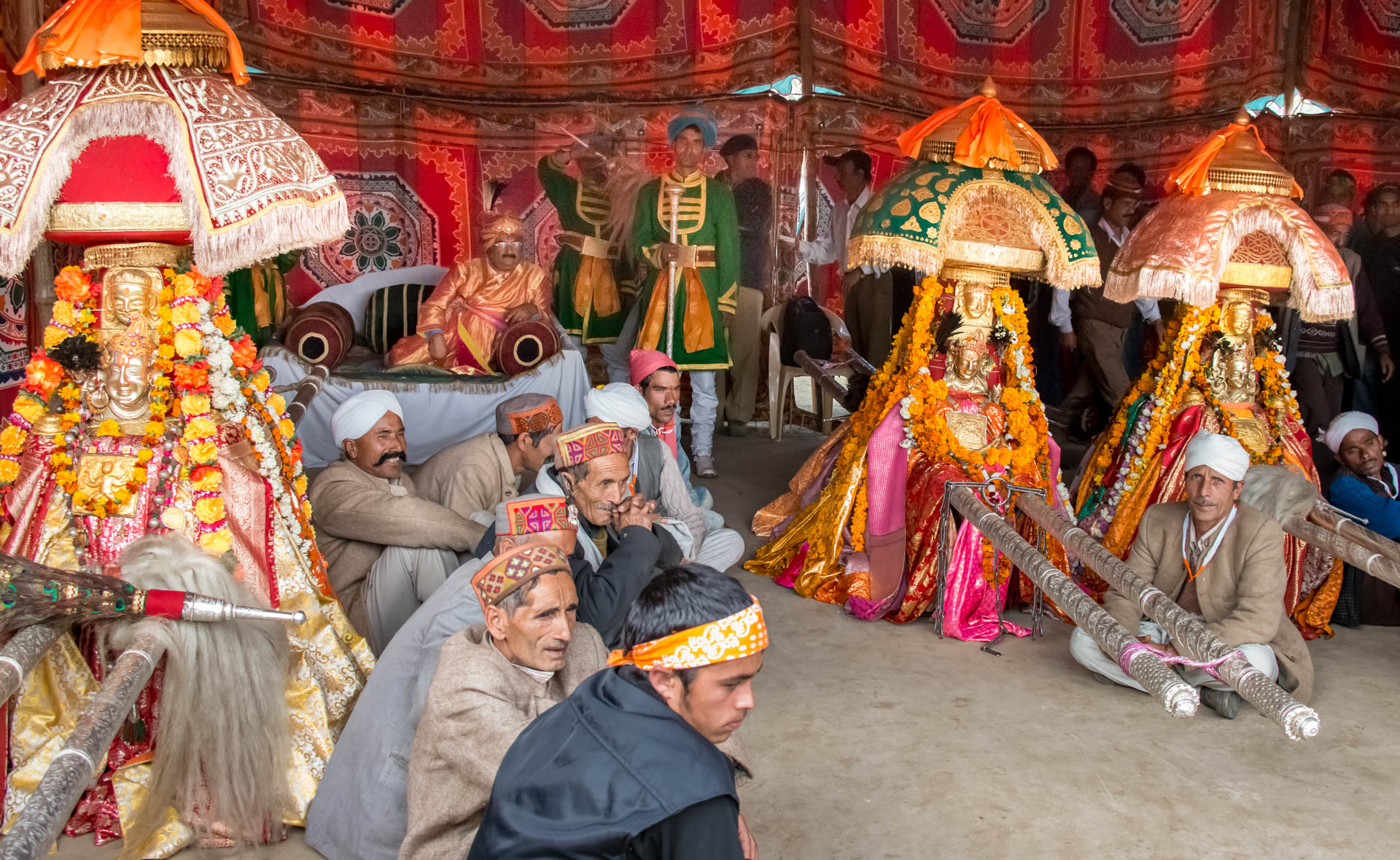
The 2026 edition builds on a strong tradition with several new additions to the programme.
- Live Music Performances: Celebrity artists including Gurdas Mann, Swaroop Khan, and Abhijeet Bhattacharya headline the 2026 edition
- Nati Dance Performances: The Himachali Nati — a traditional Pahadi group dance — is performed across evenings, sometimes drawing thousands of participants in spontaneous community dancing
- Handicraft Exhibition: Local Himachali crafts including wooden carvings, woollen shawls, Kullu cap weaving, and Kinnauri metalwork
- Himachali Food Festival: Traditional dishes including Dham, Madra, Chana Madra, Siddu, and Babru
- Fashion Shows: Local designers showcasing contemporary takes on Himachali traditional dress
- Photography Competition (2026): Landscape and festival moment categories, open to visitors
- Painting Competition (2026, new): Added for both children and adults
- Healthy Baby Competition: Family-friendly event drawing local participation
- Road Safety Awareness Drive (2026): Social awareness initiative integrated into festival programming
Cultural Depth: What Makes Shimla Unique

The Shimla Summer Festival is a rare intersection of colonial-era charm and living Himachali tribal culture. The Ridge itself — surrounded by Christ Church, the Gaiety Theatre, and colonial bungalows — provides an architectural backdrop unlike any other festival venue in India.
The Nati dance is not simply a performance but a genuine community ritual. Visitors are often invited to join, and it is not uncommon for hundreds of people — locals and tourists alike — to form circles and dance together on The Ridge at dusk. Past editions have seen legendary performers including historical appearances by artists of the stature of Mohd. Rafi and Lata Mangeshkar, giving the festival a deep cultural lineage.
Where to Stay and Explore Around Shimla

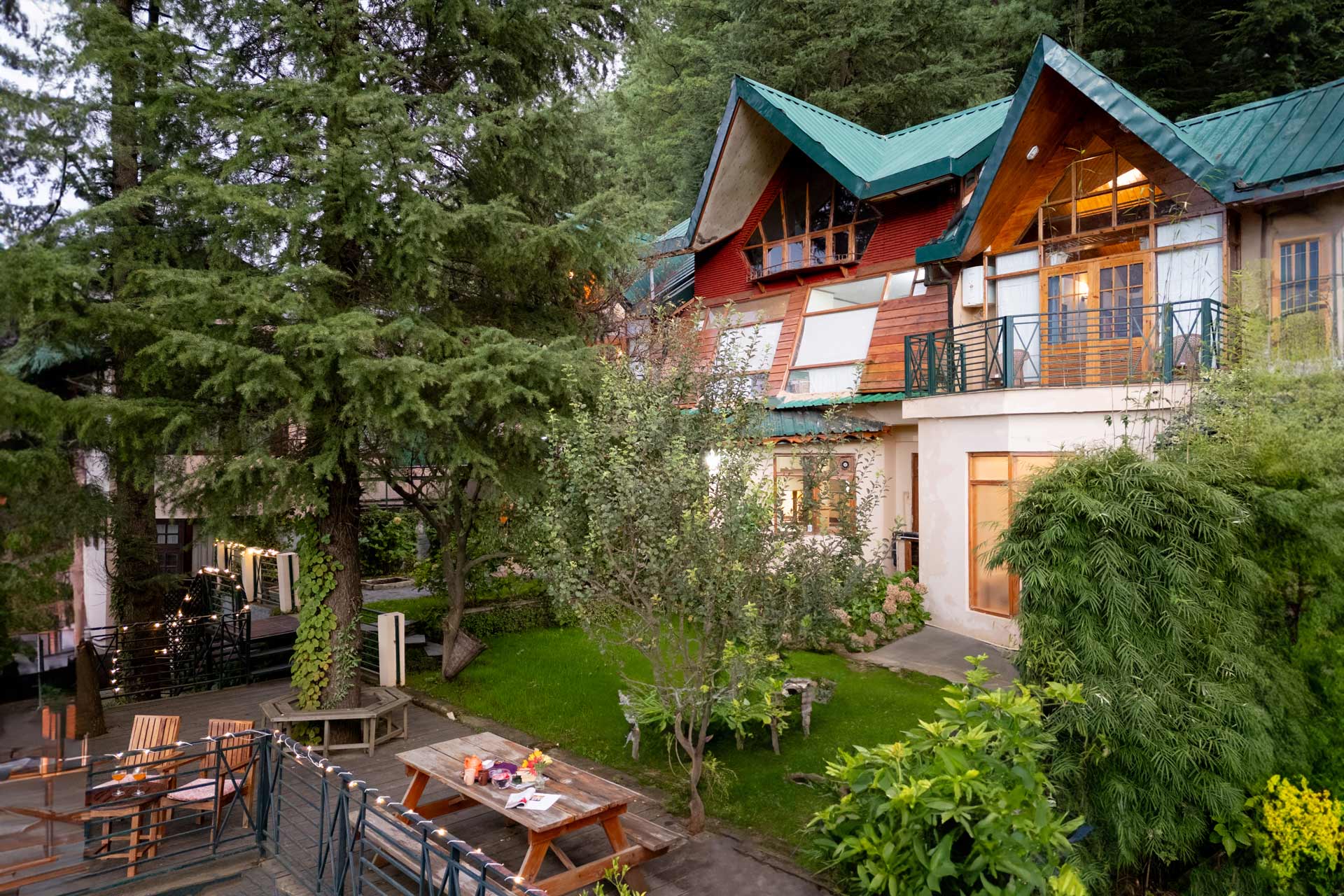
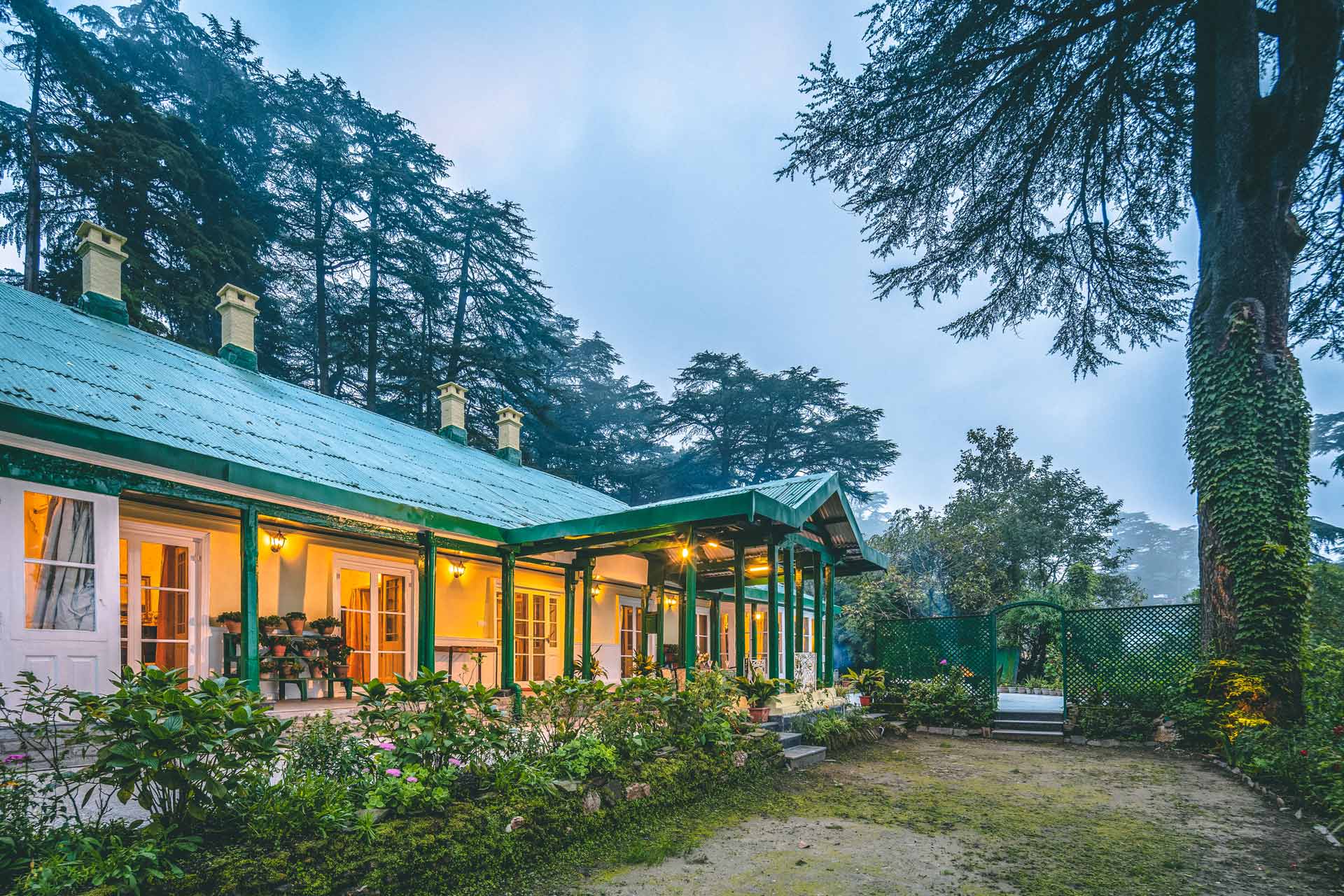
Shimla city is the obvious base, with The Ridge and Mall Road walkable from most hotels.
- Kufri: 20 km from Shimla — summer horse rides, Himalayan Wildlife Zoo, and mountain views
- Chail: 45 km from Shimla — historic palace, the world’s highest cricket ground, and dense cedar forest
- Jakhu Temple: 2.5 km from The Ridge — ancient Hanuman temple with views over Shimla
- Solan: 55 km — known as the Mushroom City, interesting for agricultural tourism
Continuing Your Trip After the Shimla Summer Festival
The festival ends on June 5, but Shimla and the surrounding Himachal valley remain beautiful well into June before the full monsoon sets in. If you have extra days, the following places and experiences are well worth extending your trip for.
Places to Visit in Shimla in June

- The Ridge and Scandal Point: The natural gathering point of Shimla — best explored on foot in the early morning when crowds are thin and Himalayan peaks are briefly visible. Christ Church, dating to 1857, is immediately adjacent.
- Mall Road: Shimla’s iconic pedestrian promenade lined with colonial buildings, bookshops, cafes, and handicraft stores — a window-shopping walk that takes 30–45 minutes end to end.
- Jakhu Temple and Forest: A 2.5 km walk from The Ridge leads to the ancient Hanuman temple at Jakhu Peak (2,455m). The surrounding deodar forest is peaceful, and the views over Shimla’s rooftops are exceptional.
- Kufri: 20 km from Shimla — June is excellent for horse riding across the high meadows. The Himalayan Wildlife Zoo here houses red pandas, snow leopards, and Tibetan wolves. Avoid if roads are wet after overnight rain.
- Chail: 45 km from Shimla through dense cedar and pine forest — home to the Chail Palace (now a heritage hotel), the Chail Wildlife Sanctuary, and the world’s highest cricket ground at 2,444 metres.
- Mashobra: 12 km from Shimla — a quiet orchard village largely overlooked by tourists. June sees apple trees in leaf, wild flowers, and a local weekly market worth visiting for Himachali produce.
- Narkanda: 65 km from Shimla — gateway to the Hatu Peak trek (3,400m). The apple orchards around Narkanda in June are in full blossom and largely tourist-free.
- Tattapani Hot Springs: 51 km from Shimla on the banks of the Sutlej River — natural sulphur hot springs, now complemented by a dam reservoir that’s popular for water sports.
Things to Do in Shimla in June

- Heritage Walk: Self-guided walking circuit from The Ridge to Gaiety Theatre, Gorton Castle, IGMC Hospital heritage building, and Longwood Estate — all colonial-era structures within 2 km.
- Trekking: The Shali Peak Trek (3,200m) and the Chur Chandni Ridge Trek near Narkanda are both accessible in June before the monsoon intensifies. Both offer panoramic views of the Dhauladhar and Greater Himalayan ranges.
- Mountain Biking: Hire bikes in Shimla and descend towards Kufri or Mashobra on forest roads with minimal traffic — a low-cost, high-reward way to explore the surrounding valleys.
- Camping: Several campsites near Chail and Mashobra offer tent accommodation from ₹1,500–₹3,000 per night — a dramatic contrast to Shimla’s crowded guesthouses and a genuinely peaceful experience.
- Himachali Cooking Class: Several homestays in and around Shimla now offer half-day cooking sessions focusing on Dham (the traditional feast cuisine), Chha Gosht, Madra, and local preserves — a practical cultural immersion.
- The Kalka–Shimla Toy Train: Even if you arrived by road or air, a segment journey on the UNESCO-listed narrow-gauge railway (built 1903) is an unmissable Shimla experience — the viaducts and tunnels through the hills are stunning.
Photography at Chadwick Falls: 7 km from Shimla through dense forest — the waterfall runs at full force in June and is one of the most photogenic spots in the region after the first rains.
Month-wise Timing Guide for Shimla Festival
| Period | What to Expect | Best For |
| Late May | Preparations begin, Shimla pleasant, pre-festival deals | Budget travellers planning ahead |
| June 1–5 | Main festival: live music, Nati, handicrafts, events | All visitor types — peak experience |
| June 6 onwards | Festival ends, Shimla remains beautiful through June | Extended hill-station holidays |
Which Festival Should You Choose? A Decision Guide by Traveller Type
There is no objectively better festival — the right choice depends entirely on what you want from your trip. The following framework maps traveller profiles to the most suitable destination.
| Traveller Type | Better Choice | Key Reason |
| Nature lovers & flower enthusiasts | Sikkim | 600+ orchids, Himalayan flora, blooming May landscape |
| Adventure seekers | Sikkim | Teesta rafting, Yak Safari, trekking, mountain terrain |
| Music & celebrity event fans | Shimla | Gurdas Mann, Swaroop Khan, Abhijeet Bhattacharya live |
| Families with young children | Shimla | Family-friendly events, free entry, safe promenade venue |
| Spiritual travellers | Sikkim | Saga Dawa (May 31), monastery rituals, Buddhist heritage |
| Budget-conscious travellers | Sikkim | Less commercialised, fewer crowds, lower peak-season pricing |
| Photographers | Both | Sikkim: flowers & mountains; Shimla: colonial + festival lights |
| First-time hill-station visitors | Shimla | Better connectivity, more famous destination, clear itinerary |
| Cultural immersion seekers | Shimla | Nati dance, Himachali food, colonial heritage, community events |
Weather and Crowd Comparison: May vs June in the Himalayas
Weather is a practical consideration that significantly affects festival experience.
| Factor | Sikkim (May) | Shimla (June 1–5) |
| Temperature Range | 10–25°C | 15–30°C |
| Rainfall | Light showers, mostly clear | Occasional pre-monsoon showers |
| Bloom Season | Peak — orchids, rhododendrons fully out | Moderate — some wildflowers |
| Crowd Level | Moderate — significantly less than Himachal | High — popular domestic destination |
| Hotel Rates | Moderate, manageable during festival | Peak season — book 6–8 weeks ahead |
| Road Conditions | Generally good; some mountain road caution | Well-maintained — NH connections |
How to Reach: Accessibility from Major Cities

Getting to Sikkim Summer Festival (Gangtok)
- By Air: Pakyong Airport (PYG) — 32 km from Gangtok, connected to Kolkata and Delhi
- By Train: New Jalpaiguri (NJP) — 124 km from Gangtok; regular trains from major cities
- By Road: Well-connected from Siliguri via NH10; shared taxis and buses available
- Travel Tip: Book permits (for restricted areas) in advance; Inner Line Permit required for some regions
Getting to Shimla Summer Festival
- By Air: Chandigarh Airport (IXC) — 115 km from Shimla, with onward taxi or bus
- By Train: Kalka-Shimla Toy Train (UNESCO World Heritage route) — scenic narrow gauge from Kalka
- By Road: 7–8 hours from Delhi via NH5; direct HRTC and private buses available
- Travel Tip: Book Ridge-adjacent accommodation early — festival week is heavily subscribed
Weather in Shimla in June

June in Shimla marks the transition into the pre-monsoon phase — warm, breezy days with occasional afternoon showers that keep the town refreshingly cool compared to the plains. During the festival week (June 1–5), conditions are typically at their most pleasant, with temperatures sitting between 15°C and 30°C. Rain, when it comes, is usually brief and light rather than sustained monsoon downpours, which arrive closer to late June or early July.
| Weather Factor | Details |
| Day Temperature | 20°C – 30°C |
| Night Temperature | 13°C – 18°C |
| Rainfall | Occasional pre-monsoon showers; 80–100mm avg. for June |
| Humidity | Moderate — 60–75% |
| Sunshine Hours | 5–6 hours per day on average |
| UV Index | High (8–10) — sunscreen recommended outdoors |
| Wind | Gentle Himalayan breeze; occasional gusts at The Ridge |
| Crowd Impact | Peak season — book accommodation 6–8 weeks in advance |
The Ridge is an exposed promenade at 2,200 metres above sea level. Wind chill can make evenings feel 4–6°C cooler than the recorded temperature, so a light jacket is essential even during the day. If showers arrive during festival performances, events typically continue — the open-air venue is accustomed to brief rain.
Pro Tip: Morning hours (7–10am) at The Ridge offer the clearest mountain views and cooler temperatures. Evening shows (post-6pm) can get breezy — carry a layer regardless of the daytime forecast.
Weather in Sikkim in June

June marks the beginning of the monsoon season in Sikkim, which transforms the landscape into a lush, intensely green version of itself. Temperatures in Gangtok range from 14°C to 24°C — comfortable by any measure — but rainfall increases significantly compared to May. The International Flower Festival runs through May, so by June the official festival period has ended, though Sikkim remains a compelling destination with waterfalls at full flow, rhododendrons fading to give way to other flora, and significantly fewer crowds than the festival month.
| Weather Factor | Details |
| Day Temperature | 18°C – 24°C (Gangtok); 10°C – 16°C (North Sikkim) |
| Night Temperature | 12°C – 16°C (Gangtok); 5°C – 10°C (higher altitudes) |
| Rainfall | Heavy monsoon; Gangtok receives ~600mm in June |
| Humidity | High — 80–90% |
| Sunshine Hours | 2–3 hours per day on average |
| Cloud Cover | Frequent mist and low cloud — views can be obscured |
| Road Conditions | Caution advised — landslides possible on mountain roads |
| Best Areas to Visit | Gangtok city, Rumtek, Pelling — avoid far North Sikkim routes |
Despite the rain, June travel in Sikkim has its own distinct appeal. Waterfalls like Banjhakri Falls and Seven Sisters Falls near Gangtok run at their most dramatic. The valleys below Pelling fill with mist each morning, creating a cinematic atmosphere. Tsomgo Lake at higher altitude is still accessible in June but expect occasional road closures after heavy overnight rain.
Weather Note: If you are extending your trip into Sikkim in June after the Shimla Summer Festival, pack full waterproofs (not just a light jacket), quick-dry clothing, and waterproof footwear. Most outdoor activities continue through light rain; heavier rain typically clears by mid-morning.
Festival Special Itineraries
5-Day Shimla Summer Festival Itinerary (June 1–5, 2026)
This itinerary is designed to maximise the festival experience while also covering Shimla’s key highlights. All festival events at The Ridge are free; only optional day-trips incur cost.
| Day | Morning | Afternoon | Evening |
| Day 1 (June 1) | Arrive Shimla, check in, walk Mall Road to settle in | Explore The Ridge, Christ Church, Scandal Point | Opening ceremony at The Ridge — live music begins; Nati dance performances |
| Day 2 (June 2) | Jakhu Temple trek (early, before heat builds) | Gaiety Theatre heritage tour + Himachali Food Festival stalls | Celebrity live performance at The Ridge — Gurdas Mann / Swaroop Khan headline |
| Day 3 (June 3) | Day trip to Kufri — horse riding, Himalayan Wildlife Zoo | Return to Shimla — handicraft exhibition and shopping | Photography competition results + fashion show at festival venue |
| Day 4 (June 4) | Day trip to Chail — palace, highest cricket ground, wildlife sanctuary | Return via Mashobra — roadside apple orchards and tea stop | Nati dance community participation + Abhijeet Bhattacharya performance |
| Day 5 (June 5) | Kalka–Shimla Toy Train short segment (Shimla to Shoghi and back) | Chadwick Falls walk (7 km round trip through forest) | Closing ceremony at The Ridge — grand finale performance and fireworks |
Accommodation Tip: Book Ridge-facing guesthouses or hotels on Cart Road for walking access to all festival events. HPTDC Holliday Home and Hotel Combermere are reliable mid-budget options, but book 6–8 weeks ahead for June 1–5 availability.
7-Day Sikkim Summer Festival Itinerary (Best Timing: May 14–20, 2026)
This itinerary centres on the State Day celebrations (May 16) and the International Flower Festival peak, combining festival events with Gangtok’s top day trips. For Saga Dawa travellers, simply shift the dates to May 27–31.
| Day | Morning | Afternoon | Evening |
| Day 1 (Arrive) | Arrive Gangtok via NJP or Pakyong; check in | Orientation walk: MG Marg, Lal Bazaar market | Welcome dinner — try momos, thukpa, and chhang at a local restaurant |
| Day 2 | International Flower Festival at White Hall — orchids, rhododendrons, gladioli exhibition | Yak Safari on Gangtok outskirts (book day before) | Sikkimese cultural performances — folk dance and traditional music |
| Day 3 | Rumtek Monastery visit (24 km; hire cab) | Handicraft market — thangkas, bamboo crafts, hand-woven textiles | Gangtok evening cable car ride; MG Marg food walk |
| Day 4 (State Day, May 16) | State Day parade and official celebrations in Gangtok | Flower Festival revisit — fresh exhibits, children’s events, local stalls | Cultural gala — Mask dances, Bhutia and Lepcha folk performances |
| Day 5 | Tsomgo Lake day trip (38 km; inner permit at checkpoint) | Return via Baba Mandir — sacred shrine with Himalayan views | Teesta River rafting (evening session, 2–3 hours) |
| Day 6 | Day trip to Phodong and Labrang monasteries (north of Gangtok) | Village walk near Singtam — organic cardamom farm visit | Sunset from Tashi Viewpoint — Khangchendzonga panorama |
| Day 7 (Depart) | Final Flower Festival visit or Enchey Monastery morning prayers | Departure for NJP or Pakyong — allow 3–4 hours travel time | — |
Permit Note: Inner Line Permits for Tsomgo Lake and certain restricted zones are issued at Sikkim Tourism offices in Gangtok (near MG Marg). Carry 2 passport-size photos and a government ID. Processing takes 30–60 minutes and is free of charge.
Packing List: Doing Both Festivals (Sikkim May + Shimla June)
If you’re planning to experience both the vibrant festivities of Sikkim in May and the cultural celebrations of Shimla in early June, pack smart with versatile essentials that work across both destinations. A lightweight waterproof shell and a warm fleece or compact down jacket will keep you comfortable through misty mountain mornings, cool evenings, and occasional showers. Waterproof walking shoes are ideal for navigating Gangtok’s steep lanes as well as Shimla’s heritage streets, while SPF 50+ sunscreen and UV-protection sunglasses are a must at higher altitudes. Carry a fully charged power bank, a reusable tote for local market finds, and a small crossbody bag for hands-free festival hopping. Keep a valid photo ID, a few passport-size photos, basic medicines, and some cash handy, as smaller vendors and certain permits may still require them despite widespread digital payments.
FAQs
The Sikkim Summer Festival 2026 runs from May 1 to May 31. The International Flower Festival is the centrepiece event, held at White Hall in Gangtok. Saga Dawa falls on May 31, making it the most spiritually significant day
The Shimla Summer Festival 2026 is held from June 1 to June 5 at The Ridge in Shimla, Himachal Pradesh. The event is free to attend and runs for five days with live performances and cultural events.
The Shimla Summer Festival is better suited to families with young children. It offers dedicated family events including a Healthy Baby Competition, painting competitions, and a safe, flat venue at The Ridge — all with free entry.
Sikkim is considerably less crowded than Shimla during May–June. Himachal Pradesh sees heavier domestic tourist volumes during summer, while Sikkim attracts a more curated visitor profile, making it a preferable choice for those seeking a quieter experience.
The International Flower Festival is the headline attraction, featuring over 600 orchid varieties along with rhododendrons, gladioli, and ferns. The Yak Safari and Teesta River rafting are the top adventure draws alongside the floral exhibitions.
Yes, the Shimla Summer Festival has completely free entry. All events at The Ridge — including live music performances, Nati dance shows, handicraft exhibitions, and family competitions — are open to the public at no charge.
Yes. Teesta River white-water rafting is a key adventure offering during the Sikkim Summer Festival. The Teesta flows through the lower Himalayan region near Gangtok and offers rafting suitable for both beginners and experienced rafters.
The Shimla Summer Festival 2026 features celebrity artists including Gurdas Mann, Swaroop Khan, and Abhijeet Bhattacharya. The Sikkim Summer Festival focuses on traditional Sikkimese folk artists and Buddhist cultural performers rather than Bollywood celebrities.
Saga Dawa is the holiest day in the Tibetan Buddhist calendar, commemorating the birth, enlightenment, and passing of Lord Buddha. In 2026 it falls on May 31, coinciding with the final day of the Sikkim Summer Festival and adding a significant spiritual dimension to the event.
Both festivals have free entry. Sikkim tends to be more budget-friendly overall due to lower commercial pressure and fewer crowds. Shimla during June 1–5 is peak season, pushing hotel rates up. Flights to Pakyong (Sikkim) or NJP plus taxi may be comparable to Chandigarh connections to Shimla.
Conclusion: Which Summer Festival Should You Book in 2026?

Both festivals are worth experiencing — but they serve distinct purposes.
Choose the Sikkim Summer Festival if you want a month-long immersion in Himalayan nature, rare floral biodiversity, authentic multi-ethnic culture, spiritual depth through Saga Dawa, and a quieter, less commercialised hill-station atmosphere. The International Flower Festival alone — with 600+ orchids in full bloom — is one of the most visually striking events in northeastern India.
Choose the Shimla Summer Festival if you want a concentrated five-day cultural celebration with high-profile live music, community folk dancing, and family-friendly programming at one of India’s most iconic hill-station venues. The Ridge setting, colonial architecture, and the communal energy of the Nati dance at dusk make it a deeply memorable Indian summer experience.
For travellers who can extend their trip, a combined itinerary — Sikkim in May followed by Shimla in early June — offers the best of both Himalayan festival worlds.