

Vagamon in Monsoon: 8 Things to Do, Meadows & Paragliding Status (2026 Guide)
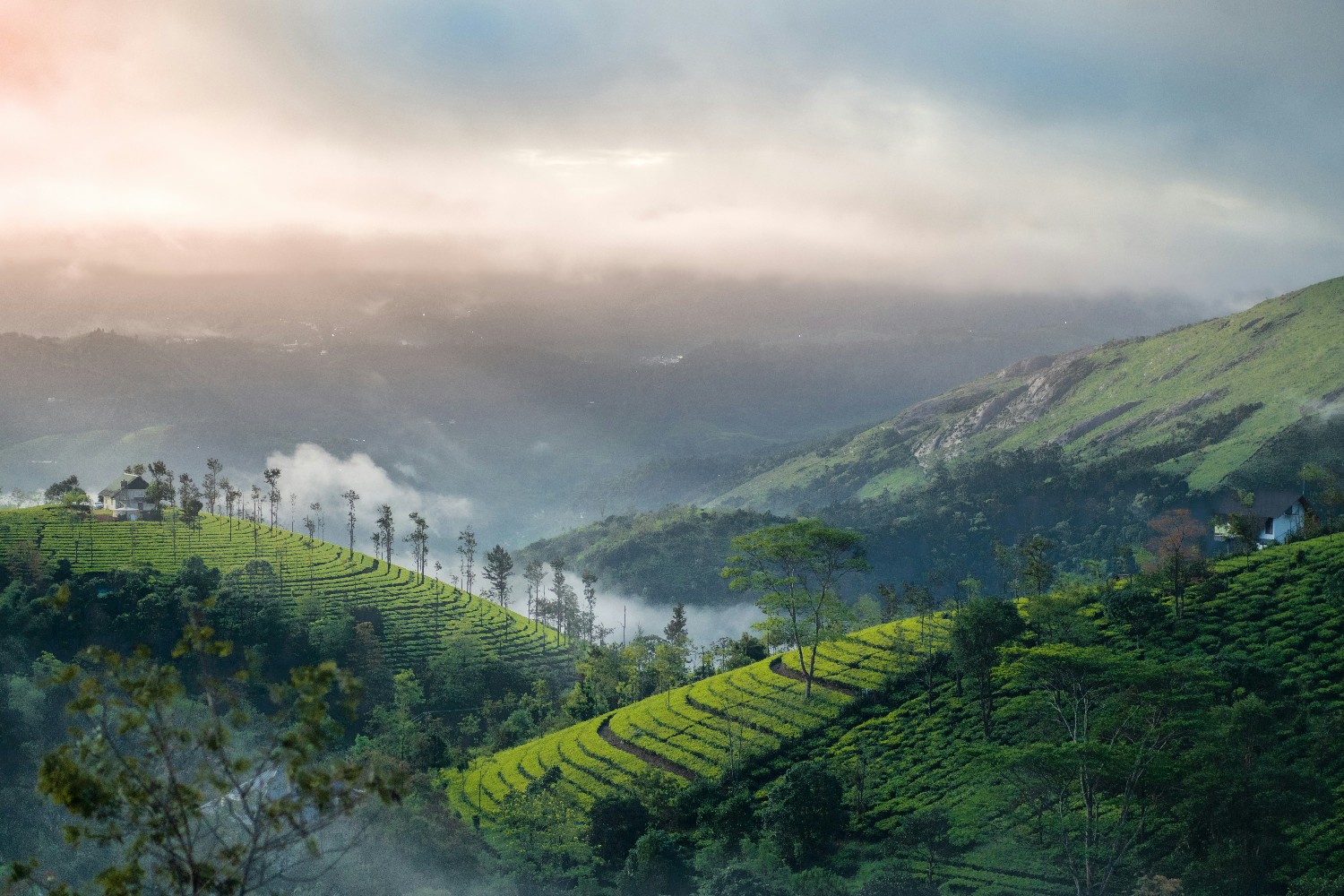
Vagamon in monsoon transforms into a rain-washed emerald postcard — rolling green meadows, mist-covered pine forests and gushing waterfalls beneath a moody Kerala sky. Between June and September, the best experiences include misty meadow walks, pine-forest strolls, the Kurisumala pilgrimage climb, tea-garden drives and rain-side bonfire nights. Paragliding, however, is officially suspended during peak monsoon due to unstable winds and low visibility, resuming only around mid-October.
In this Blog
Quick Info Table
| Detail | Info |
| Best time to visit | June–September (monsoon), then October–February (post-monsoon clarity) |
| Monsoon rainfall | ~2,800–3,200 mm across June–September |
| Daytime temperature (monsoon) | 17°C to 23°C |
| How to reach from Kochi | ~100 km, 3 hours via NH-85 / Erattupetta |
| Nearest airport | Cochin International Airport (COK), ~92 km |
| Nearest railway station | Kottayam Railway Station, ~64 km |
| Ideal duration | 2 nights / 3 days |
| Paragliding in monsoon | Suspended (June–September); resumes mid-October |
Vagamon, a compact hill station tucked into the Idukki district of Kerala, sits at roughly 1,100 metres above sea level. During the southwest monsoon, this quiet plateau of meadows, pine forests and tea gardens receives some of the highest rainfall in central Kerala. If you enjoy overcast light, cool 18–22°C afternoons and drama in the sky, planning Vagamon in monsoon is one of the most rewarding decisions a Kerala traveller can make.
At StayVista, we’ve hosted hundreds of guests across our Vagamon and wider Idukki homestays through the rainy season, and this guide brings together what we’ve learned about the meadows, paragliding availability, road conditions and the eight most rewarding things to do in Vagamon Kerala during the rains.
Why Visit Vagamon in Monsoon?
Between June and September, Vagamon receives long, steady spells of rain that turn the meadows a saturated emerald green and set every stream and waterfall into full flow. Unlike the crowded post-monsoon window, Vagamon in monsoon stays refreshingly quiet — tariffs soften, cafes have space to sit, and pine forest walks feel almost private. For travellers seeking solitude, low-cost stays and dramatic Kerala landscapes, this is the season.
Vagamon in Kerala’s Idukki district receives roughly 2,800–3,200 mm of rain between June and September, making its monsoon window ideal for meadow walks, tea-garden drives and pine-forest treks — though paragliding is suspended until winds stabilise in mid-October.
Vagamon in July: What to Expect
Vagamon in July sits at the peak of the southwest monsoon. Daily rainfall averages 350–500 mm across the month, temperatures hover between 17°C and 23°C, and mornings often begin with mist so thick that visibility drops below 20 metres. Roads remain motorable but slower than usual, and landslide advisories are occasionally issued on the Erattupetta–Vagamon stretch. If you’re planning Vagamon in monsoon specifically for July, pack waterproofs, quick-dry clothing and non-slip footwear, and keep your itinerary flexible for weather changes.
8 Things to Do in Vagamon in Monsoon
The following eight experiences are the ones we consistently recommend to StayVista guests spending Vagamon in monsoon on the plateau. Each one has been chosen because it is either enhanced by the rain or safely doable when conditions allow. Among the many places to visit in Vagamon, these are the ones that reward rainy-season travellers the most.
1. Vagamon Meadows Walk

Vagamon’s rolling meadows are the single reason most travellers make the trip — and in the peak monsoon months, they look their absolute best. The undulating grasslands sweep across three low hills, dotted with drifting cattle, and each fresh spell of rain gives every blade a deeper emerald hue. Early mornings between 6:30 and 8:30 AM offer the clearest windows before mist settles in.
- Best time to visit: Right after a rain break — light is soft, greens glow
- How to reach: 2–3 km from Vagamon town centre; autos charge ₹150–₹200 return
- Time required: 1.5 to 2 hours
- Ideal for: Couples, photographers, families with older kids
- Pro tip: Wear ankle-high shoes — the grass hides small rocks and cow-dung patches. Carry a plastic sheet to sit; the ground stays damp all through the monsoon.
2. Vagamon Pine Forest

A short drive from the meadows, the man-planted pine forest is one of the most photographed attractions in Vagamon. Rows of tall pines filter the monsoon light into misty golden shafts, and the forest floor stays springy with fallen needles. Locals affectionately call this stretch “Little Ooty” for the resemblance.
- Best time to visit: Post-lunch (2:00–4:00 PM) when mist thins briefly
- How to reach: 3 km from Vagamon town on the Elappara road
- Time required: 45 minutes to 1 hour
- Ideal for: Photographers, couples, solo travellers
- Pro tip: The paved main path can get slippery — take the mud trail on the right for better grip and tree cover.
3. Kurisumala Trek & Viewpoint

Kurisumala, meaning “Cross Mountain,” is a gentle 3-km uphill walk lined with 14 Stations of the Cross, culminating in a viewpoint that opens across the entire Vagamon valley. In monsoon, the trail is often shrouded in cloud, and reaching the summit can feel like stepping into another world. This is easily one of the most spiritually charged tourist places Vagamon offers.
- Best time to visit: Between rain spells; a dry-morning window gives the clearest view
- How to reach: Trail base is 6 km from Vagamon town; shared taxis available
- Time required: 2 to 3 hours round trip
- Ideal for: Fit adults, spiritual travellers, solo hikers
- Pro tip: Do not attempt during heavy rain — the stone steps get dangerously slick. Walking sticks are sold at shops near the base for ₹100.
4. Vagamon Lake
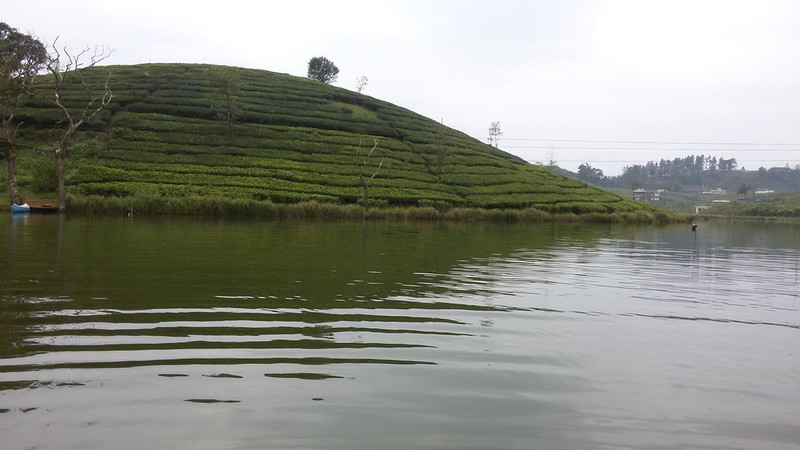
The small artificial lake at the edge of town becomes noticeably fuller during monsoon, and pedal-boating (when weather permits) offers a peaceful hour on the water. Among the quieter places to see in Vagamon, the lake is especially pleasing in the early-morning fog.
- Best time to visit: Between 8:00 AM and 10:00 AM before winds pick up
- How to reach: 500 m from Vagamon bus stand — walkable
- Time required: 1 hour
- Ideal for: Families with children, couples
- Pro tip: Boating is often suspended during heavy showers — call ahead through your homestay host to check.
5. Marmala Waterfalls Day Trip

Marmala Waterfalls, a 55-metre single-drop cascade near Erattupetta, roars to life during the southwest monsoon. The half-day trip from Vagamon takes you through rubber plantations and small villages, ending in a short walk down to the falls.
- Best time to visit: Late morning (10:00 AM – 12:00 PM) for best light on the water
- How to reach: 26 km from Vagamon; 45 minutes by car via Teekoy
- Time required: Half day including travel
- Ideal for: Families, photographers, adventure lovers
- Pro tip: The descent has 200+ uneven steps that get very slippery — wear proper hiking shoes and consider hiring a local guide (₹200) if travelling with elderly relatives.
6. Tea Garden Drive Through Elappara

The tea estates that fringe Vagamon toward Elappara and Peermade are among the most scenic drives in central Kerala. During the monsoon, mist rolls between the tea bushes, and workers plucking leaves in colourful rain gear add moments worth stopping for. This drive is one of the most restful things to do in Vagamon Kerala during the rains.
- Best time to visit: Any dry break; avoid dusk when visibility drops
- How to reach: Start from Vagamon town; the tea estate belt begins around 8 km on the Elappara road
- Time required: 3 to 4 hours (with photo stops)
- Ideal for: Couples, photographers, road-trip travellers
- Pro tip: Fuel up in Vagamon town — the next reliable pump is 30+ km ahead. Some estates welcome walk-in visitors for a small tip to the estate manager (₹100–₹200).
7. Thangalpara & Barren Hills

Thangalpara, a Sufi shrine set on a rocky outcrop, and the surrounding barren hills are lesser-known places to visit in Vagamon but wonderfully atmospheric in the monsoon. The winds are stronger here, clouds move fast, and the rocky terrain contrasts beautifully against the surrounding green.
- Best time to visit: Late afternoon (3:00 PM – 5:00 PM) for dramatic cloud light
- How to reach: 4 km from Vagamon town, en route to Elappara
- Time required: 1 hour
- Ideal for: Solo travellers, spiritual seekers, photographers
- Pro tip: The wind here can knock caps and phones off the edge — secure loose items and use a phone strap for photos.
8. Bonfire, Barbecue & Homestay Nights
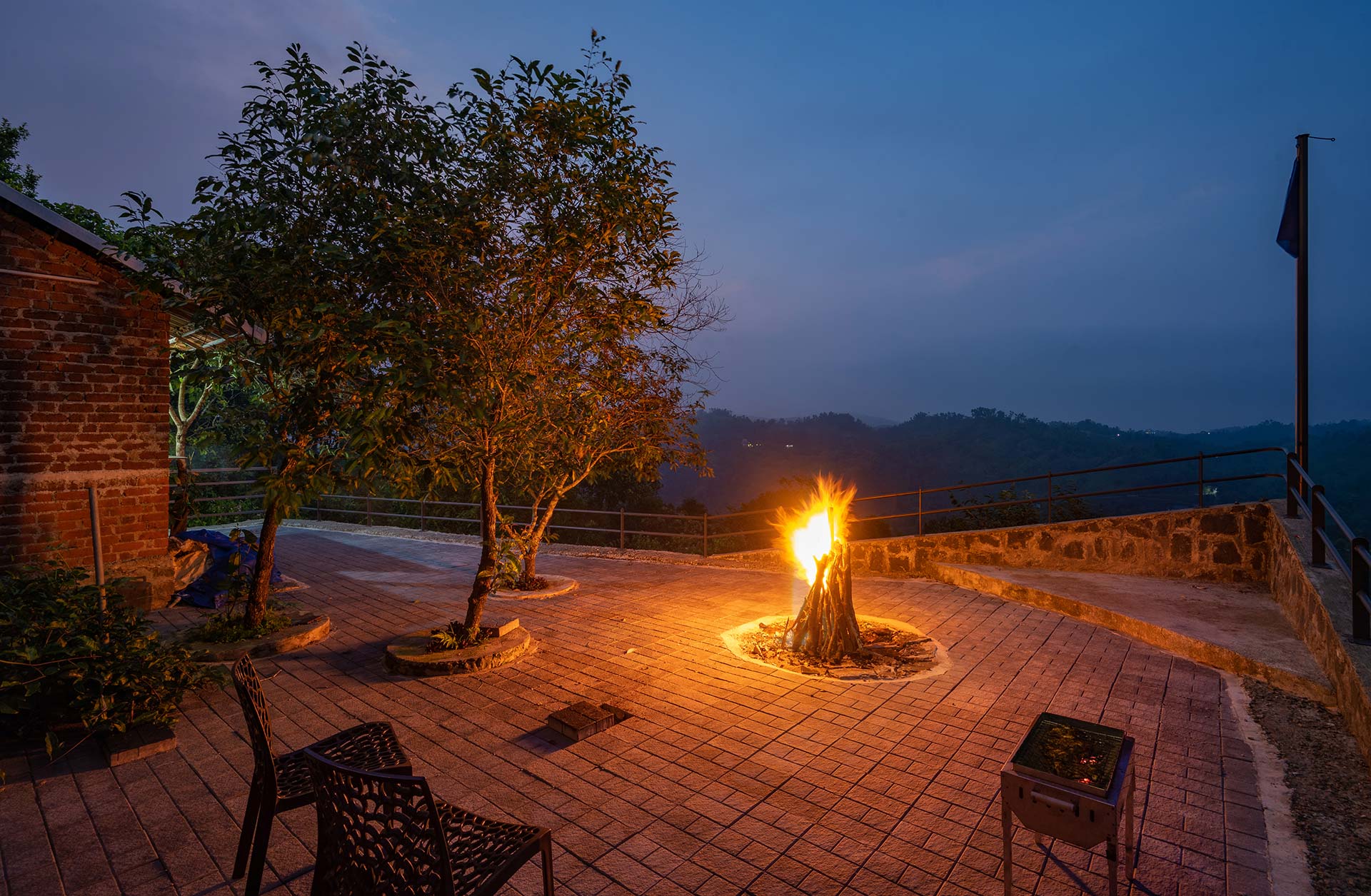
While pitched-tent camping is restricted during heavy rain, several homestays and StayVista properties around Vagamon set up covered bonfire areas, barbecue nights and stargazing decks (weather permitting). This is one of the most memorable experiences of a rainy-season Vagamon stay — a warm fire crackling, wet green outside, and the soft drum of rain on the roof.
- Best time to visit: Second night of your stay, after the day’s activity settles
- How to reach: Arranged directly with your homestay host
- Time required: 2 to 3 hours
- Ideal for: Groups of friends, couples, families
- Pro tip: Confirm bonfire availability at booking — heavy rain days occasionally force a cancellation. Ask for local Kerala pork or beef fry as the accompaniment; it’s a hill-country classic.
Paragliding Status in Vagamon Monsoon (2026)

Paragliding in Vagamon is officially suspended during the southwest monsoon (June to September) due to unstable, gusty winds and low cloud ceilings; operations typically resume around mid-October and run through May, with the best flying conditions between December and March.
The Kerala Adventure Tourism Promotion Society and licensed operators around the Vagamon plateau follow strict weather protocols. During the southwest monsoon months, winds routinely exceed the 15-knot safety threshold and visibility drops below the minimum required for tandem flights. As a result:
- June to September: no commercial paragliding flights operate
- October (first two weeks): operators test conditions but flights remain unreliable
- Mid-October to late May: full paragliding season, weather permitting on the day
- Vagamon International Paragliding Festival: typically held in early February (dates confirmed year to year)
If paragliding is your primary reason to visit, plan for late October onwards. If you’re already in Vagamon during the monsoon, ask your host about zip-lining and ATV rides, which sometimes continue on drier afternoons.
Vagamon Meadows in Monsoon: What Makes Them Special
The Vagamon meadows are what you see on every postcard of the region — vast open grasslands rolling over three hills locally called Kurisumala, Murugan Mala and Thangal Mala. During Vagamon in monsoon, these meadows shift character in specific ways:
- Colour: the grass turns a deeper, wetter emerald than any other time of year
- Light: overcast skies mean soft, even light throughout the day — flattering for portraits and landscape photography
- Wildlife: more frogs, dragonflies and small hill birds are active
- Terrain: the soil holds water; puddles form in shallow depressions
- Visitors: fewer tourists compared to December–January, which means quieter walks
A short list of rules to remember at the meadows during the rains: do not lie down on the grass (leeches are active), do not feed the cattle, avoid flying drones during rain (moisture damages motors, and local flying restrictions apply during monsoon), and always carry back your waste.
Weather, Rainfall & Road Conditions in Vagamon Monsoon

Vagamon receives roughly 2,800–3,200 mm of rain over the southwest monsoon, with the heaviest spells in June and July. Daytime temperatures stay pleasant at 17°C to 23°C. Roads to and from Vagamon — especially the Erattupetta–Vagamon stretch — remain motorable but can slow to 30 km/h in heavy rain.
Quotable snapshot: Vagamon in monsoon typically records daytime temperatures between 17°C and 23°C, rainfall of 2,800–3,200 mm across June to September, and occasional landslide advisories on the Erattupetta approach road — travellers should build 1–2 flexible hours into any day trip.
How to Reach Vagamon in Monsoon
The most reliable approach to the plateau in the rainy season is via Kottayam and Erattupetta, avoiding the smaller Elappara ghat roads which can flood.
- From Kochi (Cochin International Airport): 100 km via NH-85 and Erattupetta; 3 hours by car
- From Kottayam Railway Station: 64 km via Erattupetta; 2 to 2.5 hours
- From Munnar: 88 km via Kuttikkanam; 3 hours in dry weather, longer in heavy rain
- From Thiruvananthapuram: 220 km; 5.5 to 6 hours via MC Road
- Public transport: KSRTC buses run from Kottayam and Ernakulam to Vagamon; frequency drops on very rainy days
Landslide advisories are announced by the Idukki district administration and posted at Erattupetta Police Station — a quick call to your homestay host on the morning of your drive is the best real-time check.
2-Day Itinerary for Vagamon in Monsoon
Day 1
- 7:00 AM: Arrival breakfast at your StayVista homestay
- 8:30 AM: Vagamon Meadows walk
- 11:00 AM: Vagamon Pine Forest
- 1:30 PM: Kerala lunch (try beef ularthiyathu with parotta)
- 3:30 PM: Vagamon Lake pedal boat (weather permitting)
- 6:30 PM: Bonfire and homestay dinner
Day 2
- 7:30 AM: Kurisumala trek (weather permitting)
- 11:30 AM: Thangalpara & Barren Hills viewpoint
- 1:00 PM: Lunch at a tea-estate cafe
- 2:30 PM: Marmala Waterfalls day trip (or Elappara tea drive as alternative)
- 6:00 PM: Return and departure
This itinerary is deliberately paced with buffer time — a helpful hedge against sudden rain, which we’ve learned from years of hosting travellers through the rainy season.
Where to Stay: StayVista Homestay in Vagamon
Ozone Greens

Practical Tips for Travelling in the Rains
- Packing: waterproof jacket (not a poncho — winds are too strong), quick-dry pants, spare footwear, plastic pouches for phones and passports
- Money: ATMs are limited in Vagamon town; carry ₹10,000 in cash for two travellers
- Connectivity: Airtel and Jio work in town; signal gets patchy at meadow edges and viewpoints
- Medical: the nearest well-equipped hospital is in Erattupetta (18 km) — carry basic medicines
- Leech precaution: rub salt or apply anti-leech oil (locally sold for ₹80) on ankles before treks
- Photography: bring silica-gel packets to keep camera bags dry between shoots
Vagamon in Monsoon vs. Post-Monsoon: Which to Choose?
| Factor | Vagamon in Monsoon (Jun–Sep) | Post-Monsoon (Oct–Feb) |
| Greenery | At its peak, emerald green | Still lush, drying slightly |
| Rainfall | 2,800–3,200 mm | Light showers only |
| Paragliding | Suspended | Fully operational |
| Crowds | Low, quiet | High, especially December |
| Homestay rates | 25–40% lower | Peak rates |
| Best for | Solitude, photography, quiet | Adventure, family holidays |
If your priority is paragliding or a busy, festive holiday, pick October to February. If you want the greenest meadows, the emptiest cafes and the most reflective Kerala hill experience — the rainy months are unmatched.
Nearby Attractions Worth a Detour
If you’re extending your trip, several nearby attractions in Vagamon’s wider region are open through the monsoon (with adjusted timings):
- Peermade (16 km): cardamom and rubber plantations, misty viewpoints
- Kuttikkanam (26 km): Amrita Giri, more forested and slightly cooler
- Thekkady & Periyar Wildlife Sanctuary (74 km): boat rides continue in monsoon, subject to water levels
- Munnar (88 km): tea museums, Kundala Lake, higher altitude
Final Thoughts on Vagamon in Monsoon
Choosing Vagamon in monsoon over the busier winter months is a decision most travellers don’t regret. The meadows are their most vivid, the pine forests are their most cinematic, homestay rates are their most reasonable, and the crowds are their most manageable. The trade-off is real — paragliding is off the menu and some day trips need weather flexibility — but for anyone who values atmosphere and quiet, these trade-offs are small.
If you’re planning your first rainy-season trip to the plateau, build in a two-night stay, keep your itinerary loose, choose a homestay with covered indoor and outdoor spaces, and bring a book for the rainy hours. And if you’re returning to Kerala for the specific pleasure of misty meadows and empty roads, this compact hill station in Idukki is one of the surest ways to find both. Book a StayVista homestay in Vagamon and let our on-ground team help you plan the drives, treks and bonfire nights around the day’s weather.
FAQs
Yes. The meadows and pine forests are at their greenest between June and September, homestay rates are lower and crowds are minimal. The main trade-off is that paragliding operations are suspended during the rainy months.
Paragliding in Vagamon is officially suspended from June through September due to unstable monsoon winds and low visibility. Commercial flights resume around mid-October, with peak conditions from December to March.
Vagamon receives approximately 2,800–3,200 mm of rain over the southwest monsoon (June to September), with July recording the highest daily averages of 350–500 mm.
Yes, the meadows remain open and accessible. The ground stays wet and short but heavy showers are frequent, so aim for early morning or late afternoon between rain breaks and wear grip-soled shoes.
The Kottayam–Erattupetta–Vagamon route is generally safe, but landslides can affect smaller ghat roads. Check with your homestay host on the morning of travel, avoid night driving and keep buffer time in your schedule.
Pack a proper waterproof jacket (not a poncho), quick-dry clothing, non-slip footwear, plastic pouches for electronics, anti-leech oil for treks and warm layers for cool 15–18°C evenings.
The meadows, pine forest, Vagamon Lake, Kurisumala viewpoint, Thangalpara, Marmala Waterfalls and the Elappara tea-garden drive are the most rewarding places to visit in Vagamon during the monsoon months.
Yes. Vagamon is 100 km and about 3 hours from Kochi, making it a practical weekend getaway. Two nights and three days is the ideal duration to cover the main attractions in Vagamon at a relaxed pace during the rainy season.