
Where to Travel in India in Monsoon: 24 Best Places by Region
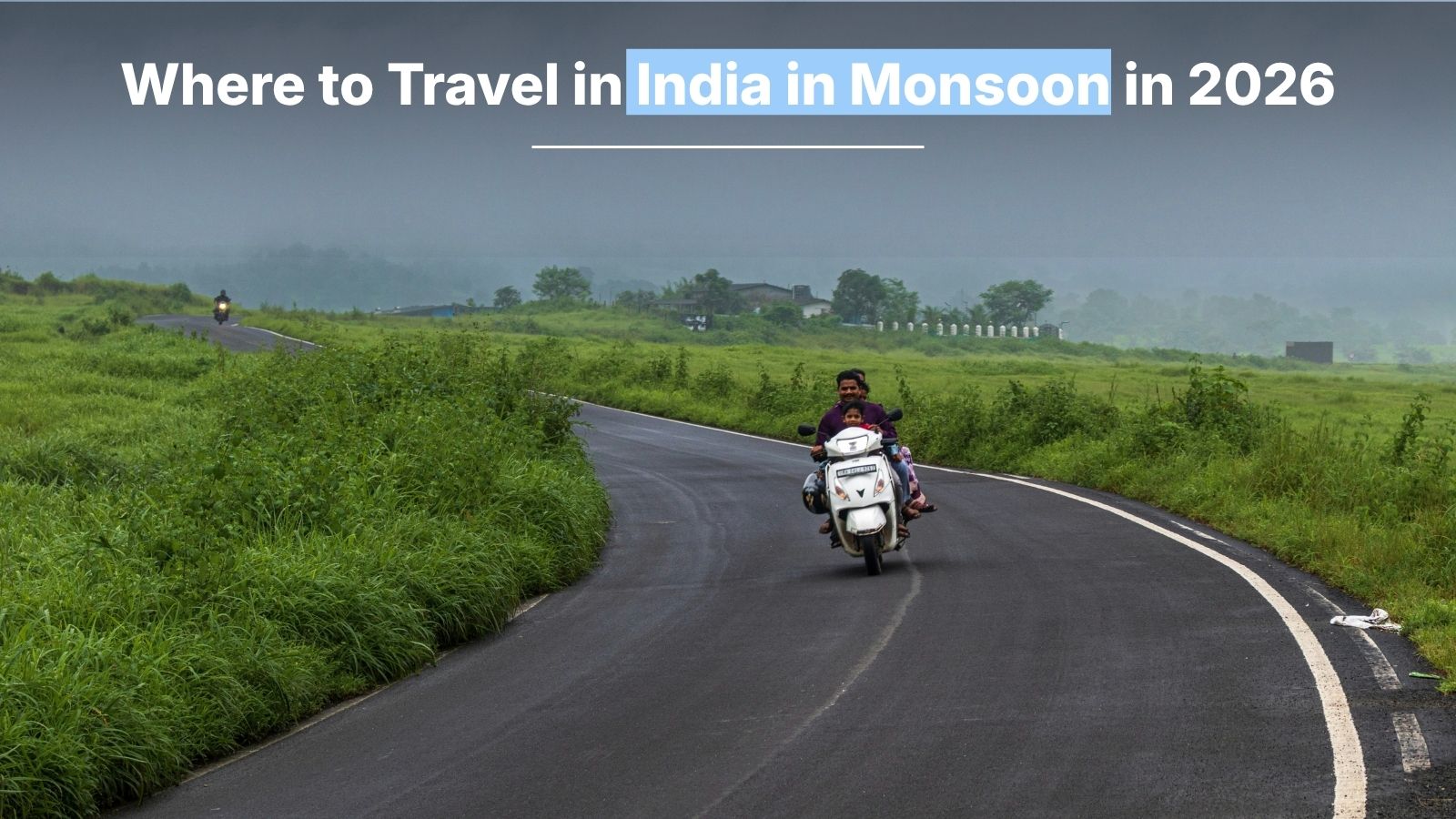
India in the monsoon is not one trip, it is four. Go to Ladakh and Spiti for sunshine and almost no rain. Go to the Western Ghats (Lonavala, Coorg, Munnar) for waterfalls and mist. Go to Cherrapunji and Mawsynram to stand inside some of the heaviest rainfall on Earth. Go to off-season Goa or Gokarna for empty, cheaper coast. The southwest monsoon runs roughly June to September, and the right pick depends on how much rain you want.
Choosing where to travel in India in monsoon is really a choice about how wet you want to get. The high cold deserts of Ladakh and Spiti sit in the Himalayan rain-shadow and stay largely dry. Meghalaya sits at the other extreme. In between, the Western Ghats become a wall of waterfalls, Rajasthan’s lakes fill up, and the beaches of Goa and Gokarna are almost empty. This guide sorts 24 places by region and rain level, and tells you what is closed, risky, or not worth the trip. Where StayVista has a home in or near a place, we name it, so you can plan the base as well as the route.
Travelling in a specific month? See the best places to visit in July. Want as little rain as possible? Read our rain-free July and August escapes.
Travelling specifically next month? We’ve split out a dedicated, ranked guide to the best places to visit in July. Want as little rain as possible? See our rain-free July & August escapes. This page is the full-season picture.
In this Blog
1. How the Indian monsoon works, and when to go where
The southwest monsoon normally reaches Kerala in the first week of June, covers most of the country by early July, and starts withdrawing from the northwest in September. By mid-October it has left most of India. Three things decide your trip:
- The Western Ghats and the Northeast get the most rain. The Ghats force the wet winds upward; the Khasi Hills in Meghalaya funnel them.
- The trans-Himalaya gets almost none. Ladakh and Spiti sit behind the high ranges, so the clouds do not reach them.
- Tamil Nadu and Pondicherry run on a different clock. They get the heavier north-east monsoon from about October to December, so they are drier than the Ghats in June to September.
If you are reading this in October, the southwest monsoon has just withdrawn. The Western Ghats, Coorg, Munnar and Meghalaya are at their greenest right now, with full waterfalls and far less cloud than in July. If you are planning for next June, book hill stays four to six weeks out, and leave Himalayan road trips until close to departure.
2. Monsoon destinations in India, compared
| Destination | Region | Best window | Rain level | Ideal for | Watch out for |
|---|---|---|---|---|---|
| Leh-Ladakh | Trans-Himalaya | Jun-Sep | Very dry | Road trips, bikers | Approach roads can close |
| Spiti Valley | Trans-Himalaya (HP) | Jun-Sep | Very dry | Offbeat road trips | Landslides on the Kaza route |
| Valley of Flowers | Garhwal (UK) | Mid-Jul to mid-Aug | Moderate | Trekkers | Day-trek only; permit needed |
| Shoja and Jalori Pass | Himachal | Jun-Sep | Moderate | Quiet hill stays | Narrow hill roads |
| Lonavala | Maharashtra Ghats | Jul-Aug | Heavy | Mumbai and Pune weekends | Waterfall-spot bans |
| Mahabaleshwar | Maharashtra Ghats | Jul-Aug | Heavy | Couples, viewpoints | Dense fog, slow roads |
| Matheran | Maharashtra Ghats | Jun-Sep | Heavy | Car-free walks | Toy train usually suspended |
| Alibaug | Konkan coast | Jun-Sep | Heavy | Villa weekends | Rough sea, tide-bound fort |
| Coorg | Karnataka Ghats | Jul-Sep | Heavy | Coffee estates | Leeches, ghat roads |
| Chikmagalur | Karnataka Ghats | Jul-Sep | Heavy | Plantation stays | Slippery treks in August |
| Agumbe | Karnataka Ghats | Jul-Aug | Extreme | Rain lovers | Sunset point often clouded out |
| Munnar | Kerala Ghats | Jun-Sep | Heavy | Tea estates | Ghat driving in downpours |
| Wayanad | Kerala Ghats | Jun-Sep | Heavy | Estate stays | Landslide-prone; sites restricted |
| Kodaikanal | Tamil Nadu Ghats | Jun-Sep | Moderate-heavy | Lakes, walks | Thick fog |
| Cherrapunji (Sohra) | Meghalaya | Jun-Aug | Extreme | Root bridges, falls | Slippery trails |
| Mawsynram | Meghalaya | Jun-Aug | Extreme | Rain-chasers | Few tourist facilities |
| Udaipur | Rajasthan | Jul-Sep | Light-moderate | Lakes, palaces | Humidity in July |
| Mount Abu | Rajasthan | Jul-Sep | Moderate | Green Rajasthan break | Weekend crowds |
| Orchha | Madhya Pradesh | Jul-Sep | Light-moderate | Heritage, river views | Humid |
| Mandu | Madhya Pradesh | Jul-Sep | Moderate | Ruins and lakes | Few places to eat |
| Jog Falls | Karnataka Ghats | Jul-Sep | Heavy | Waterfall lovers | Base descent restricted at peak flow |
| South Goa | Konkan coast | Jun-Sep | Heavy | Empty beaches, low prices | Sea swimming red-flagged |
| Gokarna | Karnataka coast | Jun-Sep | Heavy | Quiet budget coast | Rough sea |
| Pondicherry | Coromandel coast | Jun-Sep | Light | Cafes, French Quarter | Heavier rain Oct-Dec |
3. The rain-shadow Himalaya: where it barely rains
The cleverest monsoon move in India is to go where the monsoon cannot. The high passes of the trans-Himalaya block the rain clouds and leave cold deserts that stay dry while the plains flood. The catch is the roads in, which cross monsoon-hit terrain and can close at short notice. Always check live road status before leaving, and keep a buffer day.
Leh–Ladakh

Ladakh is a high-altitude cold desert, so July and August bring clear skies over Pangong Lake, Nubra Valley and the monasteries while much of India is soaked. The risk is the approach: the Manali-Leh and Srinagar-Leh highways cross rain-affected stretches.
Time needed: 7 to 10 days from Delhi by road, 4 to 5 days if you fly in.
Ideal for: road-trippers and first-time high-altitude travellers.
Pro tip: flying into Leh avoids road closures, and you should give yourself two full days to acclimatise before going higher.
Spiti Valley

Spiti is a rain-shadow cold desert, dry and stark while the rest of the north is green. The risk sits on the roads: the Manali-Kaza route opens seasonally, and the Shimla-Kinnaur route took heavy damage in the 2025 monsoon, so single-lane stretches and delays are normal.
Time needed: 5 to 7 days.
Best window: July to September.
Ideal for: offbeat road trips.
Pro tip: check the Lahaul-Spiti district road-status page the day before you commit to the through-route.
Valley of Flowers

This is one of the few places that is best because of the monsoon. The Uttarakhand national park normally opens in early June and closes on 31 October, and the alpine bloom, including Brahma Kamal and the Himalayan blue poppy, peaks from mid-July to mid-August. It is a day trek only, with no overnight stays inside; trekkers base at Ghangaria, a trek of about 13 km from Govindghat. A permit is required, and you can arrange it online through the Uttarakhand Forest Department.
Ideal for: fit trekkers and flower photographers.
Pro tip: start before 8 am; afternoon cloud and showers arrive early.
Shoja & Jalori Pass

A quiet Himachal alternative in the Banjar-Tirthan belt, with pine and deodar forest, a short walk to Serolsar Lake from Jalori Pass, and far fewer crowds than Manali. It gets moderate rain, so it is green rather than dry, and the roads are gentler than the Spiti approach, though still narrow in places.
Distance: about 3 to 4 hours from Kullu.
Time needed: 2 to 3 days.
Ideal for: slow, quiet stays, couples and writers.
Pro tip: do the Serolsar Lake walk in the morning, before the cloud closes in.
Stay in Tirthan Valley: Tirthan is the usual base for the Jalori Pass and Serolsar Lake day trip. Wisteria Whispers is a Kath-kuni-style home with mountain and river views, orchards, a lawn and a bonfire pit, and sleeps 8 to 12. For a smaller group, Liora at Breezy Banks is a riverside home with two units and a gazebo, sleeps 4 to 6, and welcomes pets.
4. The Western Ghats, Maharashtra: waterfalls within a weekend
For anyone in Mumbai or Pune, the Sahyadris are the classic monsoon trip: hundreds of seasonal waterfalls, fort silhouettes in the clouds, and a drive of about two to three hours. The honest caveat is safety. Several popular spots are under prohibitory orders in the rains. For the full Maharashtra set, read our 20 best places to visit in Maharashtra in monsoon.
Lonavala
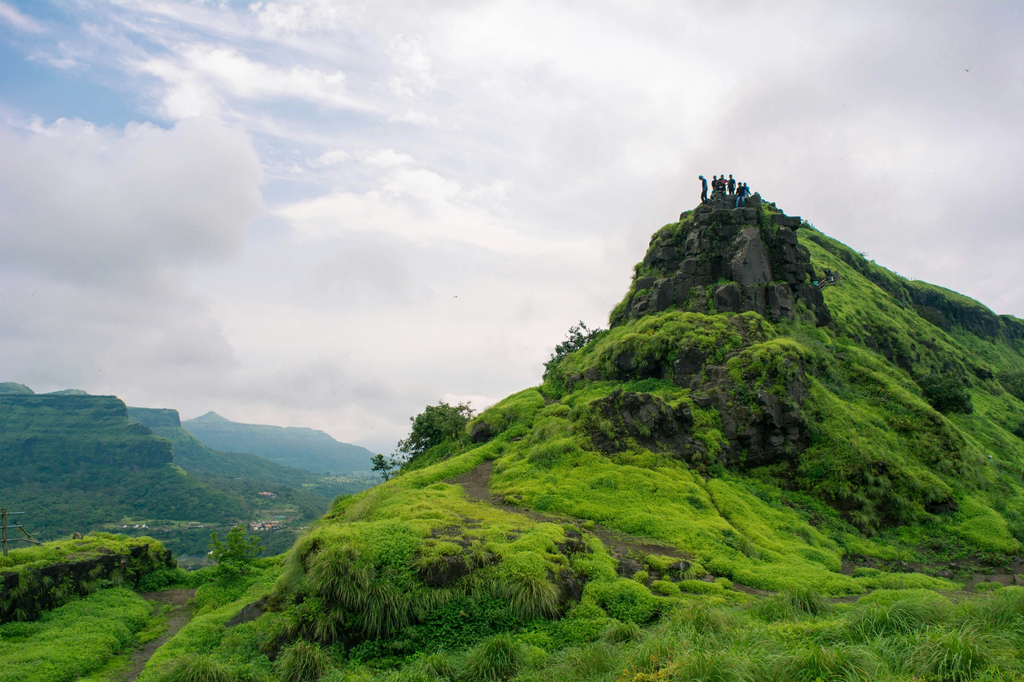
Lonavala is the default monsoon weekend for Mumbai and Pune, about 85 km from Pune and 95 km from Mumbai. In July, the Sahyadris are streaked with temporary waterfalls, and Tiger Point is the classic place to watch clouds drift past at eye level. Bhushi Dam is the busiest spot and is often restricted in heavy rain, so the quieter viewpoints and the Karla and Bhaja caves make for a better day. The Rajmachi trek is moderate and takes most of a day.
Ideal for: couples, friends, and families with older children.
Pro tip: go on a weekday; Saturday traffic on the old highway can double the drive time.
Stay near Lonavala: Gram’s at Shivom, Pawna has 12 private rooms, four pools, lawns and lake access, and sleeps 24 to 36, so it suits a large group or a family reunion more than a couple.
Mahabaleshwar

Mahabaleshwar typically gets well over 1,000 mm of rain in July alone, so expect thick fog, slow roads and dramatic valleys rather than clear views. Arthur’s Seat is famous for its updraft, which can push light objects back up from the valley below. Strawberry season runs in winter, so in the monsoon, visit Mapro Garden for the products rather than the picking.
Distance: about 120 km from Pune, 3 to 4 hours.
Time needed: 2 days.
Ideal for: couples and fog lovers.
Stay near Mahabaleshwar: the Emperor Suite with a private pool and jacuzzi at Vee Resort is a secluded hillside suite with valley views, made for two.
Matheran

Asia’s only automobile-free hill station is about 80 km from Mumbai. You walk the red-earth trails between viewpoints and Charlotte Lake in the mist. The Neral-Matheran toy train is usually suspended during the monsoon for safety, so you drive to Dasturi Naka and continue on foot, by horse or by hand-rickshaw.
Time needed: a full day or one night.
Ideal for: families and slow walkers.
Pro tip: carry some cash; there are few ATMs, and UPI can be patchy.
Alibaug

Alibaug is the easiest coastal monsoon escape from Mumbai, with a ferry of about an hour from the Gateway of India to Mandwa. Swimming is not advised, but watching storm clouds roll in off the Arabian Sea from a balcony is the reason to come. Kolaba Fort can be walked to at low tide; check tide tables first, because the water rises fast.
Ideal for: couples and small groups who want a stay-in trip.
Pro tip: book a room with a covered sit-out and plan for indoor days.
Stay near Alibaug: Sol Suite at Luma is 350 metres from Mandwa Jetty, with Bali-style cottages, a shared pool and a lawn with a gazebo, so the ferry is a short ride away.
Also near Karjat
If you want a quieter Sahyadri base between Mumbai and Pune, Karjat works. Meadow Suite Room 1 at Ever Falls has individual cottages with a private pool, a jacuzzi and a lawn, and welcomes pets.
5. The Western Ghats, South: coffee country in the clouds
Karnataka, Kerala and the Tamil Nadu hills get the full force of the southwest monsoon: dripping plantations, roaring waterfalls and lower room rates. The trade-offs are slow roads, leeches in undergrowth and slippery trails. Bangalore is the natural base; see our monsoon getaways near Bangalore.
Coorg (Kodagu)

Often called the Scotland of India, Coorg is one of the best-value monsoon destinations in the country. The coffee estates smell earthy after every downpour, and waterfalls that barely show in summer, like Abbey Falls and Iruppu Falls, become thick curtains of white water. Kodava cuisine, such as pandi curry with akki roti, suits cold, wet evenings.
Distance: about 250 km from Bangalore, 5 to 6 hours.
Time needed: 2 to 3 days.
Pro tip: carry leech socks for estate walks, and check whether Dubare Elephant Camp is accessible, since monsoon access is often limited.
Stay in Coorg: Mudra Tattva sits on the bank of a lake, with a small plunge pool and jacuzzi, a lawn, and breakfast included. It sleeps 4 to 6 and welcomes pets.
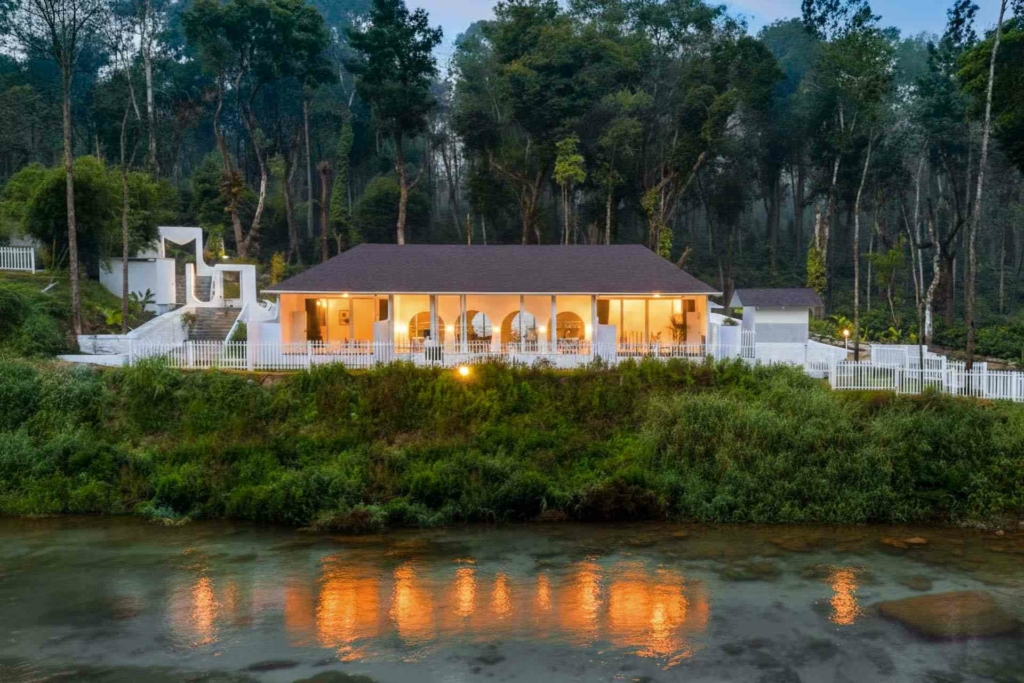
Chikmagalur

Coorg’s quieter neighbour, with Mullayanagiri (Karnataka’s highest peak), coffee homestays and Hebbe Falls. The sweet spot is early July and September; peak-August downpours make the treks slippery and leech-heavy.
Distance: about 245 km from Bangalore.
Time needed: 2 days. Ideal for: plantation stays and mist-lovers.
Pro tip: do Mullayanagiri at sunrise, and ask your host whether the trail is open that week.
Stay in Chikmagalur: Cicada is a hilltop farmhouse set in a coffee estate, with a lawn, a BBQ grill and breakfast included. It sleeps 4 to 8 and welcomes pets.
Agumbe

If you actively love rain, Agumbe is the pick. It averages about 7,620 mm a year and is nicknamed the Cherrapunji of the South. July alone can bring over 2,600 mm. Manage expectations: the famous sunset point is often completely clouded out, and the reward is rainforest drama rather than a clear horizon.
Time needed: a day trip or one night.
Best window: July and August.
Pro tip: carry a rain cover for cameras, and expect patchy phone signal.
Munnar

Munnar’s tea estates turn a deep saturated green in the rains, and temperatures stay cool, roughly 12 to 22 degrees C. The Attukal Waterfalls and Nyayamakad Falls are at their strongest, and the tea museum is a dry refuge from afternoon downpours. Check whether Eravikulam National Park is open on your dates.
Distance: about 130 km from Kochi, 4 to 5 hours.
Pro tip: avoid driving the ghat in a heavy downpour; leave early so you arrive in daylight.
Stay in Munnar: Monte Crest Homestay is a hillside homestay with mountain views and four rooms, and sleeps 8 to 16, which makes it a good fit for a family or friends’ trip.
Wayanad

Wayanad is a forested Kerala hill district of waterfalls, spice and coffee estates, and caves, and it is also a landslide-prone area. After the July 2024 landslides, the Mundakkai-Chooralmala zone was placed under tight restrictions. Several popular activities, including bamboo rafting, the Chembra Peak trek, and Edakkal Caves, are commonly restricted or closed in heavy rain.
Best use of the monsoon: a stay in an estate or cottage, with short drives and indoor days.
Time needed: 2 to 3 days.
Pro tip: ask your host for the district’s current rain-alert status before you travel, and always follow district advisories.
Stay in Wayanad: The Sattva Grove is two private cottages with a plunge pool, a lawn, and views of Chembra Peak, and sleeps 4 to 6.
Kodaikanal

Known as the Princess of Hill Stations, Kodaikanal sits at about 2,133 m and is wrapped in fog for much of the day. The star-shaped lake is the centrepiece, and the walk around it, roughly 5 km, is pleasant in drizzle. Coaker’s Walk gives valley views in brief gaps in the fog. It gets lighter rain than the south-west-facing Ghats.
Time needed: 2 days.
Ideal for: couples and families.
Pro tip: keep a sweater handy; evenings drop to the low teens.
Stay in Kodaikanal: Sunny Woodlands is a forest-view home with six rooms, a lawn, a private jacuzzi and a fireplace, and it sleeps 12 to 16.
6. The wettest Northeast: rain at its most extreme
Meghalaya is where you go to experience the monsoon rather than dodge it. Come prepared to get wet, and plan for transport delays.
Cherrapunji (Sohra) & Mawsynram

Cherrapunji recorded 26,461 mm in 1860-61, the highest annual rainfall on record, and in June and July it regularly gets well over 1,000 mm a month. Mawsynram, nearby, averages about 11,872 mm a year and is generally cited as the wettest inhabited place on Earth. Nohkalikai Falls (340 m) is India’s tallest plunge waterfall and runs at full force. The living root bridges, rubber-fig roots trained across streams over generations, can be crossed in the rain, but the steps and trails are slippery, so go slowly and wear grip shoes.
Double Decker Root Bridge: about 3,500 steps each way from Tyrna, 4 to 6 hours round trip; hire a local guide.
Distance: about 55 km from Shillong, 1.5 to 2 hours.
Best: June to July for peak drama; September if you want slightly easier trekking.
Ideal for: adventurers and photographers.
7. Heritage in the rains: lighter showers, fuller lakes
Not everyone wants to be soaked. These plains and Aravalli destinations get lighter, intermittent rain that turns brown landscapes green and fills the lakes.
Udaipur

Udaipur gets moderate July rain that fills Lake Pichola and Fateh Sagar, and the white marble palaces stand out against dark skies. The Monsoon Palace (Sajjangarh) sits on a hill to watch the approaching rains and is best on a cloud-clearing evening.
Time needed: 2 to 3 days.
Ideal for: couples, families and heritage travellers.
Pro tip: book a sunset boat on Lake Pichola for after a shower, when the light is soft.
Stay in Udaipur: Vanya Kutir is a quiet hillside home with a private jacuzzi, terraces and balconies with hill views, and a home theatre. It sleeps 4 to 6 and welcomes pets.
Mount Abu

Rajasthan’s only hill station sits at about 1,220 m in the Aravallis and offers a cool green break from the plains. Nakki Lake looks glassy after rain, and the 11th-century Dilwara Jain temples are best seen when crowds are lighter than in summer.
Distance: about 165 km from Udaipur, 3 to 4 hours.
Ideal for: families and pilgrims.
Pro tip: go on a weekday to avoid Gujarat weekend crowds.
Orchha

Orchha’s 16th-17th century Bundela palaces and temples, including Raja Mahal, Jahangir Mahal and Ram Raja Temple, darken and turn richly textured when wet. The Betwa River swells, and the old bridges look their best. Orchha is on India’s UNESCO tentative list, not yet a World Heritage Site, and one of India’s quieter heritage towns, even in peak season.
Distance: about 20 km from Jhansi (the nearest station), 3 to 4 hours from Gwalior.
Time needed: 1 to 2 days.
Pro tip: carry an umbrella rather than a poncho; you will be in and out of the palaces.
Mandu

Mandu is a ruined fort city on a Malwa plateau, known for its Afghan-era architecture. In July, the water around the Jahaz Mahal (Ship Palace) rises so the building seems to float between its two lakes, and the plateau turns green. The story of Baz Bahadur and Rani Roopmati is told at their pavilions overlooking the Narmada valley.
Distance: about 100 km from Indore, 2.5 to 3 hours.
Time needed: 1 to 2 days.
Pro tip: food options are limited, so carry water and snacks.
6. Waterfalls & the off-season coast
The monsoon is the only time some waterfalls run at full force, and the only time you will have the beaches of Goa nearly to yourself. The rule on the coast: the rain is the draw, the sea is not.
Jog Falls

Jog Falls is India’s second-tallest plunge waterfall (253 m) and the most season-dependent attraction in the country. In summer you see thin trickles; from July to September, the Sharavathi drops in four streams, Raja, Roarer, Rocket and Dame Blanche, and the spray soaks the viewing platform.
Distance: about 100 km from Shimoga, 2.5 hours.
Time needed: half a day.
Pro tip: go early; cloud and mist build by noon. Base descents are often restricted at peak flow, so rely on the viewpoint platform.
South Goa (off-season)

Monsoon Goa is lush, dramatic and cheap, with empty beaches and plenty of waterfalls. Lifeguard services typically red-flag swimming from June to September, and water sports stop. Dudhsagar Falls are at their fullest, but jeep access to the base is normally suspended in the monsoon. So pivot to spice plantations, Old Goa’s churches, and the hinterland. Plan it with our Goa in monsoon guide.
Pro tip: pick a stay with a covered deck so rainy afternoons are part of the trip.
Stay in South Goa: Kensho Villa, Colva has four rooms, a shared pool, a jacuzzi, a gazebo, and a BBQ grill, and sleeps 8.
Gokarna

Quieter and cheaper than Goa, with temple-town calm and beaches to yourself. Like Goa, the sea is rough, and swimming and water sports are unsafe in the monsoon; come for the green and the solitude.
Distance: about 480 km from Bangalore, about 140 km from Panaji.
Time needed: 2 days.
Ideal for: solo travellers and slow-trippers.
Pro tip: the Om-to-Kudle beach walk can be slippery and rocky when wet; check with locals before setting off.
Pondicherry

Pondicherry’s French Quarter, with its ochre buildings, bougainvillea and cobbled lanes, looks vivid against a grey sky. During the southwest monsoon, it stays comparatively dry, with light, short showers; the heavier northeast monsoon arrives around October to December, so check your dates. Rock Beach, the Sri Aurobindo Ashram and the cafes are best between showers.
Time needed: 2 days.
Ideal for: couples and cafe-hoppers.
Pro tip: if you travel between October and December, allow flex days; cyclones in the Bay of Bengal can disrupt plans.
Where to stay
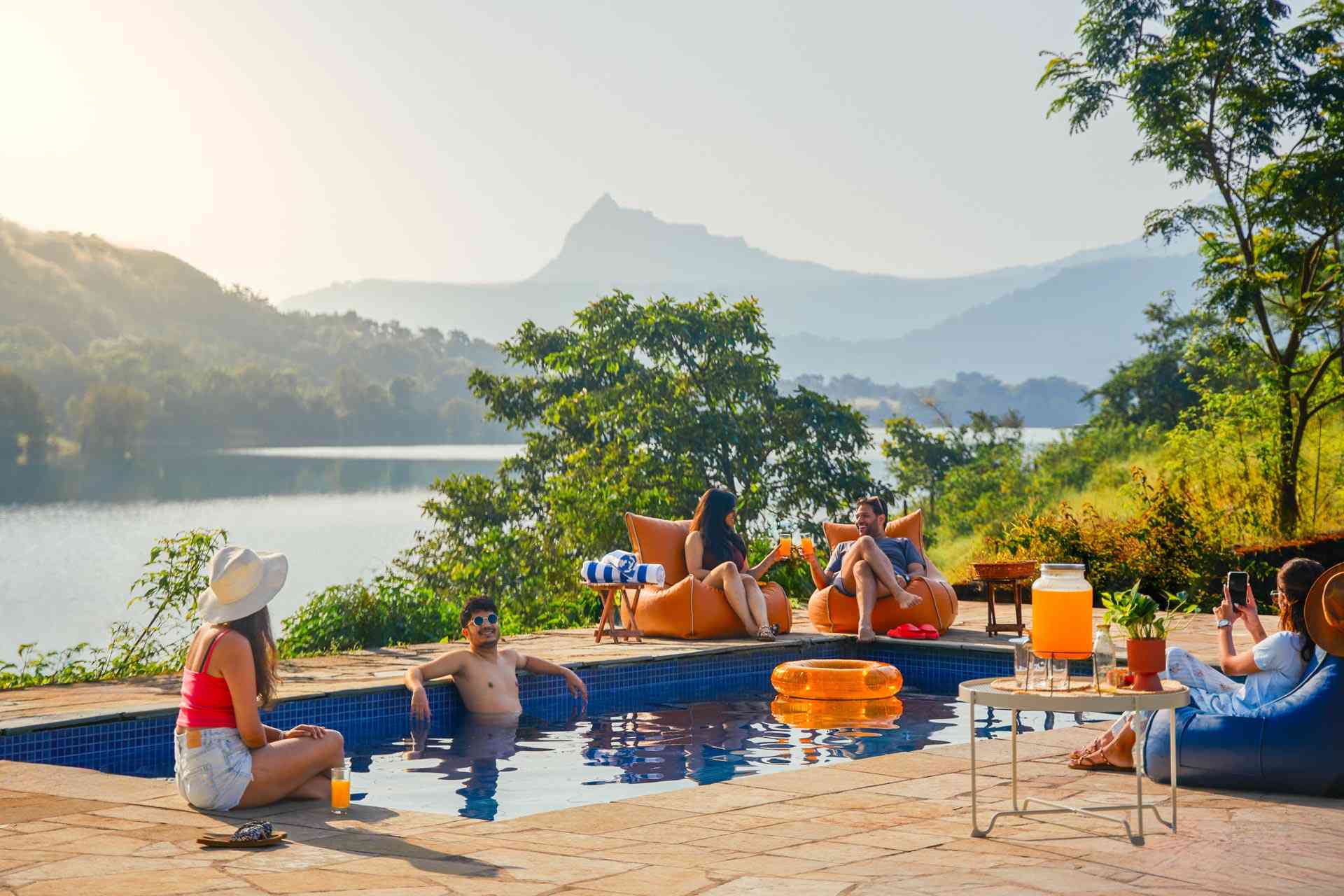
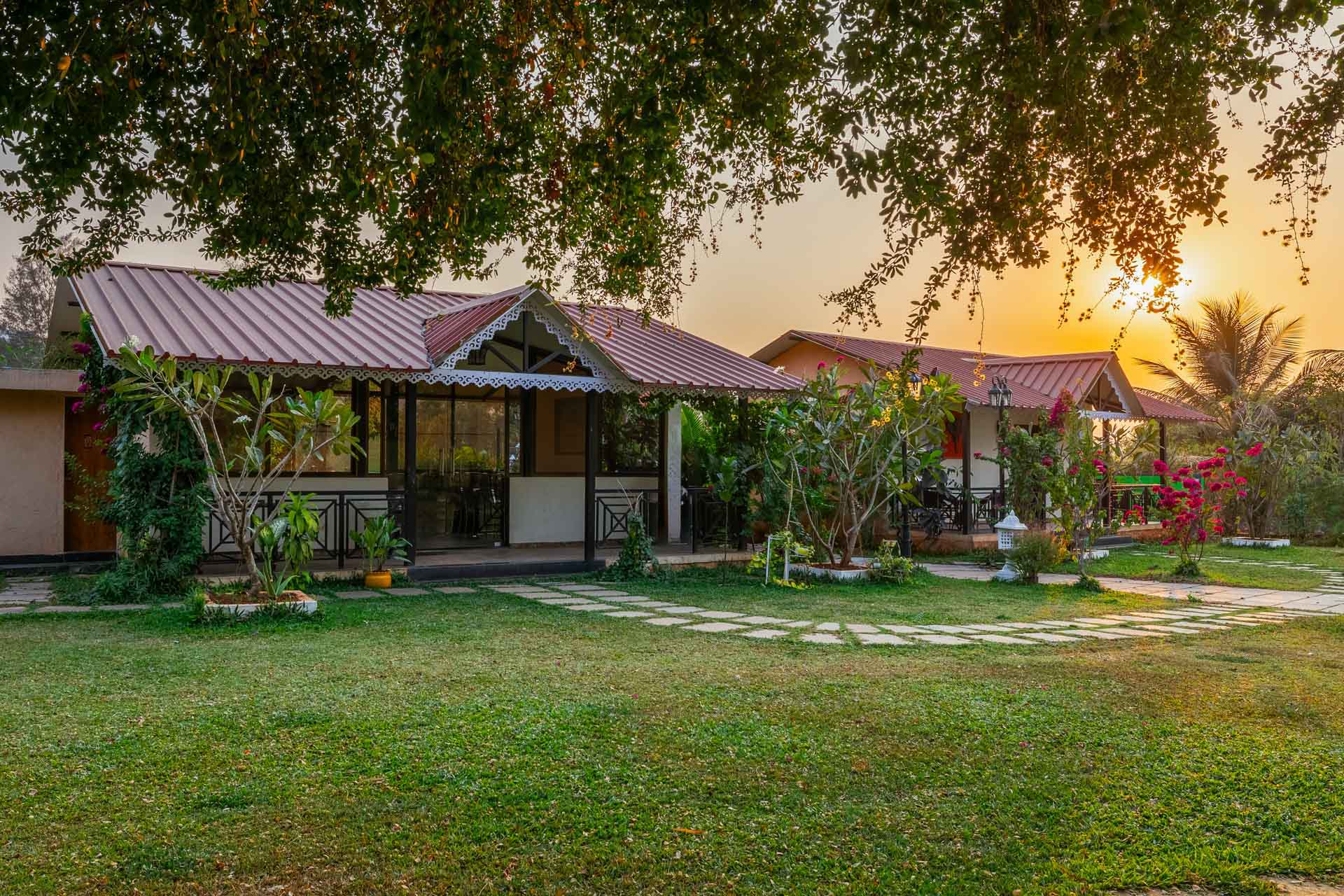
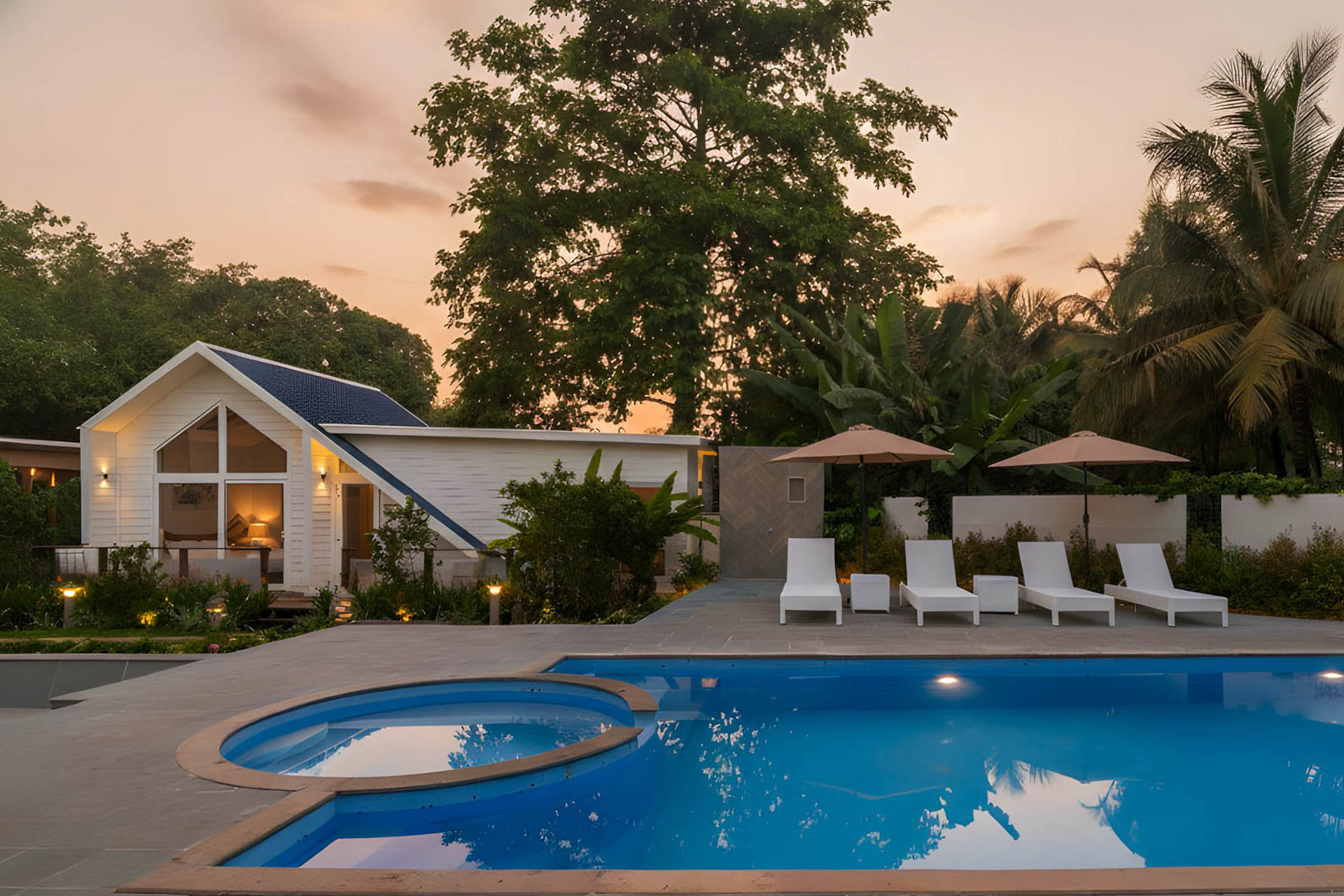
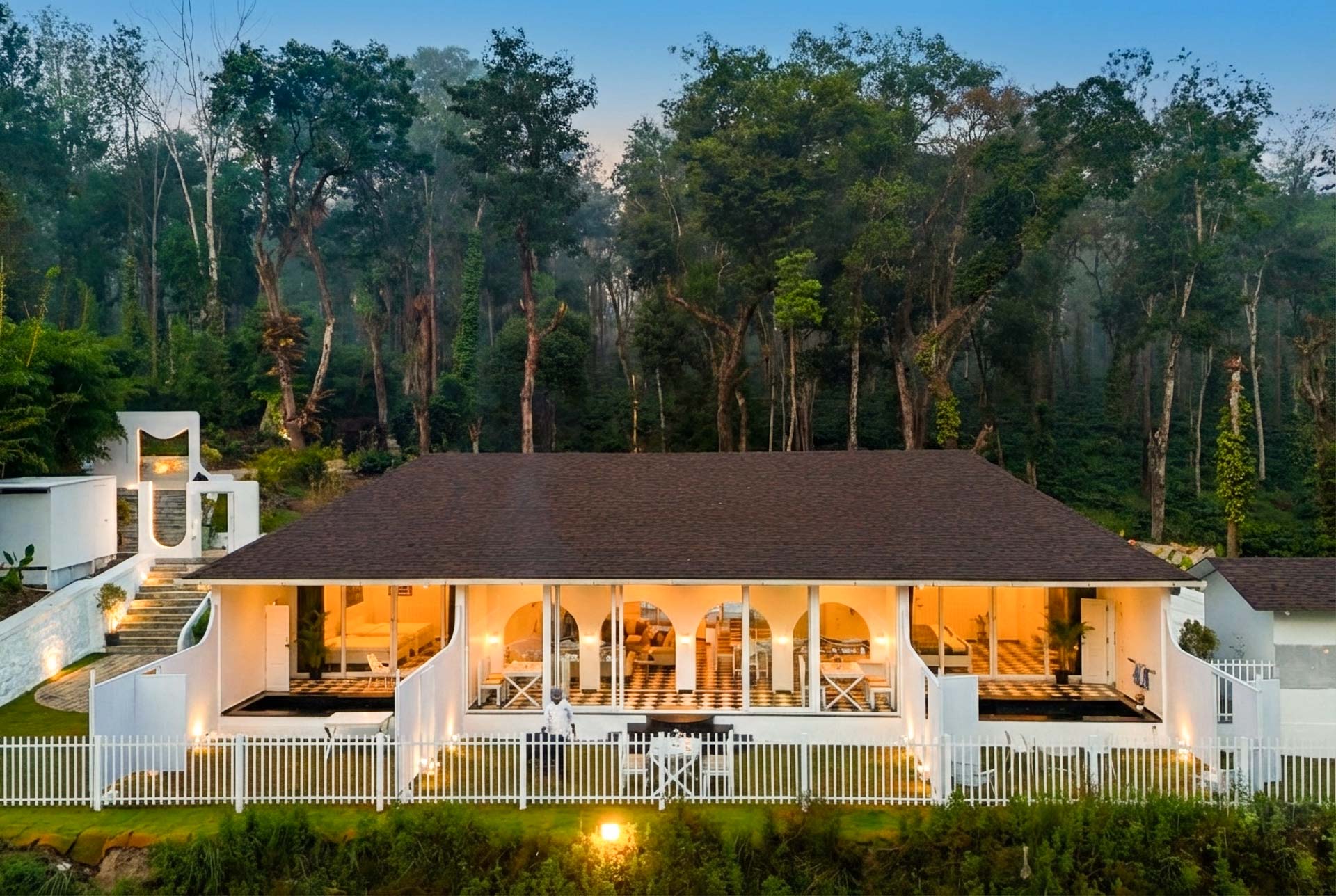
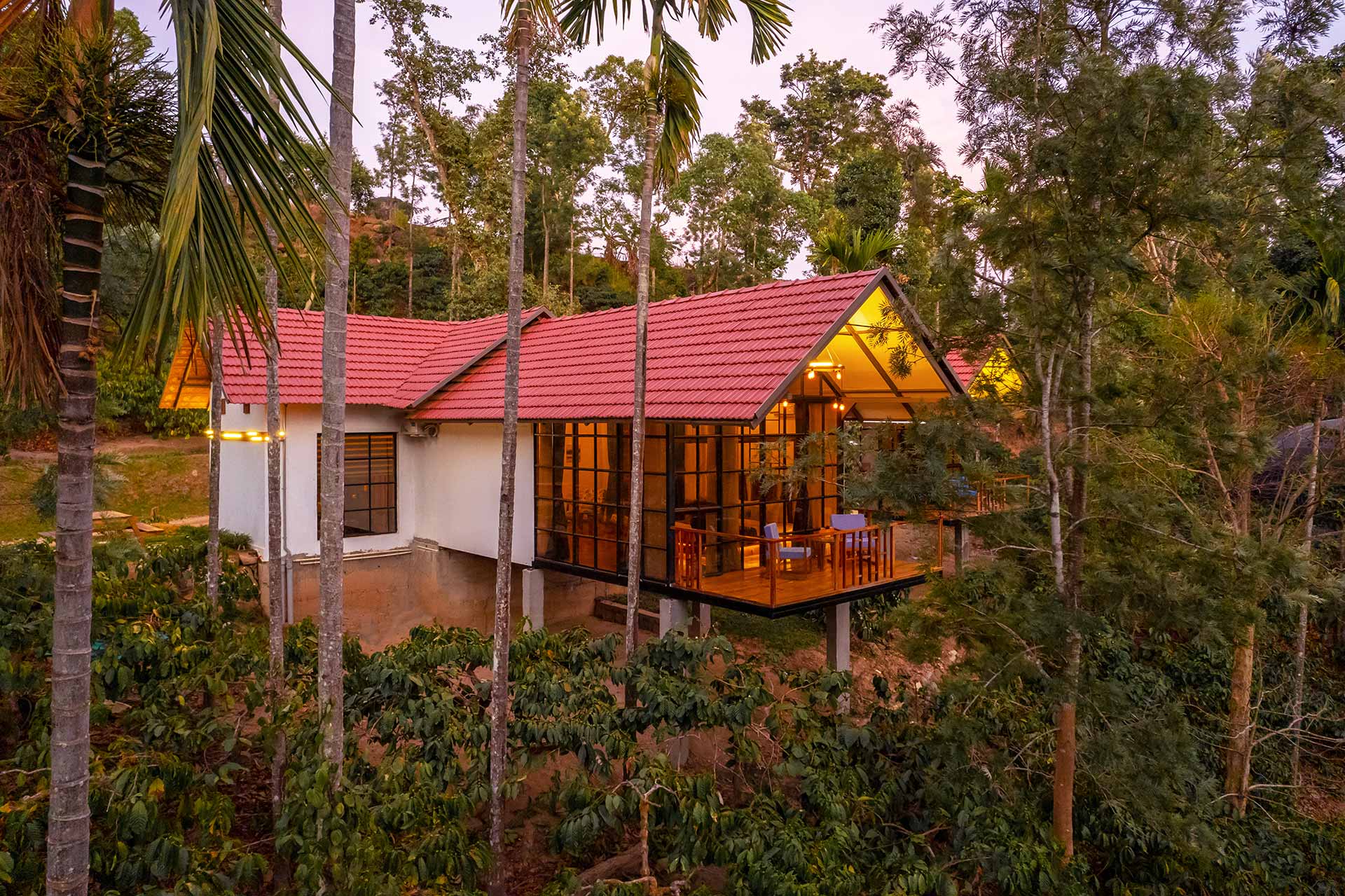
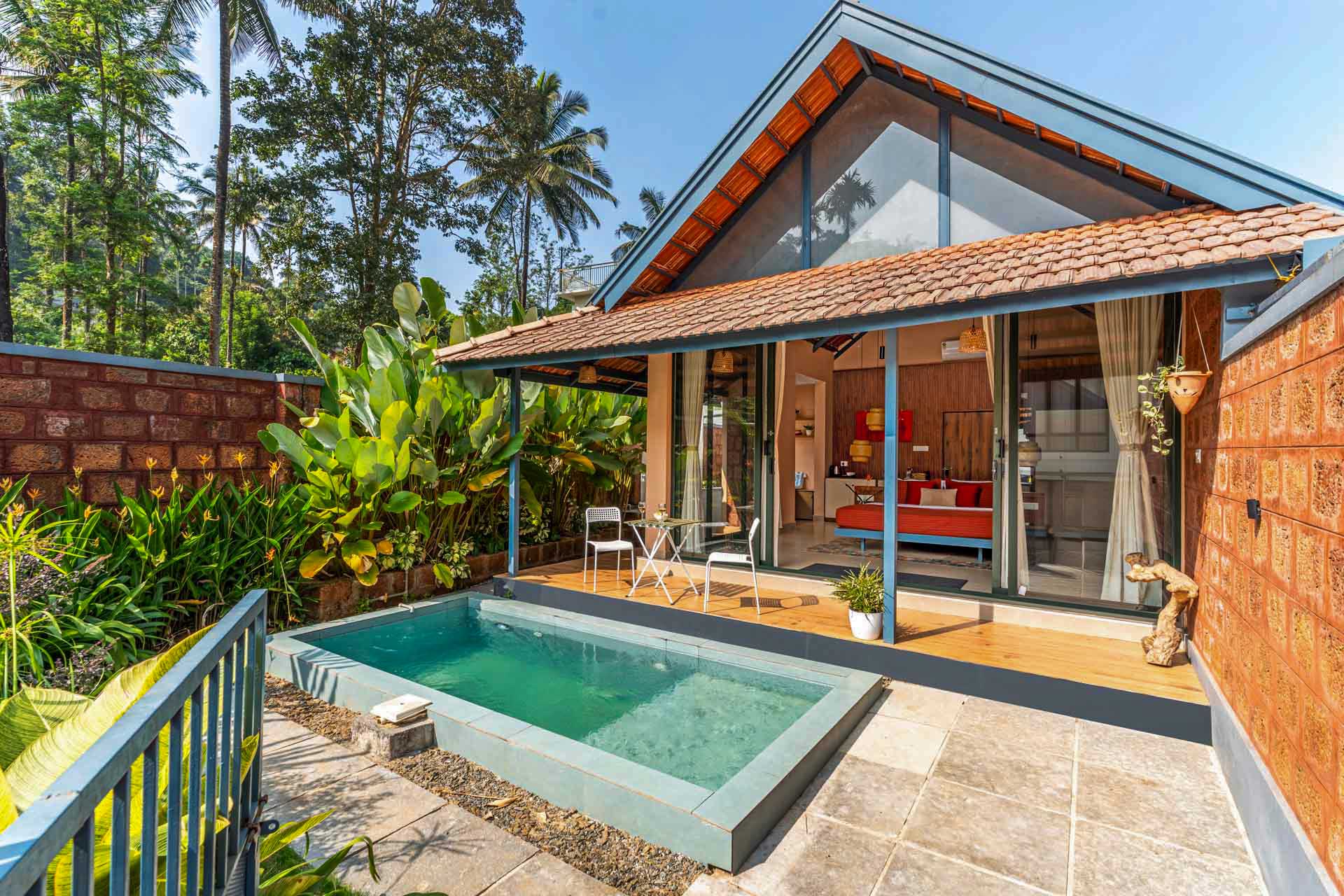
A covered verandah over a green valley, or an estate home where rain on the roof is the soundtrack, turns a rainy day into the best part of the trip. We have named a stay under each region above. For the full range, browse villas in Tirthan Valley, villas in Lonavala, villas in Udaipur, villas in Goa, or homestays in Munnar, and check live availability and rates before you plan.
Frequently asked questions
It depends on the trip you want. For sunshine and almost no rain, go to Ladakh or Spiti. For waterfalls and green hills, choose the Western Ghats, such as Coorg, Munnar, Lonavala or Mahabaleshwar. For the heaviest rain on Earth, go to Cherrapunji and Mawsynram.
Ladakh and Spiti Valley sit in the Himalayan rain-shadow and get very little rain. Pondicherry is relatively dry in the southwest monsoon, and Rajasthan (Udaipur, Mount Abu) gets lighter, intermittent showers.
Mostly, with precautions. Check district alerts for landslides and road closures, avoid forest trails after heavy rain, and leave earlier than you normally would so that you arrive before dark. Some areas, such as parts of Wayanad, remain restricted.
Coorg, Lonavala, Kodaikanal and Mount Abu all offer a wide range of stays, and rates usually fall in the monsoon off-season compared with peak months.
Conclusion
The monsoon is one of the best times to see India, not an obstacle to it. These 24 places cover the full range: the waterfall country of Maharashtra and Karnataka, the tea-estate calm of Kerala, the extremes of Meghalaya, the dry highs of Ladakh and Spiti, and the heritage lakes of Rajasthan and Madhya Pradesh. Match the place to how much rain you can enjoy, check closures before you go, and keep one flexible day in your plan. If you want a base that makes the rain part of the trip, start with the stay we have named under your region.
Sources and official references:
- India Meteorological Department
- Wikipedia: Valley of Flowers National Park
- Kerala Tourism
- Wikipedia: Nohkalikai Falls
- Wikipedia: Mawsynram
Monsoon travel also comes with a practical advantage: prices at most destinations drop 20–40% compared to peak season, popular viewpoints have shorter queues, and the quality of natural scenery — greenery, water levels, air clarity — is objectively at its annual best. Whether you book a private pool villa in Lonavala, a misty homestay in Munnar, or plan a road trip to Ladakh’s rain-free valleys, the monsoon window is one of the most rewarding times to explore India.