
Monsoon Travel with Kids in India 2026: Where to Go, What to Pack, and What to Skip

The southwest monsoon hits Kerala on May 26, 2026 and reaches Mumbai by June 5–6, which gives most tier-1 city families a six-week window to plan a monsoon trip with kids. That window matters. CBSE and ICSE schools break for summer through late May to about July 1, and parents are weighing the off-season magic of green hills and quiet beaches against the real-world risks of landslides, slippery trails, and waterborne illness. We’ve hosted families across 800+ properties for years, and the question we hear most is simple: where is it actually safe to take a four-year-old in the rain?
This guide covers 20 family-safe destinations grouped by origin city, an age-by-age packing list, the places to skip with kids, and a 2026 timing guide pinned to IMD’s official monsoon forecast. Where you stay matters more in the rain, so we’ve flagged covered play areas, paved access, and reliable power backup wherever they’re known. Read on for the planning details parents actually need.
India’s 2026 southwest monsoon hits Kerala around May 26 and Mumbai by June 5–6 (IMD, April 2026). For tier-1-city families, the safest monsoon picks with kids are Coorg, Munnar, Lonavala, Mahabaleshwar, Udaipur and Goa. Skip landslide-prone Wayanad valleys, parts of Uttarakhand, and high-altitude Sikkim with toddlers. Kerala onset May 26, 2026 — your booking window is roughly six weeks.
In this Blog
When does monsoon start in India in 2026?

India’s southwest monsoon arrives in Kerala around May 26, 2026 (±4 days), reaches Goa within a week, Mumbai by June 5–6, and central India by mid-June. The IMD long-range forecast issued April 13, 2026 projects 92% of the Long Period Average rainfall — slightly below normal overall, with normal-to-above-normal rain in Northwest India and the South Peninsula.
That’s the headline. What it means for families is more useful. Kerala’s onset is the trigger that pushes the monsoon up the Western Ghats, into Mumbai and Pune, and across central India through June. By the time most CBSE and ICSE school holidays peak in late June, the rain is in every major destination on this list. The first two weeks after onset are usually the wettest, with intermittent showers settling into a rhythm by mid-July.
IMD 2026 monsoon onset windows by city
| City | 2026 Onset (approx.) | Confidence |
| Kerala (Thiruvananthapuram) | May 26 (±4 days) | IMD long-range forecast |
| Goa (Panaji) | June 3 | IMD progression model |
| Mumbai | June 5–6 | IMD |
| Bangalore | June 5 | IMD |
| Pune | June 10 | IMD |
| Hyderabad | June 12 | IMD |
| Kolkata | June 12 | IMD |
| Delhi NCR | June 30 | IMD |
Why this matters for families: school holidays overlap precisely with the onset window. If you’re booking around the CBSE/ICSE break (late May to roughly July 1, 2026), the first half of your trip likely lands in the heaviest rain. Plan the second half for outdoor exploration. For a real-time view as the season unfolds, see our live Kerala monsoon onset tracker.
Is it safe to travel with kids in monsoon India?

Yes, monsoon travel in India is safe for kids when you choose low-altitude or geologically stable hill stations, book stays with paved access and backup power, avoid landslide-prone valleys, and pack for waterborne and mosquito-borne illness. According to the National Center for Vector Borne Diseases Control, dengue cases peak July–October across India, so vector prevention is the single most-overlooked monsoon prep step.
The safety frame is the right place to start. Most families we host do fine. A small minority don’t — and almost every time, the reason traces to one of five preventable choices: a remote stay with mud-road access, no IMD nowcast check before driving, no ORS or pediatric first-aid kit, an unsafe trek attempted with a young child, or staying in a flood-prone low-lying zone. The rules below cover all five.
Five universal safety rules for monsoon family travel
- Check the IMD nowcast 24 hours before you drive. Red alerts on Konkan, Western Ghats, or Uttarakhand routes mean delay — not detour.
- Avoid hill roads during red-alert days. Wayanad’s deep valleys, Uttarakhand pilgrimage routes, and the Lachung–Lachen stretch in North Sikkim all have washout histories.
- Carry an ORS and pediatric first-aid kit. ORS sachets, pediatric paracetamol, anti-diarrheal (age-approved), and a copy of your pediatrician’s prescription belong in every bag.
- Book stays with covered indoor play space and power backup. Hill stations lose power in storms. A board-game-stocked living room is not optional with kids.
- Buy travel insurance that covers weather cancellation. A small premium covers a washed-out weekend.
Pediatric monsoon risks at a glance
Waterborne: typhoid, hepatitis A, and leptospirosis. The ICMR flags leptospirosis as the leading monsoon waterborne risk in Kerala and the Konkan belt — kids playing in puddles or wading through flooded streets are the typical exposure path. Drink sealed bottled water only.
Vector-borne: dengue, malaria, and chikungunya. NCVBDC data shows India’s dengue case load peaks July–October. Use kid-safe repellents (DEET-free for under-10s), book stays with mosquito netting, and apply repellent to clothing rather than skin where possible. The Indian Academy of Pediatrics publishes age-specific guidance worth bookmarking before any trip.
Respiratory: cold-damp hill stations can trigger asthma flare-ups. Pack the inhaler and a fleece layer. From what our property hosts consistently report after each monsoon season, the most-requested feature isn’t the pool — it’s reliable power backup and a covered indoor common space.
Best monsoon family destinations in India 2026 (by origin city)
For tier-1 city families, the natural June–September clusters are Maharashtra hill stations from Mumbai/Pune, the South India coffee-tea belt from Bangalore/Hyderabad/Chennai, the Himalayan foothills from Delhi-NCR, and Darjeeling–Sikkim from Kolkata. India recorded 2.51 billion domestic tourist visits in 2023 — a 45% jump year-on-year per the India Tourism Data Compendium 2024 (Ministry of Tourism) — and leisure travel drove the largest share. Monsoon is when those families trade flights for drives.
The five destinations that consistently dominate family monsoon bookings on our platform are Lonavala, Coorg, Mahabaleshwar, Mussoorie, and Goa — the same five that anchor most “monsoon family trip” search clusters across India. Across these picks, families overwhelmingly choose stays with a private pool and a covered indoor common space. The pattern matters: families increasingly book for the stay, not just the destination.
For South India families specifically, we’ve covered the longer view in our Kerala in monsoon — full weather guide. Below are 21 destinations grouped by origin, each with the practical details parents need.
For Mumbai and Pune families
1. Lonavala / Khandala

Bushi Dam, Karla Caves (covered, monsoon-safe), and Imagica Wax Museum cover the highlights. Karla Caves are 2nd-century Buddhist rock-cut caves with a sheltered approach — ideal when the rain hits hard. Skip Tiger Point and Lion’s Point on red-alert days.
- Entry fee: Karla Caves ₹30 Indians / ₹200 foreigners (free for kids under 15); Bushi Dam free; Wax Museum ~₹400
- Timings: Karla Caves 9 AM–5:30 PM; Bushi Dam open access (avoid post-sunset)
- Best within monsoon: Mid-July to August, mid-morning
- How to reach: 2–2.5 hrs from Mumbai by road; 1 hr from Pune. Lonavala station on Mumbai–Pune line. Nearest airport: Pune (64 km)
- Time required: Weekend (Fri night to Sun evening)
- Ideal age: 4+
- Pro tip: Drive down Saturday morning, not Friday night — Friday traffic on the Old Mumbai–Pune highway during monsoon is brutal with kids strapped in.
- Stay (StayVista): Browse all pool villas in Lonavala.
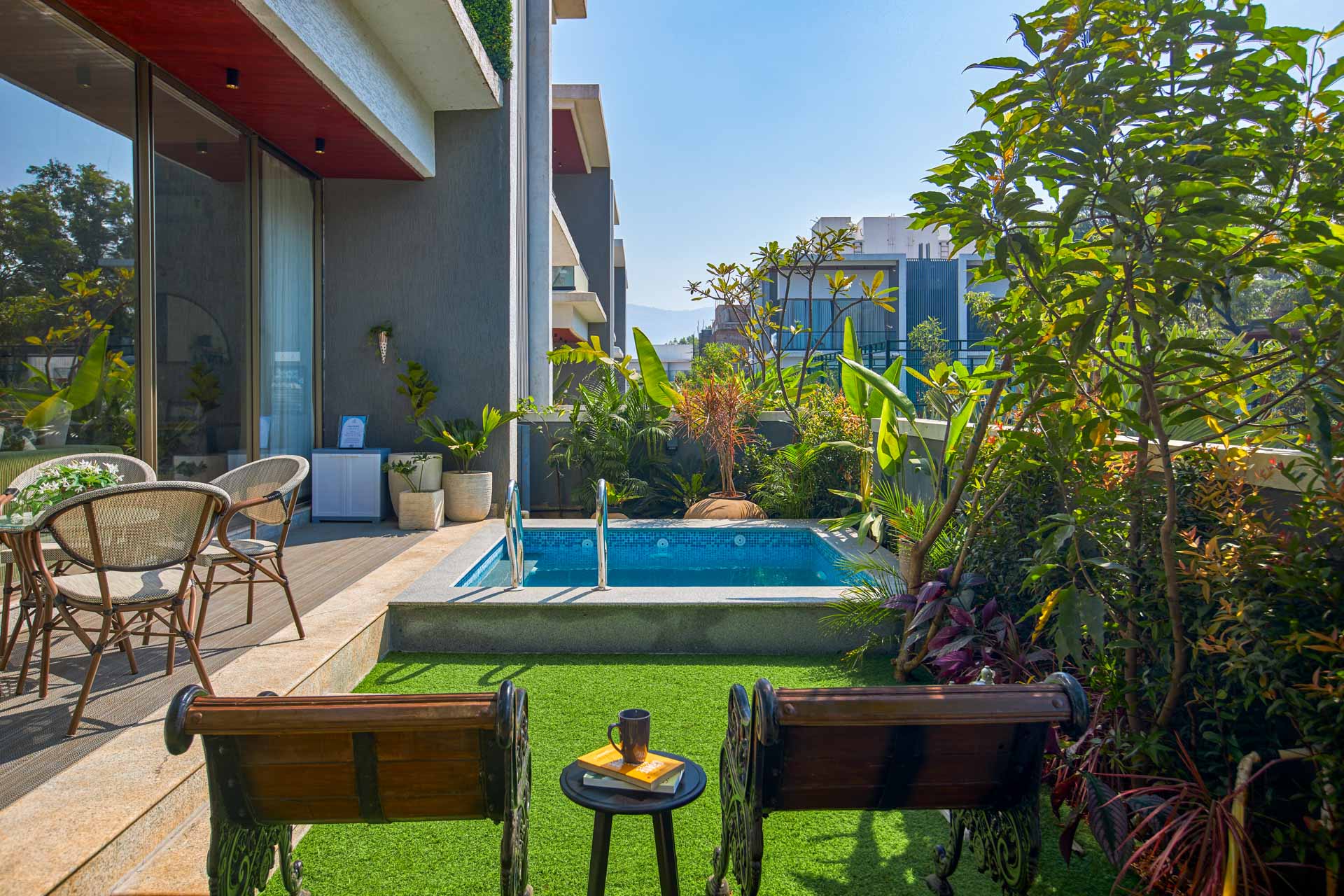
Read more:Lonavala monsoon weekend guide
2. Mahabaleshwar

Venna Lake paddle boats (covered seating available), Mapro Garden (indoor strawberry kingdom that kids adore), and Lingmala Falls viewpoint. Skip Arthur’s Seat in heavy rain — wind shear at the cliff is intense.
- Entry fee: Venna Lake boating ₹100–₹400 by boat type; Mapro Garden free entry
- Timings: Venna Lake 7 AM–7 PM; Mapro 9:30 AM–9:30 PM
- Best within monsoon: July (post-onset settling)
- How to reach: 5.5–6 hrs drive from Mumbai; 3.5 hrs from Pune. Nearest station: Wathar (60 km). Nearest airport: Pune
- Time required: 3 days
- Ideal age: 3+
- Pro tip: Book Mapro early on a rainy afternoon — the indoor pizza-and-strawberry counter is the single best monsoon kid-time in Mahabaleshwar.
- Stay (StayVista): Family villas with viewing decks and jacuzzis. Browse pool villas in Mahabaleshwar.

3. Karjat / Mulshi

Plantation stays, river-facing villas, ND Studios film-set tours, and Kondana Caves for older kids. Karjat is closer than Lonavala and quieter, which is why our hosts there get heavy monsoon family demand.
- Entry fee: ND’s Film World theme-park entry from ₹999; combined park + studio tour up to ₹2,000; Kondana Caves free
- Timings: ND Studios 10 AM–6 PM (closed Mondays)
- Best within monsoon: Late June through August
- How to reach: 2 hrs drive from Mumbai. Karjat station on the Mumbai–Pune line. Nearest airport: Mumbai
- Time required: Weekend
- Ideal age: 2+ if you pick a property with paved access
- Pro tip: Ask the property manager about the last 200 m of the approach road before you book. Karjat’s river-facing locations sometimes need a final stretch over kachha road — fine in May, not fine in July with a toddler.
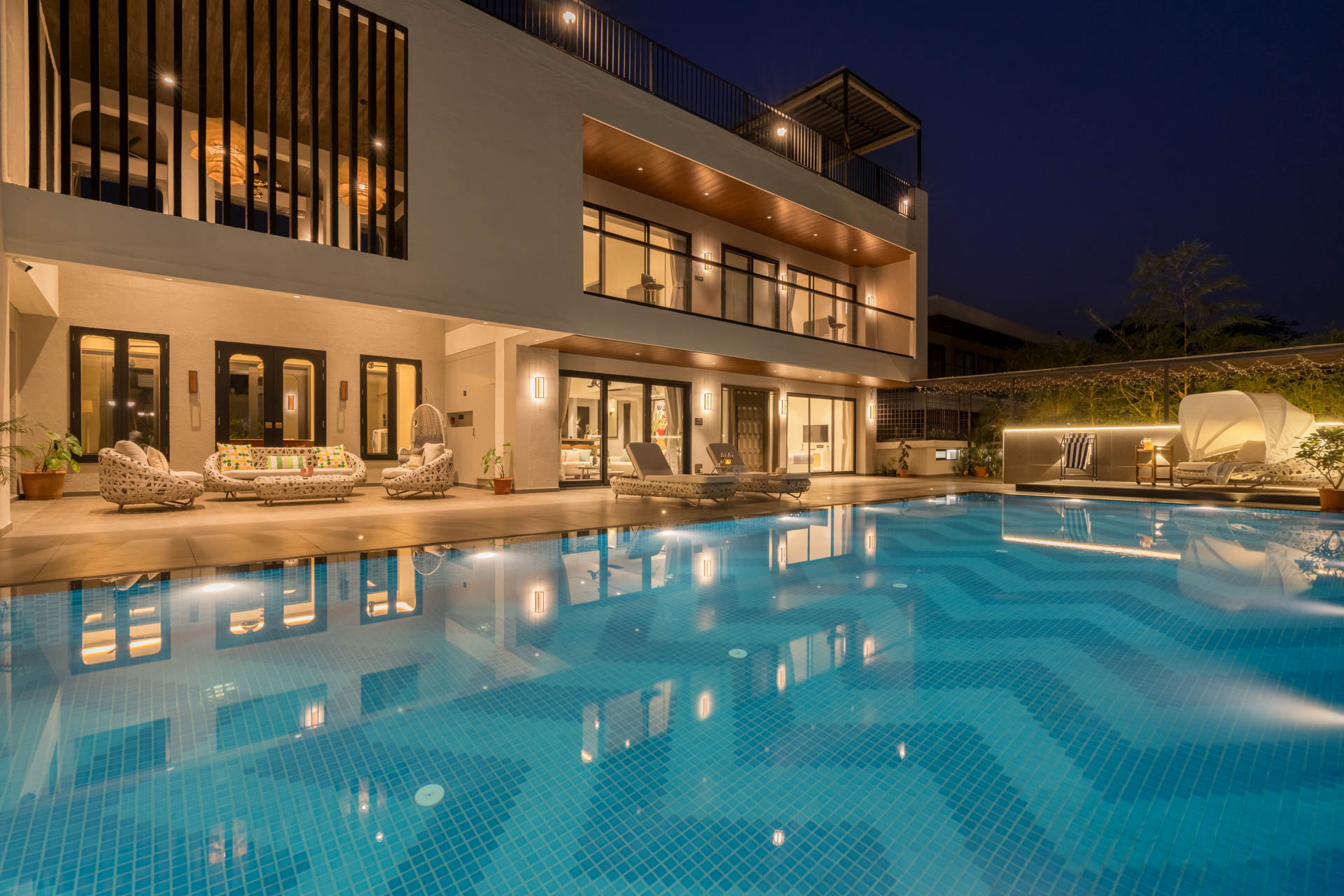
- Stay (StayVista): Horizon Villa (private pool + spa) or The Amaryllis 5BHK for multi-family trips. Full list: villas in Karjat.

4. Panchgani

Table Land (closed during heavy rain), Sydney Point, and a Mapro stop on the drive in. Smaller crowds than Mahabaleshwar with similar views — many Pune families now prefer it.
- Entry fee: Most viewpoints free; Mapro free
- Timings: Daylight only — viewpoints close before sunset in monsoon for safety
- Best within monsoon: Late July through August
- How to reach: 4.5 hrs from Mumbai; 2.5 hrs from Pune. Nearest station: Wathar (45 km). Nearest airport: Pune
- Time required: 2–3 days
- Ideal age: 5+
- Pro tip: Heated pool stays are rare here. If your kids are pool-obsessed, prioritise the property amenity over the view — at 18°C night temperatures, an unheated pool is just decoration.
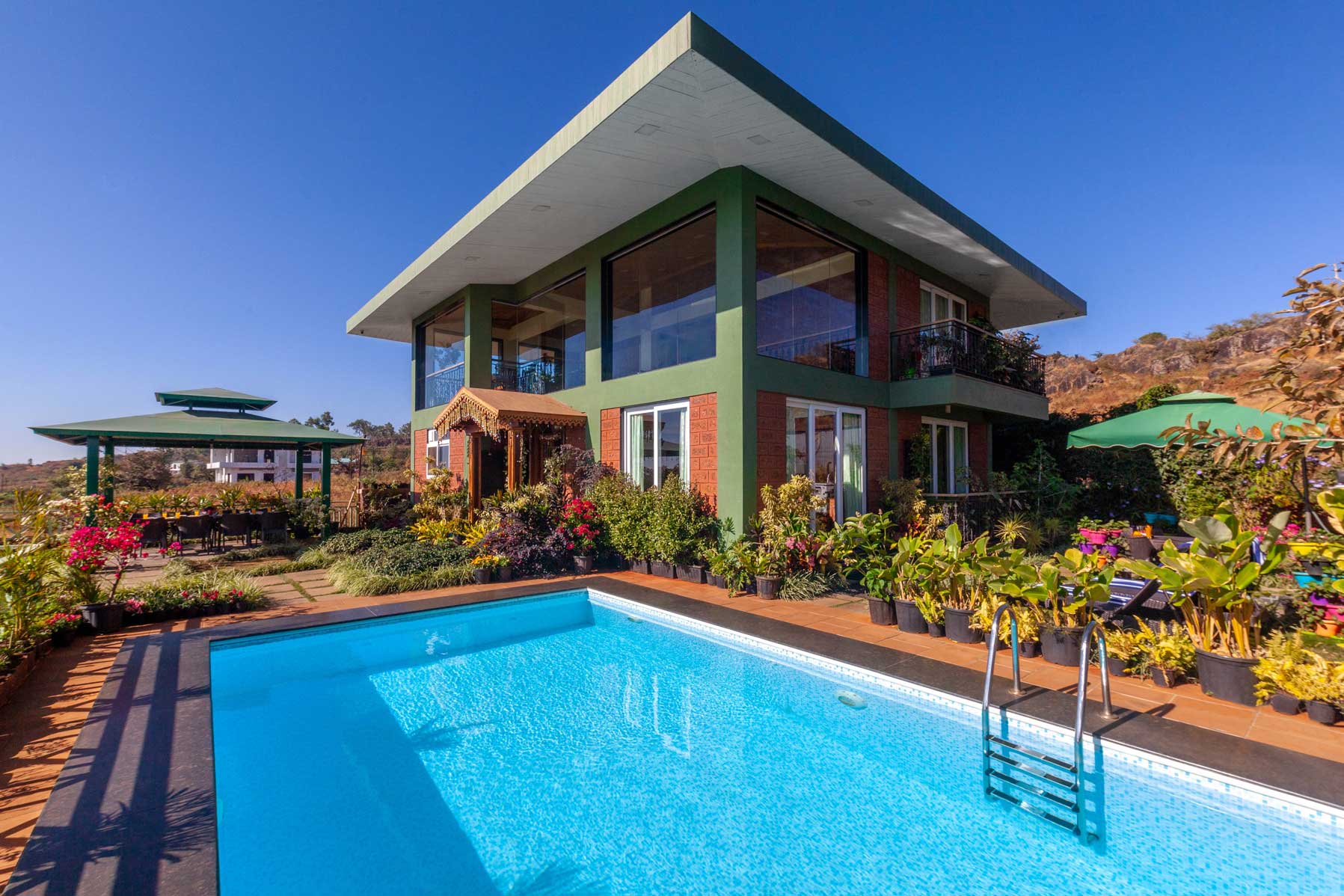
- Stay (StayVista):Status Villa for the one explicitly heated pool on our Maharashtra hill list. All: villas in Panchgani.
For Delhi-NCR families
5. Mussoorie

Gun Hill ropeway, Company Garden, and the heritage Cambridge Book Depot make Mussoorie kid-walkable. Skip Kempty Falls in peak monsoon — crowded and slippery.
- Entry fee: Gun Hill ropeway ~₹220 round trip (walking to the summit is free); Company Garden ~₹25
- Timings: Ropeway 10 AM–6 PM (weather permitting); Garden 8 AM–6:30 PM
- Best within monsoon: Late July through early September
- How to reach: 6 hrs from Delhi by road; train to Dehradun (35 km) then taxi. Nearest airport: Dehradun (60 km)
- Time required: 3 days
- Ideal age: 5+
- Pro tip: Pick a property near Mall Road or Library — paved walking access matters when it’s pouring. Properties out at Landour are gorgeous in dry weather but a steep drive home in heavy rain.
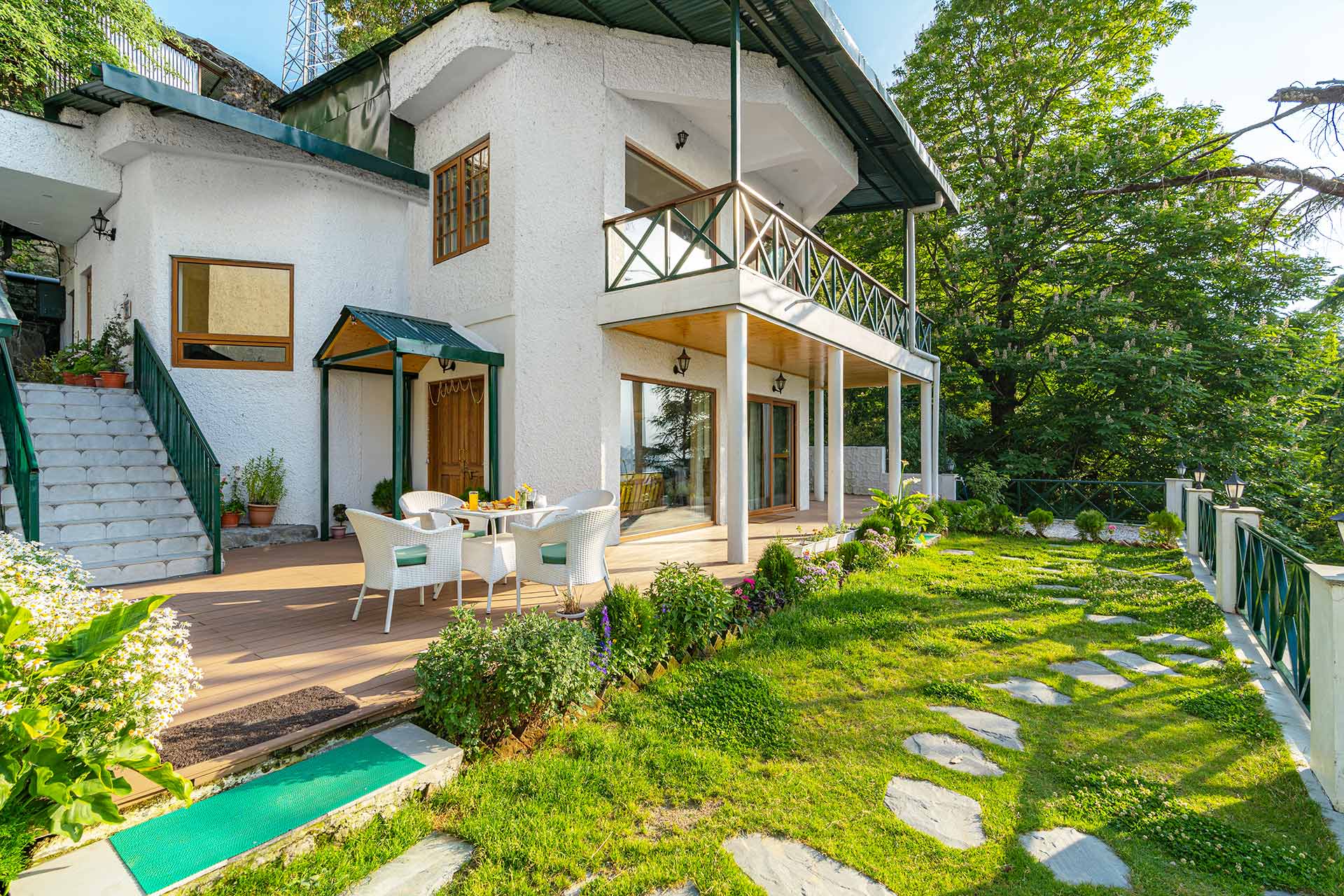
- Stay (StayVista): Mellow Cottage (3BHK with pool) or Woodside Chalet (near bazaar, paved access). All: cottages in Mussoorie.
6. Nainital

Lake boating, Naina Devi Temple, Snow View ropeway, and Eco Cave Gardens (covered, a guaranteed kid magnet). Lake-town geography means low landslide exposure compared with the higher Kumaon stations.
- Entry fee: Lake boating ₹160–₹300; Eco Caves ₹70 adult/₹35 child; Ropeway ~₹300 round trip
- Timings: Lake 8 AM–6:30 PM; Eco Caves 9:30 AM–6 PM
- Best within monsoon: July, when the lake is fullest
- How to reach: 7 hrs from Delhi by road. Nearest station: Kathgodam (34 km). Nearest airport: Pantnagar (70 km)
- Time required: 3 days
- Ideal age: 4+
- Pro tip: Eco Caves has six interconnected caves with low ceilings — older toddlers love it, but carry a torch and consider it a 90-minute commitment, not a quick stop.
- Stay (StayVista): Aloe Villa (near Mall Road, paved access) or Villa 360 (Ayarpatta Hills). All: villas in Nainital.

8. Mount Abu

Nakki Lake boating, Dilwara Temples, and Sunset Point. The only hill station in Rajasthan, with cooler temperatures and lighter rain than the Western Ghats — a sensible swap for Rajasthan-summer families.
- Entry fee: Lake boating ₹100–₹250; Dilwara Temples free entry (no cameras inside)
- Timings: Dilwara 12 PM–6 PM for tourists
- Best within monsoon: July through September
- How to reach: 7 hrs drive from Delhi; nearest station Abu Road (28 km); nearest airport Udaipur (185 km)
- Time required: 2 days
- Ideal age: 2+
- Pro tip: Mount Abu is genuinely lighter on rainfall than other Indian hill stations — it’s the family pick for parents nervous about peak-monsoon weather.
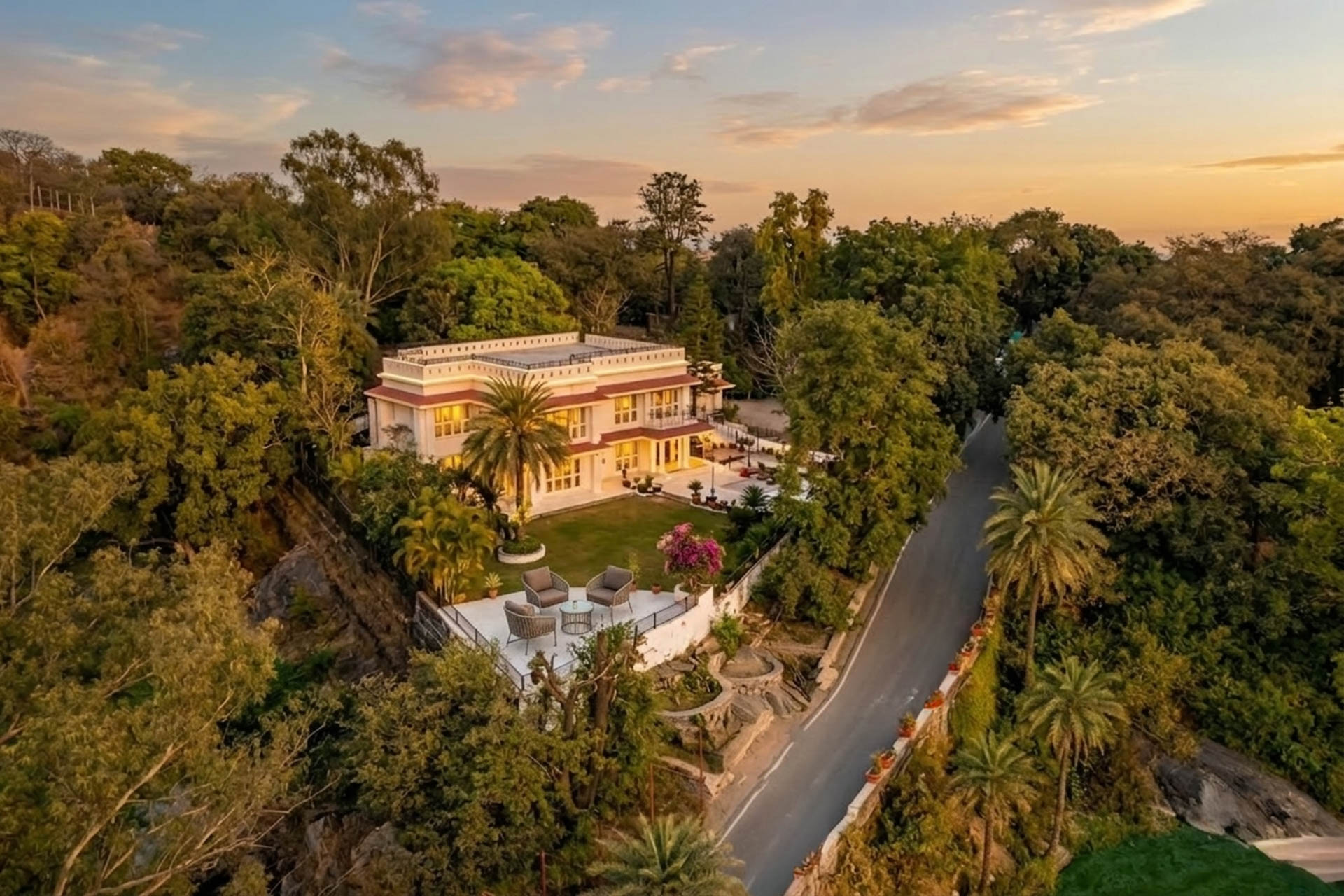
- Stay (StayVista): Mangal House by the Lake (3BR with lawn + BBQ). SV inventory is thin here — see all villas in Mount Abu.
For families travelling deeper into the season, our later-monsoon picks (July/August) covers post-onset destinations in more depth.
For Bangalore and Hyderabad families
9. Coorg (Madikeri)

Dubare Elephant Camp (closed on heavy-rain days), Raja’s Seat, and Abbey Falls (viewpoint only — no descent with kids). Our hosts in Coorg often tell us the best monsoon mornings are the ones right after a heavy night rain, when the plantations steam.
- Entry fee: Dubare camp entry ₹50; boat ride to camp ~₹200; elephant interaction packages from ₹1,400 (₹700 for kids 6–12); Raja’s Seat ₹15; Abbey Falls ₹15
- Timings: Dubare 9 AM–11 AM and 4:30 PM–5:30 PM (elephant interaction windows)
- Best within monsoon: Late July through September
- How to reach: 5.5 hrs drive from Bangalore; 11 hrs from Hyderabad. Nearest airport: Mangalore (135 km) or Mysore (120 km)
- Time required: 3 days
- Ideal age: 3+
- Pro tip: Stay on a plantation property with paved access. Skip valley-bottom homestays — the post-2024 Wayanad context applies more broadly across the Western Ghats.
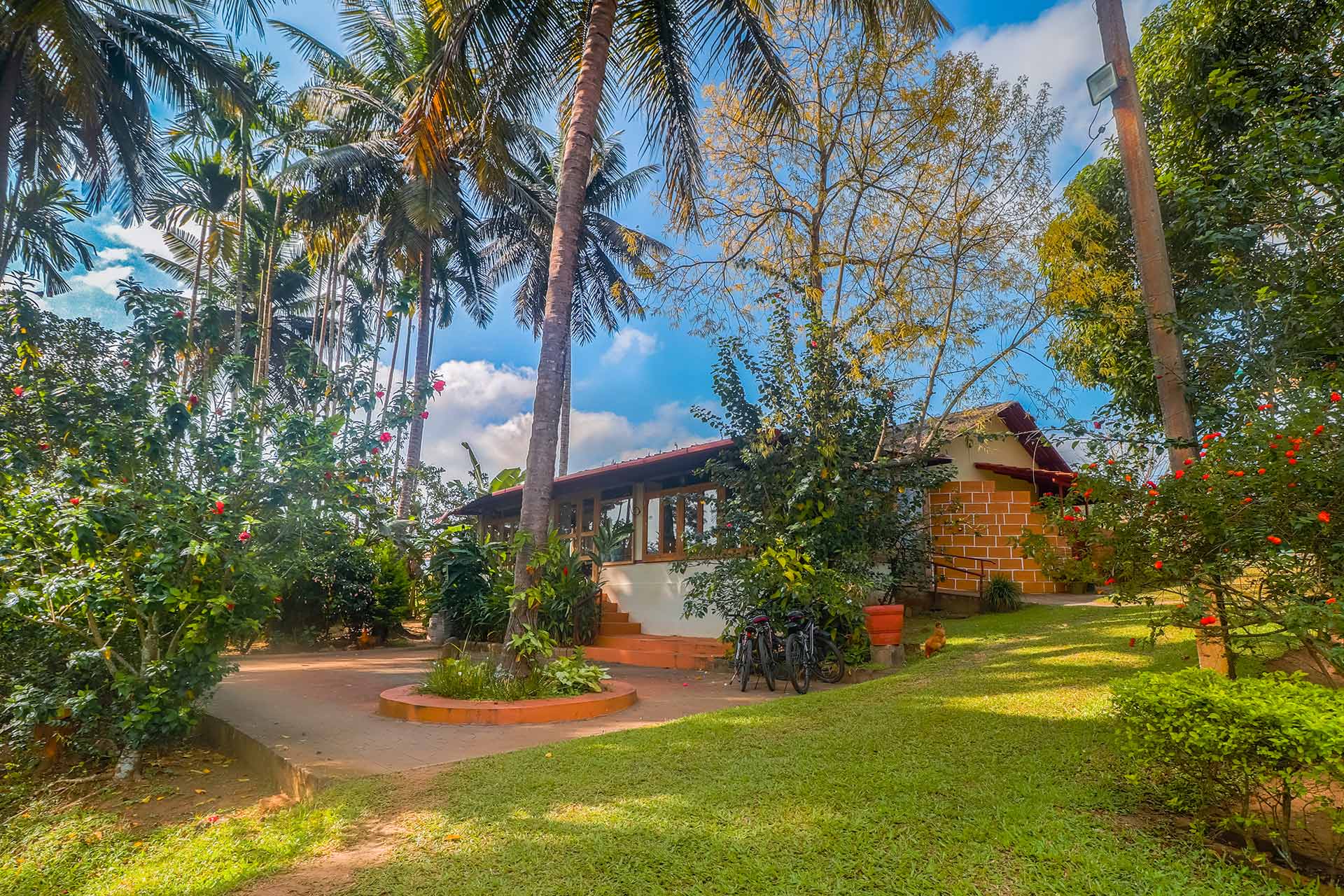
- Stay (StayVista):Firefly by the River (5BHK on a paddy + pepper plantation) or Mudra Manor (4BHK, private pool). All: homestays in Coorg.
10. Wayanad

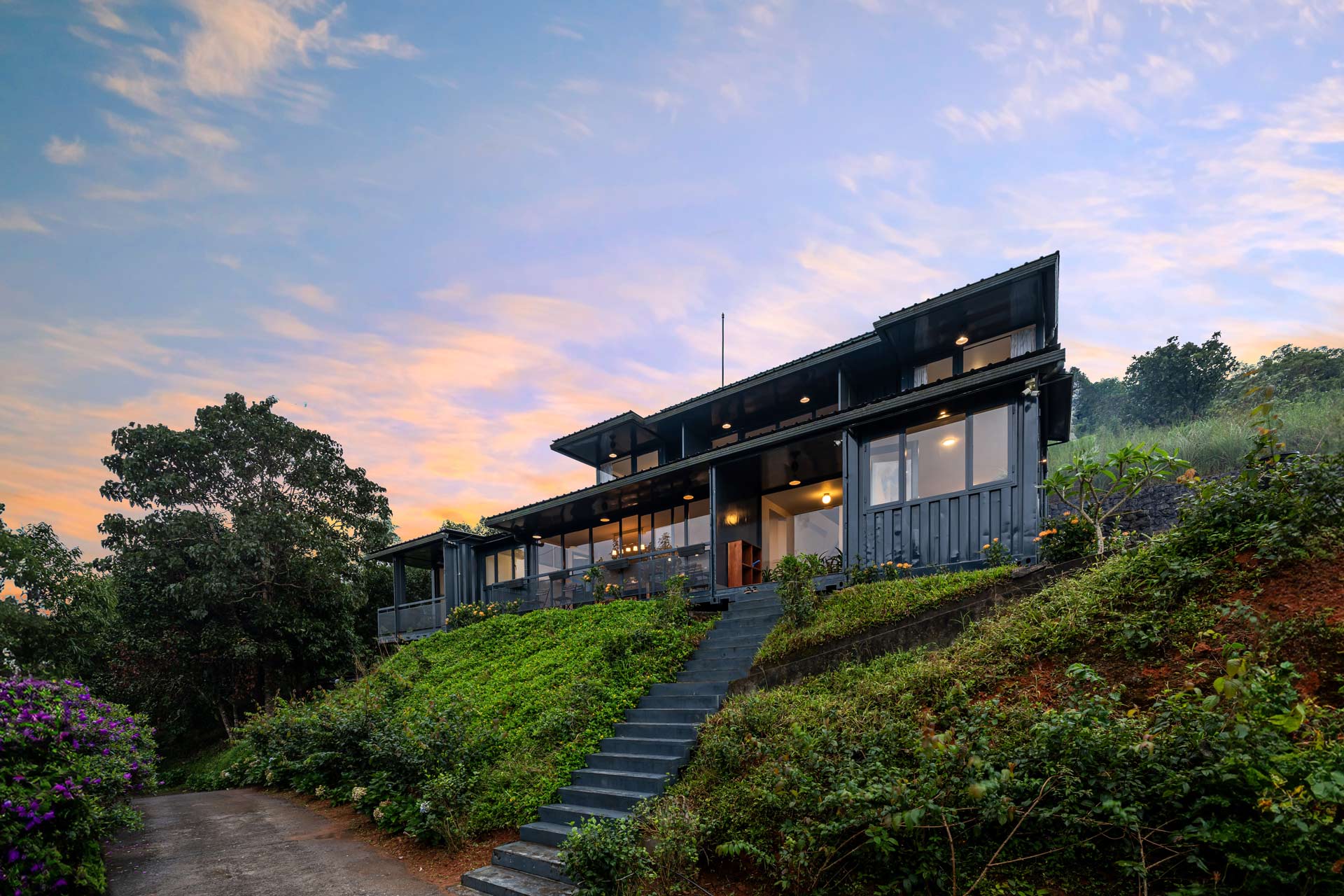
Edakkal Caves, Pookode Lake, and Banasura Sagar Dam. Wayanad needs a strong caveat: after the 2024 landslide tragedy, deep-valley areas remain risk-flagged. Stay near the Kalpetta–Vythiri plantation belt only.
- Entry fee: Edakkal Caves ₹50 per adult (₹10 for kids); Pookode Lake ₹10 per adult. Camera/parking extra at Edakkal
- Timings: Edakkal 9 AM–4 PM (closed Mondays); Pookode 9 AM–5 PM
- Best within monsoon: Mid-July through August, dry-spell days only
- How to reach: 6 hrs drive from Bangalore; 4 hrs from Kochi. Nearest airport: Kannur (90 km) or Kozhikode (95 km)
- Time required: 2–3 days
- Ideal age: 3+ (Edakkal Caves is a 45-minute uphill climb — older kids only)
- Pro tip: Check NDMA alerts on the morning of any planned drive. Wayanad’s main routes are safe; the off-arterial valley roads are not in red-alert conditions.
- Stay (StayVista): Wellbeing Villa or Veda @ Griha Sankalpa (plantation estate). All: homestays in Wayanad.
Read more: Wayanad monsoon trip planner
11. Munnar

Tea Museum (indoor), Mattupetty Dam, and Echo Point. A planning note: Eravikulam National Park is closed every February–March, and Kerala Forest Department often restricts access during peak monsoon (June–August). Check before you book.
- Entry fee: Tea Museum ₹100 adult/₹60 child; Mattupetty boating ₹100–₹400
- Timings: Tea Museum 9 AM–4:30 PM (closed Mondays)
- Best within monsoon: Mid-July through August — Eravikulam restrictions typically ease late August
- How to reach: 4 hrs drive from Kochi; 9 hrs from Bangalore. Nearest airport: Kochi (110 km)
- Time required: 3 days
- Ideal age: 5+ (winding ghat roads can challenge motion-sick toddlers)
- Pro tip: The Tea Museum is the rainy-day saver — book a tea-making session, not just the tour, for kids over 7.
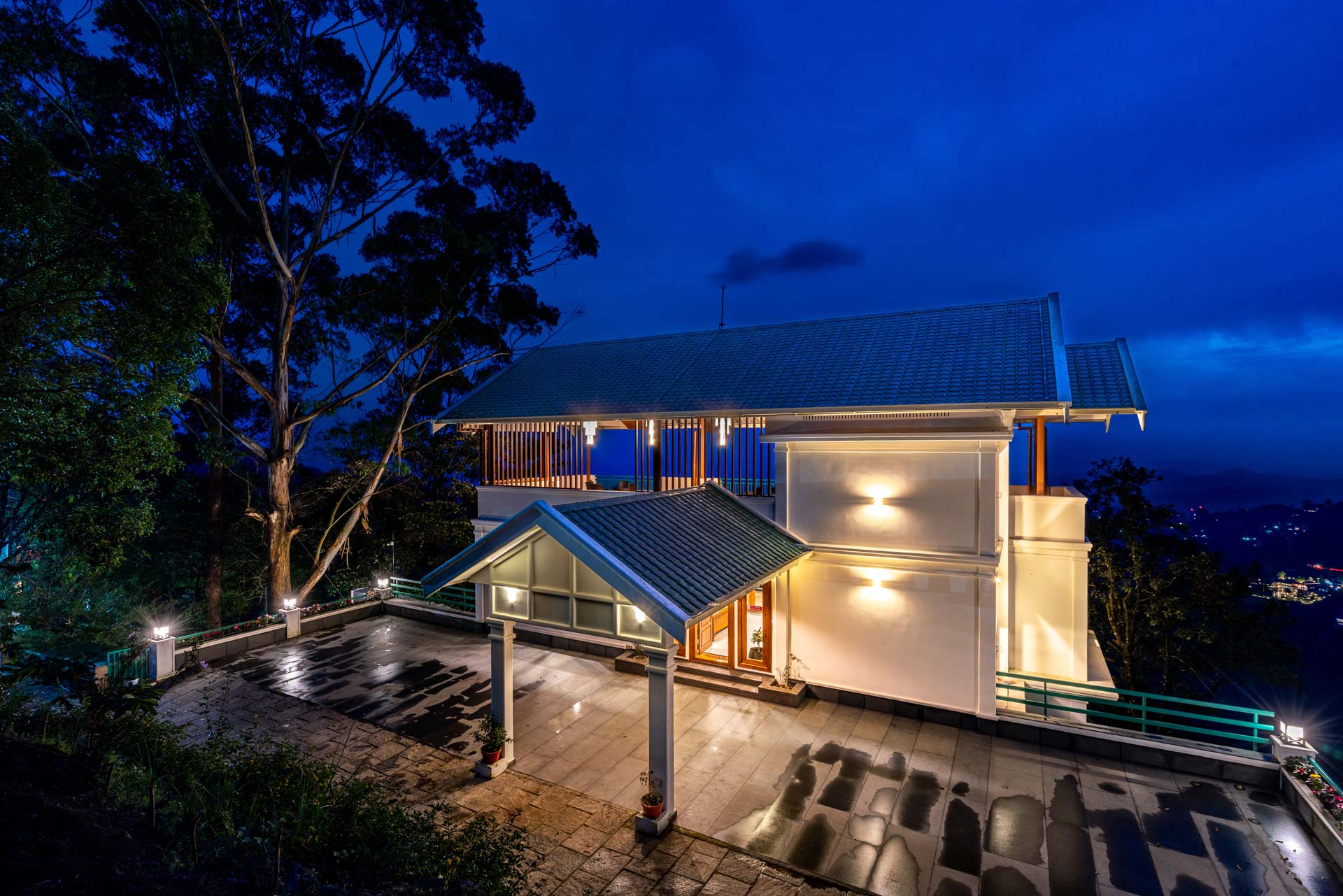
- Stay (StayVista): Cardamom Casa (3BR amid cardamom plantations) or Paradise Valley (valley-view, secluded). All: villas in Munnar.
- Read more: Munnar weather guide
Read more: Wayanad monsoon trip planner
12. Ooty

Botanical Gardens, the Nilgiri Mountain Railway toy train (book months ahead — monsoon slots are limited), Boat House, and Doddabetta Peak. Ooty sees lower rainfall than Munnar — a good Tamil-Nadu-side alternative.
- Entry fee: Botanical Gardens ₹50 adult/₹25 child; Doddabetta ₹15; Toy Train ₹205–₹545 per leg
- Timings: Gardens 7 AM–6:30 PM
- Best within monsoon: July (driest month within the monsoon for Ooty)
- How to reach: 7 hrs drive from Bangalore; nearest station Mettupalayam (40 km); nearest airport Coimbatore (85 km)
- Time required: 3 days
- Ideal age: 3+
- Pro tip: Book Ooty–Coonoor Toy Train tickets through IRCTC at least 45 days ahead in monsoon — the heritage steam route is the kid memory of the trip.
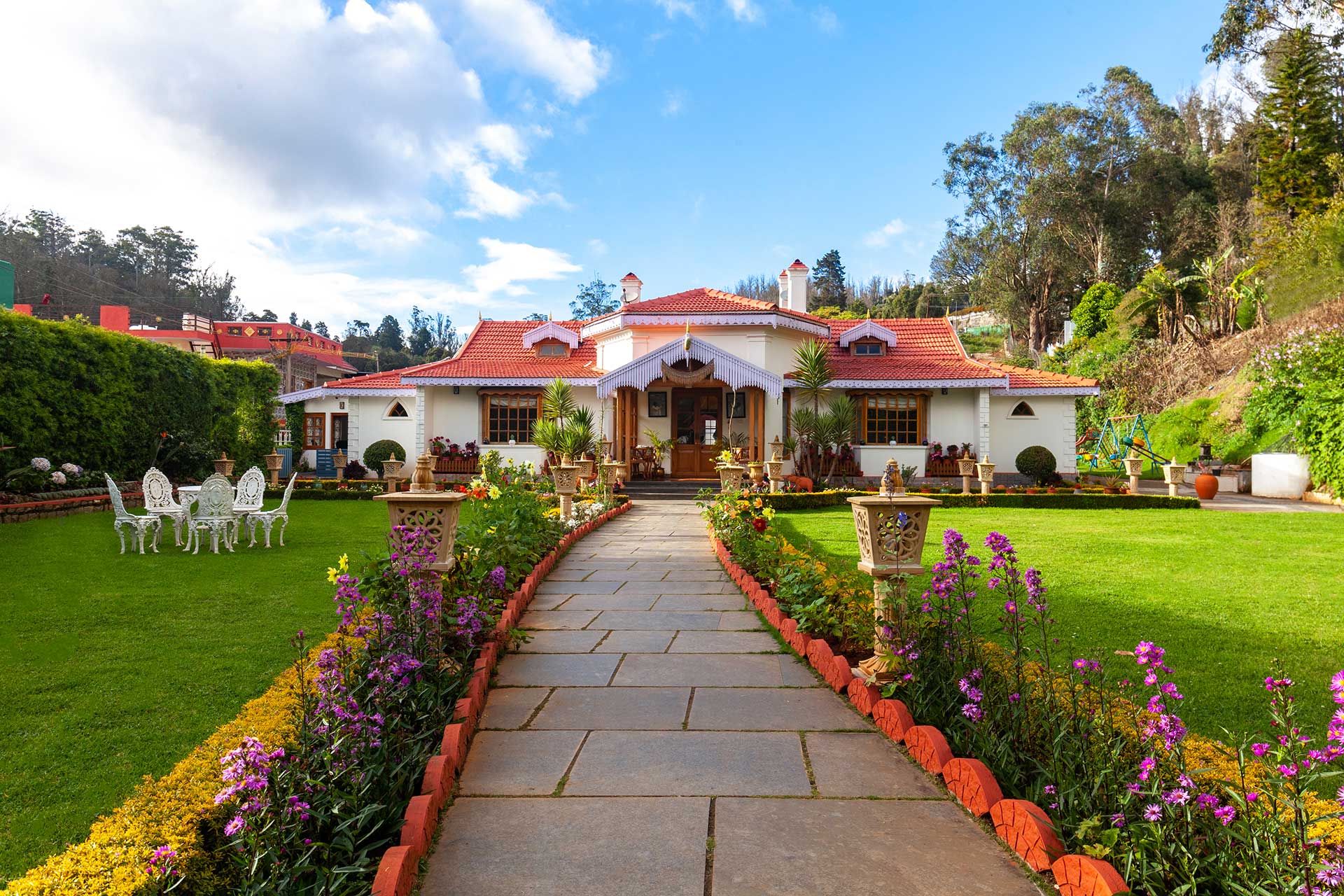
- Stay (StayVista): Greenwood Bungalow (6BHK private pool) or The Lilly Villa (4BHK). All: villas in Ooty.
13. Kodaikanal

Bryant Park, Coaker’s Walk, and Kodai Lake boating. Mid-monsoon (July) is often clearer than peak June — a useful trick for parents who can flex their dates.
- Entry fee: Bryant Park ₹30; Coaker’s Walk ₹10; Boating ₹150–₹400
- Timings: Coaker’s Walk 7 AM–7 PM; Lake boating 9 AM–5:30 PM
- Best within monsoon: July through early September
- How to reach: 8 hrs drive from Bangalore; 4 hrs from Madurai. Nearest station: Kodai Road (80 km); nearest airport: Madurai (135 km)
- Time required: 3 days
- Ideal age: 4+
- Pro tip: Choose a property close enough to walk to Coaker’s Walk — the cliff promenade is the daily highlight, and skipping it because of a 3 km drive in rain is a real risk.
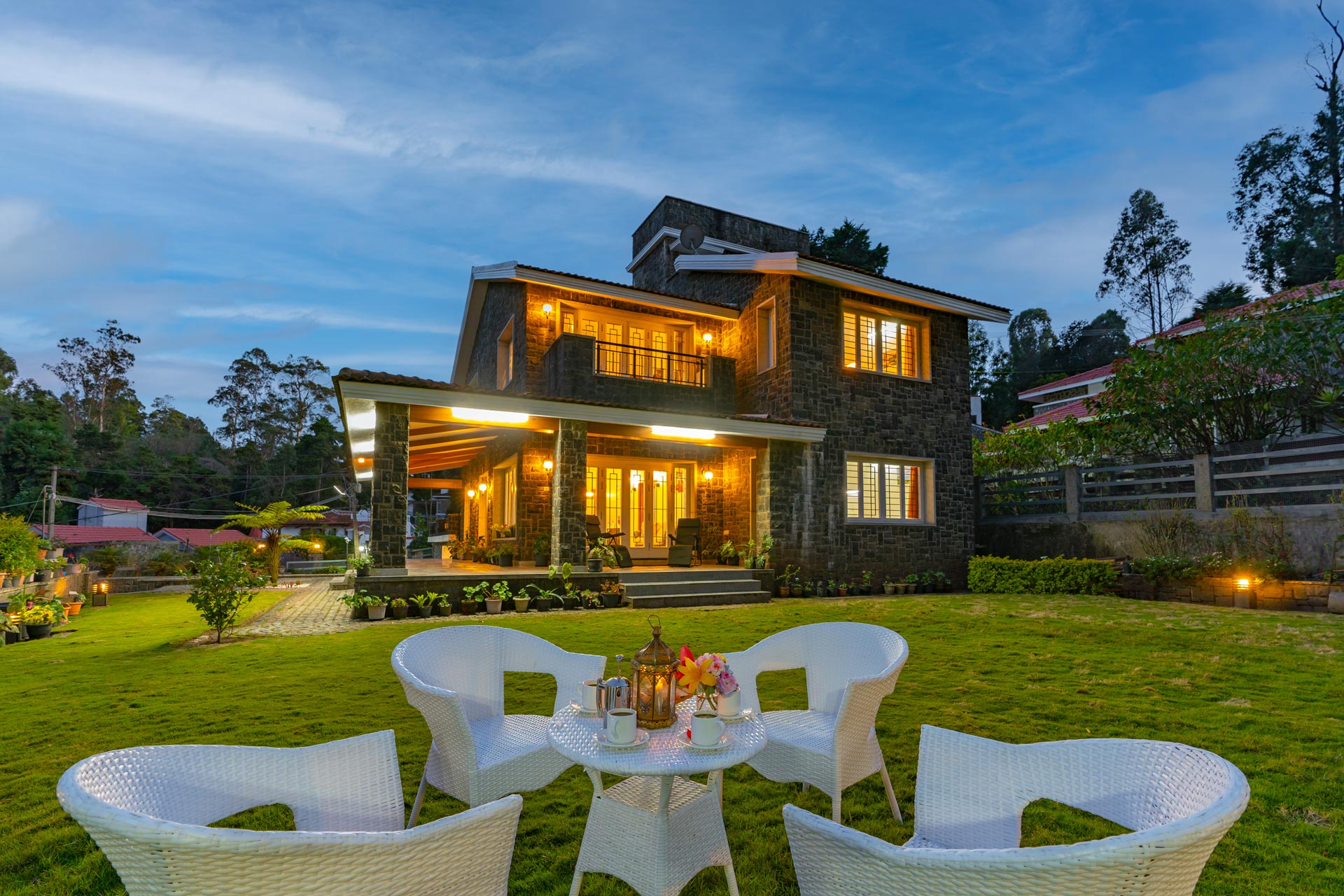
- Stay (StayVista): Midsummer Mist (luxury family villa). All: villas in Kodaikanal.
For Chennai and Coastal families
14. Pondicherry

Promenade Beach, Auroville Matrimandir, French Quarter walking tour, and the Botanical Garden. Coastal rainfall is moderate, and the French Quarter is walkable enough for an indoor-heavy plan that still feels like a holiday.
- Entry fee: Botanical Garden ₹20 adults / ₹50 foreigners (free for kids under 130 cm); Matrimandir viewing free with pre-booked pass
- Timings: Botanical 10 AM–5 PM; Matrimandir viewing 9 AM–4 PM (closed Tuesdays)
- Best within monsoon: June through August (northeast monsoon hits later — Oct–Dec — and is heavier)
- How to reach: 3 hrs drive from Chennai. Nearest station: Villupuram (40 km). Nearest airport: Chennai (135 km)
- Time required: 3 days
- Ideal age: 2+
- 2026 alert: The Matrimandir is closed for annual maintenance from May 18 to June 14, 2026, reopening June 15. If a Matrimandir visit is on your list, plan the trip for the second half of June or later. Book Auroville viewing online a week ahead — walk-ins are unpredictable.
- Stay (StayVista): Chitrita Bhavan (near Botanical Garden, paved urban access). All: homestays in Pondicherry.
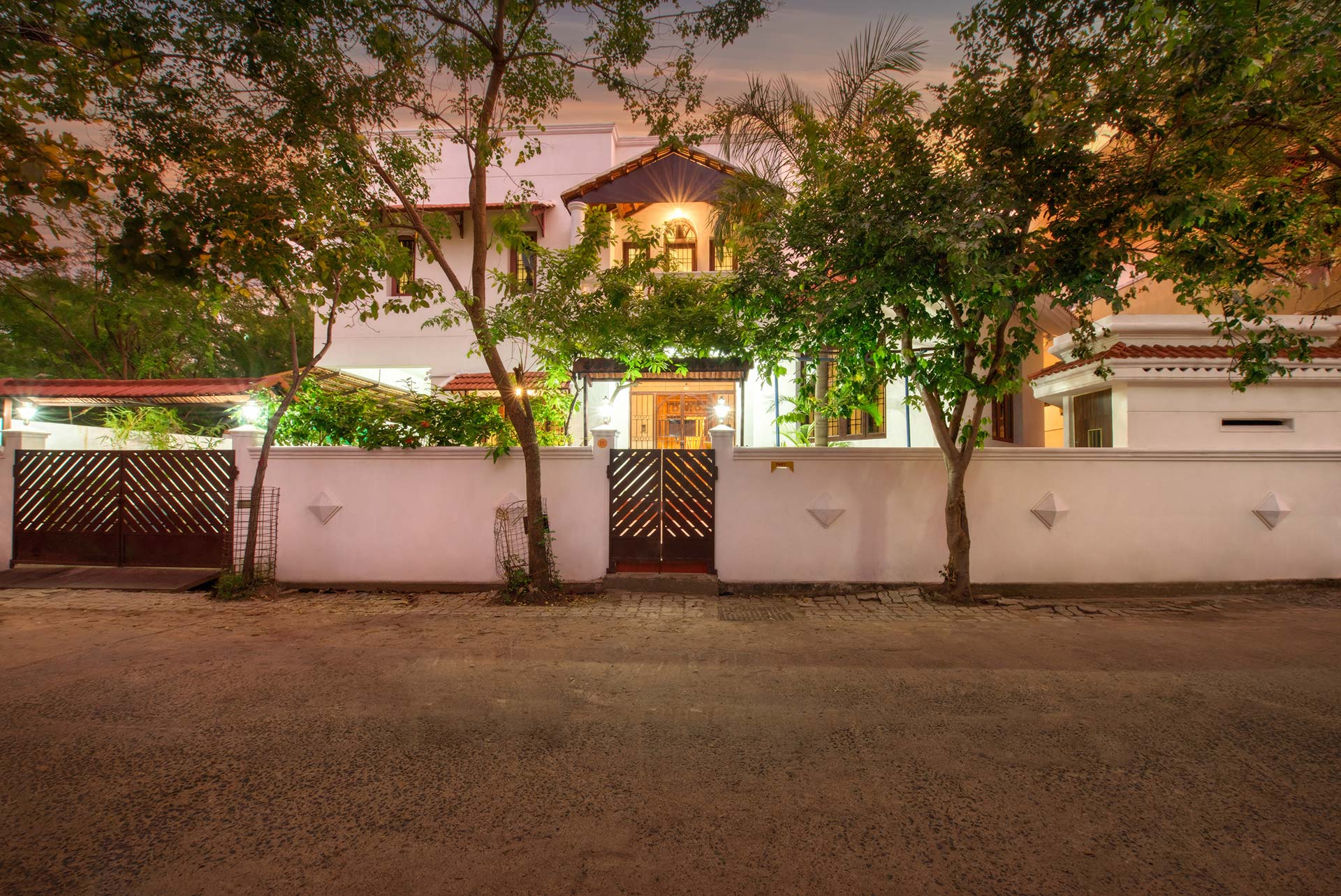
15. Goa (monsoon)

Spice plantations, Old Goa churches, Dudhsagar Falls (viewpoint only — descent closed in peak monsoon). The greenest version of the state, with the lowest crowds and the steepest hotel discounts.
- Entry fee: Old Goa Basilica free; Spice plantation tours ₹400–₹800 per adult including lunch
- Timings: Basilica 9 AM–6:30 PM; Spice plantations 9 AM–5 PM
- Best within monsoon: Mid-July through August
- How to reach: Flights from all metros; Madgaon and Thivim stations; 12 hrs drive from Mumbai
- Time required: 4–5 days
- Ideal age: 4+
- Pro tip: Don’t expect to swim at the beaches — monsoon currents are unsafe and many beaches fly red flags. Book a property with a private pool and treat the beach as a viewing experience, not a swimming one.
- Stay (StayVista): Villa Arcadia – Candolim (3BHK beach-side with private pool). All: villas with pool in Goa.
- Read more: Goa in monsoon: full family guide
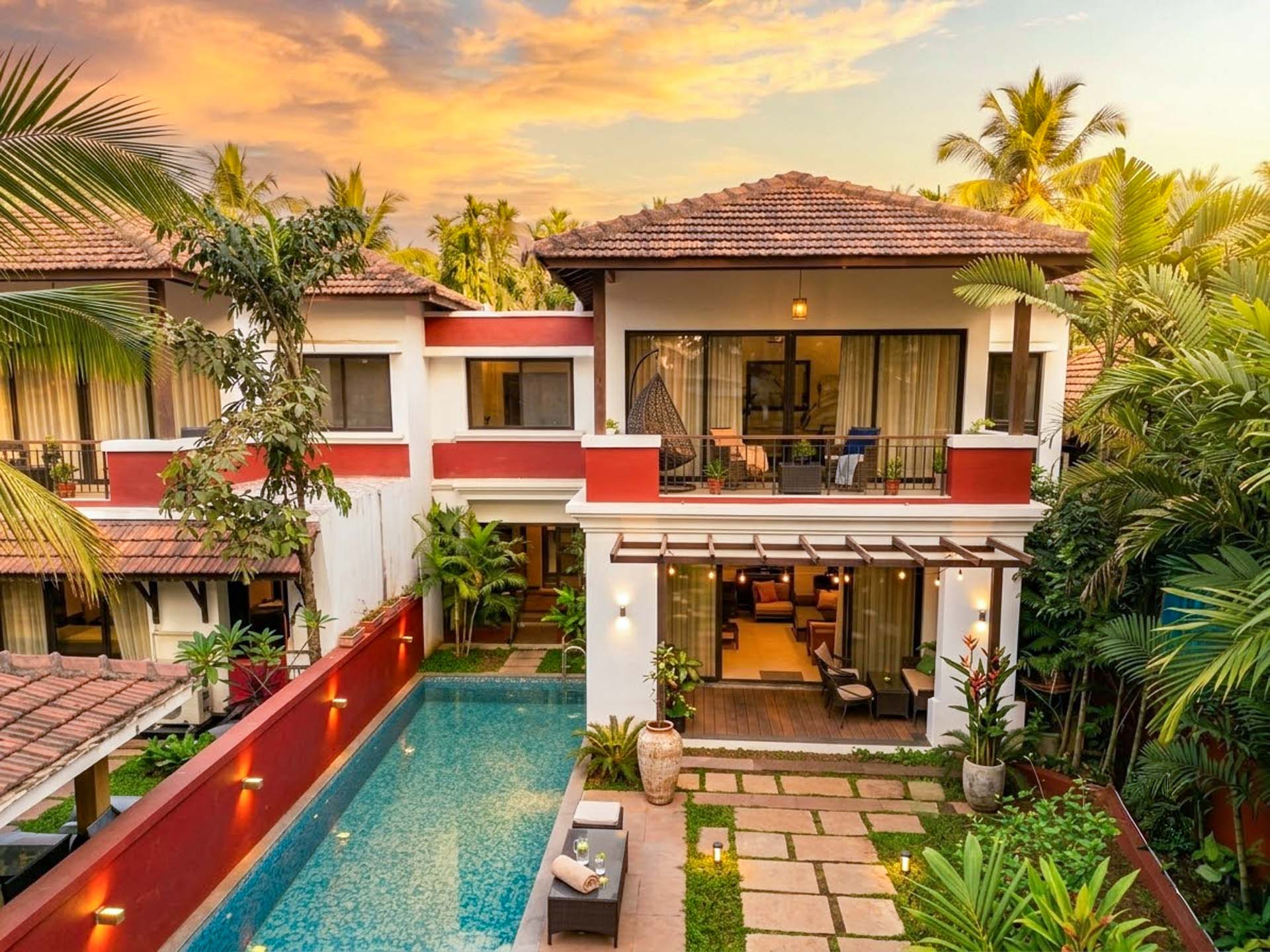
16. Mahabalipuram

Shore Temple, Pancha Rathas, and the Crocodile Bank. Coastal Tamil Nadu sees lower June–August rainfall than the hills — the Bay of Bengal coast is in northeast monsoon territory (Oct–Dec), making this a clever southwest-monsoon hideaway.
- Entry fee: Shore Temple ₹40 Indians / ₹600 foreigners; Crocodile Bank ₹60 adult/₹20 child
- Timings: Shore Temple 6 AM–6 PM; Crocodile Bank 8:30 AM–5:30 PM (closed Mondays)
- Best within monsoon: Through June to September
- How to reach: 2 hrs drive from Chennai. Nearest station: Chengalpattu (30 km). Nearest airport: Chennai (60 km)
- Time required: 2 days
- Ideal age: 3+
- Pro tip: Combine with Crocodile Bank in the morning and Shore Temple at golden hour — the temperature difference between the two ends of the day is the best comfort window for kids.
- Stay (StayVista): Perola Do Mar Villa (4BHK with pool) or Agam Villa. All: villas in Mahabalipuram.

For Kolkata families
17. Darjeeling

The UNESCO Darjeeling Himalayan Railway toy train (book ahead — monsoon slots fill fast), Padmaja Naidu Zoological Park, Tiger Hill, and tea estate tours. The toy train is the centrepiece kid memory.
- Entry fee: Toy Train ₹1,500+ for joy rides; Zoological Park ₹100; Tea Estate tours ₹300–₹600
- Timings: Zoological Park 8:30 AM–4:30 PM (closed Thursdays)
- Best within monsoon: Late July through September
- How to reach: 12 hrs drive from Kolkata; fly to Bagdogra (95 km), then taxi. Nearest station: New Jalpaiguri (88 km)
- Time required: 4 days
- Ideal age: 5+
- Pro tip: Tiger Hill at sunrise is a 3:30 AM start — skip it with kids under 8. The view from your tea-estate balcony at 6 AM is usually as good and warmer.
- Stay (StayVista): Heritage tea bungalows with estate walks. SV inventory is thinner — see homestays in Darjeeling.
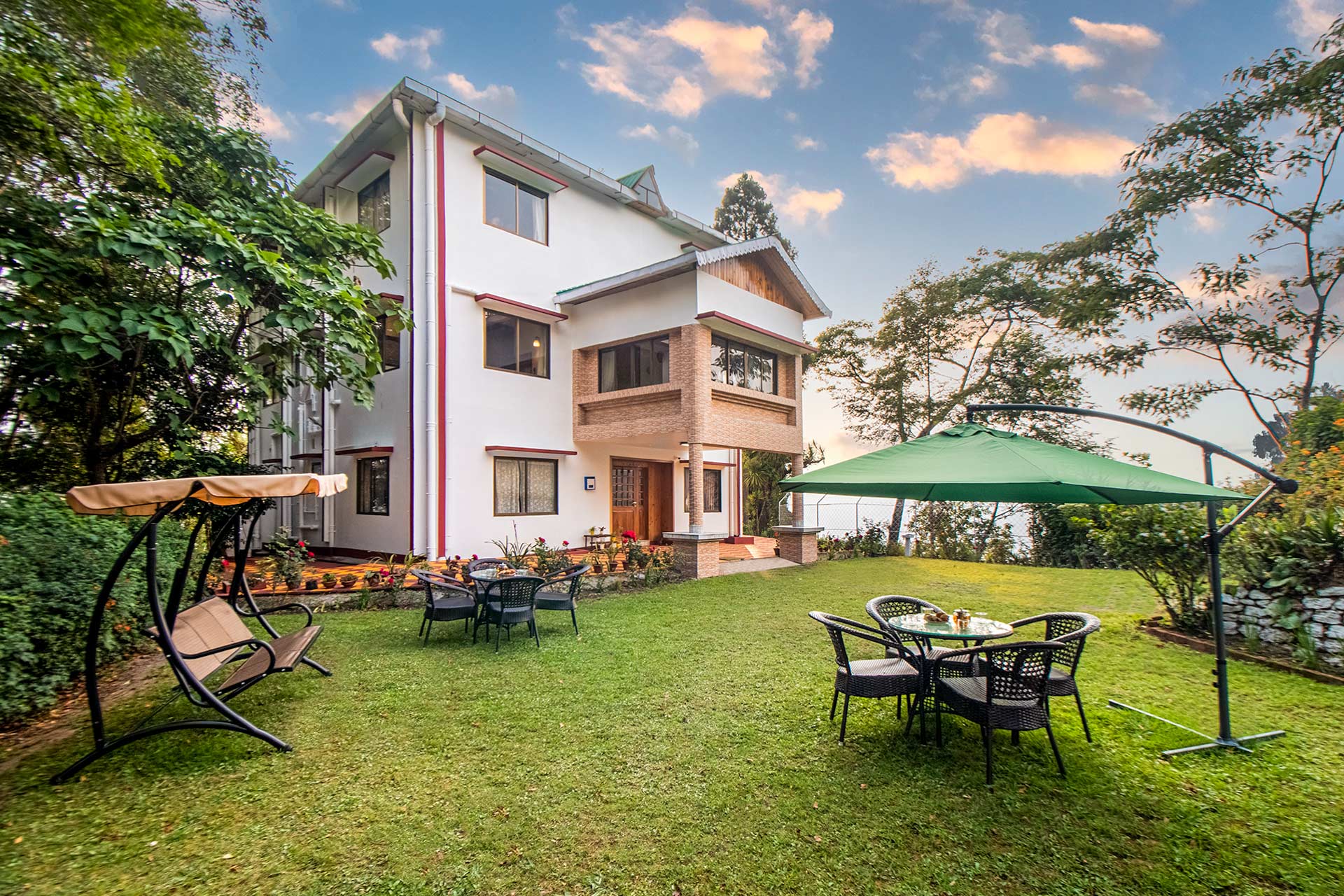
18. Gangtok

MG Marg, Hanuman Tok, the Gangtok Ropeway, and Banjhakri Falls cover the gentle Gangtok circuit. Skip North Sikkim (Lachung–Lachen) with kids under 10 — road washouts on that stretch are common in monsoon.
- Entry fee: Ropeway ₹130; Banjhakri Falls ₹70
- Timings: Ropeway 9:30 AM–4:30 PM (weather-dependent in monsoon)
- Best within monsoon: July through September, mainland Sikkim only
- How to reach: Fly to Bagdogra; 4 hrs drive to Gangtok. Nearest station: NJP (125 km)
- Time required: 4 days
- Ideal age: 5+ for Gangtok proper; 10+ for any northern Sikkim plan even outside monsoon
- Pro tip: Build buffer days. Gangtok itself is fine, but onward routes (Tsomgo, Nathu La) require permits and weather closes them without warning. Plan a 4-day trip with 1 buffer day, not 3 packed days.
- Stay (StayVista): Himalayan Horizon (panoramic mountain views) or Mystic Nest (cozy family home). All: homestays in Gangtok.
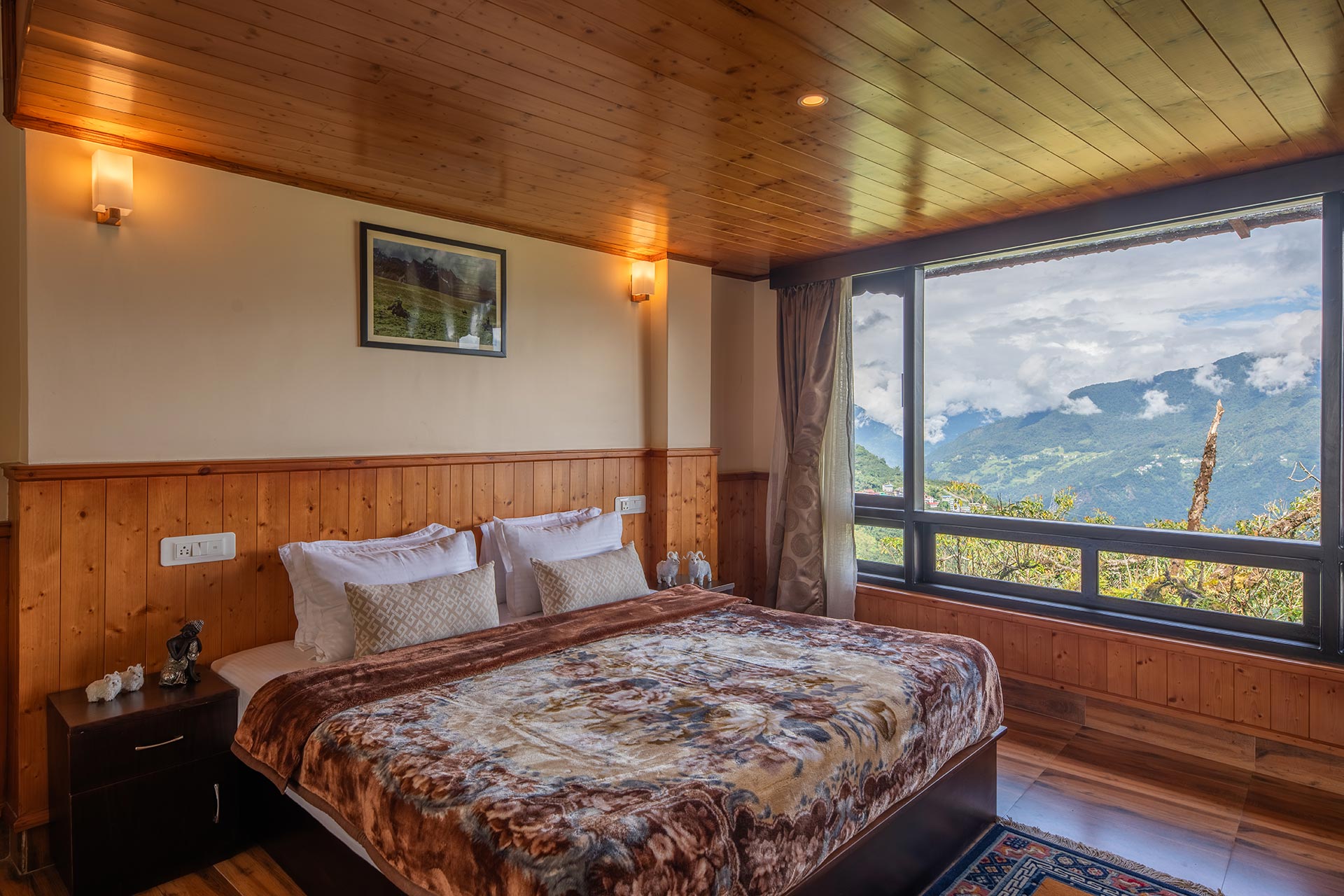
19. Shillong

Ward’s Lake, Don Bosco Museum (indoor — the family magnet of Meghalaya), and Elephant Falls (paved viewing platform). Smaller, gentler, and rainier than the standard hill stations.
- Entry fee: Don Bosco Museum ₹100 adult/₹50 child; Elephant Falls ₹30
- Timings: Don Bosco Museum 9 AM–5:30 PM (closed Sundays)
- Best within monsoon: July (the wettest month) brings the dramatic waterfalls; September if you want gentler rain
- How to reach: 3 hrs drive from Guwahati. Nearest airport: Guwahati (105 km) or Shillong (30 km, limited flights)
- Time required: 3 days
- Ideal age: 4+
- Pro tip: Don Bosco Museum is genuinely 3 hours of kid-time — plan a full afternoon, not a quick stop.
- Stay: StayVista has no inventory in Shillong currently. Use Meghalaya Tourism-recognised village homestays. See our things to do in Shillong with family guide for planning.
20. Cherrapunji / Mawsynram

The Living Root Bridges (older kids only — 2,000+ slippery steps to the double-decker), Mawsmai Caves (covered), and Nohkalikai Falls viewpoint. The wettest place on Earth, treated as a teen-and-older trip.
- Entry fee: Mawsmai Caves ₹50; Nohkalikai viewpoint ₹20; Root Bridges trek ₹50
- Timings: Caves 9:30 AM–5 PM
- Best within monsoon: September (post-peak, falls still full)
- How to reach: 2.5 hrs drive from Shillong; 5 hrs from Guwahati. Nearest airport: Shillong (90 km) or Guwahati (165 km)
- Time required: 2 days
- Ideal age: 10+ (the double-decker root bridge trek is 7 km round trip on stepped paths)
- Pro tip: Single-decker root bridge at Mawlynnong is doable for younger kids (8+). Save the double-decker for teens.
- Stay: No StayVista inventory in Cherrapunji or Mawsynram. Use Meghalaya village homestays. See our Mawsynram monsoon guide and the Guwahati–Shillong–Cherrapunji road-trip guide for planning.
Bonus pick: Udaipur (works across origin cities)
21. Udaipur

Lake Pichola boat rides (kids 2+ welcome), City Palace, and Saheliyon ki Bari covered gardens. Rajasthan monsoon is light rain plus dramatic lake reflections — paved everywhere, no slippery surprises.
- Entry fee: City Palace ₹400 adult/₹100 child; Lake Pichola boat ₹400 adult/₹200 child; Saheliyon ki Bari ₹100
- Timings: City Palace 9:30 AM–5:30 PM; Saheliyon ki Bari 8 AM–7 PM
- Best within monsoon: July through September
- How to reach: Flights from all metros; nearest station Udaipur City (5 km from centre); 5 hrs drive from Ahmedabad
- Time required: 3 days
- Ideal age: 2+
- Pro tip: Book the early-evening Lake Pichola boat ride — fewer crowds, monsoon clouds over the City Palace, and kids are well-rested from the afternoon.
- Stay (StayVista): Central Udaipur villas with paved access and private pools. All: villas with pool in Udaipur.
Which places to avoid during monsoon in India with kids?
Skip these monsoon destinations with kids: deep-valley parts of Wayanad and Coorg during red-alert days, Spiti and Lahaul (road closures), North Sikkim’s Lachung–Lachen route, interior Uttarakhand pilgrimage circuits, Andaman during cyclone alerts, and Mumbai local-train commutes on heavy-rain days. The 2024 Wayanad landslide — one of India’s deadliest of the decade per NDMA — reset what “valley caution” means for family travel.
No competing listicle publishes a “skip” list with kid-specific reasoning. We think it’s the single most important section of this guide. Here are the seven zones to keep off your booking shortlist:
- Spiti and Lahaul (Himachal Pradesh) — Routes via Manali–Rohtang and Kinnaur close frequently to landslides. Even when open, road conditions are unsuitable for car-seat-age kids.
- North Sikkim — Lachung and Lachen — Road washouts on the route are common. Save for September–November.
- Interior Uttarakhand pilgrimage circuits — Kedarnath, Badrinath, and Hemkund routes are physically demanding and weather-volatile. The 2013 floods are still the cautionary reference.
- Deep-valley Wayanad and Coorg on red-alert days — Stay on plantations only; avoid valley-floor homestays.
- Andaman during cyclone alerts — Inter-island ferries cancel without notice. Stranded with kids is no fun.
- Mumbai local train commutes on red-alert days — Self-explanatory. Switch to Uber + accepting the surge.
- Mountain treks above 3,000 m anywhere in India — Acute mountain sickness is a real risk for children, and weather windows are unpredictable. Save high altitude for September onwards.
For more depth on the landslide angle specifically, see landslide-prone hill stations to avoid in monsoon.
Already booked one of these? Here’s what to do
- Reschedule, don’t cancel. Most hotels and tour operators allow rescheduling for weather emergencies — push to September.
- Split the trip. Drop the risky destination and use those days on a safer adjacent base (Manali → Kasauli; North Sikkim → Gangtok proper; Kedarnath → Rishikesh-stay-only).
Buy weather-cancellation insurance immediately. Some policies cover up to 72 hours before departure if you haven’t booked it yet.
Safe with Kids vs Skip with Kids: 2026 decision matrix
Across 20 destinations, the safest-with-kids picks share four traits: paved arterial access, low historical landslide incidence, 3+ indoor backup options within 30 minutes of the stay, and pediatric care nearby. Rainfall alone isn’t the test — Mawsynram gets the world’s highest rainfall and is fine for teens with the right stay; Wayanad gets less, and still needs a valley caveat.
| Destination | Best age | Jun–Sep rainfall band | Landslide risk | Indoor backup (1–5) | Verdict |
| Lonavala | 4+ | Heavy (2,000+ mm) | Low–Moderate | 4 | Safe |
| Mahabaleshwar | 3+ | Very heavy (5,000+ mm) | Low | 4 | Safe |
| Karjat / Mulshi | 2+ | Heavy (2,000+ mm) | Low–Moderate | 3 | Safe (paved access only) |
| Panchgani | 5+ | Heavy (2,000+ mm) | Low | 4 | Safe |
| Mussoorie | 5+ | Moderate (1,500–2,000 mm) | Moderate | 4 | Safe (skip Kempty) |
| Nainital | 4+ | Moderate (1,000–1,500 mm) | Low | 5 | Safe |
| Kasauli | 3+ | Moderate (800–1,200 mm) | Low | 4 | Safe |
| Mount Abu | 2+ | Light (500–800 mm) | Low | 3 | Safe |
| Coorg | 3+ | Heavy (2,000+ mm) | Moderate | 4 | Safe (plantation stays only) |
| Wayanad | 3+ | Heavy (2,000+ mm) | High in valleys | 3 | Caution (Kalpetta belt only) |
| Munnar | 5+ | Heavy (2,000+ mm) | Moderate | 4 | Safe (check Eravikulam status) |
| Ooty | 3+ | Moderate (600–900 mm) | Low | 5 | Safe |
| Kodaikanal | 4+ | Light–Moderate (500–800 mm) | Low | 4 | Safe |
| Pondicherry | 2+ | Light (under 500 mm; NE monsoon heavier Oct–Dec) | None | 5 | Safe |
| Goa | 4+ | Heavy (2,500+ mm) | Low | 4 | Safe (no beach swimming) |
| Mahabalipuram | 3+ | Light (under 300 mm; NE monsoon heavier) | None | 4 | Safe |
| Darjeeling | 5+ | Heavy (2,000+ mm) | Moderate | 4 | Safe (Tiger Hill caveat) |
| Gangtok | 5+ | Heavy (2,000+ mm) | Moderate (high in North Sikkim) | 4 | Safe (mainland Sikkim only) |
| Shillong | 4+ | Heavy (2,000+ mm) | Low–Moderate | 4 | Safe |
| Cherrapunji / Mawsynram | 10+ | Extreme (8,000+ mm — world’s wettest belt) | Moderate | 3 | Older kids only |
| Udaipur | 2+ | Light (400–600 mm) | None | 5 | Safe |
Rainfall bands reflect typical Jun–Sep totals from IMD climate normals. Bands: Light <800 mm · Moderate 800–2,000 mm · Heavy 2,000–5,000 mm · Very heavy/Extreme 5,000+ mm. Mawsynram’s 11,802 mm annual average makes it the world’s wettest place (IMD).
Age-by-age guide: which monsoon destinations suit which kids?
The shortest distance between a happy monsoon trip and a hard one is age-appropriate planning. Toddlers (0–3) struggle with hill drives over four hours; teens (13+) want adventure that’s actually closed in peak monsoon. Our hosts in Coorg and Lonavala tell us the biggest mistake parents make is matching the destination to their own bucket list, not the child’s tolerance for road time, cold-damp weather, and unstructured days indoors.
In our experience hosting families, the single biggest predictor of a “we’d do it again” review is whether the child’s age matched the destination’s pace. Below is the cheat sheet we share with first-time monsoon parents.
| Age band | Top picks | Why | Skip |
| Toddlers (0–3) | Pondicherry, Udaipur, Nainital, Mount Abu, Mahabalipuram | Stay within 500 km of home or fly direct; prefer lake/beach towns with paved access; drives under 4 hours | Any hill drive over 4 hrs; Wayanad valleys; Cherrapunji; high altitude |
| Kids (4–8) | Lonavala, Coorg, Munnar plateau, Mussoorie, Goa | Ropeways, boat rides, plantation walks, indoor museums — engaged but not exhausted | Long treks; Tiger Hill 3:30 AM starts; Spiti |
| Tweens (9–12) | Wayanad (Kalpetta belt), Darjeeling, Gangtok, Mahabaleshwar, Kodaikanal | Old enough for the toy train experience, plantation tours, fort visits, light treks | North Sikkim; Kedarnath; deep-valley monsoon stays |
| Teens (13+) | Cherrapunji (root bridges), Goa (full coverage), Coorg adventure stays, Shillong | Up for the 7 km root-bridge trek, longer drives, more independent days | Spiti and Ladakh until September; high-altitude treks above 3,000 m |
What to pack for a monsoon trip with kids: 2026 checklist

A monsoon kit for kids covers three buckets: clothing that dries fast, a pediatric health kit that handles waterborne and vector-borne risks per Indian Academy of Pediatrics guidance, and gear that works without power. Skip umbrellas — rain ponchos beat them with kids every time. Skip strollers — baby carriers beat them on cobblestones and wet floors.
Clothing (kid-specific)
- Quick-dry shorts and T-shirts — 2 to 3 sets per day for toddlers, 2 sets per day for older kids
- Crocs plus closed sneakers — flip-flops are unsafe on wet stones
- Lightweight rain ponchos — easier than umbrellas with kids
- One warm fleece layer — hill stations drop to 18°C at night even in July
- Spare socks and underwear (at least 6 pairs each — they will get soaked)
Health kit
- ORS sachets — 4 to 6 per kid
- Pediatric paracetamol and ibuprofen (age-appropriate)
- Anti-diarrheal — only the pediatrician-approved version for your child’s age
- DEET-free repellent for kids under 10 (citronella or picaridin)
- Hand sanitiser and wet wipes
- Plastic ziplocks for wet clothes and medical waste
- Copy of your pediatrician’s prescription and emergency contact numbers
- Inhaler if your child has asthma (cold-damp hill stations trigger flare-ups)
Gear
- Waterproof phone pouch and dry bag for cameras
- Power bank — outages are common in hill stations
- Travel-friendly nightlight — kids in unfamiliar dark rooms need one
- Two-pin universal adapter for older homestays
- A small board game or deck of cards (the indoor-day saver)
What to leave at home
- Open strollers — use a baby carrier instead
- Suede or leather shoes
- Long umbrellas (poncho beats umbrella with kids)
- Heavy hardback books (Kindle or paperbacks only — humidity warps hardcover spines)
For rainy-day planning at your villa, our team’s gone deeper in indoor monsoon activities for kids.
Lonavala vs Mahabaleshwar with kids: which is better in monsoon?
For a Mumbai family weekend, Lonavala wins on drive time (2–2.5 hours vs 5.5–6 hours) and Mahabaleshwar wins on crowd and breadth of indoor backup. If your kids are under 6 and you’ve got a Friday night to Sunday evening window, pick Lonavala. If you’ve got three days and kids 3+, Mahabaleshwar’s Mapro Garden and Venna Lake setup is the better experience.
| Factor | Lonavala | Mahabaleshwar |
| Drive from Mumbai | 2–2.5 hrs | 5.5–6 hrs |
| Best age | 4+ | 3+ |
| Indoor attractions | Wax Museum, Karla Caves | Mapro Garden, Pratapgad Fort |
| Crowd in monsoon | Very high (weekend chaos) | Moderate |
| Verdict | Best for first-time, short trip | Best for 3-day family break |
Coorg vs Munnar with kids in July
Coorg edges Munnar for July family travel because the ghat road into Munnar is steeper and longer, and Eravikulam restrictions cap one of Munnar’s biggest kid draws. Coorg’s Dubare and Raja’s Seat are accessible from any plantation property within 30 minutes. If your kids are 6+ and motion-sick-resistant, Munnar’s plateau is genuinely beautiful — but for under-5s, Coorg is the easier yes.
Mussoorie vs Nainital in monsoon for families
Nainital edges Mussoorie for true family monsoon travel because its lake-town geography sits below typical landslide elevations and Eco Caves give you a guaranteed indoor backup. Mussoorie’s Mall Road walk and Cambridge Book Depot are charming, but Kempty Falls is overcrowded in peak monsoon and the Landour climb is steep in rain. Nainital wins for under-8s; Mussoorie wins for tweens who want the Mall Road buzz.
Sample 3-day monsoon itineraries for tier-1 city families
A three-day monsoon weekend works when you compress sightseeing into the morning and protect the afternoon for indoor backup. Our hosts plan around a simple rule: outdoor activities before 1 PM, lunch indoors, board games and naps from 3 to 6 PM, family time on the property after. Below are three plug-and-play itineraries we hand to families calling our concierge line.
For more long-form route ideas, see monsoon hill-station road trips across India.
Mumbai → Lonavala (Friday night to Sunday evening)
| Day | Time | Plan |
| Fri | 5:30 PM | Leave Mumbai post early dinner with kids |
| Fri | 8:30 PM | Check in at Ayurkutir Villa or similar; light supper |
| Sat | 8:30 AM | Breakfast on the property |
| Sat | 10:00 AM | Karla Caves (covered, 90 minutes) |
| Sat | 12:30 PM | Lunch at a café near Lonavala market |
| Sat | 2:30 PM | Bushi Dam (only if rain has paused; check IMD nowcast) |
| Sat | 4:30 PM | Back to property — pool time, board games, chikki tasting |
| Sun | 9:00 AM | Wax Museum (2 hours, indoor) |
| Sun | 12:30 PM | Lunch + check out |
| Sun | 2:30 PM | Drive back to Mumbai (kids nap) |
| If it pours all day | — | Pool (if heated) + Wax Museum + indoor board games + Karla Caves still works in light rain |
Bangalore → Coorg (Friday morning to Monday morning)
| Day | Time | Plan |
| Fri | 7:00 AM | Leave Bangalore early to beat ghat traffic |
| Fri | 12:30 PM | Check in at Firefly by the River or Mudra Manor |
| Fri | 2:00 PM | Lunch on the plantation; afternoon estate walk |
| Sat | 9:00 AM | Dubare Elephant Camp (call ahead — closed on heavy-rain days) |
| Sat | 1:00 PM | Lunch at Madikeri; Raja’s Seat at golden hour |
| Sun | 10:00 AM | Coffee plantation tour (most properties run on-site tours) |
| Sun | 3:00 PM | Abbey Falls viewpoint (skip if red alert) |
| Mon | 7:00 AM | Early breakfast and drive back |
| If it pours all day | — | Plantation coffee-tasting + pepper-spice tour on-site + indoor board games + property pool if heated |
Delhi → Nainital (long weekend)
| Day | Time | Plan |
| Fri | 6:00 AM | Leave Delhi; arrive Nainital by 1 PM |
| Fri | 2:00 PM | Check in at Aloe Villa or Villa 360; lunch on Mall Road |
| Fri | 5:00 PM | Sunset stroll around the lake |
| Sat | 9:30 AM | Lake boating (2 hours) |
| Sat | 12:30 PM | Lunch + Naina Devi Temple |
| Sat | 3:00 PM | Eco Cave Gardens (90 minutes, fully covered) |
| Sun | 10:00 AM | Snow View ropeway (weather permitting) |
| Sun | 1:00 PM | Lunch and Mall Road shopping |
| Mon | 8:00 AM | Breakfast and drive back |
| If it pours all day | — | Eco Caves + indoor café day + property games room + Naina Devi Temple covered courtyard |
Where to stay: monsoon-ready family villas and homestays in India
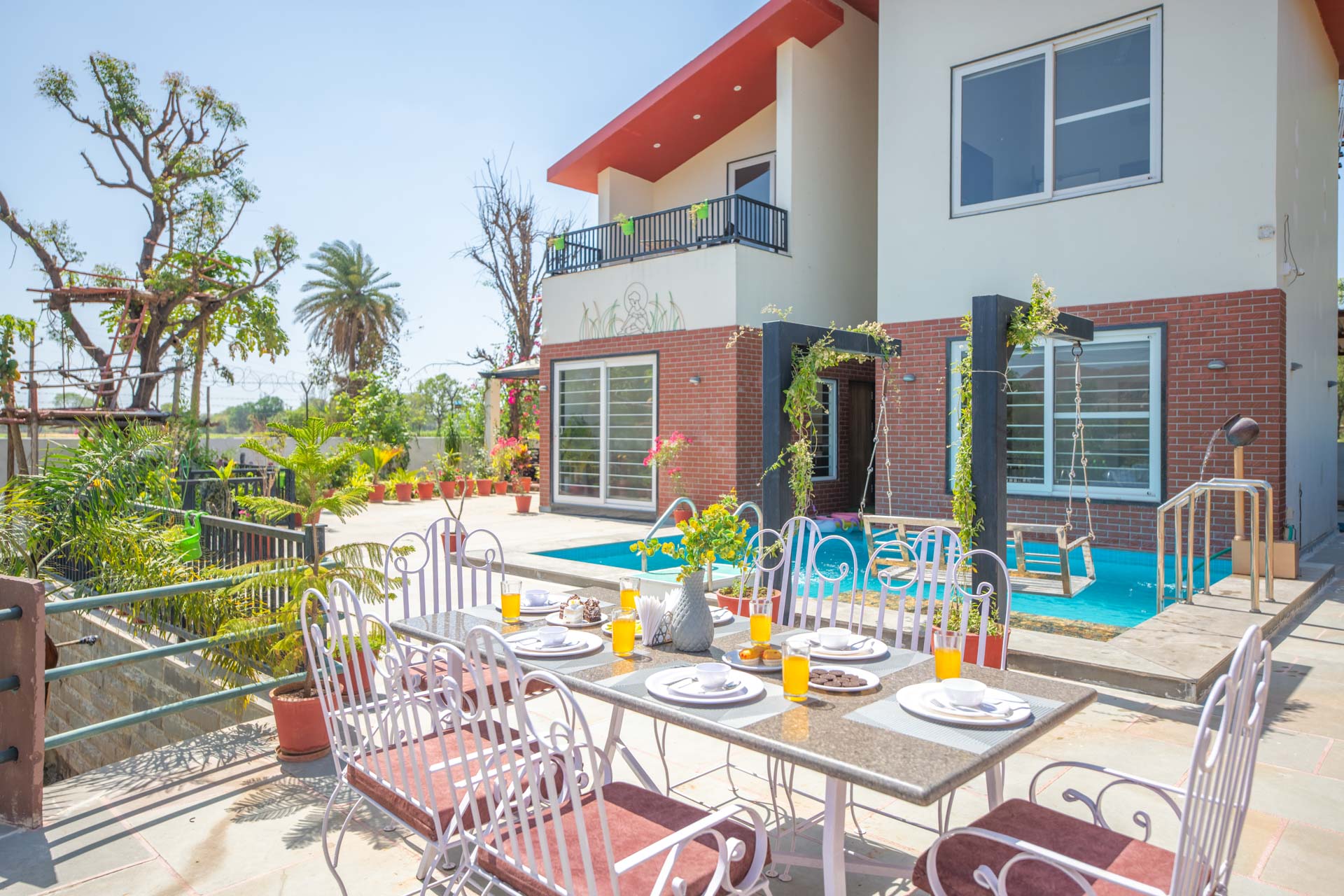
A monsoon-ready family stay covers six basics: paved access from the main road, power backup, indoor play space, pediatric care within 30 minutes, no flood or landslide history at the address, and mosquito-proofed bedrooms. We screen for all six on our family-friendly properties. The single most-overlooked check is the last 200 metres of approach road — beautiful properties off a kachha track can become unreachable overnight.
What to check before you book a monsoon stay with kids
- Covered or paved access from the main road — no kachha mud-road approach
- Power backup (generator or solar — hill stations lose power in storms)
- Indoor play area, board games, or BYO-game-friendly common space
- Pediatrician on call within 30 minutes — verify with the property manager
- No flood or landslide history within the immediate area — ask the host directly
- Mosquito netting or covered verandahs — dengue and malaria risk persists through and after monsoon
StayVista’s monsoon-ready family picks by region
| Region | Property | Why it works in monsoon with kids | Link |
| Maharashtra (Mumbai/Pune) | Status Villa, Panchgani | Heated pool — the only explicitly heated pool on this list. Kids can swim even in 18°C nights. | Status Villa |
| Maharashtra | Horizon Villa, Karjat | Private pool + spa, paved access from Karjat town | Horizon Villa |
| Maharashtra | Emilia Villa, Mahabaleshwar | Explicitly marketed for families — gym, viewing decks, jacuzzi | Browse Mahabaleshwar pool villas |
| Uttarakhand (Delhi families) | Aloe Villa, Nainital | Near Mall Road — central paved access matters when it’s pouring | Aloe Villa |
| Uttarakhand | Mellow Cottage, Mussoorie | 3BHK with pool, Himalayan views | Mellow Cottage |
| Himachal | Misty Mountains Cottage, Kasauli | Library + pool table + wood-fired oven — a rainy-day kid magnet | Misty Mountains Cottage |
| Karnataka (Bangalore) | Firefly by the River, Coorg | 5BHK on plantation, paved access, away from landslide-prone valleys | Firefly by the River |
| Karnataka | Mudra Manor, Coorg | 4BHK with private pool, plantation-side stability | Mudra Manor |
| Kerala | Cardamom Casa, Munnar | 3BR amid cardamom plantations, lawn for kid play | Cardamom Casa |
| Kerala | Veda @ Griha Sankalpa, Wayanad | Plantation estate near Kalpetta (safer zone post-2024 landslide context) | Veda @ Griha Sankalpa |
| Tamil Nadu (Chennai/Bangalore) | Greenwood Bungalow, Ooty | 6BHK private pool, multi-family or multi-gen capacity | Greenwood Bungalow |
| Tamil Nadu | Dianella Bungalow, Kodaikanal | Heritage 100-year-old bio-architecture — a storytelling angle for kids | Dianella Bungalow |
| Goa | Villa Arcadia – Candolim | 3BHK beach-side, private pool — dry-and-play between rain bursts | Villa Arcadia – Candolim |
| Rajasthan | Mangal House by the Lake, Mount Abu | 3BR, lake views, lawn + BBQ | Mangal House |
| Rajasthan | Ikigai, Udaipur | 2BR central Udaipur, private pool, paved access | Browse Udaipur pool villas |
| Sikkim (Kolkata families) | Himalayan Horizon, Gangtok | Panoramic Himalayan views, family layout | Himalayan Horizon |
| West Bengal | Treetops & Tea Trails, Darjeeling | Heritage tea-bungalow, plantation walks engaging for kids | Browse Darjeeling homestays |
Where we don’t operate: Shillong, Cherrapunji and Mawsynram. We use Meghalaya Tourism-recognised village homestays for these. Detailed planning lives in things to do in Shillong and our Mawsynram monsoon guide.
For a single-property deep-dive, our team profiled a Kerala family favourite in a family-friendly rain homestay in Alleppey. It’s the closest read to a written tour of how a monsoon-ready stay actually feels.
FAQs
Yes, for low-altitude hill stations and coastal destinations like Lonavala, Coorg, Mahabaleshwar, Goa and Pondicherry. IMD’s 2026 forecast (Kerala onset May 26) suggests a near-normal monsoon. Avoid landslide-prone valleys, high-altitude routes like Spiti and North Sikkim, and pilgrimage circuits with children under 6.
Coorg, Mahabaleshwar, Nainital, Mussoorie (excluding red-alert days), Lonavala and Udaipur consistently rank safest. They share four traits: paved access, low landslide history, indoor backup attractions, and pediatric care within 30 minutes. Stay on plantations or near town centres, not in deep-valley homestays, and you’ll be fine.
Quick-dry clothes, Crocs plus closed sneakers, rain ponchos (not umbrellas), ORS sachets, pediatric paracetamol, kid-safe mosquito repellent, dry bags, and one warm fleece layer for hill stations. Skip open strollers — carry a baby carrier instead. Add a power bank, ziplocks for wet clothes, and a copy of your pediatrician’s prescription.
Skip Spiti and Lahaul (road closures), North Sikkim’s Lachung–Lachen route, interior Uttarakhand pilgrimage zones, deep-valley Wayanad during red alerts, and Andaman during cyclone alerts. These have landslide history, road washouts, or pediatric-unfriendly access. The 2024 Wayanad landslide reset what “valley caution” means for families travelling with young children.
Madikeri–Kushalnagar Coorg is safe in monsoon for kids 3+ with paved-access plantation stays. Avoid deep-valley homestays and Iruppu Falls trekking during heavy-rain days. Stick to Dubare Elephant Camp, Raja’s Seat and indoor estate tours. Our hosts in Coorg confirm post-night-rain mornings are the most beautiful, with steaming plantations and clearer skies than afternoons.
Mid-July to late August is best — peak June (onset) often brings continuous downpour and Eravikulam closure. July plateau weather is greener with intermittent showers and clearer mornings. Stay near tea estates for indoor backup. Check Kerala Forest Department status on Eravikulam before booking, since access restrictions vary year to year.
IMD forecasts Kerala onset around May 26, 2026 (±4 days), Goa by June 3, Mumbai by June 5–6, central India by mid-June, and Delhi by June 30. Long-period rainfall is projected at 92% of average per IMD’s April 13, 2026 release — slightly below normal, with normal-to-above-normal rain in Northwest India and the South Peninsula.
Watch for waterborne illness (typhoid, hepatitis A, leptospirosis), vector-borne disease (dengue, chikungunya, malaria), and respiratory flare-ups in cold-damp hill stations. Pack ORS, use kid-safe repellent, drink sealed bottled water, and avoid street food in flood-affected zones. NCVBDC data shows India’s dengue cases peak July–October — prevention starts before you travel.
Final thoughts: plan early, stay safe, travel slow

Three takeaways before you book. One: the 2026 monsoon window for tier-1 city families is roughly six weeks — IMD’s Kerala onset May 26 to school holidays ending early July. Two: safety is the planning frame, not an afterthought. Pick low-altitude or paved-access destinations, check IMD nowcasts, and pack the pediatric kit. Three: the destination matters less than the stay. A great property with covered indoor space and reliable power makes any rainy day feel like a holiday.Book by mid-June if you’re targeting July school holidays — properties on this list fill 4–6 weeks ahead in monsoon. Browse StayVista’s monsoon-ready family villas and homestays across India, and if you’re flexing your dates into late August or September, our later-monsoon family guide picks up where this one leaves off.