
What’s Open in Maharashtra in September 2026: Forts, Waterfalls and Ghat Roads After the Rain Eases

TL;DR: The best places to visit in September in Maharashtra are the Lonavala–Khandala fort belt, Malshej Ghat, Bhandardara–Igatpuri, Pune’s fort circuit, the Mahabaleshwar–Panchgani–Kaas corridor and Amboli in the south. Kaas Plateau reopened to visitors on 1 September 2026 with online booking and a 3,000-per-day cap. Most Lonavala-region restrictions imposed under Section 163 BNSS in July 2026 were lifted as rain receded, but access is decided district by district and can change after a single heavy spell. Verify status the morning you travel.
September is the month Maharashtra stops being a rain endurance test and starts being a road trip. The Sahyadris are still green, seasonal streams are still running, and the fog that swallowed Malshej in July begins to lift for hours at a stretch. What changes is predictability — not the scenery.
Here is the honest part most listicles skip. “Open” is not a permanent label in this state. A fort can be walkable on Friday and barricaded on Sunday because a district collector issued a fresh order after an overnight cloudburst. This guide sorts the places to visit in Maharashtra in September by region and separates road access from trek access — because those two are almost never the same thing during late monsoon.
In this Blog
Quick Info: Maharashtra in September 2026
| Field | Detail |
|---|---|
| Best time within the month | Mid to late September — rain intensity drops, greenery holds |
| Monsoon status | IMD revised the 2026 southwest monsoon forecast to 90% of the long period average in May 2026; below-normal rainfall was likely across most of the country |
| Main gateway cities | Mumbai, Pune, Nashik, Satara, Kolhapur |
| Nearest airports | Chhatrapati Shivaji Maharaj International (Mumbai), Pune International (Lohegaon), Kolhapur |
| Key railway stations | Lonavala, Malavli, Karjat, Kasara, Igatpuri, Satara |
| Ideal duration | 1 day for a fort or ghat run; 2 days for Kaas or Bhandardara |
| Typical day-trip budget | Approx. ₹900–1,800 per person, self-drive (fuel, food, fees) |
| What to book ahead | Kaas Plateau slots on weekends and government holidays |
What’s Open in Maharashtra in September 2026?
In September 2026, the reliably accessible places to visit in September in Maharashtra are the road-accessible forts (Sinhagad, Lohagad, Panhala, Shivneri), the designated ghat-road viewpoints on Malshej and Tamhini, the Bhandardara lake circuit, and Kaas Plateau under its booking system. Exposed ridge treks and waterfall plunge pools remain the restricted category, because those are what district orders target first.
| Traveller question | Short answer |
|---|---|
| Is Maharashtra good in September 2026? | Yes — for greenery, forts, waterfalls and scenic drives, subject to local weather and district orders. |
| Are waterfalls still flowing? | Many Western Ghats falls stay active into September, but flow drops after dry spells. Amboli and Malshej hold longest. |
| Are all forts open? | No. Access varies by district, rain warning, trail condition and standing police order. |
| Which region is easiest from Mumbai? | Lonavala–Khandala, Karjat–Panvel, Malshej and Igatpuri. |
| Which is best from Pune? | Sinhagad, Lonavala–Pavana, Tamhini–Mulshi, Bhor and Mahabaleshwar. |
| What should I check before leaving? | IMD alerts, district collector notices, local police updates, Forest Department permits, road status. |
Why September Is Different From Peak Monsoon

July and August in the Sahyadris are about volume. September is about visibility.
- Hills stay green and misty even as rainfall intensity drops.
- Waterfalls remain photogenic, but flow is far less predictable week to week.
- Fort trails are noticeably less crowded than in July and August.
- Roads stay slippery even when the rain looks lighter — moss on ghat tarmac does not dry in a day.
- Kaas Plateau becomes genuinely relevant from September into October, which is not true in peak monsoon.
The practical upshot of late monsoon in Maharashtra: better odds of a clear view and a usable trail, worse odds of a full-throttle waterfall. Plan for one, not both. This is also what puts the state on shortlists for the best tourist places in India in September — the Western Ghats are one of the few landscapes that peak just as the rest of India dries out.
Best Places to Visit in September in Maharashtra, Region by Region
1. Lonavala, Khandala and Pavana


This is the highest-demand cluster from both Mumbai and Pune, and the one where district orders bite hardest. In July 2026 the Pune District Collector imposed prohibitory orders under Section 163 BNSS across Lonavala’s waterfalls, dams and forts. Those orders were later cancelled as rainfall receded — which is exactly why the region needs a same-day check rather than a blanket label.
Lohagad Fort is the most forgiving trek in the region and the best first fort for a beginner in September. No ASI entry ticket is commonly reported here, though you should confirm that on arrival, and the fort is officially open from around 9:00 am to 6:00 pm. It sits roughly 95 km from Mumbai, with Malavli the nearest railway station about 3 km from the Lohagadwadi base — which makes it one of the few forts you can reach comfortably without a car. Budget three to four hours for the round trip and give the whole morning to it, since weekday starts before 8:00 am are far quieter than weekend ones. It suits beginners and families with older children. Our one warning: the final stretch of steps holds standing water through September, so grip-soled shoes matter considerably more here than fitness does.
Visapur Fort is Lohagad’s bigger, wilder and much slipperier neighbour, with a natural waterfall running down the rock-cut steps in a good rain year. Entry is free and access is daylight-only, with early morning in mid-to-late September the safest window. The base at Bhaje village is about 5 km from Malavli station, and the climb takes four to five hours in total, which puts it firmly in fit-trekker territory rather than family territory. The practical tip that matters most: do Lohagad or Visapur, never both in one day. Travellers who try to stack the two consistently end up descending the second one in fading light.
Pavana Lake is for anyone who wants the September landscape without a climb. The reservoir loop road is free to drive and open around the clock, though in practice you should treat it as a daylight site from roughly 6:00 am to 6:30 pm and avoid it after dark, with camping operators charging separately for their pitches. It lies about 20 km from Lonavala, needs two to three hours to circuit properly, and works well for couples, groups and photographers. Water levels sit near their annual peak this month, and sunrise or the last hour before dusk are when the reservoir is worth photographing. Stay on the road-side viewpoints, though — dam edges and reservoir banks are the first things restricted whenever an alert is issued in this district.
Karla and Bhaja Caves are the weather-proof fallback for this cluster, and the place to head when the forecast collapses. These rock-cut Buddhist chaityas date to roughly the 2nd century BCE, charge approximately ₹25 for Indian nationals and ₹300 for foreign nationals, and open from about 9:00 am to 5:30 pm. Both sit within 3 to 5 km of Malavli, need only 90 minutes to two hours, and are ideal for families and history-first travellers. Any time of day works, since the whole appeal is that they function perfectly well in drizzle. Pick Bhaja over Karla if you can — it draws smaller crowds and its rows of stupas are far more atmospheric under low cloud.
Bottom line: the easiest September escape, and the most rule-bound. Check the current monsoon trekking rules before committing to a fort.
2. Malshej Ghat and Junnar


If your idea of a September trip is a windscreen full of cliffs and roadside cascades, Malshej is the strongest fit in the state.
Malshej Ghat’s road viewpoints run along a stretch of NH-61 on the Pune–Thane district boundary, where the road cuts under dripping basalt. There is no entry fee, the drive should be done in daylight only, and the sweet spot in September is roughly 9:00 am to 4:00 pm once the morning fog has burned off — which happens far more reliably now than it did in August. The ghat sits about 130 km from Mumbai and 125 km from Pune, and a proper run with stops takes three to four hours. It is built for road trippers and photographers rather than trekkers. Two rules we would not bend: use the designated stopping bays rather than halting in a live traffic lane for a photograph, and never stand under an overhang, because the rock face here sheds after heavy rain.
Pimpalgaon Joga Dam, roughly 18 km further on, holds a reservoir filled to the brim across the Pushpavati river. Access is free, though boating charges and current operating status both need confirming, and it is a daylight-hours stop. Early morning is the best slot if you have come for birds. Give it one to two hours; it suits birders and anyone wanting a quiet break rather than another viewpoint scrum. Treat flamingo sightings as a maybe rather than a plan — activity here is reported inconsistently and tends to peak outside September.
Harishchandragad is the region’s serious undertaking, with the Konkan Kada cliff as its payoff. There is no entry fee and no gate to pass through, but a local guide is strongly advised, and the trek runs on daylight hours only — meaning a start by 5:30 to 6:00 am, or an overnight at the plateau huts. The Khireshwar base lies about 165 km from Mumbai, and eight to twelve hours is the realistic minimum on the mountain, which restricts it to experienced trekkers. Late September, once the trails firm up, is the earliest sensible window. This is not a route for independent monsoon attempts: go with a registered group and a guide, or save it for October.
Bottom line: Malshej delivers the waterfall-and-ghat-road promise better than anywhere else within a day of Mumbai — and it is the one region where staying in your car is genuinely the safer choice.
3. Bhandardara, Igatpuri and Kalsubai


The quietest high-value cluster in the state, and our pick if Lonavala weekends have worn you out. Search interest for places to visit in Bhandardara climbs sharply from September onward, and the region rewards an overnight rather than a dash.
Arthur Lake and Wilson Dam anchor the area — a Pravara-river reservoir ringed by hills, with the 1910-era dam wall sitting below it. Both are free to visit, open through daylight hours, with camping available via licensed operators only. Bhandardara is roughly 165 km from Mumbai, and Igatpuri is the nearest useful railway station at about 45 km, which makes the region reachable without a car. Set aside half a day, ideally as part of an overnight, and expect it to suit couples and slow travellers more than groups chasing a checklist. The window that makes the difference is 6:30 to 8:30 am, when the lakeside road is still empty — day-trippers start arriving from Nashik shortly after. Book your stay in Bhandardara village itself rather than Igatpuri if you want that early window, because the drive between the two takes about 90 minutes on wet ghat road.
Randha Falls sits about 10 km away, where the Pravara drops roughly 45 m. A nominal viewing charge is reported, and the site is open from around 8:00 am to 6:00 pm. Early September catches it closest to peak flow. Forty-five minutes to an hour is plenty, and it works for every kind of traveller, including families with small children. View it from the built platform and leave it at that — the gorge below is not an approach route in any month of the year.
Vihigaon (Ashoka) Waterfall, near Kasara, is the adventure stop of the group and draws rappelling operators through the season. Viewing is free, rappelling is charged separately, and both the rates and the current permission status need checking before you commit. It is a daylight-only site about 12 km from Kasara station, needs two to three hours, and is squarely aimed at adventure groups rather than casual visitors. Mid-morning in mid-September is the practical window. Book only operators who provide helmets, harnesses and a certified belayer — and walk away from anyone who does not.
Kalsubai is the region’s one hard climb and Maharashtra’s highest peak at 1,646 m, reached by a laddered trail from Bari village roughly 12 km from Bhandardara. There is no entry fee, but you need to be walking before 6:00 am, and the round trip runs five to seven hours, which limits it to fit and experienced trekkers. Go only on clear-sky days, ideally late in September. The metal ladders are the crux of the route and they are genuinely slick when wet, so skip the attempt entirely in poor visibility — the summit view is the whole reason to be up there.
Choose this region if: you want a quieter overnight (Bhandardara), rail access without a car (Igatpuri), or a serious climb (Kalsubai, early start only).
4. Pune’s Fort Belt


Pune is the one metro where a genuine fort day trip needs under two hours of driving. These are among the best hill stations to visit in September for travellers who want history rather than a mall road.
Sinhagad Fort is the most accessible fort in the state, and the reason “places to visit near Pune within 50 km” is one of the region’s highest-volume searches. Entry to the fort is free, though private vehicles pay approximately ₹20 per two-wheeler and ₹50 per four-wheeler to use the summit road, and the site is open daily from roughly 5:00 am to 6:00 pm. It sits about 30 km from Pune, needs three to four hours including the food stops, and suits families, first-timers and anyone who comes for the pithla-bhakri. Weekday mornings are the ones to target, because the summit road is often closed to private vehicles on peak weekends — our Sinhagad monsoon guide covers the trek route and the stalls at the top in detail.
Rajgad Fort, the Maratha capital before Raigad, is the most rewarding hard trek near Pune. Entry is free, the climb runs through daylight hours, and overnight stays at Padmavati Machi are common and popular. The Gunjavane base lies about 60 km from Pune, the round trip takes six to eight hours, and it is a route for experienced trekkers rather than casual day walkers. Mid-to-late September, on a clear day, is the best time to attempt it. Take the Pali Darwaja route this month rather than the shorter Chor Darwaja, which is considerably more exposed and unforgiving in wet conditions.
Torna Fort, Shivaji Maharaj’s first conquest, is Rajgad’s steeper and less-trafficked neighbour. It charges no entry fee, is a daylight-hours climb, and starts from Velhe about 60 km from Pune. Five to seven hours is realistic, and the fort belongs to experienced trekkers only. Late September, once the rock has had a few drier days, is the sensible window. The final section above Bini Darwaja is where people routinely turn back — judge it honestly at the base rather than halfway up.
Shivneri Fort at Junnar is the family option in this belt, and Shivaji Maharaj’s birthplace. Entry is approximately ₹25 for Indian nationals and the fort opens from about 8:00 am to 6:00 pm. It lies roughly 95 km from Pune, needs two to three hours, and its stepped, railed climb is one most children manage comfortably. Mornings are best, before the Junnar circuit fills up. Pair it with the Lenyadri Caves for a full day that does not depend on the weather cooperating.
Tikona and Korigad are two compact Pavana-side forts, each free to enter, each a daylight climb of under 90 minutes, and both about 60 km from Pune. Either makes a three-to-four-hour half-day for moderate trekkers. Early morning is the window, particularly on weekends. Pick one rather than both — the approach roads to both bases are narrow village lanes that turn slow and rutted after rain.
| Traveller type | Suggested forts |
|---|---|
| Beginners | Sinhagad, Lohagad, Korigad |
| Families | Sinhagad road access, Shivneri, Karla Caves |
| Moderate trekkers | Tikona, Visapur, Rajmachi, Rohida |
| Experienced trekkers | Rajgad, Torna, Harishchandragad, Kalsubai |
| History-first travellers | Sinhagad, Rajgad, Torna, Panhala, Shivneri |
5. Mahabaleshwar, Panchgani and Kaas


This is the cluster where September genuinely outperforms every other month, and it deserves its own trip rather than a bolt-on.
Kaas Plateau, Satara is a UNESCO-listed Western Ghats site that turns into a wildflower plateau for a few weeks each year, and it reopened to visitors on 1 September 2026. Entry is reported at approximately ₹100 per adult on Saturdays, Sundays and government holidays and ₹50 on weekdays, with children under five free — though one source quotes ₹200 inclusive of parking and the shuttle, so confirm the current rate on kas.ind.in before you book. The plateau runs three fixed slots: 7:00–11:00 am, 11:00 am–3:00 pm and 3:00–6:00 pm, with a 3,000-visitor daily cap and mandatory online booking on weekends and government holidays. It sits about 25 km from Satara and needs three to four hours, which makes it comfortable for families, photographers and nature travellers alike. Bloom should run from mid-September to mid-October 2026, peaking in the last week of September — book a weekday morning slot if your dates allow, and see our Kaas Plateau 2026 guide for the full booking walkthrough.
Thoseghar Falls is the natural pairing, roughly 20 km from Satara, with a purpose-built viewing platform that makes it safe in a month when most falls are not. A nominal charge is reported and it opens from about 8:00 am to 6:00 pm. An hour to 90 minutes covers it, and it works for all travellers including those who cannot manage a trek. Get there by 9:00 am — mid-morning cloud rolls in and regularly hides the main drop entirely, which is the single most common complaint we hear about this stop.
Panchgani Table Land is a laterite plateau among Asia’s largest, walkable in an easy loop about 20 km from Mahabaleshwar. Entry is free, horse and buggy rides are charged separately, and the plateau is open from roughly 6:00 am to 6:00 pm. One to two hours is enough, and it is a straightforward family stop. Early morning gives you the mist without the crowds. Do check the current position on vehicle and access rules before you go plateau access has been regulated in some seasons.
Pratapgad Fort, the 1656 hill fort above Poladpur, sits about 24 km from Mahabaleshwar and has a motorable road running almost to the entrance. Entry is free, though guide charges apply and should be confirmed, and the fort opens from around 8:00 am to 6:00 pm. Two to three hours covers the visit, and it suits families and history travellers who want a fort without a trek. Go mid-morning, once the overnight cloud has lifted off the ramparts. The approach ghat is narrow with tight hairpins, so avoid it in heavy fog and never attempt it after dark.
6. Amboli and Southern Maharashtra


One honest correction to most September content: rain does not ease uniformly across the state. Amboli, in Sindhudurg district, is among India’s wettest places and can still take intense rainfall through September. Treat it as a late-monsoon destination, not a post-monsoon one.
Amboli Ghat and Amboli Falls make a waterfall-dense drive at roughly 690 m above sea level, still running hard this month when much of the state has begun to dry. There is no entry fee and the road should be driven in daylight only, with late September the more reliable half of the month. Amboli lies about 110 km from Kolhapur and deserves half a day, which makes it a road tripper’s and photographer’s destination rather than a quick halt. Visibility here drops to near zero without warning, so keep fog lights on throughout and read our Amboli monsoon guide before you plan the route.
Panhala Fort above Kolhapur is the road-accessible counterweight, with intact Bahmani-era granaries and gateways spread across a large site. Entry is free, though small charges apply at some individual monuments, and it opens from about 8:00 am to 6:00 pm. It is roughly 20 km from Kolhapur, needs two to three hours, and works well for families and history travellers of any fitness level. Mornings are best. The strongest September pairing in this belt is Panhala early, then Kolhapur’s Mahalaxmi temple and food streets by evening.
Gaganbawda is the high-rainfall ghat linking Kolhapur to the Konkan, taking in the Karul and Bhuibavda descents. It is free, daylight-only, about 55 km from Kolhapur, and needs three to four hours to drive properly. This one is for experienced drivers rather than casual ones, and late September is the safer end of the month. Landslip clearance work is common here right through the monsoon, so check the road status the morning you set out rather than the night before.
One-Day and Two-Day September Itineraries
| Plan | Route |
|---|---|
| 1 day from Mumbai — forts | Early train or drive to Malavli → Lohagad or Visapur (not both) → Bhaja or Karla Caves → back before evening expressway traffic |
| 1 day from Mumbai — ghat road | Leave by 6:00 am → designated Malshej viewpoints and safe waterfall stops → Pimpalgaon Joga Dam if accessible → turn back well before fog and dark |
| 1 day from Pune | Sinhagad early → local meal at the top → permitted Khadakwasla viewpoints on the return. Alternative: Tikona or Korigad, adding Pavana only if roads allow |
| 2 days — Kaas circuit | Day 1 Mahabaleshwar and Panchgani. Day 2 Kaas morning slot → Thoseghar Falls → Sajjangad. Book the slot ahead and confirm bloom status |
| 2 days — quiet circuit | Day 1 Igatpuri, Tringalwadi, a permitted waterfall viewpoint. Day 2 Arthur Lake → Randha Falls → Amruteshwar. Kalsubai only as a dedicated early-start trek |
Roads, Weather and Access Checks Before You Leave
Run this list the morning you travel, not the week before:
- IMD district forecast and warnings — check the India Meteorological Department bulletin for your destination district, not the state.
- District collector notices — Pune, Thane, Raigad and Nashik issue their own orders, and they differ from each other.
- Local police social updates — usually the fastest source for a same-day road or fort closure.
- Forest Department permits — required for sanctuary zones including Bhimashankar, Tamhini and Melghat.
- Road status — Malshej, Amboli, Gaganbawda and Tamhini are the routes most prone to temporary closure.
Carry grip-soled shoes, a rain shell rather than an umbrella, offline maps, a power bank, cash for village-level fees and a dry bag for your phone. Fuel up before the ghat — signal drops on every route above.
Places to Avoid During Active Warnings
Skip these entirely when a red or orange alert is live, regardless of what a reel showed you last week:
- Waterfall plunge pools and the base of any cascade
- Dam edges, spillways and reservoir banks
- Exposed ridges and cliff-edge viewpoints in low visibility — Konkan Kada, Kalsubai’s summit, Table Land’s rim
- River crossings on trek routes, including Devkund’s approach
- Night driving on Malshej, Amboli, Tamhini or Gaganbawda
- Any barricaded trail, in any district, for any reason
Where to Stay
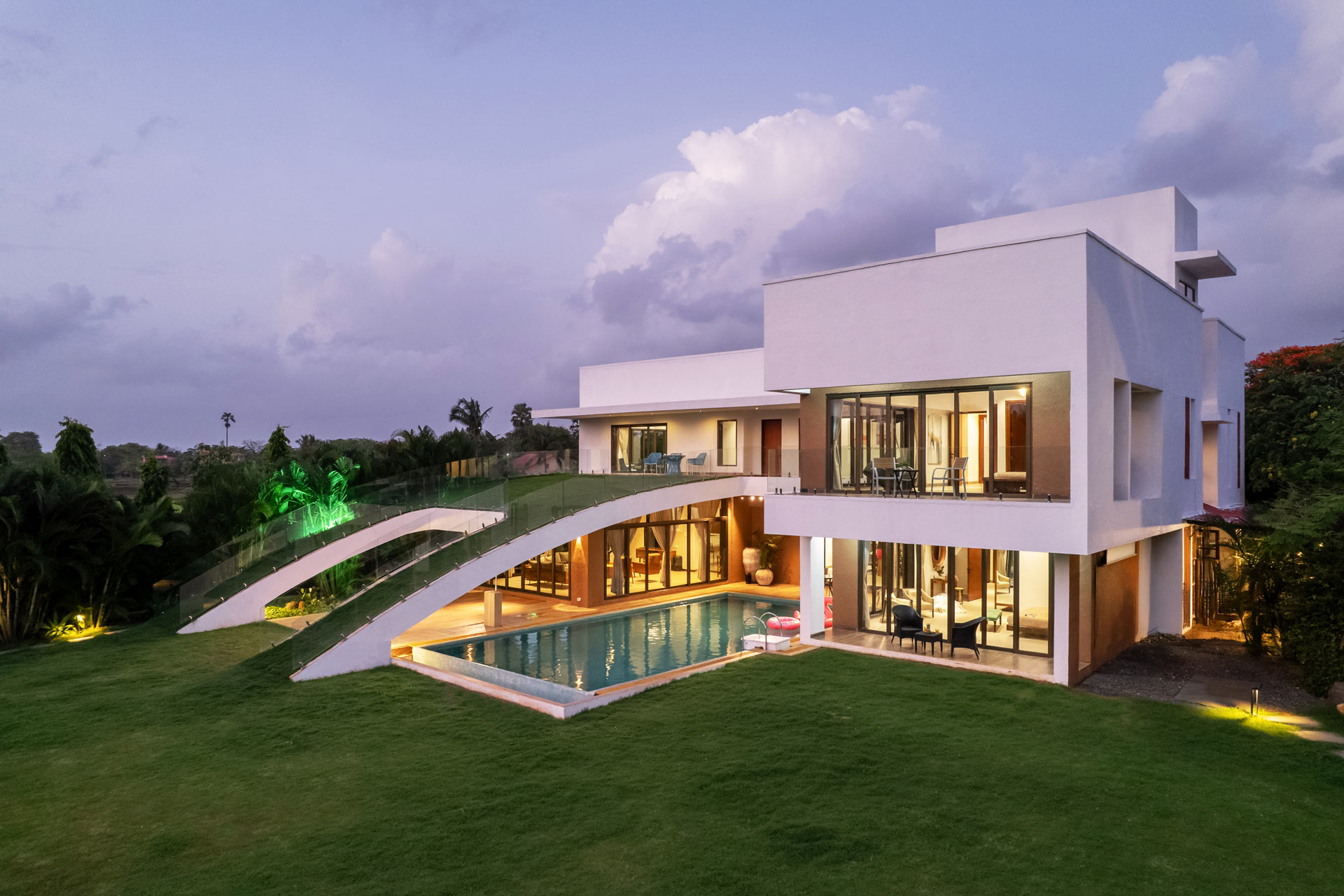
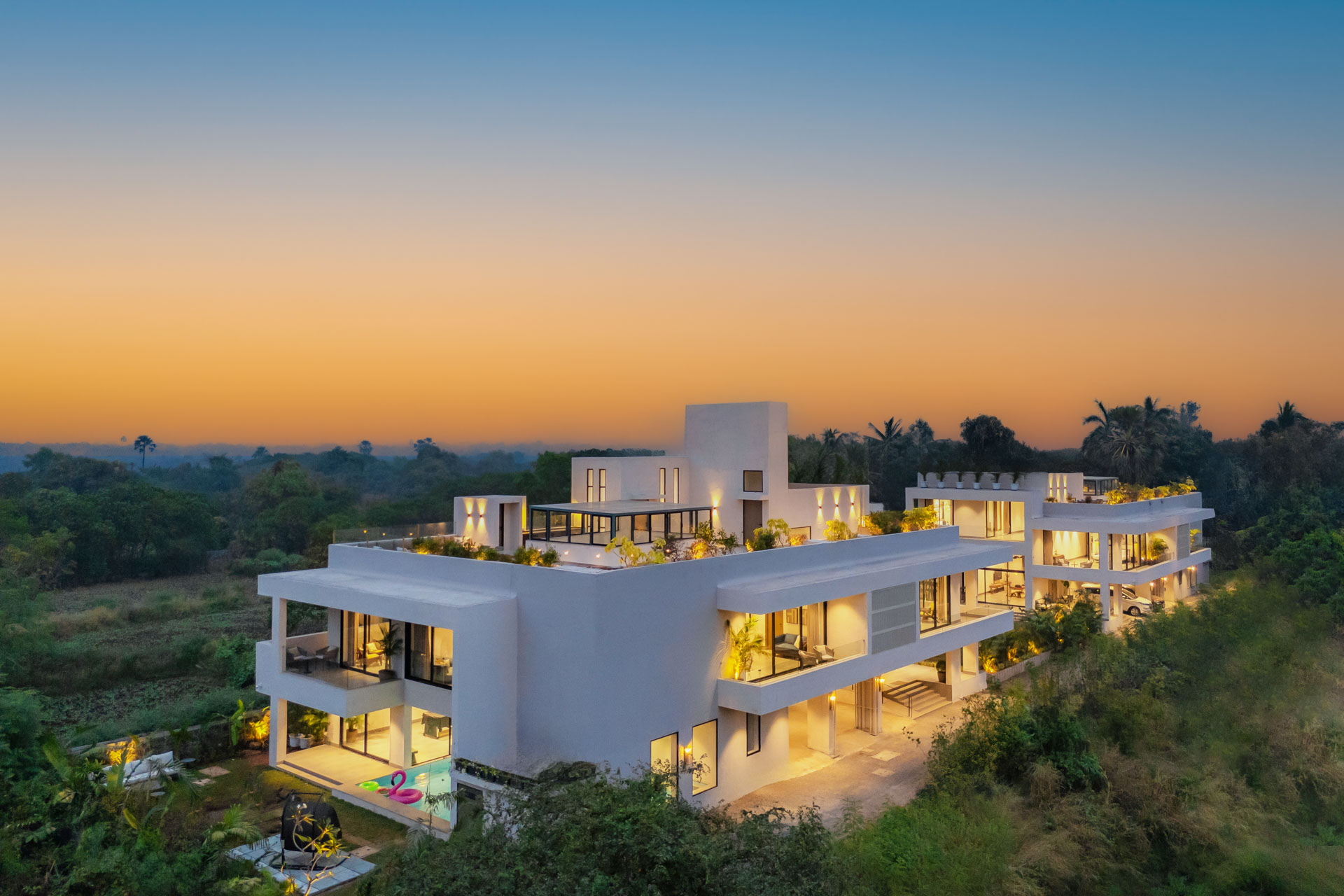
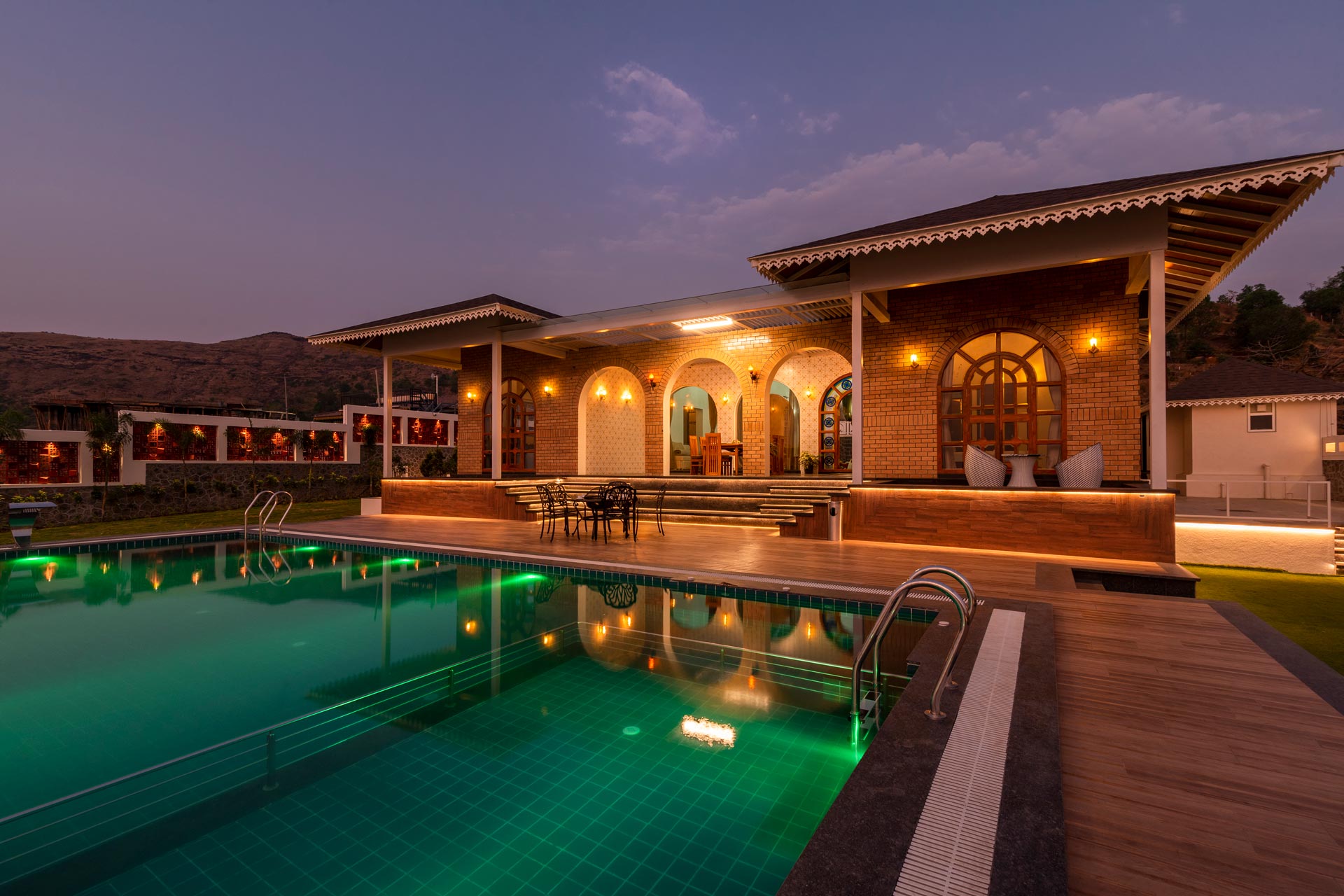
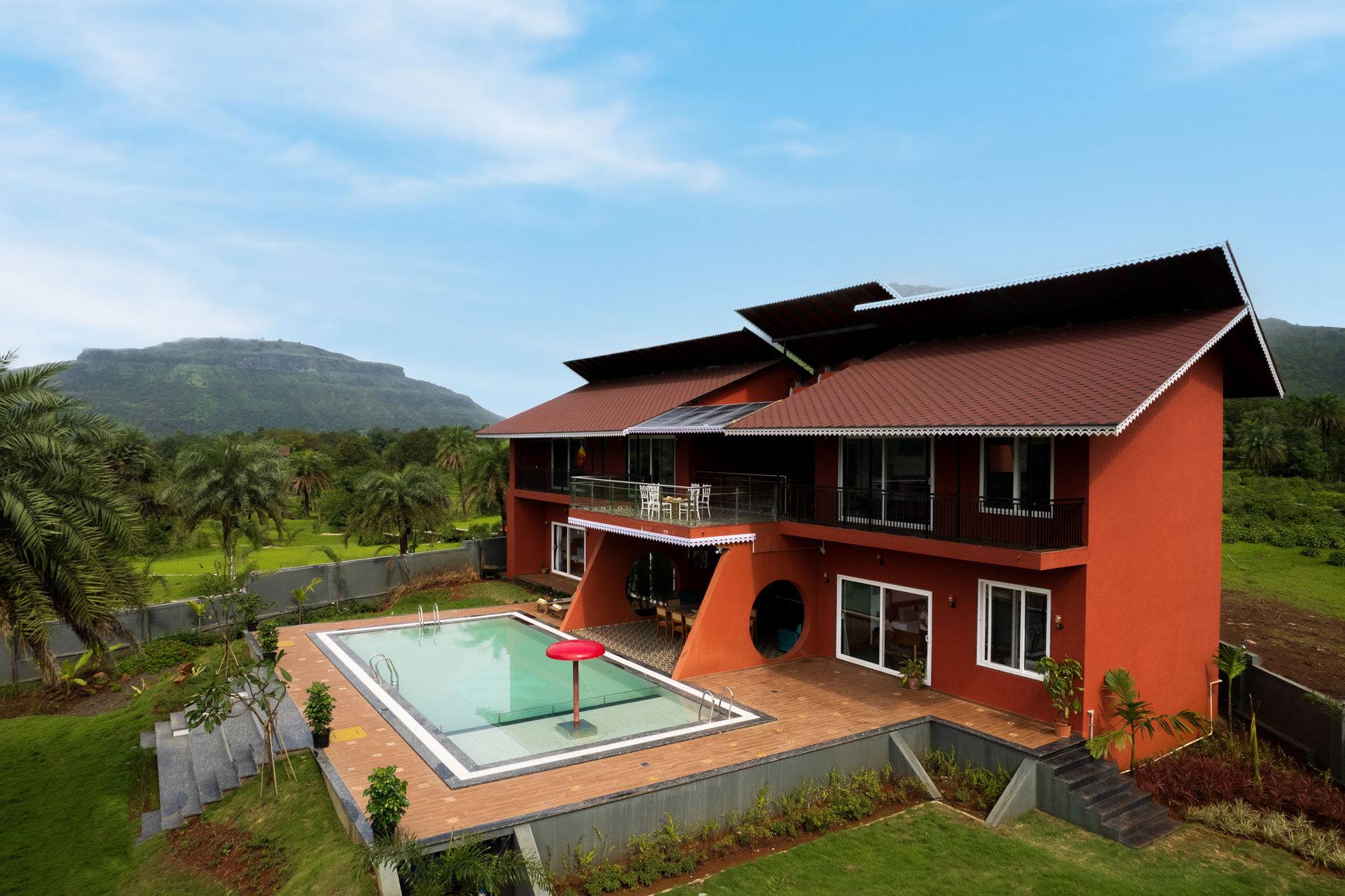
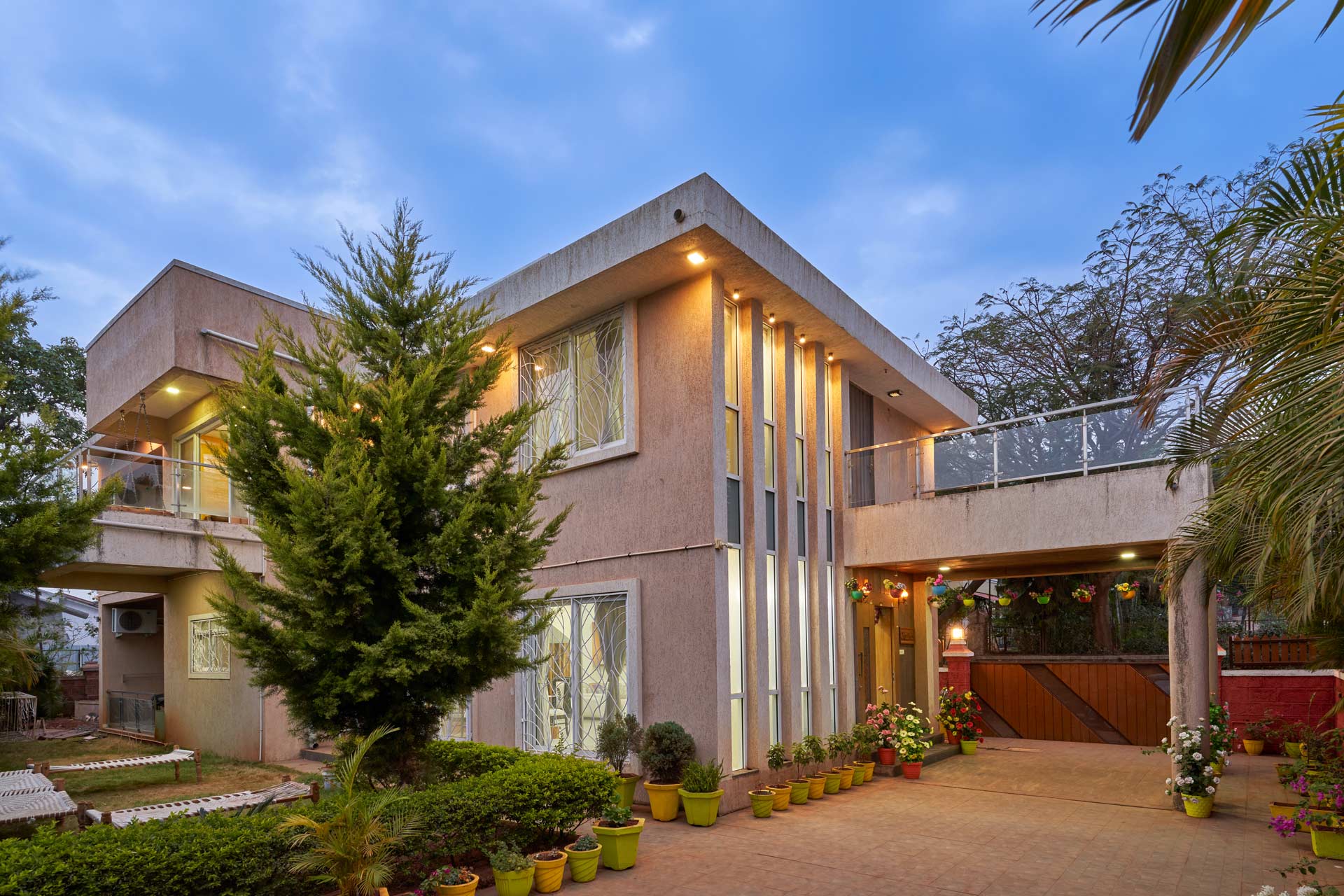
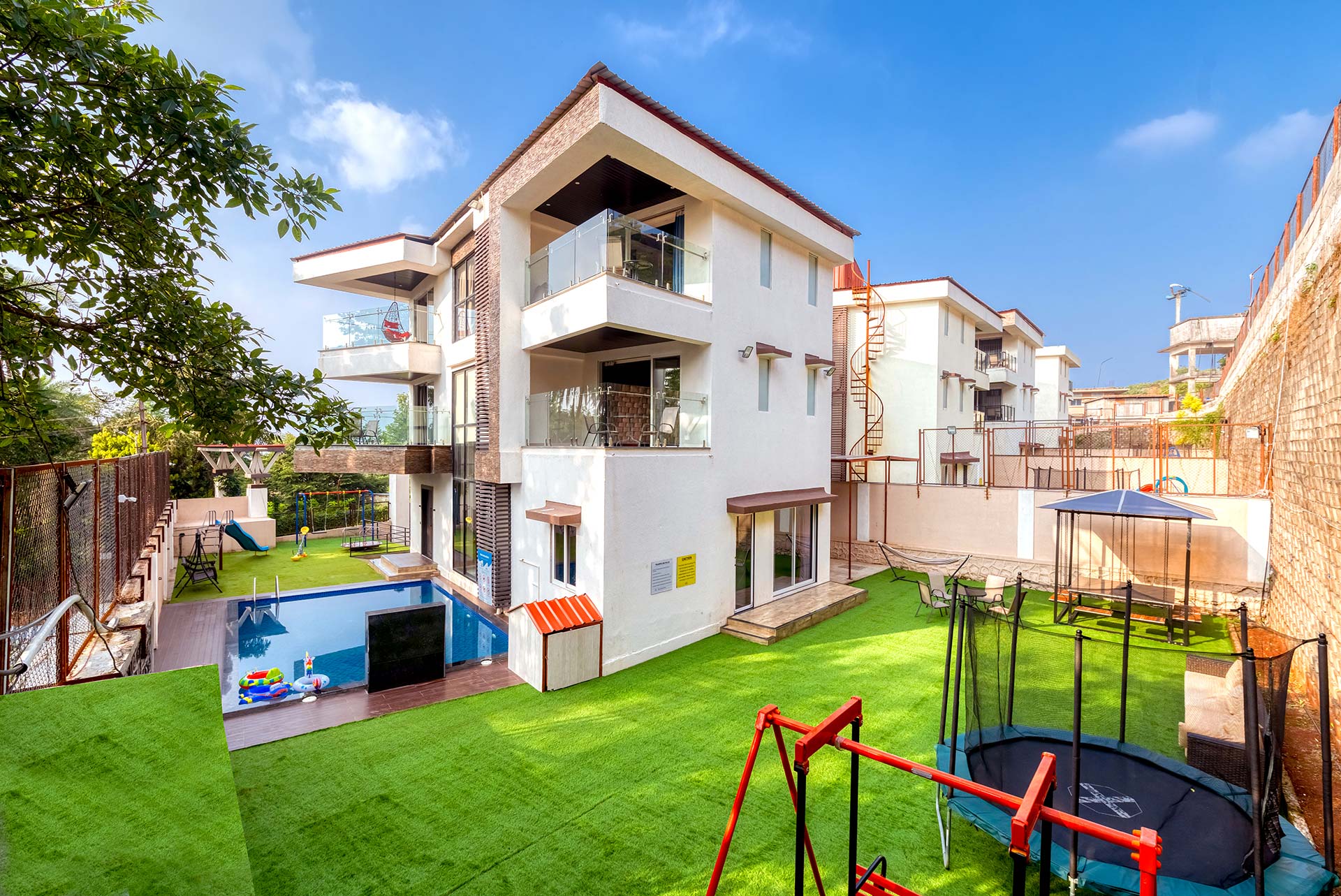
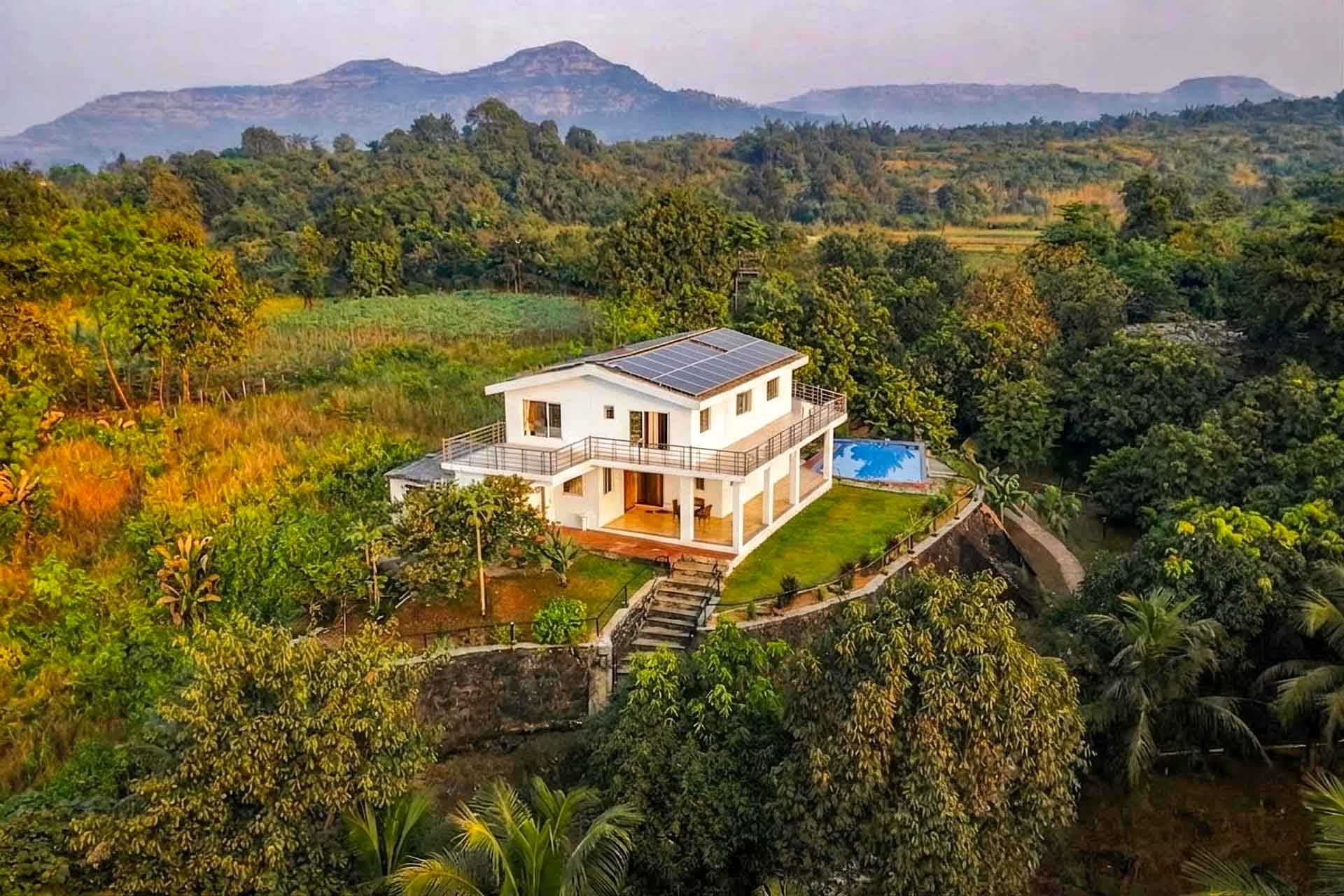
For a September trip, base yourself close enough that a 6:00 am start is realistic. That single decision does more for the trip than any other.


FAQs: Places to Visit in September in Maharashtra
Road-accessible forts such as Sinhagad, Lohagad, Panhala and Shivneri, designated ghat-road viewpoints on Malshej and Tamhini, the Bhandardara lake circuit and Kaas Plateau are generally accessible as of 31 August 2026. Kaas reopened on 1 September 2026 with online booking and a 3,000-per-day cap. Access is decided district by district and can change after heavy rain.
Yes. September combines late-monsoon greenery with better visibility and fewer crowds than July and August. Kaas Plateau’s flower season also begins this month. The trade-off is less predictable waterfall flow after dry spells.
Randha Falls near Bhandardara, Thoseghar near Satara, Amboli Falls in Sindhudurg, Kune Falls near Lonavala and the seasonal cascades along Malshej Ghat typically stay active into September. Flow depends on rainfall in the preceding fortnight, so check recent local reports.
Yes. Kaas Plateau reopened on 1 September 2026. Entry runs in three slots — 7:00–11:00 am, 11:00 am–3:00 pm and 3:00–6:00 pm — with a 3,000-visitor daily cap and mandatory online booking on weekends and government holidays. Bloom is expected mid-September to mid-October, peaking in the last week of September.
Choose Lonavala for the shortest drive from Mumbai or Pune, more fort options and better food and stay infrastructure. Choose Bhandardara for a quieter overnight, a lakeside setting and Randha Falls at close to peak flow. Bhandardara is the better two-day trip; Lonavala is the better single day.
Road-accessible forts usually stay open. Trek routes are the ones that get restricted, often at short notice, when a district issues a prohibitory order during a heavy-rain alert. The July 2026 Section 163 BNSS restrictions across the Lonavala belt were later cancelled as rain receded — but road access and trek access are separate permissions, so never assume one implies the other.
Sinhagad Fort by road, Shivneri and the Junnar caves, Panchgani Table Land, Venna Lake in Mahabaleshwar, Thoseghar Falls and Kaas Plateau’s laid-out pathways all work for families with children. All are viewpoint- or path-based rather than scramble treks.
The Short Version
For the easiest September escape, choose Lonavala–Khandala. For a quieter lakeside break, choose Bhandardara. For waterfalls plus a dramatic ghat drive, choose Malshej or Amboli. For flowers, make Kaas Plateau the priority and book the slot first. For forts, pick the trail by current access, difficulty and rainfall — not by which photograph looked best.
The best place to visit in September in this state is genuinely the one you can confirm is open on the morning you leave. Verify, then drive.
Planning further ahead? See our guides to monsoon fort treks near Mumbai and Pune, 20 places to visit in Maharashtra in monsoon and two-day monsoon getaways near Pune.